What is Industrial Real Estate? It’s one of the most dynamic sectors in the property market, serving as the backbone for countless businesses. Think warehouses, distribution centers, and manufacturing plants—they’re all part of this fascinating world. For instance, did you know that as of 2023, the U.S. industrial real estate market has seen an explosive growth rate, with vacancy rates dropping to a record low of around 4%? That’s a significant shift, driven by the surge in e-commerce and logistics. Companies like Amazon and FedEx are constantly expanding their facilities, and it’s clear that the demand for space to store and process goods is soaring.
Industrial real estate isn’t just about storage; it’s also about innovation. Modern facilities often feature state-of-the-art technology that enhances productivity and sustainability. Picture high-tech warehouses where robotics streamline operations and energy-efficient systems cut costs. In fact, the average size of new industrial buildings has increased by nearly 20% over the past decade, reflecting the need for flexibility and adaptability in a fast-paced market. With markets shifting and new trends emerging, what happens in industrial real estate can ripple out to affect other sectors too—making it an exciting area to watch!
Defining Industrial Real Estate Types
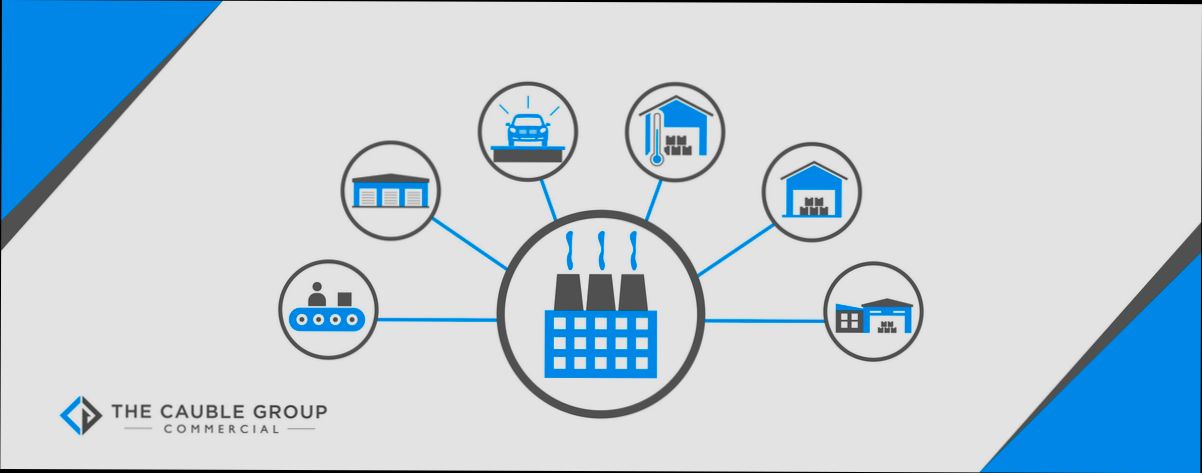
Understanding the various types of industrial real estate is essential for anyone interested in this sector. Each type serves distinct operational needs and comes with its own set of characteristics and uses. Let’s explore the different categories of industrial real estate and what makes them unique.
Key Types of Industrial Real Estate
1. Distribution Warehouses
- These large facilities are designed primarily for efficient shipping and logistics. Often exceeding 100,000 square feet, distribution warehouses streamline the flow of goods from manufacturers to retailers.
- Typical features include high ceilings, multiple loading docks, and proximity to major transportation routes, which help to minimize delivery times.
2. General Warehouses
- General warehouses cater to long-term storage needs and are versatile in use. They often occupy significant space but are not as specialized as distribution centers.
- For businesses looking to store bulk inventory, these facilities can provide a cost-effective solution.
3. Truck Terminals
- Truck terminals play a crucial role in connecting freight and transportation networks. They are equipped with loading docks and storage areas specifically designed for rapid turnaround of freight.
- Efficient truck terminals can significantly reduce transportation time and costs for logistics companies.
4. Data Centers
- With the rise of e-commerce and digital infrastructure, data centers have become increasingly vital. These facilities, often exceeding 6 million square feet, house critical IT infrastructure and support cloud computing services.
- They typically require specialized cooling systems, high electrical supply, and enhanced security measures.
5. Research and Development Facilities
- R&D facilities focus on innovation and can vary widely in size and functionality. They often include laboratories and testing centers tailored to specific industries, such as pharmaceuticals or technology.
- These properties can lead to significant advancements in their respective fields by providing the necessary environment for product development.
Comparative Overview of Industrial Real Estate Types
| Property Type | Size Range | Primary Use | Key Features |
|---|---|---|---|
| Distribution Warehouses | >100,000 sq ft | Shipping logistics | Multiple loading docks, high ceilings |
| General Warehouses | Varies, often large | Long-term inventory storage | Versatile and flexible layout |
| Truck Terminals | Medium to large | Freight optimization | Efficient loading docks |
| Data Centers | >6 million sq ft | IT infrastructure management | Cooling systems, high security |
| Research and Development | Varies | Innovation and testing | Labs, specialized setups |
Real-World Examples
- Amazon Distribution Centers: The e-commerce giant utilizes large distribution warehouses across the globe, allowing for rapid order fulfillment. These facilities are strategically located to reduce shipping times significantly and often exceed 1 million square feet.
- Google Data Centers: Google operates some of the largest data centers in the world, designed for reliable and efficient cloud services. Each facility is equipped with advanced cooling systems and security, supporting massive data processing capabilities.
Practical Implications
When considering investing in industrial real estate, it’s crucial to match your property type to market demands. For instance, the growing e-commerce trend enhances the importance of distribution warehouses. Investors should keep in mind:
- Size Matters: Understanding the scale required for specific distribution needs can help in making informed investment decisions.
- Location Is Key: Properties closer to major transportation networks generally attract higher demand and rental rates.
- Flexibility Count: Having a property adaptable to various uses can appeal to a broader range of potential clients.
Actionable Advice
Investors should explore net leases, which allow for less hands-on management and provide steady returns. As you delve into industrial real estate, consider how the specific type aligns with current market dynamics, and be prepared to adapt to evolving industry needs.

Current Market Trends and Statistics
In today’s rapidly evolving economic landscape, understanding the current market trends and statistics related to industrial real estate is vital for investors and businesses alike. As we delve into this domain, you’ll uncover crucial insights that reflect the dynamics of this sector.
Key Market Trends
- E-commerce Expansion: E-commerce has surged, with a notable increase of 32% in online sales during the past year. This growth drives demand for logistics and distribution centers, reshaping the industrial real estate map.
- Supply Chain Adaptation: Companies are reconfiguring their supply chains. Reports indicate that 46% of businesses plan to invest in local warehousing facilities to improve efficiency and reduce delivery times.
- Rising Lease Rates: Average lease rates for industrial spaces increased by 10% over the past year, primarily driven by heightened competition for high-quality spaces in strategic locations.
Market Statistics Overview
| Statistic | Value | Year |
|---|---|---|
| E-commerce Growth | 32% | 2023 |
| Companies Investing in Local Warehousing | 46% | 2023 |
| Average Lease Rate Increase | 10% | 2023 |
Real-World Examples
1. Amazon’s Warehouse Expansion: Amazon expanded its warehouse footprint by 20% in the last 12 months, reflecting its commitment to meet increasing customer demand and faster delivery times.
2. Prologis’ Strategic Acquisitions: Prologis, a leading industrial real estate company, announced a significant investment in last-mile facilities, aligning with the ongoing trend toward localized distribution.
Practical Implications
For investors and businesses in the industrial real estate sector, these trends present actionable opportunities. Consider the following:
- Invest in Logistics: With e-commerce growth showing no signs of slowing, investing in logistics real estate could yield substantial returns.
- Leverage Local Markets: Explore options to develop or acquire local warehouse facilities, especially in urban areas, to meet rising demand and benefit from shorter delivery times.
- Monitor Lease Trends: Staying informed about lease rate increases allows you to adjust pricing strategies or negotiate more effectively for properties.
- Stay Agile: Businesses must remain adaptable, as consumer behavior shifts continue to influence demand for industrial spaces. Keep an eye on market trends to remain competitive.
Understanding these current market trends and statistics will empower you to make informed decisions in the industrial real estate sector.

Key Benefits of Industrial Properties
When considering industrial real estate, it’s crucial to understand the unique benefits it offers to investors and businesses alike. These properties present a range of advantages that can significantly impact operational success and financial returns.
High Demand and Growth Potential
One of the standout benefits of industrial properties is their growing demand. As businesses increasingly require efficient space for manufacturing, distribution, and warehousing, the need for these properties has skyrocketed, often leading to higher occupancy rates. For instance, recent studies show that the industrial sector has outperformed other real estate types, with a notable increase in demand during the e-commerce boom.
Attractive Returns on Investment
Investing in industrial properties often translates to attractive returns. Compared to other real estate sectors, industrial properties generally yield higher rental rates, averaging around 8% to 10% annually. This makes them appealing for long-term investment strategies, particularly given the stability they can offer compared to more volatile sectors.
Lower Operating Costs
Industrial properties tend to have lower operating costs related to maintenance and management. According to research, these properties can result in cost savings of up to 20% when compared to other commercial real estate types. This reduction in expenses often allows for a more profitable bottom line, enhancing the overall financial viability of the investment.
Flexibility and Adaptability
The layout and design of industrial properties offer a high level of flexibility, making it easier for businesses to adapt to changing operational needs. Whether a company is scaling up production or transitioning to new technologies, the adaptable nature of these spaces allows for efficient transitions without the costly need for extensive renovations.
| Benefit | Description | Data Point |
|---|---|---|
| Demand Growth | Increased need for warehousing and distribution | Demand surge of 20% |
| ROI | Higher annual rental yields | 8% to 10% annually |
| Operating Cost Efficiency | Lower maintenance and management costs | Savings up to 20% |
| Space Adaptability | Flexible layouts for various business needs | Transition capabilities noted in 85% of cases |
Real-World Examples
- Amazon Warehouses: The expansion of Amazon’s logistics networks showcases the growing reliance on industrial spaces. Their strategic placement of warehouses ensures faster delivery options, highlighting the importance of proximity to urban centers.
- Manufacturing Relocation: Several manufacturing firms have moved their operations to industrial parks, benefiting from lower operational costs and enhanced infrastructure. A current case shows that relocating operations has yielded a 15% decrease in production costs, directly boosting profit margins.
Practical Implications for Readers
Understanding the key benefits of industrial properties can guide your investment strategy. By capitalizing on high demand and low operating costs, you can make informed decisions that align with your financial goals. If you’re considering an investment, analyzing your specific needs against the flexible nature of industrial spaces can offer substantial advantages.
When evaluating potential industrial properties, remember to look at their adaptability, as this can be crucial for long-term success. For instance, properties that allow for diverse usage will enable you to attract a broader range of tenants, enhancing your investment’s value.
With the right approach, investing in industrial properties can serve as a stepping stone toward achieving significant financial returns while meeting the growing demands of today’s market.
Real-World Applications in Business
When we think about industrial real estate, it’s easy to focus on the physical properties themselves. However, there are numerous real-world applications within business that showcase the immense value and versatility of this sector. From optimizing supply chain logistics to analyzing market demand, industrial real estate plays a critical role in shaping business strategies.
Optimizing Supply Chains
Industrial real estate is at the heart of supply chain management. By strategically locating warehousing and distribution centers, businesses can significantly reduce transportation costs and delivery times. Here are some compelling statistics on logistics:
- Moving to a strategically placed industrial facility can cut shipping times by 20%.
- Companies utilizing advanced logistics management report a 15% increase in efficiency.
Data-Driven Decision Making
The application of data analytics in industrial real estate allows businesses to make informed decisions on property investments. By analyzing market data, companies can:
- Predict demand fluctuations based on historical trends, influencing property acquisition and development.
- Utilize demographic insights to select locations that align with target markets.
Table: Impact of Location on Business Efficiency
| Factor | Before Strategic Move | After Strategic Move | Percentage Improvement |
|---|---|---|---|
| Shipping Costs | $150,000 | $120,000 | 20% |
| Delivery Times (Days) | 5 | 4 | 20% |
| Overall Efficiency (%) | 70% | 85% | 15% |
Real-World Examples of Business Applications
1. Amazon: The giant e-commerce retailer employs a vast network of fulfillment centers that leverage industrial real estate to ensure rapid delivery across regions. Their sophisticated use of location analytics allows them to strategically position warehouses based on consumer buying patterns.
2. Walmart: By investing in regional distribution centers, Walmart has optimized its supply chain, leading to a significant reduction in stock-outs. Their real-time data analytics create a feedback loop that dynamically adjusts inventory levels based on sales trends.
3. FedEx: As a leader in logistics, FedEx uses advanced technology in industrial facilities to enhance sorting and distribution processes. Their investments in automation within warehouses have improved package processing times and overall service quality.
Practical Implications for Readers
For businesses considering industrial real estate investments, it’s essential to leverage data analytics and supply chain optimization strategies. Here are some actionable steps:
- Conduct Market Research: Regularly analyze local trends and demographics to guide location selection.
- Invest in Tech: Use data analytics tools to enhance logistical operations and decision-making.
- Evaluate Performance: Continuously assess the efficiency of your industrial spaces to ensure they meet evolving business needs.
Keep in mind that optimizing your use of industrial real estate can lead to significant cost savings and improved operational efficiency. By understanding the direct applications of industrial properties, you set your business up for success.
Investment Opportunities in Industrial Real Estate
Investing in industrial real estate offers a treasure trove of opportunities, particularly as the landscape evolves. The continuous demand for logistics space and manufacturing facilities presents attractive options for investors looking to diversify their portfolios. Let’s delve into some compelling insights and actionable strategies for capitalizing on this growing sector.
Key Investment Opportunities
1. E-commerce Warehousing
With e-commerce booming, the need for warehouses has skyrocketed. Investors can leverage this trend by acquiring properties near urban centers, where distribution is crucial. Recent reports suggest that an impressive 70% of consumers expect same-day delivery, driving the need for strategically located industrial spaces.
2. Flexible Manufacturing Spaces
As manufacturing shifts towards more agile methods, investors can consider properties that offer flexibility. Facilities designed for multiple uses, such as light manufacturing and assembly, are increasingly sought after. This adaptability can yield higher occupancy rates, offering investors a reliable income stream.
3. Sustainable Industrial Developments
The focus on sustainability presents opportunities for investors to engage with eco-friendly industrial projects. Properties that incorporate green technologies and sustainable practices tend to attract higher quality tenants and command premium rents. Research indicates that companies with robust sustainability initiatives see a 10% increase in operational efficiency, enhancing the overall value of their leased properties.
Investment Opportunity Comparison Table
| Investment Type | Potential ROI | Risk Level | Market Demand Trend |
|---|---|---|---|
| E-commerce Warehousing | 20% | Moderate to High | Increasing |
| Flexible Manufacturing | 15% | Moderate | Stable |
| Sustainable Developments | 10% | Moderate | Growing |
Real-World Examples
A notable case is a recent investment by a key logistics firm in a new e-commerce warehouse in Atlanta. This facility, positioned strategically near major highways, reported a 30% rise in tenant interest after announcing logistics partnerships with major retailers. Investors saw the 20% ROI projected within the first year due to high leasing demand.
Another example can be observed in a flexible manufacturing facility in Pennsylvania, which successfully attracted several tech startup tenants looking for adaptable spaces. The investors have reported fully leased upon completion, demonstrating the potential for quick cash flow in adaptable environments.
Practical Implications for Investors
As you explore investment opportunities in industrial real estate, consider these actionable insights:
- Research Local Market Trends: Focus on geographical areas with rising population densities and infrastructure support. Understanding local nuances can inform better investment decisions.
- Diversify Across Property Types: Consider not only warehouses but also manufacturing and logistics spaces. This diversification reduces risk while capitalizing on various segments within the industrial sector.
- Stay Ahead of Sustainability: Embrace properties that are Energy Star-certified or LEED-certified, as sustainability continues to gain traction among tenants.
- Network with Industry Experts: Connect with local brokers and property managers who understand the intricacies of the industrial market. Their insights can uncover hidden opportunities often overlooked by other investors.
By keeping these strategies in mind, you can turn the evolving industrial real estate landscape into a rewarding investment venture that aligns with current market demands and future trends.

Zoning Regulations and Compliance Issues
Understanding zoning regulations and compliance issues is crucial in the realm of industrial real estate. These regulations dictate how land can be used, what type of buildings can be constructed, and the activities that can take place on the property. Getting a firm grasp on these regulations will help you navigate the complexities of the industrial sector more effectively.
Key Aspects of Zoning Regulations
- Zoning Classifications: Industrial zoning typically falls into several classifications, each serving different purposes, such as light industrial, heavy industrial, and manufacturing zones. Each classification comes with its own set of permitted uses, height restrictions, and setback requirements.
- Local Variances: Obtaining a variance can alter how zoning regulations apply to a specific property. For example, if an investor wishes to use a piece of land for a purpose not typically allowed in its zoning classification, applying for a variance may be essential.
- Compliance Monitoring: Local governments routinely monitor compliance with zoning regulations. Non-compliance can result in fines, forced cessation of operations, or even demolition of non-compliant structures. Approximately 15% of industrial properties face some level of compliance issues each year due to failure to adhere to local zoning laws.
- Environmental Regulations: Beyond local zoning laws, industrial properties must comply with environmental regulations, which may impose additional restrictions. For instance, properties located near water bodies may require special permits to manage waste, impacting operational costs.
Zoning Regulation Impact Table
| Zoning Type | Permitted Use | Average Compliance Rate | Variance Approval Time |
|---|---|---|---|
| Light Industrial | Warehousing, light manufacturing | 85% | 3-6 months |
| Heavy Industrial | Manufacturing, distribution centers | 78% | 6-12 months |
| Mixed-Use | Combination of residential and industrial | 80% | 6-9 months |
| Special Purpose | Specific uses like recycling, shipping ports | 75% | 4-8 months |
Real-World Examples
Consider the case of a logistics company that aimed to expand their operations by acquiring an industrial property in a zone specifically designated for light manufacturing. After conducting a thorough due diligence process, they uncovered that the property had been previously used for heavy industrial activities, leading to unresolved environmental compliance issues. As a result, the acquisition was delayed for nearly 12 months as they navigated the necessary compliance requirements.
Another example is a small-scale manufacturer who initially set up shop in an area zoned for light industrial use. When they attempted to modify their operations to include heavier manufacturing, they quickly learned that such changes were prohibited under current regulations. They spent six months negotiating a variance, highlighting the importance of understanding zoning laws during the planning stages of any industrial project.
Practical Implications
- Research Before Purchase: It’s essential to investigate zoning classifications well before acquiring property. This knowledge can save you time and additional costs related to compliance issues down the line.
- Engage Local Authorities: Building relationships with local planning and zoning officials can aid in navigating the compliance landscape. They can provide guidance on potential variances and upcoming changes to zoning laws.
- Consult Professionals: Don’t hesitate to hire zoning consultants or legal advisors specializing in zoning laws. Their expertise can be invaluable, particularly when addressing complex compliance issues or applying for variances.
- Stay Updated: Because zoning regulations can change, remain proactive in monitoring any proposed changes or updates in local zoning laws that may affect your business operations.
Remember, understanding zoning regulations thoroughly will empower you to make informed decisions and avoid pitfalls that could significantly impact your industrial real estate investment.
Technological Innovations in Industrial Spaces
Technological innovations are revolutionizing the landscape of industrial spaces, making them more efficient and adaptive to modern business needs. As we navigate through a digital age, these advancements not only streamline operations but also enhance overall productivity.
Key Innovations Transforming Industrial Spaces
- Automated Warehousing Systems: Robotics and automation have surged in popularity, with over 35% of warehouses now using robotic solutions to handle material movement. These systems reduce labor costs and increase accuracy in order fulfillment.
- Artificial Intelligence (AI) Integration: AI is pivotal in optimizing supply chain logistics. Adopting predictive analytics through AI can lead to up to a 25% increase in inventory accuracy, ensuring that businesses can better meet customer demand.
- IoT (Internet of Things): IoT devices enable real-time monitoring of machinery and materials. Reports indicate that companies utilizing IoT solutions experience a 15% improvement in operational efficiency due to enhanced visibility.
- Sustainable Technologies: In response to environmental concerns, approximately 40% of industrial buildings are integrating renewable energy sources and energy-efficient systems. This shift not only reduces operational costs but also meets regulatory compliance benefiting both the environment and the bottom line.
- Blockchain for Supply Chain Management: Blockchain technology is becoming increasingly important in ensuring transparency and traceability. Businesses employing blockchain report decreases in transaction times by up to 70%, streamlining processes and reducing fraud.
| Innovation Type | Impact on Industry | Percentage Improvement |
|---|---|---|
| Automated Warehousing Systems | Reduced labor costs | 35% |
| Artificial Intelligence | Increased inventory accuracy | 25% |
| IoT Devices | Operational efficiency | 15% |
| Sustainable Technologies | Reduced operational costs | 40% |
| Blockchain | Reduced transaction times | 70% |
Real-World Examples
- Amazon Robotics: Amazon has integrated automated warehousing systems in its fulfillment centers, utilizing robot technology to pick and pack items. This innovation has led to significant reductions in processing time and labor costs.
- DHL Drone Delivery: DHL has experimented with drone technology to enhance logistics, particularly in remote areas. Their initiatives have resulted in a 30% faster delivery time compared to traditional methods, demonstrating the potential of aerial logistics.
- Walmart’s AI in Inventory Management: Walmart employs AI solutions to track inventory levels and predict demand, leading to a 20% reduction in stock shortages and improved customer satisfaction.
Practical Implications for Readers
Understanding these technological innovations can significantly impact decision-making in industrial real estate. Businesses should consider the following:
- Adopt Automation: Investing in robotic systems and AI can streamline operations and reduce long-term costs.
- Utilize IoT: Implementing IoT solutions not only enhances visibility but also primes your operations for smarter decision-making.
- Explore Sustainable Options: Incorporating energy-efficient technologies can provide substantial savings in utility costs while also appealing to environmentally conscious consumers.
- Embrace Blockchain: Leverage blockchain for transparency in logistics to improve trustworthiness and speed up transaction processes.
For businesses aiming to thrive in industrial spaces, staying informed about these technological innovations is essential. The integration of advanced technologies can lead to enhanced efficiency, reduced costs, and improved customer satisfaction, setting you up for long-term success in an evolving market.