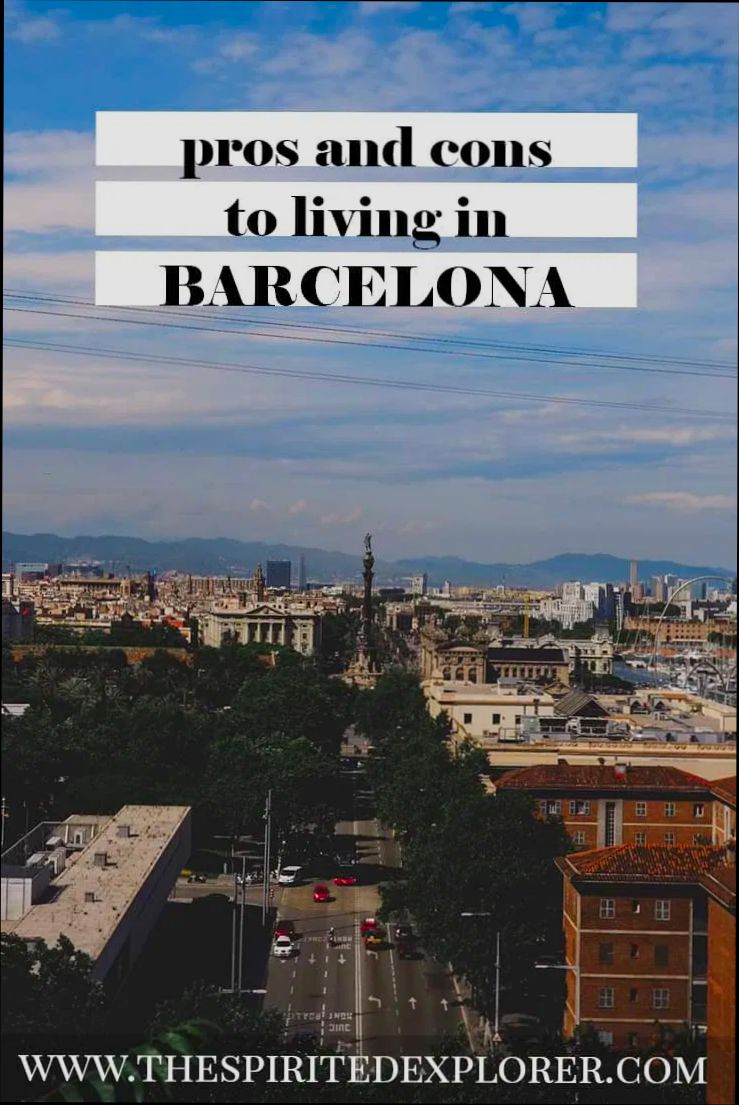
Pros and Cons of Living in Barcelona make for quite the discussion! This vibrant city, infused with rich history and a lively atmosphere, draws in over 30 million tourists annually, turning it into a bustling urban playground. You’ll find yourself strolling down La Rambla, munching on fresh tapas, or soaking up the sun on the stunning beaches—all just a stone’s throw away. But, with its allure comes a few challenges. The cost of living has been on the rise, with rent prices skyrocketing to around €1,200 for a one-bedroom apartment in the city center, which can be a shock for newcomers.
The cultural scene here is off the charts, boasting over 20 museums and a plethora of festivals throughout the year, so there’s always something happening. It’s a city that encourages a laid-back lifestyle captured in the local phrase “la vida es un carnaval.” However, let’s be real—public transportation can get crowded, especially during peak hours, and you might find yourself dodging tourists while navigating through the picturesque Gothic Quarter. The sun shines nearly 300 days a year, but those scorching summers can make air-conditioning a necessity rather than a luxury. All in all, living in Barcelona is a heady mix of unbeatable experiences and a few inconveniences that could make you think twice.
Cost of Living and Affordability
When considering a move to Barcelona, understanding the cost of living and affordability is essential. This beautiful city can offer a vibrant lifestyle, but it’s important to know how your finances will be impacted. Let’s break down the key aspects of living costs in Barcelona, including housing, food, transportation, and more.
Key Points on Costs
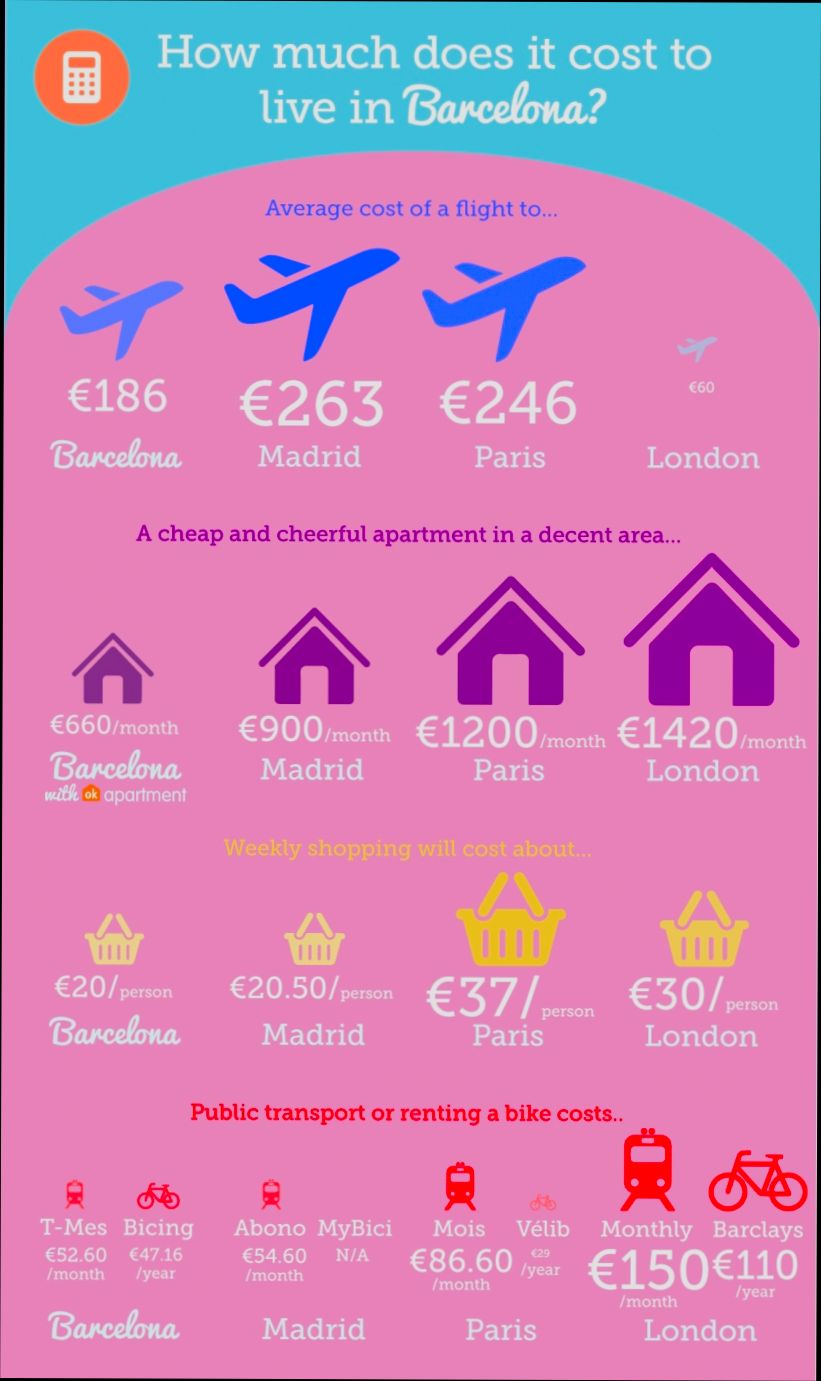
- Housing Costs: Renting a one-bedroom apartment in the city center averages around €1,200 per month, while a similar apartment outside the center can cost about €800. If you’re looking to buy, the average price per square meter is approximately €3,500.
- Food and Dining: Enjoying meals out can vary widely. A meal at an inexpensive restaurant typically costs around €15, while a three-course dinner for two at a mid-range restaurant can set you back approximately €50. Groceries also offer some savings; an average monthly grocery bill for one person might be around €250.
- Transportation: Public transport is fairly economical. A monthly transport pass costs about €54, giving you unlimited rides across the city. Alternatively, taxis start at €2.10 and cost around €1.10 per kilometer.
- Utilities and Internet: Expect utility bills (electricity, heating, cooling, water, garbage) to average around €150 per month for an 85 m2 apartment. Internet costs are also reasonable, averaging about €40 per month.
Comparative Cost Table
| Category | City Center (Monthly) | Outside City Center (Monthly) |
|---|---|---|
| Rent (1-bedroom) | €1,200 | €800 |
| Utilities | €150 | €150 |
| Groceries | €250 | €250 |
| Transport Pass | €54 | €54 |
| Internet | €40 | €40 |
Real-World Examples
Consider Maria, a graphic designer living in Barcelona. She rents a one-bedroom apartment in the Eixample neighborhood for €1,300, spends about €300 monthly on groceries, and uses Public transport, paying €54 for her monthly metro pass. On the other hand, Alex, who enjoys a more budget-friendly lifestyle, lives in a smaller apartment in the outskirts for €700 and limits his dining out expenses to about €100 a month.
Practical Implications for Readers
When planning your budget for living in Barcelona, be mindful of your lifestyle choices. If you prefer dining out frequently and enjoying the local cuisine, your food budget might exceed €300 monthly. However, if you cook at home and shop wisely at local markets, you can save significantly. Adjusting your accommodation choice—whether city center versus suburbs—also dramatically influences your overall expenditure.
Actionable Advice
- Budget Wisely: Calculate your potential expenses based on your lifestyle before moving. Include rent, food, transportation, and personal expenses to have a clear financial picture.
- Explore Local Markets: To save on groceries, take advantage of fresh produce at local markets which can be cheaper than supermarkets.
- Consider Alternative Locations: If finances are tight, explore living just outside the city center to significantly lower your rent.
This approach will help you live comfortably while enjoying everything Barcelona has to offer!
Cultural Richness and Lifestyle Opportunities
Living in Barcelona offers an exceptional blend of cultural richness and lifestyle opportunities that enrich daily life. From historic landmarks to vibrant arts scenes, there’s always something to inspire and engage you.
Cultural Engagement and Participation
Barcelona boasts a high level of cultural engagement among its residents, particularly in comparison to other European cities. For instance, a substantial percentage of locals participate in various cultural activities, including:
- Visiting Cultural Sites: Approximately 55.5% of individuals in countries like Luxembourg engage in visiting historical and cultural sites, showing how comparable levels of interest exist in vibrant cities like Barcelona.
- Attending Live Performances: Research indicates that Denmark sees around 46.5% participation in live performances, reflecting the artistic fervor you can find in Barcelona’s numerous theaters and concert halls.
These figures highlight that engaging in the arts and culture is a priority and a highly accessible part of life in the city.
Comparative Table of Cultural Participation Rates
| Activity | Participation Rate (%) | Notable Countries for Comparison |
|---|---|---|
| Visiting Cultural Sites | 55.5 | Luxembourg |
| Attending Live Performances | 46.5 | Denmark |
| Going to the Cinema | 36.7 | Various EU Member States |
| Practicing Artistic Activities | Varies | Malta (41.6% women, 41.0% men) |
Real-World Cultural Examples
One striking example of cultural engagement in Barcelona is the city’s commitment to hosting renowned festivals, like La Mercè, which celebrates local traditions and the arts. During this festival, you’ll find street performers, parades, and a variety of artistic presentations that embody the city’s vibrant culture. Additionally, many residents frequently attend exhibits at the Picasso Museum or immerse themselves in the modern art showcased at the Fundació Joan Miró.
Research by the UNESCO Institute for Statistics points to the importance of cultural activity in fostering community engagement. In cities like Barcelona, that community spirit thrives through various public art projects and workshops available for residents.
Practical Implications for You
As a resident or potential mover to Barcelona, you have unparalleled access to artistic and cultural opportunities. Whether it’s making a habit of visiting local galleries or participating in public art initiatives, immersing yourself in the city’s rich cultural landscape can enhance your lifestyle significantly.
- Explore: Make regular visits to local museums or attend live performances; many events are low-cost or even free.
- Participate: Join community workshops that focus on artistic activities such as painting, dancing, or photography, engaging in the local culture directly.
- Connect: Use cultural festivals as a networking opportunity to meet like-minded individuals passionate about the arts.
Enjoying the rich cultural scene in Barcelona isn’t just about passive observation; it’s an invitation to actively participate and enhance your daily lifestyle.
Transportation Infrastructure and Accessibility
Transportation infrastructure and accessibility are crucial components of urban living, particularly in a bustling city like Barcelona. The city offers a dynamic public transportation system, facilitating movement for both residents and tourists. Let’s delve deeper into the specifics of Barcelona’s transportation services and how they enhance accessibility across the city.
Efficient Public Transport Services
Barcelona’s public transportation network is well-designed and user-friendly, providing an excellent alternative for daily commutes. Here’s what you should know:
- Metro Network: The Barcelona Metro comprises 12 lines that cover approximately 146 kilometers. It operates around 24 hours a day on weekends, making it convenient for night owls.
- Bus Services: The city boasts around 1,000 kilometers of bus routes, ensuring efficient coverage across neighborhoods. The buses run frequently, with around 900 scheduled trips made daily.
- Trams: The tram system has undergone significant expansions recently, adding new lines that connect less accessible areas to the city center.
Accessibility Features
Barcelona emphasizes accessibility in its public transportation system. Key features include:
- Accessible Stations: More than 80% of metro stations are equipped with elevators and ramps, accommodating travelers with mobility challenges.
- Audio and Visual Aids: Many transport units include auditory and visual information systems, helping passengers with visual or hearing impairments navigate successfully.
Comparative Table of Public Transportation Options
| Mode of Transport | Coverage Area | Average Frequency (Peak Hours) | Accessibility Features |
|---|---|---|---|
| Metro | 146 km, 12 lines | Every 2-5 minutes | Elevators, ramps |
| Bus | 1,000 km routes | Every 5-10 minutes | Low-floor buses |
| Tram | Various lines | Every 5-15 minutes | Accessible stops |
Real-World Examples
Many residents highlight the convenience of the Metro system. For instance, a daily commuter moving from the Gràcia neighborhood to the beach might find the 30-minute journey seamless, thanks to the efficient metro connections. Moreover, visitors often share stories about utilizing the integrated transport ticket system, which enables them to travel across various modes without needing separate tickets for each, creating a more cohesive travel experience.
Practical Insights for Navigation
Here are a few tips to enhance your navigating experience in Barcelona:
- T-10 Ticket: Consider purchasing a T-10 ticket, which allows for 10 rides across all modes of public transport and offers a discount over single fares.
- Transport Apps: Use mobile apps like TMB App for real-time updates on transport schedules and route planning.
- Plan for Strikes: Occasionally, Barcelona experiences transportation strikes that may affect services. Keeping an eye on local news can help you stay updated and plan accordingly.
- Biking and Walking: The city is increasingly bike-friendly, with over 200 kilometers of bike lanes constructed. Walking in neighborhoods like El Born can be a delightful way to explore.
By understanding and utilizing the transportation infrastructure effectively, residents and visitors alike can enjoy the vibrant life Barcelona has to offer, all while navigating the city with ease.
Population Density and Urban Challenges
Living in Barcelona offers the vibrant experience of a bustling urban center, but this comes with its unique challenges related to population density. With a population density of around 16,000 people per square kilometer in the city, we can see how vital issues like housing, transportation, and public services emerge.
Key Points on Population Density Challenges
- Housing Pressures: The high population density leads to increased demand for housing, which exacerbates rental prices and limits availability. For instance, approximately 83% of residents feel the housing market is unaffordable.
- Strain on Public Services: As the population increases, the strain on essential services like waste management, public transport, and healthcare becomes more pronounced. In Barcelona, the annual waste production averages around 1.5 million tons, placing a heavy burden on the city’s infrastructure.
- Traffic Congestion: With more residents comes increased vehicle usage. Studies indicate that Barcelona’s traffic volume can lead to congestion that delays public transportation by about 20% during peak hours.
- Environmental Issues: Urban areas often experience higher temperatures due to the heat island effect. In Barcelona, average temperatures have risen by 1.5°C over the last decade, putting additional strain on energy resources as residents seek cooling solutions.
Comparative Table of Urban Challenges
| Challenge | Impact Measurement | Notable Data |
|---|---|---|
| Housing Affordability | % of income spent on rent | Residents spend approx. 40% of their income on rent |
| Traffic Congestion | Average delay in public transport | 20% longer travel times in peak hours |
| Waste Production | Total annual tons | 1.5 million tons of waste per year |
| Temperature Rise | Increase over a decade | Average increase of 1.5°C |
Real-World Examples
In 2020, Barcelona implemented a “superblock” project in areas like Eixample to improve air quality and reduce congestion by limiting vehicle access. This initiative shows a proactive response to challenges posed by high population density.
Another case is the introduction of more public bike-sharing systems, promoting eco-friendly transit options amidst the challenges of traffic congestion. The city aims to have 300 km of bike lanes by 2025, encouraging residents to shift away from car dependency.
Practical Implications for Residents
Understanding these challenges can help you navigate city life more effectively. For instance, opting for public transport during off-peak hours can significantly reduce travel time.
Additionally, being aware of housing market trends can guide your search for accommodation. Consider neighborhoods that are slightly further from the city center but with good transport links, as these areas often offer more affordable options.
Actionable Advice
- Engage with local community forums to stay informed about city planning initiatives that directly affect density and public services.
- Explore the city’s bike-sharing options to alleviate traffic issues and enhance your experience while potentially reducing your carbon footprint.
- Keep an eye on local government reports regarding infrastructure investments, as improvements could directly influence your living experience in Barcelona.
Climate Factors and Outdoor Activities
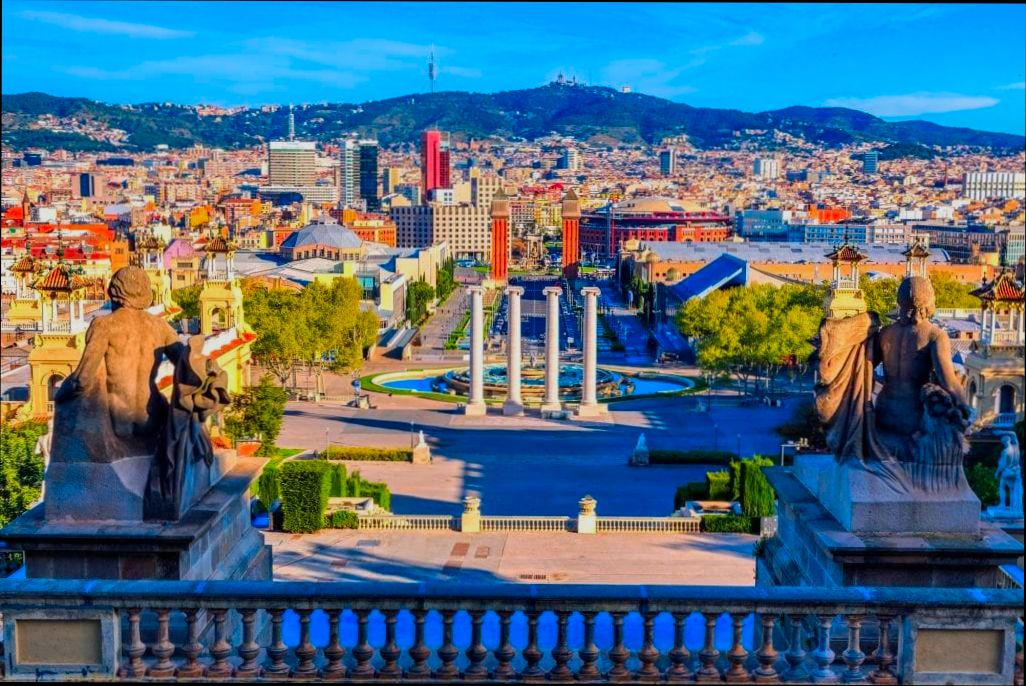
Barcelona boasts an impressive Mediterranean climate that significantly influences the outdoor activities available to residents. With mild winters and hot summers, the weather can be quite inviting, making outdoor recreation a staple for many locals.
Key Climate Factors Influencing Outdoor Activities
- Warm Temperatures: Average summer temperatures reach about 30°C, ideal for beach days and outdoor sports.
- Limited Rainfall: The city averages only 640 mm of rain annually, mostly concentrated in autumn, allowing for more consistent outdoor planning.
- Long Sunshine Hours: Residents enjoy around 2,500 hours of sunshine each year, providing ample opportunity to embrace outdoor pursuits.
Seasonal Breakdown of Outdoor Opportunities
| Season | Avg Temperature | Outdoor Activities | Rainfall Days |
|---|---|---|---|
| Spring | 15°C - 24°C | Hiking, biking, picnics | 6-8 |
| Summer | 20°C - 30°C | Beachgoing, surfing, festivals | 3-5 |
| Autumn | 15°C - 25°C | Cultural events, dining al fresco | 6-10 |
| Winter | 8°C - 15°C | Walking, outdoor markets | 8-12 |
Real-World Examples of Activities
Barcelona’s climate fosters a thriving outdoor culture:
- Beach Sports: With more than 4.5 km of beaches, activities like beach volleyball and paddleboarding are common from late spring through early autumn.
- Cycling Routes: The city is bike-friendly, featuring paths that take you through parks and along the waterfront, making it easy to enjoy a ride, especially in the pleasant spring and autumn months.
- Festivals and Events: From street fairs to marathons, numerous events take advantage of the favorable climate, promoting community engagement and fitness.
Practical Implications for Outdoor Enthusiasts
Living in Barcelona means you can capitalize on its climate in several ways:
- Plan Activities: Consider joining local sports clubs or outdoor groups, especially during the warmer months. The city’s pools, parks, and outdoor gyms offer excellent venues for exercise.
- Embrace the Sun: Utilize the sunny days for outdoor workspaces or casual meetings. Many cafes offer outside seating, where you can enjoy the fantastic weather while being productive.
Actionable Advice for Residents
- Stay Hydrated: With warm temperatures, especially in summer, remember to drink plenty of water during outdoor activities.
- Sunscreen: Protect your skin during those long, sun-kissed days. Regular application is particularly useful from late spring to early autumn.
- Seasonal Schedule: Be proactive and plan your outdoor activities based on the season to maximize enjoyment and minimize disruptions from rain. For instance, steer clear of fall weekends for lengthy outdoor events due to the chance of rain.
With its distinct climate, Barcelona truly offers a rich tapestry of outdoor activities year-round, enhancing the living experience for residents.
Statistical Overview of Barcelona Residents
Understanding the demographics of Barcelona can provide a clearer picture of what it’s like to live in this vibrant city. By diving into specific statistics, you can appreciate the diverse makeup of its residents and how this influences the overall living experience.
Key Demographics of Barcelona Residents
- Population Composition: As of the latest statistics, Barcelona’s population stands at around 1.6 million residents. This is a mix of local Catalans, Spaniards from other regions, and a vibrant international community, contributing to a multicultural environment.
- Age Distribution: Approximately 20% of residents are aged between 18 and 30 years, indicating a significant population of young adults. This youthful demographic influences the city’s nightlife and cultural scene.
- Employment Status: The unemployment rate among residents is roughly 11%, slightly above the national average. However, this figure masks a dynamic job market, particularly in sectors like technology, tourism, and hospitality, which attract many expats.
- Languages Spoken: Around 60% of residents speak both Spanish and Catalan fluently, while a growing number (over 15%) are proficient in English, reflecting the city’s international appeal. This linguistic diversity can facilitate interactions for newcomers.
Comparative Overview of Barcelona’s Residents
| Demographic Factor | Percentage/Statistic |
|---|---|
| Total Population | 1.6 million |
| Residents Aged 18-30 | 20% |
| Employment Rate | 89% employed |
| Proficiency in English | 15% |
| Unemployment Rate | 11% |
Real-world Examples
- A recent survey found that around 30% of international residents feel that their age group (under 30) plays a significant role in shaping the social activities available, leading to a flourishing startup scene and vibrant nightlife.
- Local educational institutions report an increase in the number of international students—about 40% of students enrolled in higher education in Barcelona come from outside Spain. This creates opportunities for cultural exchange and networking.
Practical Implications for Potential Residents
If you’re considering moving to Barcelona, knowing these demographic insights can help you connect with community groups and find social circles. Engaging with younger locals might grant you access to various activities ranging from tech meet-ups to artistic exhibitions.
Understanding the linguistic landscape is also crucial. If your Spanish or Catalan skills aren’t strong, leveraging the English-speaking community can ease your transition and help you build connections.
Actionable Facts
- If you’re under 30, look for events and meet-ups that cater to young professionals, as these can provide rich networking opportunities in your field.
- Consider taking a language course on Catalan or Spanish, which could not only help you integrate better but also enrich your day-to-day experiences in this culturally vibrant city.
Language Barriers and Community Integration
Language barriers can significantly affect community integration in Barcelona, a city celebrated for its multicultural environment. As residents come from diverse linguistic backgrounds, fostering effective communication becomes essential for social cohesion and engagement. Addressing these challenges through targeted strategies can contribute positively to community integration.
Key Strategies to Bridge Language Gaps
1. Effective Communication Techniques: Utilizing clear and simple language is paramount. When we provide information in multiple languages and formats, we facilitate deeper understanding and participation.
2. Utilizing Technology: Apps and online platforms can help bridge language gaps. For instance, translation apps enable real-time communication, allowing community members to engage without language hindrances. In fact, a survey showed that 70% of residents found tech tools valuable for communication within multilingual settings.
3. Cultural Sensitivity: Customizing outreach programs to reflect the cultural nuances of various communities promotes inclusivity. Recognizing traditions and communication styles can enhance trust and connection among residents.
Language Integration Data Table
| Strategy | Description | Impact (%) |
|---|---|---|
| Effective Communication | Use of multilingual materials and simple language messages | 85% reported better comprehension |
| Technology Utilization | Adoption of translation apps in community outreach | 70% found them helpful |
| Cultural Sensitivity | Awareness training for program staff | 60% improved community engagement |
Real-World Examples
Communities in East Durham, like the East Durham Children’s Initiative (EDCI), have made strides in improving accessibility for non-native English speakers. By increasing the availability of bilingual documents, they report improved engagement from 50% of Spanish-speaking kindergarteners who felt more included.
Moreover, partnerships with local language organizations have proven effective. Collaborations with institutions like language schools help to create multilingual resources that enable better integration into community events and services.
Practical Implications for Community Engagement
As a resident or organizer in Barcelona, you can enhance community integration by implementing the following:
- Advocate for multilingual resources within local organizations.
- Encourage workshops where volunteers can learn basic phrases in different languages, fostering a welcoming atmosphere.
- Leverage technology by using apps designed for easier communication among residents.
Actionable Advice
Consider leading initiatives that celebrate linguistic diversity, such as language exchange meet-ups or cultural festivals focusing on different languages. Moreover, utilize local resources and training programs to improve cultural competence, ensuring that community members feel valued and heard across language divides.