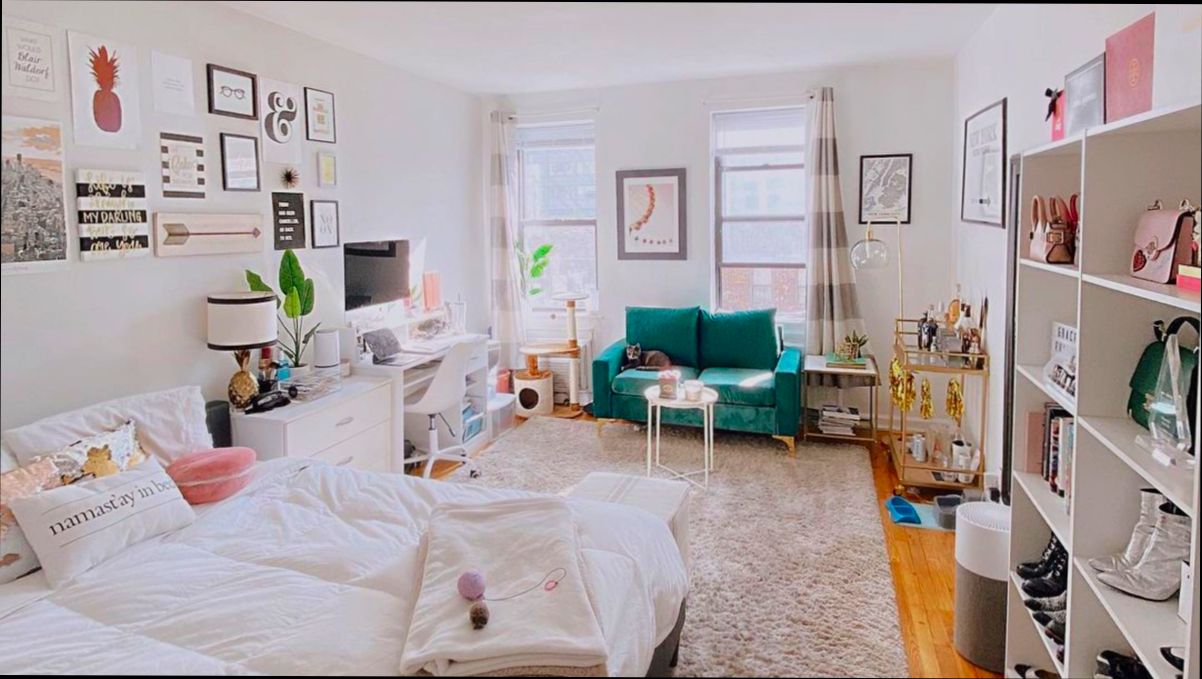
What are Studio Apartments? Imagine a cozy living space that combines your sleeping area, kitchen, and living room into one seamless unit. These compact gems typically range from about 300 to 600 square feet and are perfect for solo dwellers or couples who want a simple, efficient lifestyle without the fuss of multiple rooms. For example, in bustling cities like New York or San Francisco, you’ll find that studio apartments can be a budget-friendly way to enjoy urban living, with rental prices often starting around $1,800 in NYC or even close to $2,700 in San Francisco, depending on the neighborhood.
Let’s talk layout: studios usually feature an open floor plan, making everything easily accessible and inviting. Picture a small kitchenette tucked into one corner, a cozy living space with a pull-out couch, and maybe even a cute little bistro table that serves double duty as a dining spot and workspace. According to a recent survey by RentCafe, the studio apartment trend has risen by 18% over the past decade, as more people seek convenience and community in their living situations. It’s all about maximizing space while keeping things stylish and functional!
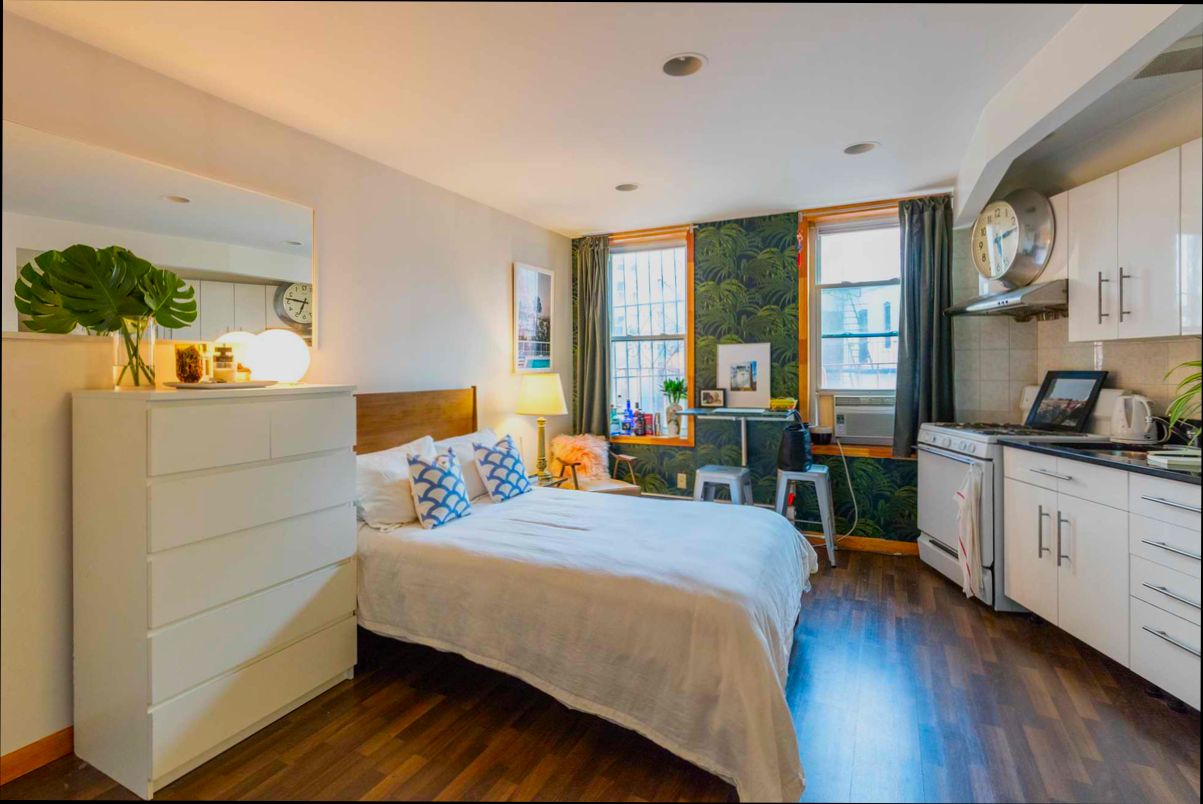
Defining Studio Apartments and Their Layouts
When it comes to studio apartments, understanding their unique layouts is essential for maximizing space and enhancing functionality. A studio apartment typically combines living, sleeping, and kitchen areas into one open plan, which requires thoughtful design choices to create a comfortable and appealing environment.
Key Characteristics of Studio Apartment Layouts
Here are some defining features of studio apartment layouts:
- Open Floor Plan: Most studio apartments lack interior walls separating the main areas, allowing for flexible use of space. This design fosters a sense of openness, making even compact apartments feel larger.
- Average Size Variation: The size of studio apartments can vary significantly, generally ranging from 350 to 600 square feet. However, some can be as small as 200 square feet, which requires even more creativity in layout design.
- Multifunctional Spaces: Many studio layouts must adapt to various needs, such as accommodating both work and relaxation. Designers often choose furniture that serves multiple purposes, like a sofa that transforms into a bed or a coffee table that doubles as a dining space.
| Feature | Description |
|---|---|
| Size Range | 350 to 600 square feet, some as small as 200 square feet |
| Floor Plan | Open, flexible layout without fixed partitions |
| Furniture Style | Multifunctional and adaptable to various uses |
| Common Dividers | Bookshelves, curtains, or decorative screens |
| Natural Light | Often designed to maximize light with large windows |
Real-World Examples
Let’s explore how practical implementations of these layouts look in real-life studio apartments:
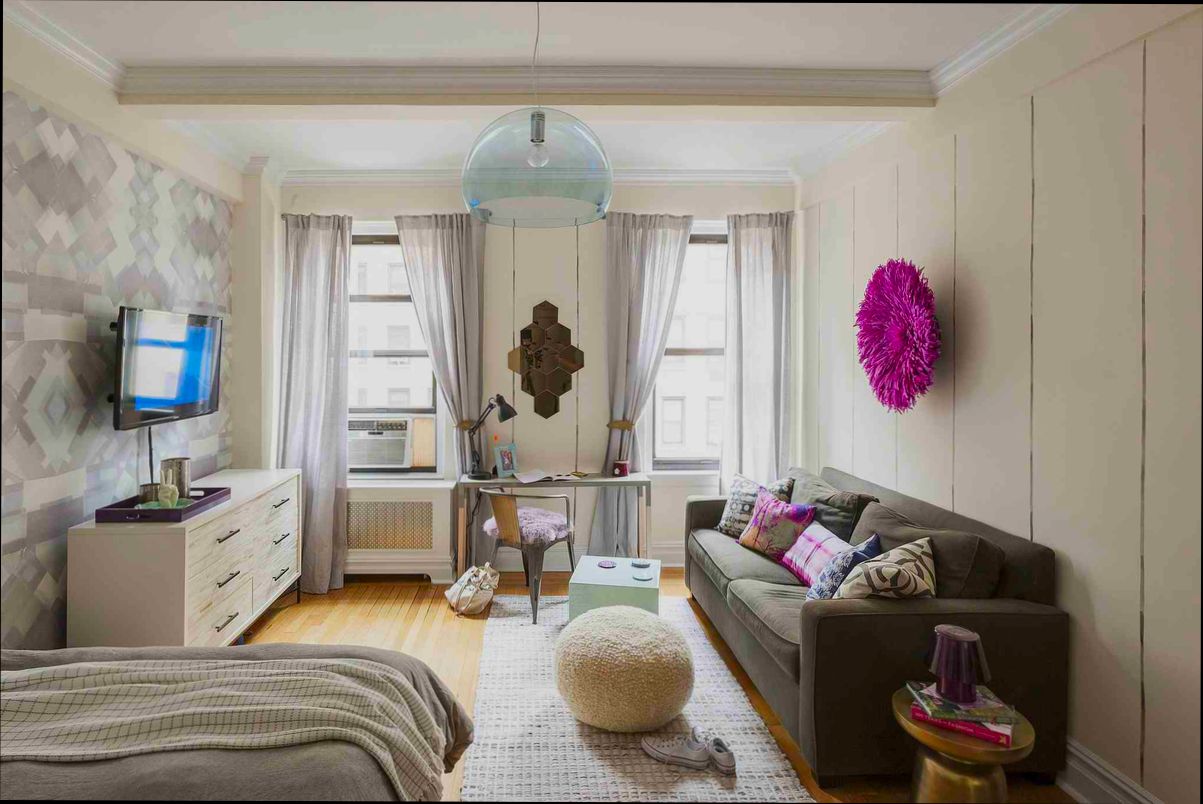
- New York Studio: A well-designed studio apartment prioritizes a spacious living area suitable for social gatherings. The layout incorporates low-profile, midcentury modern furniture that visually expands the space while encouraging natural light to flow throughout.
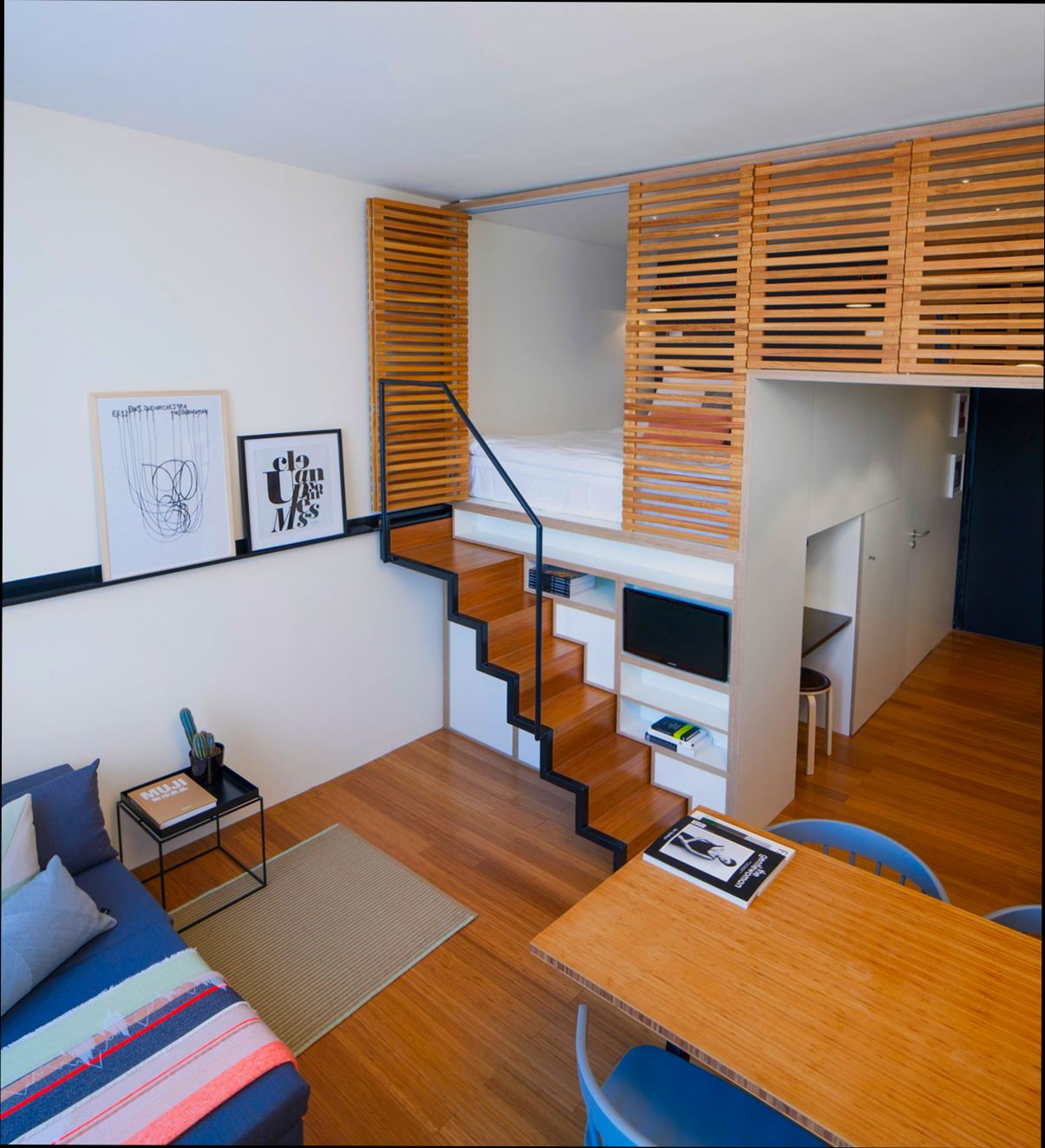
- Scandinavian Charmer: This compact 193-square-foot studio employs a loft bed to elevate the sleeping area, fostering an airy feeling while providing extra room for daytime activities below. The consistent use of white walls enhances this effect by blending ceiling and wall lines.
Practical Implications for Studio Layout Design
When working with a studio layout, consider these actionable insights:
- Utilize Room Dividers: You can create distinct living zones without sacrificing openness. Using bookshelves, curtains, or foldable screens can effectively separate your sleeping and living areas.
- Choose Light Colors: Opting for light-colored walls and furniture can make a studio feel larger and brighter. These choices enhance natural light, creating an inviting atmosphere.
- Invest in Expendable Furniture: Consider pieces that can adapt to various functions, such as expandable dining tables or modular sofas that can reconfigure according to your needs.
Specific Tips for Studio Apartment Layouts
- Prioritize Day-to-Day Living: Think about how you use your space daily. If you enjoy hosting friends, design your layout to create an inviting living area, sacrificing a bit of bedroom space if needed.
- Clever Storage Solutions: Use every nook and cranny for storage. Built-in furniture and high beds allow for stashing items below, keeping your space organized and free from clutter.
- Color Coordination: Maintain a cohesive color palette throughout your studio. This tactic visually ties the spaces together, enhancing the feeling of unity and spaciousness.
By incorporating these strategies, you can redefine how you experience your studio apartment, making it a functional and inviting home.
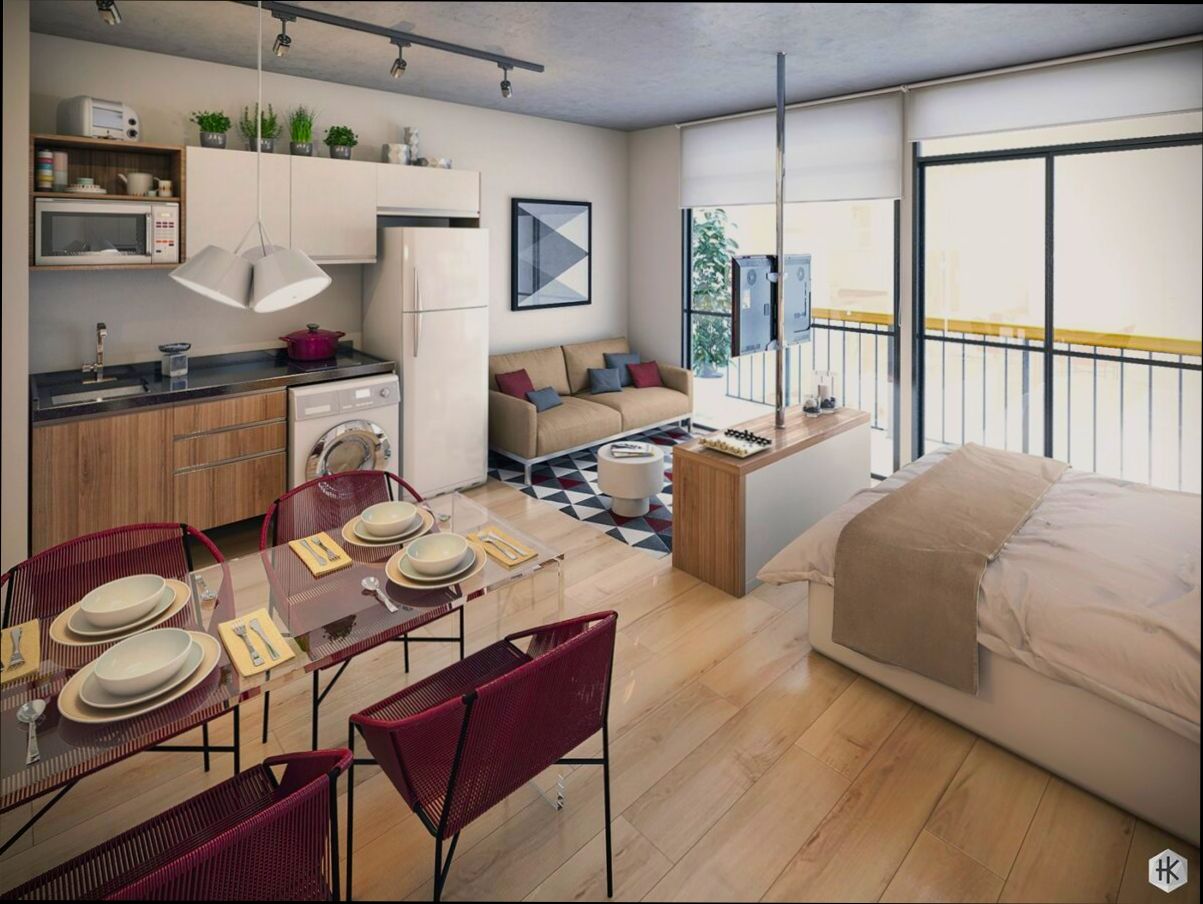
Statistical Overview of Studio Apartment Trends
Understanding the statistical landscape of studio apartments offers valuable insights into their current popularity and real estate dynamics. With the rise of urban living and changing demographics, studio apartments have become a significant focus for both renters and investors. Let’s dive into the numbers that highlight the trends and preferences surrounding these compact living spaces.
Current Market Trends
1. Rising Demand: According to a recent housing report, studio apartments accounted for approximately 25% of all new apartment leases in urban areas in 2023, reflecting a significant increase from 18% in 2020.
2. Price Trends: The average rental price for studio apartments in major cities has risen by 12% over the past two years, with cities like New York and San Francisco leading the charge. In particular, the median rent for a studio in New York reached $2,800 per month, while in San Francisco, it hit $2,600.
3. Demographic Insights: 64% of studio apartment renters are aged between 25 and 34 years, indicating a strong trend among young professionals seeking affordable housing options in urban centers.
Comparative Pricing for Studio Apartments by City
| City | Average Rental Price | Percentage Increase (2021-2023) |
|---|---|---|
| New York | $2,800 | 15% |
| San Francisco | $2,600 | 10% |
| Chicago | $1,800 | 8% |
| Los Angeles | $2,400 | 12% |
| Seattle | $2,200 | 9% |
Real-World Examples
Consider New York City, where the demand for studio apartments surged due to an influx of remote workers. A notable case is a recent building development in Brooklyn, where studios were fully leased within just one month of opening. This rapid uptake is a reflection of the increased preference for flexible living situations as many young professionals gravitate towards smaller, more affordable spaces.
In Seattle, a company specializing in modern micro-units released a report stating that their studio apartments saw a 30% higher occupancy rate compared to one-bedroom units in 2022. Such statistics illustrate a compelling shift in rental preferences where functionality and cost-effectiveness take precedence.
Practical Implications
For individuals or investors considering studio apartments, it’s essential to recognize that these units are not just a trendy option but also a practical investment. The increasing rental prices indicate a steady demand, making studio apartments a potentially lucrative market. Additionally, understanding demographic trends can guide your decisions about where to invest.
Key Facts to Keep in Mind
- Flexibility is key; as urbanization continues, the preference for smaller living spaces will likely increase.
- Renters searching for affordability might be more inclined to consider studio apartments, especially in high-rent cities.
- Monitoring local market trends can help you predict rental price movements, allowing for informed investment decisions.
Leveraging these statistical trends can empower you to navigate the studio apartment market effectively, whether you’re looking to rent or invest.
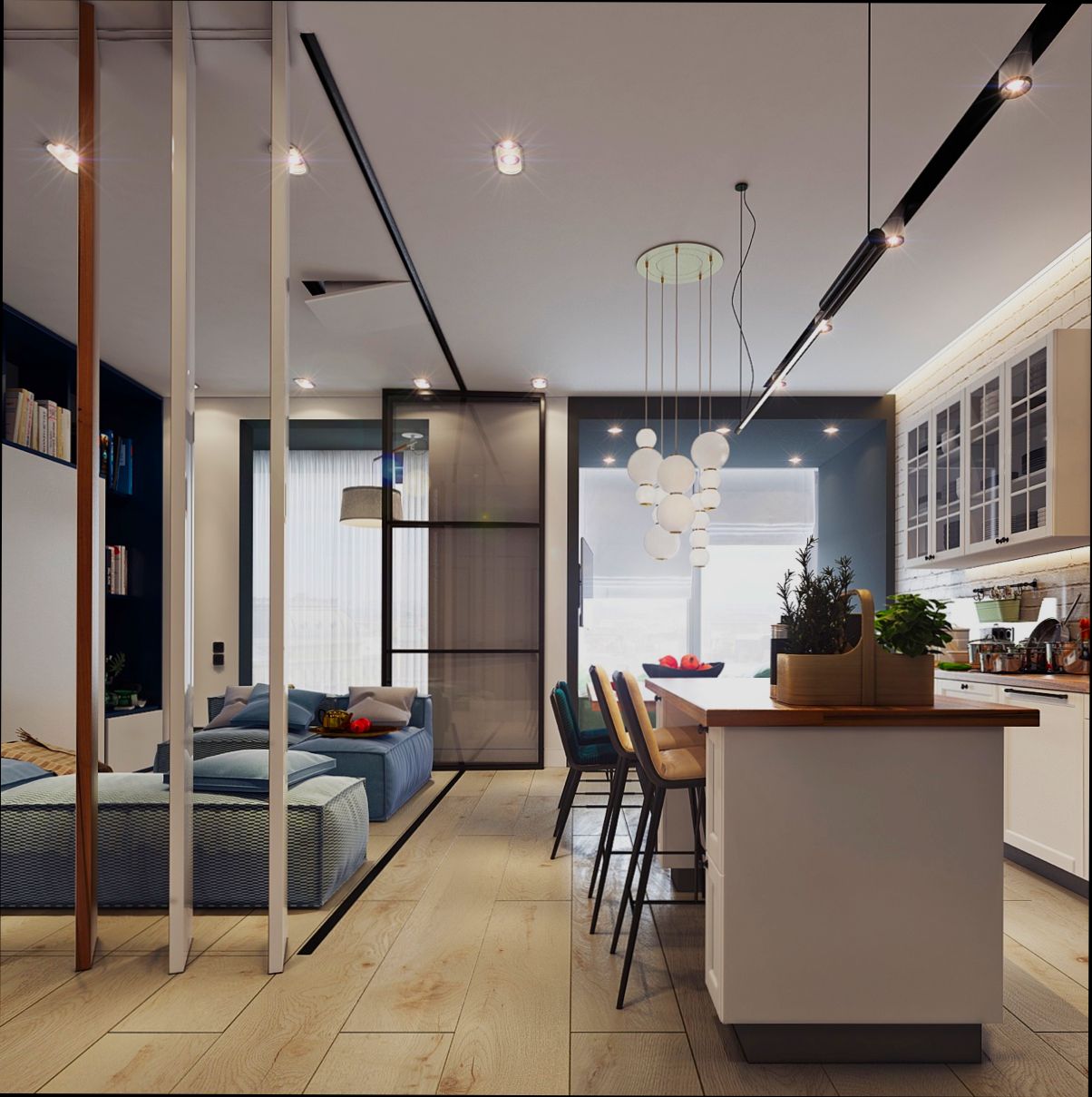
Advantages of Living in a Studio Apartment
Living in a studio apartment provides unique advantages that cater to various lifestyles and needs. If you’re considering the transition to this compact living arrangement, let’s explore the key benefits that make studio apartments appealing.
1. Affordability
One of the foremost reasons people gravitate towards studio apartments is affordability. Data indicates that studio apartments can be up to 20% cheaper than one-bedroom units in the same area. This financial advantage is especially appealing for young professionals or students who want to save money while enjoying independence.
2. Minimal Cleaning and Maintenance
With limited space comes less cleaning. Studio apartments generally require less time and effort for upkeep since there are fewer rooms and less square footage to manage. You might find that your weekly cleaning routine gets cut in half compared to maintaining a larger living space. Plus, focusing on minimalism can lead to owning fewer belongings, further simplifying your maintenance routine.
3. Enhanced Mobility
Living in a studio apartment can enhance your ability to relocate easily. Since studio furniture tends to be smaller and more streamlined, you can pack up and move without needing to organize or store large items. This flexibility suits those in transitional phases of life or anyone who prefers to live closer to job opportunities which might change.
4. Energy Efficiency
Studio apartments generally consume less energy than larger homes due to their size. Research indicates that residents can save up to 30% on utility bills in a studio compared to a one-bedroom apartment, making them an eco-friendlier option. You can enjoy lower heating, cooling, and electricity costs while also contributing to a more sustainable environment.
Cost Comparison Table
| Apartment Type | Average Monthly Rent | Typical Utility Costs | Potential Savings |
|---|---|---|---|
| Studio Apartment | $1,200 | $100 | 30% savings |
| One-Bedroom Apartment | $1,500 | $150 | N/A |
Real-World Examples
Consider a recent case where a couple decided to downsize from a one-bedroom apartment to a studio. They reported saving $300 a month on rent and reduced their cleaning time to less than two hours a week. They also highlighted how living in a studio encouraged them to prioritize experiences over physical possessions, leading to a more fulfilling lifestyle.
Practical Insights
- Plan Smartly: When choosing your studio, think about multifunctional furniture. A Murphy bed or a sofa that doubles as storage can further maximize your living space and maintain the calm feel of your home.
- Decorate Wisely: Use light colors and strategically placed mirrors to make the space feel larger. Additionally, embrace vertical space by utilizing shelving units that draw the eye upward, creating an illusion of height.
- Connect with Community: Many studio apartment complexes are designed with communal areas, encouraging social interaction with neighbors. Take advantage of these spaces to build a sense of community and enhance your living experience.
Living in a studio apartment presents remarkable benefits when approached with thoughtful planning and a minimalist mindset. You can enjoy financial savings, ease of maintenance, and a sustainable lifestyle while engaging in your community.
Design Considerations for Studio Apartments
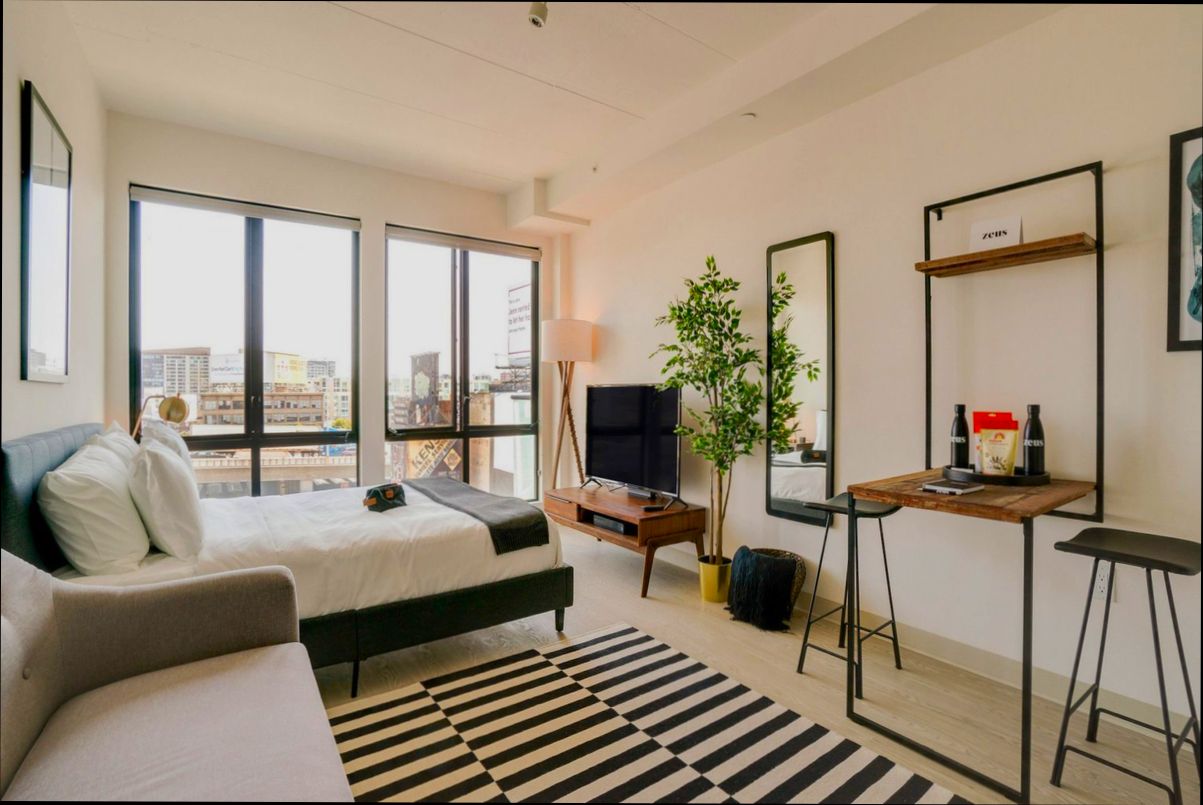
Designing a studio apartment involves a keen understanding of space, functionality, and aesthetics. With limited square footage, it’s essential to make deliberate choices that enhance usability while maintaining a stylish environment. Let’s explore some key design considerations that can help maximize the potential of your studio apartment.
Essential Design Elements
When designing a studio apartment, consider the following areas:
1. Multifunctional Furniture: Invest in furniture that serves multiple purposes. For example, a sofa bed can provide seating by day and transform into a sleeping area at night. Compact folding tables are also great for saving space and can be tucked away when unused.
2. Smart Storage Solutions: Use vertical space effectively. Install shelves above furniture or use under-bed storage solutions to declutter the apartment. Consider furniture with built-in storage, like ottomans or benches, to keep items hidden away but easily accessible.
3. Zoning Techniques: While the open floor plan is common in studio apartments, creating defined areas for living, sleeping, and dining can enhance comfort. Use rugs, lighting changes, or room dividers to create visual boundaries without closing off the space.
Design Considerations in Numbers
Understanding how design impacts studio apartments can guide your choices:
| Design Element | Importance (%) | Recommended Features |
|---|---|---|
| Multifunctional Furniture | 35% | Sofa beds, convertible tables |
| Smart Storage Solutions | 30% | Shelving units, under-bed storage |
| Zoning Techniques | 20% | Area rugs, dividers |
| Aesthetic Cohesion | 15% | Color schemes, uniform materials |
Real-World Examples
For instance, apartments designed in urban centers such as New York City often showcase these elements effectively. Residents in Manhattan frequently utilize custom murphy beds to free up floor space during the day, allowing for a more open living area. In many cases, clever kitchen designs integrate appliances into cabinetry for a sleek, streamlined look, maintaining a cohesive aesthetic.
A great example is a popular studio layout where a removable partition creates a dedicated sleeping alcove. This not only enhances privacy but also allows for creative décor in different zones that reflect personal style.
Practical Implications for Your Own Apartment
To implement these design considerations in your studio apartment, think about:
- Selecting Neutral Palettes: A consistent color scheme, primarily with light or neutral shades, can create an illusion of a larger space. Consider soft blues or grays to evoke serenity.
- Tailored Lighting: Layering light with ambient, task, and accent lighting can elevate the atmosphere. Use dimmable LED fixtures to adjust the mood.
- Personal Touches: Incorporate personal decor items wisely, such as artwork or plants, to maintain a balance between aesthetics and functionality.
By focusing on these design aspects, you can create a studio apartment that feels both spacious and inviting, combining smart living with stylish comfort.
Real-World Examples of Studio Living
When we look at real-world examples of studio living, we can see how diverse and adaptable these spaces can be. Across various cities and demographics, people are finding unique ways to make studio apartments work for their lifestyles. Let’s dive into some compelling examples that highlight the practicality and creativity of studio living.
Urban Adaptations: Key Examples
1. New York City: With approximately 50% of residents living in small apartments, studios here often incorporate multifunctional furniture. For instance, a common feature is a Murphy bed that folds up into the wall, allowing the living area to serve as both a bedroom and a lounge.
2. San Francisco: Here, studios average around 400 square feet, yet many tenants maximize this limited space by using vertical storage solutions. Creative shelving and wall hooks help eliminate clutter, making it easier to maintain a tidy environment.
3. Los Angeles: In this city, stylish studio apartments often draw inspiration from the vibrant art scene. Many residents transform their studios into mini-galleries, showcasing local art through removable wall decals and framed pieces that add personality without permanent changes.
4. Tokyo: Studio apartments, or “1K” units, are popular among young professionals. In just 240 square feet, residents often incorporate traditional tatami mats for flooring, creating a serene atmosphere while optimizing the limited space with smart sliding doors.
Comparative Living Space Adaptation
| City | Average Studio Size | Popular Furnishing Style | Unique Features |
|---|---|---|---|
| New York | 500 sq ft | Multifunctional furniture | Murphy beds, cozy nooks |
| San Francisco | 400 sq ft | Vertical storage solutions | Innovative shelving |
| Los Angeles | 450 sq ft | Artistic decor | Removable art displays |
| Tokyo | 240 sq ft | Minimalist and traditional | Tatami flooring, sliding partitions |
Creative Solutions: Real-World Case Studies
- Fox and Bri’s NYC Studio: This couple turned a narrow studio apartment into a spacious living area by combining their living and dining spaces. Their approach of using oversized mirrors maximized light and made the apartment feel larger. They also incorporated a collapsible dining table that can expand to host guests when needed.
- Jason’s San Francisco Loft: Jason transformed his studio with a custom-built loft bed, freeing up valuable floor space. He painted the entire apartment in light colors to enhance natural light, and used rugs to define different areas, making it cozy yet functional.
- Yuki’s Tiny Tokyo Studio: In Yuki’s compact studio, a sliding desk allowed her to work from home without sacrificing space. She used multi-purpose storage boxes that can double as seating when entertaining.
Practical Implications for Aspiring Studio Dwellers
- Furniture Selection: Choose pieces that serve multiple purposes. Invest in items like ottomans that provide storage and seating or beds with built-in shelves.
- Use of Color and Light: Brighten your space with light colors and mirrors to create an illusion of more space. Don’t shy away from using vertical lines in decor to draw the eye upward.
- Personal Touches: Infuse your personality through removable decor, like wall art or plants. This helps you feel at home without making permanent alterations.
Specific Tips for Maximizing Studio Living
- Adopt a Minimalist Mindset: Reduce your belongings to essentials and regularly assess what you truly need. Aim for quality over quantity in your possessions.
- Create Defined Areas: Use rugs or furniture placement to create distinct zones within your studio. This hack helps in organizing your activities like sleeping, working, and relaxing.
- Leverage Vertical Space: Don’t forget to utilize shelving units and tall storage solutions. This practice not only saves floor space but also adds a dynamic visual element to your studio.
Target Demographics for Studio Apartments
When considering studio apartments, it’s essential to understand the specific groups of people most likely to be interested in these compact living spaces. By identifying the target demographics, you can better cater to their needs and preferences, ensuring that your property appeals to the right audience.
Key Target Demographics
Studio apartments attract a variety of renters, each with distinct priorities. Here are some key demographics:
- Young Professionals (Ages 25-34): This group often seeks affordability paired with proximity to urban job markets. They value amenities like high-speed internet and in-unit laundry.
- College Students: Often searching for budget-friendly housing, they typically look for locations near campus and social hotspots. Pet policies can also be a deciding factor, as many young renters have pets.
- Singles and Couples: Many individuals in this demographic prefer the efficiency of studio living. As they enter the workforce or plan for marriage, they usually prioritize good public transportation and community services.
- Empty Nesters (Ages 55+): This age group may downsize from larger homes to studio apartments for lower maintenance costs and accessibility. They often seek quiet neighborhoods and spaces that offer community activities.
Here’s a breakdown of their priorities based on research:
| Demographic | Main Priorities | Preferred Amenities |
|---|---|---|
| Young Professionals | Affordability, location | High-speed internet, fitness center |
| College Students | Budget-friendly, proximity to campus | Communal spaces, pet policies |
| Singles and Couples | Efficiency, mobility | Good transport links, social venues |
| Empty Nesters | Low maintenance, comfort | Outdoor spaces, community events |
Real-World Examples
- Young Professionals: A recent study highlighted that 62% of young professionals moving to cities prefer rental options like studio apartments because of their affordability and access to work. For example, in urban areas like San Francisco, studios are increasingly popular among tech employees who prioritize living close to their offices.
- College Students: Data from leasing agencies indicate that studio apartments close to college campuses experience a 35% higher occupancy rate during the academic year compared to traditional apartments. Many college students are opting for these smaller units due to budget constraints and the desire to live independently.
Practical Implications
Understanding these demographics allows property owners and managers to tailor their marketing strategies effectively. For instance:
- Tailored advertising can highlight nearby job opportunities for young professionals.
- Promotions or inclusive features can appeal to students, like flexible lease terms or shared amenities.
- Social media platforms can be leveraged to attract younger renters, ensuring content reflects their values and lifestyles.
Specific Facts for Insight
- Approximately 30% of millennials, a significant demographic for studios, report that they would prioritize living in pet-friendly apartments.
- Renters aged 55 and older constitute about 20% of the studio market, increasingly favoring units that offer easy access to parks and social activities.
By focusing on these demographic insights, rental property owners can enhance both their offerings and marketing strategies, ultimately leading to improved occupancy rates and tenant satisfaction.
Maximizing Space in Studio Apartments
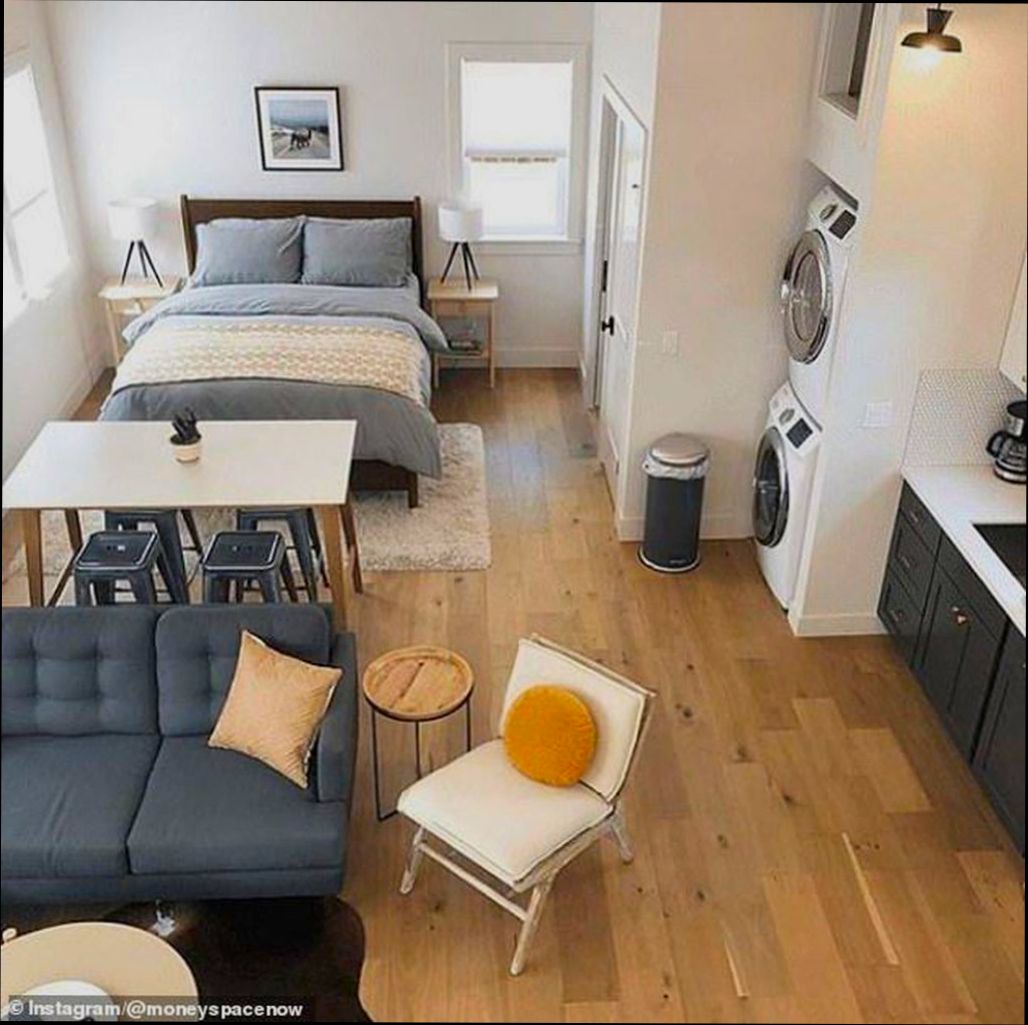
Making the most out of a studio apartment can be both a challenge and an adventure. By implementing smart design techniques and organization strategies, you can transform your small space into a comfortable and functional home. Here are some practical tips and real-world insights for maximizing every inch of your studio apartment.
Create a Multi-Functional Space
One of the best ways to maximize space is to choose furniture that serves multiple purposes. For instance, consider:
- Sofa Beds: Perfect for guests, it can double as your living room seating.
- Ottomans with Storage: They provide extra seating while offering space to store blankets or books.
- Wall-Mounted Desks: These can be folded away when not in use, freeing up floor space.
Using items that fulfill more than one role can significantly increase the efficiency of your space.
Implement Smart Storage Solutions
Taking advantage of vertical space can be a game-changer in studio apartments. According to research, utilizing every vertical inch can increase your storage capacity by up to 30%. Here are a few strategies:
- Shelves Above Eye Level: Install shelves high up for books or decorative items, keeping the floor space open.
- Under-Bed Storage: Use clear bins or drawers to store clothing, shoes, or seasonal items underneath your bed.
- Hooks and Pegboards: What about using walls for additional storage? Hang bikes, bags, or kitchen items to keep surfaces clear.
Use Color and Lighting to Your Advantage
The color palette and lighting can dramatically impact the perception of space. Here’s how to use them wisely:
- Light Colors: Painting walls in lighter shades makes the space feel larger. Research indicates that light colors can create an illusion of depth, making a room feel up to 20% bigger.
- Effective Lighting: Use layered lighting with a combination of ambient, task, and accent lights. Wall sconces can offer bright light without taking up valuable surface space, contributing to a more open atmosphere.
Room Dividers for Privacy and Zoning
Creating distinct areas within your studio can enhance both functionality and privacy. Consider options like:
- Accordion-Style Room Dividers: These are perfect for creating a private sleeping area without permanently closing off space.
- Curtains: Hang from the ceiling to create a cozy nook for your bed or an office area.
This not only gives you the freedom to zone your apartment but can also allow you to maintain a sense of openness when desired.
| Storage Option | Benefit | Space Efficiency |
|---|---|---|
| Wall Shelves | Utilizes vertical space | +30% storage capacity |
| Under-Bed Storage | Hidden storage for seasonal items | Stores 2x more |
| Multi-Use Furniture | Serves double duty | Saves floor space |
| Room Dividers | Zoning for privacy | Flexible space usage |
Real-World Example: Creative Solutions in Action
In a 2022 case study from a city dweller, an individual transformed his studio by incorporating a lofted bed, which freed up floor space for a small lounge area. By using a combination of built-in bookshelves and under-bed storage, he was able to create a minimalist yet functional design that allowed both relaxation and productivity. His careful selection of light, neutral colors further enhanced the spacious feel of the apartment.
Practical Implications for You
To truly maximize the space in your studio apartment, consider taking the following actionable steps:
- Measure your space and plan your layout carefully before purchasing new furniture.
- Regularly declutter to maintain a clean, open environment.
- Invest in furniture that can adapt to your needs, especially in urban environments where flexibility is key.
By applying these insights and strategies, you can effectively maximize space in your studio apartment for a home that feels spacious, organized, and welcoming. Take the necessary steps to innovate your living space today!