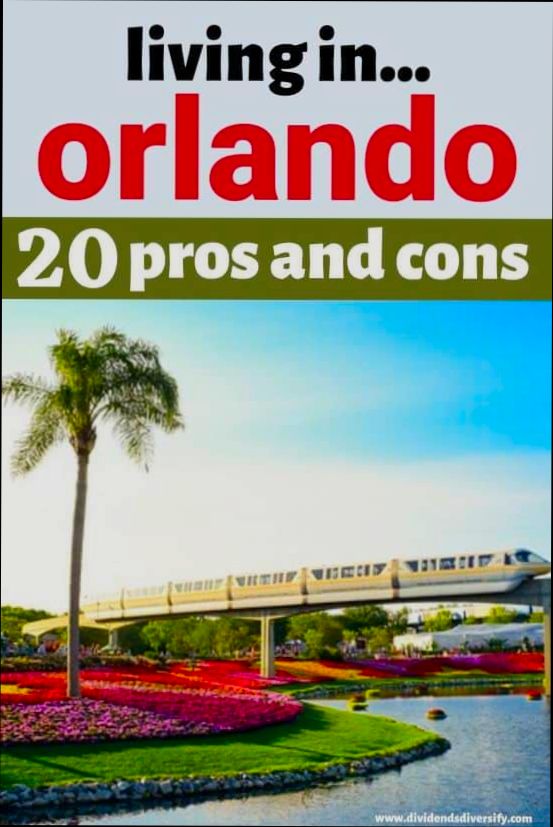
Pros and Cons of Living in Orlando FL can really shape your experience in this vibrant city. On the plus side, Orlando boasts an average year-round temperature of about 72 degrees, which means you can enjoy plenty of sunshine and outdoor activities. Who wouldn’t want to soak up the rays at one of the 100+ lakes nearby or explore the countless theme parks, like Walt Disney World and Universal Studios? Plus, the growing job market in tech and tourism offers plenty of employment opportunities, with a recent unemployment rate hovering around 3.2%. Add to that the absence of a state income tax, and your paycheck might just stretch a little further here.
But it’s not all sunshine and fairy tales. The traffic can be a nightmare, especially around the attractions and during rush hour, making your daily commute feel more like an adventure in patience. Don’t forget about the humidity—summers can be sweltering, pushing the heat index well into the 100s. While Orlando’s cost of living remains fairly reasonable compared to other major cities, certain areas are experiencing a swift rise in housing costs, with the median home price climbing over 400k. So, while you can chase Mickey Mouse and enjoy outdoor fun, you might find yourself navigating some not-so-fun challenges as well.
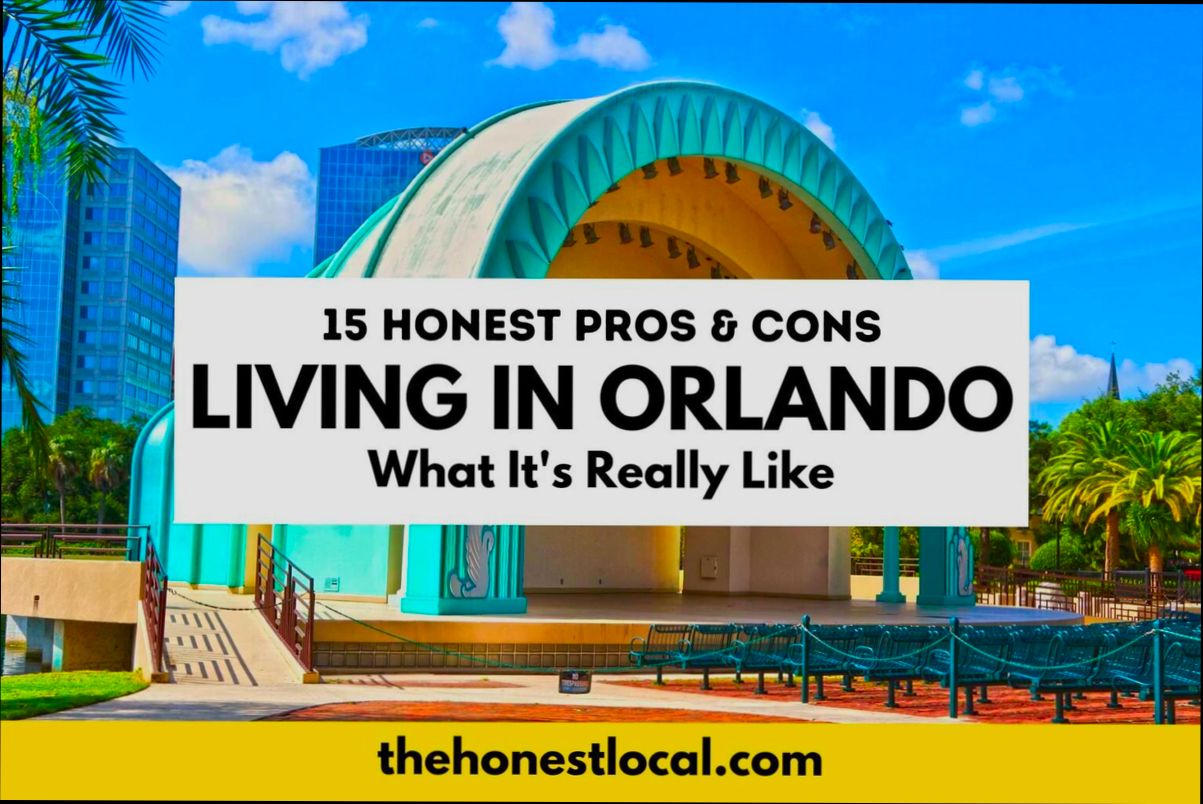
Cost of Living Comparisons in Orlando
When considering a move to Orlando, one of the most crucial factors to scrutinize is the cost of living. It’s essential to compare this with other cities to understand how far your dollar will stretch. Here, we’ll delve into specific numbers and comparisons to help you make an informed choice.
Overview of Living Costs
To give you a clearer picture, let’s look at some of the key categories that heavily influence overall living expenses:
- Housing: The median home price in Orlando is approximately $315,000, which is significantly less compared to cities like San Francisco ($1.5 million) or New York ($700,000).
- Utilities: Residents in Orlando can expect to pay around $150 monthly for essential utilities, about 3% lower than the national average.
- Transportation: If you rely on public transport, a monthly Metro pass costs about $50, which is more economical compared to similar services in many other urban areas.
Here are some comparative cost highlights that further illustrate Orlando’s financial landscape:
| Expense Category | Orlando | National Average | San Francisco | New York City |
|---|---|---|---|---|
| Median Home Price | $315,000 | $320,000 | $1,500,000 | $700,000 |
| Utilities (Monthly) | $150 | $155 | $200 | $180 |
| Monthly Transit Pass | $50 | $70 | $100 | $127 |
| Groceries (per adult) | $290 | $300 | $400 | $400 |
Real-World Examples
Consider a family of four moving from Atlanta to Orlando. They could potentially save about $550 each month on housing alone, given that Atlanta’s median home price is around $370,000.
In another scenario, a single professional relocating from New York City will find that their $3,000 monthly rent in NYC could get them a luxurious apartment in a gated community in Orlando for just $1,900.
Practical Implications
As you evaluate the cost of living in Orlando, keep these actionable aspects in mind:
- Budget Wisely: Always factor in not just the rent or mortgage costs but also utilities and other living expenses.
- Public Transport vs. Car Ownership: Weigh the costs of car ownership versus public transportation. If you rely on your car, consider expenses like insurance, gas, and maintenance.
- Explore Neighborhoods: Different neighborhoods in Orlando vary significantly in rental and home prices. Researching specific areas can uncover better deals.
Specific Facts or Actionable Advice
- If you’re moving to Orlando, utilize online cost comparison tools to assess how your current city stacks up against Orlando’s cost of living.
- Consider renting first to gauge your living expenses vs. lifestyle needs before making a larger commitment like purchasing a home.
- Remember, while Orlando may seem more affordable than many coastal cities, keep an eye on the rising trend in housing prices over the years.
Taking the time to assess these elements will empower you in making a financially sound decision about living in Orlando.
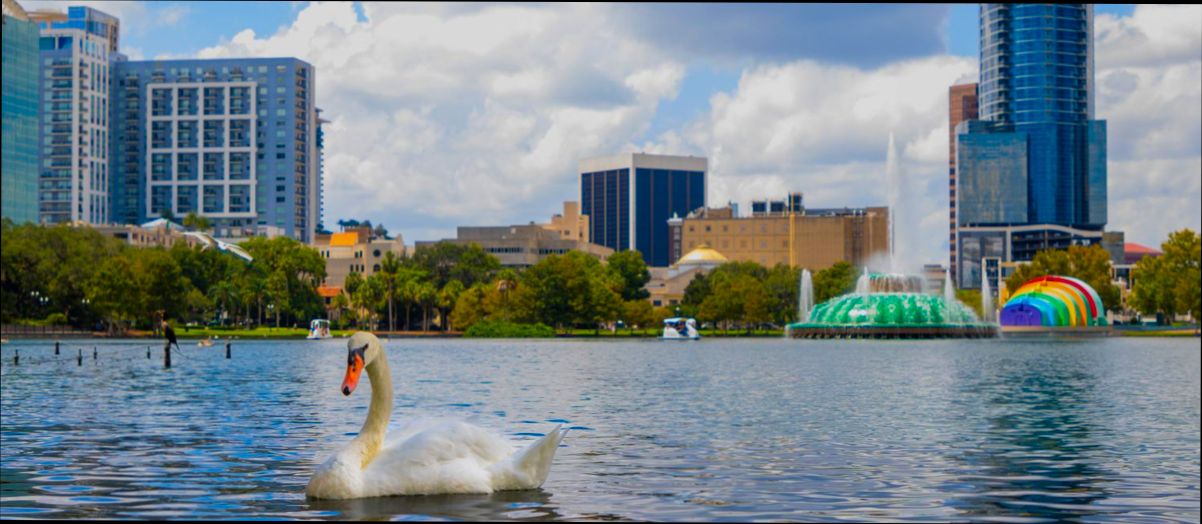
Climate Advantages and Disadvantages
When considering the climate in Orlando, Florida, it’s essential to weigh both the benefits and drawbacks that come with living in a subtropical environment. Let’s dive into the specific climate advantages and disadvantages that you might encounter in this vibrant city.
Advantages of Orlando’s Climate
- Mild Winters: Orlando experiences mild winters with average low temperatures ranging from 48°F to 60°F between December and February. This makes outdoor activities and enjoyment of the Florida sunshine possible year-round.
- Sunshine: The city boasts an impressive average of 237 sunny days annually, providing ample opportunities for outdoor recreation and community events.
- Long Summers: If you love summer weather, you’ll appreciate that Orlando enjoys a long summer season with temperatures often ranging from 80°F to 95°F, perfect for enjoying local attractions like theme parks and lakes.
Disadvantages of Orlando’s Climate
- High Humidity: Summers can be extremely humid, with average humidity levels often exceeding 80%. This can make outdoor activities uncomfortable, especially during the peak afternoon hours.
- Rainy Season: Orlando experiences a defined rainy season from June to September, receiving about 60% of its annual rainfall during these months. This can lead to sudden downpours that may disrupt outdoor plans.
- Hurricane Risk: Being in Florida, Orlando is susceptible to hurricane threats, especially between June and November. While the city is not directly on the coast, residents should remain vigilant about potential weather events and prepare accordingly.
Climate Comparison Table
| Climate Aspect | Details |
|---|---|
| Average Winter Temp | 48°F to 60°F |
| Average Summer Temp | 80°F to 95°F |
| Annual Sunny Days | Approximately 237 days |
| Average Humidity | Often exceeds 80% during summer months |
| Rainfall in Summer | Approximately 60% of annual rainfall falls from June to September |
Real-World Examples
Many residents appreciate the pleasant winters, often organizing backyard barbecues and outdoor activities during those months. A local family shared that they frequently host pool parties in December, taking advantage of the warmer weather compared to their friends in northern states.
On the other hand, during summer, a business owner expressed challenges due to the heavy rain showers affecting tourism, reporting a notable decline in foot traffic on particularly rainy days.
Practical Implications for Residents
Understanding the climate can help you prepare for seasonal changes. Investing in good air conditioning systems and dehumidifiers can enhance your comfort during the hot and humid months. Additionally, planning outdoor activities for early mornings or evenings can help you avoid the peak heat.
As a new resident, keep an emergency supply kit for hurricane season, including food and water, to stay prepared for potential weather threats. This proactive approach can alleviate stress and ensure your safety.
Regarding local living, take advantage of Orlando’s diverse indoor activities during the rainy season, such as exploring museums or shopping centers, so you can still enjoy the city despite the weather.
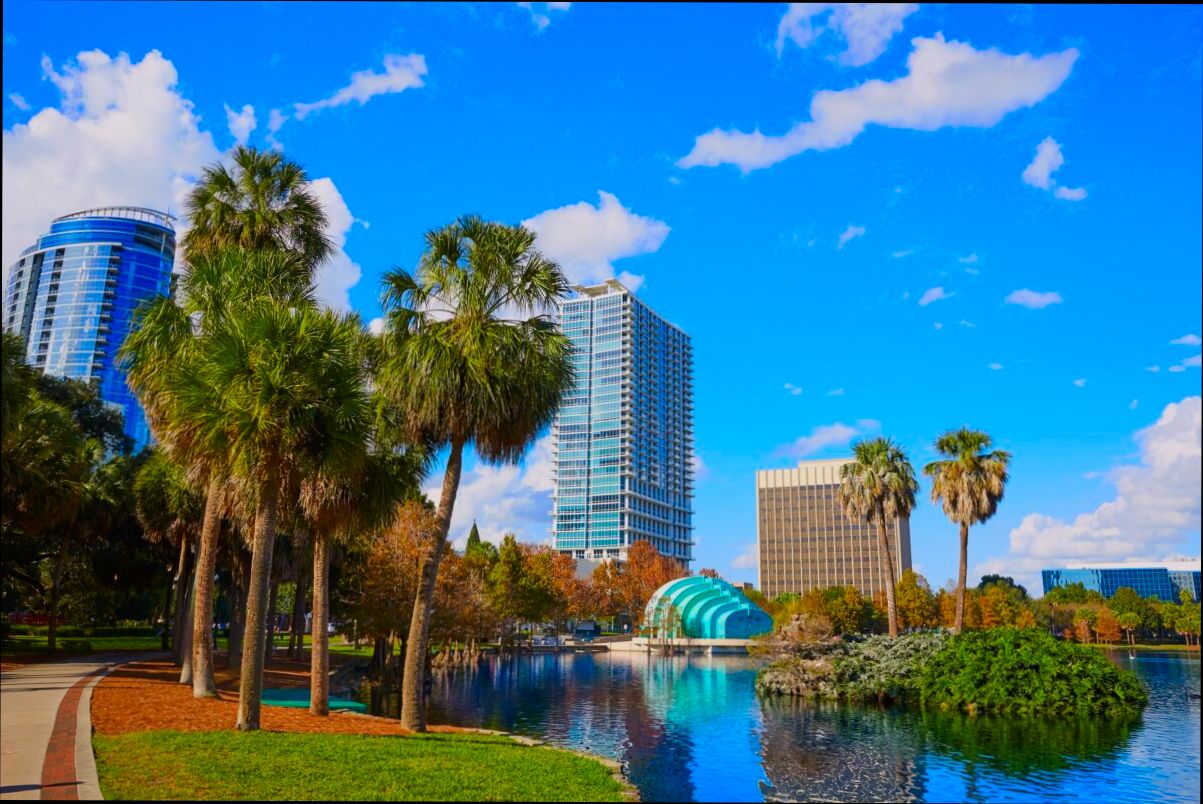
Cultural Diversity and Community Life
Living in Orlando, Florida offers a vibrant blend of cultures, making it a unique place to call home. This city is not just known for its theme parks and sunny weather; it’s a melting pot where various ethnicities come together to create a rich community tapestry. Each neighborhood boasts its own distinct vibe influenced by the cultures of its residents.
Key Highlights of Cultural Diversity
- Ethnic Composition: Orlando has a diverse population with over 30% of residents identifying as Hispanic or Latino, alongside significant African American and Asian communities. This diversity contributes to the local flavor of restaurants, festivals, and cultural events.
- Community Events: From the annual Orlando International Fringe Theatre Festival to the Hispanic Heritage Month celebrations, there are ongoing opportunities to experience and engage with different cultural perspectives.
- Language Diversity: More than 100 languages are spoken here, fostering an environment where multicultural platforms thrive. This diversity allows residents to learn and interact in varied languages, enhancing the community experience.
- Cultural Institutions: Institutions like the Orlando Museum of Art and the Dr. Phillips Center for the Performing Arts showcase local and international artists, reflecting the rich cultural background of the city’s inhabitants.
Comparative Table: Cultural Events in Orlando
| Event | Cultural Focus | Time of Year | Expected Attendance |
|---|---|---|---|
| Orlando International Fringe | Theatre & Arts | May | 60,000+ |
| Fiesta in the Park | Hispanic Heritage | October | 30,000+ |
| Central Florida Black Film Festival | Film & Media | February | 5,000+ |
| Asian Pacific American Heritage Month | Culture & Community | May | 10,000+ |
Real-World Examples
Consider the Fiesta in the Park, an event that attracts tens of thousands to Lake Eola Park, showcasing the vibrant Hispanic culture through food, music, and dance. This event is not just an entertainment spectacle; it serves as an important platform for local businesses and artists to gain recognition.
Another fantastic example is the Orlando International Fringe Theatre Festival, which is entirely non-juried and offers a platform for artists from various backgrounds to present their work. This festival not only entertains but also fosters dialogue and understanding across different cultural groups.
Practical Implications for Residents
Living in a diverse community like Orlando means experiencing a wide range of cultural practices and traditions firsthand. As a resident, you can:
- Participate in community festivals that celebrate different heritages, allowing you to connect with neighbors and broaden your perspective.
- Explore local cuisines from around the world, offering opportunities to support small businesses while enhancing your culinary experiences.
- Engage in cultural workshops offered throughout the year, which can enhance your skills while allowing you to meet people from various backgrounds.
Actionable Advice
If you’re keen to immerse yourself in the cultural richness of Orlando, consider joining local community groups or cultural organizations. They often host events that are open to new members and provide a great way to meet people while learning about different cultures. Stay open to exploring neighborhoods that celebrate diversity, as each area tells its own unique story, enriching your experience of community life.
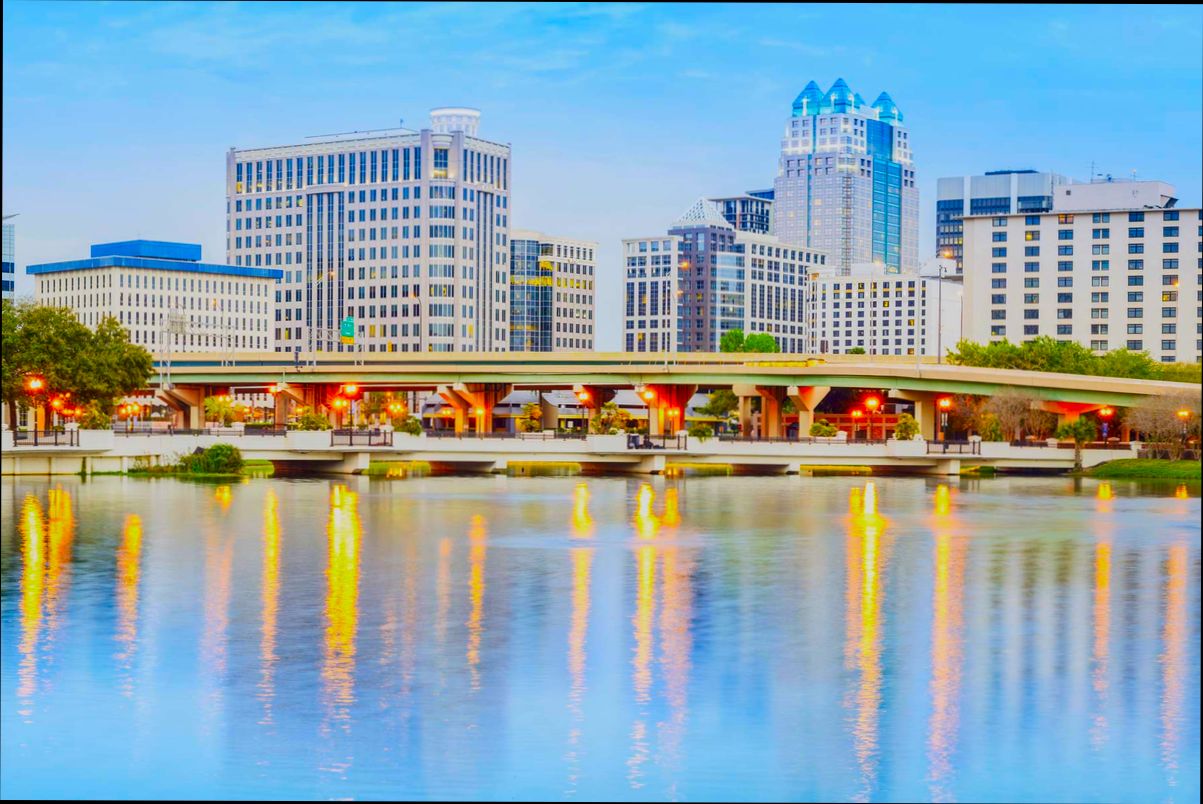
Housing Market Trends and Statistics
When diving into the housing market of Orlando, Florida, it’s important to understand its evolving dynamics. The market has seen notable changes in pricing, inventory levels, and buyer behaviors that can significantly impact your living experience in this vibrant city.
Current Market Trends
1. Appreciation Rates: Over the past year, home values in Orlando have appreciated by approximately 10%. This growth is fueled by demand outpacing inventory, making it a competitive market for buyers.
2. Inventory Levels: As of the latest reports, Orlando’s housing inventory has decreased by around 20% compared to last year. This shows a tighter market, with fewer homes available for sale, influencing both prices and bidding wars among eager buyers.
3. Rental Market Dynamics: The rental market in Orlando has also been impacted, with rents increasing by about 8% on average. This trend reflects the broader demand for housing options as more individuals move to the area.
4. Demographic Shifts: With the influx of residents, driven by factors such as job opportunities and lifestyle preferences, the market is increasingly catering to younger families and professionals. Approximately 40% of homebuyers are under 35, showcasing a shift towards younger demographics entering the market.
Comparative Housing Market Data
| Metric | Orlando, FL | National Average |
|---|---|---|
| Appreciation Rate (YoY) | 10% | 6% |
| Inventory Change (YoY) | -20% | -15% |
| Average Rental Increase (YoY) | 8% | 5% |
| First-Time Buyers Percentage | 40% | 33% |
Real-World Examples
In 2023, a couple who purchased a 3-bedroom home in the Winter Park area for $400,000 noted the rapid price growth in their neighborhood, with similar homes now listed at $440,000. This showcases how the market’s appreciation rate directly affects home values within a relatively short timeframe.
Another case includes a young professional who opted to rent an apartment in downtown Orlando. With rental prices consistently on the rise, she found her monthly rent for a one-bedroom apartment had increased to $1,800, compared to $1,650 just a year ago. This experience mirrors the broader rental market trends observed in the city.
Practical Implications
If you’re considering moving to Orlando, staying informed about the housing market is crucial. The current trends suggest that acting quickly can be beneficial, especially given the decreasing inventory and rising prices. Additionally, understanding demographic shifts can help you identify neighborhoods that may cater better to your lifestyle needs or investment goals.
Also, if you’re keen on investment, the upward trajectory in rental prices signals a potential opportunity for property rental income, especially in popular neighborhoods that attract younger residents.
Make sure to conduct thorough research on specific areas and consider monitoring price changes regularly, as the market continues to evolve.
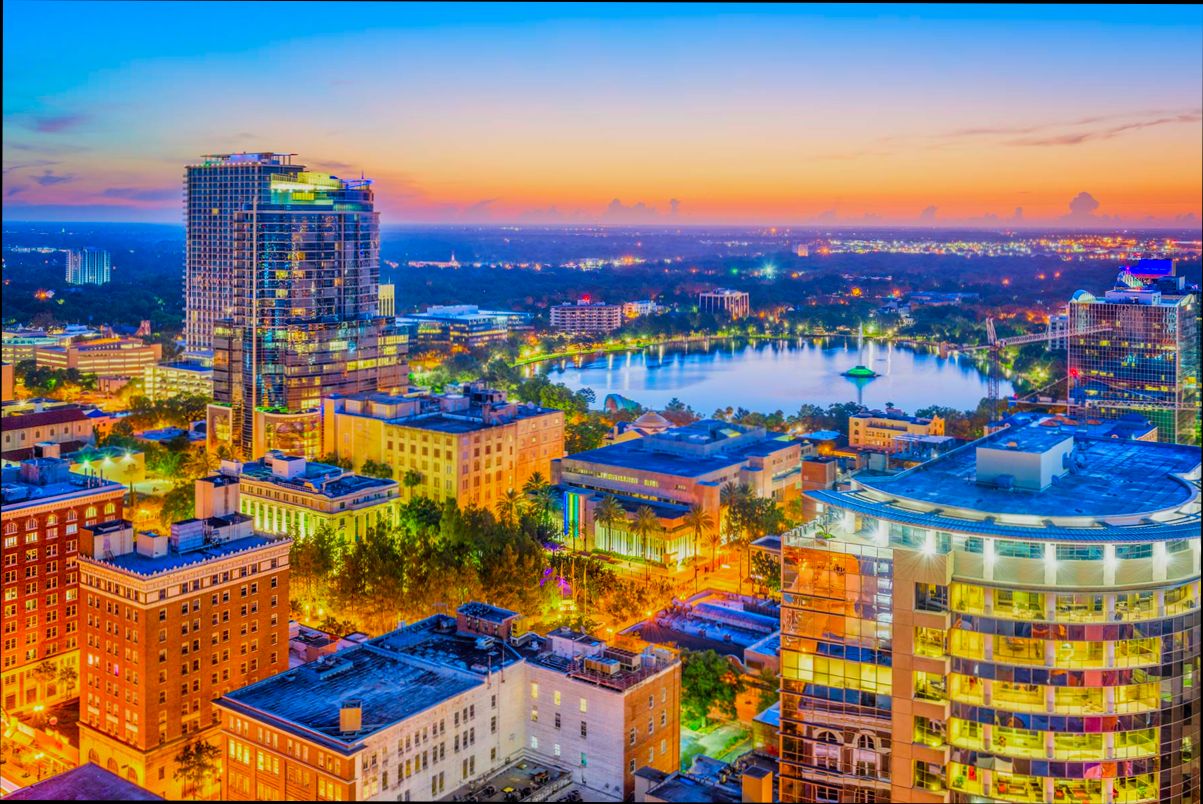
Family-Friendly Amenities and Activities
When it comes to raising a family, Orlando, Florida, is brimming with family-friendly amenities and activities that cater to all ages. Whether you are looking for education, recreation, or fun experiences, Orlando has a treasure trove waiting for you.
Orlando boasts over 100 parks and playgrounds that offer expansive green spaces and endless opportunities for outdoor play. The city’s park system includes facilities designed for every family’s needs, such as sports fields, picnic areas, and walking trails. Moreover, various community events are hosted throughout the year, fostering social connections.
Activities to Explore
Here are some family-friendly activities that will keep your little ones entertained and engaged:
- Orlando Science Center: This hands-on museum is perfect for curious minds, featuring exhibits on physics, biology, and astronomy.
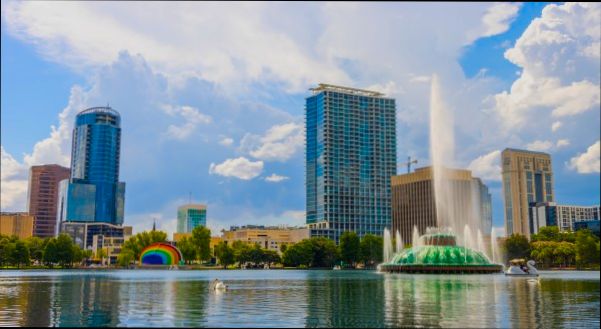
- Lake Eola Park: Located in downtown Orlando, this park not only showcases beautiful swan boats but also frequently hosts family events such as outdoor concerts and festivals.
- Orlando Public Library: With a dedicated children’s section, the library offers storytimes, reading programs, and educational workshops focused on literacy and creativity.
| Activity | Location | Recommended Age Group | Highlights |
|---|---|---|---|
| Orlando Science Center | Loch Haven Park | All ages | Interactive exhibits, live science demos |
| Lake Eola Park | Downtown Orlando | All ages | Swan boats, picnics, community events |
| Orlando Public Library | Downtown Orlando | All ages | Storytimes, workshops, reading programs |
Real-World Examples
Families in the area often talk about how much they enjoy the seasonal festivals hosted at Lake Eola Park, like the annual Orlando Dragon Parade and the Fall Festival, both offering various activities for children, including face painting and craft booths. Additionally, the Orlando Science Center reports more than 300,000 visitors annually, showcasing its popularity and the vital role it plays in family activities.
Practical Implications
As you consider what Orlando has to offer for families, keep in mind:
- Seasonal Events: Take advantage of community festivals and events that foster family interaction and enjoyment.
- Educational Facilities: Explore local museums and libraries, which often provide free or low-cost educational resources.
- Parks and Recreation: Regularly visiting parks can promote a healthy lifestyle while allowing children to socialize and play.
Utilizing these opportunities not only enriches family life but also integrates you into the vibrant Orlando community. Make the most of your family time by engaging in these amazing local amenities and activities.
Economic Opportunities and Job Market
When considering a move to Orlando, it’s essential to evaluate the economic opportunities and job market that the city has to offer. Not only does Orlando enjoy a robust economy fueled by diverse industries, but it also presents a dynamic job market full of possibilities.
Diverse Employment Sectors
Orlando’s job market is characterized by its diversity across several booming sectors:
- Tourism and Hospitality: The tourism sector is a significant driver of employment. With iconic attractions like Walt Disney World, Universal Studios, and a thriving convention industry, Orlando boasts nearly 40 million visitors annually. This not only creates jobs in hotels and restaurants but also in entertainment and customer service roles.
- Healthcare: Orlando has a growing healthcare sector, with institutions such as AdventHealth and Orlando Health expanding their facilities. This has resulted in a high demand for healthcare professionals ranging from nurses to administrative staff.
- Technology and Aerospace: The city is also making strides in the tech and aerospace fields, attracting companies like Lockheed Martin and Siemens. The tech industry alone has shown an increase of over 10% in job openings year-over-year.
Job Growth Statistics
Here’s a look at some compelling statistics illustrating Orlando’s job market:
| Sector | Job Growth Rate (%) | Average Salary ($) |
|---|---|---|
| Hospitality | 6.5 | 32,000 |
| Healthcare | 5.2 | 75,000 |
| Technology | 8.1 | 85,000 |
| Construction | 7.3 | 57,000 |
Real-World Opportunities
For instance, organizations like the Greater Orlando Aviation Authority are working on expanding the airport’s capacity, which is expected to create thousands of jobs. Moreover, the ongoing development in the Lake Nona area emphasizes innovation, with startups and established tech firms collaborating, thereby increasing the demand for skilled labor.
In addition, Orlando’s steady population growth fuels the construction industry. The demand for new housing and commercial spaces has led to a significant uptick in job openings for construction workers, project managers, and engineers.
Practical Implications for Job Seekers
If you’re looking to tap into Orlando’s job market, consider these actionable strategies:
- Networking: Engage with local professional groups through platforms like LinkedIn or local meetups. Many industries post job openings within these communities.
- Skill Development: Attend workshops and seminars offered by local colleges or business organizations to sharpen your skills. Fields like technology offer boot camps that can provide certifications fast.
- Explore Emerging Sectors: Be proactive in applying for roles in fast-growing industries such as cybersecurity and renewable energy, which have a bright future in Orlando.
Actionable Insights
As you plan your career move, stay informed about local job fairs and industry events where you can connect with potential employers. Leverage platforms like Indeed and Glassdoor to compare salaries and understand the job market better. With Orlando’s economic landscape continuously evolving, now might be the perfect time for you to dive into its promising job market.
Real-World Experiences of Orlando Residents
Living in Orlando, Florida, brings a unique blend of joy and challenges for its residents. While the city is famous for its entertainment and attractions, daily life experiences can be quite varied. This section focuses on what real Orlando residents contend with, highlighting their perspectives on both the perks and pitfalls of local life.
Daily Life Insights
1. Tourist Interactions: Many residents express mixed feelings about living in a tourist-heavy city. With around 76 million visitors annually, interaction with tourists is a common theme. While some enjoy engaging with visitors at local attractions, others feel that the constant influx can make daily errands—like grocery shopping—frustrating due to crowded spaces.
2. Urban Sprawl and Commute: A significant number of residents discuss the impact of urban sprawl. As neighborhoods expand, commuting can become a burden. Many report spending considerable time in traffic, especially during peak tourist seasons, affecting their quality of life and work-life balance.
3. Weather Effects: The weather in Orlando is another experience that residents frequently mention. The humidity can feel overwhelming for some, especially during the summer months, and can limit outdoor activities. However, many residents do appreciate the year-round warm climate.
4. School Quality Concerns: The quality of schools in Orlando often rates lower than desired. Residents frequently point out that local schools rank in the bottom 50% statewide, leading some families to consider private schooling or moving to neighboring areas with better educational options.
Comparative Table: Residents’ Perspectives
| Aspect | Positive Insights | Negative Insights |
|---|---|---|
| Tourist Impact | Fun interactions and shared experiences | Crowded spaces and long lines |
| Commuting | Central location aids travel | Traffic congestion and long commutes |
| Weather | Great for outdoor activities year-round | High humidity makes summers uncomfortable |
| School System | Community involvement in improving education | Ranked in bottom 50% statewide |
Real-World Examples
- Sarah’s Story: Sarah, a nurse residing in Orlando for over five years, shares her love for the vibrancy of the city. However, she mentions that grocery shopping during tourist season is often chaotic, turning a simple task into an hour-long adventure due to crowds.
- David’s Commute: David, an IT professional, recounts his daily struggle with a 30-minute commute that can stretch into an hour due to traffic bottlenecks caused by both urban sprawl and the influx of tourists. He emphasizes the need for better infrastructure to cope with the growing population.
- Angela’s School Search: Angela, a parent of two, expresses concern over the local school options. After much consideration, she resorts to enrolling her children in a charter school outside of the district, seeking a better educational environment despite the longer commute.
Practical Insights for Residents
- Plan errands strategically: If you can, schedule shopping trips and outings during off-peak hours to avoid the tourist rush.
- Consider local traffic patterns: For newcomers, familiarize yourself with local traffic trends—especially during tourist season—to make your commutes less stressful.
- Engage in local education advocacy: Participate in community forums or groups focused on improving local schools. Every voice counts in pushing for changes that can benefit your children and the community.
- Stay hydrated and acclimate: Take care to stay hydrated during the hot and humid months to enjoy outdoor activities without discomfort.
Living in Orlando is an adventure marked by its unique challenges and joys. Understanding these everyday experiences can help prospective residents better prepare for what lies ahead.