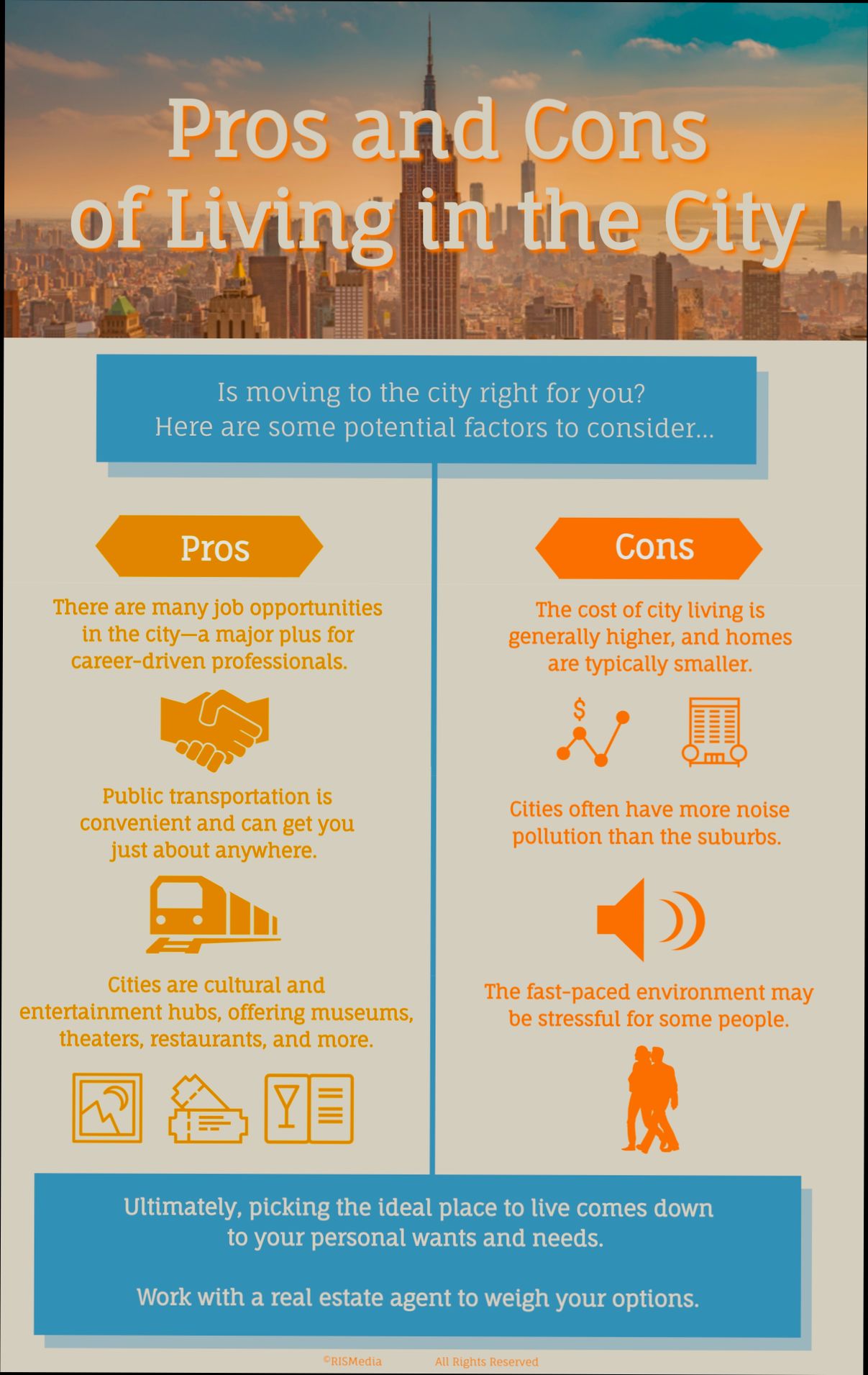
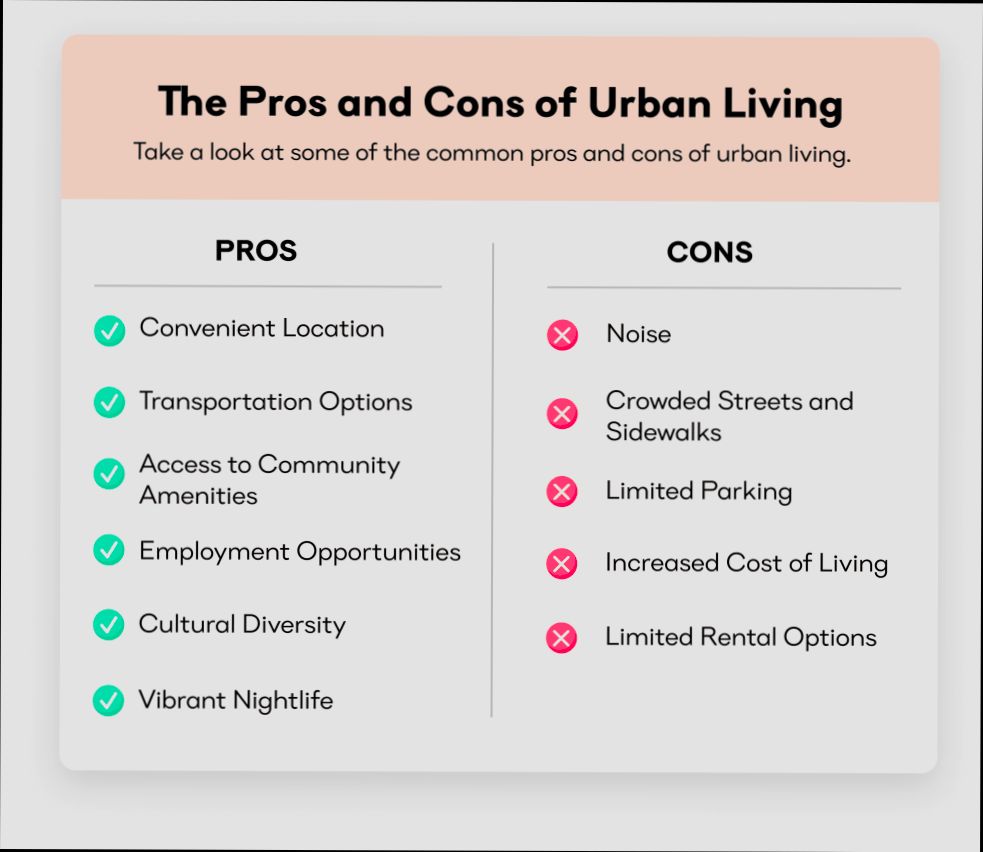
Pros and Cons of Living in Magdeburg. This city in the heart of Germany offers a blend of history and modernity that’s hard to resist. With a population of around 230,000, Magdeburg is not just another sleepy town; its vibrant cultural scene and impressive architecture, like the stunning Cathedral of Magdeburg, draw in both locals and visitors alike. Plus, the cost of living here is pretty appealing compared to larger cities like Berlin or Hamburg—rent for a one-bedroom apartment averages around €500, making it easier to find your own space without breaking the bank.
On the flip side, living in Magdeburg isn’t all sunshine and rainbows. The job market can be quite competitive, especially for those seeking roles in specialized fields. The city might not offer the same level of opportunities as its bigger counterparts, which could mean a longer job search for newcomers. And while public transport is generally reliable, you might find the frequency of service lacking during off-peak hours. So, if you’re not a fan of waiting around, that could be a slight downside to consider. The blend of these pros and cons makes Magdeburg an intriguing choice for anyone thinking of making it their home.
Cost of Living in Magdeburg
When considering a move to Magdeburg, understanding the cost of living is essential. It can significantly impact your quality of life, budgeting, and financial planning. In this section, I’ll break down the costs associated with living in this vibrant city, offering insights into food, housing, transportation, and everyday expenses.
General Overview of Expenses
Magdeburg offers a relatively affordable cost of living compared to other major German cities. Here are some specifics:
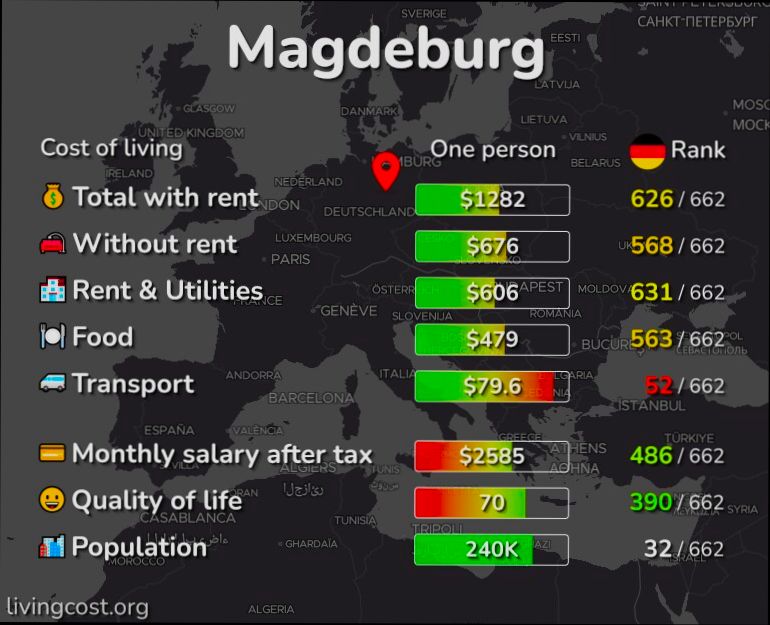
- Average Monthly Expenses: The cost of living in Magdeburg averages around €1,282, making it competitive for both locals and newcomers.
- Net Salary: The median after-tax salary is approximately €2,475, which means residents generally find it manageable to cover their expenses comfortably.
Breakdown of Living Costs
Here’s a closer look at some key expenses you might encounter:
| Expense Category | Cost (€) |
|---|---|
| Meal at a cheap restaurant | 11.50 |
| Domestic beer (0.5 liter draught) | 4.25 |
| Basic utilities for an 85m² apartment | 410.56 |
| Rent for a 1-bedroom apartment in the city center | 541.00 |
| Transport monthly pass | 50.00 |
Real-World Examples of Costs
Let’s delve into specific examples of what you can expect:
- Dining Out: If you fancy dining out, a meal for two at a mid-range restaurant would cost around €50, while a quick bite at McDonald’s or an equivalent will set you back about €9.
- Grocery Shopping: For those who prefer home-cooked meals, staples like a loaf of fresh white bread costs about €1.88, and you can grab 1kg of rice for around €3.02.
- Transportation: If you rely on public transport, a one-way ticket will cost you €2.60, while a monthly pass is just €50.
Practical Implications for Residents
If you’re planning to settle in Magdeburg, here are a few practical insights:
- Budgeting: With the affordable rent for a one-bedroom apartment averaging €541 in the city center, you should budget around €700-€800 monthly for rent and utilities combined.
- Dining Choices: Explore local restaurants for reasonably priced meals compared to the bigger cities like Berlin or Leipzig, where food costs can be significantly higher.
- Transportation Savings: Consider public transportation instead of owning a car. A monthly pass is cost-effective and offers convenient access around Magdeburg.
Cost of Living Tips
- Shop Smart: Utilize local markets for fresh produce; you’ll find items like tomatoes priced at about €4.31 per kilo, which may vary at larger supermarkets.
- Stay Local for Entertainment: Check local listings for cinema tickets, which average about €9.50 for a seat, making it an affordable outing.
- Utility Management: Be mindful of your energy usage, as basic utilities for an average-sized apartment can reach €410, straining your monthly budget if not managed.
By taking all these factors into account, you can create a realistic and sustainable budget while living in Magdeburg.
Quality of Education and Schools
When it comes to the quality of education and schools in Magdeburg, you’ll find a diverse and enriching environment for students of all ages. The city is home to a range of educational institutions, from primary schools to prestigious universities, each contributing to the overall standard of education.
Key Educational Institutions and Their Strengths
- Otto von Guericke University: This institution is known for its strong emphasis on engineering and natural sciences. It has earned a reputation for innovative research and provides students with a solid foundation for future careers in these fields.
- Magdeburg-Stendal University of Applied Sciences: With a focus on practical skills and job readiness, this university appeals to students seeking hands-on learning experiences, particularly in the fields of social sciences and engineering.
- Secondary Education: Magdeburg offers a well-structured secondary education system, featuring Gymnasiums, Realschulen, and Hauptschulen, catering to diverse academic needs. Approximately 64% of students transition to higher education, indicating a strong academic culture.
| School Type | Enrollment Numbers | Academic Focus |
|---|---|---|
| Otto von Guericke University | 14,000 students | Engineering and Sciences |
| Magdeburg-Stendal University | 6,500 students | Applied Sciences |
| Local Gymnasiums | 18,000 students | College Preparation |
Real-world Examples of Educational Quality
One notable example is the High School for International Education, which focuses on bilingual education and international qualifications. This school not only prepares students for standardized tests but also emphasizes cultural exchange and global awareness, giving students a competitive edge.
Additionally, an initiative called “Magdeburg’s Digital School” was launched to integrate digital technologies into the classroom. This program helps students develop digital competencies, preparing them for a work environment that increasingly values tech-savvy graduates.
Practical Implications for Families
If you’re considering relocating to Magdeburg with children, you’ll be pleased to know that many schools offer extracurricular activities, such as sports, music, and arts. Engaging with these programs can enhance your child’s educational experience and promote social interactions.
Moreover, opportunities for vocational training within the city can provide students with a clear pathway to employment after graduation. Many companies in Magdeburg collaborate with schools to ensure that curricula meet industry demands.
Specific Facts to Consider
- The student-to-teacher ratio in primary schools averages around 15:1, providing more individualized attention.
- Approximately 85% of schools in Magdeburg are publicly funded, ensuring broad access to quality education.
- Over the last five years, digital literacy programs have increased by 40%, reflecting the city’s commitment to modern educational standards.
Investing in education is investing in the future, and Magdeburg’s educational landscape offers promising opportunities for growth and development for both students and families alike.
Cultural Attractions and Entertainment Options
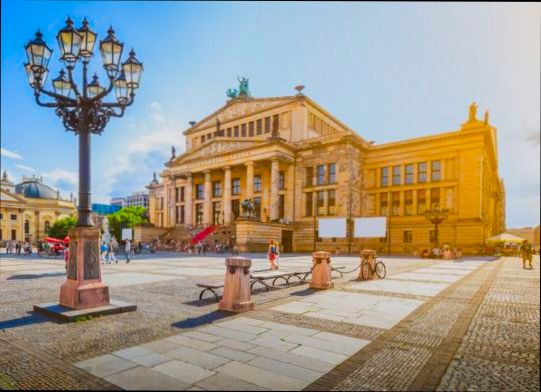
Magdeburg is a gem when it comes to cultural attractions and entertainment options. Whether you’re an art enthusiast, a history buff, or someone who enjoys vibrant nightlife, you’ll find plenty to keep you occupied in this city. Let’s dive into some of the key cultural highlights and entertainment choices available to residents and visitors alike.
Diverse Cultural Offerings
Magdeburg boasts an array of cultural institutions that enrich the city’s character:
- Museums:
- Kunstmuseum: This museum showcases contemporary art and regularly hosts engaging exhibitions.
- Elbauenpark: Known for its historical and natural significance, this park features educational displays and interactive installations.
- Theaters:
- Schauspielhaus: Here, you can experience a variety of performances, from classic plays to modern interpretations.
- Music Venues:
- Gesellschaftshaus: This venue often hosts concerts, ranging from classical to contemporary genres.
Fun Events and Festivals
Magdeburg brings a lively cultural scene to life with various events and festivals throughout the year:
- Magdeburg Waterway Days: A celebration of the city’s waterways that includes boat tours, markets, and live performances.
- JazzFest: Attending this annual festival not only lets you enjoy legendary jazz performances but also discover local talents.
These events provide fantastic opportunities to mingle with locals and immerse yourself in the community spirit.
Comparative Cultural Offerings
Here’s a table comparing cultural venues and events in Magdeburg with a couple of other cities in Germany.
| City | Art Museums | Theaters | Annual Festivals |
|---|---|---|---|
| Magdeburg | 3 | 2 | 5 |
| Leipzig | 5 | 4 | 6 |
| Dresden | 4 | 2 | 5 |
In terms of cultural diversity, Magdeburg holds its own compared to larger cities, making it an accessible place to enjoy various arts and festivities.
Real-World Examples
Consider the experience of a local artist who recently showcased her work at the Kunstmuseum. She described it as an inspiring environment that fostered creativity and connection with both residents and visitors. Similarly, the popular waterway festival attracted thousands, highlighting Magdeburg’s vibrant community life and unity through the arts.
Practical Implications for Residents
Living in Magdeburg means you have easy access to various cultural attractions and entertainment options, fostering a rich lifestyle.
- Frequenting local theaters and museums can enhance your understanding of German culture and history.
- Engaging in community events allows you to meet like-minded individuals and form lasting friendships.
With some noteworthy venues and events, your weekends can be filled with exciting experiences that celebrate the unique culture of Magdeburg.
Actionable Insight
Don’t miss out on local workshops or classes offered in the city. Participation not only expands your artistic skills but builds a sense of community. Check out the listings at the local community center or online for upcoming events and make the most of what Magdeburg’s cultural scene has to offer!
Public Transportation Efficiency and Accessibility
Living in Magdeburg offers a unique perspective on public transportation efficiency and accessibility, making it an essential consideration for anyone thinking about relocating. The city’s public transportation system, which includes trams and buses, is designed to provide seamless connectivity across various neighborhoods, ensuring that residents can reach their destinations with minimal hassle.
Key Points on Public Transportation Efficiency
- Tram Network Coverage: Magdeburg boasts an extensive tram network that covers significant parts of the city. The frequency of trams during peak hours typically ranges between 5 to 10 minutes, making it easy to plan your commute without long wait times.
- Bus Routes: The city’s bus system complements the tram network with over 35 bus lines, allowing easy access to suburban areas and nearby towns. This setup enhances mobility for those living outside the city center.
- Accessibility Features: Approximately 95% of public transport vehicles in Magdeburg are accessible to individuals with reduced mobility, ensuring that everyone can utilize the system with ease. This includes features like low-floor trams and designated seating.
- Cost-Effectiveness: A single-ride ticket costs around €2.30, and various monthly passes provide significant savings for regular commuters, making it an economical choice for daily travel.
| Transport Type | Average Wait Time | Accessibility Features | Monthly Pass Cost |
|---|---|---|---|
| Trams | 5-10 minutes | 95% accessible | €54 |
| Buses | 10-15 minutes | 95% accessible | €54 |
Real-World Examples
In a recent survey, over 90% of parents in Magdeburg expressed satisfaction with the public transportation system, highlighting its reliability and convenience. For example, parents find it particularly beneficial for school commutes, with multiple routes serving major educational institutions without significant detours.
Moreover, community feedback has indicated that younger residents appreciate the affordability and efficiency of the public transport options. Many students have reported that they can reach their university campuses within 20-30 minutes, thanks to the integrated tram and bus services.
Practical Implications for Residents
Residents should take advantage of the various public transport options available, especially if you rely on daily commutes. Using the monthly passes can lead to substantial savings compared to purchasing single tickets individually.
When navigating the city, consider utilizing mobile apps that provide real-time updates on tram and bus schedules. This feature can significantly enhance your travel experience by allowing you to plan your journeys with greater efficiency.
Investigating the latest routes and tram schedules can also reveal new opportunities to explore Magdeburg, as the transit system frequently updates services based on demand.
Understanding these aspects of public transportation will empower you to make well-informed decisions about living and commuting in Magdeburg.
Demographics and Population Trends
Understanding the demographics and population trends in Magdeburg is crucial when considering living here. With a rich history and evolving cultural landscape, the city offers insights into its changing population dynamics that can help you make informed decisions about relocation.
Key Population Statistics
Magdeburg’s population size, as of the latest census, stands at approximately 238,000 residents. Notably, the city has experienced a gradual decline in population over the past few decades due to various economic shifts. Here are some key statistics:
- Age Distribution: Around 15% of the population is under 18, while approximately 20% is over 65, indicating a balanced demographic spread across age groups.
- Immigration Impact: About 8% of the residents have foreign origins, contributing to the city’s cultural diversity and workforce. This influx leads to a more vibrant and multicultural environment.
Population Growth Trends
Here’s a look at some noteworthy trends in Magdeburg’s population:
1. Stable Population Growth: Despite historical declines, the past few years have seen a stabilization with a slight increase of about 0.5% annually, mainly driven by young professionals and families moving to the city.
2. Urbanization: Urban areas are becoming increasingly attractive, with about 70% of the population residing in urban neighborhoods. This trend continues to influence city planning and infrastructure development.
3. Higher Education Influence: The presence of educational institutions, such as the Otto von Guericke University, attracts a significant number of students, making the 18-24 age group a growing segment of the population.
| Age Group | Percentage of Population | Key Characteristics |
|---|---|---|
| 0-17 years | 15% | Young family demographic |
| 18-24 years | 12% | Students and early career entrants |
| 25-64 years | 53% | Core working population |
| 65 years and over | 20% | Retirees and older residents |
Real-World Examples
For instance, the demographic shift towards younger residents has led to an increase in new businesses catering to this group, such as cafes and co-working spaces. Additionally, with a growing foreign population, cultural festivals celebrating diverse heritages have become more common, fostering an inclusive community atmosphere.
In practical terms, these demographics result in a lively environment that encourages community events and socialization, making it easier for newcomers to integrate. Furthermore, local services are adapting to cater to these diverse needs, enhancing the overall quality of life in Magdeburg.
Actionable Insights
If you consider moving to Magdeburg, keep these points in mind:
- Engage with local community groups to navigate the multicultural environment seamlessly.
- Explore the suburbs, as they may offer family-friendly neighborhoods with a lower cost of living.
- Stay updated with emerging businesses and services aimed at younger populations, as they can provide networking opportunities and social hubs.
The demographic composition and trends in Magdeburg significantly impact the social fabric and quality of life, making it an important consideration for anyone looking to call this city home.

Real Estate Market Insights
When considering a move to Magdeburg, understanding the real estate market offers invaluable insight into the overall living experience. The city presents unique opportunities in terms of property prices, types of housing available, and emerging trends that could impact your decision.
Current Market Trends
- Magdeburg’s real estate market has seen a steady increase in property prices, averaging around 5% annually over the past few years. This growth reflects a burgeoning interest in living in the city.
- The average price per square meter for residential properties is approximately €1,800, significantly lower than in major cities like Berlin or Munich, making it an attractive option for homebuyers.
- Rental prices have also seen a moderate increase, with the average monthly rent around €7.50 per square meter, which remains affordable for many families and individuals.
Housing Types in Demand
Magdeburg features a variety of housing options catering to diverse preferences. Here are the key types:
- Apartments: Ideal for young professionals and students, accounting for 60% of the market, with many offering modern amenities and proximity to public transport.
- Single-family homes: These properties are sought after by families, making up 30% of the housing market, often located in quieter suburbs with access to parks and schools.
- Shared accommodations: Increasingly popular among students, shared living spaces dominate the rental market, particularly in areas closer to universities.
Comparative Property Costs
| Property Type | Average Price per Square Meter | Average Monthly Rent (per m²) |
|---|---|---|
| Apartments | €1,800 | €7.50 |
| Single-Family Homes | €2,200 | €9.00 |
| Shared Accommodations | €1,200 | €5.00 |
Real-World Example
Consider the neighborhood of Olvenstedt, which has become a hotspot for families seeking affordable housing. Here, you can find single-family homes averaging around €2,000 per square meter, with family-friendly amenities like parks and schools. In contrast, if you’re a student, the city center offers modern apartments at approximately €1,800 per square meter, making it convenient for those attending Otto von Guericke University.
Practical Implications for Potential Residents
Understanding these insights allows you to act strategically:
- If you’re considering purchasing a home, entering the market sooner might be beneficial given the ongoing increase in property values.
- For renters, exploring options in up-and-coming neighborhoods might yield lower prices while still offering quality living environments.
- Be sure to engage with local real estate agents who have in-depth knowledge of the Magdeburg market to help navigate your options.
Keeping these aspects in mind will help you make informed decisions in the Magdeburg real estate landscape and capitalize on the opportunities available.
Environmental Factors and Green Spaces
When it comes to living in Magdeburg, the environmental factors and the availability of green spaces play a significant role in defining the quality of life. Access to nature not only enhances our well-being but also contributes to environmental sustainability. Let’s explore what Magdeburg has to offer in this regard.
Abundant Green Spaces
Magdeburg is known for its well-maintained parks and green areas, which amass about 25% of the city’s total area. This commitment to green spaces creates an inviting atmosphere for residents and visitors alike. Within city limits, you can enjoy:
- Elbauenpark: This 100-hectare park is a major natural retreat, featuring gardens, lakes, and recreational facilities.
- Rotehorn Park: Nestled on the banks of the Elbe River, Rotehorn Park is a perfect getaway, showcasing beautiful landscapes and picnic spots.
Environmental Initiatives
Magdeburg’s local government actively prioritizes sustainability through various initiatives aimed at improving air quality and promoting biodiversity. Recent data indicates that green cover in urban areas has increased by 15% since 2015, signifying a clear commitment to environmental health.
Comparative Environmental Statistics
Here’s a look at how Magdeburg stacks up with other cities in terms of green space availability and environmental quality:
| City | Percentage of Green Space | Air Quality Index (AQI) | Green Cover Increase Since 2015 |
|---|---|---|---|
| Magdeburg | 25% | Good (25-50) | 15% |
| Leipzig | 30% | Moderate (51-100) | 10% |
| Düsseldorf | 20% | Moderate (51-100) | 5% |
Real-World Examples of Green Projects
One example that stands out is Magdeburg’s “Green Roof Initiative,” which encourages homeowners and businesses to install green roofs. This project aims to combat urban heat, enhance biodiversity, and improve stormwater management. Statistics show that between 2020 and 2023, the installation of green roofs in the city increased by over 20%, significantly contributing to urban ecology.
Practical Implications for Residents
Living in a city with ample green spaces has numerous benefits. You can:
- Engage in outdoor activities such as jogging, cycling, and picnicking.
- Experience improved mental health due to access to nature.
- Benefit from enhanced air quality, as urban greenery plays a crucial role in filtering pollutants.
Actionable Advice on Enjoying Green Spaces
- Explore Local Parks: Make it a habit to visit different parks weekly to enjoy exercise and relaxation.
- Participate in Community Events: Look for local gardening and tree-planting events to engage with green space initiatives actively.
- Utilize Green Resources: Take advantage of nearby resources like community gardens or horticultural workshops to deepen your appreciation for sustainable living.