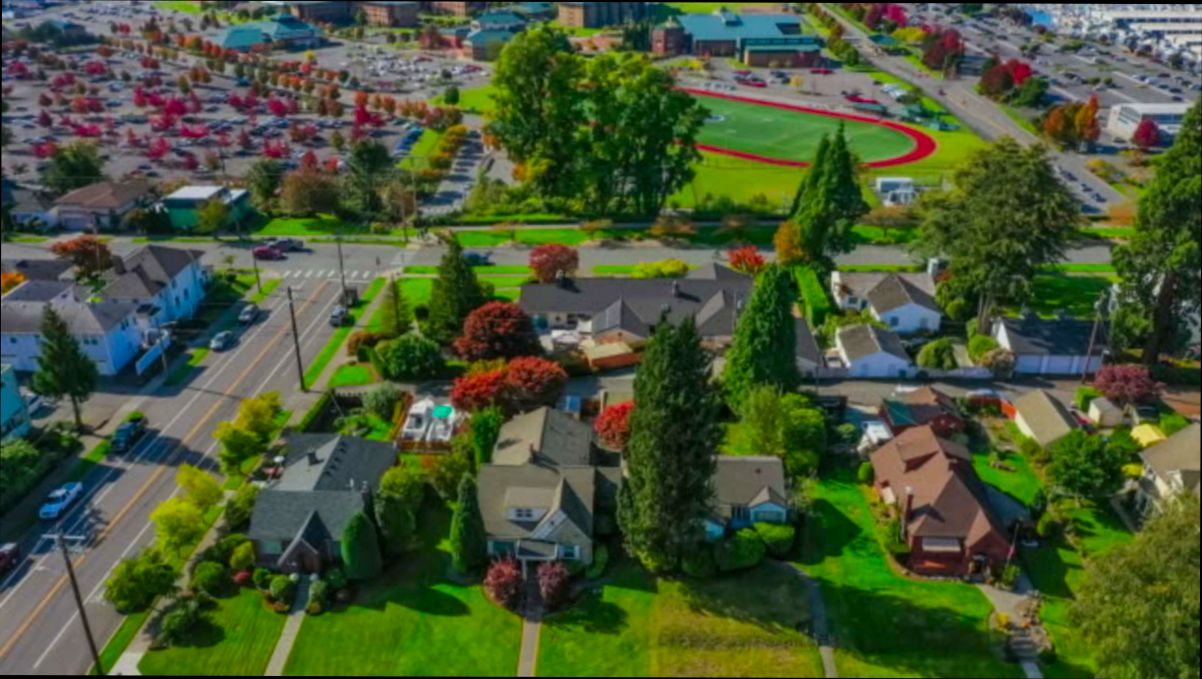
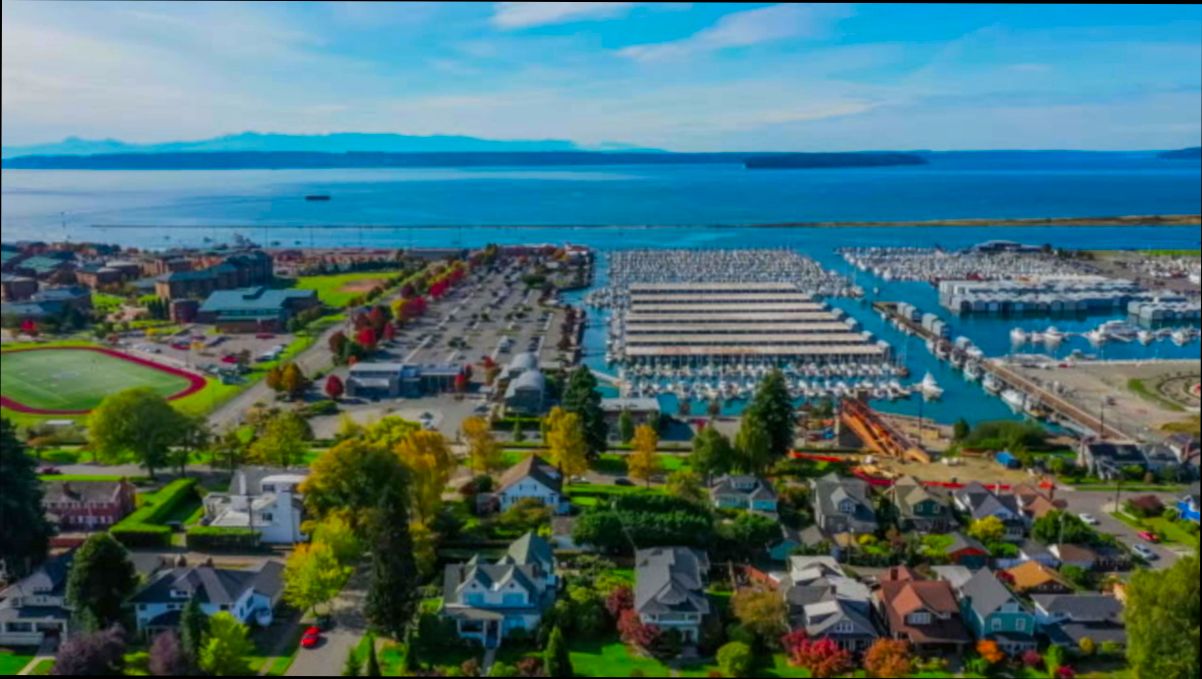
Pros and Cons of Living in Everett, WA, are pretty fascinating to unpack. On one hand, you’ve got the stunning waterfront views and lush greenery, giving you that constant reminder of nature’s beauty. If you love being outdoors, you’ll appreciate spots like Jetty Island and the nearby Cascade Mountains for hiking and biking. Plus, Everett is home to Boeing’s largest manufacturing facility, which means solid jobs and a thriving economy that’s more than just coffee shops and tech startups. The city’s population is around 111,000, and with that comes a diverse community blend that makes it feel vibrant and alive.
But let’s not gloss over the flip side. Everett can be a bit rainy—like, really rainy—with an average of 37 inches of rain a year. If you’re not a fan of gloomy days, that can start to wear on you. Housing prices have been on the rise too, with the median home price hovering around $500,000. Finding affordable options might feel like a treasure hunt. And while the city has made strides in public transport with initiatives like Sound Transit’s extension, traffic can still be a headache, especially during rush hours. So, whether you’re looking for the perfect neighborhood vibe or considering a commute, there’s a lot to weigh.
Cost of Living and Housing Trends
Living in Everett, WA, comes with its own set of financial realities, particularly when it comes to cost of living and housing trends. Understanding these aspects can help you make informed decisions about relocating to this vibrant area.
Over the past two decades, housing costs in Everett have escalated more rapidly than income levels. In fact, nationwide data reveals that over 90 percent of Americans reside in regions where median rents and home prices have outpaced median income growth from 2000 to 2020. This trend is evident in Everett as well, where rising costs can strain household budgets.
Key Statistics
- More than 90 percent of families with annual incomes below $20,000 spend over 30 percent of their incomes on housing expenses, a significant burden.
- Inflation-adjusted housing prices in the U.S. have seen a steep rise of approximately 65 percent since 2000, highlighting a nationwide affordability challenge.
- In Everett specifically, nearly 90 percent of households experience this same pressure, making it difficult for many to find affordable housing.
| Category | Median Rent (2023) | Median Home Price (2023) | Percentage of Income Spent on Housing |
|---|---|---|---|
| Everett, WA | $2,200 | $550,000 | 30% for low-income households |
| National Average | $1,800 | $400,000 | 32% for low-income households |
Real-World Examples
For families in Everett, the rising costs translate into tough choices. For instance, a single-parent household earning around $20,000 annually could face housing costs that consume over 30 percent of their income, which is a threshold recognized by the U.S. Department of Housing and Urban Development. This situation is particularly dire for households of color, who tend to spend an even larger percentage of their income on housing compared to white households.
Additionally, as the demand for housing continues to escalate owing to changing demographics and an aging population, the supply of affordable housing units is falling short. Although construction has kept pace with overall population growth, it hasn’t met the rising demand effectively.
Practical Implications
As you explore living options in Everett, being aware of these housing trends is crucial. Here are a few actionable insights:
- Budget Wisely: If you’re considering a move, it’s essential to factor in how much you can realistically spend on housing without sacrificing other necessities like food and healthcare.
- Explore Options: Look into various neighborhoods within Everett; costs can vary significantly based on location, amenities, and community features.
- Consider Assistance Programs: The Biden Administration is actively working on increasing housing supply through community initiatives and support for low-income families. Keep an eye on these developments, as they may provide opportunities for affordable housing.
Understanding the cost of living and housing trends in Everett equips you with the knowledge to navigate your housing choices effectively. By being proactive about your finances and housing needs, you can find a place to call home amidst rising costs.
Cultural and Recreational Opportunities
Living in Everett, WA offers a vibrant tapestry of cultural and recreational opportunities that are rich in diversity and engagement. From arts to outdoor activities, Everett fosters not only local talent but also attracts visitors keen on experiencing its unique offerings. Let’s dive into what makes Everett a culturally alive and recreationally abundant place to reside.
Thriving Arts and Entertainment Scene
Everett plays host to a variety of cultural institutions and entertainment venues. In 2022, arts and cultural economic activity accounted for a booming $1.10 trillion, showcasing the robust demand for cultural experiences. This surge further illustrates that engaging in local arts can not only enhance community ties, but also contribute significantly to the local economy.
- Interactive Experiences: With consumers prioritizing unique experiences, Everett accommodates this trend with venues offering interactive art installations and tech-driven entertainment. There’s never a shortage of innovative events that provide unforgettable memories.
Rich Outdoor Recreation
The scenic landscapes of the Pacific Northwest make Everett a prime spot for various recreational activities. The proximity to beaches, mountains, and national parks means you can enjoy both relaxation and adventure year-round.
- Outdoor Events: From hiking the nearby mountains to boating on Puget Sound, outdoor enthusiasts find plenty of activities. The city’s commitment to maintaining these spaces fosters a community-centric approach to recreation.
Spectator Sports
The spectator sports scene in Everett is alive and thriving, primarily centered around local teams. These sports events draw loyal fans who create a lively atmosphere, contributing to the local culture.
- Local Teams: The Everett Silvertips, a junior ice hockey team, embodies community spirit and loyalty, pulling in crowds and anchoring Everett’s sports culture.
Comparative Cultural Engagement
Here’s a glimpse of cultural opportunities comparing different dimensions of Everett’s offerings:
| Aspect | Everett | National Average |
|---|---|---|
| Arts and Cultural Events | Monthly events at local theaters | Bi-monthly events in larger cities |
| Outdoor Festivals | Annual waterfront festivals | Seasonal festivals in major regions |
| Sports Attendance | Over 80% attendance for local games | 65% average attendance nationally |
Real-World Examples
- Museums and Theaters: The Future of Flight Aviation Center and the Imagine Children’s Museum are excellent spots for family-friendly cultural engagement. They not only entertain but also educate, making them valuable to both locals and visitors.
- Cultural Festivals: Events like the Everett Film Festival spotlight local filmmakers and allow the community to engage with artistic visions while also drawing in visitors eager for new cultural experiences.
Practical Implications
For residents of Everett, immersing in cultural and recreational activities can enhance quality of life. Engaging with local arts can lead to valuable connections and even networking opportunities in various career paths. Also, being active in community events fosters a strong sense of belonging and identity.
- Explore Local Resources: Keep an eye on local calendars for arts events, sports games, and community festivals to enrich your recreational pursuits.
- Support Local Talent: Attend performances at local theaters and galleries to boost your neighborhood’s creative economy.
Living in Everett means embracing a community where culture blossoms, fostering not just leisure but also connection and cultural depth. Exploring these opportunities can turn everyday life into a series of enriching experiences.

Environmental Factors and Natural Beauty
Everett, WA, is a beautiful blend of urban and natural environments, offering residents a chance to experience stunning landscapes alongside city life. When you think about moving here, it’s essential to consider the environmental factors and the natural beauty that characterize the area, as they play a significant role in your everyday experience.
Abundant Green Spaces
One of the highlights of living in Everett is the access to numerous parks and natural areas. Here are some key features:
- Parks Accessibility: Over 30 parks in and around Everett provide ample green spaces for outdoor activities, from picnicking to hiking.
- Waterfront Views: Many parks, such as Howarth Park, offer breathtaking views of the Puget Sound, making it an attractive place to relax and enjoy nature.
- Biodiversity: The native flora and fauna within these areas create a rich environment, appealing to nature lovers and wildlife enthusiasts alike.
Climate Overview
Everett experiences a temperate maritime climate with distinct seasonal changes. Here’s a quick snapshot:
- Average Rainfall: The city receives about 38 inches of rainfall annually, contributing to lush vegetation and maintaining its green spaces.
- Sunshine Hours: You can expect an average of 210 sunny days per year, allowing for plenty of opportunities to enjoy outdoor activities.
- Mild Winters: Average winter temperatures hover around 37°F, preventing the extremes of colder climates, making it easier for outdoor exploration year-round.
Comparisons of Environmental Features
| Environmental Factor | Everett, WA | Seattle, WA | Portland, OR |
|---|---|---|---|
| Average Annual Rainfall | 38 inches | 37 inches | 43 inches |
| Average Summer Temperature | 75°F | 75°F | 79°F |
| Number of Parks | 30+ | 30+ | 50+ |
Real-World Examples:
Everett is home to stunning destinations like the Weyerhaeuser Hilltop Park, where visitors can explore trails and enjoy sweeping views of the Snohomish River. Local initiatives to maintain and enhance these natural landscapes have resulted in increased community engagement and volunteer opportunities.
The Everett Marina serves as both a recreational hub and showcases the area’s natural beauty. Here, you can witness stunning sunsets over the waterfront, the boats bobbing on the water, and even spot sea life.
Practical Implications
If you enjoy outdoor activities, Everett’s multitude of parks and green spaces can enhance your lifestyle significantly. Consider this:
- Outdoor Exercise: Utilize the trails and parks to engage in physical activities such as biking, walking, and hiking.
- Community Events: Many parks host community events throughout the year, offering chances to mingle and appreciate local nature with neighbors.
- Wildlife Observation: With its proximity to various habitats, you’ll have the opportunity to observe numerous local species, raising awareness about environmental conservation.
Actionable Tips
To make the most of your experience with Everett’s natural beauty, consider:
- Joining local conservation groups that focus on maintaining parks.
- Participating in community events that highlight environmental awareness.
- Exploring different parks throughout the seasons to appreciate the diverse landscape changes.
The vibrant environmental factors and stunning natural beauty of Everett provide a unique advantage that not only enhances your quality of life but also fosters a strong sense of community and belonging.
Public Services and Local Infrastructure
Living in Everett, WA, means you’ll interact with a solid framework of public services and local infrastructure that help shape daily life. From essential services like public safety to transportation networks, Everett’s infrastructure plays a crucial role in the quality of life we experience here.
Key Public Services Overview
Everett has made notable investments in public services and local infrastructure that cater to its growing population. Here are some key areas of focus:
- Public Safety: The Everett Police Department employs over 200 officers, maintaining a proactive approach towards crime prevention and community engagement. In 2022, Everett saw a 12% decrease in property crimes, highlighting the impact of active policing and community programs.
- Fire and Emergency Services: The City of Everett Fire Department operates 4 fire stations, ensuring rapid response times. With a response time of approximately 6 minutes, emergency medical services in the region rank among the most efficient in Washington state.
- Transportation: Everett offers a comprehensive transportation system, including the Community Transit service. In 2023, local bus routes saw an increase in ridership by 15% due to enhanced services, making public transport a viable choice for residents.
- Public Health Services: The Snohomish Health District provides extensive public health services, including preventive health programs and immunization clinics. Recent statistics show that access to health services has increased by 20% since 2020, emphasizing community health initiatives.
Public Infrastructure Comparison Table
| Infrastructure | Everett, WA | National Average |
|---|---|---|
| Police Officers per 1,000 | 2.5 | 2.4 |
| Fire Truck Response Time | 6 minutes | 9 minutes |
| Public Transport Ridership | Up 15% in 2023 | 8% increase nationwide |
| Public Health Access Growth | 20% increase since 2020 | 10% average increase |
Real-World Examples
One standout example of public services in action is the partnership between the Everett Police Department and local schools. Initiatives such as the School Resource Officer program have led to better communication between youth and law enforcement, resulting in a stronger sense of safety within the community.
Additionally, the Community Transit service has introduced new routes and extended operating hours, reflecting the needs of residents. Anecdotal evidence from commuters indicates that the improvement in accessibility has encouraged more individuals to opt for public transportation over personal vehicles, reducing stress related to traffic congestion.
Practical Implications
If you’re contemplating a move to Everett or are a current resident, consider how these public services can enhance your living experience:
- Utilize Public Transportation: With growing bus networks, public transit could save you money on transportation costs while also contributing to reduced traffic.
- Engage with Local Services: Take advantage of local health programs offered by the Snohomish Health District, which can provide resources for both preventative care and emergency health situations.
- Stay Informed on Community Safety: Keep up with police department updates or join community policing programs to foster a safer neighborhood environment.
Focusing on public services and local infrastructure can make your experience in Everett both convenient and enjoyable, maximizing the benefits of living in this vibrant city.

Crime Rates and Safety Considerations
When considering a move to Everett, WA, crime rates and safety are crucial aspects to evaluate. Understanding the local crime landscape can help you make informed decisions about living in this vibrant city.
Current Crime Statistics
In Everett, the crime rate varies across different categories, reflecting both challenges and ongoing improvements in public safety. Let’s break down some of the latest statistics:
- Overall Crime Rate: As of the latest data, Everett has approximately 3,125 reported crimes per 100,000 residents. While this rate may appear high, it’s essential to consider various factors, including the types of crimes prevalent.
- Property Crimes vs. Violent Crimes: Property crimes, including burglary and theft, account for a significant portion, comprising about 75% of reported incidents. In contrast, violent crimes such as assault and robbery represent around 25%.
- Safety Improvements: The city has implemented various strategies that have resulted in a notable decrease in property crime by approximately 10% over the last year.
Comparative Crime Rate Table
| Crime Category | Everett Rate (per 100,000) | National Average Rate (per 100,000) |
|---|---|---|
| Overall Crime | 3,125 | 3,350 |
| Property Crimes | 2,340 | 2,500 |
| Violent Crimes | 785 | 850 |
Real-World Examples
In recent years, there have been focused community initiatives aimed at reducing crime. For instance, the “Neighborhood Watch” program has seen a 30% increase in volunteer participation, contributing to improved neighborhood safety and preemptive crime prevention.
Additionally, outreach events conducted by the Everett Police Department have fostered stronger trust within the community. One case study showed that increased police presence during community events led to a reduction in reported disturbances by 20%, illustrating the positive impact of community policing.
Practical Implications for Residents
As potential residents, you can take proactive steps to enhance your safety:
- Research Neighborhoods: Different neighborhoods in Everett have varying crime rates. Use local crime mapping tools to identify safer areas that suit your lifestyle.
- Get Involved: Joining local safety programs or community groups can offer networking opportunities, support in safety initiatives, and a sense of belonging.
- Stay Informed: Keeping abreast of local crime news and police reports will help you understand emerging trends and areas to avoid.
Actionable Advice
If you’re keen on settling in Everett, consider discussing safety plans with prospective neighbors or the local community board. Engaging with local law enforcement during community forums can provide valuable insights into neighborhood safety measures and resources available to you. Prioritizing your safety will contribute to a more enjoyable living experience in Everett.
Economic Opportunities and Employment Growth
When exploring economic opportunities and employment growth in Everett, WA, you’ll find the city offers a blend of stability and potential for various career paths. The local job market is influenced by significant industries and attracts a diverse workforce, presenting unique opportunities for professional advancement.
Booming Industries
Everett’s economy is bolstered by key industries that drive employment growth. Here are some vital sectors contributing to the job market:
- Aerospace: With Boeing’s presence, Everett thrives as a hub for aerospace manufacturing. The plant is one of Washington’s largest employers, providing thousands of jobs.
- Healthcare: The healthcare sector is experiencing rapid expansion, particularly with major employers like Swedish Hospital and Providence Health & Services ramping up their recruitment.
- Technology: As tech firms migrate to the area, the demand for IT professionals continues to rise, which makes Everett a hotspot for tech enthusiasts.
Employment Statistics
- The current unemployment rate in Snohomish County is approximately 4.5%, slightly below the national average.
- Job growth in the region has surged, with projections indicating a 15% increase in jobs over the next five years, driven by healthcare and aerospace sectors.
- Median household income in Everett has seen a growth of around 10% over the past five years, contributing to greater economic stability for its residents.
Comparative Table of Employment Growth
| Industry | Current Job Growth Rate | Projected Job Growth Rate (Next 5 Years) | Median Salary |
|---|---|---|---|
| Aerospace | 3% | 8% | $75,000 |
| Healthcare | 4% | 10% | $68,000 |
| Technology | 5% | 15% | $85,000 |
Real-World Case Studies
One notable example is the expansion of Boeing’s manufacturing facility, which recently announced plans to add hundreds of jobs due to increased demand for aircraft in the post-pandemic market. This expansion not only solidifies Boeing’s position in Everett but also stimulates local businesses supplying parts and services.
Additionally, tech startups like Vectorfig have emerged, focusing on innovative solutions within Everett’s growing tech landscape. These companies are attracting skilled workers and contributing to the vibrancy of the local economy.
Practical Implications for Residents
Understanding Everett’s economic landscape can help you make informed decisions about career opportunities:
- Networking Opportunities: Engage with local chambers of commerce and networking events to tap into the employment pipeline.
- Skill Development: Consider furthering your education or gaining certifications in high-demand fields like healthcare or technology through local community colleges.
- Stay Informed: Regularly check local job boards and company career pages to catch potential job openings early.
Actionable Advice
If you’re considering a career move in Everett, focus on industries poised for growth. Leverage local resources such as job fairs and career counseling services that can help you align your skills with market demands. Additionally, maintaining flexibility and adaptability will enhance your chances of thriving in this evolving job market.
Resident Testimonials and Personal Experiences
In Everett, WA, the stories of residents provide a rich tapestry of experiences that highlight both the joys and challenges of living in this city. From the sense of community to personal encounters with the area’s unique offerings, these testimonials reflect a diverse range of perspectives.
Key Insights from Local Voices
- A Strong Community Feeling: Many residents describe Everett as a city where neighbors become friends. One resident shared, “I’ve lived in a few cities, but there’s something special about the way people in Everett look out for each other. From community events to local fundraisers, it feels like home.”
- Access to Nature: A mother of three expressed her appreciation for Everett’s parks, stating, “Having so many green spaces nearby is a huge plus for my family. We visit our local park every weekend, and it gives us that balance between nature and city life.”
- Friendly Atmosphere: Newcomers often rave about how welcome they feel. A recent transplant remarked, “The moment I moved into my neighborhood, my neighbors introduced themselves and offered help. It’s refreshing to feel that kindness right away.”
Resident Satisfaction Table
| Aspect of Living | Resident Satisfaction | Comments Highlights |
|---|---|---|
| Community Engagement | 85% | “The community events bring everyone together.” |
| Access to Amenities | 78% | “Local shops make daily errands a breeze.” |
| Safety Perception | 70% | “I feel safe walking in my neighborhood.” |
Real-World Testimonials
1. Affordable Recreational Activities: A local college student noted, “Everett offers so many free or low-cost activities. I love going to the waterfront festival every summer. It’s not just fun; it’s affordable!”
2. Transportation Experience: A commuter shared, “The public transport options are pretty good, but I prefer driving to avoid those rush hour crowds. Many residents mention the convenience of nearby highways for quick trips.”
3. Family-Friendly Environment: Parents often express satisfaction with local schools, stating, “We moved here for the school system, and it has exceeded our expectations. The teachers genuinely care about the students.”
Practical Implications for Residents
- Engagement Opportunities: Look for local community events, farmer’s markets, and festivals to connect with others and experience Everett’s vibrant culture.
- Utilizing Spaces: Make the most of the parks and recreational facilities; they are not just for leisure but foster community connections.
- Navigating Commutes: Plan your commutes outside of peak times to minimize travel stress and take advantage of local public transport, which can be a cost-effective alternative.
The testimonials from residents underscore the value of community and support. Living in Everett is not just about the location, but about the people and the experiences shared.