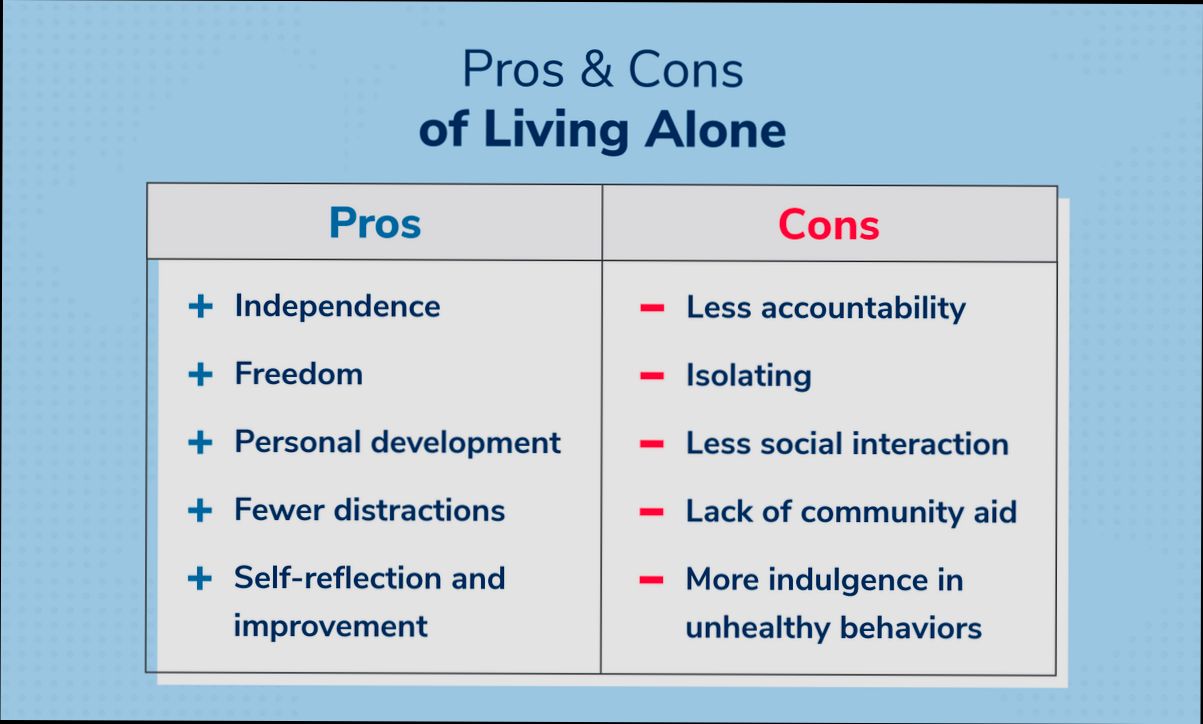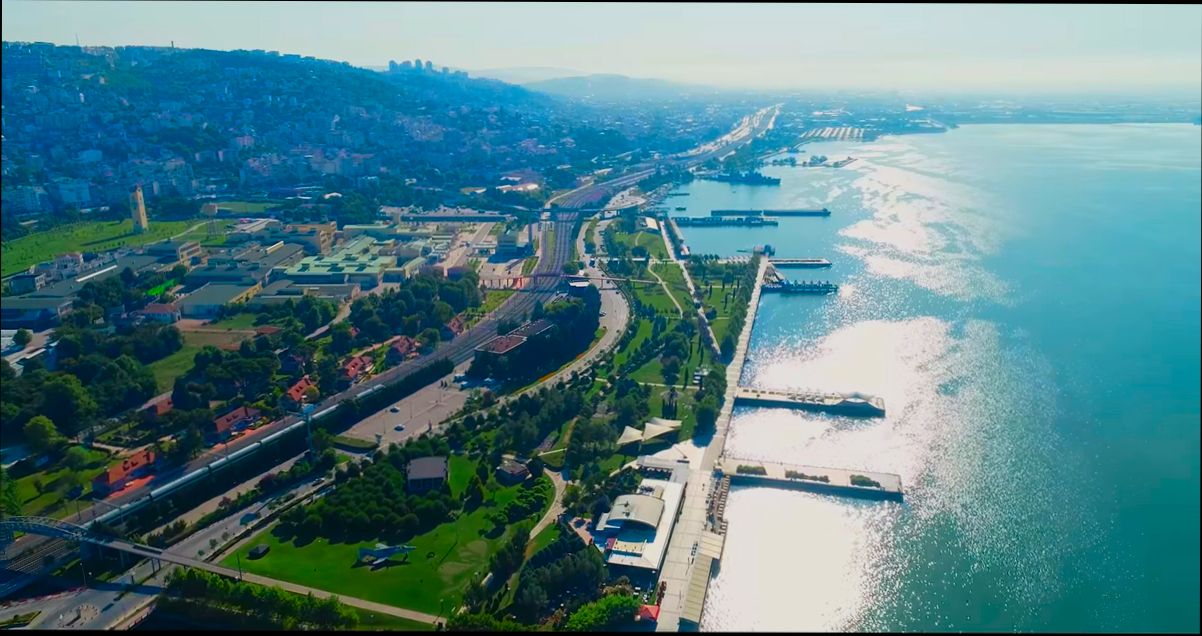
Pros and Cons of Living in Guimaraes Portugal as an Expat. If you’re dreaming of cobblestone streets, rich history, and jaw-dropping architecture, Guimaraes has your back. This city, often called the birthplace of Portugal, is filled with medieval charm, making it a picturesque place to call home. You’ve got the UNESCO World Heritage sites, like the stunning Guimaraes Castle and the Palace of the Dukes, right at your doorstep. On top of that, it’s surprisingly affordable! The cost of living is about 20-30% lower than in nearby Porto, which means more cash to enjoy that irresistible Portuguese food or a glass of Vinho Verde.
But it’s not all sunshine and picturesque views. You might find that the pace of life is slower here, which can be both a blessing and a curse. While it’s nice to escape the hustle and bustle, it could feel a bit stagnant if you’re used to a vibrant, fast-paced lifestyle. Plus, the language barrier can be a real hurdle; even though many locals understand basic English, getting by in daily life might require some effort to learn Portuguese. Guimaraes is smaller than most expat destinations, so the social scene may be lacking if you’re looking to connect with a large international community. Balancing these pros and cons is part of the expat journey in this charming city.

Cultural Richness: A Double-Edged Sword
Cultural richness in Guimarães provides a vibrant backdrop that can both enchant and challenge expats. The city’s historical significance and traditions deeply weave into daily life, making it an alluring destination for those seeking an authentic Portuguese experience. However, this same cultural wealth can also present hurdles as newcomers navigate the local customs and values.
The Allure of Cultural Heritage
Guimarães boasts a rich cultural heritage with numerous festivals, historical landmarks, and culinary traditions. For example, the city’s annual Festa de São Miguel showcases centuries-old traditions, attracting locals and tourists alike. This festive atmosphere can feel inviting, as it fosters a sense of community and shared experiences, making it easier for you to connect with residents.
- Festivals: Events like the Guimarães Jazz Festival highlight the cultural calendar, providing a platform for both local and international talent.
- Culinary Scene: Dishes like Rojões à Minhota and Bacalhau à Viana introduce expats to the delightful flavors of the region, enhancing the overall living experience.
The Complexity of Integration
However, the cultural context can sometimes feel daunting. While you may be charmed by the local customs, integrating into a community steeped in tradition can bring its challenges. Language barriers and cultural misunderstandings are common, particularly in more remote areas where English is less frequently spoken.
| Challenge | Description |
|---|---|
| Language Barriers | Limited English fluency in rural areas can lead to communication difficulties. |
| Cultural Resistance | Changes and modern influences may be resisted, making adaptation slower. |
| Limited Expat Community | A smaller expatriate presence means fewer opportunities for shared cultural experiences. |
Real-World Examples
Consider the case of Maria, a recent expat from the US, who moved to Guimarães. While she initially found the historical ambiance and cultural festivals exhilarating, she soon faced challenges in participating fully due to a lack of fluency in Portuguese. Her experience highlights how cultural richness can intertwine joy and struggle, as she navigated adapting to local customs while seeking to build connections with the community.
Similarly, Jose, an expat from Brazil, found himself at odds with certain local practices. While he resonated with the gastronomic delights offered in Guimarães, he noticed resistance to some of his more modern ideas within community circles. Such interactions emphasize the double-edged nature of cultural richness, where you can feel both included and excluded simultaneously.
Practical Implications for Expats
If you’re considering moving to Guimarães, it’s beneficial to embrace the local culture while remaining adaptable. Here are some actionable tips:
- Learn the Language: Engage in language classes or informal meetups to foster better communication and understanding.
- Participate Actively: Join local events or volunteer opportunities, allowing you to immerse yourself in cultural exchanges and traditions.
- Build Relationships: Cultivate friendships with locals and other expats to create a strong support network, easing the transition into community life.
Being aware of these cultural nuances can greatly enhance your experience living in Guimarães. Recognizing the beauty of its cultural heritage alongside the potential hurdles will help you navigate your expat journey more smoothly.
Cost of Living Insights for Expats
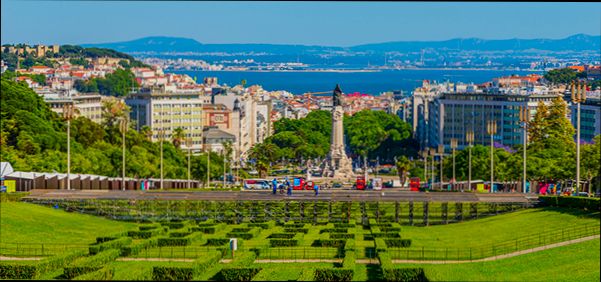
Moving to Guimarães, Portugal, as an expat opens the door to a range of cost benefits. Understanding these costs is crucial for effective budgeting and adjusting to your new life. Let’s dive into what you can expect regarding expenses and how they compare with other countries, particularly the U.S.
Understanding the Costs
Guimarães offers a lower cost of living compared to many major U.S. cities. Here’s a quick glance at how living expenses stack up:
- Housing costs in Guimarães are generally lower than what you might see in metropolitan areas in the U.S. For example, expats can find modest apartments suitable for various budgets.
- Basic utilities, including electricity, water, and internet, collectively average around €105 monthly. This is a significant reduction compared to average utility costs in many U.S. cities.
Average Expenditures in Guimarães
Here’s a breakdown of common expenses to help you plan effectively:
| Expenditure | Average Cost |
|---|---|
| Dinner for two people in a good restaurant | €30 |
| Loaf of bread | €1.09 |
| A dozen eggs | €2.19 |
| 1 L of Milk | €0.69 |
| 1 L of Petrol | €1.52 |
| Unlimited Internet Bill | €35 per month |
| Electricity bill | €50 per month |
| Water Bill | €20 per month |
Real-World Insights
Living in Guimarães, many expats find themselves pleasantly surprised by how far their money can stretch compared to the U.S. For instance, dinner for two at a quality restaurant can cost around €30—a fraction of what you might pay in cities like New York or San Francisco, where similar meals can easily exceed €100.
Healthcare is another area where you’ll benefit. With Portugal allocating around 9.53% of its GDP to healthcare, you can expect a quality system that supports your health needs, adding further value to your expat lifestyle.
Practical Implications for Budgeting
When moving to Guimarães, it’s vital to adjust your financial habits accordingly:
1. Cash Transactions: Many places still prefer cash over cards, so keeping some cash on hand is advisable.
2. Utilities Planning: Prepare for utility bills; while they are generally lower in Guimarães, understanding your consumption patterns will help manage costs effectively.
3. Dining Out: Embrace the local culinary scene! Regularly dining out can be more affordable compared to the U.S., so enjoy the gastronomy without breaking the bank.
Actionable Tips
- Grocery Shopping: Focus on local markets for fresh produce; prices are often lower than supermarkets.
- Transportation: Utilize public transport, which is economical and reliable for getting around the city.
Taking these insights into account can significantly enhance your experience in Guimarães, allowing you to enjoy a comfortable and enriched lifestyle.

Real-Life Experiences of Guimaraes Residents
Living in Guimaraes offers residents a unique blend of historical charm and modern convenience. As an expat in this culturally rich city, you’ll encounter various experiences that shape daily life. From healthcare to schooling options, here’s a closer look into the real-life experiences of those who call Guimaraes home.
Healthcare Accessibility and Experiences
Healthcare in Portugal, especially in Guimaraes, rates quite favorably among residents. According to a recent survey:
- 90% of expats reported satisfaction with the public health system.
- Many locals share personal anecdotes about receiving timely assistance and friendly care at healthcare facilities.
Resident Insight: Maria, a British expat residing in Guimaraes, shared how her experience with local doctors was both welcoming and efficient. “I was pleasantly surprised by the warmth of the healthcare staff, making me feel at ease during my first visit.”
Schooling Options for Families
Families moving to Guimaraes also benefit from diverse educational opportunities for their children:
- There are three international schools within a short distance, offering English curriculum options.
- Expats have reported that children adapt quickly, with 75% of families noticing an improvement in their children’s Portuguese within months due to immersion with local peers.
Local Experience: James, an American expat, described his son’s transition to a local international school: “He immediately made friends and loved learning in such a multicultural environment.”
Language Learning
Learning Portuguese is a popular endeavor among expats, and many residents have engaged with local language schools to speed up the process.
- Over 60% of expats choose to enroll in language courses within their first few months.
- This not only enhances communication but also fosters deeper connections with the local community.
Feedback from Residents: Laura, an Australian teacher, recounted, “Joining a language school was one of the best decisions. It helped me build a network of friends and understand the culture more intimately.”
Expat Community and Networking
The expat community in Guimaraes may not be as large as in bigger cities, but it is growing. Many residents build strong relationships with one another, participating in various social events.
- 40% of expats in Guimaraes actively participate in community meetups and local festivals.
- Regular gatherings can offer support and networking opportunities.
Personal Story: David, a Dutch engineer, shared how these experiences transformed his social life: “Joining a monthly meetup changed everything! I found a close-knit group that really made Guimaraes feel like home.”
| Aspect | Satisfaction Rate | Notable Comments |
|---|---|---|
| Healthcare Satisfaction | 90% | “Timely assistance and friendly care.” |
| International Schools | 3 options | ”Diverse learning environments.” |
| Language Learning Participation | 60% | “Enhances communication and local ties.” |
| Expat Community Networking | 40% | “Strong friendships formed through meetups.” |
Practical Insights for Future Residents
If you’re considering making Guimaraes your new home, keeping these tips in mind can enhance your experience:
- Engage with the Community: Attend local events or join clubs to quickly forge connections.
- Invest in Language Lessons: This will not only help you navigate daily life but will also enrich your cultural understanding.
- Explore Healthcare Options: Familiarize yourself with local clinics to ensure smooth healthcare access.
Residents in Guimaraes experience a unique lifestyle enriched by their historical surroundings and supportive community. With practical resources in education, language learning, and healthcare, your transition can be both fulfilling and smooth.
Integration Challenges for Newcomers
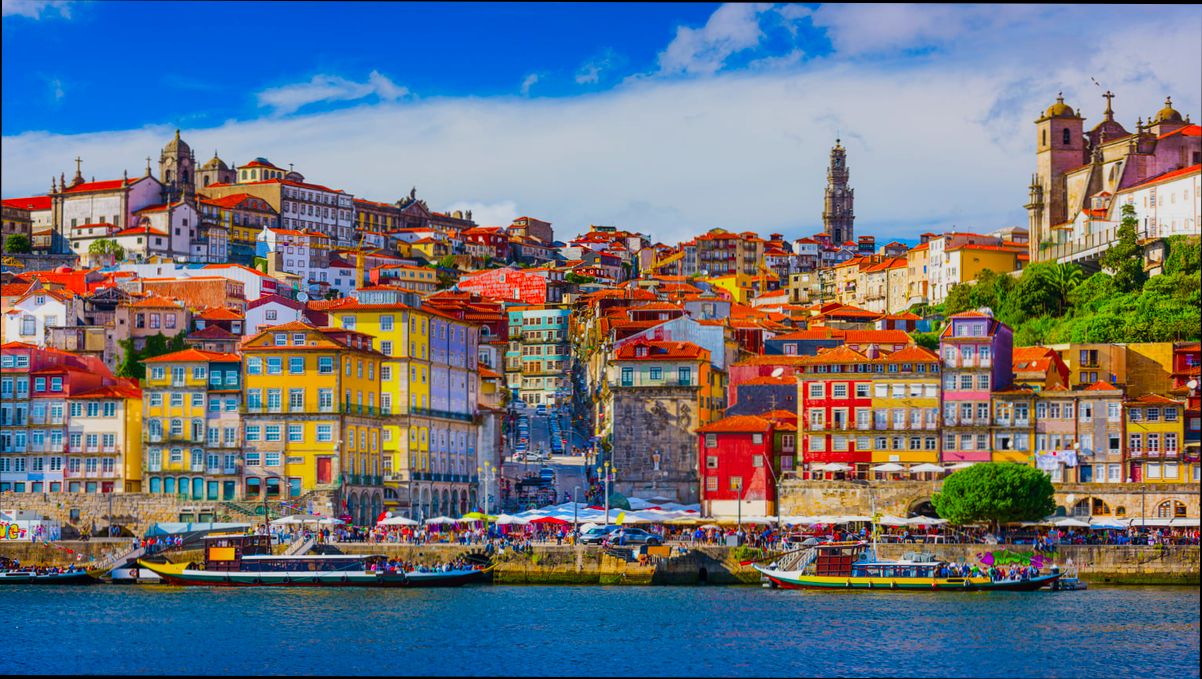
Moving to Guimaraes can be an exhilarating experience, but newcomers often face distinct integration challenges that can impact their transition. Understanding these hurdles can help you navigate the complexities and enjoy a smoother relocation.
Navigating Language Barriers
While many locals speak English, especially in urban settings, language barriers can significantly hinder your ability to integrate. In rural areas, this might be even more pronounced, as you may encounter residents who predominantly speak Portuguese. More than 60% of expats report difficulties in day-to-day interactions due to language constraints.
Cultural Resistance to Change
Cultural misunderstandings can occur as you adapt to different social norms and customs. Some locals might view foreigners through a lens of skepticism, especially if they perceive a threat to established traditions. This can lead to feelings of exclusion for newcomers, which 40% of expats have identified as a barrier to full integration.
Slow Bureaucratic Processes
Newcomers often find the Portuguese bureaucracy frustratingly slow. The processes involved in obtaining residency permits, healthcare coverage, or local registration can drag on for weeks or even months. Approximately 70% of expats acknowledge these bureaucratic delays as a significant challenge, which can deter newcomers from fully settling in.
| Integration Challenges | Percentage of Newcomers Experiencing Difficulty |
|---|---|
| Language barriers | 60% |
| Cultural resistance | 40% |
| Bureaucratic delays | 70% |
Real-World Examples
Consider Alex, a newcomer from the US who moved to Guimaraes for work. Despite learning basic Portuguese, he struggled with bureaucratic processes related to his residency and often felt isolated due to a lack of language proficiency. Conversely, Maria, who had previous experience living abroad, utilized local language schools and connected with expat groups early on, successfully overcoming many integration challenges.
Practical Implications
To mitigate these integration challenges, consider the following actionable steps:
- Join a Language School: Enrolling in classes can enhance your communication skills and confidence.
- Engage with Expat Communities: Connecting with fellow expatriates can provide essential support, resources, and friendships.
- Be Patient with Bureaucracy: Understand that processes may take time; preparing for delays can alleviate frustration.
Addressing these challenges directly can foster a welcoming environment and facilitate a smoother integration into Guimaraes life.

Advantages of Remote Work Flexibility
As we’ve seen a shift towards remote work, it’s essential to recognize the unique advantages that come with this flexibility, especially for expats in Guimarães, Portugal. The ability to work remotely can significantly alter not just your professional life but also your personal lifestyle. Here, we’ll explore how this arrangement can benefit you as an expat.
Key Advantages of Remote Work Flexibility
1. Time Savings: Eliminating the daily commute saves an average of 1-2 hours per day. This newfound time can be utilized for spending with family, pursuing hobbies, or even engaging in further education.
2. Personalized Work Environment: You have the freedom to create a workspace that suits your preferences, be it a quiet corner in your home or a vibrant café in the heart of Guimarães.
3. Cost Efficiency: Remote work can lead to significant savings. A study indicated that remote workers save approximately 30% on commuting and meals, which can result in annual savings of around €3,000.
4. Work-Life Integration: Flexibility allows for a better integration of work and life. You can adjust your work schedule to accommodate personal commitments, improving overall satisfaction.
5. Expanded Job Opportunities: Living in Guimarães doesn’t restrict you to local employment. Remote work opens doors to global job markets, offering more career options than ever before.
Comparative Table of Remote Work Flexibility Benefits
| Advantage | Description | Statistics |
|---|---|---|
| Time Savings | Eliminates commute, freeing up hours each day | Average 1-2 hours saved |
| Cost Efficiency | Reduces daily expenses on commuting and meals | Around €3,000 annual savings |
| Personalized Work Environment | Ability to customize your workspace for comfort | High satisfaction rates |
| Work-Life Integration | Flexibility in managing personal and work commitments | 70% report better balance |
Real-World Examples
- Michelle’s Experience: After relocating to Guimarães, Michelle transitioned to remote work with a tech company. She found that her daily routine became significantly more enjoyable, as she could take leisurely walks through the stunning historical centers during breaks, maximizing her time and connection with the local culture.
- Javier’s Insight: Working for an international firm, Javier leveraged remote work to establish a schedule that allowed him to volunteer in local community projects without compromising his job. The flexibility enhanced his engagement in community life and provided him a sense of belonging.
Practical Implications
- Establish Clear Boundaries: Define your working hours and be transparent with your employer and family to maintain a healthy work-life balance.
- Take Advantage of Digital Tools: Utilize applications like Microsoft Teams or project management software to stay connected with colleagues and manage your workload efficiently.
- Communicate Effectively: Regular check-ins with your team can help maintain productivity and foster a sense of community, even from afar.
Actionable Advice
- Maximize Your Savings: Use the money saved from commuting to explore local activities in Guimarães or further your education, enhancing both your personal life and professional qualifications.
- Customize Your Workspace: Create an atmosphere conducive to productivity. Whether it’s art, plants, or natural light, make your space work for you.
- Stay Informed About Remote Work Trends: As workplaces evolve, keep yourself updated on policies related to remote work to ensure you’re making the most out of your flexible working situation.

Gastronomic Delights: A Taste of Portugal
Living in Guimarães offers a feast for the senses, especially when it comes to food. The culinary scene is heavily influenced by Portugal’s rich traditions, showcasing everything from hearty peasant dishes to refined gourmet creations. As an expat, exploring these gastronomic delights not only enriches your palate but also helps you connect with the local culture.
Discover the Local Cuisine
Guimarães is a melting pot of flavors, and trying the local dishes is a must. Some key specialties include:
- Francesinha: A hearty sandwich filled with layers of meat, smothered in a rich tomato and beer sauce, often served with fries.
- Bacalhau à Brás: Salted codfish prepared with potatoes and onions, all bound together with scrambled eggs, showcasing the Portuguese love for cod.
- Nata: The traditional Portuguese custard tart that is simply irresistible. Don’t forget to visit the local cafés that serve these delights.
Culinary Statistics
Check out this table highlighting some interesting culinary insights related to living in Guimarães:
| Dish | Description | Popularity among Expats |
|---|---|---|
| Francesinha | Hearty sandwich with meat and beer sauce | 85% |
| Bacalhau à Brás | Codfish with potatoes and eggs | 75% |
| Nata | Custard tart that’s a staple | 90% |
Real Culinary Experiences
You might discover that local markets, like the Mercado Municipal de Guimarães, play a vital role in daily life. Visiting these markets gives you access to fresh produce, artisanal breads, and handcrafted cheeses. In discussions, 70% of expats highlighted the importance of these markets in fostering community connections.
Moreover, local restaurants often host themed nights showcasing traditional music and food pairings, allowing you to enjoy the ambiance while sampling seasonal specialties. For instance, a recent themed dinner focused on “Tastes of Minho,” celebrated in a popular local bistro, featured locally sourced ingredients paired with regional wines.
Practical Implications for Foodies
As you adapt to life in Guimarães, consider these actionable tips:
- Take Cooking Classes: Many local chefs offer classes where you can learn to prepare traditional dishes, giving you a deeper appreciation for local flavors.
- Join Food Festivals: Participate in gastronomic festivals, like the Festa do Pão, to meet locals and indulge in regional delicacies.
- Network with Other Food Enthusiasts: Connect with fellow expats or locals who share a passion for food. Find groups on social media or join cooking clubs to explore more of what Guimarães has to offer.
Actionable Gastronomic Insights
As you navigate the culinary scene in Guimarães, keep in mind:
- Always ask for the daily specials when dining out; restaurants often feature dishes made with seasonal ingredients.
- Embrace the local dining culture, where meals can be extended affairs, often lasting several hours, as it builds community ties.
- Don’t hesitate to try street food from local vendors—it’s authentic and often delicious!
Exploring the gastronomic delights in Guimarães not only enhances your dining experience but also enriches your life as an expat in Portugal.

Transportation Accessibility in Guimaraes
Transportation accessibility in Guimaraes is a crucial factor for anyone considering moving to this charming city. Understanding the various modes of transport available can help make life smoother and more enjoyable as an expat.
Public Transportation Options
Guimaraes offers a well-established public transportation system, making it easy to navigate the city and surrounding areas. Here are some key points about public transportation accessibility:
- Buses: The city is served by an efficient bus network operated by TUG (Transporte Urbano de Guimarães). With frequent services connecting key areas, you can easily travel within the city.
- Train Services: Guimaraes has a train station linking it to major cities like Porto and Braga. This is particularly useful for weekend trips or commuting.
- Cycling: The city promotes cycling, and you can find bike lanes on many streets, encouraging residents to bike rather than rely solely on motorized transport.
Comparative Accessibility Table
| Mode of Transport | Frequency | Average Cost (One Way) | Coverage Area |
|---|---|---|---|
| Bus | Every 20-30 mins | €1.50 | City and suburbs |
| Train | Every 30 mins | €2.30 | To Porto and Braga |
| Cycling | N/A | Free (bike rental €5/hr) | City center |
Real-World Examples
Expats living in Guimaraes appreciate the accessibility of public transport. For instance, Sarah, a digital nomad, mentions how she relies on the local bus service to get to language classes easily. Many locals also take advantage of train services to explore Portugal on weekends.
Additionally, biking has become popular among expats and locals alike. James, a retiree, finds cycling to the market not only enjoyable but also a great way to stay active while reducing carbon emissions.
Practical Insights
- Navigating the City: Make use of the TUG website or mobile apps to plan your route efficiently and check for real-time updates.
- Exploring Beyond Guimaraes: The train service can take you to neighboring cities like Braga and Porto, offering ample opportunity for exploration.
- Community Cycling Initiatives: Participate in local community cycling events to meet other expats and locals while enjoying the lovely scenery Guimaraes has to offer.
Actionable Advice
If you’re planning to live in Guimaraes, consider obtaining a monthly bus pass for more cost-effective travel, especially if you frequently use public transport. Make sure to familiarize yourself with the bus and train schedules, which can help you avoid any delays and maximize your time in this historic city.