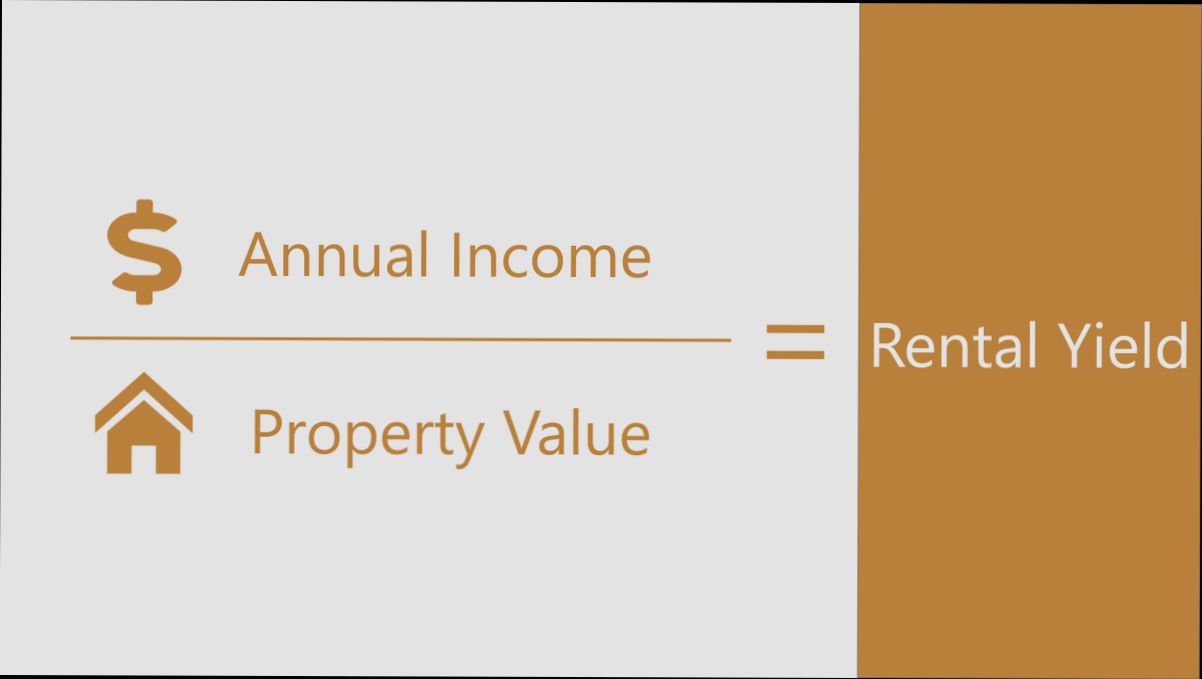
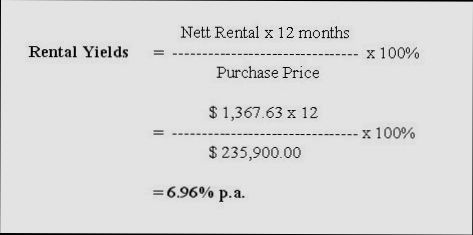
How Is Rental Yield Calculated? Let’s break it down simply. Imagine you’ve just invested in a cozy two-bedroom apartment in downtown Austin. You bought it for $300,000, and you plan to rent it out for $2,500 a month. Sounds great, right? To figure out your rental yield, you’ll want to first calculate your annual rental income, which in this case is $2,500 multiplied by 12 months, giving you a solid $30,000 a year. Next, it’s all about putting that income against your investment cost, so you’ll take that $30,000 and divide it by the property purchase price of $300,000.
Now here’s where it gets more interesting. To turn those numbers into a percentage, you simply multiply by 100. So, $30,000 divided by $300,000 gives you 0.1, and when you throw in that 100, voila! You’ve got a rental yield of 10%. This is a nifty way to gauge how well your investment is performing. And remember, that’s just the beginning; there’s more to consider, like maintenance costs and property taxes, but for now, we’re just focusing on that yield number—easy math for a clearer picture of your rental potential.
Understanding the Formula for Rental Yield
Understanding the formula for rental yield is crucial for anyone who wants to invest wisely in property. It helps you evaluate the potential returns on your investment based on rental income. Let’s dive into what rental yield is, how it’s calculated, and why it matters to your investment strategy.
Key Points on Rental Yield Calculation
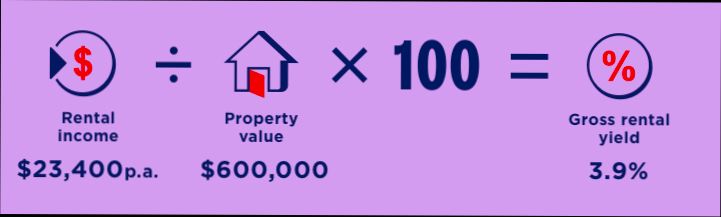
1. Basic Formula: The rental yield formula is:
- Rental Yield (%) = (Annual Rental Income / Property Value) x 100
This simple calculation gives you a percentage that shows how much return you’re getting relative to the property’s value.
2. Importance of Annual Rental Income: When determining your annual rental income, ensure you account for all income sources, not just rent. Include things like parking fees and laundry income, which can boost your yield.
3. Property Value Variations: The property value component can fluctuate based on the market. Knowing your local market trends is essential. For instance, according to recent data, properties in high-demand neighborhoods yield an average of 8% to 12%, while those in less sought-after areas average about 5% to 7%.
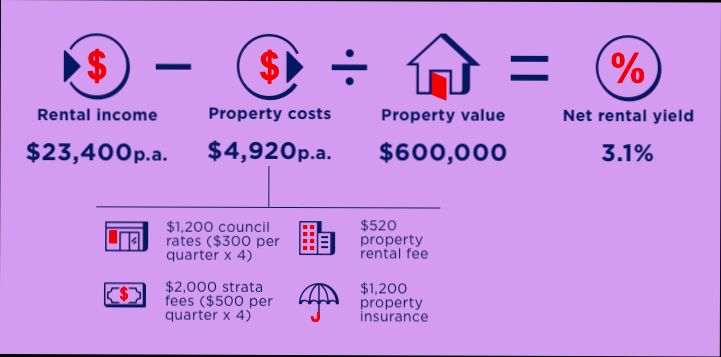
4. Expenses Matter: Don’t forget that net rental yield considers expenses. To calculate this, you subtract ongoing costs (maintenance, property management fees, taxes) from your rental income. The formula becomes:
- Net Rental Yield (%) = [(Annual Rental Income - Expenses) / Property Value] x 100
Comparative Table of Rental Yields
| Property Location | Annual Rental Income | Property Value | Gross Rental Yield (%) | Net Rental Yield (%) |
|---|---|---|---|---|
| Downtown City Center | $30,000 | $400,000 | 7.5% | 5.5% |
| Suburban Area | $24,000 | $300,000 | 8.0% | 6.0% |
| Rural Location | $15,000 | $150,000 | 10.0% | 8.0% |
Real-World Examples
Let’s say you own a small apartment in the downtown area. You charge $1,500 a month in rent, amounting to $18,000 annually. If the property’s market value is $300,000, your rental yield would be:
- Rental Yield = ($18,000 / $300,000) x 100 = 6%.
Another example could involve a suburban home generating $2,000 a month in rent. If you keep the property value at $400,000 and deduct $6,000 in annual costs (maintenance and property management), your net rental yield would be:
- Net Rental Yield = [($24,000 - $6,000) / $400,000] x 100 = 4.5%.
Practical Implications for Understanding Rental Yield
- Knowing how to calculate rental yield can shape your investment decisions. You might decide to invest in properties that historically yield higher returns based on this knowledge.
- Understanding the formula enables you to assess whether a property is worth your investment. A yield significantly below the local average might signal overvaluation.
- Familiarize yourself with expenses. Hidden costs can erode your yields, so always factor in maintenance and management fees.
It’s essential to remember that rental yield isn’t a static number. It fluctuates with market changes and property performance. Keeping an eye on local property trends will help you adjust your expectations and investment strategies accordingly.
Essential Statistics for Rental Yield Analysis
When diving into rental yield analysis, armed with the right statistics can significantly shape your investment decisions. Let’s explore the essential statistics you need to consider for effective rental yield analysis, which will ultimately guide your investment strategy and enhance your portfolio.
Key Rental Yield Statistics
1. Performance Benchmark: Ask yourself if the property would outperform at least 50% of your current properties. This metric is crucial when evaluating which properties to retain or dispose of.
2. Gross vs. Net Rental Yield:
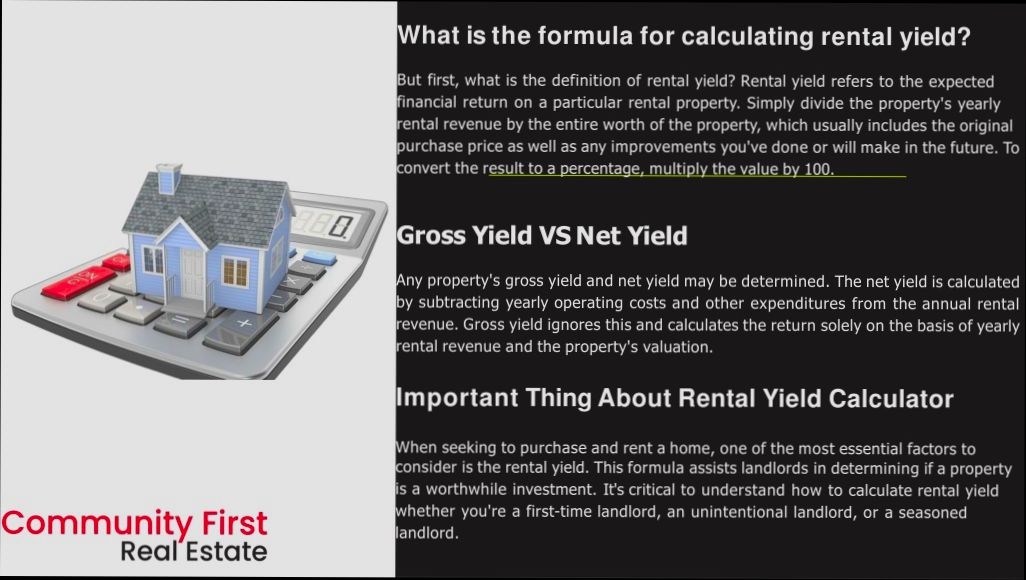
- Gross Rental Yield: A straightforward calculation revealing potential income. By dividing the annual rental income by the property’s purchase price and multiplying by 100, this yield gives a simple percentage that indicates the basic profitability potential.
- Net Rental Yield: This statistic becomes your reality check. Once you subtract additional costs like maintenance, property management fees, and taxes, you get a more nuanced view of profitability.
3. Data Collection, Cleaning, and Analysis: Gathering accurate property data matters. For best results, use Dataset Operations on the DataCalculus platform to streamline data collection and employ Bulk Operations to manage multiple datasets effectively.
4. Utilizing Insights for Decision-Making:
- Overall AI Report: Leverage AI-driven reports that help you understand trends and provide actionable next steps based on the metrics you’ve gathered.
- Pattern Report: This uncovers trends in your data that can help you identify high-performing or underperforming properties.
Comparative Rental Yield Table
| Property Type | Gross Rental Yield | Net Rental Yield | Performance Rank |
|---|---|---|---|
| Residential Apartment | 8% | 5% | 75% |
| Single-Family Home | 10% | 6% | 55% |
| Commercial Property | 12% | 9% | 80% |
| Short-Term Rental | 15% | 10% | 85% |
Real-World Examples
- Residential Apartment: Let’s say you have a residential apartment that’s been on the market. The gross rental yield is at 8%, but once you account for taxes and maintenance, it drops to 5%. This insight can help you decide if the property is worth holding onto or if renovations are necessary to enhance cash flow.
- Commercial Property: A commercial property boasting a gross rental yield of 12% aligns perfectly with risk management strategies. By assessing its net rental yield of 9%, this property stands out for its ability to deliver solid returns even after considering overheads.
Practical Implications
Understanding these statistical metrics can empower you to make informed portfolio decisions. Whether you’re optimizing your investments or identifying underperforming assets, these statistics will keep you on track.
It’s vital to routinely update your rental yield calculations and stay informed about market trends. Doing so keeps you ahead in the competitive real estate landscape. Regularly engaging with tools like the Data Scientist AI can reveal insights specific to your datasets, allowing you to adapt and refine your strategies in real time.
Factors Influencing Rental Yield Calculation
When diving into the rental yield calculation, various factors come into play that can significantly influence your return on investment. Let’s explore the key elements that directly affect rental yields, empowering you to make informed decisions in your property investment journey.
Key Factors Influencing Rental Yield
1. Location: The area where your property is situated plays a critical role in determining rental yield. Properties in prime locations tend to command higher rents, leading to improved yields. According to recent data, properties in urban centers can yield up to 12% compared to suburban areas, which might only see 5%.
2. Property Type: The type of property (single-family homes, multi-family units, or commercial properties) can impact rental yield. For example, multi-family units usually offer a higher rental yield due to multiple tenants sharing the same cost of utility and maintenance. Research indicates that multi-family units can achieve yields of around 10%, while single-family homes might hover closer to 6%.
3. Condition of the Property: The state and upkeep of your property significantly influence your rental income. Well-maintained properties attract higher rents and thus better yields. Properties that require significant renovations may achieve lower yields until improvements are made.
4. Market Trends: Economic conditions and rental market influences, such as supply and demand fluctuations, directly impact rental income. In a competitive rental market, landlords can increase rents, producing a higher yield. Conversely, in markets with increased vacancies, rental prices may decrease, thus lowering yields.
5. Vacancy Rates: High vacancy rates in an area can diminish rental yield, as they lead to periods without rental income. A stable region with low vacancy rates (ideally under 5%) can lead to a more consistent income stream and a healthier yield.
| Factor | Impact on Rental Yield | Example Metric |
|---|---|---|
| Location | Higher demand areas yield better income. | Urban centers can yield up to 12% |
| Property Type | Multi-family units generally yield higher returns. | Multi-family: 10%, Single-family: 6% |
| Condition of Property | Higher quality results in increased rents. | Renovated properties attract more tenants. |
| Market Trends | Economic shifts can alter rental price. | Competitive markets show higher yields. |
| Vacancy Rates | Lower vacancy leads to stable income. | Target below 5% for ideal yield. |
Real-World Examples
Consider a property in a city center located near a university. It might attract students, renting at $1,200 per month, leading to an annual income of $14,400. With a property value of $200,000, this equates to a rental yield of 7.2%. On the other hand, a similar property in a suburban location with a monthly rent of $900 gives an annual income of $10,800, leading to a yield of 5.4%.
Another case involves a multi-family property in a thriving neighborhood where rents are increasing yearly. If the annual rental income averages $60,000 on a property valued at $550,000, the rental yield stands at 10.9%. By contrast, a similar property in a declining area, with values declining and rents stagnating, may see yields drop to as low as 4%.
Practical Implications
For prospective investors, understanding these influencing factors provides a competitive edge. Evaluate your potential property on these criteria—research neighborhoods, assess property types, and review market conditions. Aim for properties situated in demand-rich areas with low vacancy rates, and don’t shy away from capitalizing on improvements that can raise your property’s standard and, ultimately, your rental yield.
Maximizing rental yield is a strategic process that hinges on diligent research and awareness of these factors, ensuring that you enhance your investment’s profitability effectively.
Real-World Examples of Rental Yield
Understanding rental yield through real-world examples gives us an insight into how different markets operate and evolve. We can see how various factors—such as location, property size, and market demand—affect the rental yield in cities around the world.
Key Points on Rental Yield Examples
- In cities like Moscow, rental yields reach as high as 4.7%, making it one of the most attractive markets for rental investors. This high yield reflects a supply shortage and increasing demand for larger properties.
- Madrid and Barcelona also reveal strong performance with significant rental growth. As these cities offer larger-sized properties, they attract both local residents and investors, contributing to their fluctuating yields.
- On the other hand, Shanghai exhibits the lowest rental yield at around 1.3%, showcasing the challenges investors face in a market characterized by high property prices relative to rental rates.
- Miami has demonstrated strong rental growth alongside cultural and economic changes, reinforcing the appeal for investors in regions with robust domestic migration patterns.
| City | Average Rental Yield | Factors Influencing Yield |
|---|---|---|
| Moscow | 4.7% | Supply shortages, larger properties |
| Miami | Not specified | Domestic migration, strong demand |
| Madrid | Not specified | Size of properties, urban appeal |
| Barcelona | Not specified | Attraction for local and foreign tenants |
| Shanghai | 1.3% | High property prices, low rental demand |
Specific Real-World Examples
- Moscow: With a vibrant rental market, the demand for larger properties has pushed yields upward. Investors here are capitalizing on limited supply in prime locations, ensuring a steady income stream.
- Miami: The city’s continuous domestic migration has created a competitive rental market, prompting landlords to adjust rental prices favorably for yields.
- Barcelona and Madrid: Both cities are experiencing a renaissance in rental appeal. Investors are noting that despite occasional fluctuations, their large apartments remain highly desirable, which can lead to better rental yields when adequately managed.
Practical Implications for Readers
As you’re navigating through rental yield opportunities, focus on areas with evident supply shortages. Investigating which locations offer larger unit sizes can also help you maximize your rental yield. Pay attention to trends in domestic migration, as cities that attract residents will naturally see a rise in demand and rental prices.
Actionable Advice
Consider investing in cities experiencing upward trends in rental pricing, like Moscow and Miami. Keep an eye on local policies impacting rental markets, as changes can greatly affect how lucrative your investment will be in the future. Always assess the type of properties available and their size, as these factors will influence your rental yield potential significantly.
Advantages of High Rental Yield Properties
Investing in high rental yield properties presents numerous benefits that can significantly impact your financial goals. These properties offer attractive returns on your investment, making them a compelling choice for both seasoned investors and newcomers alike.
Key Advantages
1. Increased Cash Flow: High rental yields can generate a robust cash flow that enhances your overall earnings. For instance, properties yielding over 10% can provide enough revenue to cover mortgage payments, property management fees, and other operating expenses while still leaving a profit.
2. Risk Mitigation: A higher rental yield often correlates with lower risk. When your rental income surpasses your expenses, you can weather market fluctuations or unexpected maintenance costs more comfortably. This financial buffer is especially advantageous in markets with higher vacancy rates.
3. Faster Return on Investment: High-yield properties can lead to quicker recoupment of your initial investment. For example, if you purchase a property for $200,000 that yields 12%, you can expect approximately $24,000 in annual rental income, allowing for a more rapid return on your capital compared to lower-yield properties.
4. Tax Benefits: Properties with high rental yield can provide substantial tax implications. You can deduct many expenses related to property management, maintenance, and interest on mortgage payments, ultimately increasing your net yield.
5. Market Demand: High rental yields often signal strong local demand, making properties in these areas more attractive. A robust rental market points to potential long-term appreciation of property values, further enhancing your investment prospects.
| Property Type | Purchase Price | Rental Income (Annual) | Gross Yield | Net Yield |
|---|---|---|---|---|
| Single-family home | $250,000 | $30,000 | 12% | 9% |
| Multi-family unit | $500,000 | $70,000 | 14% | 10% |
| Commercial property | $1,000,000 | $150,000 | 15% | 11% |
Real-World Examples
- Multi-Family Apartments: An apartment complex purchased for $500,000 that generates $70,000 annually offers a gross yield of 14%. This high yield not only secures significant cash flow but also positions the property for potential appreciation as surrounding neighborhoods develop.
- Vacation Rentals: A short-term rental property in a tourist area bought at $300,000 can yield up to $45,000 a year, resulting in a gross yield of 15%. Such properties tend to attract premium rental rates during peak seasons, further enhancing cash flow.
Practical Implications for Investors
Investing in high rental yield properties enables you to achieve several practical advantages:
- Diversification of Investment: Leveraging multiple high-yield properties can help you spread risk across different markets, boosting the stability of your overall portfolio.
- Long-Term Wealth Accumulation: Higher yields correlate with increased cash flow, allowing you to reinvest profits and compound your wealth over time.
- Leverage for Future Investments: Strong rental income can position you to secure additional financing for future investments, expanding your real estate portfolio effectively.
Focusing on properties that offer high rental yields is a strategic move for maximizing your investment potential and securing financial success in real estate. High yields not only reflect robust cash flow but also provide a safety net against unforeseen expenses and market downturns.
Comparing Gross vs. Net Rental Yield
When you’re diving into property investment, understanding the difference between gross and net rental yield is essential. While both metrics provide insights into your potential returns, they do so in distinctly different ways. Let’s break down the key differences and their implications for your investment decisions.
Key Points on Gross vs. Net Rental Yield
1. Calculation Differences:
- Gross Rental Yield is calculated using the total annual rental income divided by the property’s market value. For example, if you generate $78,000 annually from a property valued at $1,000,000, your gross yield stands at 7.8%.
- Net Rental Yield, on the other hand, factors in all expenses related to running the property. These can include mortgage payments, maintenance, insurance, and management fees. After deducting these costs from your rental income, you often find your yield significantly decreases.
2. Importance of Understanding Both:
- Gross yield gives you a quick snapshot to compare properties, while net yield reveals the actual cash flow you can expect after expenses. Consider both when evaluating investment properties.
3. Expense Considerations:
Key expenses to account for in your net yield calculation include:
- Mortgage payments
- Managing agent fees
- Repairs and maintenance costs
- Insurance premiums
- Service charges and ground rent
Comparative Table of Gross vs. Net Rental Yield
| Factor | Gross Rental Yield | Net Rental Yield |
|---|---|---|
| Formula | Total Annual Rent / Property Value | (Total Annual Rent - Expenses) / Property Value |
| Ease of Calculation | Simple, quick estimation | More complex, requires detailed expense tracking |
| Understanding Profitability | Offers a broad perspective | Provides a more accurate picture of cash flow |
| Suitable for Comparisons | Yes, great for a quick overview | No, less effective for rapid property comparisons |
| Investment Decision Insight | Surface level with potential winnings | In-depth view of actual profitability |
Real-World Examples
Let’s say you own a property worth £200,000 and receive £18,000 in annual rent. Your gross yield would be:
- Gross Yield = (£18,000 / £200,000) * 100 = 9%.
Now, if we account for common expenses:
- Expenses: £5,000 (covering management fees, repairs, etc.)
- Net Rental Income: £18,000 - £5,000 = £13,000.
- Net Yield: (£13,000 / £200,000) * 100 = 6.5%.
This example clearly shows how expenses significantly impact the return you can expect.
Practical Implications for Readers
When weighing investment options, don’t rely solely on gross yield for your decision-making. It’s crucial to deduct all applicable expenses to understand what you’ll truly earn. High gross yields can be misleading if they don’t translate into strong net returns.
- If you’re exploring properties with a gross yield over 8%, investigate their net yield. A lower net yield can indicate hidden costs that may diminish your returns.
- Assess various properties side-by-side and compare not just their gross yields but also their net yields to find the best investment opportunity.
It’s vital to conduct this thorough analysis to ensure your money works as hard for you as possible.
Market Trends Impacting Rental Yield Today
As the rental market evolves, understanding current trends is essential for both investors and landlords aiming to enhance their rental yield. The dynamics at play today reflect a convergence of economic factors, tenant preferences, and technology integration that shape the rental landscape.
Key Trends Shaping Rental Yield
1. Rising Rent Prices Amid Operational Costs: Due to soaring operational costs, 85% of landlords raised rents in 2024, with one-third increasing by 6-10%. This trend is set against a backdrop of rising property expenses, affecting overall rental yields.
2. Shift Towards Single-Family Rentals (SFRs): An increasing 31% of renters now prefer living in single-family homes, pushing rental prices up by 4.4% year-over-year. This shift not only caters to tenant preferences but also signals a lucrative investment opportunity for landlords, with 67% owning SFRs.
3. New Tenant Protection Laws: With 17% of landlords struggling to comply with rising tenant protection laws, the legal landscape is becoming more complex, influencing rental pricing strategies and ultimately impacting yields.
4. Vacancy Rates vs. Rental Prices: Even as rental vacancy rates climbed to 6.9% in Q3 2024, median rents for two-bedroom apartments still rose by 3.2% to $1,906. This highlights a resilient demand that sustains pricing power in a softer supply environment.
5. Technological Adoption: While 35% of landlords cite cost as a barrier, those integrating technology into property management can streamline operations and potentially increase tenant satisfaction, leading to better yields.
| City | Average Rent (12/31/2024) | % Change Since January 2024 |
|---|---|---|
| Oxford, MS | $2,341 | 25% |
| Athens, OH | $1,101 | 21% |
| Mount Pleasant, MI | $1,008 | 17% |
| Orangeburg, SC | $1,244 | 16% |
| Hattiesburg, MS | $1,285 | 16% |
Real-World Examples
- In Oxford, MS, the average rent surged by 25%, showcasing how localized demand can drive substantial rental increases. This trend indicates a healthy rental market where yields may improve for investors willing to act.
- Athens, OH saw a 21% increase in average rent, underscoring a shift toward desirable rental locations. This shift highlights the need for targeted investment strategies in markets showing rental growth.
Practical Implications
For landlords and investors, these trends mean:
- A need to balance rent increases with tenant retention strategies, particularly in high-competition markets.
- Evaluating property investments not just based on location, but also on property type, as SFRs gain popularity and potentially offer higher yield prospects.
- Staying informed on legislation changes to preemptively manage compliance costs and legal risks, thereby protecting rental yield.
In today’s market, being adaptive and informed about these evolving trends will empower you to make better investment decisions that align closely with market realities.