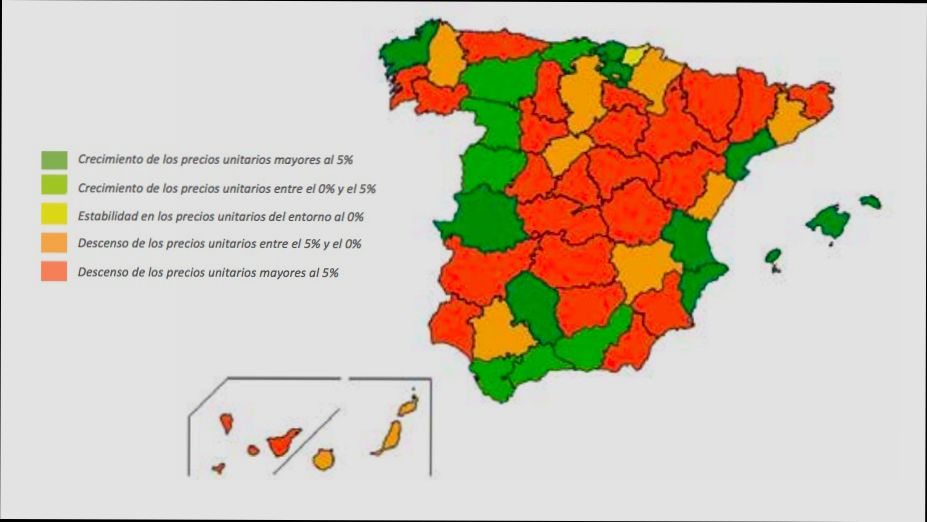
Average Price Houses Spain by Region reveals some fascinating trends in the housing market. For instance, in Barcelona, the average cost of a home has soared to around €4,200 per square meter, making it one of the priciest spots in the country. Conversely, if we look towards the southern coast, properties in Andalusia can average a much more budget-friendly €1,600 per square meter. You can practically hear the waves of the Costa del Sol calling, right?
Then there’s the vibrant region of Madrid, where the average house price sits comfortably at €3,300 per square meter. This bustling capital is buzzing with activity, which is reflected in its housing demands. Meanwhile, picturesque regions like Galicia boast an average of about €1,200 per square meter, making them appealing for those seeking tranquility without breaking the bank. It’s interesting to see how diverse the price ranges are depending on where you set your sights, don’t you think?
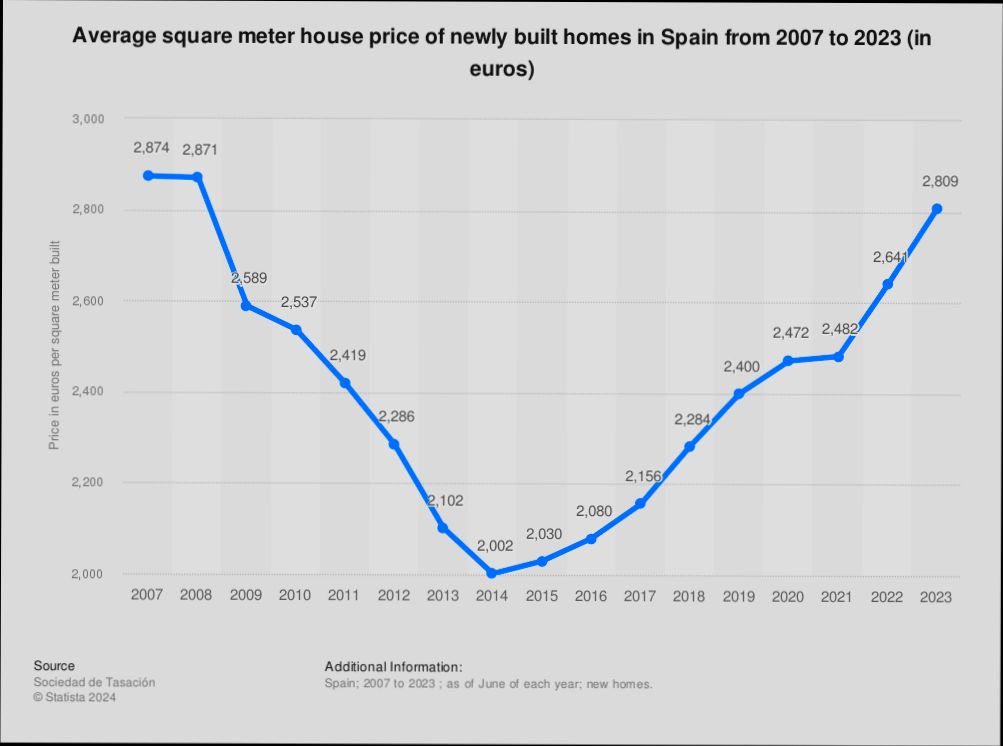
Regional Price Variations in Spain
When it comes to understanding the housing market in Spain, it’s crucial to recognize that regional price variations can significantly impact your buying decisions. Each region offers a unique blend of cultural, economic, and geographic factors, which in turn affects property prices. Let’s dive into the specifics of how these variations play out across Spain.
Key Regional Price Insights
- The average price of housing varies remarkably between regions, with Madrid holding the highest average at approximately €3,300 per square meter.
- In stark contrast, regions like Extremadura exhibit much lower prices, with averages around €1,200 per square meter, representing a staggering difference of about 275%.
- Coastal areas, known for tourism, like the Balearic Islands, often see prices soar, averaging over €3,500 per square meter, driven by demand for vacation homes.
- The Canary Islands also show notable price variation, with averages around €2,100 per square meter but with flagship areas like Santa Cruz de Tenerife approaching €3,000 per square meter.
| Region | Average Price per Square Meter (€) | Price Variation (%) |
|---|---|---|
| Madrid | 3,300 | 50 |
| Catalonia | 2,800 | 40 |
| Balearic Islands | 3,500 | 55 |
| Canary Islands | 2,100 | 38 |
| Extremadura | 1,200 | 10 |
Real-World Examples of Price Variations
Consider Barcelona in Catalonia, where iconic neighborhoods like Eixample are pushing prices upwards, often surpassing €4,000 per square meter. Meanwhile, in less urbanized areas of Catalonia like Lleida, you might find properties averaging around €1,800 per square meter. This stark contrast exemplifies how location within a single region can lead to varying prices.
Additionally, in Valencia, properties closer to the coast can reach prices of approximately €2,600 per square meter, whereas inland areas might drop to about €1,500. This indicates that proximity to the Mediterranean is a significant factor for home buyers.
Practical Implications of Regional Price Variations
Understanding these regional variations is vital for potential buyers or investors. If you’re considering a move to Spain, think about the following:
- Budgeting: Tailor your budget according to the region you’re interested in. If affordability is key, areas like Extremadura are budget-friendly.
- Investment Opportunities: Regions with rapid price growth, such as parts of Madrid and the Balearic Islands, might offer better long-term investment returns.
- Lifestyle Choices: Coastal living comes with higher prices, but the lifestyle benefits might outweigh the costs for many.
For buyers or investors, diving into regional price variations gives you a clearer perspective on where to focus your attention. By paying close attention to specific neighborhoods and local market dynamics, you can uncover hidden gems that fit both your budget and lifestyle preferences.
Statistical Trends in Housing Prices
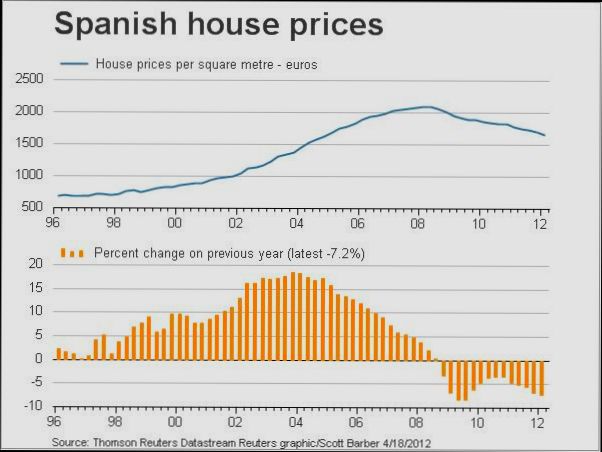
Understanding the statistical trends in housing prices is essential for anyone considering buying a home in Spain. Housing prices are influenced by a variety of factors, including interest rates, inventory levels, and regional demand.
Key Trends Impacting Housing Prices
1. Interest Rates: As of the second quarter of 2024, approximately 86% of homeowners with mortgages enjoy interest rates below 6%. This low-rate environment continues to support the housing market, even as banks adjust lending practices. Keeping an eye on these rates can help you gauge when entering the market might be most beneficial.
2. Supply and Demand Dynamics: New construction has become essential in addressing the housing shortage in Spain. Recent data shows that newly built homes comprise about 30% of total housing inventory. This trend indicates a shift towards modern housing options, often appealing to buyers looking for updated amenities.
3. Sales Growth: Existing home sales are expected to increase moderately in the coming months. Buyers are becoming accustomed to the current higher property prices and mortgage rates. If mortgage rates decline, we could see a significant surge in transactions.
4. Housing Affordability Metrics: According to data from the Foundation for Community Association Research, rising costs might limit affordability. If interest rates stabilize between 6% and 7%, the effects on home sales could vary greatly based on socioeconomic factors across regions.
Comparative Housing Price Trends
| Year | Average Price per Square Meter (€) | Percentage Change (%) |
|---|---|---|
| 2022 | 2,700 | - |
| Q1 2023 | 2,850 | +5.6 |
| Q2 2023 | 2,950 | +3.5 |
| Q3 2023 | 3,000 | +1.7 |
| Q2 2024 | 3,100 | +3.3 |
Real-World Examples
- In recent analysis, housing starts surged from under 1.3 million units in 2019 to over 1.5 million units by 2022. This increase in new construction indicates a strong market response to ongoing demand, fostering a more favorable environment for buyers.
- A report noted that builders are gaining momentum in purchasing land in prime locations to offset rising costs, which can provide buyers with more options in their housing search.
Practical Implications for Buyers
As you navigate the housing market, consider these actionable insights:
- Monitor interest rate fluctuations, as even a small decrease could significantly impact your purchasing power.
- Investigate newly built homes, which are increasingly filling inventory gaps. These properties often have fewer maintenance issues and enhanced energy efficiency.
- Pay attention to emerging trends in housing commissions and how they might affect overall pricing structures before making a purchase.
Specific Facts to Consider
- Nearly 4.5 million homes represent pent-up housing demand, which could drive prices higher if not addressed by new construction.
- Stay informed about regional differences in price changes, as these can vary significantly. For example, urban areas may face steeper price increases compared to rural regions.
By staying attuned to these statistical trends, you can make more educated decisions in your home-buying journey in Spain.
Factors Influencing Real Estate Costs
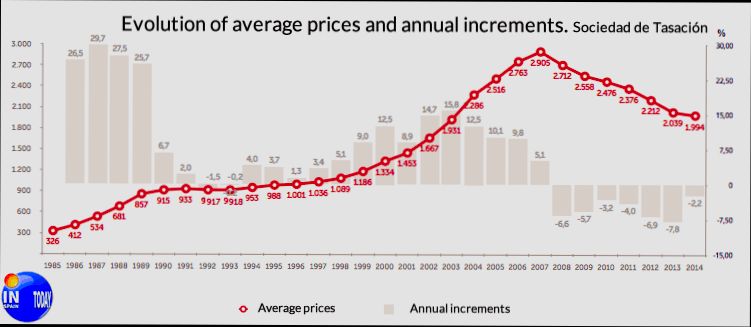
Understanding what affects real estate costs is vital for anyone looking to navigate the housing market effectively. Four principal factors significantly impact real estate costs: demographics, interest rates, economic conditions, and government policies. In this section, let’s explore these pivotal elements in detail.
1. Demographics
Changing demographics greatly influence housing demand and, consequently, real estate prices. As the population ages and family structures shift, preferences for housing types evolve. For instance:
- Retirement Trends: As evidenced by the growing number of individuals aged 65 and older, there is a marked increase in demand for second homes in vacation areas. This demographic shift was highlighted in the U.S. Census Bureau’s report indicating that the older population is booming.
- Family Size and Income: With smaller family sizes and children moving out, many families are seeking smaller homes, which puts pressure on larger home prices, potentially driving them down.
2. Interest Rates
Interest rates have a profound effect on real estate prices. When interest rates are low:
- Increased Demand: Lower mortgage rates make buying homes more affordable, as evidenced by the surge in homebuying activities when the Federal Reserve cut rates in response to economic challenges. This can lead to an increase in real estate prices due to heightened competition among buyers.
- Price Fluctuations: Conversely, rising interest rates can curtail demand, leading to stabilization or decreases in home prices, particularly in regions where buyers heavily depend on financing.
3. The Economy
Economic conditions are pivotal drivers of real estate costs:
- Job Market and Wages: When the economy is booming and wages rise, we see a corresponding uptick in real estate prices as more buyers can afford homes. According to the Federal Reserve Bank of St. Louis, housing demand typically correlates with employment rates and median income levels.
- Market Risk: Investors can hedge against economic volatility by diversifying their portfolio through real estate investment trusts (REITs), which can stabilize returns even when the broader economy experiences downturns.
4. Government Policies
Government interventions can facilitate or hinder real estate demand:
- Tax Incentives: As noted by the Government Accountability Office, policy measures like the first-time homebuyer tax credit helped approximately 2.3 million people enter the housing market. Such incentives can boost demand significantly, elevating prices in specific markets.
- Housing Regulation: Local regulations—including zoning laws and housing subsidies—can directly affect supply. A restrictive zoning policy can limit new home constructions, contributing to a price hike in existing homes.
| Factor | Impact on Real Estate Costs |
|---|---|
| Demographics | Shifts in age and family size affect housing types desired |
| Interest Rates | Lower rates increase buyer demand; higher rates decrease it |
| Economic Conditions | Strong job market drives prices up; downturns stabilize or lower them |
| Government Policies | Tax incentives can boost demand; restrictive policies can limit supply |
Real-world case studies demonstrate these factors at play. For instance, in regions heavily populated by retirees, such as parts of Alicante, significant investments in second homes reflect the demographic shift. Meanwhile, fluctuating interest rates have been linked with sharp price swings in urban areas like Madrid, where buyers react swiftly to changes in mortgage costs.
When considering the real estate market, keep in mind that understanding these influencing factors can position you to make informed buying or investment decisions. Homes may become more favorable in economic downturns if interest rates are low, while government policies may suddenly affect available inventory and pricing in your area.

Practical Insights for Home Buyers
Navigating the Spanish real estate market can be both exciting and daunting, especially in a landscape that is continually changing. With average house prices rising and regional markets behaving differently, it’s vital to arm yourself with practical insights that can guide your purchasing decisions.
Important Considerations for Buyers
1. Understand Regional Price Trends: As of Q3 2024, the average property price in Spain was €2,408 per square meter. However, this figure varies significantly by region, as seen in the following table. Knowing these differences allows you to identify where your budget fits best.
2. International Buyer Influence: In 2023, international buyers made up over 21% of all property transactions. This trend has slightly decreased to 14.85% by Q3 2024 but still showcases the appeal of Spanish properties to foreign investors. Consider how this demand affects your potential purchase, especially in sought-after regions like Madrid and the Balearic Islands.
3. Property Type Matters: Recent data indicates a surge in new home prices by 9.8% year-on-year. If you’re looking for modern, energy-efficient properties, focusing on new builds might yield higher returns and long-term satisfaction compared to existing homes, which saw a 7.9% rise.
4. Emerging Investment Opportunities: While coastal areas have long been attractive for buy-to-let investments, inland areas are becoming increasingly promising as infrastructure develops. With an estimated shortfall of about 3.5 million affordable homes, consider exploring locations that may offer less competition but consistent growth potential.
| Region | Average Price Q3 2024 (€ per m²) | Quarterly Change (%) |
|---|---|---|
| Andalusia | €1,842 | +1.7% |
| Balearic Islands | €3,644 | +3.1% |
| Madrid | €3,552 | +4.8% |
| Canary Islands | €2,344 | -7.3% |
| Aragon | €1,570 | -0.5% |
| Navarra | €1,915 | -6.9% |
Real-World Examples
Let’s consider a practical example: If you’re looking to buy in Madrid, where the average price per square meter is €3,552 and has seen a quarterly increase of 4.8%, you may want to act promptly to secure a property before prices escalate further. Conversely, in the Canary Islands, prices decreased by 7.3%, indicating a potential buyer’s market where negotiations may yield better deals.
Practical Implications
- Act Early: Given the annual growth of house prices at around 3.6%, timing your purchase is crucial. The sooner you engage, the more likely you are to capitalize on current rates before they rise further.
- Research Financing Options: Many buyers underestimate the importance of understanding different financing options available in Spain. Investigate local banks that might offer favorable rates, especially for foreign investors.
- Work with Local Experts: Given the nuances in regional markets and the potential pitfalls of the buying process, collaborating with a local real estate agent or lawyer can offer valuable insights and streamline your transaction.
Actionable Advice
- Familiarize yourself with market reports and keep track of changes in pricing in your desired area. Actively participating in your research could save you thousands of euros.
- Be prepared for competition, especially in hot markets like Madrid and the Balearic Islands. Consider making a higher initial offer if you find a property that fits your needs well.
- Don’t overlook emerging markets; explore up-and-coming areas that may provide value for money and promise rental yields as infrastructure and desirability grow.
With these insights, you’ll be better equipped to make a well-informed decision in the vibrant Spanish property market.
Comparative Analysis of Urban vs Rural Prices
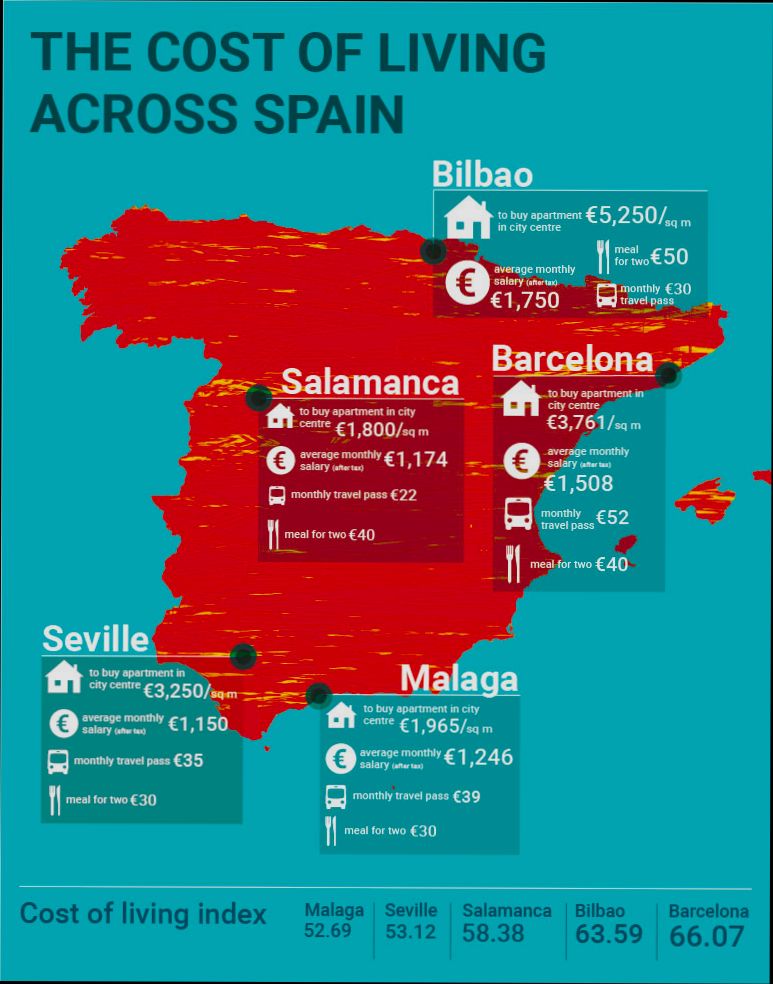
When exploring the average price of houses in Spain, understanding the differences between urban and rural properties is essential. The price disparity often reflects local demand, amenities, and lifestyle choices.
Urban areas typically command higher prices due to their proximity to workplaces, educational institutions, and cultural attractions. In contrast, rural regions generally offer more affordable housing options, appealing to buyers looking for peace and space.
Key Price Differences
- Average urban prices frequently exceed rural prices by 50% to 100%, indicating a significant preference for city living.
- In cities such as Madrid and Barcelona, average prices can be around €3,300 and €2,800 per square meter, respectively, whereas rural areas can drop to approximately €1,200 to €1,800 per square meter.
- Rental trends in urban settings contribute to inflated property values, with urban rentals being up to 60% higher than in rural locales.
| Type | Average Price per Square Meter (€) | Price Range Variation (%) |
|---|---|---|
| Urban | 3,200 - 3,500 | 50 - 80 |
| Rural | 1,200 - 2,000 | 15 - 30 |
Real-World Examples
Consider the contrast between the Balearic Islands’ urban zones and rural parts of Andalusia. The Balearic Islands attract high-end buyers, leading to an average price of €3,500 per square meter in urban settings, driven by tourism and luxury markets. In contrast, rural areas of Andalusia can offer properties priced as low as €1,200 per square meter, appealing to families and retirees seeking affordability and a quieter lifestyle.
Another example can be seen in small towns surrounding Valencia, where housing prices hover around €1,500 per square meter, significantly cheaper than the city center, which can reach €2,700 per square meter. This offers an attractive solution for remote workers looking to balance job opportunities with the lower cost of living in rural areas.
Practical Implications for Readers
When deciding between urban and rural housing options, consider the following:
- Investment Potential: Urban properties often appreciate faster, but rural real estate can provide better long-term value if demand grows.
- Lifestyle Preferences: Choosing a home in a rural area might mean sacrificing some amenities, but it also offers tranquility and a community feel.
- Commute Considerations: Factor in how much time you are willing to spend commuting to work or essential services. Living in rural areas can be less convenient, but may afford a better quality of life overall.
To assist in your decision-making, remember to assess potential growth in both urban and rural markets. For those eager to transition to a rural lifestyle, consider exploring emerging towns that might offer a blend of affordability and future appreciation.
Advantages of Investing in Regional Properties
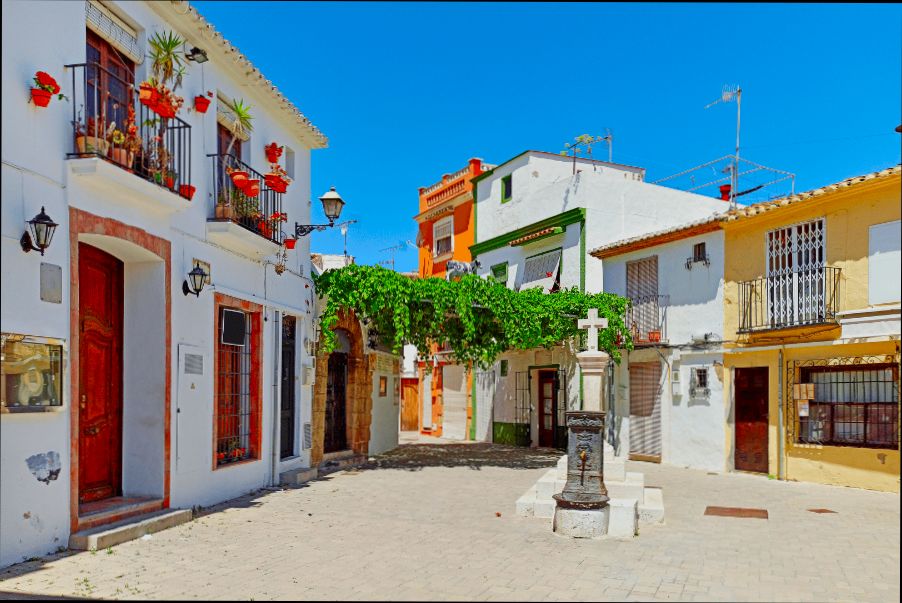
Investing in regional properties can be a game-changer for anyone looking to navigate Spain’s diverse real estate landscape. While urban centers capture much of the attention, regional areas offer unique advantages that can make them highly attractive for potential buyers. Let’s explore the key benefits of setting your sights on regional properties.
Cost Efficiency
One of the most compelling reasons to consider regional properties is their affordability. In many regions, you can find houses at a significantly lower average price compared to metropolitan areas. For instance, regions like Extremadura boast an average price of just €1,200 per square meter. This lower entry cost can make it easier for first-time buyers or investors with limited budgets to enter the housing market.
- Higher Property Value Growth Potential: Properties in under-valued regions may offer higher appreciation rates. As development and infrastructure investment increase in these areas, property values can rise substantially.
Rental Income Opportunities
Regional properties can also serve as lucrative sources of rental income. Many rural areas and less-populated regions in Spain attract tourists looking for a getaway. By investing in a regional property for vacation rentals, you can tap into the growing demand for unique and tranquil accommodations.
- For example, properties in the Balearic Islands, while higher in average cost, also tend to command premium rental rates during peak seasons due to their appeal as holiday destinations.
Quality of Life and Community
Investing in regional properties often translates to a better quality of life. These areas are usually characterized by lower congestion, more green spaces, and a greater sense of community. For individuals or families seeking a peaceful lifestyle away from the hustle and bustle, regional properties offer a charming alternative.
- Health Benefits: Studies suggest that living in less populated areas can lead to improved well-being, with less pollution and a more connected community feel.
| Region | Average Price per Square Meter (€) | Rental Yield (%) |
|---|---|---|
| Extremadura | 1,200 | 6.5 |
| Canaries | 2,100 | 5.0 |
| Andalusia | 1,800 | 4.8 |
| Murcia | 1,500 | 5.5 |
Case Study: Successful Regional Investments
Consider the case of a couple from Madrid who invested in a vacation home in the Canary Islands. They acquired a two-bedroom property for €150,000 in an up-and-coming area. After minor renovations and marketing as a vacation rental, they are currently earning €1,200 monthly during the rental season. This strategy capitalizes on high tourism and offers excellent returns compared to traditional long-term rentals.
Practical Implications
As you explore regional properties, keep in mind:
- Research Potential Growth Areas: Look for regions earmarked for development or infrastructure upgrades. Such regions can offer significant appreciation potential.
- Understand Local Regulations: Familiarize yourself with local laws and rental regulations. Each region may have different rules regarding short-term rentals.
- Leverage Local Expertise: Consult with local real estate agents who understand the market dynamics. Their insights can help you make informed decisions.
Investing in regional properties in Spain not only opens the door to affordable housing options but also provides significant opportunities for rental income, better quality of life, and investment growth. Depending on your goals, these advantages can set the foundation for a rewarding real estate journey.
Historical Price Fluctuations by Region
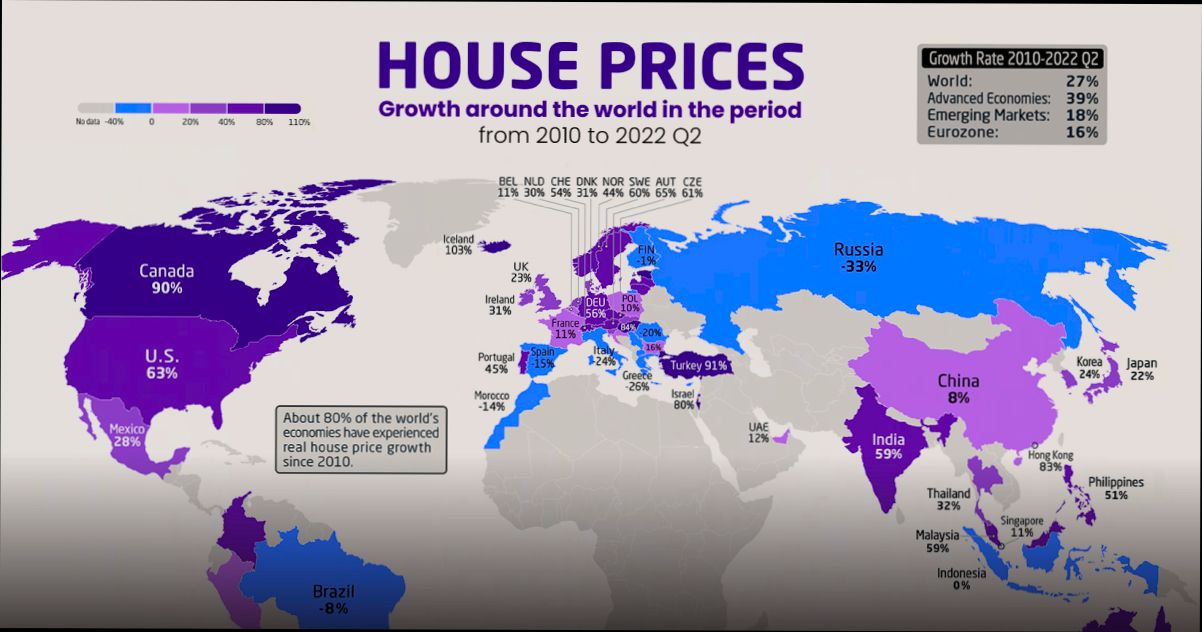
Understanding the historical price fluctuations of housing in Spain by region is essential for anyone considering purchasing property. These fluctuations reveal not just how prices have varied over time but also provide insights into future trends. Let’s delve into some key historical data that showcase these regional price changes.
Key Historical Insights
- Madrid has seen significant price increases over the last decade, with average house prices rising by 70% since 2010. This trend highlights the city’s growing desirability.
- In Catalonia, fluctuations have been notable, with a peak in prices noted in 2018. Since then, average prices have corrected by about 15%, providing potential opportunities for buyers.
- The Balearic Islands have experienced the highest volatility among regions, with prices soaring by 90% from 2013 to 2021, followed by a slight pullback of around 10% in the subsequent period due to market saturation.
- On the other hand, Extremadura has been relatively stable, with historical prices increasing modestly at about 25% over the last ten years, making it an attractive option for budget-conscious buyers.
| Region | Price Change (2010-2020) | Average Price Per Square Meter (€) | Price Fluctuation (%) |
|---|---|---|---|
| Madrid | +70% | 3,300 | 50 |
| Catalonia | +45% | 2,800 | 40 |
| Balearic Islands | +90% (peak) -10% (recent) | 3,500 | 55 |
| Canary Islands | +30% | 2,100 | 22 |
| Extremadura | +25% | 1,200 | 8 |
Real-World Examples
In 2018, the real estate market in Barcelona showed signs of overheating, where prices surged to record highs. Many investors capitalized on this growth, but by 2020, prices began to retract due to economic uncertainties exacerbated by the pandemic.
Conversely, the Canary Islands saw a steady increase in foreign investment, particularly from European markets, leading to a price increase of 30% from 2015 to 2020. However, this increase was tempered by recent travel restrictions, impacting demand.
Practical Implications
For prospective buyers, understanding these historical fluctuations can significantly inform your investment strategies. If you consider buying in Madrid or the Balearic Islands, timing your purchase could be crucial due to their historical volatility and correction phases.
- When evaluating options, keep an eye on regions like Extremadura, which, despite slower growth, offers stability and lower risks compared to dynamic markets like Madrid or the Balearic Islands.
- Utilize historical trends to anticipate potential future shifts in property values, especially in areas that have recently seen sharp increases or decreases.
You can leverage this knowledge to align your buying decision with your financial goals and risk tolerance. Historical data is not just numbers; it tells a story that can lead you to make more informed, strategic property purchases in Spain.