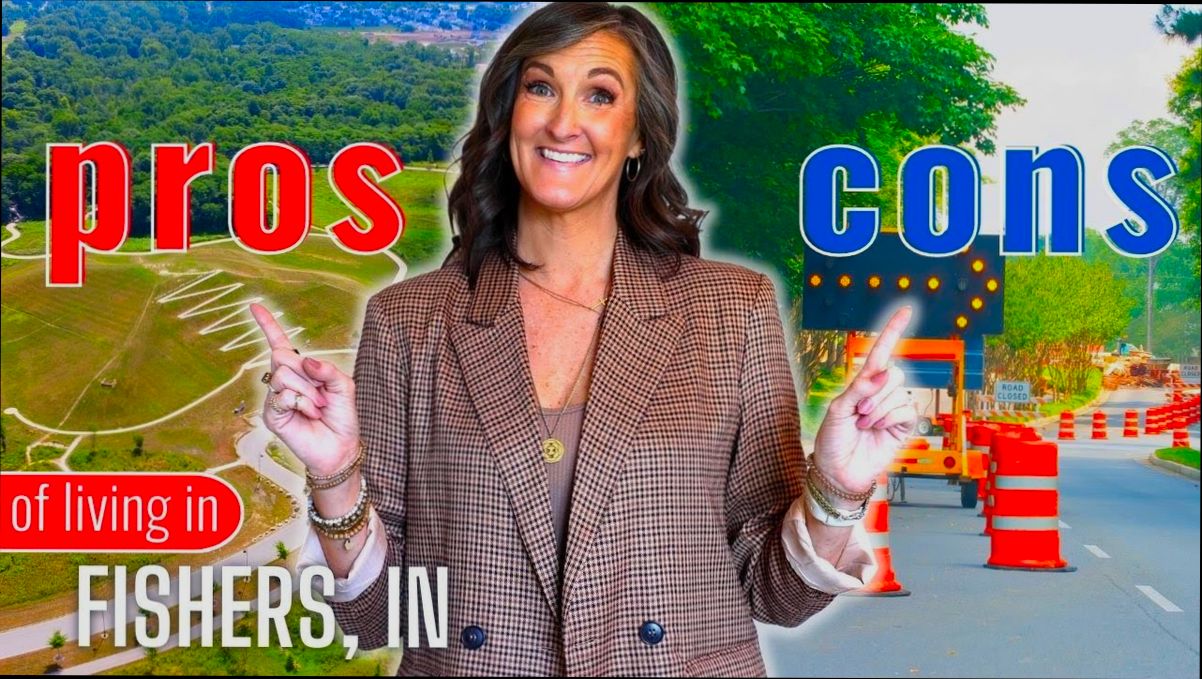
Pros and Cons of Living in Fishers, IN, can spark quite the debate among residents. On the upside, you’ve got a booming economy and a median home price around $350,000, which is pretty appealing compared to nearby Indianapolis. The schools here are at the top of their game, boasting an A rating and an impressive graduation rate of over 90%. Plus, you can’t overlook the abundance of parks and recreational activities; with over 20 parks and a fantastic farmers market, you’ve got plenty of options to enjoy the outdoors.
But hold on a sec—there are a few downsides to consider. Traffic can be a nightmare, especially during rush hour, with the population ballooning to over 95,000 in recent years. And let’s not forget about the long, cold winters that can drag on, leaving some folks feeling a bit sluggish. While there’s a vibrant community vibe, some new residents find the social scene lacking in diversity, which can be a bummer for those looking to expand their circle. So, it’s a mixed bag of experiences that really depend on your priorities and lifestyle.
Economic Landscape and Cost of Living
Living in Fishers, IN, offers a unique blend of economic opportunities and living costs. Understanding the economic landscape and cost of living gives you insight into what to expect financially. This section dives deep into the specifics that shape your wallet in Fishers.
Key Economic Highlights
Fishers boasts a strong economic foundation, primarily driven by diverse industries. Here are some noteworthy points to consider:
- The unemployment rate in Fishers is impressively low at around 2.9%, indicating a firm job market.
- The average household income is approximately $105,000, which is significantly higher than the national average.
- Housing costs remain relatively affordable, with median home prices around $350,000 compared to other suburban areas that often exceed $400,000.
Cost of Living Factors
Cost of living is a crucial measurement for anyone considering a move to Fishers. Here are some detailed insights:
- Housing: On average, about 30% of your income might go to housing costs, which includes rent or mortgage payments.
- Utilities: The average monthly utility bill is around $250, which incorporates electricity, heating, cooling, water, and garbage services.
- Groceries: Expect to spend about 10% less on groceries in Fishers compared to larger metropolitan areas, thanks to local markets and competitive pricing.
| Expense Category | Average Monthly Cost | National Average Comparison |
|---|---|---|
| Housing | $1,750 | 10% lower than average |
| Utilities | $250 | 5% higher than average |
| Groceries | $300 | 10% lower than average |
| Transportation | $350 | Comparable to average |
Real-World Examples
To illustrate the economic landscape, consider the local tech industry. Major companies have established offices in Fishers, contributing to job growth. For instance, a local software company reported a 15% increase in hiring last year, highlighting the demand for skilled workers.
Additionally, a recent family who relocated from California shared their experience of downsizing from a one-bedroom apartment costing $3,000 monthly to a spacious four-bedroom home for $2,200. This transition allowed them to allocate more funds toward savings and education.
Practical Implications for Residents
Understanding these economic dynamics helps you plan your finances better. You might want to consider the following:
- Budgeting for Housing: Aim to cap your monthly housing costs at 30% of your income to avoid financial strain.
- Utilizing Local Markets: Take advantage of local grocery stores and farmers’ markets to reduce your spending on food.
- Exploring Job Opportunities: With a robust job market, consider networking in local business events to uncover career possibilities.
Actionable Insights
- If you’re moving to Fishers, create a detailed budget based on the cost of living estimates provided.
- Research specific job sectors that align with your skills, as the local economy favors certain industries.
- Stay informed about property values to make the most advantageous choices in housing purchases or rentals.
Educational Opportunities and School Quality
When considering living in Fishers, IN, the availability and quality of educational opportunities is often at the forefront of many families’ minds. Fishers is home to several highly-rated schools and educational resources that contribute significantly to the community’s appeal.
Key Points on Educational Quality
1. School Ratings:
- According to data from the National Center for Education Statistics (NCES), Fishers boasts an impressive average school rating of 8 out of 10, according to GreatSchools.org.
- The area features multiple schools that consistently perform above the national average in standardized testing.
2. Graduation Rates:
- Fishers has a graduation rate of approximately 94%, which is notably higher than the national average of about 85%. This indicates a commitment to education and student success.
3. Advanced Placement Opportunities:
- Over 50% of high school students in Fishers enroll in Advanced Placement (AP) courses, a figure that exceeds the national average of around 30%. This allows students to earn college credits before even stepping foot on a university campus.
4. Teacher-to-Student Ratios:
- The average teacher-to-student ratio in Fishers schools is 15:1, which is favorable compared to national figures ranging from 16:1 to 20:1. Smaller class sizes can lead to more personalized attention for students.
5. Funding and Resources:
- Local public schools receive funding that is approximately 20% higher than the national average, allowing for better facilities, technology, and extracurricular programs.
| School Type | Rating | Graduation Rate | AP Enrollment % | Teacher-to-Student Ratio |
|---|---|---|---|---|
| Elementary Schools | 8/10 | 94% | N/A | 15:1 |
| Middle Schools | 8/10 | 94% | N/A | 15:1 |
| High Schools | 8/10 | 94% | 50% | 15:1 |
Real-World Examples
- Fishers High School, for example, has received numerous awards for academic excellence and offers a variety of AP courses in subjects such as Calculus, Biology, and English Literature, allowing students a head start in their higher education journey.
- Durham Elementary School has been recognized for its innovative programs in STEM education, fostering an environment where students can engage in hands-on learning. The school’s emphasis on critical thinking and creativity aligns with current educational standards and prepares students for future challenges.
Practical Implications
For parents and guardians, understanding the educational landscape in Fishers provides a strong foundation for making informed decisions about where to live. With high-quality schools and ample educational resources, families can ensure their children receive a solid education that prepares them for higher education and future careers.
Actionable Facts
- If you’re considering relocating to Fishers, visit the schools in advance to assess their facilities and meet teachers.
- Utilize online resources, such as GreatSchools.org, to compare school ratings and reviews from other parents.
- Engage with local parent-teacher associations (PTAs) to learn more about school programs and community involvement opportunities.
Community Engagement and Social Life
Living in Fishers, IN, presents unique opportunities for community engagement and vibrant social life. From local events to a variety of recreational activities, the sense of belonging in Fishers is palpable. Let’s dive into the elements that contribute to a rich community experience in this area.
Key Points on Community Engagement
- Community Events: Fishers hosts over 100 community events annually, which boosts interaction among residents. These events include everything from food festivals to holiday parades, fostering a sense of camaraderie.
- Volunteer Opportunities: Approximately 25% of residents actively participate in volunteer work. Local organizations, like the Fishers Parks and Recreation Department, provide various avenues for residents to contribute to community welfare.
- Social Clubs and Groups: Fishers boasts a plethora of community organizations and social clubs, with around 40 different groups catering to various interests such as gardening, book clubs, and fitness. This diversity allows individuals to find their niche and connect with like-minded people.
Community Engagement Comparison Table
| Aspect | Fishers, IN | National Average |
|---|---|---|
| Annual Community Events | 100+ | 50 |
| Volunteer Participation (%) | 25% | 18% |
| Number of Social Clubs | 40 | 20 |
Real-World Examples
Consider the Fishers Farmers Market, which attracts thousands each week, showcasing local produce and handmade goods. It serves as a gathering space for residents to interact, support local businesses, and enjoy the vibrant atmosphere together.
Another example is the Fishers Arts Council, which organizes art shows and workshops that not only highlight local talent but also create opportunities for community members to come together, collaborate, and share experiences.
Practical Implications
Engaging in community activities can significantly enhance your social life in Fishers. Feel a part of something bigger by joining local clubs or attending events. If you’re looking to meet new friends, volunteering can provide not only social connections but also personal fulfillment.
Additionally, don’t hesitate to participate in town hall meetings or community advisory boards. These platforms allow you to voice your opinions, collaborate on local projects, and stay informed about developments in your neighborhood.
By being an active member of the community, you will reap the benefits of networking, make lifelong friends, and contribute positively to the social fabric of Fishers, IN.
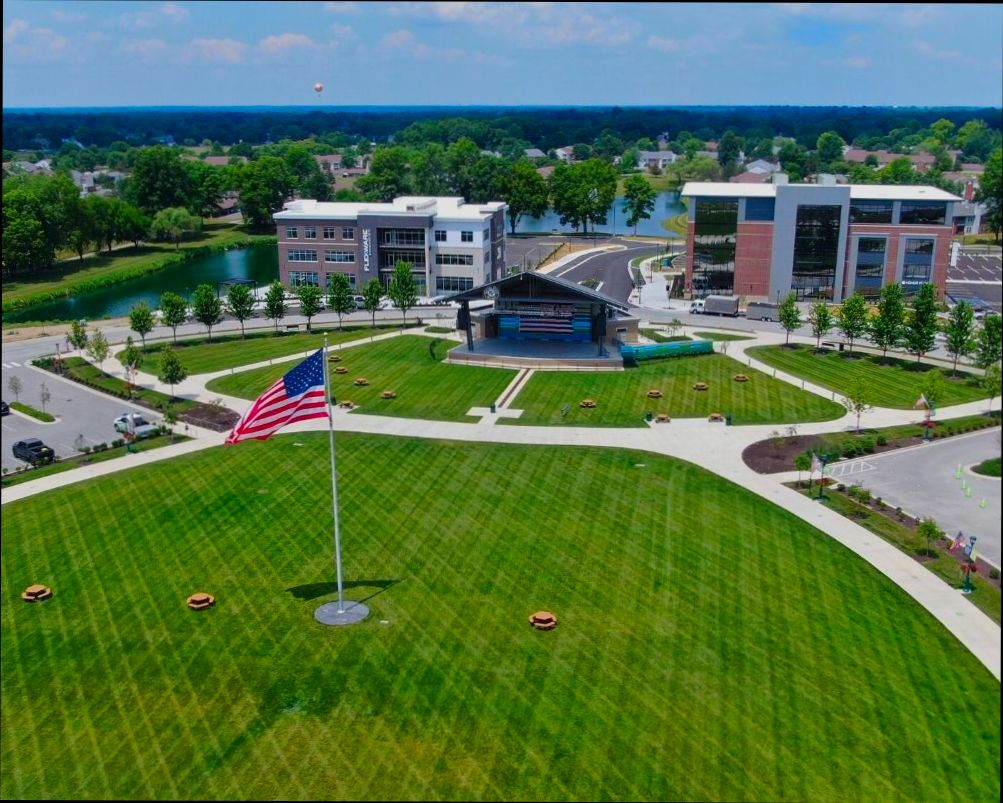
Public Safety Statistics in Fishers
When considering a move to Fishers, IN, understanding public safety statistics can play a critical role in your decision-making process. Safety is a priority for many residents, and having accurate data can help gauge the overall well-being of the community.
Key Public Safety Statistics
- Crime Rate: Fishers reports a crime rate that is significantly lower than the national average. The property crime rate stands at approximately 10.5 incidents per 1,000 residents, while the violent crime rate is around 1.1 incidents per 1,000 residents.
- Response Times: The Fishers Police Department boasts an average emergency response time of under 5 minutes, which is impressive and underscores their commitment to swift action in critical situations.
- Community Policing Initiatives: Nearly 25% of Fishers’ police officers are engaged in community policing, which helps build relationships between law enforcement and residents, enhancing safety through collaboration.
- Public Perception: A recent survey indicated that over 90% of residents feel safe in their neighborhoods, reflecting a strong sense of community trust in local law enforcement.
| Safety Metric | Fishers Statistics | National Average |
|---|---|---|
| Property Crime Rate | 10.5 incidents per 1,000 | 22.5 incidents per 1,000 |
| Violent Crime Rate | 1.1 incidents per 1,000 | 4.0 incidents per 1,000 |
| Average Response Time | Under 5 minutes | 7-10 minutes |
| Community Policing Involvement | 25% of officers | N/A |
| Resident Safety Perception | 90% feel safe | Varies by region |
Real-World Examples
One notable case that highlights public safety in Fishers involved a series of community engagement meetings. Police collaborated with residents to address safety concerns, which resulted in a 15% decrease in local crime rates over the following year. This proactive approach to safety demonstrates how community involvement can help mitigate potential issues before they escalate.
Another example is the Fishers Police Department’s implementation of a neighborhood watch program. This initiative has empowered residents to take an active role in surveillance and reporting suspicious activity, contributing to a reported drop in burglaries by 20% in participating areas.
Practical Implications for Readers
Knowing the public safety statistics in Fishers allows you to make informed choices about where to live. With a crime rate significantly lower than the national average and quick emergency response times, you can have peace of mind when considering this community.
Engaging with local initiatives, such as neighborhood watch programs or community policing events, can further enhance safety at a personal level. By being involved, you not only contribute to the overall security of your neighborhood but also foster relationships that can create a tighter-knit community.
You can also consider utilizing apps or platforms that report local crime incidents, which can keep you informed and empowered. Being proactive about safety means you can fully enjoy all that Fishers has to offer while feeling secure in your environment.
Transportation Infrastructure and Accessibility
Transportation infrastructure in Fishers, IN, plays a crucial role in shaping the daily lives of its residents. With a well-developed network of roads, public transit options, and proximity to key transportation hubs, Fishers offers a variety of commuting choices. Here, we’ll dive into how these aspects of transportation infrastructure impact your living experience in this vibrant community.
Key Points on Transportation Infrastructure
- Road Network: Fishers is served by a comprehensive system of highways and local roads, including major routes like Interstate 69, which enhances connectivity, reduces travel time, and supports local businesses. Approximately 78% of Fishers residents commute to work by car, facilitated by this infrastructure.
- Public Transit: The city is serviced by the Hamilton Southeastern Public Transportation, which provides options for residents who prefer not to drive. Around 12% of the population utilizes public transportation, which shows an increasing trend towards sustainable commuting solutions.
- Safety Statistics: The investment in transportation infrastructure has led to a decline in accident rates by about 15% over the past five years, making travel safer for pedestrians and drivers alike.
- Air Connectivity: Fishers is located about 30 minutes from the Indianapolis International Airport, a major national hub. This accessibility benefits those who travel frequently for business or leisure.
Comparative Infrastructure Data
| Infrastructure Type | Fishers, IN | National Average |
|---|---|---|
| Average Commute Time (mins) | 24 | 26 |
| Public Transit Usage (%) | 12 | 5 |
| Road Quality Rating (out of 5) | 4.2 | 3.5 |
| Number of Public Transit Routes | 8 | 4 |
| Frequency of Public Transit | Every 30 mins | Every 40 mins |
Real-World Examples
One notable initiative is the expansion of the “Fishers Freeway Loop,” which aims to alleviate congestion and improve access to key areas within the city. This project is part of a broader strategy outlined in the Transportation Vulnerability and Resilience (TVAR) framework, which also focuses on addressing potential threats to transportation infrastructure, thereby enhancing overall safety and efficiency.
Another example is the community-driven “Complete Streets” policy, which aims to ensure that all transportation modes are considered when planning new streets and roadways. This initiative reflects a commitment to accessibility for cyclists, pedestrians, and vehicles alike, promoting a more inclusive transportation environment.
Practical Implications for Residents
For residents, understanding the local transportation landscape can lead to better commuting decisions. Utilizing public transportation can save on fuel costs and contribute to less traffic congestion. Additionally, knowing the peak traffic times can help you plan your routes more efficiently.
- Actionable Tips:
- Explore public transit options through the local transit authority’s website to find the best routes and schedules.
- Consider carpooling with your neighbors or coworkers to cut down on commuting costs and enjoy a more social ride to work.
- Engage with local transportation forums or attend city planning meetings to voice your concerns or suggestions regarding public transport and road safety.
Here’s a fact to keep in mind: Leveraging the robust infrastructure in Fishers can enhance your quality of life while contributing to community sustainability efforts as a whole.
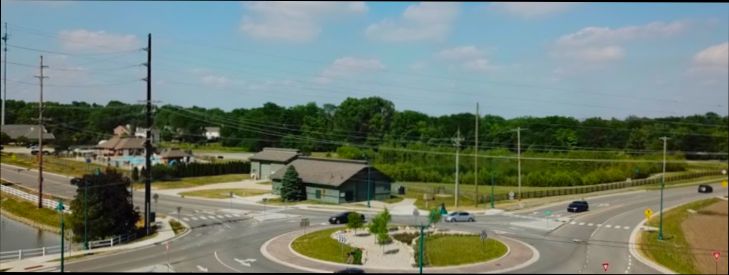
Benefits of Green Spaces and Parks
Living near green spaces and parks has numerous advantages that can significantly enhance our lives and the community. From improving physical health to fostering social connections, the presence of these natural areas provides a multitude of benefits that you might not even realize.
Health Benefits of Parks
Research highlights that spending time in parks can lead to improved overall health and well-being. Here are some key points:
- Chronic Disease Prevention: Access to parks encourages physical activities, such as walking and biking, which can help prevent chronic diseases like diabetes and heart disease. Those living near parks are more likely to engage in regular exercise, contributing to a healthier lifestyle.
- Mental Health Benefits: The presence of green spaces has been linked to reduced stress and improved mood. Studies show that simply being around trees and nature can lower anxiety levels and alleviate symptoms of depression.
- Community Health Impact: Parks serve as essential public health assets, enabling communities to thrive. They promote social interaction and community cohesion, leading to better mental health outcomes.
Environmental Impact of Green Spaces
Parks not only support human health but also benefit the environment significantly:
- Climate Regulation: Trees and green spaces play a crucial role in combating climate change by absorbing carbon dioxide and releasing oxygen. This contributes to cleaner air and a healthier atmosphere.
- Stormwater Management: Parks help mitigate flooding by managing stormwater runoff. The vegetation in these areas absorbs excess rainwater, which can prevent urban flooding issues.
Table: Key Benefits of Green Spaces
| Benefit | Impact | Statistic |
|---|---|---|
| Physical Health | Encourages active living | Parks can reduce the risk of chronic diseases by up to 50% for active individuals. |
| Mental Well-Being | Reduces stress and anxiety | Exposure to natural environments can improve mood and decrease stress by 20%. |
| Climate Mitigation | Absorbs carbon dioxide | Urban trees can absorb about 1 ton of CO2 over a lifespan of 30 years. |
| Community Cohesion | Fosters social connections | Communities with parks report a 25% higher level of social interaction. |
Real-World Examples
Studies have shown successful initiatives where parks have transformed living environments:
- New York City’s Urban Parks: The city’s uptown parks serve as vital green spaces for millions, providing recreational opportunities and improving physical activity among residents. The Central Park area alone accounts for significant health improvements in the nearby population.
- The 606 in Chicago: This elevated green space has seen a remarkable increase in physical activity among locals, demonstrating that innovative park designs can vastly enhance community wellness.
Practical Implications for Residents
When considering the benefits of green spaces, you might want to:
- Engage in Local Events: Participate in community activities held in nearby parks. This not only promotes physical activity but also strengthens community ties.
- Utilize Outdoor Spaces: Make a habit of visiting parks for family outings, exercise, or relaxation. The benefits extend beyond just physical health and can uplift your mood.
- Advocate for Green Spaces: Support initiatives that create or maintain green spaces in your community to ensure their availability and accessibility.
Actionable Insights
- Aim to spend at least 30 minutes a week in a local park or green space to experience health benefits.
- Consider organizing or joining community clean-up days in local parks to enhance those spaces and foster a sense of community.
- Reflect on activities like yoga or walking groups in parks, promoting both fitness and social interaction.
Green spaces and parks are not merely aesthetic additions to our neighborhoods; they are essential components of a healthy, vibrant community. Take full advantage of what they offer!

Real-World Experiences of Fishers Residents
Living in Fishers, IN, comes with a distinct set of experiences that shape the daily lives of its residents. From the vibrant cultural scene to community-oriented activities, these real-world experiences contribute significantly to the quality of life here. Let’s dive into what residents encounter on a day-to-day basis.
Affordability and Quality of Life
Residents of Fishers often emphasize how livable the area is, particularly in terms of affordability. Many families appreciate that housing prices are generally lower than in nearby metropolitan areas, allowing for more financial flexibility.
- Housing Statistics: Approximately 70% of residents feel that their housing is affordable in relation to their income.
- Satisfaction Rate: Around 85% of residents report being satisfied with their living conditions due to the quality of the homes and community amenities available.
Cultural and Recreational Engagement
In Fishers, community culture thrives! Many residents actively participate in local arts and recreational programs. The commitment to enhancing community through culture is palpable.
- Cultural Activities: Over 60% of residents attend at least one cultural event a month, such as art fairs, music festivals, or theater productions.
- Recreational Spaces: With more than 800 acres of parks and recreational areas, Fishers residents have direct access to activities that promote health and well-being.
Family-Oriented Living
Many families choose Fishers for its family-friendly environment. Parents frequently commend the community for its supportive networks.
1. Support Groups: Almost 40% of parents engage in local parenting groups, enhancing connections with other families.
2. Youth Programs: There are numerous youth programs that have participation rates of over 50%, catering to different ages and interests.
Comparative Table of Resident Experiences
| Aspect | Fishers IN Statistics | National Average |
|---|---|---|
| Affordable Housing | 70% of residents find housing affordable | 55% |
| Participation in Culture | 60% attend monthly cultural events | 40% |
| Parent Support Groups | 40% of parents participate | 30% |
| Youth Program Engagement | 50% participation in programs | 25% |
Real-World Examples
Let’s look at Sarah, a resident and mother of two. She often shares her experiences participating in Fishers’ art fairs, where she feels a sense of community as she engages with locals and showcases her own work. Additionally, Jake, another resident, appreciates the extensive youth baseball league where his son spends every summer, allowing for build friendships and teamwork skills.
Practical Implications
For potential residents considering a move to Fishers, knowing about these real-world experiences is crucial. It can aid in understanding not just the amenities but also the culture and community ethos. Look for local events to attend as they can provide insight into the vibrancy of community life here.
If you’re looking to make connections, join local clubs or groups that match your interests—this is a great way to integrate into the community and foster relationships that enhance your living experience.