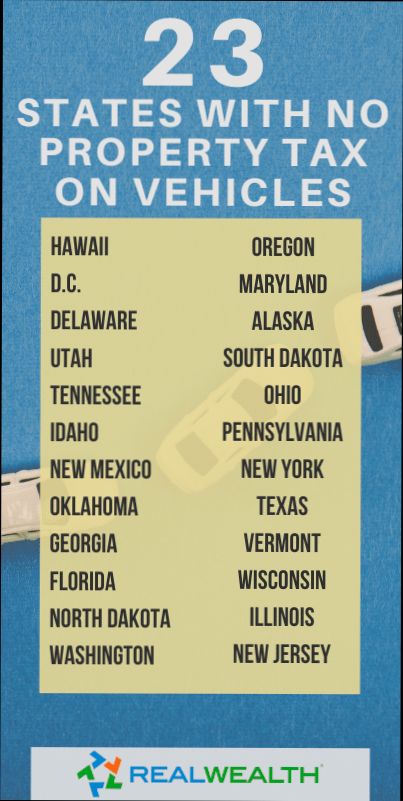
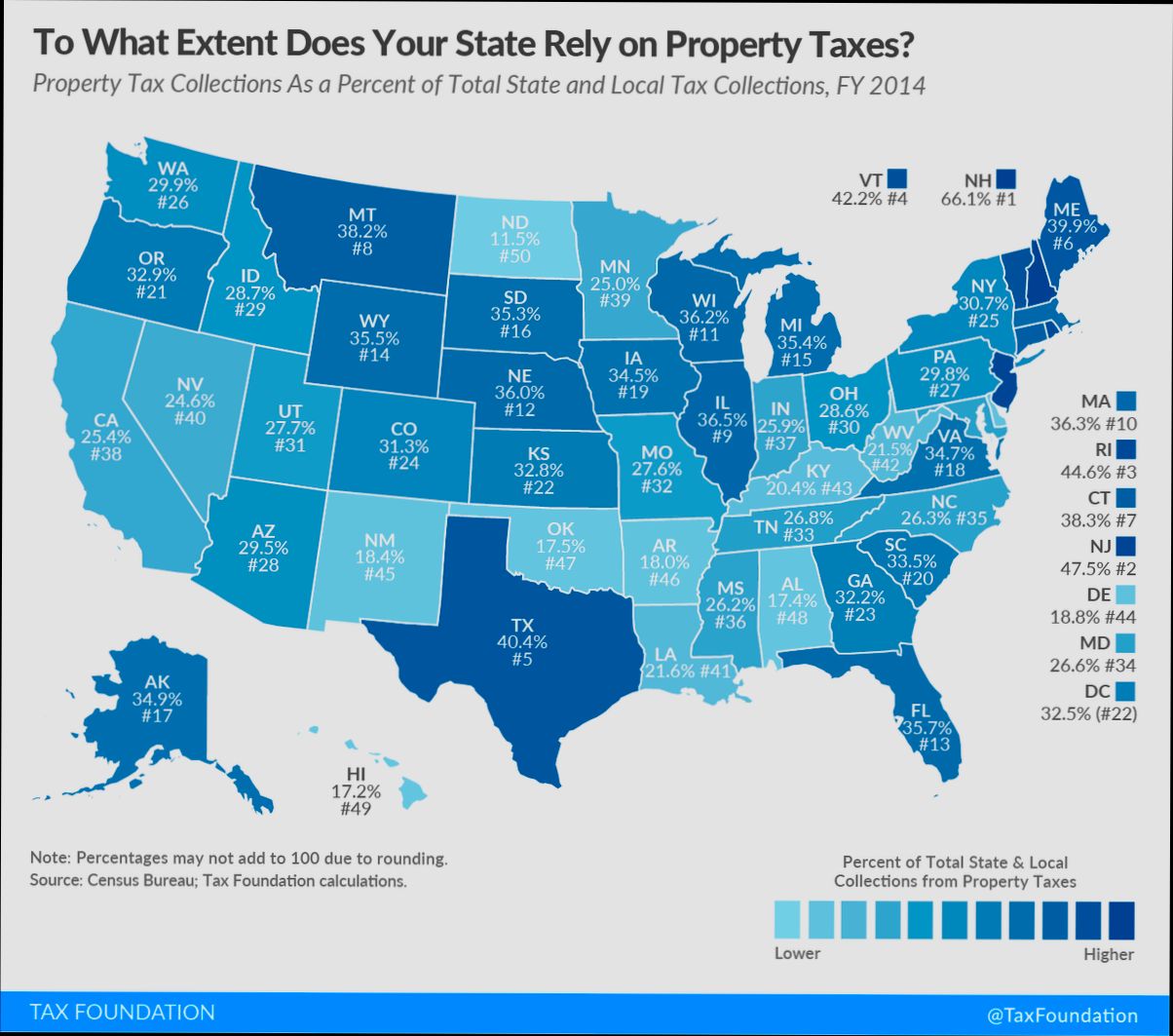
Which States Don’t Have Property Tax? If you’ve ever wondered where to save a few bucks on homeownership, you’re not alone. Believe it or not, there are a handful of states that have completely eliminated property tax, offering a financial breather for homeowners. For instance, Florida and Texas are well-known for their lack of state income tax, but they still collect property taxes at the local level. On the flip side, states like Wyoming and Alaska stand out because they don’t levy property taxes at all, making them attractive options for those looking to dodge this financial burden.
Imagine living in a place where your house doesn’t come with an annual tax bill hanging over your head. For example, in Wyoming, residents enjoy a vibrant lifestyle supported by the state’s energy sector, while Alaska offsets costs through its oil revenue. In stark contrast, the national average property tax rate hovers around 1.1%, and in some areas, it far exceeds that average. Living without property tax can be a game-changer, especially for retirees or families wanting to stretch their budgets. It’s hard not to feel a little envious when you see how these states manage to keep costs low.
Overview of States Without Property Tax
When it comes to property taxes, some states stand out by having no property tax at all. Understanding these states can give you insights into alternative ways they generate revenue and manage public services. Let’s explore the specific states that forgo property tax and what that means.
Key Points About States Without Property Tax
- States with Zero Property Tax: There are currently five states in the U.S. that don’t impose any property tax:
- Delaware
- Montana
- New Hampshire
- Washington
- Alaska
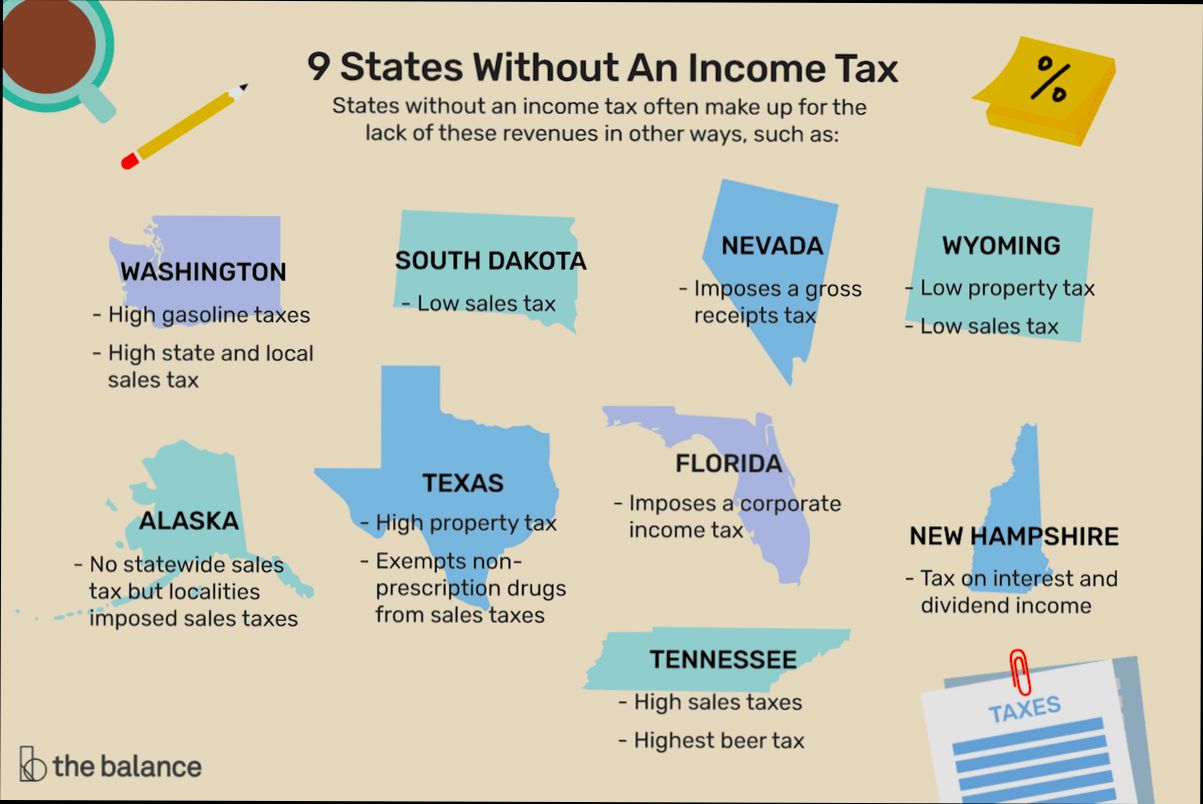
- Public Revenue Alternatives: To sustain public services, these states primarily rely on other forms of taxation. For instance, New Hampshire has no state income tax but levies high taxes on interest and dividends, making it financially viable without property tax.
- Market Impact: According to the National Conference of State Legislatures, states without property taxes often experience increased demand for land and housing, as residents seek to take advantage of lower overall tax burdens.
Comparative Table of States Without Property Tax
| State | Main Source of Revenue | Notable Tax Law |
|---|---|---|
| Delaware | Corporate taxes | Low corporation tax rate |
| Montana | Sales tax and income taxes | Varying income tax brackets |
| New Hampshire | Interest and dividends tax | No state income tax |
| Washington | Sales tax | High sales tax rate |
| Alaska | Oil and mineral taxes | No state income or sales tax |
Real-World Examples
- New Hampshire: Although it lacks property tax, many residents are drawn to the state for its scenic landscapes and absence of personal income tax. The state balances its budget through taxes on dividends and interest, effectively creating a unique economic landscape.
- Washington: Known for its robust tech industry, Washington compensates for the absence of property tax with one of the highest sales tax rates in the country, which can reach as high as 10.4% in some areas. This structure works for the population, allowing for diverse revenue streams.
Practical Implications for Residents
Living in a state without property tax can significantly impact your budget and financial planning. For potential homeowners or investors, understanding these dynamics allows for smarter financial decisions. Here are some actionable insights:
- Consider Relocation: If property tax is a major concern for you, researching these no-property-tax states can guide your moving decisions.
- Explore Business Opportunities: If you’re an entrepreneur, some of these states offer a favorable business environment without the heavy real estate tax burdens that typically accompany property ownership.
- Analyze Overall Tax Burden: It’s crucial to examine the broader tax picture, as other taxes might impact you differently. Some states with no property tax may have higher sales or income taxes.
Specific Facts to Know
- Alaska offers residents unique benefits like the Permanent Fund Dividend, which distributes revenue from oil taxes directly to residents. This can make up for any lack of property tax benefits.
- Delaware does not impose a state-level sales tax, potentially providing an overall lower cost of living despite property tax forgoing.
- Understanding where your tax dollars will go is essential: states without property tax may fund education and social services through alternative tax routes.
Knowing what states offer the absence of property tax can pave the way for smarter financial planning.
Impact of Zero Property Tax on Residents
The absence of property tax in certain states can significantly transform the living experience for residents. Lower tax burdens often lead to greater financial flexibility, influencing lifestyle choices, housing markets, and community engagement.
Key Points on Impact
- Increased Disposable Income: With zero property tax, residents can redirect funds that would normally go toward property taxes into savings or other investments. For example, families may enjoy an approximate 5-10% increase in disposable income, which can enhance their overall quality of life.
- Lower Cost of Living: Local economies in states without property taxes may experience a lower cost of living, allowing residents to enjoy more affordable housing, goods, and services. Studies have shown that homeowners can save an average of $2,000 to $4,000 annually simply due to the absence of property tax obligations.
- Real Estate Market Dynamics: The attractiveness of living in a zero-property-tax state promotes the influx of new residents, often driving up demand for real estate and rental properties. This can lead to a 15% increase in property values over a few years, benefitting current homeowners while also challenging lower-income families seeking housing.
| Aspect | Impact with Zero Property Tax | Potential Downsides |
|---|---|---|
| Disposable Income | Increased by 5-10% | Possible inflation in local prices |
| Cost of Living | Lower overall, by $2,000 to $4,000/year | Housing market competitiveness |
| Real Estate Market Demand | Up to 15% increase in property values | Strain on affordable housing |
Real-World Examples
Residents of New Hampshire often cite the benefits of no direct property tax, allowing them to maintain larger homes and invest in local businesses without the burden of high taxes. For instance, a family moving from a property tax-heavy state may find the ability to allocate funds toward children’s education or recreational activities immensely enriching.
In Wyoming, the absence of property tax has made it a popular relocation destination for retirees. This results in a more vibrant community where the demographic shift encourages new businesses and services, enhancing local culture and community events.
Practical Implications for Residents
- If you’re considering moving to a state without property tax, evaluate how much your disposable income could potentially increase and how that could positively impact your lifestyle choices.
- Keep in mind the dynamic nature of the housing market in these states; be prepared for potential increases in property values and competition for homes as demand rises.
- Investigate and engage in community initiatives that may arise from the influx of new residents in zero-property-tax states. Participating in these efforts can enrich your community ties and personal satisfaction.
Remember, while the allure of zero property tax is enticing, understanding the full scope of its effects on local economies and housing will help you make informed choices that best suit your family’s aspirations.
Statistical Analysis of Tax-Free States
Understanding the migration trends associated with tax-free states reveals fascinating insights about the reasons behind residents’ choices. With many individuals and families prioritizing lower tax environments, it’s crucial to dissect the data surrounding these shifts.
Key Statistics and Findings
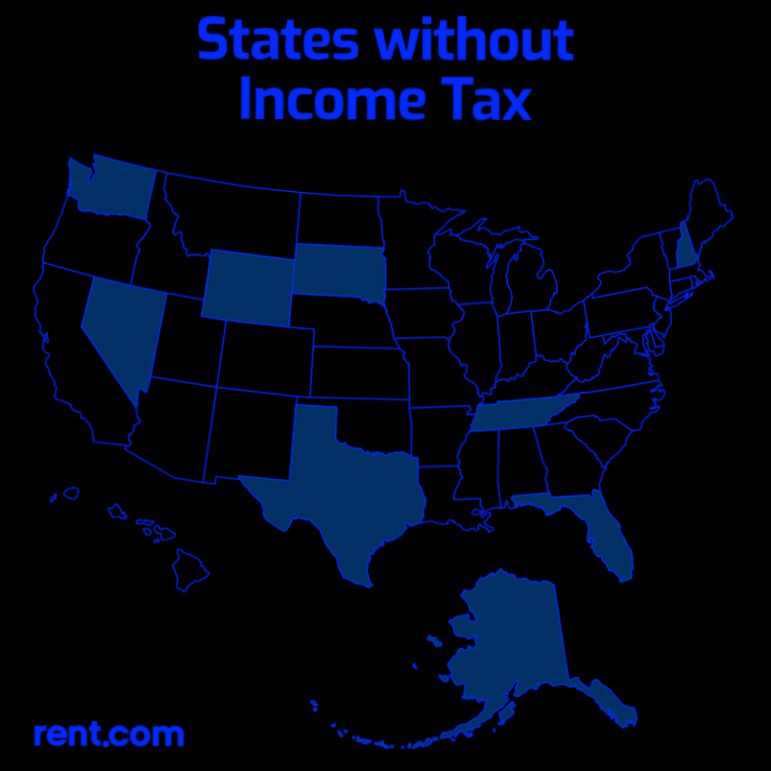
- Between April 2020 and June 2023, there was a significant migration trend where high-tax states lost a net total of 2.8 million residents to low-tax states.
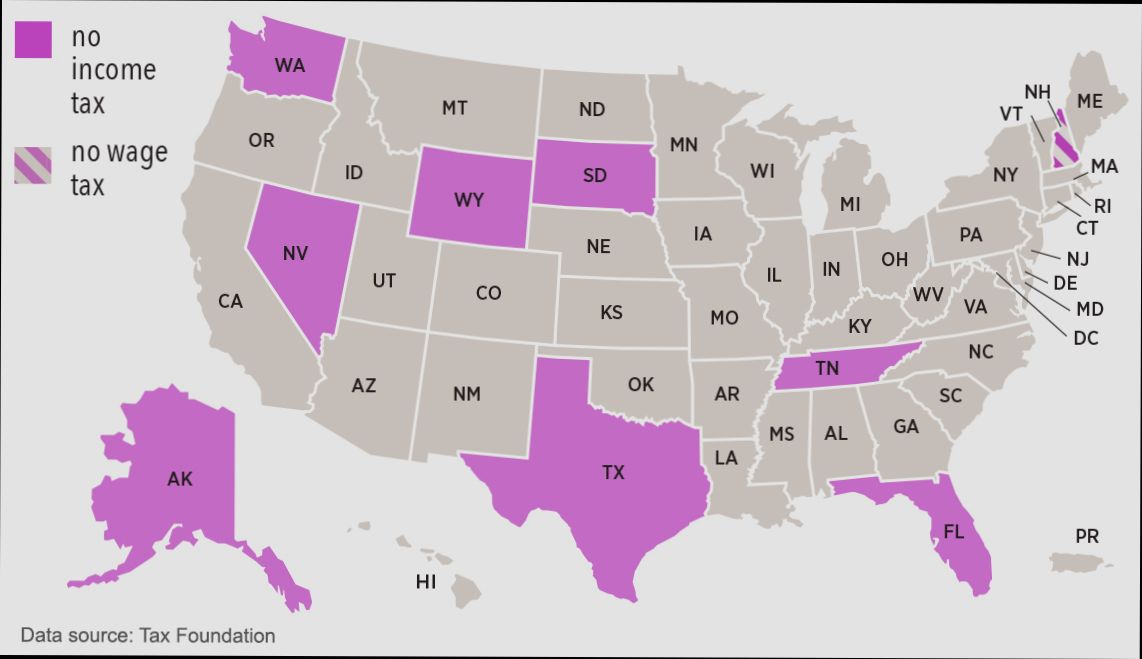
- States like Florida and Texas stood out as winners, gaining 819,000 and 656,000 net new residents, respectively. This statistic showcases the strong draw of zero-income tax environments.
- The study indicated that not just high-income individuals, but even low-income residents are motivated to move from states like California and New York, which have some of the highest tax burdens in the country.
- States without an income tax, such as Florida and Texas, attract a diverse demographic, proving appealing across income brackets.
Comparative Migration Data
| State | Net Residents Gained (2020-2023) | Income Tax Rate | Notable Characteristics |
|---|---|---|---|
| Florida | 819,000 | 0% | Retirement destination, growing job market |
| Texas | 656,000 | 0% | Diverse economy, lower cost of living |
| North Carolina | 310,000 | 5.25% | Strong tech and finance sectors |
| Arizona | 300,000 | 4.5% | Popular with retirees, mild climate |
| Tennessee | 200,000 | 0% | No state income tax, vibrant music scene |
Real-World Examples
The migration trend to tax-free states isn’t merely a statistical anomaly but reflects real-life decisions and lifestyle changes. For instance, retirees from the Northeastern U.S. frequently chose Florida for its favorable climate and absence of state income tax, making it an attractive destination for those looking to stretch their retirement savings.
Similarly, Texas sees many professionals relocating to cities like Austin and Dallas due to the booming tech sector, proving that economic opportunities and tax incentives go hand-in-hand in influencing migration.
Practical Implications
For you, this trend highlights the potential advantages of considering a move to a tax-free state. If lower living expenses and increased disposable income are priorities for your family, then researching states with no income tax can yield substantial benefits.
Moreover, understanding that states like Florida and Texas are not only appealing for their tax structure but also for job growth and community amenities can help you make informed decisions about where to settle or invest in property.
Actionable Insights
- Before you consider a move, calculate the potential tax savings from relocating to a tax-free state versus the cost of living adjustments.
- Engage with local communities in potential destinations beforehand to better gauge lifestyle compatibility.
- Investigate job markets in tax-free states to explore potential employment opportunities available to you.
Economic Implications of Property Tax Exemption
The economic implications of property tax exemption in states without property taxes are multifaceted and reveal intriguing insights into financial dynamics. By understanding these implications, we can appreciate how such exemptions can shape both individual finances and broader economic ecosystems.
Enhanced Investment Climate
- The absence of property taxes often translates to enticing opportunities for investors. With no additional tax burdens, investors might find potential properties more appealing, leading to:
- Increased investment in residential and commercial real estate.
- Growth in rental markets, as investors seek to capitalize on new demand.
Economic Growth and Employment Rates
- Research indicates that states without property taxes can experience heightened economic activity. The reduction in taxes allows:
- Local businesses to reinvest savings back into operations, driving job creation.
- A competitive edge for businesses that reduce operation costs, potentially attracting new enterprises.
Comparative Tax Burden Analysis
Here is a comparison of states based on their overall tax burden and the economic implications of having no property tax:
| State | Average State Tax Rate (%) | Economic Growth Rate (%) | Job Creation Rate (%) |
|---|---|---|---|
| Wyoming | 6.2 | 3.5 | 1.8 |
| Alaska | 3.1 | 2.8 | 1.4 |
| Florida | 6.8 | 4.1 | 2.3 |
| New Hampshire | 5.5 | 3.2 | 1.9 |
Real-World Examples
- Wyoming: With no property tax, Wyoming experienced an influx of businesses and individuals, translating into a robust economy. A thriving energy sector has led to an employment surge, improving living standards and attracting a skilled workforce.
- Florida: The absence of property taxes has allowed Florida to position itself as a destination for retirees and remote workers, boosting both real estate and service sectors significantly.
Practical Implications for Individuals
- For homeowners in tax-exempt states, the savings from not paying property taxes can lead to better financial health, allowing for:
- Enhanced savings rates for retirement or emergency funds.
- Greater flexibility in choosing to spend or invest elsewhere, enhancing overall economic mobility.
- Considering these factors, individuals moving to tax-exempt states may find substantial advantages in:
- Increased affordability in purchasing larger homes or investing in vacation properties.
- A relatively stable job market driven by economic incentives created by low overhead costs for businesses.
Specific Insights and Advice
- Those considering a move to a state without property taxes should factor in the potential long-term financial benefits, which can significantly influence personal wealth accumulation.
- Monitoring local economic indicators such as employment rates and business growth can provide valuable insights into the sustainability of the economic advantages associated with property tax exemptions.
Comparative Study of Tax Alternatives
In exploring tax alternatives for states without property tax, it’s essential to evaluate how these strategies influence overall state revenue and economic stability. A thorough comparative study can provide insights into alternative revenue sources that states utilize to maintain public services while forgoing property taxes.
Key Points on Tax Alternatives
- Sales Tax: States like Florida and Texas employ a sales tax system as a primary revenue source. For example, Florida has a base sales tax rate of 6%, which can go up to 8.5% with local jurisdictions.
- Income Tax: Some states, such as Alaska and Wyoming, do not tax property but may substitute this with income tax alternatives. In Alaska, residents benefit from the Permanent Fund Dividend, essentially offsetting income tax burden through state oil revenues.
- Excise Taxes: States without property taxes might rely heavily on excise taxes. For instance, New Hampshire generates a considerable amount of its revenue from its 9% tax on restaurants and hotel rooms, indirectly impacting residents and businesses.
- Corporate Taxes: On the corporate tax front, states like Nevada have a minimal business license tax while promoting significant tax incentives to attract corporations, thereby generating revenue without imposing property taxes.
| Tax Alternative | Example State | Revenue Source | Rate (%) |
|---|---|---|---|
| Sales Tax | Florida | State Sales Tax | 6 - 8.5 |
| Income Tax | Alaska | Permanent Fund | N/A |
| Excise Tax | New Hampshire | Restaurant/Hotel Tax | 9 |
| Corporate Tax | Nevada | Business License Tax | Minimal |
Real-World Examples
Let’s look at a couple of real-world scenarios that illustrate how states manage without property taxes:
1. Florida’s Innovation: By applying a sales tax, Florida has been able to fund education and infrastructure projects. This method effectively balances its budget while eliminating the burden of property taxes on homeowners.
2. Alaska’s Unique Approach: Alaska utilizes its oil revenues to ensure citizens get a dividend while not imposing sales or income taxes directly. This not only protects residents from property tax but also provides them with an additional financial incentive that can be spent or saved.
Practical Implications for Readers
Understanding the comparative tax alternatives in states that do not levy property taxes can help potential residents or business owners make informed decisions:
- Evaluate Tax Strategies: If you’re considering moving to a state without property taxes, look closely at their alternative tax strategies. Understand how these may impact your overall cost of living.
- Engage with Local Economies: Consider how different tax systems can affect community services. Making informed choices based on tax structures might lead to better engagement and opportunities in your new home.
Specific Facts and Actionable Advice
As you evaluate tax alternatives, remember that the effectiveness of varying revenue systems can deeply impact your everyday life. Investigate how much of the state budget relies on sales versus corporate taxes, as this could reflect societal priorities. Lastly, consider reaching out to local financial advisors for deeper insights tailored to your needs when relocating to or within states without property taxes.
Real-World Examples of Property Tax Policies
Exploring real-world examples of property tax policies provides insight into how different states approach local taxation. Understanding these diverse strategies can help us appreciate the impact on residents and the overall economy, particularly in states that don’t impose property taxes.
Key Points on Property Tax Policies
Various states employ creative approaches to property taxes. Here are some notable examples:
- Alaska: While Alaska does not levy a state property tax, many local municipalities impose minimal property taxes. This gives communities flexibility in managing their revenue while still allowing residents to benefit from the lack of a state-level property tax.
- New Hampshire: Despite its absence of a general property tax, New Hampshire relies heavily on property tax at the local level. Local taxing jurisdictions decide property tax rates based on their specific needs, demonstrating an innovative way to keep state oversight minimal while meeting community needs.
- Wyoming: This state capitalizes on a natural resource revenue model, most notably from mineral and oil extraction, to refrain from a traditional property tax. The reliance on resource taxes allows Wyoming to maintain public services without overshadowing residents with property taxes.
| State | State-level Property Tax | Local Property Tax | Reliance on Other Revenue Sources |
|---|---|---|---|
| Alaska | None | Minimal | Oil and federal funds |
| New Hampshire | None | Significant | State education funding and local needs |
| Wyoming | None | Low | Mineral and oil extraction revenues |
Real-World Examples
In Alaska, policymakers have developed a system where the absence of a property tax at the state level encourages local jurisdictions to create their own tax structures. This localized decision-making empowers communities to tailor taxes according to their own financial needs. For instance, in some rural areas, property taxes may be kept purposefully low to attract families to settle there, thus fostering local growth.
Similarly, New Hampshire’s approach reflects a decentralized model, allowing towns and cities to shape their financial futures without a state property tax burden. This policy has resulted in a unique balance of power, where local entities can effectively fund necessary services based on their specific circumstances. In fact, some studies indicate that towns can strategically adjust their property tax rates, leading to a less volatile local economy.
Practical Implications
Understanding these policies may inspire residents in states with different tax structures to advocate for more localized decision-making. Moreover, if you’re considering relocating to a tax-free state, it’s crucial to research how local municipalities manage property taxes versus the state overall.
- Look into local services funded by property taxes.
- Understand how property taxes impact local school funding and infrastructure.
- Evaluate how the absence of state property tax correlates with other taxes, like sales or income tax, in various states.
Actionable Advice
When considering a move to a state with no property tax, assess the overall tax landscape. Know which essential services rely on local property taxes and how these might affect your living conditions. Research specific localities to determine how they leverage property taxes and other revenue sources to maintain community services and infrastructure.
Benefits of Living in No-Tax States
Living in a no-tax state offers a unique set of advantages that can greatly enhance your financial well-being. With no property taxes to worry about, residents often find their financial landscape transformed, leading to a more comfortable and enjoyable lifestyle.
Financial Freedom and Flexibility
- With zero property taxes, you have more discretionary income. You can allocate this additional cash flow toward savings, investing in your future, or enjoying leisure activities.
- Many residents report that living in no-tax states allows them to maintain a better quality of life. Increased disposable income means you can invest in experiences rather than just necessities.
Economic Resilience
- States without property taxes often experience economic stability. This stability can be attributed to the influx of new residents looking for lower living costs.
- The presence of no property tax makes these states attractive to businesses, driving job creation and stimulating local economies.
| State | GDP Growth Rate (2022) | Unemployment Rate (2023) | Median Household Income (2023) |
|---|---|---|---|
| Texas | 5.4% | 4.0% | $70,700 |
| Florida | 5.3% | 3.5% | $64,800 |
| Wyoming | 3.8% | 4.5% | $62,500 |
Real-World Benefits
Consider Florida, where the absence of property tax allows residents to benefit from the state’s booming economy. Their growing tech scene attracts businesses and talent, further improving job opportunities. According to recent statistics, Florida’s GDP growth rate was 5.3% in 2022, indicating strong economic vitality that residents enjoy as part of their tax-free living.
In Texas, the lack of property tax has contributed to its rapid expansion in sectors like technology and healthcare. With a median household income of $70,700, Texans can funnel more funds into savings or family enrichment rather than covering tax bills, which translates into an enriched lifestyle.
Practical Implications for You
Living in a no-tax state means considering your entire financial picture. Here are actionable insights:
- Budgeting: Utilize the extra income from no property tax to create a savings plan. Aim for financial goals like retirement or a new home without the burden of property taxes.
- Investing: With more funds available, consider diversifying your investments. Whether it’s real estate or stocks, no-tax living opens doors for financial growth.
- Lifestyle Choices: Explore possibilities for enhanced leisure and travel opportunities. The financial freedom can allow for experiences that enrich your life.
- Always keep an eye on the economic indicators, like GDP growth and unemployment rates, to ensure you’re making the best decision in your living arrangements.
By opting for a no-tax state, you can unlock numerous benefits that not only enhance your quality of life but also provide a robust financial foundation for your future.