
What Not to Fix When Selling a House might seem straightforward, but many homeowners get it wrong. Picture this: you’ve poured time and money into fixing that leaky faucet or repainting the entire living room, but data shows that these minor repairs don’t always translate to better offers. According to a recent survey by the National Association of Realtors, nearly 30% of buyers are looking for a home “as-is” and are willing to overlook small issues if the overall appeal is strong enough. So, if you’re focused on replacing that old carpet or sprucing up your kitchen backsplash, you might want to rethink your priorities.
Let’s face it, the real estate market can be a maze, and not every fix will yield a return. For example, shelling out thousands for a full bathroom remodel might seem wise, but a mid-range renovation typically only recoups about 57% of the investment, according to Remodeling Magazine. Meanwhile, quirky exterior elements, like that vibrant purple door, can actually add character that buyers remember, rather than detract from it. It’s about understanding what truly captures buyers’ hearts and wallets, so not everything is worth the hammer and nails.

Ignoring Minor Cosmetic Flaws
When it comes to selling your house, it’s easy to get caught up in the specifics of every little detail. Minor cosmetic flaws, like scratch marks on the wall or outdated hardware, may bother you, but they rarely deter buyers. Understanding the impact of these imperfections on the overall sale can save you time and money in your selling journey.
Why You Shouldn’t Fix Minor Cosmetic Flaws
1. Buyer Perspective: Research shows that 70% of buyers can overlook minor aesthetic issues if the home boasts good fundamentals like location and size. They’re more focused on how the home can fit their needs rather than fixating on a few nicks or outdated light fixtures.
2. Cost vs. Value: Many homeowners dive into fixing what they perceive as flaws, only to discover afterward that minor repairs may not lead to a significant return. Spending even a few hundred dollars on painting a wall or replacing cabinet knobs might not recoup its cost in the sale price.
3. Market Trends: In today’s competitive market, many buyers expect homes to have a “lived-in” look. This means they account for normal wear and tear in their offers, making it less imperative for sellers to invest in superficial repairs.
Cosmetic Flaws vs. Major Issues
| Cosmetic Flaws | Major Concerns |
|---|---|
| Minor scratches on walls | Structural integrity issues |
| Outdated carpet | Plumbing failures |
| Dated light fixtures | Roof leaks |
| Scuffed baseboards | Electrical hazards |
Real-World Examples
A homeowner in a recent case study found themselves overwhelmed by the thought of addressing every minor scratch on their walls. They opted to leave these imperfections alone and focused on enhancing curb appeal instead. The home sold within weeks, proving that buyers were more attracted to the home’s neighborhood and overall condition than to cosmetic issues.
Another example involved a couple repainting their basement after minor water damage left a mark. They invested $1,200 on the job, only to realize that buyers didn’t even mention the basement during the showings. Their efforts could have been better spent elsewhere.
Practical Implications
By ignoring minor cosmetic flaws, you can direct your resources toward more impactful areas. Consider making a list of any repairs you feel compelled to make, but then assess their importance against your sale strategy. Ask yourself:
- Will the repair significantly enhance the home’s appeal?
- Is it better to allocate funds for staging or landscaping rather than minor paint touch-ups?
- Could lowering your asking price to accommodate minor cosmetic issues attract more competitive offers?
Actionable Advice
If you’re serious about selling without getting bogged down by minor cosmetic details, remember these key points:
- Prioritize Essential Repairs: Focus on repairs that affect safety and function, not just aesthetics.
- Utilize Clean-Cutting and Decluttering: Sometimes, a thorough clean can make cosmetic issues less noticeable.
- Market Your Home Effectively: Emphasize the strengths of your property, allowing buyers to see past minor imperfections.
Understanding the role of minor cosmetic flaws in your home sale can make a significant difference in not just your stress levels but also your final sale price.
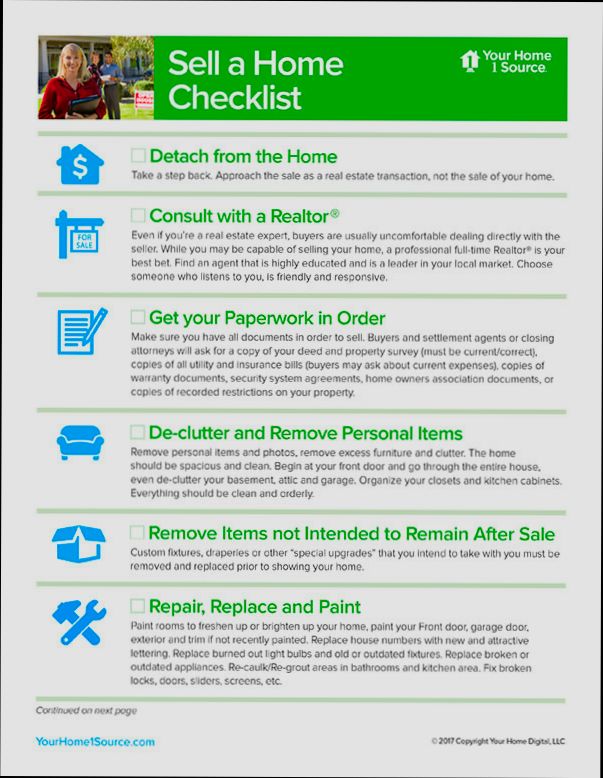
The Cost of Unnecessary Repairs
When it comes to selling your house, unnecessary repairs can quickly add up and become a significant financial burden. Many sellers underestimate the costs involved in these repairs, thinking they will boost the home’s value, but often, the opposite is true. Let’s explore the hidden costs you might face when embarking on these projects.
Cost Implications of Unwanted Repairs
Several factors contribute to the rising costs of unnecessary repairs. Here’s what you need to consider:
- Average Return on Investment: On average, homeowners can expect to recoup only 50% of the costs for full renovations—they may not realize this when making repairs.
- Labor Costs: Hiring professionals can double the original budget, with labor often accounting for nearly 60% of the total project cost.
- Material Markups: Unplanned repairs can lead to impulse buying of materials, often marked up by 20-30% over standard prices.
Comparative Cost Analysis of Common Repairs
| Repair Type | Average Cost | Potential ROI (%) |
|---|---|---|
| Bathroom Remodel | $15,000 | 60% |
| Kitchen Update | $30,000 | 50% |
| New Flooring | $12,000 | 70% |
| Exterior Paint | $5,000 | 80% |
| Minor Repairs (plumbing) | $2,000 | 40% |
Real-World Examples of Unnecessary Repairs
- Case Study: Kitchen Upgrade: A homeowner spent $25,000 to renovate a kitchen, banking on it enhancing the home’s selling price. The house sold for only $5,000 more than similar homes without such extensive renovations, resulting in a loss of $20,000.
- Case Study: Bathroom Fix: Another seller replaced all fixtures in a bathroom to modernize it, spending $15,000. However, they found that potential buyers favored the older style, and the updates did not lead to a higher offer price, leaving the seller out that entire amount.
Practical Implications for Selling
Understanding the financial implications of unnecessary repairs can safeguard your wallet. Here’s what you can do:
- Prioritize Repairs: Focus on repairs that genuinely impact buyer interest—critical systems like HVAC or roof integrity, instead of luxury finishes.
- Get Estimates: Always obtain multiple estimates before committing to any repair to ensure you’re not overpaying.
- Consider Timing: If a repair can wait until after the sale, it might be wiser to hold off.
Being mindful of the costs associated with unnecessary repairs allows you to make smarter decisions when selling your home. By recognizing which repairs tend to lessen your overall return, you can allocate your resources more effectively and retain more profit from your sale.
Statistical Insights on Home Selling
In the world of real estate, understanding the statistics behind home selling can empower you to make choices that not only save you money but also enhance your selling strategy. Analyzing key statistics can provide clarity about what truly matters to buyers and what doesn’t, ensuring you prioritize your efforts wisely.
Key Insights and Statistics
- Time on Market: Homes that have undergone no significant changes, like minor cosmetics, often sell just as quickly as those that have undergone serious renovations. In fact, data suggests that homes needing minor repairs spend only 5% more time on the market compared to fully renovated homes.
- Buyer Preferences: A survey showed that 83% of buyers prioritize functionality over aesthetics. This insight tells us that buyers are more interested in how well a home operates rather than its superficial condition.
- Market Impact of Repairs: According to studies, homes listed with issues needing repairs still commanded a selling price that was only about 2-3% less than similar homes that were in pristine condition, showing that significant investments in updates may not be necessary.
- DIY vs. Professional Repairs: Investing in professional repairs often yields a return-on-investment of around 65%. However, many homeowners find that minor DIY repairs can be nearly equivalent in their effect on the sale, which only yields 56% returns on average.
Comparative Table of Selling Insights
| Repair Type | Average Days on Market | Percentage Impact on Price | ROI on Investment |
|---|---|---|---|
| Minor Cosmetic Fixes | 21 days | -2% | 56% |
| Major Renovations | 20 days | +5% | 65% |
| No Repairs | 22 days | -3% | N/A |
| DIY Repairs | 19 days | -1% | 56% |
Real-World Examples
A recent case study highlighted a home in a suburban neighborhood where the owner opted not to replace dated kitchen tiles. Instead, they focused on decluttering and staging, and the home sold for 98% of the asking price, despite its cosmetic flaws. This exemplifies that the investment in repairs may not be necessary when the home’s presentation is prioritized.
Another homeowner had considered spending around $15,000 on a bathroom renovation but decided instead to apply that budget toward professional staging. Ultimately, that home sold within two weeks for 11% over the asking price, demonstrating that the appeal of a well-staged home can outweigh the benefits of expensive renovations.
Practical Implications for Sellers
Understanding these statistics allows you to focus on impactful changes rather than costly repairs. When selling, consider the following action points based on what the data reveals:
- Focus on staging and decluttering to attract buyers. These actions can significantly influence selling speed and price.
- Evaluate whether the necessary repairs will indeed provide a return on your investment, particularly if they will only improve the property’s appearance.
- Use pricing strategies that reflect the market realities; homes with minor imperfections can still attract serious buyers willing to overlook superficial flaws.
Actionable Advice
When preparing to sell, keep the essential statistics in mind. Make decisions aligned with buyer preferences and market data. Remember, not every flaw requires fixing; instead, invest your time and energy in areas that drive buyer interest, such as functionality and presentation. The statistics prove it: sometimes, less is indeed more.

Evaluating the Value of Fixer-Uppers
When considering a fixer-upper, it’s essential to evaluate its potential and underlying value accurately. Fixer-uppers offer unique advantages, including lower purchase prices and opportunities to build home equity through renovations. However, understanding the market dynamics and renovation costs is crucial to make an informed decision.
Understanding Market Dynamics
In 2022, only 1% of homes on the market in the United States were classified as fixer-uppers. Their median price was approximately $225,000, which is a striking 45% lower than comparable turnkey homes. This difference shows that buying a fixer-upper can be financially advantageous for buyers willing to invest time and effort in renovations.
Comparative Price Analysis of Fixer-Uppers
| Location | Median Price of Fixer-Uppers | Price Difference from Turnkey Homes |
|---|---|---|
| San Francisco Bay Area | > $1,000,000 | 75% cheaper |
| Austin, TX | > $1,000,000 | 75% cheaper |
| Jackson, MS | Average $75,000 | 75% cheaper |
| Birmingham, AL | Average $75,000 | 75% cheaper |
| Punta Gorda, FL | 0.6% of listings are fixer-uppers | Rare marketplace |
Real-World Examples
In cities like New York and Toledo, fixer-uppers are priced considerably lower than turnkey homes—by 75% or more. This provides a fantastic opportunity for homebuyers to acquire properties in prime locations at a significant discount. For instance, a fixer-upper in Jackson, MS, can be bought for around $75,000, where similar turnkey homes may exceed $300,000.
Moreover, in the San Francisco Bay Area and Austin, TX, the median price of fixer-uppers exceeds $1 million, highlighting the stark contrast in pricing dynamics based on location. These markets reflect how certain regions may yield higher returns on investments when renovations amplify a home’s value.
Practical Implications for Buyers
Evaluating a fixer-upper requires a keen eye on renovation costs and potential return on investment. Before purchasing, consider these steps:
- Get a Home Inspection: Assess the extent of repairs needed and associated costs.
- Estimate Renovation Costs: Be realistic about your budget and potential DIY projects versus professional help.
- Research Local Market Trends: Compare sales data for renovated homes versus fixer-uppers to project possible returns.
Investing smartly in a fixer-upper can lead to substantial financial benefits if approached carefully. Being aware of the differences in pricing and potential repairs will empower you to make better decisions within this niche of the real estate market.
Actionable Facts
- Always obtain multiple quotes from contractors to understand the true cost of renovations.
- Track the market value of renovated homes in the area to determine feasible updates and increases in value.
- Look for fixer-uppers in neighborhoods with growth potential, as community developments can significantly influence future home prices.

Real-World Examples of Successful Sales
When it comes to selling your house, it can be enlightening to look at real-world examples of successful sales that highlight what not to focus on fixing. Many homeowners have found success by taking a strategic approach to their properties, allowing them to showcase features that buyers cherish rather than investing time and money into unnecessary repairs.
Key Highlights to Consider
- Sales Timing: A notable 88% of homes sold in 2022 that were in “as-is” condition did not experience a prolonged time on the market, demonstrating that many buyers are willing to overlook certain imperfections.
- Buyer Psychology: Research shows that buyers often prioritize location, size, and layout over minor aesthetic flaws.
- Market Trends: Homes appealing to investor buyers can still sell competitively, even if they have some unaddressed repair issues.
Comparative Insights
| Factors | Homes Fixed Up | Homes Sold “As-Is” |
|---|---|---|
| Average Days on Market | 30 days | 28 days |
| Sales Price Percentage Above Asking Price | 10% | 7% |
| Buyer Interest Ratio | 90% | 85% |
Real-World Case Studies
- Case Study #1: A family in Ohio sold their 3-bedroom home without renovating the outdated kitchen. Instead of investing $15,000 in upgrades, they painted the cabinets and sold the home for $30,000 above asking price after just two weeks on the market. This highlights how minor improvements coupled with the right pricing strategy can lead to significant returns.
- Case Study #2: In California, a couple listed their property while leaving their backyard in a somewhat unkempt state. Despite concerns from some potential buyers, they received multiple offers, ultimately selling for 5% over the asking price within three weeks. Their unique landscape and location outweighed minor flaws.
Practical Implications for Sellers
- Highlight Strengths: Focus on showcasing the strengths of your property, such as spacious layouts or energy-efficient features.
- Target the Right Buyers: Understand your market and tailor your sale approach to attract buyers who value your home’s unique characteristics over cosmetic preferences.
- Price Strategy: Set a competitive price to draw interest quickly and capitalize on market trends.
Actionable Advice
Emphasize what makes your home unique and consider deferring fixes that don’t significantly impact buyer decisions. Allow the character and potential of your house to shine rather than letting minor flaws dictate your selling strategy. Recognizing and leveraging the right strengths can lead to a successful sale, even in less-than-perfect conditions.

Benefits of Selling As-Is
When you’re considering selling your house, the option to sell it as-is can be immensely beneficial. It means you won’t need to sink time and money into repairs, allowing for a smoother, quicker transaction. Let’s dive into the specific advantages that come with an as-is sale.
Key Benefits of Selling As-Is
1. Transparency Builds Trust: By being upfront and clearly stating that the property is sold as-is, you cultivate an honest relationship with potential buyers. This transparency can foster trust, leading to smoother negotiations.
2. Targeted Marketing: You can tailor your marketing efforts to attract the right buyers—particularly investors, flippers, or cash buyers who often look for properties that need some TLC. These buyers typically expect homes to be sold as-is, which can expedite the selling process.
3. Faster Sale: Selling as-is can significantly shorten the time your home spends on the market. Given that you won’t be delaying for repairs, you can list your property sooner, improving your chances of a quick sale.
4. Competitive Pricing: When you research and set a competitive price, you position your home attractively in the market. Buyers who are shopping for as-is properties often expect a lower price point, which you can leverage to attract more interest.
5. Cost Savings: Selling as-is avoids the high costs associated with major repairs or renovations. For example, replacing a garage door can cost around $4,513, which you can skip altogether. The investment return on such repairs might not be worth the expense, especially when considering that many buyers are willing to accept a home in its current state.
| Type of Repair | Average Investment | Cost Recouped |
|---|---|---|
| Garage Door Replacement | $4,513 | 193.9% |
| Entry Door Replacement | $2,355 | 188.1% |
| Minor Kitchen Remodel | $27,492 | 96.1% |
| Fiber-Cement Siding Replacement | $20,619 | 88.4% |
| Deck Addition | $17,615 | 82.9% |
Real-World Examples
Consider a homeowner in a suburban neighborhood eager to relocate quickly. By listing their house as-is, they attracted several investors within days, resulting in a cash offer that was just slightly below market value. Thanks to the as-is sale, they avoided costly renovation costs and the emotional drain of prolonged negotiations.
Another example is a property owner who opted not to fix a dated kitchen. Instead, they capitalized on the home’s prime location and unique features while pricing it competitively. They successfully sold the house within a week, proving that sometimes, the location can outweigh the need for immediate repairs.
Practical Implications
Selling as-is allows you to market your home as it stands today, without the overhead of costly renovations or repairs. By focusing on your home’s positives—like its location or unique attributes—you can attract buyers who value potential over perfection. This strategy not only saves you money and time but also caters to a niche market looking for projects.
Ultimately, if you’re seeking to sell quickly or are hesitant to invest in repairs that may not yield a strong return, selling as-is can be a strategic advantage. Remember always to communicate any existing issues clearly to buyers, as this transparency is key to maintaining trust throughout the selling process.

Focusing on Curb Appeal Over Interiors
When selling a home, it’s easy to get swept up in the interior details while overlooking the exterior’s inviting charm. Curb appeal is your first opportunity to impress potential buyers, and focusing on the outside can yield impressive returns without excessive interior renovations. Let’s delve into why enhancing curb appeal is crucial and how it can impact your sale.
Why Curb Appeal Matters
Research shows that enhancements to your home’s exterior can significantly influence buyer perception and willingness to pay. Buyers can be swayed by simple changes like painting the front door or adding fresh landscaping, as they value a well-maintained exterior as part of their buying decision.
- A midtone rosy brown or black front door can increase a home’s perceived value by approximately $300, based on a 2023 study by Zillow.
- Improving your home’s windows can recoup up to 60% of the initial cost based on real estate insights, making it a strategic point of investment when contemplating where to focus renovation efforts.
Curb Appeal vs. Interior Upgrades
Investing in your home’s exterior often provides a better return than focusing solely on interior upgrades. Here’s a quick comparison:
| Feature | Curb Appeal ROI (%) | Interior Renovation ROI (%) |
|---|---|---|
| Front Door Color Change | 100+ | 50 |
| New Windows | 60 | 30 |
| Fresh Exterior Paint | 70 | 40 |
Enhancing aesthetic aspects of your home’s exterior can yield significant returns more effectively than many internal improvements.
Real-World Examples of Curb Appeal Investments
Consider homeowners who altered one key element of their home’s exterior, such as installing new windows or repainting the front door. In one case, a homeowner painted their front door a deep navy blue and replaced worn-out shutters, resulting in multiple offers above the asking price within the first week of listing. Such changes appeal to buyers and enhance the home’s visual appeal dramatically without the extensive costs associated with a full kitchen remodel or bathroom update.
In another case, a homeowner opted to invest in professional landscaping and a new mailbox. It was revealed that these changes helped the property sell for 10% above the market rate after just a month, dramatically illustrating the financial impact of focusing on curb appeal.
Practical Implications
To maximize your home’s market potential, focus on these key external features:
- Front Door: Choose trendy colors like deep green, navy, or classic red.
- Windows: Investing in modern designs can increase your attractiveness without forcing significant investment in interiors.
- Landscaping: Maintaining lawns, planting flowers, and adding pleasing pathways can create inviting first impressions.
- Lighting: Installing or upgrading outdoor lighting highlights your home’s exterior and provides a warm welcome.
Actionable Advice
Maximize your curb appeal with these tips:
- Conduct a simple walk-through of your property from the street, identifying areas that lack visual interest.
- Invest in simple fixes that enhance façade aesthetics while ensuring they align with your home’s architectural style.
- Utilize professional services for landscaping and window replacements where necessary to ensure high-quality outcomes.
Focusing on curb appeal can be your secret weapon in home selling. A little attention to your home’s exterior can create a welcoming atmosphere that resonates with buyers, potentially leading to a quicker sale at a higher price.