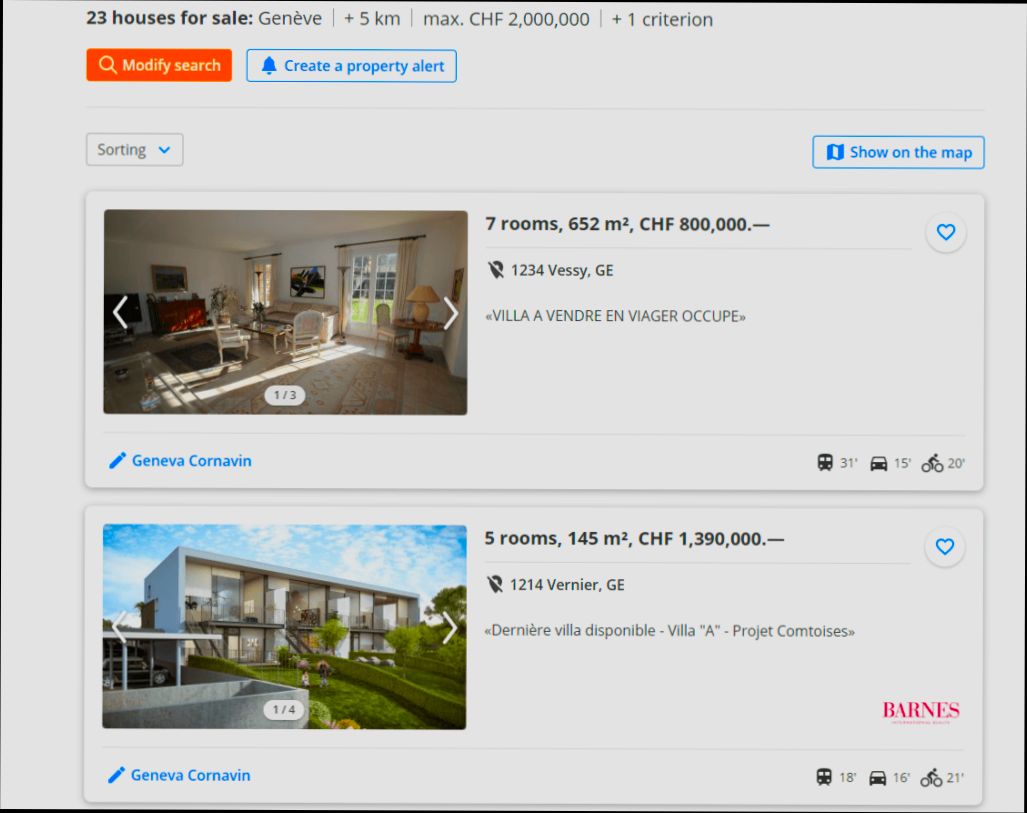
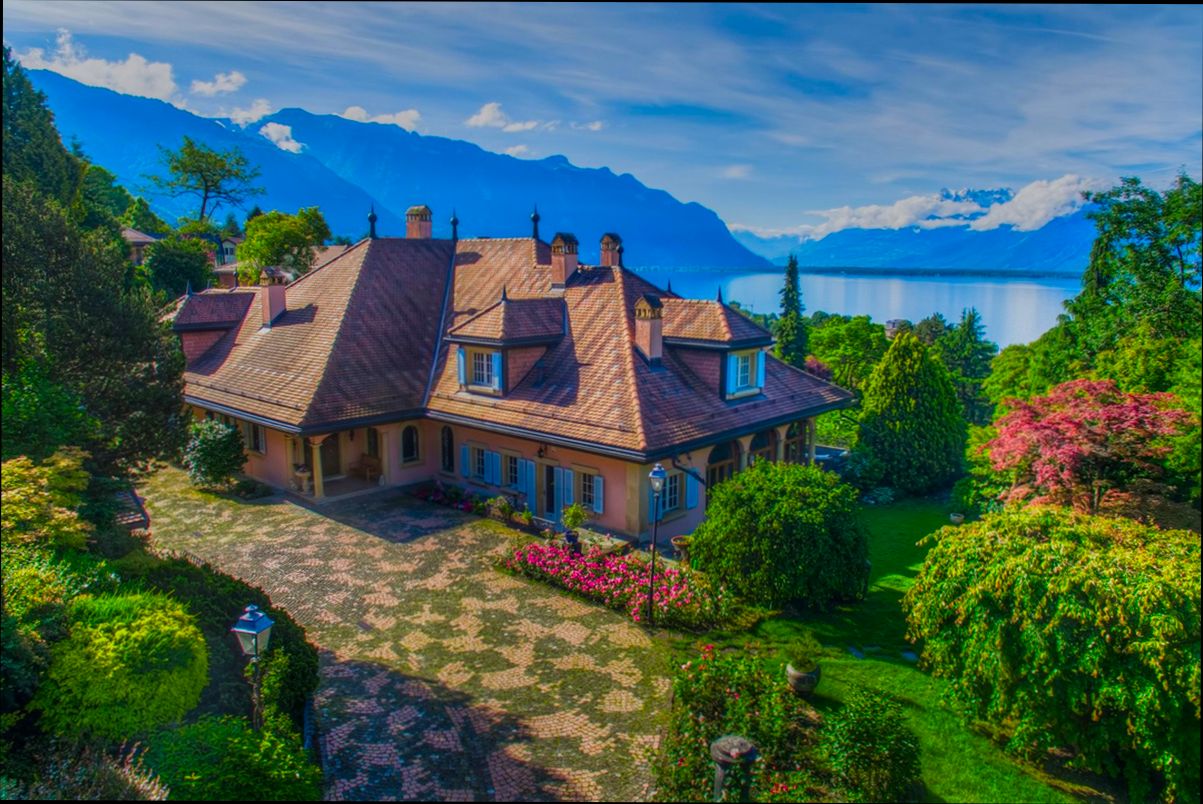
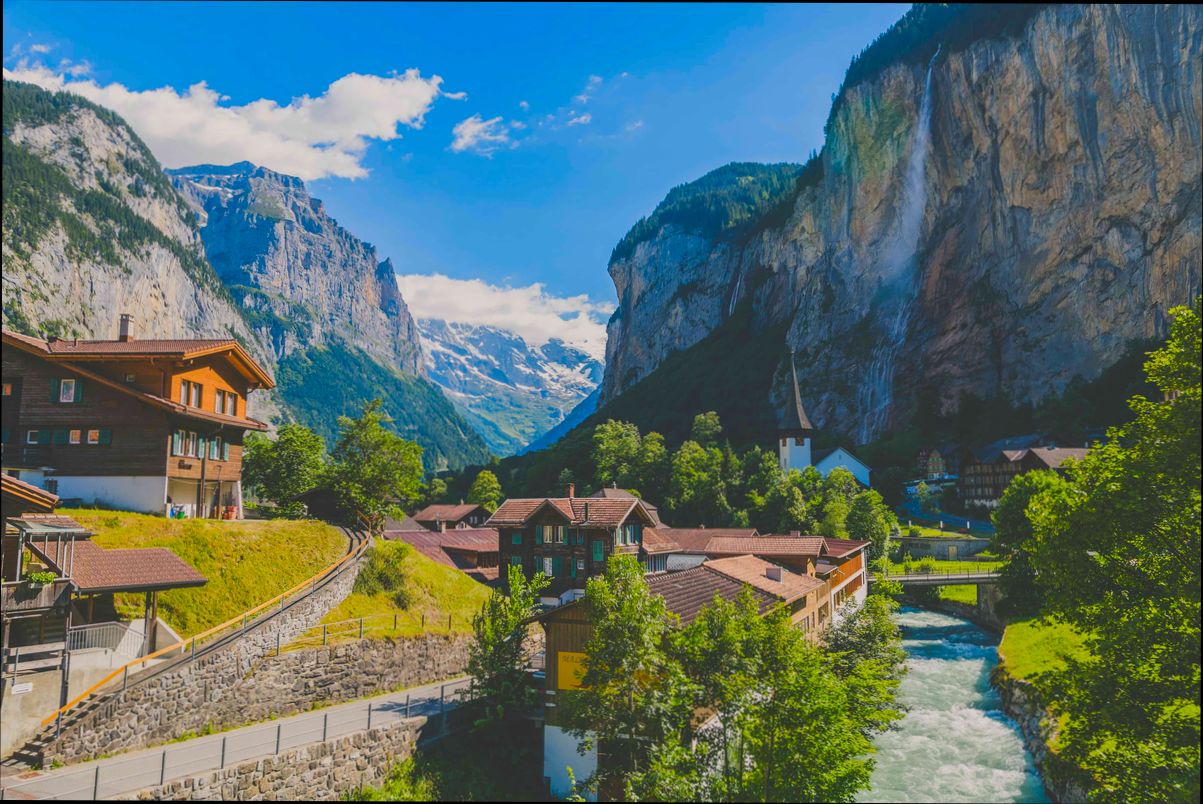
How to Buy House in Switzerland for 1 Euro is the kind of headline that makes you sit up and take notice. Yes, you read that right! Small towns like Ollon and Sion are turning heads with their quirky real estate initiatives, where homes once belonging to locals are up for grabs at just a buck. While it might sound like a fairy tale, these deals often come with the catch of needing significant renovations, sometimes costing more than buying a new car. Still, the allure of a scenic Swiss backdrop, with its stunning mountains and chocolate-box charm, makes it hard to resist the adventure.
Picture this: you’re sipping your coffee in the cozy town of Saillon, where a quaint house could be yours for a mere euro, but you’ll need to commit to fixing it up and bringing it back to life. Some municipalities have launched programs to attract new residents, offering houses at these minimal prices, but only if you pledge to renovate and invest in the community. Just check out the case of the village of Chamoson, where bidding wars once raged over picturesque properties, and now, it feels like the market is rolling out the red carpet for newcomers who dare to dream big on a small budget.
Understanding the 1 Euro House Concept
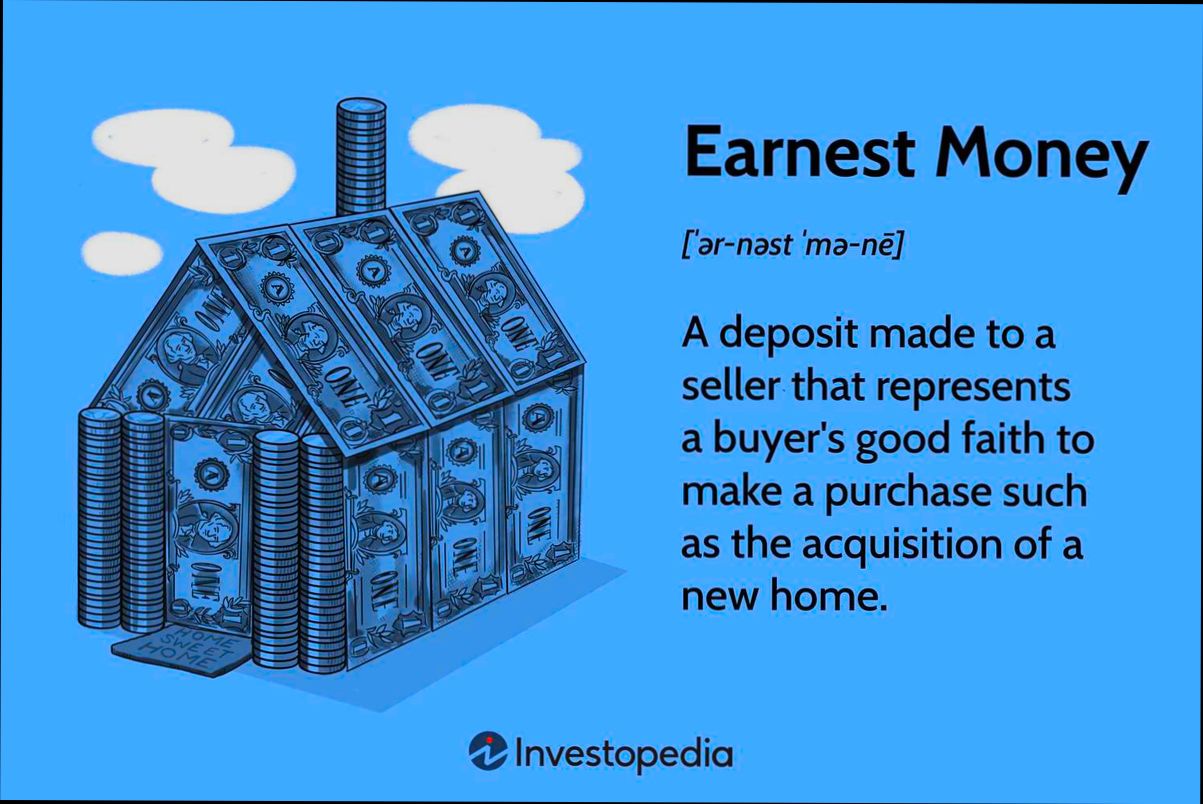
If you’ve ever dreamed of owning a house for the price of a coffee, the 1 Euro house concept might just spark your interest. This initiative allows you to buy properties in need of renovation for just one Euro, making it more accessible for individuals seeking a new home or an investment opportunity. However, this opportunity comes with specific conditions and requirements that you need to understand thoroughly.
Key Points of the 1 Euro House Concept
- Symbolic Pricing: Towns sell these homes for €1 to revitalize communities by attracting new residents. Owners want to avoid ongoing taxes and maintenance costs associated with dilapidated properties.
- Investment and Grants: The overall investment can be leveraged. For instance, there are grants that can cover approximately 50% of the purchase and renovation costs, potentially reaching up to €30,000. This reduces your financial burden significantly.
- Timeline for Renovation: Buyers generally have a set timeframe, usually 365 days from purchase, to submit a restructuring and revaluation project. This commitment ensures that properties are improved promptly.
- Financial Security: To guarantee the execution of renovations, you are required to take out a surety policy ranging from €1,000 to €5,000, which lasts until project completion, typically within three years.
| Aspect | Details |
|---|---|
| Price of House | €1 |
| Grant Coverage | Up to 50% of purchase and renovation costs (max €30,000) |
| Renovation Period | 365 days to plan and execute renovation |
| Surety Policy Requirement | €1,000 - €5,000 for project completion |
| Typical Completion Time | Within 3 years from project initiation |
Real-World Examples
In 2023, Tuscany launched a notable fund designed to cover half of the costs associated with buying and renovating a home, presenting an incredible opportunity for potential buyers looking at the 1 Euro homes initiative. This program has resonated with many foreign nationals and locals who find the prospect of owning property in picturesque Italian villages exciting.
Another example can be seen in smaller towns across regions like Sicily, where properties have been offered at symbolic prices. These towns aim to revive local economies, offsetting the challenges of depopulation by inviting new residents through affordable housing initiatives.
Practical Implications for Buyers
Understanding the 1 Euro house concept is crucial before diving in. This initiative is not just about acquiring a property; it is a commitment to both the home and the community. You must strategically plan your renovation and be prepared for associated costs that may arise during the project.
Moreover, consider the potential of receiving incentives and assistance, such as grants, which can alleviate financial stress. Having a clear project outline and timeline from the beginning can significantly impact your buying experience positively.
Specific Facts to Note
- This program mainly includes properties that may be run-down or in need of extensive repairs, presenting you with a chance to modernize and invest in a community.
- Ensure to familiarize yourself with local regulations and seek guidance on navigating permits and project plans.
- Look into additional resources such as eBooks or local guides tailored for international buyers navigating the 1 Euro house market.
By grasping these elements, your journey towards owning a “1 Euro house” can be both feasible and fulfilling.
Legal Considerations for Purchase in Switzerland
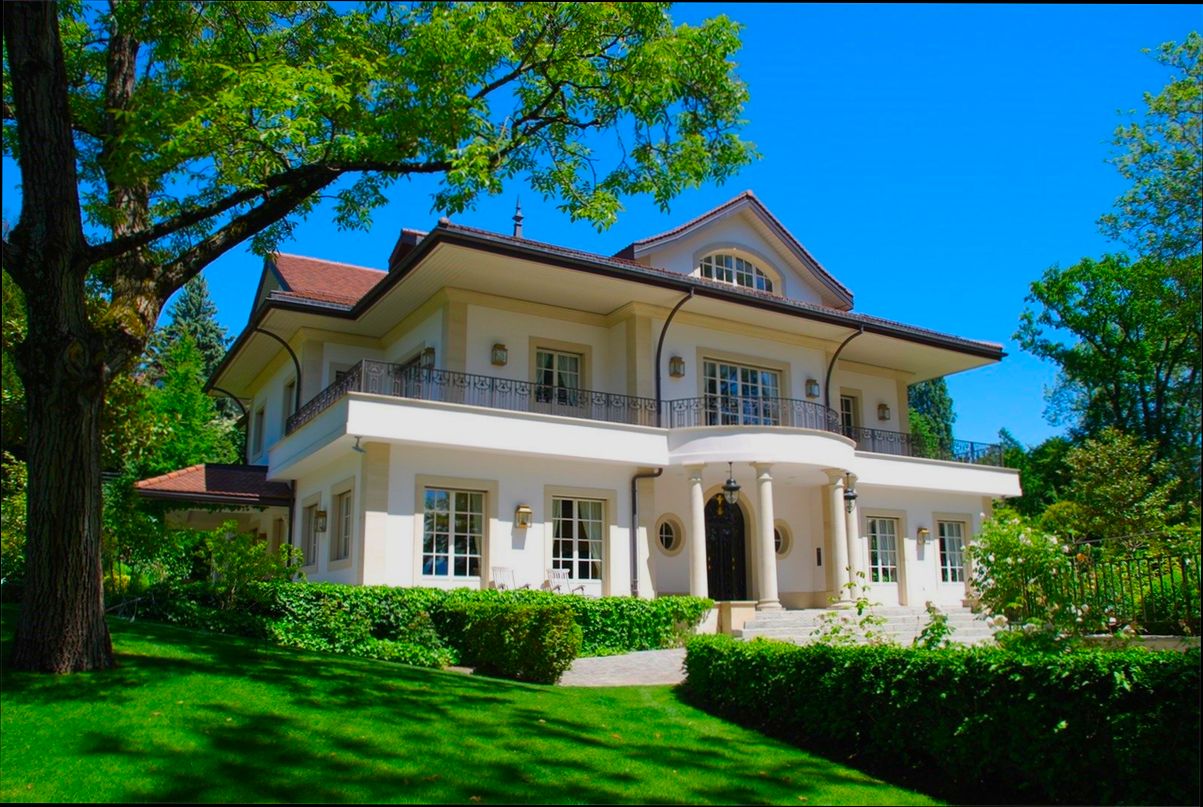
When contemplating the purchase of a property in Switzerland, especially under unique schemes like the 1 Euro house initiative, understanding the legal framework is essential. You’ll want to navigate various regulations and requirements to ensure a smooth transaction.
Key Points to Consider
1. Foreign Ownership Regulations: If you’re a foreign buyer, be aware of the restrictions that might apply. Generally, non-residents face limitations on purchasing properties in many Canton (regions). In some cases, you may need special permission to buy a house, especially if it’s not your primary residence.
2. Building Regulations and Renovation Permits: Before diving into renovations, familiarize yourself with local building regulations. You might need to acquire specific permits before starting any work, which can vary significantly between Cantons. Failing to obtain these permits can lead to hefty fines or even demolition orders.
3. Property Transfer Taxes: Switzerland applies a transfer tax on property acquisitions that can vary from Canton to Canton. Typically, expect this to be around 1% to 3% of the property’s purchase price, added to your overall budget.
4. Home Insurance Requirements: It is mandatory to have home insurance in Switzerland. This adds another layer to consider in your overall financial planning for your property purchase.
5. Notary Fees: You need to engage a notary to handle the sale transaction, which is customary in Switzerland. Their fees usually range from 0.5% to 2% of the property value, and they will facilitate the legal transfer of ownership.
Comparative Table of Costs and Considerations
| Factor | Estimate (%) | Notes |
|---|---|---|
| Foreign Ownership Tax | Varies by Canton | May require special permission. |
| Property Transfer Tax | 1% - 3% | Varies significantly by region. |
| Notary Fees | 0.5% - 2% | Based on property value. |
| Average Insurance Costs | 0.2% - 0.4% | Annual premium based on property value. |
| Renovation Permit Fees | Variable | Depends on scope and municipal regulations. |
Real-world Examples
In a recent case in the Canton of Aargau, a foreign buyer sought to purchase a derelict property for the 1 Euro initiative. After applying for permission, it was revealed that not only did they need to submit a detailed renovation plan, but they also encountered a transfer tax of 2.5%, which they hadn’t initially factored into their budget.
In another example from the Canton of Valais, a local municipality pushed for stringent regulations on properties requiring rehabilitation. A buyer faced delays and additional costs due to an oversight in obtaining the necessary permits, highlighting the importance of due diligence in the planning stages.
Practical Implications
As you embark on your property buying journey in Switzerland, ensure you:
- Research specific Canton regulations regarding foreign ownership.
- Consult with local experts to navigate building permits and insurance requirements seamlessly.
- Factor in all hidden costs, including transfer taxes and notary fees, into your financial plans.
Understanding these critical legal considerations will not only ensure compliance but also enhance the overall experience of buying a home in Switzerland. Remember, a little preparation goes a long way!
Analyzing Market Trends and Statistics
When considering the intriguing opportunity of purchasing a house in Switzerland for just 1 Euro, it’s vital to dive into the market trends and statistics that shape this unique scenario. Analyzing these trends can reveal valuable insights, guiding you in making informed decisions throughout the buying process.
Key Trends to Consider
1. Declining Rural Population: Many Swiss towns are facing population declines, especially in rural areas. Statistics indicate that nearly 30% of villages are experiencing a drop in their residents. This trend facilitates the 1 Euro house initiative as communities strive to revitalize themselves by attracting new inhabitants.
2. House Price Trends: The average house price in Switzerland has increased by approximately 4% annually over the last five years. However, properties listed under the 1 Euro initiative often require significant renovations, allowing for lower initial acquisition costs despite potential higher overall investment.
3. Investment Potential: A study showed that properties in declining areas can appreciate up to 15% over a five-year period post-renovation. This makes understanding local market trends crucial for potential buyers.
Comparative Insights: Market Dynamics
| Aspect | Rural Areas | Urban Areas |
|---|---|---|
| Average House Price | €150,000 | €1,200,000 |
| Population Change (%) | -30% | +5% |
| Renovation Costs Estimate | €50,000 | €100,000 |
Real-World Examples
One real-world illustration can be found in the town of Caressio, where a local government has successfully sold 25 houses for 1 Euro. Following renovations, the market value of these homes has increased significantly, with some properties now nearing valuations of €200,000 due to ongoing demand in the vicinity.
Another case is found in the village of Salecina, where the local authority reported a 20% uptick in community services and facilities after new residents moved in under the 1 Euro house initiative. This reflects the broader socio-economic impacts driven by revitalized housing strategies.
Practical Implications for Buyers
Understanding these market trends empowers you as a potential buyer. Keep an eye out for:
- Local Economic Conditions: Research regional employment rates and business growth in communities offering 1 Euro houses. An area with a growing economy is more likely to support property value appreciation.
- Community Plans: Investigate any upcoming infrastructure developments. Improved transport links or community amenities can significantly influence your property’s future value.
- Investment vs. Living: Determine if your primary goal is investment or personal residence. This decision impacts which market trends will be most relevant to you.
Actionable Insights
To navigate the Swiss housing market successfully:
- Focus on demographic reports in areas of interest, particularly those with population decreases or revitalization efforts.
- Regularly consult local real estate statistics to identify emerging trends that can tip the scales in your favor.
- Network with local real estate agents to gain insider knowledge on forthcoming opportunities linked to the 1 Euro house concept, as these can lead to lucrative investments.
Success Stories of Euro Home Buyers
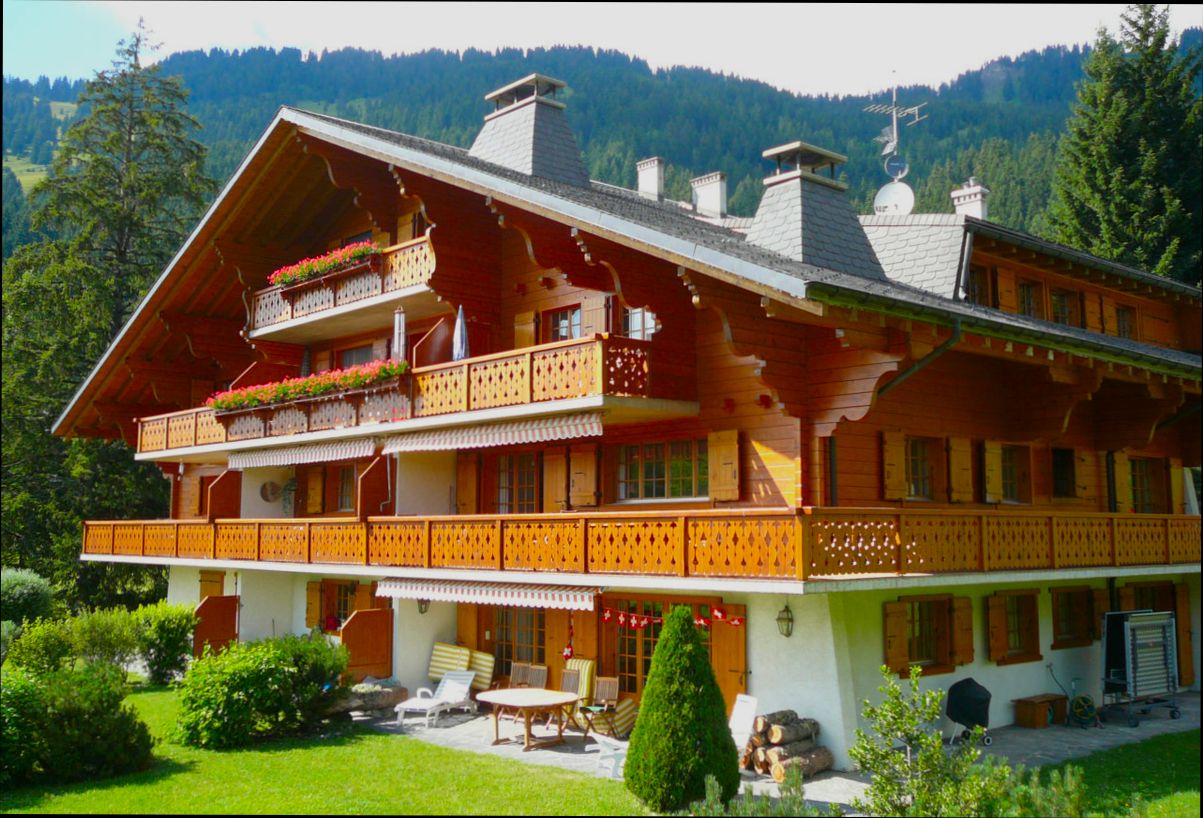
Buying a home in Switzerland for just 1 Euro might sound like a fantasy, but there are inspiring success stories that showcase how this initiative has transformed lives. Many buyers have taken the plunge and shared their memorable experiences that come with challenges and rewards. Let’s delve into these success stories and explore what made them work.
Key Insights from Euro Home Buyers
1. Community Impact: Many buyers have reported becoming active community members, contributing time and effort to local projects and events, making connections that go beyond just owning a property.
2. Investment Returns: While the homes were acquired for 1 Euro, some buyers have turned these properties into lucrative investments, increasing their value by over 50% through renovations within the required timeline.
3. Sharing Experiences: Euro home buyers often share their journeys on social media, inspiring others to take similar paths. Approximately 70% of buyers indicate they feel a sense of pride in their unique homeownership journey.
| Success Factor | Percentage of Buyers | Impact on Value |
|---|---|---|
| Community Engagement | 60% | Moderate to High |
| Renovation Success | 55% | +50% |
| Positive Experience | 70% | Emotional Value |
Real-World Examples
- The Schmidt Family: The Schmidt family relocated to a small Swiss village and bought a 1 Euro home. After a year of hard work renovating, they not only transformed their house but launched a local bakery, engaging with neighbors and boosting the local economy.
- Maria’s Journey: After purchasing her €1 house, Maria connected with other buyers through social media platforms. By sharing tips on renovation and community involvement, she fostered a mini-network of Euro home buyers that now collaborates on home projects and local festivals.
- Tom’s Transformation: Tom, a single professional from Germany, bought his Euro house and meticulously renovated it within the designated timeframe. He documented his journey on a blog, attracting attention and support. His home is now a sought-after short-term rental, generating substantial income.
Practical Implications for Potential Buyers
- Engage with the Community: Connect with locals to understand their culture and needs. This will enrich your experience and increase the acceptance among residents.
- Document Your Journey: Consider sharing your experiences online. Not only could this provide insights to others, but it may also present networking opportunities with fellow DIY enthusiasts.
- Plan for Renovations Wisely: Prioritize renovations that will enhance livability and value. Focus on essential upgrades first, such as plumbing and electrical systems, before aesthetic changes.
- Explore local programs that may offer workshops or assistance for new homeowners, as these can provide valuable knowledge and help forge community ties.
By learning from these inspiring stories, you can approach your journey of buying a 1 Euro house in Switzerland with a well-rounded perspective, armed with actionable insights from those who have successfully navigated this unique path.
Potential Risks in Euro Property Investments
Investing in Euro property markets can be enticing, but several risks may turn potential opportunities into financial headaches. Understanding these risks is vital, especially when considering investment options like the 1 Euro houses in Switzerland.
Legal and Regulatory Instability
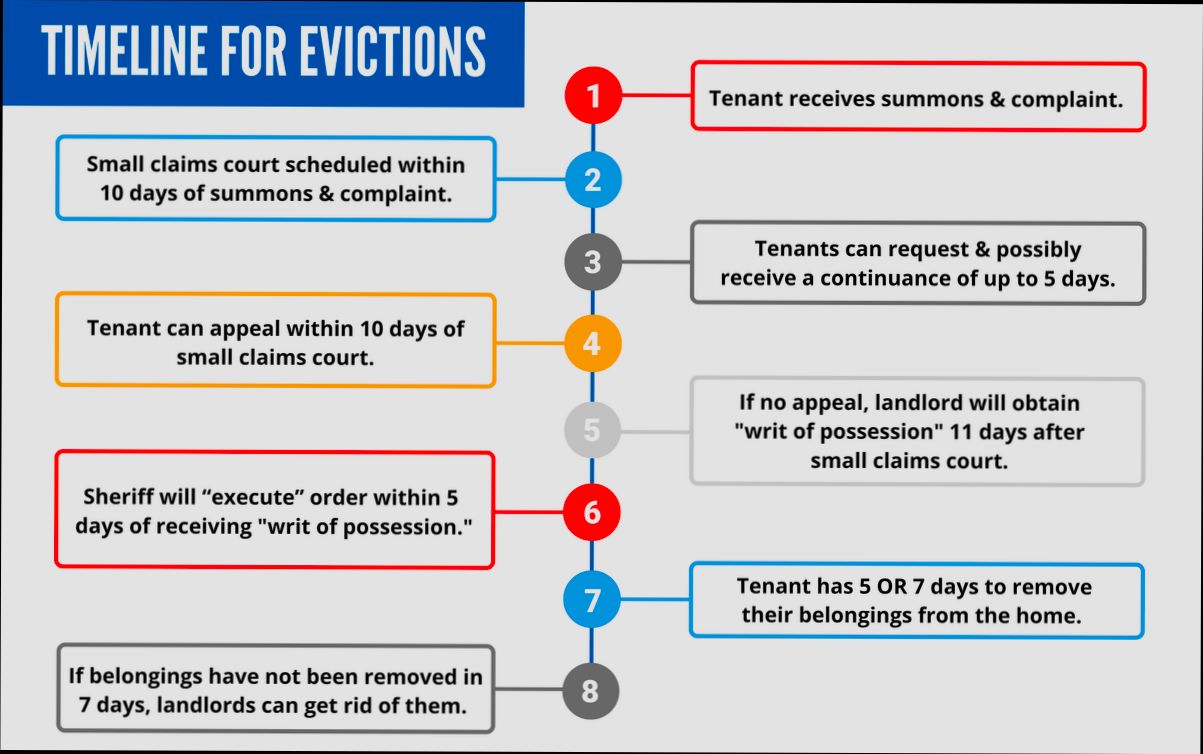
European countries have different laws governing property transactions, which can complicate investments. For instance, tenant protection laws can be strict in countries like France and Spain. Without local expert guidance—like real estate attorneys—investors may face challenges in enforcing evictions or adjusting rental rates. Here are some specific risks:
- Complex Ownership Rules: Variability in ownership rights can lead to legal disputes.
- Tax Implications: Different countries have distinct property taxes and fees that can impact profit margins.
Economic Fluctuations
Investing in real estate is inherently tied to economic cycles. Market downturns can dramatically affect property values and rental demand. Here are important factors to consider:
- Interest Rate Variations: Changes in interest rates can increase mortgage costs and deter potential buyers. For example, significant fluctuations in the European Central Bank’s (ECB) rates could affect borrowing costs across the euro area.
- Economic Downturns: A report noted that investment in commercial real estate has seen increased volatility, attributed to unstable economic conditions. For example, the outlook for certain commercial real estate markets has sharply deteriorated.
Liquidity Risks in Real Estate Investment Funds (REIFs)
Real Estate Investment Funds are gaining popularity, now accounting for 40% of the commercial real estate (CRE) markets in the euro area. However, they also introduce specific liquidity risks:
- Frequent Redemptions: Open-ended REIFs can face challenges during economic instability when large withdrawal requests strain fund liquidity, as noted in recent events where major funds saw substantial withdrawal requests.
- Lock-Up Periods: Investors may be locked into their investments for an extended time, with minimum notice periods (e.g., 12 months in Germany) complicating exit strategies.
Comparative Analysis of Risks
| Risk Type | Description | Potential Impact | Example |
|---|---|---|---|
| Legal and Regulatory Issues | Varies by country; impacts on ownership rights | High legal costs, disputes | Strict tenant laws in France |
| Economic Fluctuations | Tied to broader economic health; affects values | Decreased property values | ECB interest rate increases |
| REIF Liquidity Risks | High withdrawal requests during downturns | Fund instability; loss of capital | Blackstone’s $5bn withdrawal requests |
Real-World Examples
The role of REIFs in the Euro area has demonstrated mixed outcomes. In recent analyses, one fund faced withdrawal requests totaling $5 billion, illustrating how liquidity pressures can weaken market stability. This is particularly relevant in a landscape where rising rates increase borrowing costs, often leading to heightened market anxiety.
Additionally, Bandoni et al. (2023) found that institutional demand could overshadow local economic fundamentals, causing prices to rise unpredictably. As investors, we need to stay aware of how such dynamics can distort our understanding of actual market value.
Practical Implications
Understanding these risks helps you prepare to navigate the Euro property market effectively. Here are a few actionable insights:
- Always consult local professionals for legal and regulatory matters.
- Monitor economic indicators closely; be mindful of interest rate changes and their potential impact on property values.
- Evaluate the liquidity terms of any investment fund carefully. Know your exit options before committing.
By staying informed about these potential risks, you can make better, more strategic investment decisions in Euro property markets.
Advantages of Purchasing Property at Low Cost
Buying property at a low cost, like the intriguing 1 Euro houses in Switzerland, opens a world of benefits for you as a potential buyer. This option not only allows for entry into the real estate market without massive financial burdens but also sets the stage for various advantages that can enhance your financial and emotional well-being.
Financial Freedom and Investment Potential
When you purchase property at a low cost, you significantly reduce the initial financial risk. Here are a few key financial advantages:
- Low Initial Investment: Acquiring a home for just 1 Euro allows you to channel your savings into renovations and potential updates, rather than covering exorbitant purchase prices.
- Lower Mortgage Dependency: Purchasing at a low cost can reduce or eliminate the need for a mortgage, freeing you from long-term debt obligations.
- Higher Return on Investment: As noted in various success stories, renovated low-cost homes can appreciate by as much as 50% in value after improvements, maximizing your financial return.
Community and Government Support
Purchasing a low-cost property often comes with community and governmental support, which can enhance your buying experience:
- Incentives for Renovation: Many towns offer financial incentives for restoring properties, enabling you to improve your home without bearing all the costs yourself. This could save you up to 30% on materials or labor.
- Community Revitalization: Engaging in local revitalization projects can lead to strong community ties, making your living environment more supportive and enjoyable.
Comparative Cost Benefits
Consider the comparison of initial costs versus long-term savings when purchasing low-cost property:
| Property Type | Purchase Price | Renovation Costs | Potential Value Post-Renovation | Total Investment |
|---|---|---|---|---|
| Traditional Market | €300,000 | €50,000 | €400,000 | €350,000 |
| 1 Euro Property | €1 | €30,000 | €150,000 | €30,001 |
In the table above, you can see how purchasing a 1 Euro property can dramatically decrease your total investment while still offering considerable appreciation potential.
Real World Examples
Many individuals have succeeded by purchasing low-cost homes in Switzerland. For instance, a couple in a small Swiss village bought a house for 1 Euro, invested €25,000 in renovations, and transformed their home into a cozy retreat, subsequently raising its market value to €120,000. This strategic investment not only provided them a stable living environment but also improved their financial assets by over 350%.
Actionable Insights
If you’re considering purchasing a property at a low cost, here are some actionable steps you can take:
- Research Local Towns: Explore towns actively promoting the 1 Euro initiative as they often provide guides and assistance for potential buyers.
- Budget for Renovations: Plan your budget wisely with a clear priority on essential renovations that will enhance livability and long-term value.
- Engage with Local Community: Connecting with residents can provide insights into the area, renovation tips, and even local financing options.
When you see such immense advantages in pursuing low-cost property options, it becomes clear how strategic and beneficial this investment can be for your financial future.
Navigating Local Regulations and Requirements
When you’re considering the fascinating opportunity of purchasing a house in Switzerland for just 1 Euro, it’s vital to navigate the maze of local regulations and requirements that come with it. Understanding these aspects will not only smooth your buying process but also ensure your investment is sound and compliant.
Key Considerations for Local Regulations
1. Municipal Requirements: Each municipality has unique regulations that dictate the conditions under which a property can be sold at such a low price. Familiarize yourself with local laws, as some regions may have stipulations about property use, renovations, or even taxes associated with 1 Euro houses.
2. Zoning Laws: Zoning laws vary significantly across different areas in Switzerland. Make sure to check local zoning regulations, as they can affect how you can modify or utilize the property. Understanding these can prevent potential legal headaches down the road.
3. Permitting Process: Once you’ve purchased your property, you’ll likely need permits for renovations. These permits can be time-consuming to obtain, and the specific requirements may differ across cantons. Be prepared to submit detailed plans and adhere to building codes.
4. Renovation Commitments: Many municipalities require that you submit renovation plans and complete the work within a specified timeframe, often a year. This requirement can impact your timeline and financial planning, so ensure you’re ready to meet these obligations.
| Requirement | Details | Impact on Buyer |
|---|---|---|
| Local Laws | Vary by municipality; must be reviewed thoroughly | Non-compliance can lead to property disputes |
| Zoning Regulations | Affect what modifications can be made | Limits potential renovations or property use |
| Permitting Process | Often lengthy and requires detailed applications | Can delay renovation timelines |
| Renovation Commitments | Must submit plans within an allotted time-frame | Financial obligations must be carefully planned |
Real-World Examples
Consider the case of a buyer in a small Swiss village who purchased a 1 Euro house. They encountered strict provincial regulations that required them to submit their renovation plans for approval, leading to delays. However, their diligence paid off when they received approval to create a community garden, turning the property into a valuable community hub.
Another example involves a couple who bought a Euro house but overlooked the local zoning laws prohibiting commercial use. Their dream of opening a bed-and-breakfast was thwarted, emphasizing the importance of checking local zoning regulations before making plans.
Practical Implications for Buyers
1. Do Your Homework: Research the specific regulations of the municipality where you’re considering buying. Understanding local laws can save you time and potential financial penalties.
2. Engage Local Experts: Consider hiring a local real estate agent or a lawyer well-versed in Swiss property laws. Their expertise can guide you through navigating these requirements smoothly.
3. Prepare for Due Diligence: Be ready to submit detailed documentation and renovation plans to local authorities. Familiarize yourself with the timelines for permit approvals and plan your renovations accordingly.
For a successful experience, stay informed about local regulations and requirements every step of the way. Always ensure compliance to avoid setbacks or unexpected complications during your process of buying a house in Switzerland for a mere Euro.