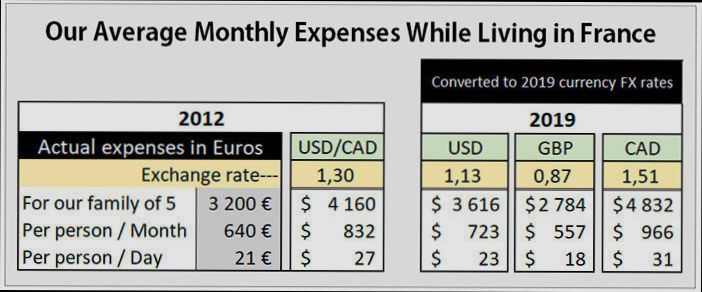
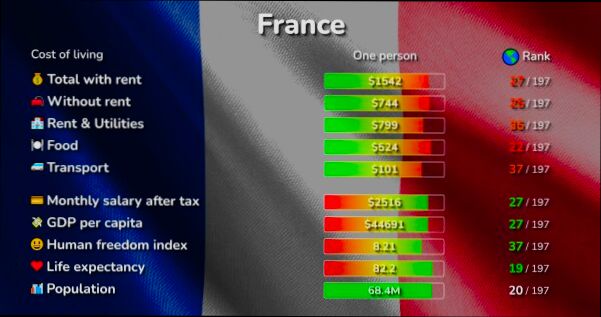
What is the Cost of Living in France? Well, let’s dive right in! Picture this: a cozy apartment in Paris can easily set you back around €1,000 per month for a one-bedroom in the city center, while you can find similar digs in Lyon for about €700. If you’re planning to grab a meal out, expect to fork over around €15 to €25 for a decent dinner at a restaurant, but if you stick to cafes, a simple baguette sandwich can be as low as €5. And don’t forget about your morning coffee—your average café will serve you a café au lait for around €3, making those little indulgences add up quickly.
Housing isn’t the only expense that can catch you off guard. Utilities like electricity, heating, and water typically run about €150 per month, while your internet bill could hover around €30. Transportation costs vary, too; if you’re in Paris, a monthly metro pass will cost you about €75, but in smaller towns, a bike or even walking may be all you need. Groceries can be reasonable, with a dozen eggs going for about €3 and a liter of milk around €1. It’s clear that your budget can shift dramatically depending on where you land in France.
Housing Expenses in Major French Cities
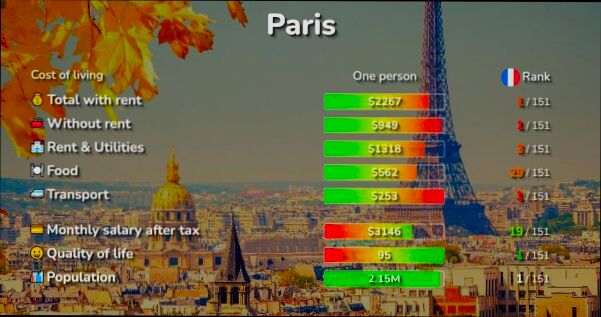
When considering the cost of living in France, housing expenses are typically your most significant monthly outlay. Major French cities, while rich in culture and opportunities, can also be pricey when it comes to rent and utilities. Let’s dive into the specifics of housing costs across some of France’s largest urban centers.
Rental Prices Across French Cities
Housing costs vary widely across different cities, affecting how much of your budget you’ll need to allocate for rent. Here’s a quick look at average rental prices:
| City | Private Room | Studio | 1-Bedroom Apartment |
|---|---|---|---|
| Paris | €700 | €1,326 | €1,802 |
| Lyon | €550 | €1,000 | €1,626 |
| Nice | €595 | €750 | €1,061 |
| Bordeaux | €550 | €609 | €1,020 |
| Marseille | €460 | €600 | €733 |
| Strasbourg | €550 | €659 | €890 |
| Montpellier | €495 | €650 | €800 |
Key Insights on Housing Costs
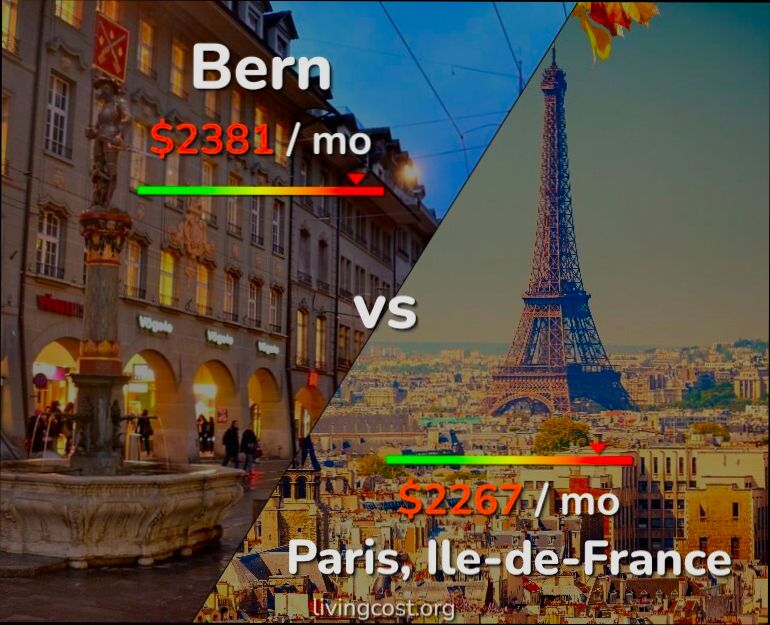
1. Paris is the most expensive city: With a one-bedroom apartment costing an average of €1,802, Paris rental costs far exceed those of other cities. If you’re looking to save, consider less central districts or student-friendly areas like the Latin Quarter.
2. Cities like Marseille and Lyon offer more affordable options: A one-bedroom apartment in Marseille averages €733, while Lyon’s is about €1,626. These cities not only have reasonable costs but also vibrant cultural scenes.
3. Utilities can add to your monthly expenses: The average monthly utility cost in France is around €189, which includes water, electricity, and gas. For instance, in Marseille, you might spend about €79 on electricity and €70 on gas, adding up to an essential monthly cost.
4. Local amenities influence rental prices: Areas near public transport, schools, and shopping hubs tend to have higher rents. For example, a studio in central Lyon costs much more than one located in the suburbs.
5. Bordeaux and Montpellier are rising stars: With costs averaging €1,020 and €800 respectively for one-bedroom apartments, these cities offer a balance of affordability and lifestyle, attracting younger populations and families alike.
Real-World Examples
- Paris: If you’re a student and can find a private room for €700, you could significantly reduce your housing expenses compared to renting an entire apartment.
- Marseille: Here, a private room at €460 is a budget-friendly option, perfect for those looking to live affordably while enjoying the sunny Mediterranean lifestyle.
- Strasbourg: In this charming city, you can rent a one-bedroom apartment for around €890, making it an appealing choice for young professionals and students.
Practical Implications for Housing Costs
If you’re planning your move or are currently residing in one of these cities, here are some actionable tips:
- Consider subletting or sharing: This can significantly reduce your monthly rent and make living in pricier cities like Paris or Lyon more manageable.
- Shop around for utilities: Look for energy-efficient apartments and compare utility costs to reduce your monthly expenses.
- Utilize student benefits: If you’re enrolled in an educational institution, you may qualify for subsidized rents or special transport passes, helping you save on overall living expenses.
Understanding the housing landscape in major French cities empowers you to make informed decisions about where to live and how much to budget. By evaluating rental prices and utilities, you can optimize your financial plan and enjoy all that France has to offer.
Understanding Grocery Prices in France
Navigating grocery prices in France can feel daunting at times, especially if you’re new to the culture and market dynamics. Understanding what to expect when it comes to food costs will help you budget effectively and make the most of your culinary experiences.
Grocery Price Overview
Grocery prices in France vary by region, type of store, and product. On average, you can expect to spend about €250 to €400 per month on groceries alone, depending on your lifestyle and family size. Here are some key points to keep in mind:
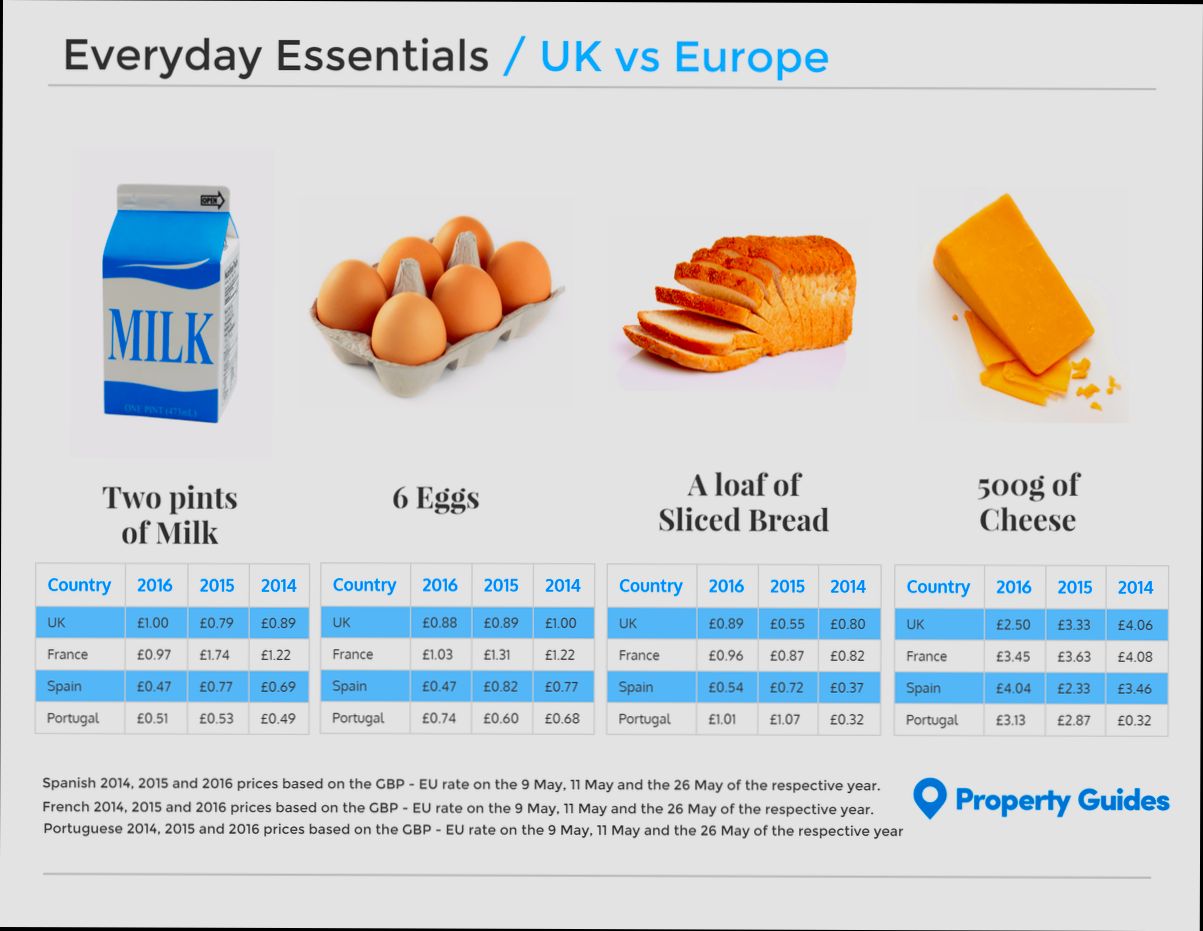
- Basic Essentials: Common items such as milk, bread, and eggs are relatively affordable. For instance, a liter of milk costs approximately €1.20, while a loaf of bread is around €1.00.
- Fresh Produce: Fresh fruits and vegetables can be quite affordable, particularly if you shop at local markets. Seasonal produce can often be found at lower prices; for instance, apples may cost about €2.50 per kilogram.
- Meat and Dairy: Prices can vary significantly. Chicken breast is typically priced at €7.00 per kilogram, while cheese could range from €10.00 to €15.00 per kilogram, depending on quality and type.
Comparative Grocery Price Table
| Grocery Item | Estimated Price in Euros |
|---|---|
| Milk (1 liter) | €1.20 |
| Bread (loaf) | €1.00 |
| Eggs (dozen) | €3.00 |
| Chicken breast (1 kg) | €7.00 |
| Cheese (1 kg) | €10.00 - €15.00 |
| Apples (1 kg) | €2.50 |
Real-World Examples
Let’s take a look at some real-world examples to illustrate grocery shopping in France:
- Local Supermarkets: Visiting a chain store like Carrefour or Intermarché can significantly influence your grocery costs. Shopping at these larger supermarkets might offer promotions that lower prices on bulk items. For instance, purchasing a pack of 24 eggs could be reduced to around €2.50 during sales.
- Farmers’ Markets: For those who prefer fresh produce, local markets can be a treasure trove. A recent survey indicated that shoppers at these markets could save up to 30% on fruit and vegetables compared to supermarkets. For example, buying tomatoes at a market might cost you €3.00 per kilo, but the same quantity could be around €4.50 in stores.
Practical Implications for Shopping
Knowing the ins and outs of grocery shopping in France can help you budget more effectively:
- Shop seasonally: Focus on seasonal fruits and vegetables to save money while enjoying the best flavors.
- Use loyalty cards: Many supermarkets offer loyalty programs that provide discounts and special offers, which can lead to significant savings over time.
Actionable Advice
As you plan your grocery purchases in France, consider these tips:
- Explore Local Markets: Don’t hesitate to visit local markets for fresh produce. Not only will you enjoy better prices, but you’ll also get a taste of regional specialties.
- Plan Your Meals: By planning your meals around what’s on sale or in season, you’ll make the most of your grocery budget.
- Comparison Shop: Take the time to compare prices at different stores. This can help you identify the best places for specific items.
Cost of Transportation and Commute
Understanding the costs associated with transportation and commuting in France is essential for anyone looking to manage their budget effectively. Transportation expenses are a significant part of your daily life in France, influencing how much you spend relative to your income.
In 2022, transportation accounted for approximately 15% of the average household’s spending, making it the second-largest expense after housing. Interestingly, the financial implications of transportation vary widely among different income groups. Households earning less than $25,000 typically spent 38% of their after-tax income on transportation, whereas those in higher income brackets allocated a smaller share—about 25%—to these costs.
Key Statistics on Transportation Costs
- Income Disparity: Lower-income families (with an earner) faced a staggering transportation cost burden, spending about 36% of their after-tax income compared to 25% for higher-income households.
- Cost Trends: From 2019 to 2022, the transportation cost burden saw a notable decline, falling by 9 percentage points overall. However, the impact on lower-income families remained substantial, as they spent around 30% of their after-tax income on transportation.
- Vehicle Ownership: In 2022, only 3% of households with a before-tax income of roughly $25,000 owned a vehicle, showing a stark contrast in transportation options available based on income levels.
Transportation Expense Breakdown
| Income Group | Percentage of After-Tax Income Spent on Transportation |
|---|---|
| Low Income (< $25,000) | 38% |
| Average Income | 30% |
| High Income | 25% |
Real-world examples highlight how these statistics play out in everyday scenarios. For instance, a lower-income individual relying on public transportation may choose to spend on monthly transit passes that can vary based on the city. In Paris, a monthly Navigo pass costs about €75, while in smaller cities, it might be less than €50.
Practical Insights
- Leasing vs. Owning: If you are considering a vehicle, weigh the pros and cons of leasing versus purchasing. For those in higher-income brackets, owning may provide long-term savings despite higher upfront costs.
- Public Transport: Utilizing public transportation can drastically reduce commuting costs. Cities like Lyon and Marseille offer extensive networks of buses and trams that are economical alternatives to owning a car.
- Biking as an Option: Many cities now support cycling with improved infrastructure, including bike lanes and rental services, which can be a cost-effective and healthy way to commute.
Consider adjusting your commuting methods, whether it’s through public transport options, carpooling, or biking, to suit your budget and lifestyle while navigating the transportation landscape in France effectively.
Analyzing Recent Cost of Living Statistics
Understanding the current state of cost of living statistics in France offers invaluable insight for newcomers and long-term residents alike. By evaluating various metrics, we can better assess how different factors impact our budgets.
Key Cost of Living Statics
Recent studies reveal that the overall cost of living in France has seen notable fluctuations, particularly in response to global economic conditions. Here are some key points to consider:
- Average Monthly Expenditure: The average household in France spends approximately €3,013 per month in 2023. This data does not include housing, which shows the essential costs associated with living in France without factoring in your shelter.
- Inflation Rates: As of the latest data, inflation remains a significant concern. The overall inflation rate for consumer prices peaked at about 6.1% this year, which directly influences everyday spending on goods and services.
- Utilities Costs: The average expense for basic utilities (electricity, heating, cooling, water, and garbage) has risen to around €170 per month, showcasing a 12% increase over the previous year.
- Dining Out: Eating out has also become pricier, with the average meal at an inexpensive restaurant costing roughly €15.50, reflecting a 10% hike since last year.
- Internet and Mobile Costs: The average cost of monthly internet service now hovers around €35, while mobile phone contracts can go as low as €15 but often average €25, illustrating the varying options available to residents.
Comparative Table of Cost of Living Components
| Expense Type | Average Cost (Monthly) | Percentage Increase (Year over Year) |
|---|---|---|
| Total Household Spending | €3,013 | 5% |
| Utilities | €170 | 12% |
| Dining Out | €15.50 (per meal) | 10% |
| Internet Service | €35 | 8% |
| Mobile Phone Plans | €25 | 9% |
Real-World Examples
To put these statistics into perspective, consider the case of a family living in Lyon. With a monthly budget of €3,500, they allocate approximately 30% for groceries, 25% for utilities, and around 15% for transport. This breaks down their overall expenditures in a way that matches the national averages but reflects their local cost variations.
For singles in Paris, dining out frequently can quickly elevate living costs. A couple who chooses to eat out twice a week will find their monthly food budget ballooning, emphasizing the importance of comparing costs and setting realistic dining budgets based on regional averages.
Practical Implications
These statistics highlight the growing need for prospective movers and current residents to carefully plan their budgets. With average expenditures rising, it’s crucial to:
- Adjust Your Budget: Revise your spending categories to accommodate potential rises in costs.
- Plan for Inflation: Expect annual price increases in food, utilities, and transport and adjust your savings plans accordingly.
- Explore Local Options: Check for various service providers for utilities and internet; there can be significant savings by switching or negotiating rates.
Actionable Advice
When analyzing recent cost of living statistics, remain vigilant regarding shifts in local markets. For example, monitor inflation trends in your specific area, especially if considering a move or a new job. Remember to factor in these rising costs into your future financial planning to ensure stability and comfort in your lifestyle while living in France.

Practical Tips for Budgeting in France
Navigating your finances in France can be a rewarding yet challenging endeavor, especially with the unique structures and norms that define French budgeting. With over 95 percent of employees being paid monthly, this model forces you to think differently about managing your money. Here are some practical tips to help you effectively budget while living in France.
Understand the Monthly Pay Cycle
- Monthly Payments: Most employees in France receive their salaries at the beginning of the month. This setup means you need to plan your budget around a single payment, covering all expenses for the month.
- Essential Expenses: When budgeting, prioritize your essential expenses (like rent and utilities), as these can consume a significant portion of your income right off the bat.
Track Your Spending
- Create a Spending Log: Use apps or simple spreadsheets to keep track of your daily expenditures. This will offer insight into where your money goes, allowing you to identify areas for potential savings.
- Analyze Patterns: Review your spending at the end of each month to spot patterns and adjust your budget accordingly. For example, if you notice you’re spending too much on dining out, it might be time to reduce those expenses.
| Expense Category | Average Monthly Cost (€) |
|---|---|
| Housing (Rent) | 1,500 |
| Utilities | 150 |
| Groceries | 400 |
| Transportation | 200 |
| Dining Out | 300 |
Embrace the French Culture of Dining and Shopping
- Market Shopping: Visit local markets for fresh produce at lower prices than supermarkets. Seasonal fruits and vegetables can be found for great deals, often at higher quality.
- Wine Budget: France is renowned for its wine, and you can enjoy quality for a reasonable price. Set a monthly budget for wine purchases, which can significantly enhance your social experiences without breaking the bank.
Leverage Francaise Savings Accounts
- Livret A Accounts: Consider opening a Livret A, a popular savings account in France that offers tax-free interest. It’s a great way to set aside funds for unexpected expenses or long-term savings goals.
- Automate Your Savings: Set up automatic transfers to your savings account right after you receive your salary. This can help you save consistently without even thinking about it.
Stay Informed About Public Services
- Utilize Free Public Services: Take full advantage of public services such as libraries, parks, and cultural events. Many museums offer free entry on certain days, allowing you to enjoy French culture without spending a dime.
- Health Care: Remember that France boasts a robust public healthcare system, which can save you money on medical expenses compared to many countries.
Incorporating these practices into your financial planning can significantly ease the budgeting process while living in France. Stay proactive, keep your spending in check, and enjoy the richness of French life without overspending. By understanding how the pay structure and local culture influence your budgeting, you’ll navigate the cost of living with much more confidence.

Exploring the Benefits of Living in France
Living in France has a unique charm and offers numerous advantages beyond just the stunning architecture and rich history. From the culinary delights to the scenic landscapes, let’s explore the many benefits of making France your home.
Cultural Richness and Diversity
France is renowned for its vibrant culture, encompassing art, literature, and music. You’ll find:
- Cultural Activities: With over 1,200 museums and countless galleries, art lovers have ample opportunities to immerse themselves in French culture.
- Language Benefits: Speaking French can enhance your experience, and many local communities offer language classes to help you connect with your neighbors.
Culinary Excellence
The French take great pride in their cuisine, and living in France means enjoying the freshest ingredients and culinary traditions.
- Regional Specialties: Each region offers unique culinary gems, from Burgundy’s wine to Provence’s herbs. You can indulge in the authentic flavors right where they originate.
- Affordable Dining Options: Casual bistros and local markets provide the chance to savor gourmet dishes without breaking the bank, with many affordable meals available for under €15.
Quality of Life
France consistently ranks high for quality of life, affecting everything from work-life balance to health services.
- Healthcare System: France’s healthcare system is often praised as one of the best in the world. It’s public and offers high-quality care with a percentage of costs covered, making healthcare accessible.
- Leisure Time: With an average of 30 days of paid vacation, you’ll have plenty of time to explore, relax, and enjoy the beautiful scenery.
Table of Comparative Benefits
| Benefit | Description | Average Monthly Cost |
|---|---|---|
| Dining Out | Average meal at a local bistro | €15 |
| Public Healthcare | Percentage of healthcare costs covered | 70% |
| Cultural Events | Access to museums and galleries | €0 - €15 (entry fees) |
| Vacation Days | Average annual paid vacation days | 30 |
Real-World Examples
Consider the experience of Emily, who moved to Lyon from the U.S. She discovered that the local baker offered fresh baguettes for just €1. While exploring local art festivals, she found that many had free entry, allowing her to deepen her appreciation for French culture without high costs.
In Paris, international students can access discounted rates at museums and theatres, making it easier to engage with the vibrant culture while on a budget.
Practical Implications for You
Living in France provides the chance to discover a blend of history and modernity. With its emphasis on culture, dining, and work-life balance, you’ll find lifestyle benefits that enhance your overall experience.
You can actively participate in the local community, whether it’s through cooking classes, art workshops, or simply enjoying a leisurely afternoon in a café, all while meeting diverse individuals and cultures.
- Join community events: Many towns host festivals that celebrate regional traditions, offering free entertainment and engagement.
- Take culinary classes: Many local chefs offer reasonable cooking classes, enabling you to learn while meeting others.
As you dive into the French way of life, you’ll find that both the journey and the destination offer endless opportunities to enrich your life.
Impact of Local Culture on Living Costs
When it comes to understanding the cost of living in France, local culture plays a significant role in shaping expenses. From dining habits to leisure activities, cultural nuances can influence your budget in more ways than you might expect. Let’s dive into how local traditions and customs impact your living costs in various regions of France.
Dining and Eating Out
Cultural traditions dictate how often people eat out, which can directly affect your monthly expenses. For instance, in regions like Provence, social dining is commonplace, leading to a higher frequency of dining out. On average, eating out can constitute about 25% of your monthly budget. In contrast, areas with a strong home-cooking tradition like Auvergne see lower dining costs as families often prioritize meals made at home.
Local Markets vs. Supermarkets
In some regions, such as Brittany, local markets are central to the community, promoting fresh, local produce. This can lead to varied grocery costs:
- Local market prices might be up to 15% higher than supermarkets due to freshness and sustainability emphasis.
- However, the quality often justifies the expense, especially if you enjoy cooking traditional meals.
Regional Festivals and Events
French regions celebrate countless festivals throughout the year, often presenting opportunities (and costs) for culture and entertainment. For example, if you’re living in Alsace, the wine and beer festivals can be memorable but also come with entry fees and higher food and drink costs. These local events can add an additional €200 to €300 to your monthly spending during peak seasons.
Clothing and Fashion
French fashion is another cultural highlight impacting living costs. Parisians, for instance, may spend more on clothing due to a culture that emphasizes style. This could add an estimated 10-15% more to your clothing budget compared to other French cities where casual attire is more accepted.
| Cultural Aspect | Impact on Living Costs | Percentage Influence |
|---|---|---|
| Dining Out Frequency | Higher expenditure in dining-centric cultures | 25% |
| Local Markets | Price premiums for local produce | Up to 15% |
| Festivals and Events | Additional leisure spending | €200 - €300 |
| Fashion Preferences | Increased clothing budget | 10-15% |
Real-World Examples
- In Bordeaux, traditional wine culture leads to both more frequent social gatherings centered around wine, thus increasing entertainment costs.
- Similarly, in Lyon, renowned for its local cuisine, residents may spend around €60 a month more on dining than in regions where culinary exploration isn’t as emphasized.
Practical Implications
Adapting to local cultural practices can significantly influence your financial planning. Be mindful of regional differences and lifestyle choices that could affect your spending. For example:
- Consider leveraging local markets in regions where prices remain competitive to manage grocery costs.
- Engage in community festivals but set a budget to avoid overspending during peak celebration times.
By understanding local culture and its impact on living costs, you can make more informed financial choices as you navigate life in France. Embracing these aspects can indeed enhance your experience while keeping your expenses in check.