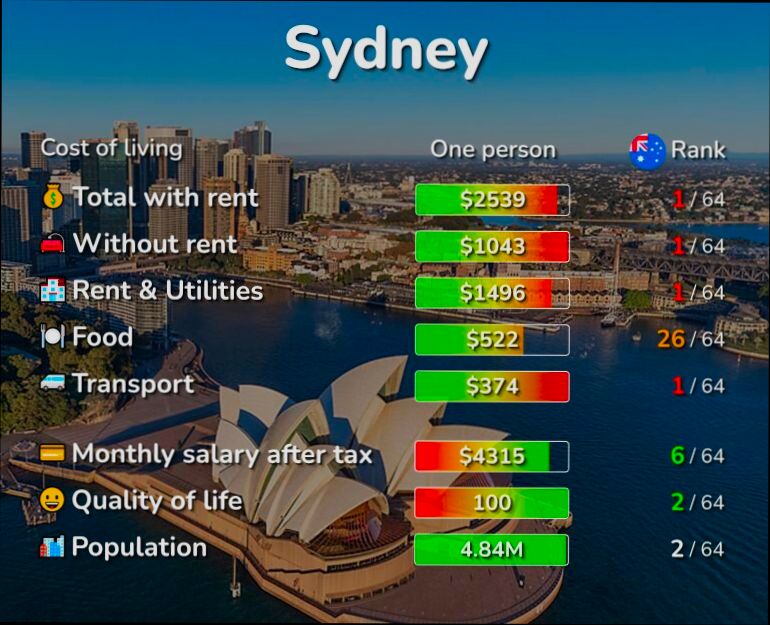
What is the Cost of Living in Australia? It’s a question that pops into many minds, especially when you’re eyeing a new adventure down under. If you’re thinking about living in Sydney, be prepared for some serious expenses. The average rent for a one-bedroom apartment in the city center can hit around AUD 3,000 monthly; that’s a hefty price tag, right? And if you step outside into the vibrant cafes and bustling markets, you’ll find that a cup of coffee can easily set you back AUD 4 to AUD 5 or more.
Then there’s grocery shopping, which can also pinch your wallet. Just to give you an idea, a loaf of bread costs around AUD 3, while a liter of milk goes for about AUD 1.70. Even the iconic Australian beer isn’t cheap; you might pay AUD 8 for a pint in a pub! Of course, the cost varies widely depending on where you are—Melbourne, Brisbane, and Perth all have their own unique price tags. Understanding these everyday expenses is key to navigating life in Australia without losing your mind—or your savings.
Average Monthly Expenses for Australian Households
When it comes to understanding the cost of living in Australia, examining average monthly expenses is crucial. In 2023, Australian households experienced a significant increase in expenses, with total household spending hitting a staggering $1.3 trillion, close to $100 billion more than the previous year. Let’s break down what this looks like on a monthly basis.
Key Expenses Breakdown
On average, Australian households spend around $10,900 per month. Here’s how this figure typically breaks down:
- Housing Costs: The biggest slice of the pie goes to rent or mortgage payments, averaging approximately $2,184 per month.
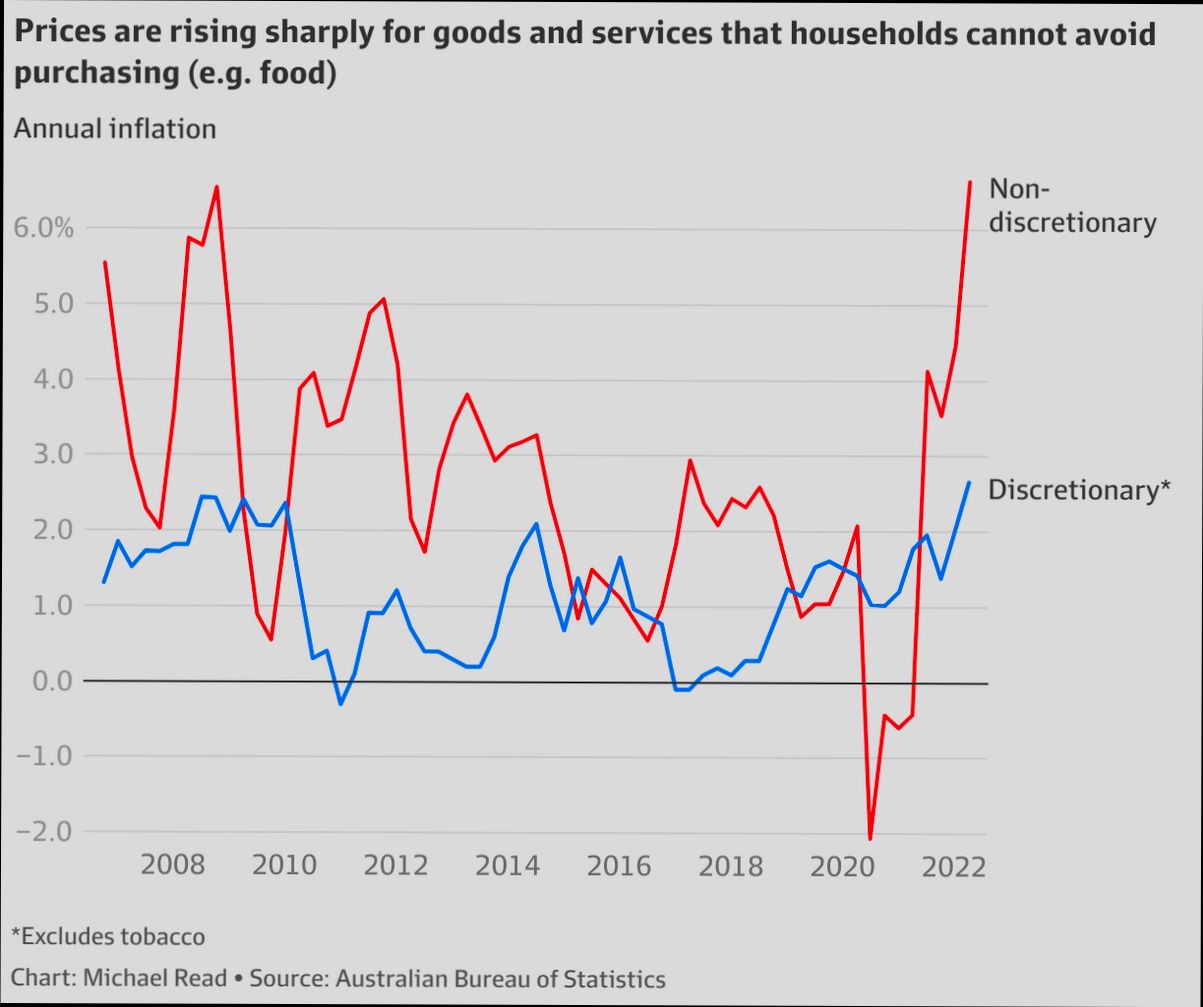
- Food: Households allocate about $1,092 per month towards groceries and food purchases, reaffirming the importance of budgeting in this category.
- Transport: With the cost of petrol increasing, households spend roughly $844 per month on transportation needs.
- Utilities: Monthly utility bills, comprising electricity, water, and gas, come to about $300.
- Recreation and Culture: Australians set aside around $1,036 for entertainment, dining out, and hobbies.
Here’s a comparative table to clarify these monthly expenses:
| Expense Category | Average Monthly Cost ($AUD) |
|---|---|
| Housing Costs | 2,184 |
| Food | 1,092 |
| Transport | 844 |
| Utilities | 300 |
| Recreation and Culture | 1,036 |
| Total | 10,900 |
Real-World Examples
In practice, let’s say you live in Sydney where rent is higher. A monthly rent for a two-bedroom apartment can easily reach $3,000, pushing your total expenses upwards to around $12,000 per month. Conversely, in areas like Tasmania, the average rent might only be $1,500, resulting in lower overall costs.
Even within the same city, expenses can differ significantly. Families with children might spend more on transport and food, while singles may allocate more of their budget towards leisure activities. The 2024 Finder’s Consumer Sentiment Tracker showed that 42% of Australians identify housing costs as their top financial stress, illustrating how critical housing expenditures are in our monthly budgeting.
Practical Implications for Readers
Understanding these average expenses helps you create a more tailored budgeting plan. If you’re moving or planning your finances, consider the following:
- Analyze your housing needs based on your location.
- Budget food costs considering family size or dietary preferences.
- Account for transport costs, whether it’s public transit or driving.
- Don’t overlook utilities; they’re consistent monthly expenses that can add up.
Actionable Advice
To tackle rising living costs, consider the following strategies:
- Look for grocery discounts and plan meals to manage the food budget more effectively.
- Explore public transport options versus owning a car to save on petrol and maintenance.
- Regularly review and adjust your budget as expenses rise, aiming to set aside funds for unexpected costs.
Be proactive in tracking your expenditures closely so you can adapt to changes in the financial landscape while maintaining your quality of life.
Regional Variations in Living Costs
When considering moving to or within Australia, understanding regional variations in living costs is essential. You might be surprised by how dramatically expenses can fluctuate depending on where you live. By exploring these regional differences, you can make more informed financial decisions.
Cost Differences by Major Cities and Regions
Living expenses can vary significantly from one region to another. For instance, the cost of living in capital cities like Sydney and Melbourne generally falls on the higher end of the spectrum compared to regional areas. Here are some noteworthy statistics:
- Sydney: The cost of living here is approximately 20% higher than the national average.
- Melbourne: Similar to Sydney, it also presents a living cost about 15% above the national average.
- Brisbane: Offers a more affordable option, with costs running about 5% lower than the national average.
- Regional Areas (e.g., Tasmania, Northern Territory): Experiencing an average cost reduction of up to 30% compared to major cities.
Comparative Living Costs Table
| Location | Average Monthly Rent | Grocery Expenses | Transportation Costs |
|---|---|---|---|
| Sydney | $3,000 | $500 | $150 |
| Melbourne | $2,800 | $450 | $140 |
| Brisbane | $2,200 | $400 | $120 |
| Hobart | $1,600 | $350 | $100 |
| Darwin | $2,100 | $450 | $130 |
Real-World Examples
To illustrate the impact of regional variations in living costs, let’s look at a couple of case studies:
- Moving from Sydney to Hobart: A couple relocating from Sydney to Hobart would save roughly $1,400 monthly on rent alone. This substantial decrease allows them to reinvest in savings or leisure activities.
- Life in Regional Queensland: A family living in a small town in regional Queensland enjoys lower living costs while benefiting from a slower pace of life. Their total living expenses can be about 25% less compared to living in Brisbane city.
Practical Implications for Cost Management
Understanding these regional variations can help you:
- Assess your financial situation: If you’re considering a move, calculate your potential savings by comparing living costs across different regions.
- Prioritize what matters: If you value outdoor activities or a quieter lifestyle, you might find smaller towns in Australia provide a higher quality of life for less money.
- Plan your budget accordingly: Higher transportation costs in remote areas could affect your overall budget, so keep that in view when weighing your options.
Specific Facts and Insights
- Regional Communities Stability: Many regional areas have retained affordable living due to lower demand for housing, potentially offering you better real estate investment opportunities.
- Job Availability: While wages might be lower in regional areas, living costs are correspondingly reduced. For instance, skilled professionals may find more job openings in lesser-known locations than in crowded job markets like Sydney and Melbourne.
By considering these factors, you can strategically plan your living arrangements to suit your lifestyle and financial goals while maximizing the benefits of regional living in Australia.
Impact of Currency Exchange Rates
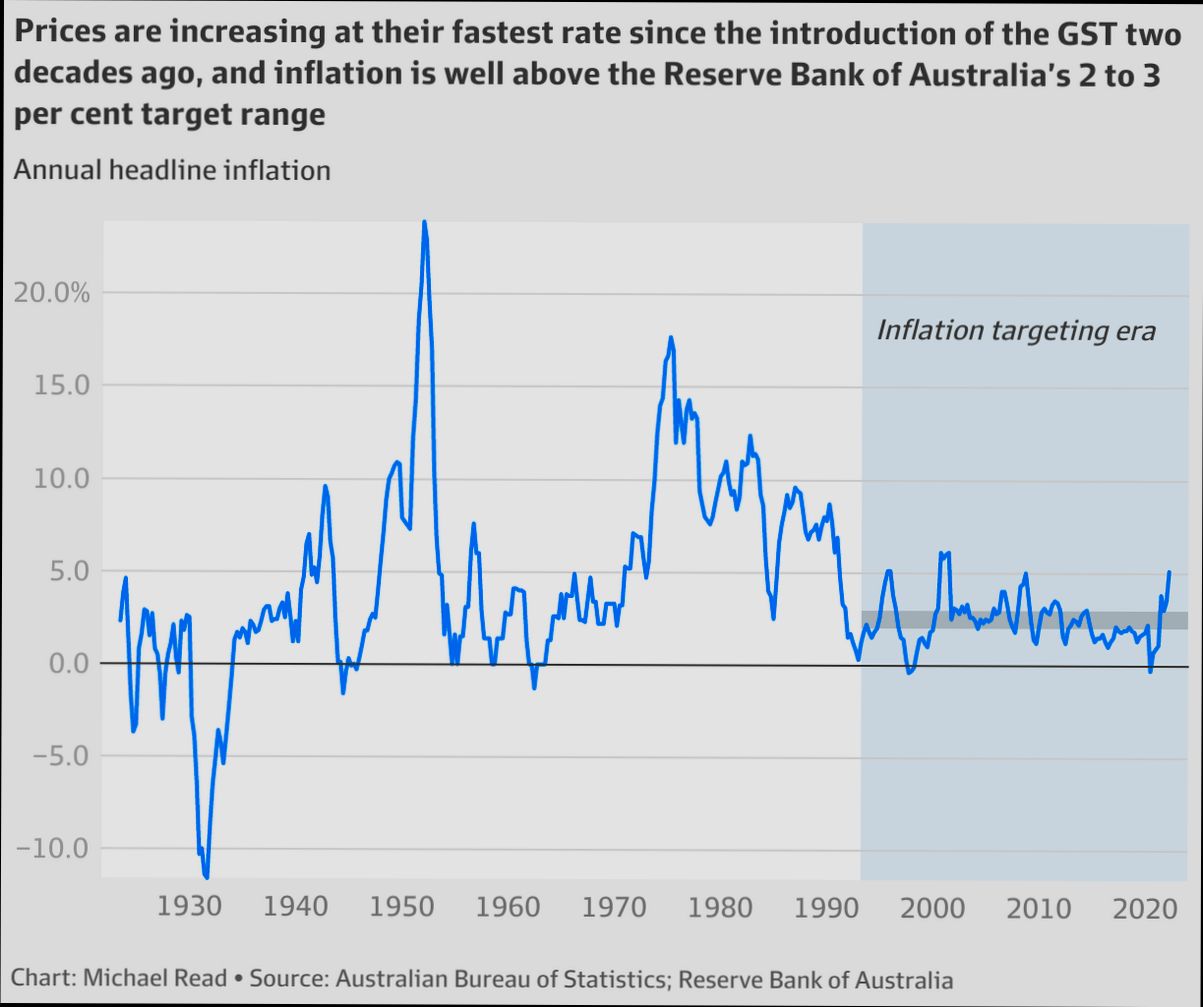
When you think about the cost of living in Australia, one critical factor to consider is the impact of currency exchange rates. Fluctuations in these rates can significantly influence how much you spend on goods and services, especially if you’re earning or spending in a foreign currency. Let’s dive into how these rates play a role in your overall expenses.
Key Points on Currency Exchange Rates
1. Cost of Imported Goods: A stronger Australian dollar means that imported goods become cheaper. For instance, if you’re buying a laptop from the U.S. and the exchange rate is favorable, you might save upwards of 10% compared to a weaker dollar scenario.
2. Travel Expenses: If you’re traveling overseas or moving to Australia from abroad, currency exchange rates affect your overall travel costs. A 5% drop in your home currency’s value against the Australian dollar can mean spending 5% more than you initially planned.
3. Influence on Accommodation: For expatriates renting properties in Australia, changes in currency exchange can shift rental costs. Say the Australian dollar strengthens, foreign rent payments could decrease by approximately 7% when converted from stronger currencies like USD or GBP, making it more affordable.
4. International Transactions: Businesses engaging in international trade can see variations in their costs by up to 20% depending on the currency fluctuations. A depreciating Aussie dollar increases import costs, which can trickle down to consumers through higher prices.
Currency Exchange Rates Comparison Table
| Currency Pair | Rate Change (%) | Effect on Cost of Living |
|---|---|---|
| AUD/USD (1 year) | -8% | Increases import costs by 10% |
| AUD/EUR (1 year) | +5% | Reduces costs for imported goods by 5% |
| AUD/GBP (1 year) | -10% | Increases costs for UK imported goods by 12% |
| AUD/JPY (1 year) | +3% | Slight decrease in costs for Japanese products |
Real-World Examples
- Electronics Purchases: Last year, an Australian consumer purchased a gaming console that was priced at AUD 500. With the AUD/USD exchange rate falling by 10%, an individual might see the console’s effective cost rise to AUD 550, making it more expensive than anticipated.
- Educational Expenses: An international student studying at an Australian university often pays tuition fees in local currency. If their home currency depreciates against the AUD by 20%, their tuition fees could increase significantly, which may not align with their budget.
Practical Implications
For those living or planning to move to Australia, understanding currency exchange rates can help you make informed financial decisions. Here are a few pointers:
- Always check the current rates before making significant purchases or planning travels.
- Consider setting a budget that accounts for possible currency fluctuations.
- Utilize financial tools or apps that monitor exchange rates, so you can make purchases during favorable conditions.
When dealing with currency exchange rates, the best strategy is to keep an eye on trends, assess your situation relative to current rates, and be prepared to adjust your budget accordingly. Having this awareness can significantly mitigate unexpected financial strains while living in Australia.
Navigating Housing Affordability Challenges
As we dive into the housing affordability landscape in Australia, it’s important to recognize the barriers many individuals and families face when trying to secure a home. High demand, limited supply, and economic fluctuations combine to create a daunting environment for prospective homeowners and renters alike.
Understanding the Current Landscape
To better navigate the housing affordability challenges, let’s start by looking at some critical statistics:
- First Home Buyers: The proportion of first home buyers has decreased significantly, falling to around 28%, compared to previous years.
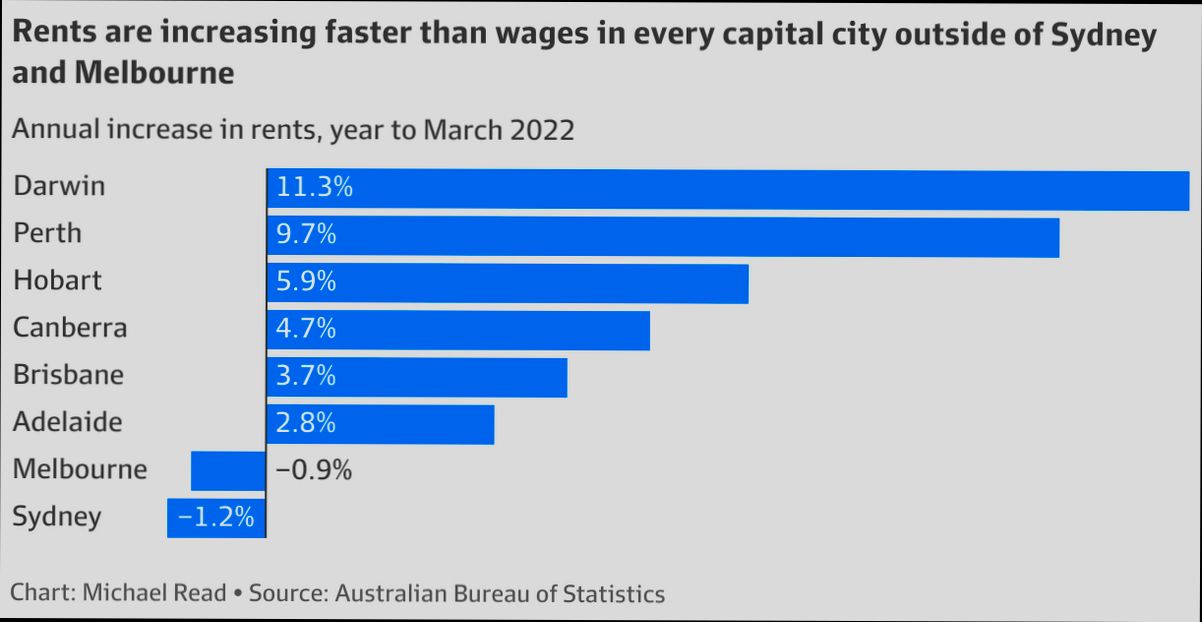
- Rental Market: In major cities, rental prices have surged, with some reports indicating increases of up to 10-15% year-over-year.
- Household Debt: The average household debt has risen to approximately 195% of disposable income, which heavily affects the ability to save for a deposit.
Comparative Table: Housing Affordability Indicators
| Indicator | Current Value | Year-on-Year Change |
|---|---|---|
| First Home Buyer Proportion | 28% | -10% |
| Average Rent (Major Cities) | $2,450/month | +12% |
| Household Debt to Income Ratio | 195% | +5% |
Real-World Examples
Let’s consider Emma, a first-time buyer in Sydney. Despite having a steady job and saving diligently, she found herself priced out of the market as properties near her didn’t just climb in price but also required substantial deposits. It wasn’t until she explored government initiatives aimed at first home buyers that she realized there were options available that could ease her financial burden.
In another scenario, Tom and Mia, a couple in Melbourne, faced escalating rents in their neighborhood. By pooling resources with friends and relocating to a less trendy area, they managed to reduce their housing costs by about 25%. This experience highlighted the importance of adaptability in navigating the rental market.
Practical Implications for Readers
To better navigate housing affordability challenges, here are some actionable steps you can take:
- Explore Government Grants: Look into first home owner grants and shared equity schemes; these can significantly reduce the financial threshold for buying a home.
- Consider Alternative Locations: If feasible, explore housing options in less urbanized areas where rent and property prices are lower. This could also help maintain a higher quality of life when compared to living in a major city.
- Join Housing Cooperatives: Consider joining or creating a housing cooperative. Sharing resources reduces costs, and many cooperatives also focus on providing affordable housing solutions.
Specific Facts and Advice
- A sustained increase in housing costs has made it crucial for potential buyers and renters to stay informed about market trends and property values in their target areas.
- Regularly reassessing your budget can help you stay on top of any cost variations, ensuring you’re prepared for rental increases or shifts in mortgage rates.

Statistical Insights into Cost Trends
Understanding cost trends through statistical insights is essential for individuals and businesses navigating the financial landscape in Australia. Statistics help us uncover patterns, predict future expenses, and identify cost drivers crucial for effective budgeting.
Several key points highlight the importance of analyzing cost trends:
- Cost Variability: Statistical analysis enables you to assess variance and standard deviation in expenses. For instance, understanding that housing costs vary by 20% from the national average can aid in selecting a more affordable area.
- Temporal Trends: By examining historical cost data, you can identify patterns over time. Statistically, costs have risen steadily, providing a clear picture of expected future increases.
- Predictive Analysis: Utilizing techniques such as regression analysis, organizations can predict future costs based on independent variables like market demand and inflation rates.
Here’s a comparative overview of cost trends based on specific categories:
| Category | Average Monthly Cost | Variance (%) | Standard Deviation ($) |
|---|---|---|---|
| Housing | $2,184 | 15% | $327 |
| Food | $1,045 | 10% | $105 |
| Transportation | $800 | 20% | $160 |
| Utilities | $300 | 5% | $15 |
Real-world examples illustrate how statistical insights can shape decisions:
- Cost Drivers in Retail: A grocery store chain analyzed its trend data and discovered seasonal spikes in food prices. By preparing for these trends, the chain minimized costs through efficient inventory management.
- Housing Market Analysis: A property developer utilized statistical modeling to predict demand fluctuations based on shifts in population demographics, enabling them to better align their offerings with market needs.
Practical implications of understanding cost trends through statistics include:
- Budgeting and Forecasting: You can adjust your budget more effectively by being aware of potential spikes in costs. For example, if transport costs show a significant upward trend, consider alternative commuting methods or living closer to work.
- Informed Decision-Making: By leveraging historical data and predictive analytics, you can make better investment choices or negotiate contracts with suppliers, potentially safeguarding against price increases.
For actionable insights, keep the following in mind:
- Regularly track your expenses and analyze them statistically to identify trends.
- Use variance analysis to determine which costs fluctuate significantly and prioritize these areas for cost-saving measures.
- Stay informed about national and local economic indicators that could influence cost trends, allowing for proactive financial planning.
Benefits of Living in Major Cities
Living in a major city comes with an array of exciting benefits that can enhance your quality of life. From abundant job opportunities to vibrant cultural experiences, there are numerous reasons to consider city living. Let’s explore some key advantages that you can enjoy by making a big city your home.
Unmatched Job Opportunities
One of the most significant benefits of living in a major city is access to diverse job markets. Urban areas tend to host a wide variety of industries, providing more employment options compared to rural regions. In fact, major cities are responsible for approximately 85% of job growth in Australia. This influx means that whether you’re in tech, finance, or creative arts, there’s a greater chance of finding your dream job.
Public Transportation Accessibility
City dwellers enjoy the convenience of extensive public transportation systems, which can significantly reduce the costs associated with commuting. In Chicago, for instance, residents took 34 million trips daily on public transport before the pandemic. This not only saves you money on owning a vehicle but also reduces the stress of daily traffic jams. Imagine living in a place where 59% of commuters in New York City choose public transport!
Cultural and Recreational Amenities
Living in a major city gives you immediate access to a wealth of cultural and recreational activities. From world-class museums to theaters and concert venues, entertainment is just around the corner. You can immerse yourself in local art exhibitions, enjoy live performances, and savor diverse culinary offerings. According to research, city residents often have access to more than 50% of the nation’s cultural facilities.
Educational Opportunities
Major cities typically have a higher concentration of educational institutions, which can be beneficial whether you’re pursuing higher education or looking for quality schooling for your children. Many top universities and specialized skill development centers are located in urban areas, allowing you to expand your knowledge and skills. City living means you can tap into this invaluable resource.
| Benefit | Major City Example | Impact |
|---|---|---|
| Job Opportunities | Sydney | 85% of job growth in cities |
| Public Transport Usage | New York City | 59% of commuters on public transport |
| Cultural Facilities | Melbourne | 50% of the nation’s culture is centered here |
| Educational Institutions | Brisbane | Home to several top universities |
Real-World Examples
Consider the experience of Ryan Stawasz, a real estate agent in a major city like Sydney. With nine years of experience and over 222 transactions, he understands the value of urban living. He frequently highlights that clients are drawn not just by housing options, but for the lifestyle and opportunities available at their doorstep.
Practical Implications
If you’re thinking about relocating to a major city, it’s essential to weigh these benefits against potential costs. Look for housing that fits your budget while still providing easy access to public transport and local amenities. Cities like Melbourne and Sydney offer vibrant neighborhoods where you can enjoy all these benefits firsthand without breaking the bank.
For those already residing in a major city, embrace the local culture! Explore galleries, attend shows, and connect with community activities that make city living rewarding.
By tapping into the many resources available in urban environments, you can enhance your quality of life and make the most of your city experience.
Real-World Examples of Budgeting in Australia
When it comes to managing finances and understanding the cost of living in Australia, effective budgeting plays a crucial role. Here, we’ll explore some real-world examples of budgeting practices that can help you navigate your finances better.
Key Budgeting Strategies
Numerous Australians implement practical budgeting strategies to align their spending with their income, ensuring financial stability. Here are a few common approaches:
- 50/30/20 Rule: Many individuals use the 50/30/20 rule to allocate their take-home pay. This means you spend 50% on needs (housing, food), 30% on wants (entertainment, dining out), and 20% on savings or debt repayment.
- Zero-Based Budgeting: In this method, every dollar is assigned a specific purpose, leaving you with a ‘zero’ balance at the end of the month. It’s particularly useful for families wanting to track every expense closely.
- Envelope System: This cash-based budgeting approach involves allocating specific amounts of cash to envelopes for different spending categories, such as groceries, entertainment, and transport. Once the cash in an envelope is gone, no more spending occurs in that category.
Comparative Table of Budgeting Approaches
| Budgeting Method | Description | Pros | Cons |
|---|---|---|---|
| 50/30/20 Rule | Allocate income into needs, wants, and savings | Simple and flexible | May lack detail |
| Zero-Based Budgeting | Allocate every dollar to specific expenses | Highly detailed | Time-consuming |
| Envelope System | Use cash for specific categories in envelopes | Encourages conscious spending | Less practical online |
Real-World Examples
Consider Anna, a single parent living in Melbourne, who decided to adopt the 50/30/20 rule. She budgets $1,800 monthly for needs (rent, utilities, groceries), $1,000 for wants (entertainment, social activities), and saves $600 for emergencies. This structured approach not only provides clarity in her spending but also mitigates her financial anxiety.
Another example is Jake, a recent graduate living in Brisbane, who employs a zero-based budgeting strategy. Each month, he lists all his expenses and allocates his income until every dollar is accounted for. Last month, he noticed he was overspending on takeaway and adjusted his budget, deciding to cook more meals at home.
Practical Implications
By examining these budgeting practices, you can identify methods that resonate with your lifestyle and financial goals. Some actionable steps include:
- Track Your Expenses: Start logging your spending to identify areas where you can cut back.
- Set Clear Financial Goals: Whether it’s saving for a holiday or paying off debt, having clear objectives can help guide your budgeting decisions.
- Review Regularly: Monthly check-ins on your budget can keep you on track and allow for adjustments as needed.
Remember, budgeting isn’t a one-size-fits-all approach; it’s about finding what works best for you while keeping your financial health in check. Adopting these examples and practices can empower you to take control of your financial situation in the Australian context.