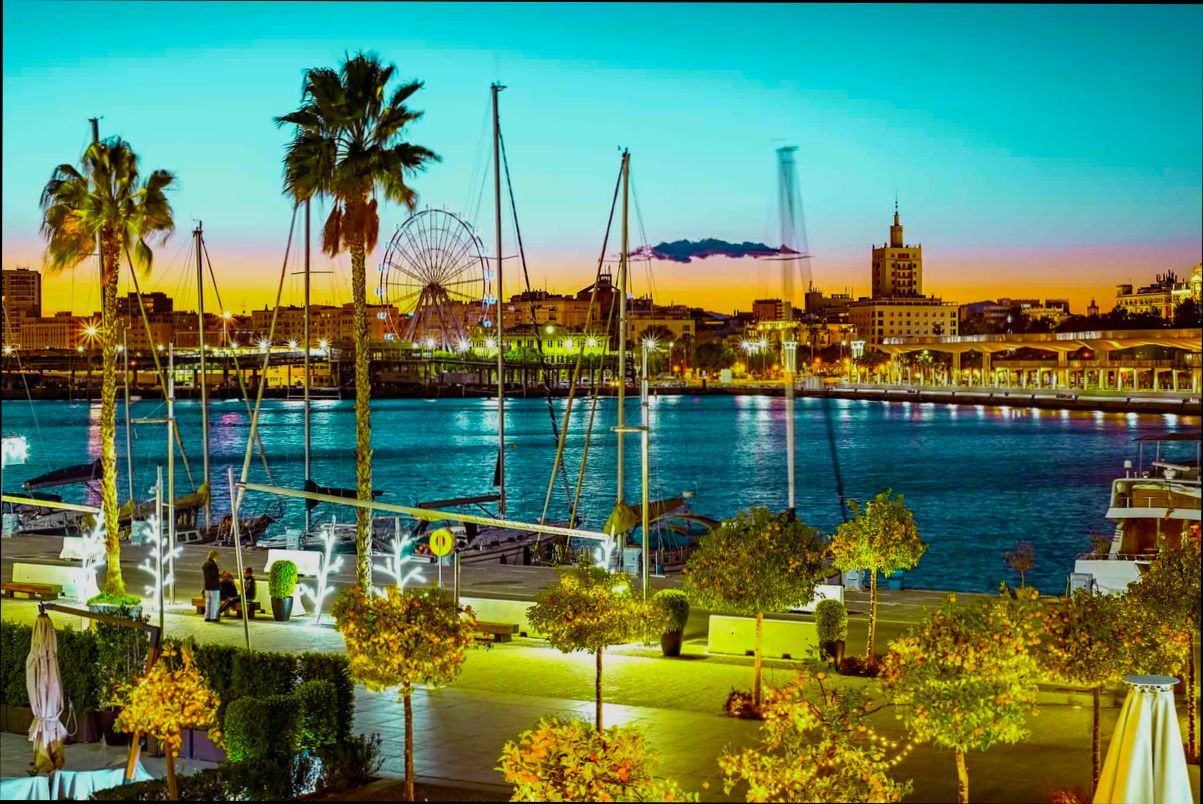
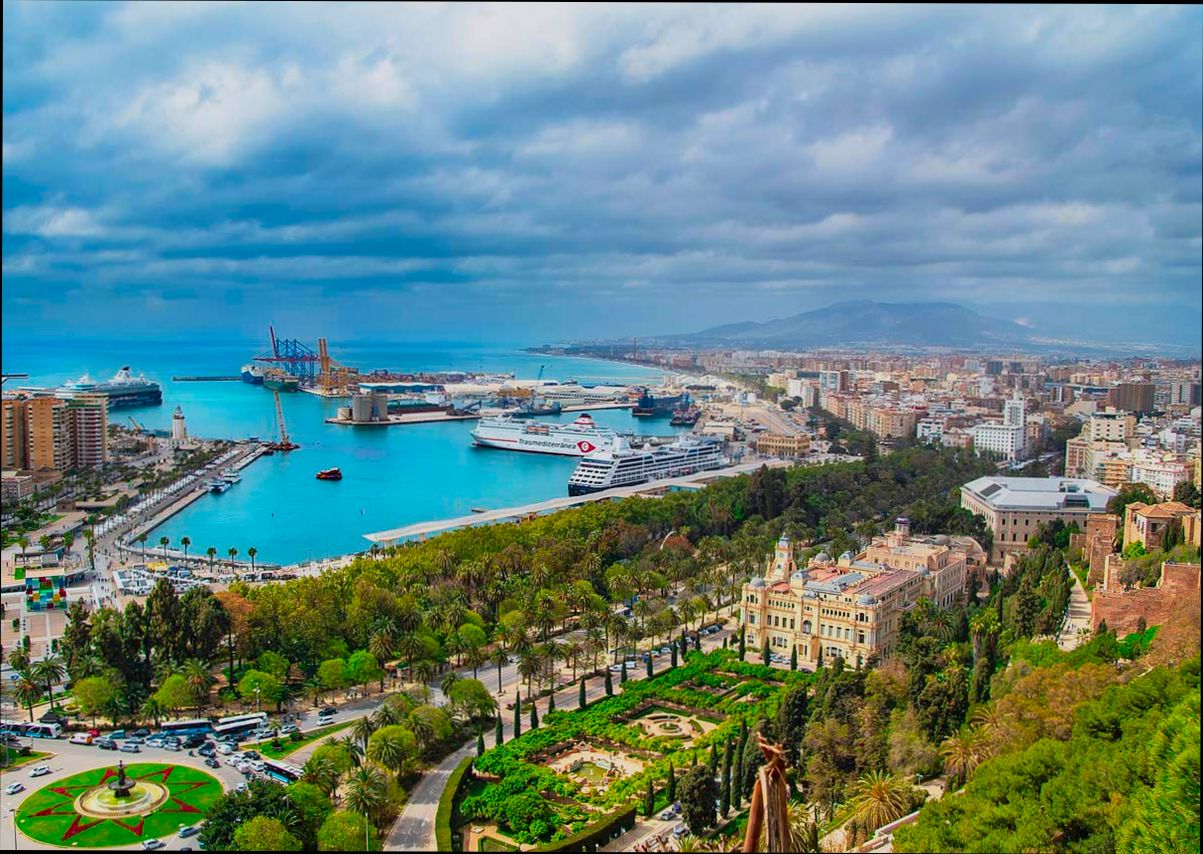
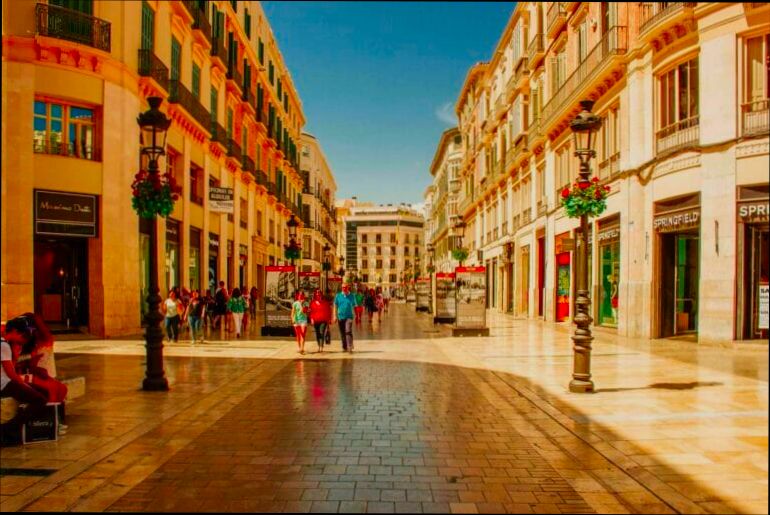
What is it like living in Málaga? Picture this: you wake up to the sound of waves lapping against the shore, the sun shining almost 300 days a year, and the scent of fresh churros wafting through the air. With a population of around 570,000 people, Málaga blends vibrant city life with laid-back beach vibes. The historic center is a treasure trove of narrow streets and charming plazas, where you can sip coffee on a terrace while people-watching or pop into one of the many art galleries that showcase local talent. The annual Feria de Málaga draws locals and tourists alike, bringing music, dancing, and colorful fiestas to the streets every August.
Living here, you’ll quickly discover that the cost of living is surprisingly reasonable—around 20% lower than in major cities like Madrid or Barcelona. Fresh produce flows from local markets like Mercado Central de Atarazanas, where you can snag juicy tomatoes or a fresh catch of the day. The food scene is a highlight, too; tapas are not just popular, they’re a way of life. Whether you’re indulging in local favorites like espetos (sardines grilled on a skewer) or savoring a gelato on a hot afternoon, every meal feels like a celebration. Plus, with the stunning beaches just a stone’s throw away, you’ll often find yourself diving into the Mediterranean after a long day.
The Cultural Vibrancy of Málaga
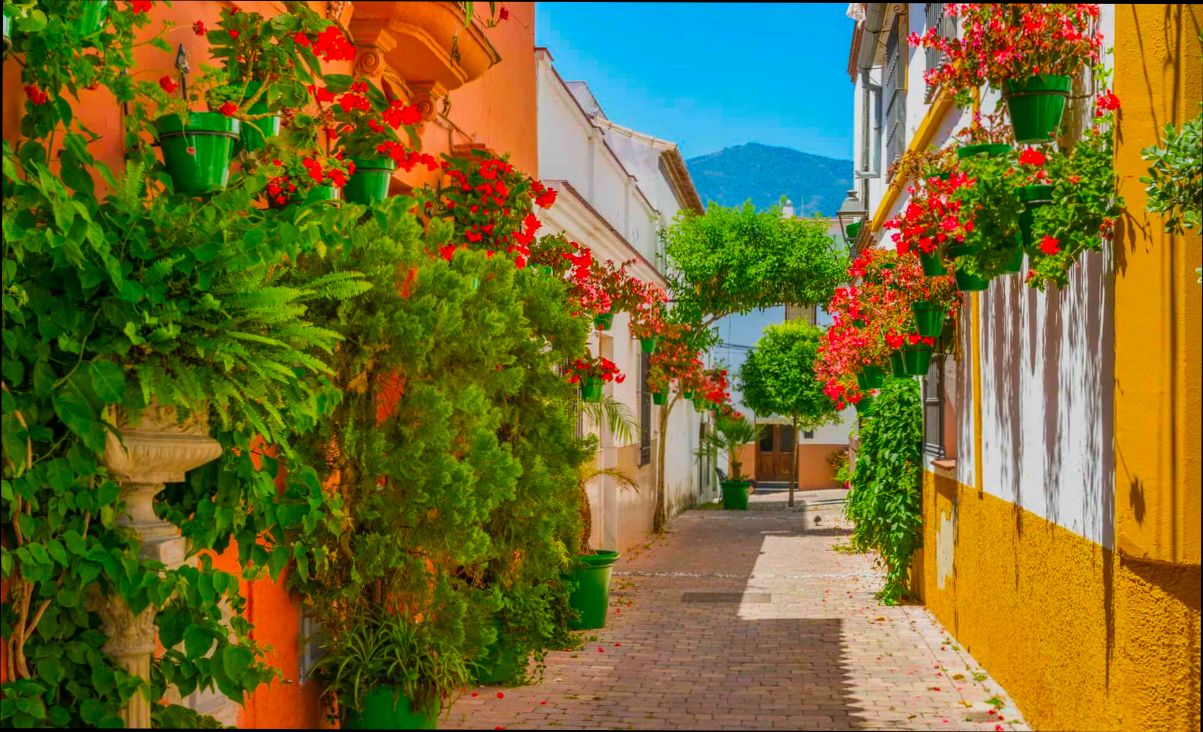
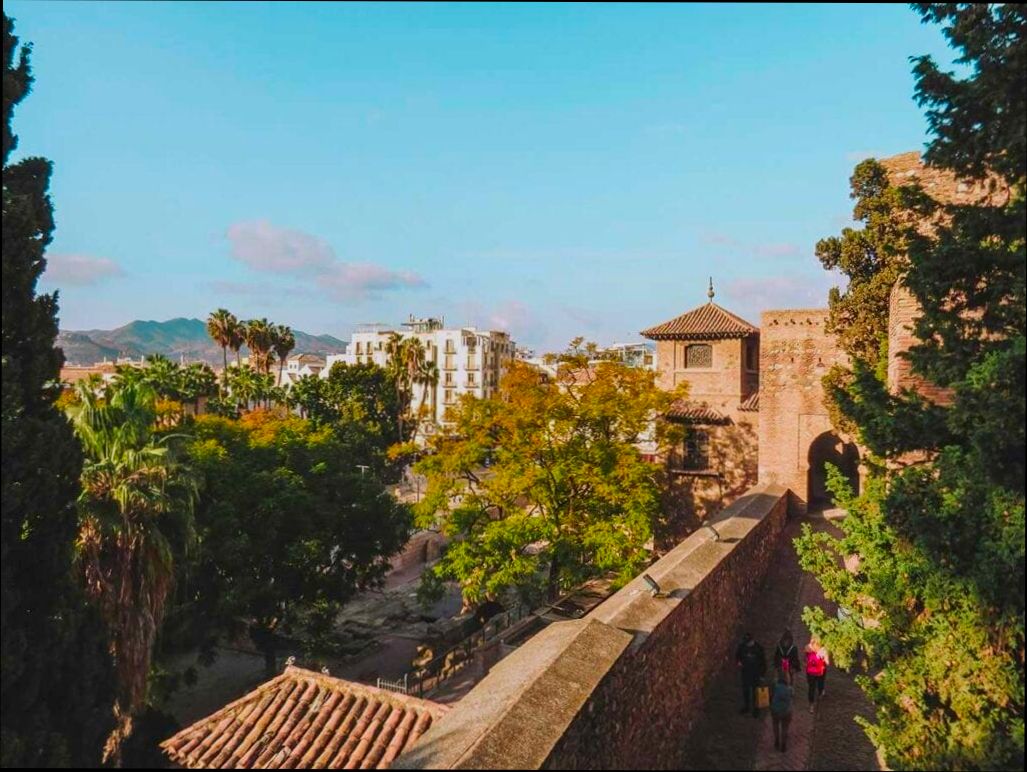
Living in Málaga means immersing yourself in a rich tapestry of culture that speaks to the heart and soul of the city. From the historical landmarks to contemporary art scenes, Málaga thrives as a vibrant hub for culture enthusiasts. Let’s delve into the specifics that make this city a cultural gem.
Key Points on Cultural Offerings
- Art Scene: Málaga boasts over 30 museums, including the renowned Picasso Museum, celebrating the city’s most famous son. Reports indicate that approximately 1.2 million visitors pass through these museums each year, highlighting the city’s stature as a cultural epicenter.
- Festivals: The Feria de Málaga, a week-long celebration held in August, attracts more than 800,000 visitors annually. This festival features traditional Flamenco performances, local food, and lively parades, showcasing the city’s deep-rooted festive spirit.
- Culinary Heritage: Málaga’s gastronomy reflects its cultural diversity, with influences from Roman, Moorish, and contemporary Mediterranean cuisines. About 70% of locals dine out frequently, taking part in the vibrant tapas culture the city is known for.
| Event/Festival | Month | Visitors per Year |
|---|---|---|
| Feria de Málaga | August | 800,000 |
| Málaga Film Festival | March | 30,000 |
| Holy Week (Semana Santa) | Holy Week | 500,000 |
Real-World Cultural Examples
One perfect illustration of Málaga’s commitment to culture is the Carmen Thyssen Museum, which showcases 19th-century Spanish paintings and attracts around 200,000 visitors a year. Additionally, the Málaga Film Festival, which highlights local cinema, has rapidly gained international acclaim, leading to a visitor increase of over 150% in the past five years.
In the sphere of performing arts, the Teatro Cervantes stands out as the premier venue for opera, theatre, and concerts, hosting more than 150 performances annually, contributing significantly to the city’s cultural fabric.
Practical Implications for Engaging with Culture
As you explore Málaga, immerse yourself by:
- Participating in Local Workshops: Join art or cooking classes that reflect the city’s cultural essence. Many local organizations offer workshops on Flamenco dancing or traditional Spanish cooking.
- Attending Cultural Events: Stay informed about local festivals through community boards or social media. Engaging in celebrations like the Feria de Málaga will give you firsthand experience of local traditions.
- Exploring Markets and Bodegas: Visit markets like Mercado de Atarazanas to experience local food and flavors, mingling with both locals and fellow expatriates, further enriching your cultural experience.
To maximize your cultural experience in Málaga, consider dedicating at least one weekend a month to exploring a new museum, attending a festival, or participating in community events. Embrace the vibrant life around you and build a deeper connection with this beautiful city’s cultural rhythm.
Cost of Living and Housing Insights
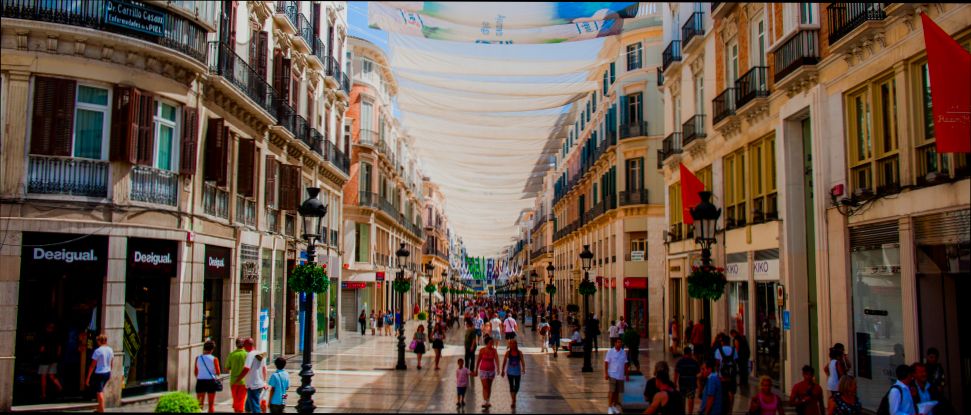
When considering a move to Málaga, understanding the cost of living and housing dynamics is crucial for making informed decisions. The city offers a comparatively affordable lifestyle while maintaining a high quality of life, especially when it comes to housing options. Let’s dive into specific insights that highlight the economic landscape of living in Málaga.
Key Cost of Living Insights
- Affordable Rent: On average, monthly rent in Málaga accounts for just under 19% of residents’ gross average income. This is significantly lower than the metric indicating that a household is rent-burdened, which typically applies to those spending more than 30% of their income on housing.
- Homeownership Expenses: For homeowners in Málaga, estate costs should ideally stay at or below 28% of a borrower’s gross monthly income. This ratio supports a more manageable financial environment for those looking to invest in property.
- Average Property Prices: The real estate market in Málaga is relatively accessible. Buyers can find properties priced more favorably compared to larger cities in Spain and across Europe, contributing to its allure for expatriates and locals alike.
Comparative Housing Costs
| Housing Aspect | Málaga | Other Cities |
|---|---|---|
| Average Monthly Rent | 19% Income | Over 30% (Rent-Burdened) |
| Homeownership Cost | ≤ 28% Income | Higher in Major Cities |
| Average Property Price | Affordable | Varies Greatly Across Regions |
Real-World Examples
Consider the experience of Maria and Juan, a young couple living in Málaga, who found a charming two-bedroom apartment in the city center for €850 per month. This figure comfortably fits within their combined gross monthly income of €4,500, allowing them to allocate less than 20% of their income to housing costs. In comparison, a similar apartment in a city like Barcelona might demand upwards of €1,500 monthly rent, which translates to a substantial financial strain for tenants.
Additionally, for those seeking to purchase property, the couple discovered that they could buy a small apartment for around €200,000, much lower than average prices in comparable European cities.
Practical Implications for Readers
If you’re contemplating relocating to Málaga, take advantage of its reasonable housing costs. Here are a few actionable tips:
- Budget Wisely: Ensure your housing expenses do not exceed 28% of your income to maintain financial stability.
- Explore Neighborhoods: Investigate different neighborhoods in Málaga, as rental prices can vary significantly, offering options suits various budgets.
- Consider Long-Term Rentals: If you find a delightful spot, opt for longer leases. This benefits you by locking in lower rates compared to the fluctuating short-term market.
By focusing on your housing budget and understanding Málaga’s cost of living dynamics, you can enjoy a comfortable lifestyle in this beautiful coastal city without breaking the bank.
Climate and Weather Patterns Year-Round
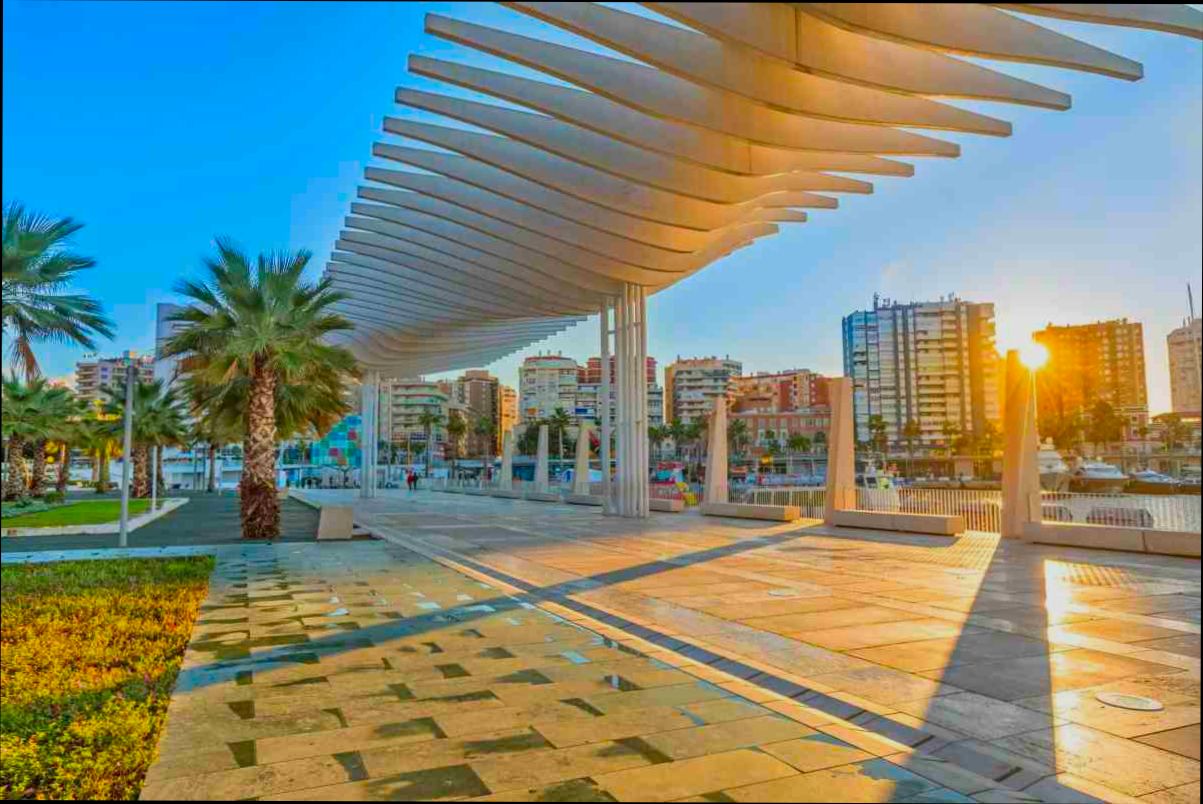
Living in Málaga means enjoying a climate that’s often described as one of the best in Europe. With hot summers and mild winters, the weather significantly influences daily life and activities. Let’s dive into the specific climate characteristics and weather patterns you can expect throughout the year in this beautiful Andalusian city.
Annual Climate Overview
Málaga enjoys a Mediterranean climate, which is characterized by the following:
- Hot, dry summers: From June to September
- Mild, wet winters: From December to February
- Gentle breezes year-round, moderated by the nearby Mediterranean Sea
Monthly Climate Breakdown
Here’s a detailed look at average temperatures and rainfall throughout the year:
| Month | Average High (°C) | Average Low (°C) | Rainfall (mm) |
|---|---|---|---|
| January | 17 | 7 | 43 |
| February | 18 | 8 | 37 |
| March | 20 | 10 | 34 |
| April | 22 | 12 | 22 |
| May | 25 | 15 | 13 |
| June | 30 | 19 | 4 |
| July | 33 | 22 | 2 |
| August | 33 | 23 | 3 |
| September | 30 | 20 | 18 |
| October | 25 | 15 | 60 |
| November | 20 | 11 | 58 |
| December | 17 | 8 | 60 |
Real-World Examples
1. Summer Fun: With average July temperatures soaring to 33°C (91°F), many locals and visitors flock to the beautiful beaches of Málaga. The warm evenings create perfect conditions for dining al fresco or enjoying nightlife.
2. Winter Retreat: January’s mild temperatures averaging around 17°C (63°F) offer a pleasant escape from colder northern climates. You might find many outdoor cultural events and festivities taking advantage of the comfortable winter weather.
3. Rainy Season Effects: October sees an increase in rainfall, averaging 60 mm, making it a pivotal month for replenishing water supplies. This is often followed by vibrant greenery in local parks and landscapes.
Practical Implications
When planning activities, it’s crucial to consider the weather patterns. During summer, it’s wise to schedule your outdoor activities in the early morning or late evening to avoid the heat. Conversely, winter is ideal for hiking in nearby natural parks, as the temperatures remain mild.
Actionable Advice
- Summer Travelers: Pack light clothing and a wide-brimmed hat for sun protection, but don’t forget a light jacket for the cooler evenings.
- Winter Residents: Embrace outdoor activities, as the mild temperatures allow for hiking, visiting historical sites, or enjoying local festivals without the summer crowds.
- Rainy Periods: If you’re in Málaga during the rainy months, keep an umbrella handy while taking advantage of lower accommodation prices in the off-peak travel season.
Understanding these climatic features will help you navigate and enjoy life in Málaga year-round effortlessly.
Access to Healthcare and Education
Living in Málaga offers you an efficient healthcare system and diverse educational opportunities, making it an attractive choice for families and individuals alike. Here, I’ll share insights into the healthcare access and educational landscape so you know what to expect.
Healthcare Access in Málaga
Málaga’s healthcare system provides residents with quality services, both public and private. A key highlight is the availability of healthcare services:
- Public Healthcare: Spain offers public healthcare to all residents, funded through taxes. The ratio of doctors to the population stands impressively at about 4.1 doctors per 1,000 residents, ensuring ample access to medical care.
- Private Healthcare: For those preferring private services, Málaga hosts numerous private clinics and hospitals. Approximately 30% of residents opt for private insurance, which often provides quicker access to specialists and elective procedures.
Education System Overview
Málaga is home to a wide array of educational institutions that cater to different needs, from public schools to international schools. Performative metrics that stand out include:
- Bilingual Education: Over 45% of schools in Málaga offer bilingual education in Spanish and English, which is advantageous for expats and non-native speakers.
- Higher Education: The University of Málaga serves around 30,000 students and offers a comprehensive range of undergraduate and postgraduate programs, contributing to the city’s vibrant academic community.
| Type of Education | Percentage of Institutions | Key Characteristics |
|---|---|---|
| Public Schools | 70% | Free education, broad curriculum |
| Private Schools | 15% | Smaller class sizes, specialized options |
| International Schools | 15% | Curriculum in various languages |
Real-World Examples
A family that relocated to Málaga shared their experience regarding the education system. They enrolled their children in a bilingual school where they found their kids thriving in both language skills and social integration. This setting not only eased their transition but also enriched their academic performance.
Furthermore, many expats report positive experiences with Málaga’s healthcare services. A resident who underwent a minor surgical procedure praised the efficiency of the private healthcare system, noting that she received quality care with minimal wait times.
Practical Implications for Readers
If you’re considering a move to Málaga, here’s what you need to keep in mind:
- Research Schools: Look into schools according to your child’s needs, especially if bilingual education is essential for your family’s future.
- Insurance Options: Evaluate both public and private healthcare options based on your personal needs and preferences. Public healthcare is available for all residents, but private insurance might be beneficial for quicker access to certain services.
- Utilize Resources: Leverage community forums and expat groups to gain insights on specific healthcare providers and educational institutions.
- Stay Informed: Always stay updated on changes in healthcare policies or educational offerings as Málaga’s services continue to evolve.
Understanding these aspects of access to healthcare and education can significantly ease your transition into life in Málaga, enabling you to make well-informed decisions for you and your family.
Transportation Options for Daily Commuting
Living in Málaga offers a variety of transportation options that make daily commuting efficient and convenient. Whether you prefer public transport, cycling, or driving, you have numerous ways to traverse the city and its surroundings.
Public Transportation
Málaga’s public transportation network is extensive and user-friendly, consisting of buses, trains, and light rail services. Here are key insights:
- Buses: The Málaga city bus system operates around 30 lines covering both the urban and surrounding areas. They run frequently, with buses departing every 10-15 minutes during peak hours.
- Metro: The Málaga Metro has two lines stretching over 20 kilometers, connecting major neighborhoods and key points in the city. It’s an efficient option for avoiding traffic.
- Local Trains: The suburb train service known as Cercanías connects Málaga with nearby towns like Torremolinos and Fuengirola. Trains arrive every 20 minutes during the day.
Cycling Infrastructure
Cycling is becoming a popular mode of transport in Málaga due to its flat terrain and growing network of bike lanes. Here’s what to know:
- Bike Lanes: The city has approximately 14 kilometers of dedicated bike lanes, enhancing safety for cyclists.
- Bike-sharing programs: Initiatives like “Málaga en Bici” provide rental bikes across the city, making it easier for residents to cycle for short commutes.
Car Travel
For those who prefer to drive, here are some important aspects of car commuting in Málaga:
- Traffic Patterns: Major roads can get congested during rush hours, particularly on weekdays from 8 AM to 9 AM and 5 PM to 7 PM. Planning your travel times can save you frustration.
- Parking Availability: There are over 10,000 parking spaces across Málaga, both on streets and in public parking garages, which can alleviate concerns about finding a spot during busy times.
Transportation Comparisons
| Mode of Transport | Frequency | Average Fare | Typical Commute Time to City Center |
|---|---|---|---|
| City Bus | Every 10-15 minutes | €1.30 | 20-30 minutes |
| Metro | Every 10 minutes | €1.35 | 15-25 minutes |
| Cercanías Train | Every 20 minutes | €2.40 | 25-35 minutes |
| Bicycle | Varies (depends on user) | €0 | Flexible |
| Car (Driving) | Varies based on traffic | Fuel cost | 15-30 minutes (can vary) |
Real-World Examples
- A resident commuting from Torremolinos to Málaga often opts for the Cercanías train, enjoying a serene ride with stunning coastal views that takes about 30 minutes.
- A local emphasizing environmental sustainability might choose cycling for short trips, benefiting from designated bike lanes that make traveling to work both enjoyable and eco-friendly.
Practical Implications
With such diverse transportation options, you can easily navigate your daily commute in Málaga. The affordability of public transport allows for economical travel, while the growing infrastructure for cycling appeals to health-conscious residents. Ensure you stay updated on schedules for buses and trains to optimize your travel time.
Remember to consider your daily routes and peak hours to make the best commuting choices, and explore the city’s bike-sharing programs for a fun, active commute.
Advantages of Málaga’s Coastal Lifestyle
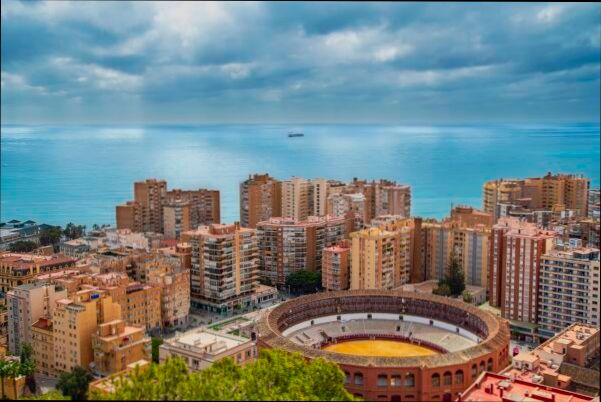
Living in Málaga offers an enchanting coastal lifestyle that combines natural beauty, outdoor activities, and a vibrant social scene. The Mediterranean coastline isn’t just picturesque; it enhances the overall quality of life for residents. Let’s delve into the specific advantages of calling this sun-kissed city home.
Year-Round Outdoor Activities
One of the best perks of living in Málaga is the abundance of opportunities for outdoor activities. With an average of 300 days of sunshine per year, you can enjoy:
- Beach Days: The coastline stretches over 14 kilometers, featuring popular beaches like La Malagueta and Pedregalejo, where you can sunbathe, swim, and participate in water sports.
- Hiking Trails: The nearby Montes de Málaga Natural Park offers trails with stunning views, perfect for hiking and nature walks.
- Cycling: The city has a growing network of bike lanes that facilitate safe cycling along the coast and through urban areas.
Health Benefits of Coastal Living
Living by the coast in Málaga is not only enjoyable; it also promotes a healthier lifestyle. The combination of fresh sea air and sunlight is known to:
- Boost Vitamin D levels, beneficial for bone health and immune function.
- Encourage physical activities like swimming and beach sports, contributing to cardiovascular health.
- Lower stress levels, with easy access to serene beach environments that foster relaxation.
Culinary Delights by the Sea
Málaga’s coastal lifestyle features a unique gastronomic experience with an emphasis on fresh seafood. You can indulge in tasty, local dishes such as:
- Espetos de Sardinas: Fresh sardines skewered and grilled over open flames, a beachside classic.
- Fried Fish: The famous pescaíto frito, showcasing the region’s catch of the day.
- Chiringuitos: Beachfront bars that serve delightful tapas and cocktails, perfect for a laid-back meal with ocean views.
Community and Social Life
The coastal lifestyle in Málaga fosters a strong sense of community. From beach volleyball games to festivals along the shore, you’ll find numerous social gatherings that strengthen connections among residents. The city’s numerous beach clubs and bars offer a lively atmosphere, ideal for meeting new friends and enjoying the coastal vibe.
| Feature | Málaga Coastal Lifestyle | Other Coastal Cities |
|---|---|---|
| Average Annual Sunshine Days | 300 | 250 |
| Beach Length (km) | 14 | 10 |
| Outdoor Activity Options | High | Medium |
| Access to Fresh Seafood | Directly from the sea | Varies |
Real-World Examples
Consider the case of local activities such as the Málaga Fair, celebrated annually in August, where beach clubs host vibrant parties and shows right on the waterfront. This communal celebration creates a lively atmosphere that includes traditional music and dance, bringing both locals and visitors together. Another example is the rise of “recreo” spots where you can unwind, enjoy a meal, and watch the sunset—a testament to the lifestyle’s emphasis on enjoying life’s simple pleasures.
Practical Implications
As you immerse yourself in Málaga’s coastal lifestyle, keep in mind that embracing the outdoors can greatly enhance your daily routine. Plan your week around beach days, try a new water sport, or simply take evening walks along the promenade. With various activities available, there’s always something to engage in that contributes positively to your wellbeing.
Málaga’s coastal lifestyle offers a treasure trove of benefits suited for those seeking adventure, community, and a sun-soaked existence. Engage deeply with the local culture, savor the unique flavors of the sea, and make the most of what this stunning city has to offer.
Demographic Trends and Population Statistics
When considering the vibrancy of life in Málaga, it’s essential to explore the demographic trends and population statistics that shape this dynamic city. Understanding who lives here and how the population is evolving can significantly inform your experience and expectations.
Key Demographic Insights
Málaga’s population is not just defined by numbers but by a diverse mix of cultures and age groups. Here are some noteworthy statistics about its demographic landscape:
- Population Growth: The population of Málaga shows a steady growth rate of approximately 1.3% annually, reflecting its appeal as a living destination.
- Age Distribution: Roughly 22% of the population is under 15 years old, while those aged 65 and over comprise about 18%. This suggests a balanced age demographic that welcomes families and supports a thriving retirement community.
- Foreign Residents: Almost 24% of the population consists of foreign residents, showcasing Málaga’s status as an international hub, particularly attractive to Europeans from countries like the UK and Germany.
- Birth Rate: The city has a birth rate of 11.5 per 1,000 inhabitants, which is relatively high for urban areas in Spain, suggesting a growing younger populace.
Comparative Population Statistics
| Demographic Factor | Málaga (%) | Spain National Average (%) |
|---|---|---|
| Population Growth Rate | 1.3 | 0.3 |
| Residents Aged 0-14 | 22 | 15.6 |
| Residents Aged 65 and Over | 18 | 19.3 |
| Foreign Residents | 24 | 12 |
| Birth Rate (per 1,000 inhabitants) | 11.5 | 8.7 |
Real-World Examples
In a recent community survey conducted by the city council of Málaga, it was revealed that areas like La Malagueta and Pedregalejo are increasingly popular among young families and retirees. This increasing demand not only enhances community engagement but also contributes to local economic development.
Moreover, the rise in international residents has led to multicultural events and festivals, enriching the social fabric of Málaga and providing opportunities for cultural exchange.
Practical Implications
As you explore life in Málaga, consider how these demographic trends may impact your integration into the community. With a substantial percentage of foreign residents, you can find support networks and social activities tailored to various cultural backgrounds. Furthermore, the flourishing population of children and young families indicates a vibrant educational environment.
Actionable Facts
- If you’re considering moving to Málaga, explore neighborhoods with a high concentration of young families, such as Teatinos, for community engagement activities.
- Take advantage of the robust expatriate networks and social clubs that cater to the diverse foreign population, particularly in districts known for their international vibe.
- Engage with local government and community initiatives aimed at enhancing services for families and older residents, ensuring a supportive living environment.