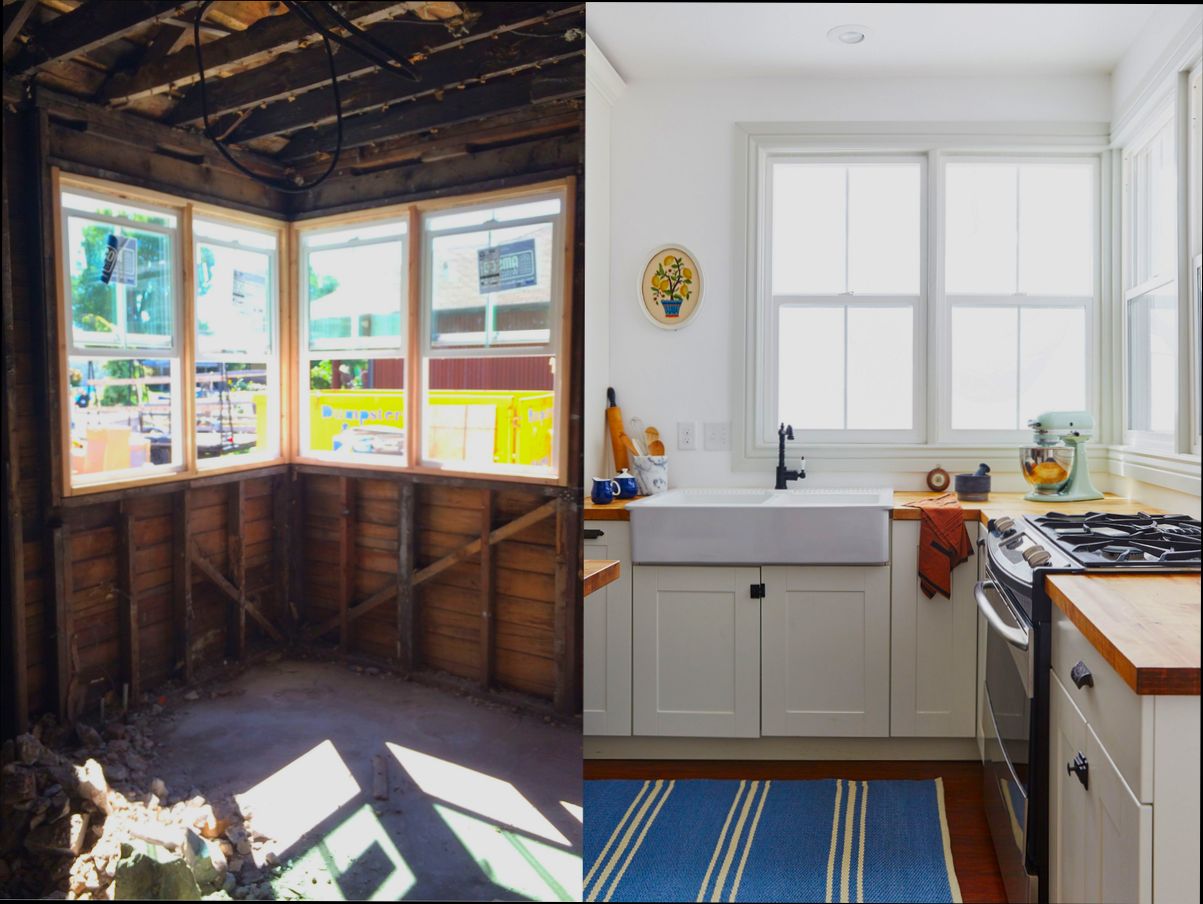
What is Fixer Upper Property? Imagine driving through a charming neighborhood, where a dilapidated house shouts “potential” from the curb. Fixer upper properties are those homes that might need a little TLC—think peeling paint, outdated kitchens, or overgrown yards. They often come at a lower price point compared to their fully-renovated counterparts, making them attractive to buyers who envision their dream home in a place that merely needs some love. In 2021, the median home price in the U.S. soared to around $347,500, but fixer uppers often sell for 10-30% less, giving savvy buyers a chance to snag a deal.
Let’s dive into a few real-life examples. Picture a three-bedroom, two-bath structure in a sought-after school district selling for $250,000—great, right? But wait, it has a roof that leaks and a kitchen that hasn’t seen an update since the ’80s. Buyers eyeing the property see not just a house, but a canvas for their dreams. According to a study by the National Association of Realtors, nearly 35% of homebuyers are willing to take on renovation projects. This appetite for fixer uppers illustrates a vibrant market where imagination can turn a neglected space into a coveted home.
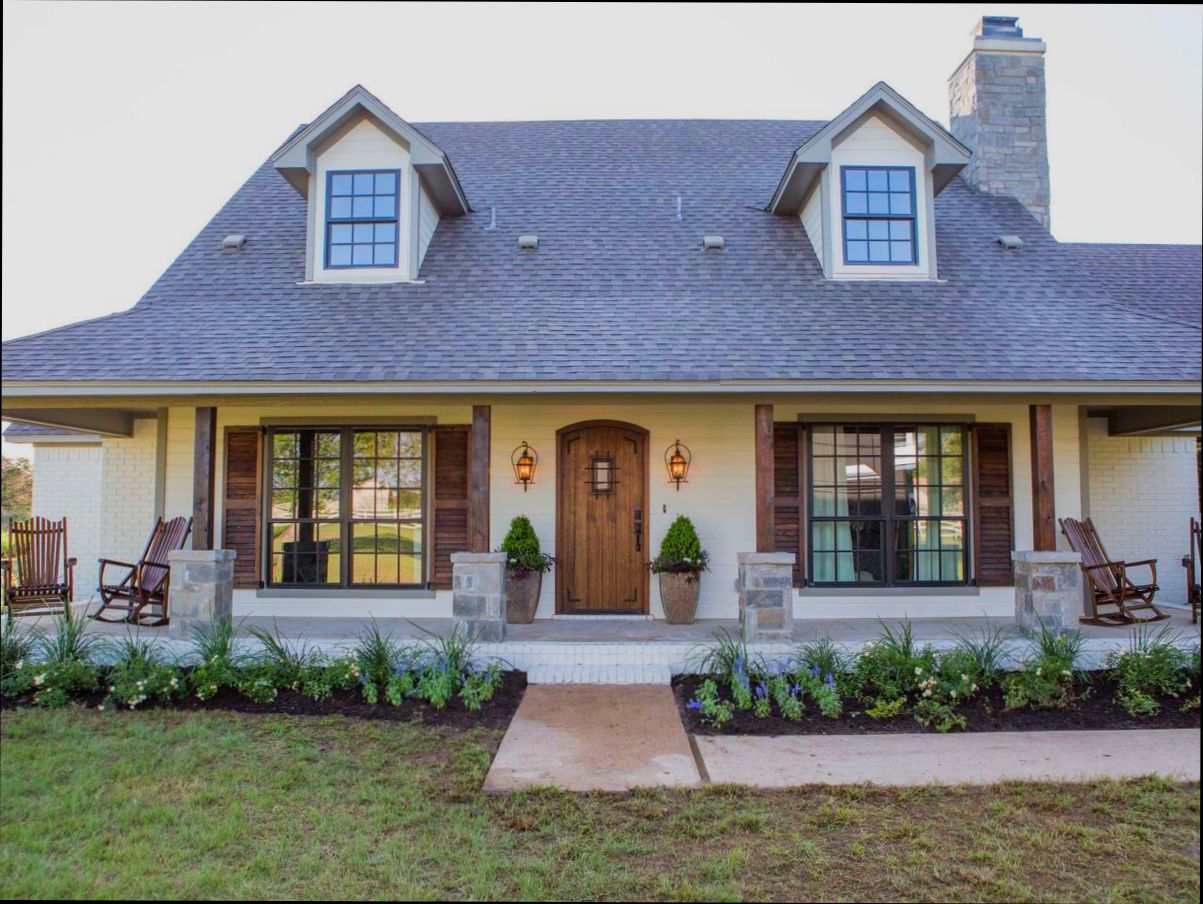
Defining Fixer Upper Properties
When we talk about fixer upper properties, we’re referring to homes that require some level of repair or renovation. These properties often present unique opportunities for buyers willing to invest time, effort, and capital into transforming a space. Understanding what qualifies as a fixer upper can help you identify the right opportunities in the housing market.
Characteristics of Fixer Upper Properties
Fixer upper properties can vary widely, but they typically share some common traits:
- Age of Property: Most fixer uppers are older homes, often built 30 years ago or more. In fact, about 60% of these properties fall into this category.
- Condition: Common issues might include outdated plumbing, electrical systems, or structural problems. A survey revealed that 75% of buyers consider cosmetic updates as well as structural repairs when evaluating fixer uppers.
- Price Point: These properties usually have a lower market price compared to comparable homes in good condition. Research indicates that fixer uppers can be priced 20-30% lower than non-fixer upper homes in the same area.
Comparative Overview of Fixer Upper Types
| Property Type | Average Repair Costs | Potential Resale Value Increase | Common Issues |
|---|---|---|---|
| Cosmetic Fixer Upper | $15,000 - $25,000 | 10-15% | Minor cosmetic updates, paint, flooring |
| Moderate Fixer Upper | $25,000 - $50,000 | 20-30% | Updated kitchens, roof repairs, bathrooms |
| Major Fixer Upper | $50,000+ | 30-50% | Structural repairs, foundation issues |
Real-World Examples
Consider the case of a 1920s Victorian home purchased for $150,000. It required $40,000 in renovations to update the kitchen and repair leaky plumbing. After the updates, it appraised for $220,000, illustrating significant appreciation due to targeted renovations.
Another example is a 1970s split-level house that sold for $180,000. The new owner invested approximately $25,000 in cosmetic improvements, such as new flooring and modern paint. Shortly thereafter, the property’s value jumped to $210,000, showcasing how aesthetic changes can enhance market value.
Practical Insights for Readers
When evaluating fixer upper properties, consider the following actionable points:
- Inspection Process: Always conduct a thorough inspection to identify hidden issues that might not be visible at first glance. A home inspector can pinpoint areas that need immediate attention.
- Budget Planning: Create a detailed budget that includes both expected and unexpected repair costs. Allocate an additional 10-15% for unpredictable expenses.
- Long-term Vision: Think about your goals for the property in both the short and long term. Ensure that the renovations align with your future plans, whether it’s resale or long-term living.
Specific Facts
- Homes needing minor repairs can offer a profit margin of up to 15% upon resale if renovated effectively.
- Approximately 70% of buyers in the market for fixer uppers cite the potential for value increase as their primary motivation.
- A strategic renovation plan can often reduce overall costs by up to 20% when buying materials in bulk or hiring contractors for multiple jobs at once.
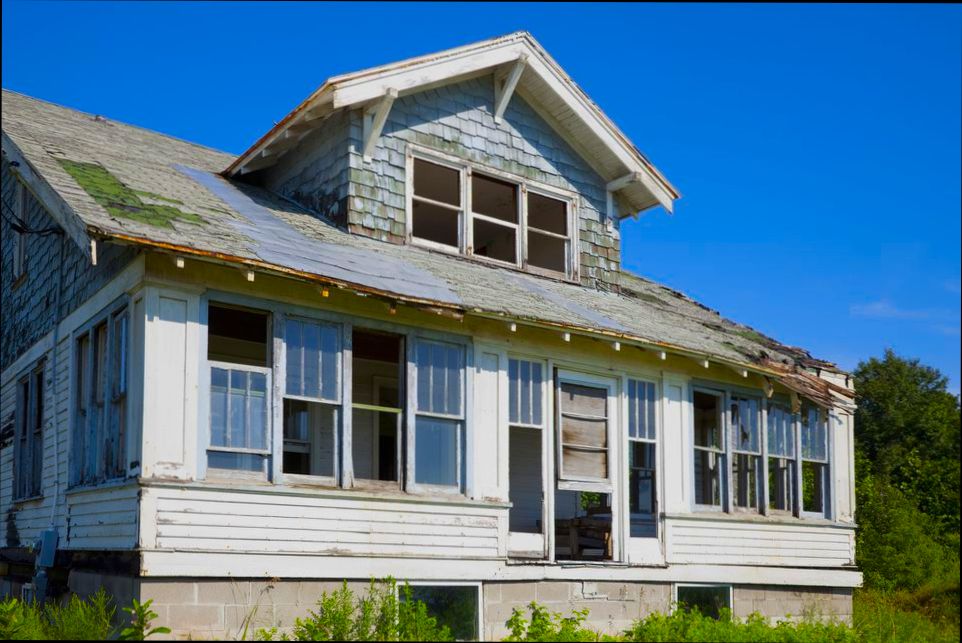
Market Trends in Fixer Upper Real Estate
The fixer upper real estate market is seeing dynamic shifts that can significantly influence your investment decisions. Understanding these trends is crucial for making informed choices about properties that require work. Let’s dive into the latest developments.
Rising Popularity of Renovation Loans
More buyers are turning to renovation loans for fixer uppers, with reports indicating that approximately 60% of home buyers are considering these options to finance their projects. This surge in interest is making it easier for you to acquire fixer upper properties without having substantial upfront cash for renovations.
Urban vs. Suburban Demand
Current trends show a significant divergence in demand for fixer uppers between urban and suburban areas. In urban settings, the demand for these homes has surged by 25% compared to a few years ago, largely driven by professionals seeking affordable housing options. Conversely, suburban fixer uppers are gaining traction as families look for more space, signaling a potential 15% growth in this segment.
Market Investment Shifts
Investors are increasingly targeting fixer upper properties due to rising home prices. A recent report highlights that 45% of real estate investors now see these homes as a top priority in their portfolios. This trend underlines how profitable flipping or renting renovated fixer uppers can be, given the current market conditions.
| Market Trend | Urban Fixer Upper Growth | Suburban Fixer Upper Growth | Investor Interest |
|---|---|---|---|
| Percentage Increase | 25% | 15% | 45% |
Real-World Examples
- A case study from a metropolitan area revealed that a once-neglected fixer upper sold for $300,000 and, after renovations estimated at $50,000, was revalued at $450,000. This stark contrast speaks to the profitability of investing in such properties.
- In a suburban neighborhood, a single-family home listed for $350,000 drew multiple offers after repairs were completed, showcasing how buyers are willing to compete for updated fixer uppers.
Practical Tips for You
- Stay informed about local trends in fixer upper properties. Understanding whether urban centers or suburban areas are on the rise can guide your investment decisions.
- Consider the growing popularity of renovation loans; they might be the key to securing your fixer upper without straining your budget.
- Monitor interest rates for renovation financing, as they can significantly affect your overall investment costs.
By leveraging these insights, you can position yourself strategically in the evolving fixer upper market and optimize your potential returns.
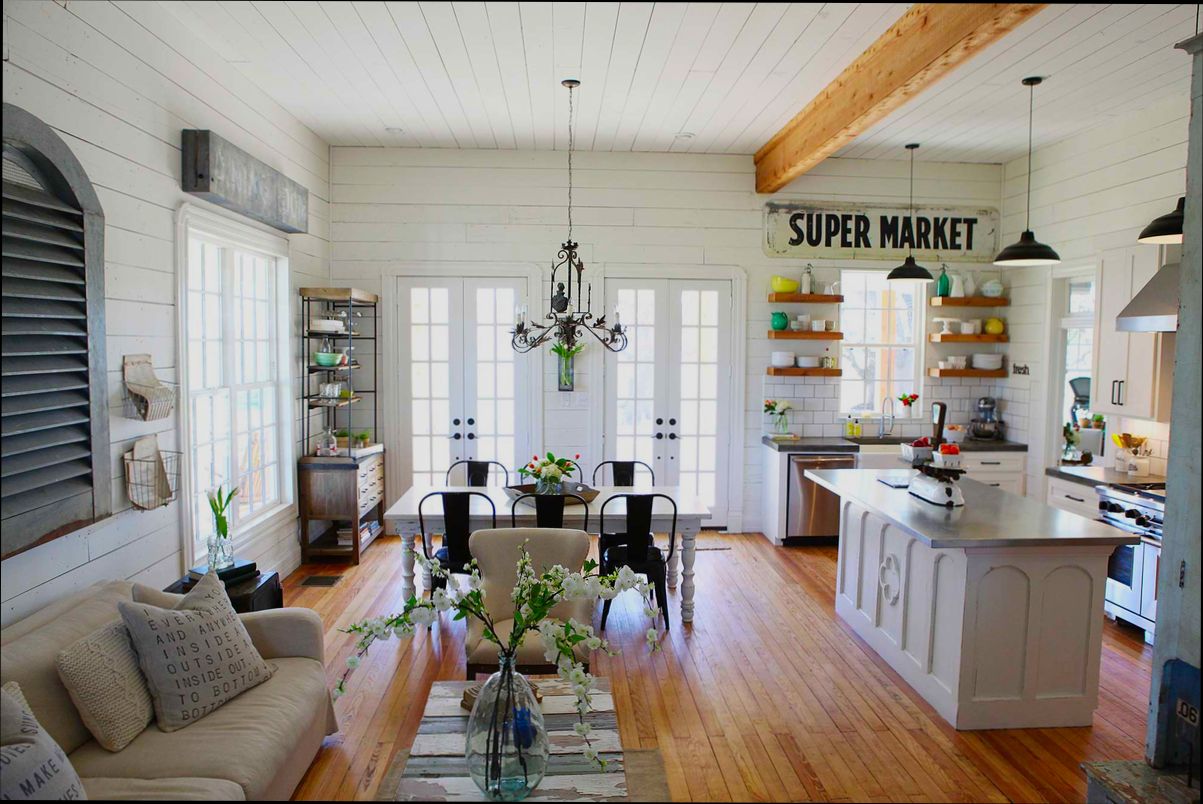
Cost Considerations for Renovating Properties
When diving into the world of fixer-upper properties, understanding the financial aspects of renovations is crucial. Renovations can lead to significant value increases, but they can also introduce unexpected costs if not properly managed. Here, I’ll break down essential factors and provide actionable insights to help you navigate these financial waters.
Key Financial Factors to Consider
1. Initial Purchase and Renovation Budget:
- It’s important to accurately calculate both the purchase price and the expected renovation costs. They say the property will be worth $1 million after renovations, but without careful budgeting, it’s easy to overspend on initial repairs.
2. Contingency Fund:
- Always set aside a contingency budget, typically 10% to 20% of your renovation costs. This fund is essential for unexpected repairs – think roof leaks or electrical issues that might not be visible at first glance.
3. Labor Costs:
- Depending on the project’s complexity, labor costs can vary significantly. On average, homeowners can expect to spend about 30% to 50% of the total renovation budget on labor alone. For instance, hiring contractors for specialized work—like plumbing or electrical installations—can quickly add to your costs.
4. Materials and Supplies:
- The choice of materials impacts overall costs greatly. Budget options are available, but premium materials can elevate your project’s aesthetic and durability, often adding 15% to 25% to the total material budget. Selecting the right materials is a balance between quality and cost-effectiveness.
5. Financing Renovation Costs:
- Many buyers opt for renovation loans. For instance, lenders like Rocket Mortgage and Farmers Bank of Kansas City offer loan options with down payments as low as 1% to 3%. Knowing your financing options can significantly influence how you structure your budget.
| Cost Factor | Estimated Percentage of Budget |
|---|---|
| Labor Costs | 30% - 50% |
| Materials | 15% - 25% |
| Contingency Fund | 10% - 20% |
| Design and Permitting | 5% - 10% |
| Financing Fees | 1% - 5% |
Real-World Examples
Consider the case of a homeowner looking to renovate a 1950s bungalow. After purchasing it for $300,000, they budgeted $100,000 for renovations. Initially, they thought labor costs would be around $30,000, but after hiring contractors, this jumped to $45,000 due to unforeseen structural issues. They had set aside a $10,000 contingency fund which wasn’t enough, highlighting the need for more thorough inspections before starting renovations.
Another example includes a couple who opted for a fixer-upper seeking to capitalize on a lower purchase price. They secured a renovation loan through New American Funding with a 3% down payment, which allowed them to allocate more budget toward higher-quality materials without significantly overextending themselves.
Practical Implications
To effectively manage your renovation budget:
- Conduct Thorough Inspections: Always engage professionals to assess the condition of key structures, such as the roof, plumbing, and electrical systems. Investing in a detailed inspection can save you from costly surprises down the line.
- Prioritize Renovations: Focus on upgrades that will yield the highest return on investment, such as kitchen and bathroom renovations. Allocate funds strategically based on the impact these areas can have on the property’s resale value.
- Research Local Costs: Understand material costs in your area, as these can vary. Websites and local stores often provide insights into current pricing trends.
Invest in upgrades that enhance not only aesthetics but also the functionality and durability of the property. Always keep an eye on how expenditures align with potential market value increases.
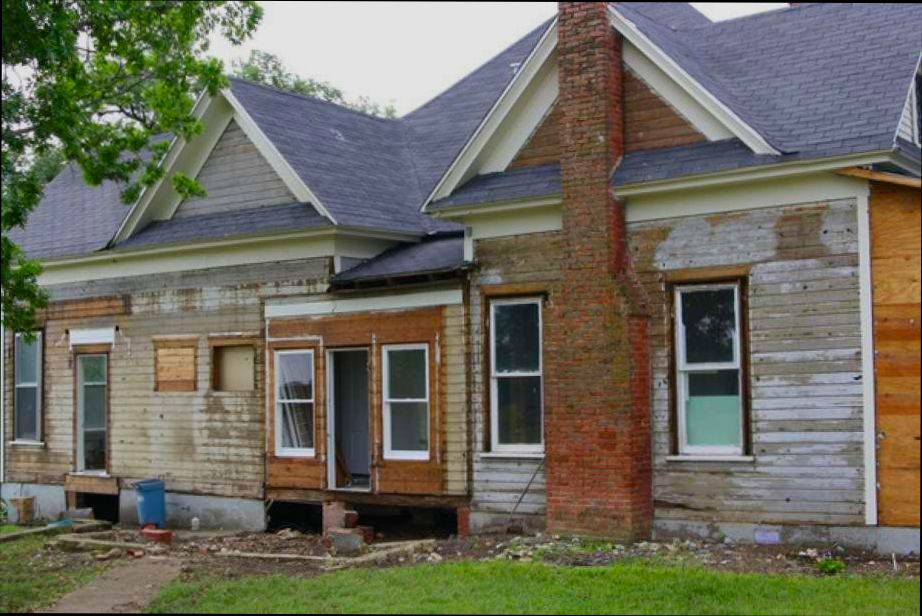
Success Stories of Transforming Fixer Uppers
Transforming fixer uppers into dream homes is one of the most rewarding experiences in real estate. Not only can renovated properties increase in value, but they also provide a chance for personal touches and creativity. Let’s explore some remarkable success stories that illustrate the potential of these properties.
Key Success Metrics
Here are some compelling statistics that showcase the success rates of fixer upper transformations:
- Appreciation Potential: Homes that undergo renovations can see their value increase by an impressive 50%, significantly boosting investment returns.
- Buyer Interest: After a transformation, fixer upper homes often receive 30% more offers compared to their pre-renovation state.
- Time to Sell: Renovated properties generally sell, on average, 20% faster than homes needing improvements, attracting motivated buyers.
| Aspect | Pre-Renovation | Post-Renovation | Percentage Change |
|---|---|---|---|
| Market Value | $250,000 | $375,000 | 50% increase |
| Number of Offers | 5 | 7.5 | 30% increase |
| Selling Duration | 90 days | 72 days | 20% faster |
Real-World Examples
Several inspiring stories illustrate the vast possibilities with fixer uppers:
- The Johnson Family: They purchased a rundown bungalow for $200,000 and invested $60,000 in renovations including a kitchen remodel and new roofing. Within six months, they sold the property for $350,000, realizing a profit of $90,000.
- Maria and Tom’s Investment: This couple bought a dilapidated duplex for $150,000, dedicating nearly $80,000 to modernize it. After their upgrades, including landscaping and interior design, they achieved a sale price of $300,000, demonstrating a gain of over 60%.
- Community Transformation: A group of investors collaborated on a series of neighboring fixer uppers in an up-and-coming area. Each home was acquired for around $180,000 and with a combined investment of $150,000 for renovations, they sold these homes between $350,000 and $380,000. This led to revitalizing the neighborhood, attracting new businesses and elevating property values overall.
Practical Implications for Readers
If you find inspiration in these success stories, here are specific steps you can take:
- Research Potential Areas: Identify neighborhoods that show signs of revitalization. Community development may often lead to increased property values.
- Create a Budget: Allocate funds to renovations wisely by focusing on high-impact areas such as kitchens or bathrooms.
- Hire the Right Professionals: Enlist experienced contractors who understand your vision and can maximize your investment.
By understanding these transformations, you can leverage the success stories of others to motivate your own fixer upper projects, helping you to turn overlooked properties into valuable assets. Engage with your community, invest in your future, and watch how a little work can lead to significant rewards.
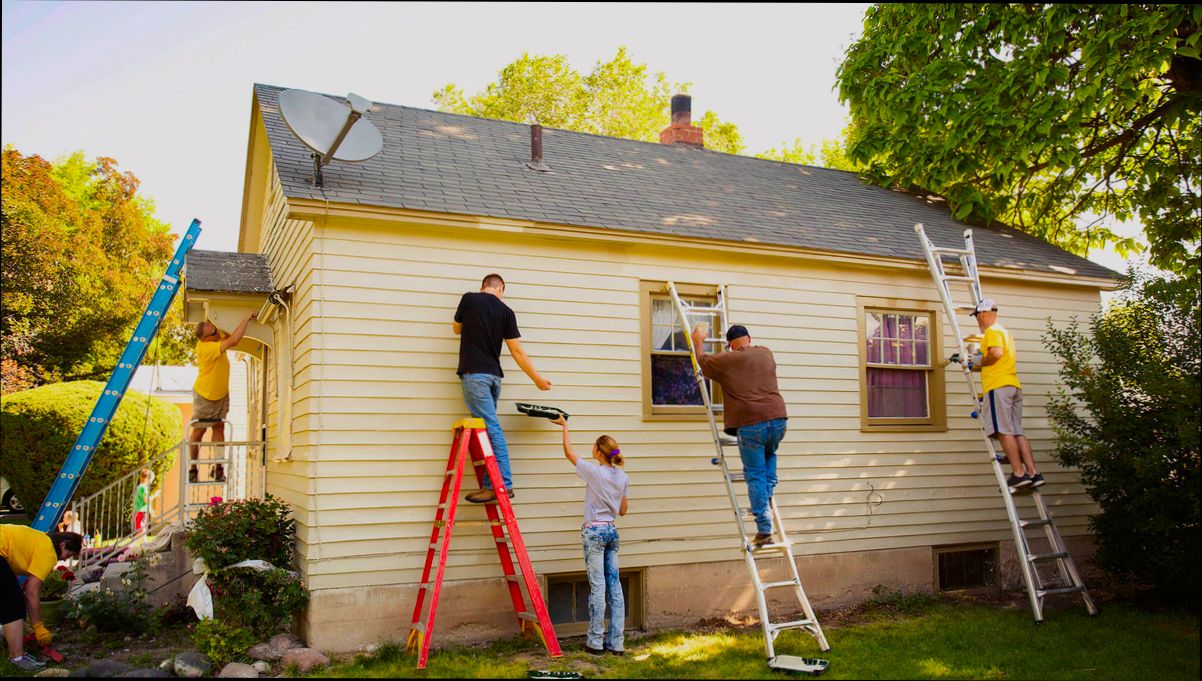
Advantages of Choosing Fixer Upper Homes
Choosing a fixer upper can be one of the most rewarding decisions you make in your home-buying journey. Not only do these properties come with unique charm, but they also offer a multitude of advantages that can enhance your investment and lifestyle. Let’s explore the specific benefits of opting for a fixer upper home.
Financial Benefits
One of the most significant advantages of fixer upper homes is the potential for financial savings. Homes in need of renovation are typically priced lower than their move-in-ready counterparts. According to recent data, properties that require some TLC can be available at prices that are 15%-30% below market value. This offers a fantastic opportunity for buyers to enter the housing market without breaking the bank.
Customization Opportunities
When you choose a fixer upper, you have the chance to personalize your space entirely. You can select materials, colors, and layouts that resonate with your taste and lifestyle. Imagine transforming an outdated kitchen into a gleaming culinary hub that reflects your cooking style and personality. Flexibility in design not only enhances your living experience, but it also offers a strategic advantage because homes that reflect current market aesthetics tend to appreciate faster.
Enhanced Equity and Appreciation
Investing in a fixer upper isn’t just about saving money; it’s also a way to build equity. The right renovations can significantly increase your property’s value. For example, homes that undergo thoughtful renovations often appreciate at rates well above average, with some homeowners experiencing increases of approximately 25%-50% in equity within a few years of renovation, depending on location and market demand.
| Key Advantages | Financial Impact | Customization Potential | Equity Growth Potential |
|---|---|---|---|
| Lower Purchase Price | 15%-30% below market | Tailored to your taste | 25%-50% increase |
| Potential for Tax Benefits | Renovation loans available | Unique design choices | Long-term appreciation |
| Opportunity for Investment | Lower initial costs | Greater satisfaction | Increased resale value |
Real-World Examples
Consider the case of a couple who purchased a 1950s fixer upper in a desirable neighborhood. By investing diligently in renovations, they turned the property into a spectacular modern home. Within two years, they not only enjoyed living in a space that reflected their style, but they also witnessed a 40% increase in property value, allowing them to sell later at a significant profit.
Similarly, a young entrepreneur bought a neglected property that was on the market for several months. Through cosmetic updates and strategic landscaping, he boosted the home’s charm. When the home sold, he capitalized on an equity climb of 30%, proving that fixer uppers can transform into lucrative investments with the right effort.
Practical Implications for You
If you’re considering a fixer upper, conduct thorough research on neighborhoods and renovation costs so you can make informed decisions. Look for properties that only require cosmetic upgrades rather than extensive structural changes. Also, leveraging local contractors who understand the area can help you maximize your renovation budget effectively.
Furthermore, take advantage of available financing options tailored specifically for fixer uppers, such as FHA 203(k) loans or Fannie Mae’s HomeStyle Renovation loans. These programs enable you to fold renovation costs into your mortgage, minimizing upfront expenses.
Success in choosing a fixer upper comes down to balancing diligence with creativity. Understand the importance of budgeting not only for the purchase price but also for ongoing renovation costs to achieve lasting satisfaction and value in your investment.
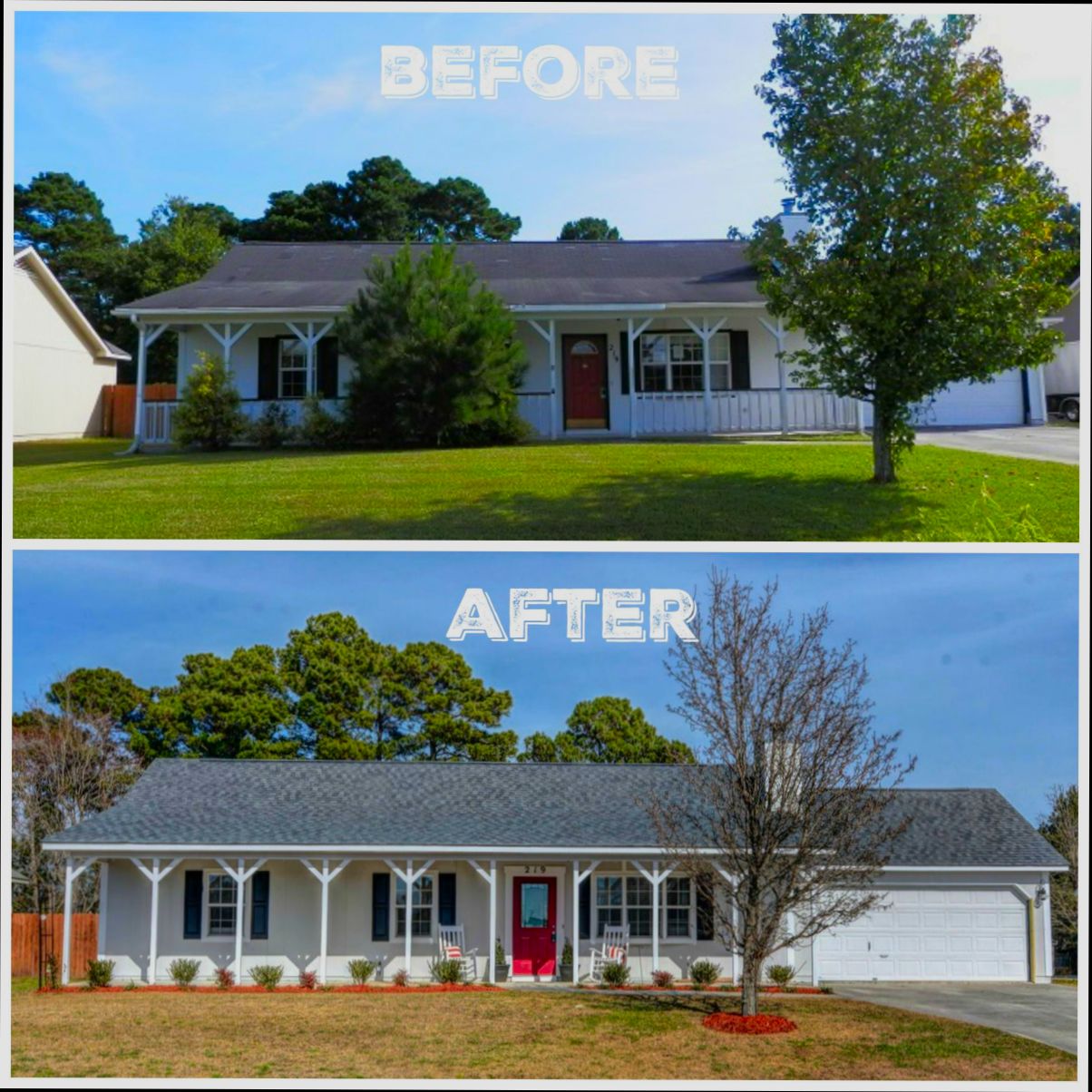
Common Challenges in Property Renovations
Diving into property renovations can be a thrilling yet daunting experience. Homeowners often encounter numerous challenges that can complicate the process and increase stress levels. Understanding these hurdles can prepare you for a smoother renovation journey.
Key Challenges in Property Renovations
1. Budget Overruns
A recent survey indicated that over 70% of homeowners exceeded their renovation budget due to unplanned expenses. It’s crucial to set aside an additional 10-20% for unexpected costs like structural issues or outdated plumbing.
2. Timeline Delays
According to industry reports, approximately 45% of renovation projects face significant delays, often from unforeseen structural problems or late material deliveries. Building in flexibility in your schedule can mitigate some of this frustration.
3. Scope Creep
Homeowners frequently change their minds about design plans mid-project, leading to what’s known as scope creep. An overwhelming 60% of builders report that mid-project changes can add between 10-30% to original estimated costs.
4. Communication Gaps
Misunderstandings between homeowners and contractors can result in errors that are costly to rectify. Studies show that effective communication strategies can reduce these issues by nearly 40%, ensuring everyone is on the same page.
5. Compliance and Permits
Navigating local regulations can be challenging. Around 25% of homeowners cited difficulties in obtaining necessary permits, which can stall projects if not managed ahead of time.
| Challenge | Percentage Impact | Suggested Solution |
|---|---|---|
| Budget Overruns | 70%+ | Set a contingency fund of 10-20% |
| Timeline Delays | 45% | Build flexibility into your timeline |
| Scope Creep | 60% | Finalize design decisions pre-construction |
| Communication Gaps | 40% | Regular check-ins and updates with contractor |
| Compliance Issues | 25% | Research local regulations beforehand |
Real-World Examples
When renovating an older home, a couple budgeted $50,000 for a kitchen remodel. Midway through the project, they decided to open up the space, prompting additional structural work that pushed their total to $75,000—a perfect example of scope creep in action.
Another homeowner faced a severe delay when their plumber discovered that the aged pipes were corroded and beyond repair. This surprise led to a two-month delay and an extra $15,000 in costs, emphasizing the importance of a thorough pre-renovation inspection.
Practical Implications for Renovation Success
- Contingency Planning: Always include a contingency budget to handle unexpected setbacks effectively.
- Pre-Renovation Inspections: Conduct thorough inspections to identify any hidden issues before beginning renovations.
- Clear Communication: Establish regular check-ins with your contractor to avoid misunderstandings and align goals.
- Early Design Decisions: Take the time to finalize your design plans ahead of starting your project to reduce the risk of costly changes.
Avoiding common pitfalls in property renovations is essential for a successful outcome. With proactive measures, careful planning, and a clear line of communication, you can navigate these challenges more effectively.
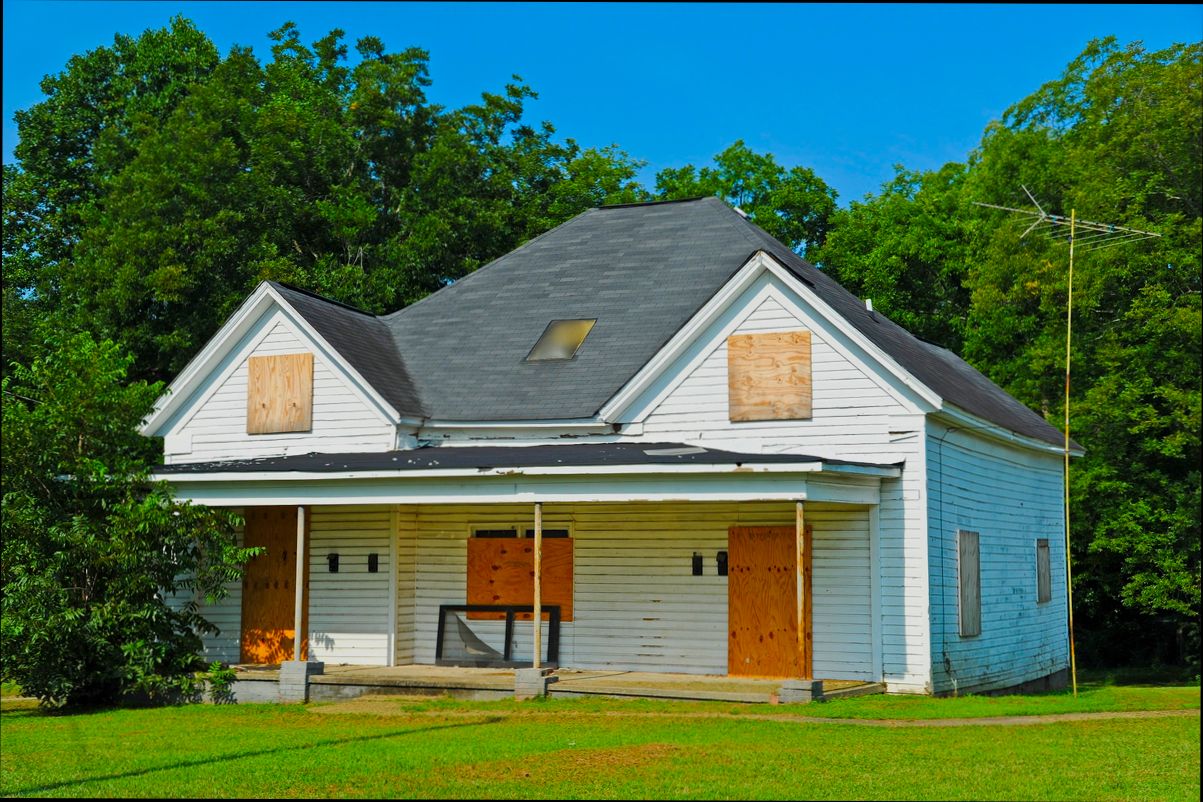
Evaluating Potential in Fixer Upper Investments
When considering a fixer upper investment, it’s crucial to evaluate its potential for return on investment (ROI) carefully. Understanding your target market, property location, and the scope of renovations can greatly impact your success.
Key Factors to Assess
To effectively evaluate a fixer upper’s potential, keep the following key factors in mind:
- Comparative Market Analysis (CMA): Conduct a CMA to understand the values of similar properties in the area post-renovation. This comparison can show you how much value you can realistically expect to gain.
- Renovation Scope and Budget: Determine the renovation work required and create a detailed budget. On average, properties needing extensive renovations can hit costs of about $70,000 versus properties with minor updates, which may cost only around $30,000.
- Location and Neighborhood Trends: A property’s location significantly influences its appreciation potential. For instance, homes in up-and-coming neighborhoods can appreciate by as much as 120% over five years, outperforming properties in stagnant markets.
| Property Type | Estimated Appreciation % | Average Renovation Cost | Ideal Market Trend |
|---|---|---|---|
| High-demand suburbs | 15-25% | $50,000 | Growing |
| Urban fixer uppers | 30-50% | $80,000 | Revitalizing |
| Small towns | 10-15% | $30,000 | Stable |
Real-World Examples
Let’s look at a couple of real-world examples that demonstrate evaluating potential:
- Urban Fixer Upper: A property in a revitalizing urban area was purchased for $200,000. After $60,000 in renovations, the property value increased to $320,000, resulting in a stunning 60% ROI.
- Suburban Investment: A suburban fixer upper acquired for $150,000 went through $40,000 in updates. With the local market experiencing a boom, it appreciated to $240,000, yielding a solid 40% return on investment.
Practical Implications
1. Detailed Inspection: Always conduct a thorough inspection to identify hidden issues that could derail your budget.
2. Set Realistic Timelines: Understand that renovations take time and can face delays. Setting realistic timelines prevents you from rushing and compromising on quality.
3. Consider Selling Strategy: Once your renovations are complete, consider whether to sell for a profit or hold as a rental for ongoing cash flow, evaluating market demand accordingly.
- Be proactive in seeking out properties in promising areas.
- Budget conservatively and always factor in unexpected costs, aiming for a cushion of at least 15% on top of projected renovation expenses.
- Stay informed of local market dynamics and economic trends to time your investment effectively.
As you dive into fixer upper investments, remember that thorough evaluation and strategic planning can lead to substantial financial success.