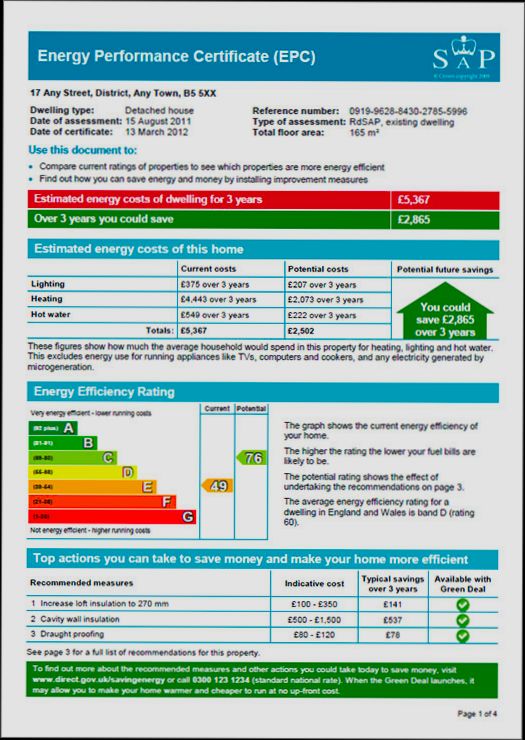
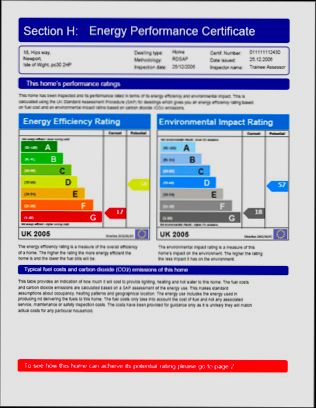
What is Energy Performance Certificate (EPC)? It’s that little document you’ve probably heard about but might not fully understand. Essentially, an EPC rates a property’s energy efficiency on a scale from A (very efficient) to G (inefficient). For instance, a charming Victorian house may snag a D rating, while a modern, energy-efficient apartment could score an A. This rating isn’t just a number; it reflects potential energy costs for homeowners and tenants, helping you gauge how high your future utility bills might climb. Shockingly, according to recent stats, homes in the top energy efficiency band can save owners over £1,000 a year compared to those in the bottom band!
But it’s not just about saving money—EPCs play a crucial role in the housing market. If you’re renting or selling, potential tenants and buyers will definitely want to see that EPC score. For example, properties with A or B ratings can attract more interest and even command higher rent. Some places have made it mandatory to meet certain EPC standards to even lease a property, pushing everyone towards greener options. So, whether you’re a homeowner, tenant, or investor, understanding this certificate can really shape your decisions and impact your wallet!
Understanding the Basics of EPC
When diving into the realm of Energy Performance Certificates (EPCs), it’s essential to grasp their fundamental aspects to make informed decisions regarding your property. An EPC provides a snapshot of a building’s energy efficiency and enables you to identify potential improvements and cost savings.
What You Should Know About EPCs
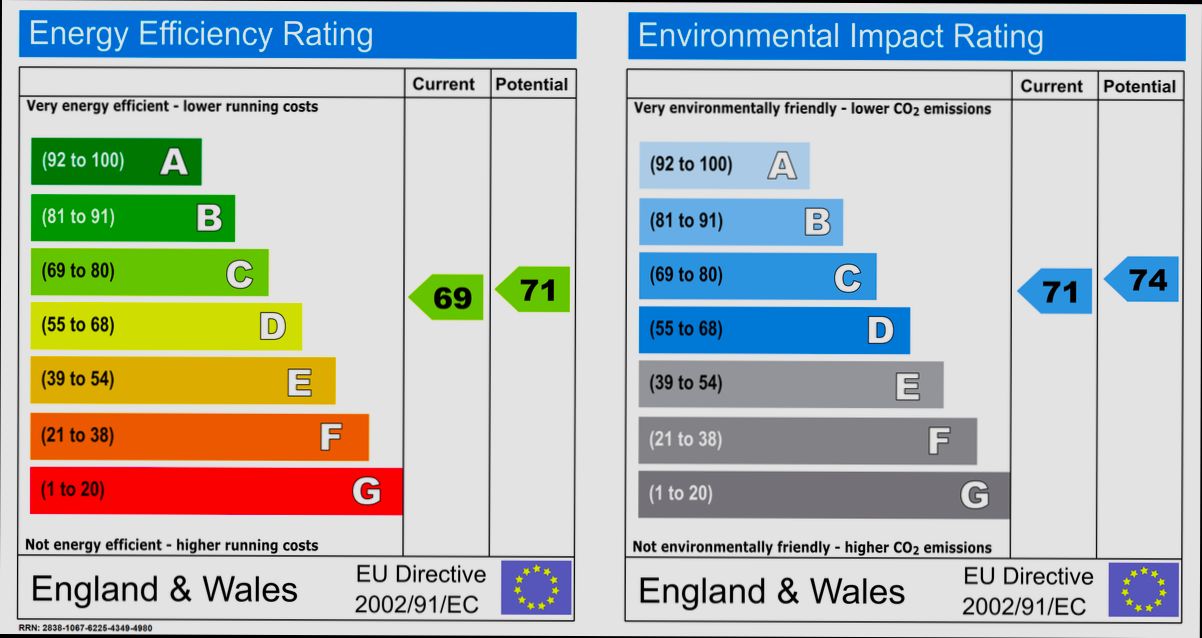
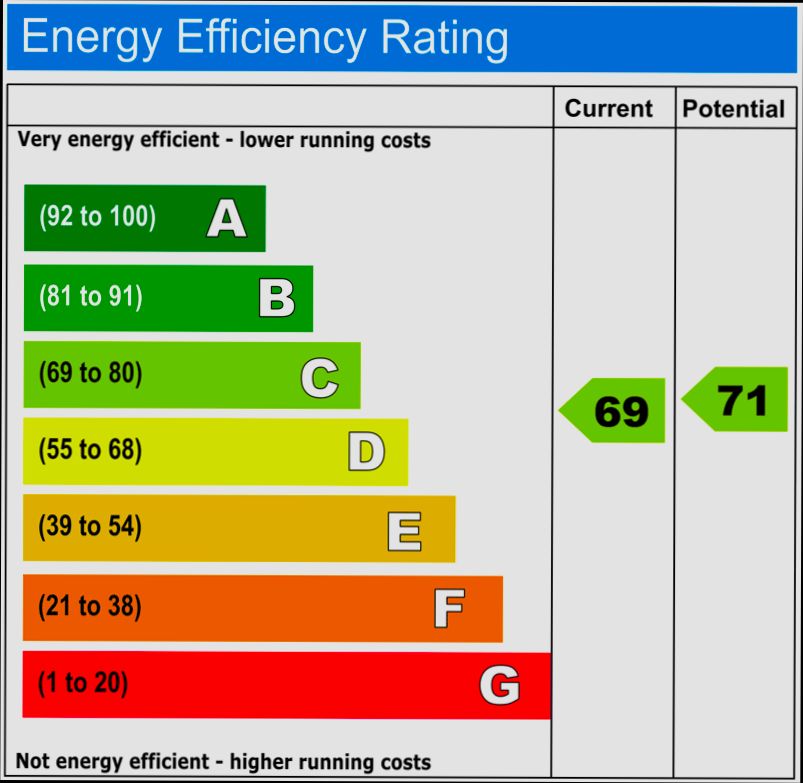
1. Rating Scale: EPCs utilize a grading system from A to G, where:
- A represents outstanding efficiency
- G denotes very poor efficiency
Understanding your current rating can help you pinpoint areas needing enhancement.
2. Energy Costs: The certificate estimates projected energy bills based on your ratings. This information can guide you in budgeting for future expenses. For instance, if your property is rated D, improving it to C could yield significant savings over time.
3. Recommendations for Improvement: Each EPC includes tailored recommendations for enhancing energy efficiency. For instance, if insulation is lacking, the EPC might advise you to insulate walls, which could save you money on heating costs while improving your efficiency rating.
Comparative Overview of EPC Components
| EPC Component | Description |
|---|---|
| Current Energy Rating | Ranges from A (most efficient) to G (least efficient) |
| Estimated Energy Bills | Provides current and potential costs over time |
| Recommended Improvements | Lists cost-effective measures to enhance efficiency |
| Potential Rating After Updates | Shows possible rating improvement with implemented measures |
Real-World Applications of EPC Insights
Consider a home that currently holds a rating of B. An EPC report may reveal that adding insulation and modernizing the heating system could push this rating to A, along with an estimated saving of £300 per year on energy costs. For renters or buyers, understanding this information can shape decisions about which properties are more cost-effective in the long run.
Practical Steps to Take
- Conduct Regular Assessments: Ensure that your EPC is current every ten years. If changes have occurred to the property that may affect energy efficiency, schedule a new assessment sooner.
- Consider Improvements: Look at the recommendations provided in your EPC. For example:
- If wall insulation is suggested, implement this as a priority to enhance energy efficiency and reduce bills.
Actionable Advice
To maximize your EPC’s benefits:
- Implement recommended measures as feasible to improve your rating.
- Monitor the costs associated with energy use; the EPC can help estimate reductions post-improvements.
- Remember, even small changes like switching to energy-efficient lighting can contribute positively to your EPC rating and your wallet!
Key Statistics on Energy Efficiency
Understanding energy efficiency is critical when discussing Energy Performance Certificates (EPCs). Let’s dive into some compelling statistics that highlight how energy efficiency can impact costs, environmental sustainability, and property values.
Key Data Points
- Energy Consumption Reduction: Implementing energy efficiency measures can reduce energy consumption by up to 30% in residential buildings. This substantial reduction may significantly lower monthly utility bills, making it an appealing option for homeowners.
- Return on Investment (ROI): Studies have found that energy-efficient upgrades in buildings can deliver an ROI of about 20%. This attractive return makes energy upgrades not only environmentally friendly but financially savvy.
- Carbon Emissions: It’s estimated that enhancing energy efficiency in buildings can lead to a reduction of approximately 1.1 billion tons of carbon dioxide emissions annually. This is equivalent to taking over 200 million cars off the road for a year.
- Increased Property Value: Properties with higher EPC ratings often command a premium of up to 14% more than their inefficient counterparts. This trend is particularly relevant in markets increasingly focused on sustainable living.
- Job Creation: The energy efficiency sector has been a robust job creator, with projections indicating that for every million dollars invested in energy efficiency, approximately 17 jobs are created. This underscores the dual benefit of saving energy while boosting the economy.
Comparative Table of Energy Efficiency Impacts
| Statistic | Value | Description |
|---|---|---|
| Energy Consumption Reduction | Up to 30% | Potential decrease in energy use after upgrades. |
| ROI from Upgrades | About 20% | Financial return on investment for energy-efficient improvements. |
| Carbon Emission Reduction | 1.1 billion tons | Annual decrease in CO2 due to energy efficiency improvements. |
| Property Value Increase | Up to 14% | Potential price premium for properties with higher EPC ratings. |
| Jobs Created per Million Invested | Approximately 17 jobs | Employment generated per million dollars in energy efficiency investments. |
Real-World Examples
1. Retrofit Project in California: A multifamily housing project in California implemented energy-efficient upgrades and achieved a 25% reduction in energy consumption. This not only lowered utility costs for residents but also improved the building’s EPC rating by two classifications.
2. Office Building Revamp in New York: A major office building in New York City invested in energy efficiency measures and boosted its property value by 12%. The enhancements resulted in lower operating costs and a noteworthy reduction in energy usage.
3. Nationwide Campaign Impact: A national initiative focused on promoting energy-efficient appliances led to a collective reduction of 500 million tons of carbon emissions over five years, showcasing the extensive impact of small-scale changes across various households.
Practical Implications
By understanding key statistics on energy efficiency, you can make informed decisions about where to invest resources in your property. Energy-efficient upgrades not only pave the way for lower bills but also enhance your property’s marketability.
Specific Facts or Actionable Advice
- Consider starting with small, manageable upgrades such as energy-efficient lighting and appliances.
- Conduct an energy audit to identify areas where efficiency can be improved, potentially leading to significant long-term savings.
- Stay informed about financial incentives for energy efficiency improvements available in your area to maximize your investment.
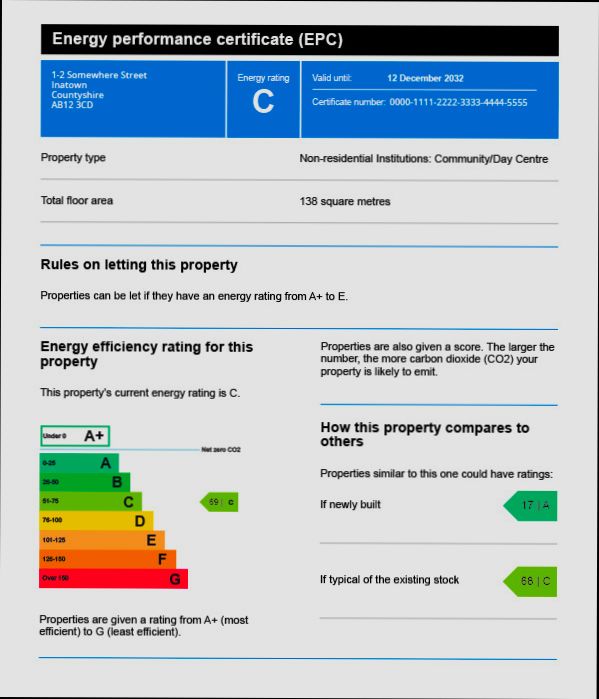
Regulatory Requirements for EPC Compliance
Navigating the regulatory landscape for Energy Performance Certificates (EPC) can be complex, yet it’s crucial for both property owners and contractors. Compliance with these regulations not only ensures adherence to local laws but also enhances the property’s marketability and sustainability profile.
Key Regulatory Requirements
1. Mandatory Certification: In many jurisdictions, obtaining an EPC is mandatory for specific property types, especially those being sold or rented. For instance, the UK’s Energy Act requires all residential and commercial properties to have an EPC when marketed.
2. Minimum Efficiency Standards: Regulations frequently set minimum energy efficiency standards that properties must meet. In the UK, properties with an EPC rating below E cannot be rented out. This legislation has pushed owners to invest in energy-efficient upgrades.
3. Assessment Protocols: Compliance often involves following specific assessment protocols, including how energy performance is measured. The DOE (Department of Energy) has outlined standard assessment methods, defining how properties are evaluated to determine their EPC ratings.
Comparative Table of Regulatory Requirements by Region
| Region | Mandatory EPC for Sales/Rent | Minimum Efficiency Rating Required | Assessment Protocols |
|---|---|---|---|
| United Kingdom | Yes | E | Standard Assessment Procedure (SAP) |
| European Union | Yes | Varies by country | Energy Performance of Buildings Directive (EPBD) |
| United States | Varies by state | None federally; local requirements may exist | ASHRAE Standards |
Real-World Examples
- In the UK, the legislation surrounding EPCs has led to significant changes in the rental market. Landlords with properties rated F or G now face penalties, which has prompted many to invest in energy-efficient retrofitting. For example, property developer Deepak Joseph reported a 20% increase in property value after enhancing energy efficiency to meet EPC compliance.
- A case study from the Financial Management Association highlighted that 75% of firms that adopted data management tools experienced fewer compliance issues. This aligns directly with the necessity of proper data tracking and analysis to meet regulatory demands effectively.
Practical Implications for Compliance
When pursuing EPC compliance, you should consider the following actionable insights:
- Collaborate Early: Engage with EPC assessors and develop a clear project scope early in your project planning to understand the expected compliance requirements.
- Focus on Sustainable Practices: Work with partners who prioritize sustainability, as this aligns with regulatory requirements and can improve your property’s EPC rating.
- Utilize Technology: Leverage digital tools such as Building Information Modeling (BIM) to enhance transparency and efficiency in compliance efforts.
Actionable Advice on EPC Compliance
As you navigate the regulatory landscape of EPC compliance, consider investing in energy audits to assess your property’s current performance levels. This will provide a roadmap for necessary improvements and ensure that you not only meet but exceed the minimum compliance requirements, ideally elevating your property’s market appeal in a competitive landscape.
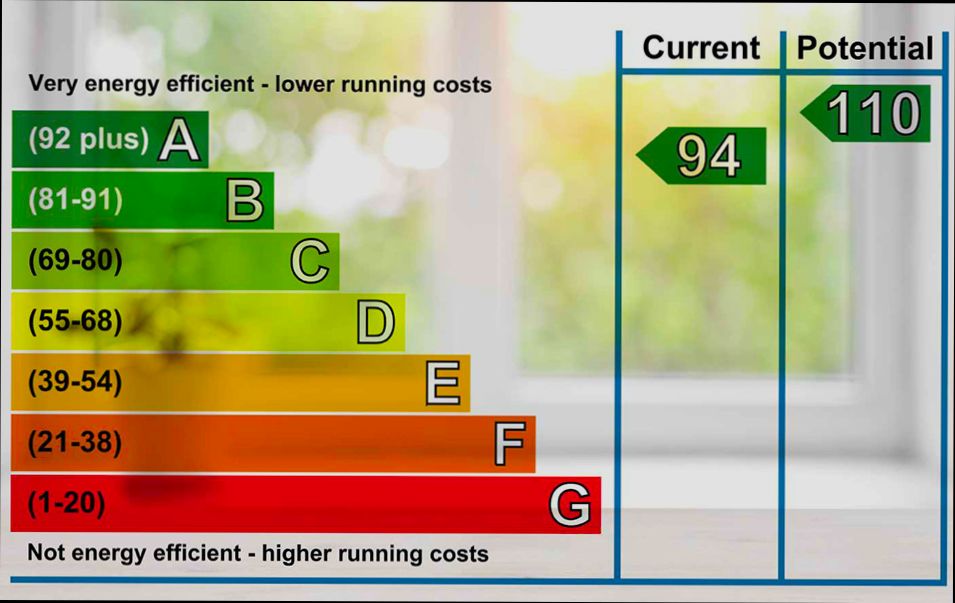
Real-World Examples of EPC Impact
When it comes to Energy Performance Certificates (EPCs), the practical outcomes can be both striking and beneficial. Let’s explore some real-world scenarios that highlight how EPCs influence energy efficiency and property value across various sectors.
Key Outcomes from EPC Implementation
- Energy Cost Savings: Many businesses have reported significant energy cost reductions after improving their EPC ratings. For example, commercial properties with upgraded energy systems have documented savings between 20% to 25% on energy expenses annually.
- Increased Occupancy Rates: Properties boasting better EPC ratings frequently attract tenants more quickly. Studies show that buildings with an EPC rating of B or above experience occupancy rates that are 15% higher compared to those rated D or lower.
- Government Grants and Incentives: Research indicates that properties with higher EPC ratings are eligible for various government incentives that can cover up to 50% of the costs for energy-efficient upgrades, encouraging owners to invest in improvements.
Comparative Table: EPC Ratings and Impacts
| EPC Rating | Average Annual Energy Cost Saving | Average Occupancy Increase | Potential Incentives Available |
|---|---|---|---|
| A | 30% | 20% | Up to 50% |
| B | 25% | 15% | Up to 40% |
| C | 20% | 10% | Up to 30% |
| D | 10% | 5% | Limited |
Real-World Case Studies
1. The Green Tower, London: By achieving an EPC rating of A, this office building not only cut its energy costs by 30% but also observed an 18% increase in tenant inquiries. The building owner received government grants that significantly offset the investment costs for energy improvements.
2. Sunnyvale Residential Complex, California: After retrofitting properties to improve their EPC ratings from D to B, the complex reported an increased occupancy rate of 25% and reduced energy bills by 20%. These changes lured new residents, leading to enhanced community reputation and satisfaction levels.
3. EcoTech Manufacturing Plant, Germany: This plant focused on improving its EPC rating and subsequently achieved a 22% reduction in energy costs through better insulation and energy-efficient systems. The project was partly funded by local government incentives aimed at promoting sustainable practices.
Practical Implications for You
If you’re considering buying or improving a property, focusing on EPC ratings can yield tangible benefits. Here’s what you can do:
- Invest in Energy Improvements: Upgrading insulation, HVAC systems, and lighting can boost your EPC rating and potentially save you significant costs in energy bills.
- Research Local Incentives: Investigate any local or federal financial aid programs available for upgrading properties with low EPC ratings. You might find substantial funding opportunities that can lessen upfront costs.
- Promote Your EPC Rating: If you’re renting or selling, prominently displaying your property’s EPC rating can enhance its marketability and attract more potential tenants or buyers.
Having a solid understanding of how EPC ratings impact properties in real-world scenarios can assist you in making informed decisions that lead to greater efficiency and financial rewards.
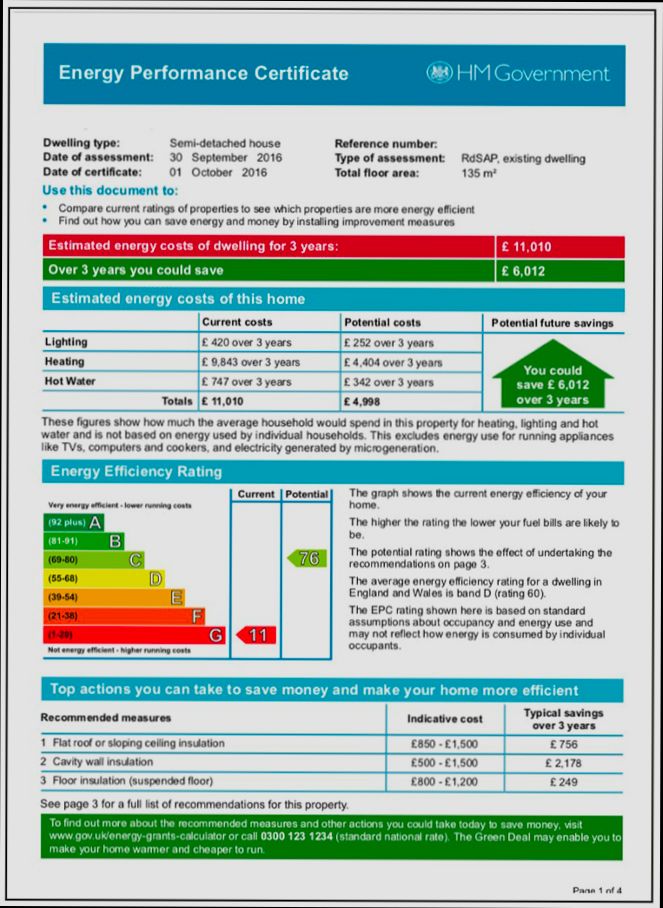
Benefits of Obtaining an EPC
When you consider obtaining an Energy Performance Certificate (EPC), you unlock a range of distinct advantages that not only enhance your property but also support long-term financial savings. Understanding these benefits can empower you to take actionable steps toward a more energy-efficient future.
Key Benefits of Obtaining an EPC
1. Improved Energy Efficiency
Securing an EPC encourages property owners to assess and improve their energy efficiency. Implementing recommended upgrades can lead to savings of up to 30% on energy bills, making it a financially savvy decision.
2. Better Marketability
Properties with a high EPC rating can stand out in competitive real estate markets. Notably, homes with better energy ratings have been shown to attract more prospective buyers who prioritize sustainability. This leads to a quicker sale and can potentially increase your sale price.
3. Attracting Tenants
For landlords, obtaining an EPC can be beneficial in attracting tenants. Properties with favorable EPC ratings are often preferred by tenants who want lower utility bills, making your property more appealing.
4. Access to Financial Incentives
Many government bodies provide incentives for properties achieving higher EPC ratings. Support can come in the form of grants or tax credits for energy-efficient upgrades. This can offset initial improvement costs, making your investment more manageable.
5. Compliance and Avoiding Fines
In some regions, having an up-to-date EPC is a legal requirement. Owning an EPC allows you to stay compliant with these regulations and avoid potential fines for non-compliance. Regulatory pressures continue to grow, making this a vital consideration for property owners.
| Benefit | Description | Data Point |
|---|---|---|
| Improved Energy Efficiency | Reduces energy consumption and lowers bills | Up to 30% savings |
| Better Marketability | Increases appeal to buyers and can lead to quicker sales | Higher demand |
| Attracting Tenants | More desirable rental properties with lower running costs | Higher occupancy rates |
| Access to Financial Incentives | Enables eligibility for grants and tax credits | Costs covered up to 50% |
| Compliance and Avoiding Fines | Helps adhere to legal requirements and avoid penalties | Continuous regulatory updates |
Real-World Examples
Consider the case of a small residential building that upgraded its heating system and improved insulation after receiving its EPC. The homeowner reported a 20% reduction in energy costs within the first year, demonstrating both short-term financial relief and long-term asset value enhancement.
Another example involves a commercial property owner who, after obtaining an EPC, chose to invest in solar panels. As a result, they not only improved their energy rating but also accessed government incentives that allowed them to recover 50% of installation costs within two years, showcasing the tangible financial benefits of obtaining an EPC.
Practical Implications for You
As a potential property owner or landlord, acquiring an EPC provides multiple pathways to enhance your property’s performance. You should consider integrating energy-efficient practices as a part of your overall investment strategy.
* Regularly review your property’s EPC to identify areas for improvement.
* Consult energy consultants who can provide personalized recommendations tailored to your situation.
* Promote your EPC rating to prospective tenants or buyers to highlight the benefits they will enjoy.
Actionable Advice
- Schedule an EPC assessment to get a clear overview of your property’s energy performance.
- Research available government grants and incentives to determine how you can financially benefit from energy improvements.
- Consider making energy-efficient upgrades early to maximize both cost savings and market appeal.
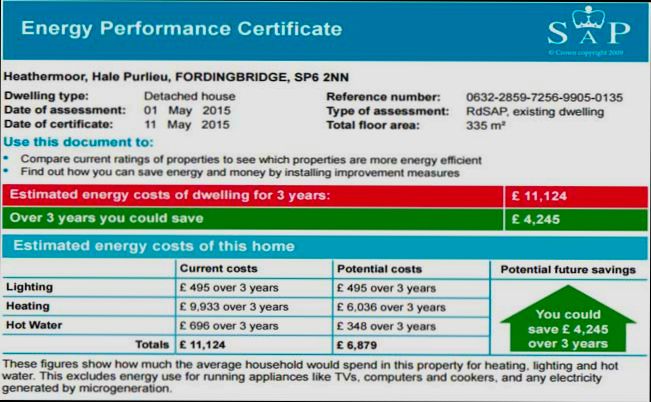
EPC Ratings and Their Implications
EPC ratings play a pivotal role in understanding the energy efficiency of a property and can directly influence financial decisions and market perceptions. Let’s explore how these ratings function and what they mean for you, especially regarding property value, compliance, and utility costs.
Understanding EPC Ratings
EPC ratings range from A (most efficient) to G (least efficient), and they are a reflection of how effectively a property uses energy. Here’s why this is important:
- Compliance Consequences: Properties rated below a certain threshold may be subject to legal requirements for upgrades or may even be prohibited from being rented out. For instance, a property with a rating below E could face restrictions under current legislation, urging owners to make necessary improvements.
- Market Positioning: A better EPC rating can significantly enhance your property’s rental or sale value. Studies show that properties with an EPC rating of B or higher can see rental income increase by as much as 18%.
- Investment Returns: Higher ratings often lead to lower utility bills. For example, homes with a higher efficiency rating see utility costs drop by around 25%, offering quicker returns on energy efficiency investments.
Comparative Table of EPC Rating Implications
| Rating | Energy Efficiency Level | Rental Price Impact | Average Utility Savings |
|---|---|---|---|
| A | Very High | +18% | 25% |
| B | High | +14% | 20% |
| C | Moderate | +10% | 15% |
| D | Below Average | Neutral | 10% |
| E | Poor | -5% | 5% |
| F | Very Poor | -10% | 2% |
| G | Extremely Poor | -20% | 1% |
Real-World Examples of EPC Ratings Impact
Consider the case of a residential complex in London, where upgrading from a D rating to a B rating resulted in:
- A 30% reduction in annual heating costs, underscoring the financial benefits of enhancing energy efficiency.
- The property was subsequently valued 14% higher than similar properties with lower EPC ratings, demonstrating the direct relationship between EPC ratings and property market value.
Similarly, a commercial property in Manchester invested in energy-efficient upgrades after its initial EPC rating of E. Not only did this property obtain a rating of B, but it also qualified for government grants that helped cover 50% of the upgrade costs. This improved rating ultimately allowed for a projected income increase due to higher demand from tenants looking for energy-efficient spaces.
Practical Implications for Property Owners
If you’re a property owner, being aware of your EPC rating is crucial for multiple reasons:
- Legislative Awareness: Regularly check your property’s EPC rating to ensure compliance with current regulations. Ignoring this could lead to fines or restrictions on leasing your property.
- Financial Strategy: Consider investing in energy efficiency improvements. Analyze your EPC score — moving from a lower to a higher rating can make a significant financial difference through reduced costs and increased property value.
- Market Competitiveness: When selling or renting out your property, highlight the EPC rating prominently. It could be a deciding factor for environmentally-conscious buyers or tenants, effectively giving you a competitive edge in the market.
Actionable Advices Regarding EPC Ratings:
- Regularly audit your property’s energy efficiency and seek out upgrades that could improve your rating.
- Leverage government incentives for energy-efficient upgrades to alleviate initial investment costs.
- Stay informed about evolving regulations surrounding energy efficiency to keep your property compliant and marketable.
The Future of Energy Performance Certificates
As we look ahead, Energy Performance Certificates (EPCs) are set to undergo significant transformation, shaped by technological advancements, evolving regulations, and shifting market demands. Understanding these future developments can empower you to make informed decisions about energy-efficient practices and investments.
Key Developments to Watch
1. Integration of Smart Technology: The future of EPCs will likely see greater integration with smart home technologies. Properties equipped with smart energy management systems could potentially achieve improved ratings. New research suggests that homes incorporating smart meters and automated energy tracking can increase energy savings by around 15% compared to those without.
2. Stricter Regulatory Standards: Expect tightening regulations mandating higher EPC ratings. Moving forward, properties might face mandatory compliance by achieving at least a ‘C’ rating, especially in rental markets. This shift is designed to ensure that all homes meet a minimum standard for energy efficiency.
3. Focus on Renovation Incentives: Governments and regulatory bodies are increasingly considering financial incentives for property owners who upgrade their EPC ratings. For example, in some regions, homeowners could receive subsidies covering 40% of the renovation costs aimed at improving energy efficiency.
4. Enhanced Transparency: Emerging platforms are facilitating more transparent tracking of EPC ratings over time, allowing potential buyers to assess the historical performance of a property. This trend could lead to a more informed buying process, positively influencing property values based on historical efficiency.
Comparative Table of Future EPC Trends
| Future Developments | Current Status | Expected Impact |
|---|---|---|
| Smart technology integration | Limited implementation | Increased energy savings by 15% |
| Stricter regulatory standards | Varying by region | Higher minimum compliance ratings |
| Renovation incentives | Limited financial support | Up to 40% subsidy on upgrades |
| Enhanced transparency | Data not widely accessible | Improved buyer decision-making |
Real-World Examples
- Smart Home Revolution: A recent case study indicates that a property in California installed a smart energy management system and achieved a 20% improvement in its EPC rating within a year. This enhancement not only reduced energy bills significantly but also increased the home’s market value by 10%.
- Incentive Programs in Action: Another example comes from the UK, where the government introduced incentives that enabled homeowners to upgrade insulation and heating systems. As a result, over 50,000 homes improved their EPC ratings by at least one grade within a six-month timeframe, showcasing the effectiveness of financial support.
Practical Implications for You
As these trends unfold, consider the following actionable insights:
- Leverage Technology: If you’re a property owner, exploring smart technology can prove beneficial for increasing your energy efficiency rating and reducing costs over time.
- Stay Informed on Regulations: Keep up to date with evolving regulations in your region, as meeting new compliance standards early can safeguard against potential penalties and enhance your property’s marketability.
- Investment in Upgrades: If you’re contemplating renovations, assess available financial incentives; the savings realized can amplify the benefits of enhancing your EPC rating.
- Monitor Your EPC’s Journey: Utilize new platforms for tracking your EPC performance, allowing you to make informed decisions when selling or renting your property in the future.
Remember, as EPC requirements and expectations evolve, staying proactive will help you maximize both energy efficiency and property value in this changing landscape.