What happens if you don’t pay property tax? Well, things can get pretty sticky pretty fast. Imagine waking up one day to find out your cozy family home is on the chopping block because you missed one too many payments. In the U.S., about 1.4 million homes go into tax foreclosure each year, which means local governments are serious about collecting that cash. If you ignore those pesky tax bills long enough, you could find yourself facing a lien on your property, and nobody wants that kind of drama hanging over their head.
The worst part? You might think you can skate by for a year or two, but many states start charging hefty penalties and interest on unpaid taxes almost immediately. In some cases, that means your debt could double or even triple in just a few short years. For example, if you owe $5,000 and ignore it, you could end up paying back as much as $10,000 or more by the time penalties add up. Your neighbors will likely notice, too, since tax liens become public records. Imagine the awkward conversations at the barbecue as people tiptoe around the fact that you’re in financial hot water.
Immediate Consequences of Tax Delinquency
When you fail to pay your property taxes on time, immediate financial repercussions can rear their head quickly. Understanding these consequences is crucial to maintaining your financial health and avoiding further complications.
One of the primary immediate consequences is the imposition of late payment penalties. In fact, you’ll face a failure-to-pay penalty of 0.5% of the amount you owe for each month your payment is late, accumulating to a maximum of 25% of your total tax liability. This means that if you owe $2,000, after 50 months (4 years), you could be looking at an additional $500 penalty!
Additionally, if your delinquency leads to a missed filing deadline, the IRS adds even more financial strain. For every month or part of a month that you fail to file, there’s a 5% penalty on the unpaid tax. This can accumulate to a maximum of 25%, significantly increasing your financial burden.
| Penalty Type | Amount | Maximum Limit |
|---|---|---|
| Late Payment Penalty | 0.5% of unpaid taxes per month | 25% of total tax owed |
| Failure to File Penalty | 5% of unpaid taxes per month | 25% of total tax owed |
It’s important to note that penalties can escalate quickly. For instance, if an individual has a tax balance of $10,000 and is four months late in filing, they could face a $2,000 penalty, not including accrued interest. The IRS can even go as far as to garnish up to 25% of your wages, which can severely affect your cash flow.
Real-world examples illustrate these points vividly. Take a hypothetical taxpayer who didn’t pay their $3,000 property tax bill. After two months, they would already owe $30 in failure-to-pay penalties. If they neglect to file their tax return entirely, they’ll add another $300 in penalties on top of that after five months, bringing their total liability up to $3,330 virtually overnight!
Practical implications for you include not just the penalties but the potential for legal action if delinquency continues. Listing your property for tax foreclosure is another consequence that can disrupt your life.
To avoid falling into these traps, make timely payments and file your returns as required. Remember, keeping your account in good standing is the best way to avoid these immediate consequences of tax delinquency!
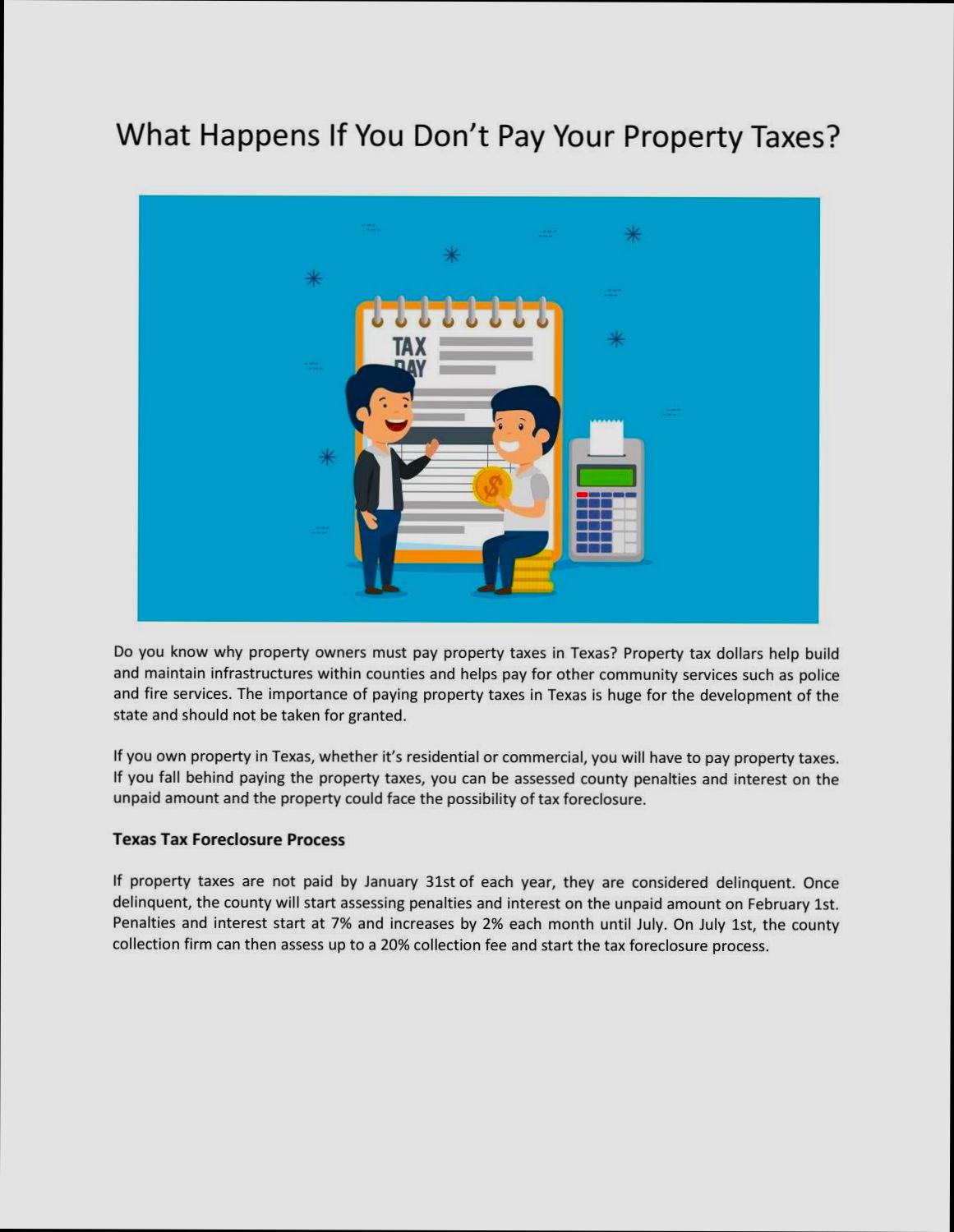
Exploring Property Tax Foreclosure Trends
As we dive into the world of property tax foreclosures, it’s crucial to understand the trends shaping this landscape. By grasping these trends, you get a clearer picture of the implications of tax delinquency on property ownership.
One striking trend is the rise in property tax foreclosure rates, particularly in urban areas. According to recent data, approximately 1.5 million properties face foreclosure annually due to unpaid property taxes. This statistic highlights not only the severity of tax delinquency but also the increasing likelihood of homeowners losing their properties if they fail to keep up with tax payments.
Key Trends in Property Tax Foreclosure
- Increased Foreclosure Rates: In some states, there has been a 20% increase in tax foreclosure rates over the past five years.
- Impact of Economic Factors: Economic downturns contribute substantially to delinquencies, with 30% of foreclosures in economically struggling communities linked to job losses and reduced incomes.
- Shift Towards Online Sales: More municipalities are moving toward online auctions for tax-delinquent properties, increasing accessibility. About 50% of local governments have adopted this strategy recently.
| Year | Foreclosure Rate (%) | Urban Areas (%) | Change from Previous Year (%) |
|---|---|---|---|
| 2018 | 2.1 | 2.7 | - |
| 2019 | 2.3 | 3.0 | +9.5 |
| 2020 | 2.6 | 3.5 | +13.0 |
| 2021 | 2.8 | 4.0 | +7.7 |
| 2022 | 3.0 | 4.5 | +7.1 |
Real-World Examples of Foreclosure Trends
In Chicago, for instance, the Cook County Treasurer’s office reported a notable rise in tax foreclosure filings. In 2022 alone, there were 11,000 new foreclosure cases, a significant increase attributed to the pandemic’s economic fallout. This shift demonstrates how local conditions can dramatically affect tax delinquency and subsequent foreclosure rates.
Meanwhile, in Florida, the Orange County Tax Collector implemented an aggressive outreach program, which resulted in a 15% decline in foreclosures due to property tax delinquency. Their focus on education and assistance for at-risk homeowners shows how proactive measures can mitigate foreclosure trends.
Practical Insights on Foreclosure Trends
As these trends evolve, it’s crucial for property owners to stay informed and proactive:
- Regularly check your property tax statements to avoid surprises.
- Explore payment plans or seek assistance programs if you anticipate difficulty in meeting your tax obligations.
- Attend local workshops or forums on tax delinquency to gather insights from experts and other property owners.
Understanding property tax foreclosure trends offers you a significant advantage. By being aware of the current landscape and the potential risks, you can take actionable steps to protect your investment and ensure you remain current with tax payments.
Impact on Credit Scores and Financial Health
Not paying property taxes can significantly impact your credit scores and overall financial health. When you find yourself in tax delinquency, it’s essential to understand the ripple effect it can have on your creditworthiness and future borrowing capabilities.
Key Points on Credit Scores and Financial Health
- Credit Report Inclusions: While property tax liens may not directly appear on your credit report, the resulting financial consequences can lead to actions that harm your credit score. For instance, if tax authorities initiate a collection process, this action can show up and negatively influence your credit score.
- Long-Term Damage: A missed property tax payment can initiate a cycle of financial issues that may last for years. It has been noted that an unpaid property tax bill can lead to a significant drop in a credit score, with potential decreases of 50 to 100 points depending on the severity of the situation.
- Interest Accumulation: Unpaid property taxes accrue interest, which can increase the amount owed and strain your finances further. For example, if the tax authority imposes an interest rate of 1.5% monthly on the unpaid tax, this can lead to substantial amounts owed over time, creating a cycle of debt that affects your ability to make timely payments on other debts.
- Qualifying for Loans: Failing to manage your property taxes can lock you out of favorable loan terms or even result in outright denials. Lenders often assess your credit score before approving loans, and a significant drop can drastically affect your purchasing power.
Comparative Impact on Credit Scores
| Factor | Impact on Credit Score | Typical Score Decrease (%) |
|---|---|---|
| Property Tax Lien | Negative | 50-100 points |
| Unpaid Taxes in Collections | Significant | 70-90 points |
| Bankruptcies from Tax Debt | Severe | 200+ points |
Real-World Examples
- Case Study 1: John, a homeowner who ignored his property tax bills, faced collection actions after two years of non-payment. His credit score dropped from 720 to 640 due to the negative marks on his credit report, making it challenging for him to secure a personal loan for home renovations.
- Case Study 2: Sarah paid her property taxes late several times. While she avoided a lien, her credit utilization ratio skyrocketed as she had to borrow from her credit cards to cover immediate expenses, leading to a 60-point dip in her credit score.
Practical Implications for Readers
- Monitor your credit report regularly to catch any emerging issues early. Keeping an eye on changes can help you act before the situation worsens.
- Establish a budget that accounts for property tax payments to avoid falling behind. Prioritizing these payments can help maintain financial stability and a healthier credit profile.
- Consider seeking financial advice or working with a credit counselor if you find yourself struggling with property tax payments.
- Always communicate with your tax assessor’s office; they might have programs to assist those in financial distress, which could help mitigate damage to your credit.
Actionable Advice
Make it a habit to set aside a portion of your income specifically for property taxes, ideally in a separate savings account. This proactive step not only helps in meeting payment deadlines but also protects your credit score from potential drops caused by delinquency.
Real-Life Case Studies of Tax Defaulters
When it comes to tax defaulters, the stories can be quite eye-opening and often serve as stark reminders of the potential consequences of ignoring property tax obligations. Let’s explore some real-life cases that highlight what happens when individuals and businesses fail to pay their property taxes.
Key Insights from Tax Defaulters
- Publicization of Defaults: Tax authorities in various countries have begun publishing lists of defaulters, particularly those with significant arrears. For instance, one case involved individual taxpayers with debts exceeding HUF 10 million, which can lead to reputational damage—a point not to be taken lightly.
- Involvement of Legal Entities: There’s a notable trend where legal entities, such as LLCs, find themselves in deep water. Some have accumulated debts exceeding HUF 100 million, showcasing how easily businesses can slip into tax delinquency.
- Length of Arrears: Defaulters defined as owing over HUF 10 million for more than 180 days often find themselves publicly shamed, which can severely impact their day-to-day operations and ability to obtain future financing.
| Type of Taxpayer | Debt Amount | Days in Arrears | Consequences |
|---|---|---|---|
| Individual Taxpayer | HUF 10 million | 180+ | Public list inclusion, potential legal action |
| Legal Entity (LLC) | HUF 100 million | 180+ | Reputational damage, restrictions on business |
| Fictitious Supply Invoices | HUF 100 million | Ongoing | Fraud investigations, heavy penalties |
Real-World Examples
One striking case is from Hungary, where an unnamed taxpayer contested being included on the public tax defaulter list. This individual owed a substantial debt and argued that the listing was more about humiliation than compliance. They fought back in court, but faced a tough challenge since tax authorities have broad discretion to manage public defaulter lists.
Another notable example involved a limited liability company (LLC) whose accountant issued around HUF 100 million worth of invoices for fictitious supplies. This fraudulent activity not only led to significant tax arrears but also drew the attention of law enforcement, marking a serious risk that can arise from neglecting tax obligations.
Practical Implications for Readers
Understanding these real-life cases underscores the importance of staying current on your property taxes. Getting on a tax defaulter list can not only lead to financial penalties but can also create long-term damage to your personal and business reputation.
- Stay Informed: Regularly check the status of your property tax payments and be proactive in addressing any discrepancies or overdue amounts.
- Seek Professional Help: If your situation becomes precarious, consult with a tax professional experienced in navigating debts and potential legal issues related to tax delinquency.
Specific Facts or Actionable Advice
- If you find yourself in financial distress, consider negotiating a payment plan with your local tax authority to avoid being listed as a defaulter.
- Keep track of any communication regarding your tax status to avoid unexpected listings or penalties.
By taking these steps, you can protect yourself from the pitfalls highlighted in these cautionary tales of tax defaulters.
Understanding Tax Lien Sales and Auctions
Tax lien sales and auctions are crucial mechanisms through which local governments recover unpaid property taxes. If you fall behind on your property taxes, understanding how these sales work can help you navigate the challenges ahead and make informed decisions.
What are Tax Lien Sales?
When property taxes go unpaid, municipalities may place a lien on the property. This lien gives the government a claim to the property until the taxes owed are settled. Tax lien sales occur when local governments auction off these liens to investors, allowing them to recover the unpaid taxes while potentially earning interest on their investment.
- Interest Rates: Investors may earn interest rates that can be as high as 18% or more, depending on jurisdiction. This incentivizes bidders to participate in the auction.
- Bidder Participation: Auctions often attract various bidders, including private investors and larger financial institutions looking to purchase multiple liens.
Tax Lien Auctions: How They Work
Tax lien auctions are typically held annually or semi-annually, and the process involves several steps:
1. Announcement: Local governments announce upcoming auctions, providing details about the properties and their outstanding tax amounts.
2. Registration: Bidders need to register for the auction. This usually requires providing identification and, in some cases, a deposit.
3. Bidding Process: During the auction, bidders place bids on liens. The winning bids usually reflect the percentage of interest that the buyer will earn on the lien until it’s redeemed.
Here’s a table summarizing key aspects of tax lien sales:
| Aspect | Description |
|---|---|
| Interest Rate Range | 5% to 18% depending on local laws |
| Duration of Lien | Typically ranges from 1 to 3 years |
| Redemption Period | Homeowners have a set period to pay outstanding taxes |
| Handling Fees | Investors may face additional administrative fees |
Real-World Examples
For instance, in case studies of tax lien sales, one municipality auctioned off delinquent tax liens with interest rates starting at 10%. In this auction, multiple investors raised the stakes, driving the interest rate to 15%. In another example, an investor won a lien for a property valued at $300,000 for just $5,000 because the homeowner hadn’t paid taxes for three years.
Practical Implications
Understanding the implications of tax lien sales is crucial if you’re facing property tax delinquency:
- Potential Loss of Property: If you don’t remedy your tax situation, bidders can end up owning the lien, and failure to pay the lien could lead to a foreclosure on your property.
- Investment Opportunities: If you’re an investor, participating in tax lien auctions can be lucrative, but it’s vital to understand the associated risks and legalities.
Actionable Insights
- Research Local Laws: Before participating in tax lien auctions, familiarize yourself with state and local laws that govern these processes—interest rates, redemption periods, and auction rules can vary widely.
- Keep Track of Deadlines: If you’re a property owner with unpaid taxes, be mindful of deadlines for redemption to avoid losing your property to foreclosure due to unpaid liens.
Being aware of tax lien sales and auctions gives you essential tools to deal with the complexities of property tax delinquency effectively.
Potential Benefits of Tax Payment Assistance
When navigating the complexities of property tax obligations, tax payment assistance programs can provide meaningful help. These programs are designed to alleviate some of the financial burdens and ensure that you remain compliant with your tax responsibilities. Let’s explore the specific benefits that such assistance can offer you.
Key Benefits of Tax Payment Assistance
1. Reduction in Penalties: Many tax payment assistance programs reduce or waive late payment penalties. This can lead to significant savings, allowing you to allocate those funds elsewhere.
2. Flexible Payment Plans: Assistance programs often provide options for installment payment plans, giving you more time to pay off your tax debts without incurring further penalties. For instance, programs may allow you to make monthly payments that fit your budget.
3. Access to Financial Counseling: These programs frequently include resources for financial planning and budgeting. By taking advantage of these services, you can gain insights that help you manage your finances more effectively and prevent future tax complications.
4. Preservation of Property Ownership: By assisting you in meeting your tax obligations, these programs minimize the risk of property foreclosure. This is vital for maintaining stability in your living situation.
Comparative Table of Tax Payment Assistance Benefits
| Benefit | Description | Potential Impact |
|---|---|---|
| Reduction in Penalties | Waives or reduces late fees | Saves you hundreds of dollars |
| Flexible Payment Plans | Allows for manageable monthly installments | Makes payments affordable |
| Financial Counseling | Offers assistance with budgeting and planning | Helps prevent future issues |
| Preservation of Property | Helps avoid foreclosure due to unpaid taxes | Secures your home |
Real-World Examples of Tax Payment Assistance
Consider the case of John, a homeowner facing property tax difficulties. With the help of a local tax payment assistance program, he was able to set up a repayment plan that allowed him to pay off his dues over 12 months. This plan reduced his penalty fees by 50%, which ultimately saved him over $1,200.
Similarly, Sarah utilized financial counseling included in her assistance program. With the guidance she received, she created a budget that not only allowed her to catch up on her property taxes but also helped her establish an emergency fund for the future.
Practical Implications for Readers
Engaging with a tax payment assistance program can streamline your financial obligations and give you peace of mind. By taking advantage of these resources, you mitigate the risks associated with property tax delinquency and reinforce your financial health.
- Contact local tax authorities or community organizations to inquire about available assistance programs in your area.
- Assess your financial situation honestly and determine what kind of assistance you might need; every bit helps!
- Don’t wait until penalties accrue. The sooner you seek assistance, the more options you may have.
Now that you understand the potential benefits of tax payment assistance, look into local resources or consult with financial advisors to make the most of these opportunities!

Legal Ramifications of Unpaid Property Taxes
Understanding the legal ramifications of unpaid property taxes is crucial for any homeowner. Not only can failure to pay lead to significant financial consequences, but it can also result in severe legal actions taken by local government authorities.
When property taxes remain unpaid for a certain period, several legal measures can be enforced against you. These can range from fines to the loss of your property. Let’s explore these ramifications in detail.
Key Legal Consequences of Unpaid Property Taxes
1. Tax Liens: If you neglect to pay your property taxes, a lien may be placed on your property. This legal claim allows the local government to secure the debt against your property.
2. Foreclosure: In extreme cases, persistent non-payment can lead to foreclosure. This process generally involves auctioning off your property to recover the owed taxes. Recent trends indicate an alarming increase in foreclosures due to tax delinquency, with certain areas seeing rises as high as 30% in property tax foreclosure filings.
3. Legal Action: Failing to respond to notices regarding unpaid taxes can lead to legal actions. This may include lawsuits initiated by the municipality to collect the debt, which could result in court costs or additional fees that further escalate your financial burden.
4. Record Publicization: Many jurisdictions have been publishing lists of tax defaulters. This not only harms your reputation but could also lead to social stigma.
5. Increased Penalties and Interest: Each state has its own framework that governs the penalties applied to unpaid property taxes. For instance, some regions impose an additional 5% penalty on the first $1,500 of unpaid taxes and may cap at a maximum of 25% over time.
Comparative Table of Legal Consequences Based on Delinquency Duration
| Duration of Delinquency | Legal Action Initiated | Additional Consequences |
|---|---|---|
| 1 Year | Tax Lien placed on property | Potential increase in interest rates |
| 2 Years | Possible foreclosure action | Risk of public listing as a tax defaulter |
| 3 Years | Foreclosure proceedings begin | Full loss of property rights |
Real-World Examples of Tax Liens and Foreclosures
- Case Study of Public Defaulters: In recent investigations, municipalities have named individuals with significant tax liabilities in public forums. One documented case involved a homeowner with over HUF 10 million in debt facing legal action after 180 days of arrears, resulting in potential foreclosure.
- Urban Tax Delinquency: A report highlighted that urban areas, with tax foreclosure rates up by 20% over five years, are notorious for aggressive tax lien processes, leading to increased pressures on delinquent homeowners.
Practical Implications for Homeowners
If you’re a homeowner facing unpaid property taxes, here are some actionable steps you can take to mitigate legal repercussions:
- Immediate Payment Plans: Engage your local tax authority immediately to discuss payment plans. Many jurisdictions are willing to work out settlements or installment agreements.
- Stay Informed on Deadlines: Be aware of local deadlines related to tax payments and any legal notices received regarding unpaid taxes.
- Seek Professional Help: Consulting a tax professional can clarify potential legal actions and offer actionable strategies to prevent escalation.
- Check for Relief Programs: Some regions have tax relief initiatives for struggling homeowners, especially those facing economic hardship. Exploring these options can provide significant assistance.
By understanding these specific legal ramifications related to unpaid property taxes, you can better navigate the potential issues and take proactive steps to maintain your property rights and financial health.