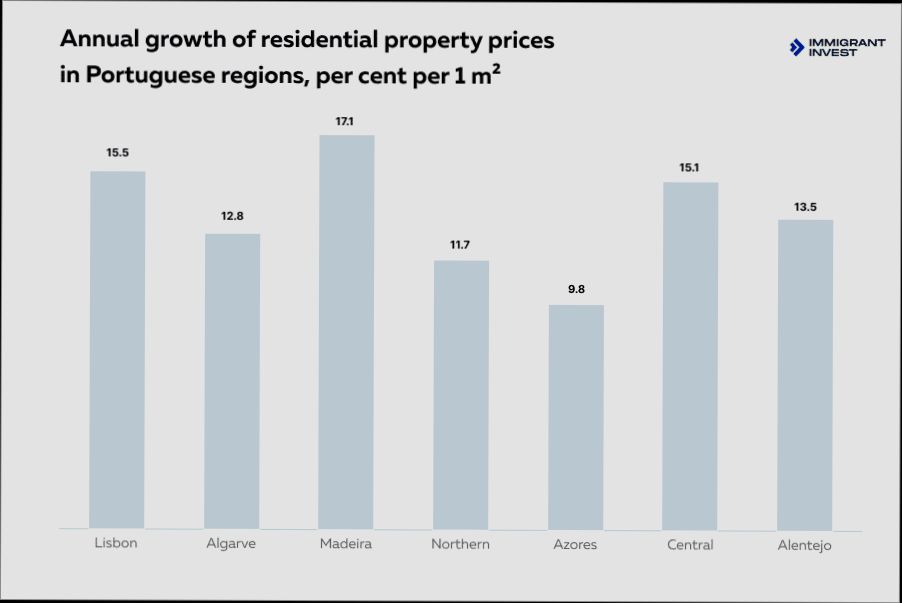
What are the Costs of Moving to Portugal? Picture this: you’ve just decided to pack up your life and head to the sunny coast of the Algarve or the vibrant streets of Lisbon. Sounds dreamy, right? But before you dive into that azure ocean, let’s break down some real figures. The average cost to rent a one-bedroom apartment in Lisbon is around €1,200 a month, while you can find similar digs in smaller cities for about €600 or even less. Throw in utilities, which can range from €100 to €150 for a standard apartment, and you’re looking at a significant monthly budget right off the bat.
Then there’s the actual moving process. Depending on where you’re coming from, shipping your belongings can hit your wallet pretty hard. A typical move from the UK to Portugal can cost between €1,500 and €3,000, especially if you have a lot to ship or opt for door-to-door service. Don’t forget about the initial arrival expenses, like securing health insurance, which can cost around €75 to €150 per month for private coverage. And let’s not overlook the one-time fees for residence permits or legal services—these can total several hundred euros, depending on your situation. So, while the idea of living amongst olive groves and seaside cafes is enchanting, it pays to know what the price tag looks like first!

Housing Costs and Rental Markets
When considering a move to Portugal, housing costs and the rental market play a crucial role in your budgeting and overall experience. Understanding these dynamics helps you plan effectively and find a place that meets your needs without breaking the bank.
Rental Prices and Variance
Rental prices in Portugal vary significantly by region. For instance:
- Lisbon continues to be the most expensive city, with average monthly rents around €1,200 for a one-bedroom apartment in the city center.
- In contrast, regions like Alentejo and the interior, such as Beja, have lower average rental prices, often around €400 or €500 per month for similar accommodations.
This variance means you can find a suitable rental that aligns with your budget, but you need to research your preferred area thoroughly.
Rental Market Trends
Several trends shape the current rental market in Portugal:
- Short-term rentals: The rise of platforms like Airbnb has compounded the demand for short-term rentals in urban areas, raising long-term rental prices.
- Legislation impact: Recent regulations in Lisbon and Porto aim to cap short-term rental licenses to protect the long-term rental market, affecting availability and costs.
- Urban vs. Rural: Rural areas are becoming increasingly attractive as more people embrace teleworking, leading to a decrease in prices compared to urban centers.
Comparative Rental Prices
Here’s a quick look at average rental prices across major locations:
| City | Average Monthly Rent (1-bedroom, City Center) | Average Monthly Rent (3-bedroom, City Center) |
|---|---|---|
| Lisbon | €1,200 | €2,200 |
| Porto | €900 | €1,600 |
| Faro | €700 | €1,200 |
| Braga | €600 | €1,000 |
| Beja | €400 | €700 |
This table illustrates the stark differences in rental prices, helping you weigh your options as you consider where to live.
Real-World Examples
Maria, a digital nomad, moved to Porto and found a charming one-bedroom apartment for €750 per month, which included utilities. This was only slightly above the Porto average but provided a desirable location near amenities. On the other hand, Tom, who opted for a larger three-bedroom flat in Lisbon for €2,400, struggled to find suitable options within his budget due to rising competition in the area.
Practical Insights
When navigating the rental market in Portugal, consider the following tips:
- Start your search online through sites like Idealista and OLX to gauge market prices.
- Be open to negotiating rental terms; landlords may be receptive, especially for longer lease commitments.
- Factor in additional costs like utilities, which can add up and should be included in your budgeting.
Specific Facts
- Average yearly rental increases have hovered around 5-10%, so it’s wise to consider a long-term lease to avoid higher monthly payments later on.
- Security deposits typically amount to one to two months’ rent; ensure this is part of your financial planning.
By keeping these factors in mind, you can make informed decisions about housing and rentals as you plan your move to Portugal.

Healthcare Expenses for Expats in Portugal
When moving to Portugal, understanding the healthcare expenses you may incur as an expat is crucial to your financial planning. The healthcare landscape in Portugal offers a mix of public and private options, and it’s essential to explore these to ensure you find the best fit for your needs.
Understanding Healthcare Systems
Portugal has a well-established public healthcare system known as the Serviço Nacional de Saúde (SNS), which provides many services at low costs for residents and registered expats. Here’s what you should know:
- Public Healthcare: As an expat, if you qualify for the SNS, you may pay nominal fees for consultations, generally around €7–€20 depending on the service.
- Private Healthcare: If you prefer more immediate access or specialized services, private healthcare is available with costs typically ranging from €30 to €150 per visit.
Key Costs and Statistics
Healthcare expenses can vary significantly based on the services required. Below are some key data points to consider:
- Annual Insurance Premiums: Private health insurance plans for expats typically range from €300 to €1,200 annually, depending on age, health status, and the extent of coverage.
- Doctor Visits: Expect to pay an average of €45 for general practitioner visits in the private sector.
- Dental Care: A routine dental check-up costs between €30 and €60. Expats often budget around €300 annually for general dental care.
| Service Type | SNS Cost (€) | Private Cost (€) |
|---|---|---|
| General Practitioner | 7–20 | 45 |
| Specialist Consultation | 15–25 | 80–150 |
| Dental Check-up | 5 | 30–60 |
| Emergency Room Visit | 15 | 100–250 |
Real-World Examples
Consider the case of Emily, a 35-year-old expat who moved from the USA. She opted for private healthcare and pays €900 annually for comprehensive health coverage. A recent visit to a specialist set her back €120. In contrast, her neighbor Tom, a retiree who registered for SNS, pays only €8 per specialist visit and enjoys significant savings.
Another notable example is Mark, who needed dental work. He utilized the SNS for his check-up, which cost just €5, but faced longer wait times compared to his friend who paid €50 at a private clinic for quicker service.
Practical Tips for Managing Healthcare Expenses
1. Consider Your Options: Evaluate whether to go with the SNS or private care based on your individual health needs and whether you need immediate access to specialists.
2. Budget Wisely: Be prepared for out-of-pocket expenses, especially if you rely on private practitioners. Keep a separate healthcare fund aligned with the costs mentioned earlier.
3. Research Insurance Plans: Look for health insurance that covers both routine and emergency care. Compare a few plans to find the right coverage for your lifestyle and health status.
Actionable Advice
When planning your healthcare expenses in Portugal, consider registering with the SNS if you qualify. This can help reduce your healthcare costs significantly. Additionally, it is wise to shop around for private insurance, as premiums can vary widely. Keep track of your medical expenses and adjust your budget accordingly to manage the financial aspects of living abroad effectively.
Cost of Living Statistics for Relocation
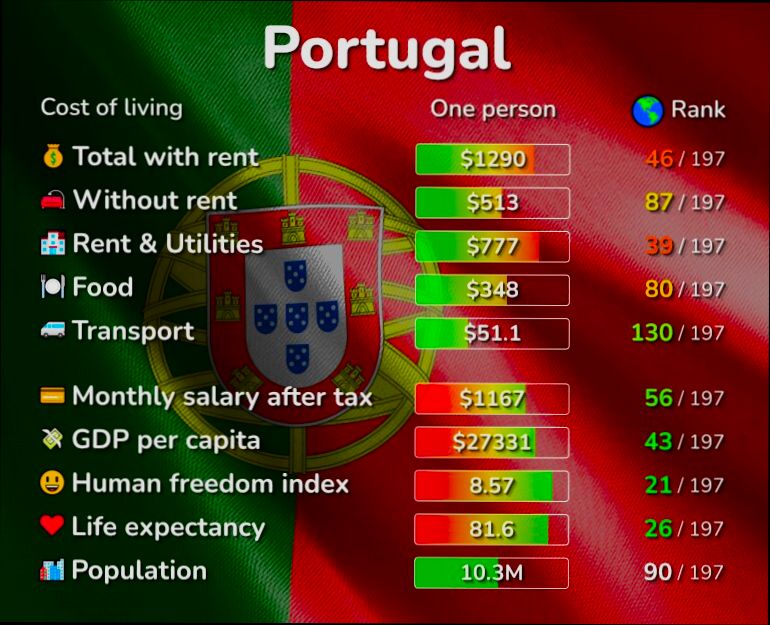
When considering relocating to Portugal, understanding the overall cost of living is key to ensuring a smooth transition. This section focuses on the unique financial factors associated with moving to this beautiful country that haven’t already been discussed.
Key Cost Points
1. Cost of Groceries: On average, grocery prices in Portugal are about 15% lower than in northern European countries. For instance, a loaf of bread costs about €1.10, while a liter of milk is around €0.90.
2. Transportation: Public transportation costs are also relatively low, with a monthly public transit pass in Lisbon averaging about €42, which is cheaper than many other European capitals.
3. Utilities: Monthly utility bills can range from €100 to €200 depending on the size of your home and usage. Heating and cooling can add complexity to this cost.
4. Dining Out: Eating at a mid-range restaurant will typically set you back approximately €15 to €25 per meal per person, providing an affordable yet enjoyable dining experience.
Comparative Cost of Living Table
| Item | Average Cost in Portugal | Cost in Northern Europe | Difference (%) |
|---|---|---|---|
| Grocery (loaf of bread) | €1.10 | €1.95 | -43% |
| Monthly public transit | €42 | €75 | -44% |
| Utilities (monthly) | €150 | €250 | -40% |
| Mid-range meal | €20 | €30 | -33% |
Real-World Examples
Consider Ana, who moved from Amsterdam to Lisbon. She noted that her monthly grocery bill dropped from €350 to €300, allowing her more financial flexibility to explore the city. Another expat, John, emphasized how his transportation costs decreased significantly—his monthly transit pass in London was €150, while in Lisbon, he now spends just €42.
Practical Implications
These statistics highlight that the cost of living in Portugal can provide substantial savings, particularly when it comes to groceries and transportation. If you plan to move, budgeting using these figures can help you establish a comfortable financial baseline.
- Allocate for Utilities: Ensure to budget adequately for utilities; consider peak seasons which can raise costs.
- Grocery Shopping: You might want to shop at local markets to maximize savings on fresh produce.
By understanding these cost statistics, you can better plan and enjoy your relocation to Portugal without financial surprises.

Education Fees and Options for Families
When relocating to Portugal, understanding the educational landscape is essential, especially if you have children. Education fees can significantly vary based on the type of institution—public, private, or international—which influences your overall relocation budget.
Types of Educational Institutions
In Portugal, you have several schooling options for your children:
- Public Schools: Generally free for residents, these schools follow the national curriculum and offer education in Portuguese. However, some nominal fees may apply for extracurricular activities or materials.
- Private Schools: These institutions charge tuition fees, which can range from €3,000 to €10,000 per year depending on the school’s reputation and facilities.
- International Schools: Popular among expatriates, these schools often follow foreign curriculums (like British or American). Tuition can be higher, ranging from €5,000 to €20,000 annually, depending on the school’s prestige.
Statistical Overview of Education Fees
| Type of School | Average Annual Fee (€) | Additional Costs |
|---|---|---|
| Public Schools | 0 | Some nominal fees |
| Private Schools | 3,000 - 10,000 | Activities, uniforms |
| International Schools | 5,000 - 20,000 | Transportation, meals |
Real-World Examples
Consider the case of the Johnson family, who moved from the United States to Lisbon. They decided to enroll their two children in an international school, facing tuition fees around €15,000 per year for each child. While they found this investment substantial, they appreciated the flexibility of the American curriculum, which made the transition smoother.
On the other hand, the Silva family, having settled in a smaller town, opted for a public school. They incurred minimal costs, primarily for school supplies, allowing them to focus resources on other living expenses.
Practical Implications for Families
As you plan your move, bear in mind the flexibility of education options. If you choose private or international schools, explore potential scholarships that some institutions offer, providing financial relief. Also, consider the costs of additional services such as transportation and meals, which can add to your annual budget.
Finally, be aware that many schools in Portugal may have waiting lists, particularly international schools. Early application can save you stress later on and ensure your child secures a spot that fits your family’s needs.

Transportation Expenses and Alternatives
When planning your move to Portugal, transportation expenses are a crucial factor to consider, as they can significantly impact your overall budget. This section explores the various aspects of transportation costs and viable alternatives that can help you navigate your new environment efficiently and affordably.
Overview of Transportation Costs
Transportation in Portugal is notably accessible and budget-friendly. Understanding the key costs involved will allow you to budget effectively. Here are some key points to consider:
- Public Transport Tickets: Individual tickets for public transportation, including buses and trains, range from approximately €1.48 to €1.80.
- Monthly Passes: An economical option for regular commuters, monthly transport passes are priced between €36.85 and €45.03.
- Taxi and Ride-Sharing: Basic taxi fares start at around €3, with additional costs per kilometer, making it a relatively reasonable choice for infrequent travel.
Comparative Transportation Cost Table
| Transportation Mode | Single Ticket Price | Monthly Pass Price | Notes |
|---|---|---|---|
| Public Bus | €1.48 - €1.80 | €36.85 - €45.03 | Coverage in urban areas |
| Tram | €1.48 - €1.80 | €36.85 - €45.03 | Scenic routes in cities |
| Metro | €1.50 - €1.75 | €36.85 - €45.03 | Fast and reliable service |
| Taxi | Starting €3 | - | Charges per kilometer apply |
| Ride-Sharing | Varies by distance | - | Typically competitive prices |
Real-World Examples of Transportation Alternatives
When it comes to exploring Portugal, your opportunities extend beyond traditional public transport:
- Biking: Many cities in Portugal, such as Lisbon and Porto, have dedicated cycling lanes and bike-sharing programs. Renting a bike can cost around €15 per day, providing both exercise and an eco-friendly travel alternative.
- Car Rentals: If you plan to explore the countryside or visit remote areas, renting a car can be a convenient option. Rental prices may vary, but you can find competitive deals starting around €30 per day.
- Walking: Given the compact nature of many Portuguese cities, walking is not just a healthful choice; it’s often the most scenic way to enjoy your surroundings.
Practical Implications for Your Move
Understanding these transportation alternatives can greatly enhance your living experience in Portugal. Here are some actionable insights:
- Opt for Public Transport: If you rely mainly on commuting within the city, public transportation is a reliable and cost-effective option. Consider a monthly pass if you will be using it frequently.
- Use Ride-Sharing Sparingly: Reserve ride-sharing services for occasions when public transport is less convenient, as costs can add up.
- Explore by Bike: For an adventurous twist, invest in a monthly bike rental if you enjoy cycling, while immersing yourself in local life.
Additional Tips for Transportation Expenses
- Keep an eye out for regional discounts or travel cards that might provide savings on public transport.
- Research the best routes ahead of time to avoid unnecessary costs, especially during peak hours when prices might fluctuate.
- Always check the operating hours of public transport, as they can vary significantly, especially in smaller towns.
By exploring these transportation expenses and alternatives in Portugal, you can seamlessly navigate your new surroundings while maintaining control over your budget.
Financial Advantages of Moving to Portugal
Moving to Portugal brings with it a wealth of financial advantages that can ease your transition and enhance your quality of life. From favorable tax incentives to lower everyday expenses, let’s delve into how relocating to this stunning country can positively impact your wallet.
Tax Benefits for Expats
One of the most significant financial perks of living in Portugal is its attractive tax regime, especially for expatriates. Portugal offers the Non-Habitual Resident (NHR) tax program, which provides substantial tax breaks for new residents for up to ten years.
- NHR Benefits: Eligible individuals can benefit from a flat income tax rate of 20% for certain professions deemed high value and can enjoy exemptions on foreign income.
- Pension Income: Under the NHR, foreign pension income may not be taxed in Portugal for up to ten years, depending on agreements with the country of origin.
Lower Everyday Expenses
When you reside in Portugal, you often find that your day-to-day living costs can be notably lower compared to many Western countries. This decrease can create a buffer in your monthly budget.
- Groceries: The cost of groceries is generally lower, with Portuguese consumers paying about 20-30% less than averages in countries like Germany or France.
- Dining Out: Eating out can be extremely affordable. A meal in a budget restaurant averages around €12, while a three-course dinner for two at a mid-range restaurant typically costs about €50.
Comparative Financial Benefits
To better understand these financial advantages, consider the following comparison of typical costs in Portugal versus other European countries:
| Expense Category | Portugal (Monthly Average) | Spain (Monthly Average) | France (Monthly Average) |
|---|---|---|---|
| Groceries | €250 | €300 | €350 |
| Dining Out | €150 | €200 | €300 |
| Public Transport | €40 | €50 | €70 |
| Monthly Rent (1 Bedroom) | €950 | €1,000 | €1,200 |
Real-World Examples
A couple, John and Lisa, relocated from the United Kingdom to Lisbon and were pleasantly surprised by their financial situation. They both qualified for the NHR tax program, allowing them to earn a combined income of €60,000 at a significantly lower tax rate. Additionally, their monthly grocery bill decreased from £400 to €250, giving them more freedom to explore other local experiences.
Practical Implications
Understanding the financial advantages of moving to Portugal allows you to make an informed decision about budgeting and spending. By taking advantage of tax incentives and lower living costs, you can potentially increase your disposable income.
- Financial Planning: If you plan on working remotely, the NHR could lower your tax burden while enjoying a higher standard of living.
- Budgeting for Lifestyle: With potential savings from groceries and dining out, you can allocate more funds to travel, leisure, and activities that enrich your new life.
Actionable Advice
If you are contemplating a move to Portugal, research the NHR tax program and prepare your financial documents to ensure a smooth application process. Additionally, keep a budget tracking your expected savings in everyday living expenses to maximize your financial advantages once you settle in.

Practical Budgeting for Your Move
Moving to a new country like Portugal can be invigorating, but it also comes with various costs that can catch you off guard if you’re not prepared. Proper budgeting for your move is essential to manage these expenses effectively and ensure a smooth transition.
Key Expenses to Consider
When budgeting for your move to Portugal, here are the primary expenses you need to account for:
- Hiring a Moving Company or Renting a Truck: The cost can significantly vary based on distance and the amount of items you have. For local moves, rates tend to be lower than for long-distance moves.
- Packing Supplies: Don’t overlook the essentials! Packing supplies can amount to an average of €100–€300, depending on how much you need. You could save by using recycled boxes and newspapers instead of buying new materials.
- Transportation Costs: If you’re hiring movers, factor in their fee. If you’re driving a rented truck, budget for fuel, which can escalate based on the distance to your new home in Portugal.
- Utility Deposits and Connection Fees: As you settle in, don’t forget about the initial utility deposits, which may range from €100 to €300 for services like electricity and water.
- Cleaning Supplies: You will likely need to clean both your old home and your new one. Budget around €50 to €100 for cleaning supplies.
Comparative Costs of Moving Expenses
| Expense Type | Local Move (€) | Long-Distance Move (€) |
|---|---|---|
| Moving Company (Estimate) | 400-800 | 1,200-3,000 |
| Truck Rental (Estimate) | 50-150/day | 150-450/day |
| Packing Supplies (Average) | 100-200 | 200-300 |
| Utility Deposits (Average) | 100-200 | 200-300 |
| Cleaning Supplies (Average) | 50-75 | 75-100 |
Real-World Examples
Many expats moving to Portugal find that downsizing their belongings helps significantly cut costs. For instance, a family moving from the U.S. to Lisbon managed to save about 30% on moving expenses by selling off extra furniture and utilizing free packing materials, like boxes from local liquor stores.
One couple shared that they opted for a mid-week move, which saved them approximately 15% on the moving fees compared to a weekend. By doing their own packing with recycled boxes and avoiding peak moving seasons, they maintained their budget while ensuring a smoother process.
Practical Implications for Budgeting
When considering the overall financial impact of your move, pay attention to various strategies for cost-effective moving:
- Downsize Your Belongings: Evaluate what items you truly need. By selling or donating unneeded items, you can save on packing and transportation costs.
- Negotiate with Moving Companies: Always inquire about potential discounts, especially during off-peak times.
- Opt for DIY Options: If feasible, handling your own packing can save substantial funds.
Actionable Advice
- Start Early: Create your budget as soon as you decide to move, listing all potential expenses.
- Track Expenses: Use a spreadsheet or app to keep a close record of your spending against your budget.
- Ask for Quotes: Don’t settle for the first moving company quote. Always compare at least three to find the best deal.
Following these guidelines can help you budget effectively for your move to Portugal, ensuring that the process remains enjoyable rather than stressful.