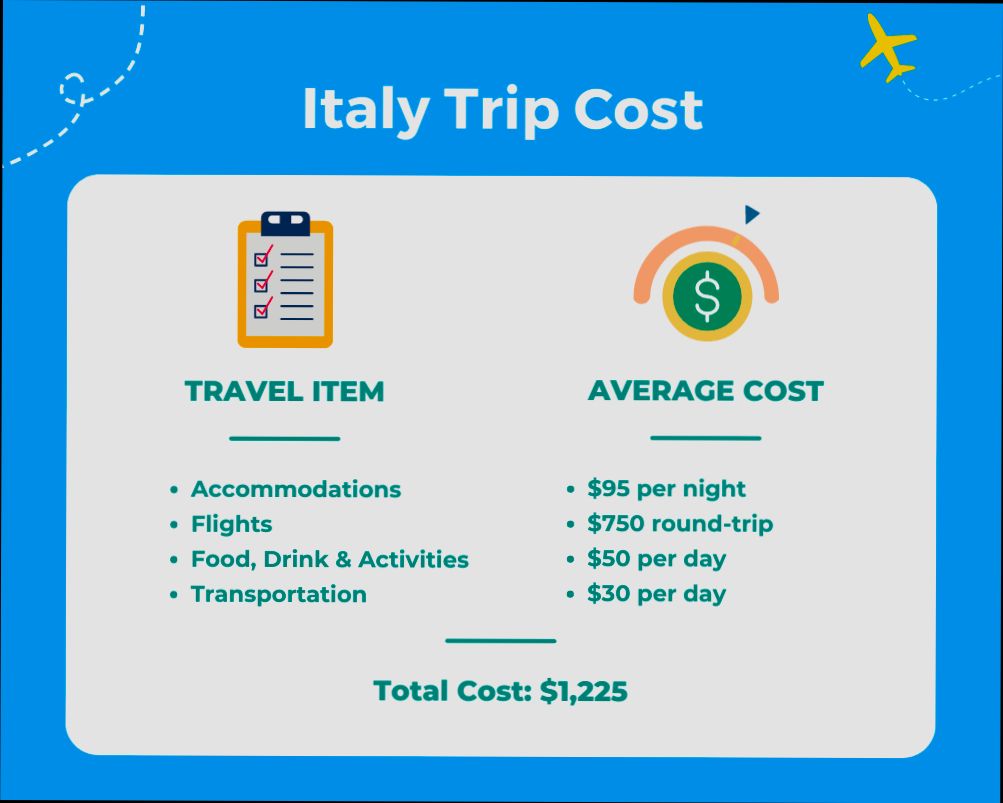
What are the Costs of Moving to Italy? If you’re dreaming of sipping espresso on sun-drenched piazzas or wandering through ancient ruins, you’re not alone. But before you pack your bags, let’s break down the hard numbers. You might kick off your adventure with a one-way flight, which can hover around $600 to $1,200 from the U.S., depending on the time of year. Once you land, don’t forget the visa fees if you’re planning a long-term stay—these can range from $100 to $300, plus additional costs for document translations and legal help.
Now, let’s talk about living expenses. Renting an apartment in cities like Rome or Florence can set you back anywhere from €800 to €2,000 a month, depending on the neighborhood. Utilities—think electricity, gas, and internet—will add another €150 to €300 to your monthly bill. Food? Italian cuisine might be a delight, but expect to spend around €250 to €400 per month on groceries alone. For couples or families, those costs can really add up; a mid-range meal at a restaurant might run you about €50 for two. Moving to Italy isn’t just an adventure—it’s a financial commitment that requires some serious budgeting.

Housing Expenses in Italian Cities
Navigating housing expenses in Italy can feel like both an adventure and a puzzle, especially in its vibrant cities. From Milan’s high costs to Palermo’s more affordable options, let’s uncover the specifics of what you might expect when it comes to housing in various Italian cities.
Key Housing Statistics
- Milan stands out with an average cost of $2022 per month, making it the most expensive city for housing in Italy.
- In contrast, Palermo offers a more budget-friendly living environment, with average expenses around $1137, significantly lightening the financial load.
- The average monthly rent for a one-bedroom apartment in city centers can range from $726 in Milan to as low as $526 in more affordable areas.
Comparative Housing Costs
| City | Monthly Cost | Rent for 1-Bedroom Apartment in City Center | Rent for 1-Bedroom Apartment (Cheap) |
|---|---|---|---|
| Milan | $2022 | $726 | $526 |
| Rome | $1718 | $600 | $450 |
| Naples | $1396 | $600 | $350 |
| Turin | $1424 | $550 | $400 |
| Palermo | $1137 | $500 | $350 |
Real-World Examples
1. Milan: With a population of around 1.35 million, residents typically allocate over 40% of their income to housing. This city’s high demand drives bothrent and purchase prices significantly up.
2. Rome: As Italy’s capital, living expenses are hefty. On average, you would pay around $1718 monthly, with city-center apartments costing close to $600 for a one-bedroom, making it crucial to budget carefully if you choose to reside here.
3. Naples: Offering a blend of culture and affordability, a one-bedroom apartment rents for about $600 downtown, while cheaper options drop to $350. This provides an excellent opportunity for those looking to live in a vibrant city with historical depth without breaking the bank.
Practical Implications for Your Budget
When planning your move, consider these actionable insights:
- Research Local Markets: Utilize local rental platforms to gauge accurate prices specific to neighborhoods within cities.
- Budget for Utilities: Utilities typically add about $119 for one person and $184 for a family, so factor this into your overall housing budget.
- Consider Neighborhoods: Living slightly outside the city center can significantly reduce your rent while still providing access to public transport and city life.
Actionable Advice
If you’re eyeing a specific city, remember to:
- Prioritize visiting neighborhoods beforehand to get a feel for each area.
- Check daily or weekly rental listings, as prices can fluctuate based on seasonality.
- Understand local taxes and additional costs such as parking or homeowner association fees, which can add to your monthly expenditure.
By being well-informed and proactive about expenses, you can make educated decisions about your new home in Italy.

Healthcare Costs for Expats in Italy
Navigating healthcare costs in Italy as an expat can be quite complex, but understanding the landscape is key to maintaining your well-being while living abroad. Italy offers a blend of public and private healthcare options, and being informed can save you a lot of money and stress.
Key Statistics on Healthcare Costs
- Public healthcare system: The Italian National Health Service (Servizio Sanitario Nazionale, or SSN) covers about 70% of healthcare expenses for residents, including expats who register.
- Annual registration fee: As an expat, you can access public healthcare by paying an annual registration fee that typically ranges from €150 to €200 (approximately $170 to $225).
- Private insurance premiums: If you prefer private healthcare, expect to pay anywhere from €1,000 to €1,800 annually (around $1,150 to $2,065), depending on coverage and age.
- Doctor visit costs: A general practitioner visit in the public system often costs around €36 (about $41), while private appointments can escalate to €100 (roughly $115) or more for specialists.
Comparative Healthcare Costs Table
| Service | Public System Cost (Approx.) | Private System Cost (Approx.) |
|---|---|---|
| Annual Registration Fee | €150 - €200 | N/A |
| General Practitioner Visit | €36 | €100+ |
| Specialist Consultation | €36 - €50 | €100 - €200 |
| Emergency Room Visit | €40 | €200+ |
| Routine Lab Tests | €30 - €50 | €60 - €120 |
Real-World Examples
Consider Maria, a 35-year-old expat living in Florence. After registering with the SSN, she paid a €180 annual fee. She visits her general practitioner several times a year, typically at a cost of €36 each visit, which is a significant savings compared to private healthcare costs. Conversely, Alex, an expat who opted for private health insurance, pays approximately €1,500 annually. He prefers the immediate access to specialists, but he spends more on consultations, averaging €150 each visit.
Practical Implications for Readers
As you plan your move, consider whether you’ll rely primarily on the public healthcare system or prefer private services. Signing up for the SSN can provide substantial savings over time and offers access to quality care, especially if you need routine services. However, if you visit specialists frequently, private insurance may be worth the expense.
When budgeting for healthcare, account for both immediate costs, such as doctor visits and medications, and longer-term implications, like insurance premiums. Don’t forget to explore supplemental private plans that can cover services not included in the SSN offerings.
Specific Facts and Actionable Advice
- Register with the SSN upon arrival to take advantage of lower healthcare costs.
- Shop around for private insurance, comparing policies and coverage to find an option that suits your needs and budget.
- Investigate local health resources and clinics to understand what services are available and whether they fit your healthcare preferences.
- Keep receipts and records of any medical expenses, as these can help in filing for reimbursement from insurance if you choose to go private.
Statistical Analysis of Moving Fees
Understanding the statistical landscape of moving fees to Italy can significantly affect your budgeting process. Various factors play a role in determining how much you might spend when relocating, from distance to the volume of personal belongings. Let’s take a closer look at some key statistics that outline the costs involved.
Key Moving Fee Statistics
- The average cost for hiring a professional moving company for a standard container (allowing for about 1,500 kg of luggage) ranges between $1,200 and $3,500 depending on the distance, service level, and exact location in Italy.
- For international moves, shipping costs can vary greatly, with an average fee of approximately $1,000 to $4,000 for sea transport, while air freight can range from $80 to $450 per kilogram.
- On average, it costs between $200 and $800 for customs clearance and related documentation when moving household items into Italy.
- DIY moving methods, such as renting a moving van, typically cost between $60 to $150 per day, with additional charges for mileage, fuel, and insurance.
Comparative Moving Fees Table
| Service Type | Estimated Cost Range | Notes |
|---|---|---|
| Professional Moving Company | $1,200 - $3,500 | Based on full-service options |
| International Sea Shipping | $1,000 - $4,000 | Varies by shipping distance |
| Customs Clearance | $200 - $800 | Dependent on item declaration |
| DIY Van Rental | $60 - $150 per day | Plus mileage and fuel |
Real-World Examples
To further illustrate the costs, consider a couple of scenarios:
1. Family Relocation from the U.S.: A family moving from New York to Rome might pay approximately $3,000 for a professional moving service inclusive of packing, shipping, and customs support. The movers handle all logistics, allowing the family to focus on settling in.
2. Individual Relocation from Canada: An individual relocating from Toronto to Milan might opt for a DIY approach by renting a moving van. The total moving fee could amount to about $500, which includes the van rental, a day of fuel, and insurance, proving to be more budget-friendly.
Practical Implications for Readers
When evaluating your moving options, always compare multiple service providers and look for detailed quotes. Each company might present different fee structures, which means you could find significant savings by shopping around. Additionally, be prepared for hidden costs related to customs and insurance, as they can quickly add to your total moving expenses.
Pay attention to seasonal fluctuations in prices; moving during peak seasons (like summer) can escalate fees. Plan ahead and consider off-peak times to save money.
Specific Facts to Consider
- If you plan on transporting a vehicle, factor in additional transportation fees that can range from $500 to $1,500 based on destination and shipping methods.
- Some movers offer packing services, which can save you time but may add an additional 10-30% to the overall moving fee. Evaluate if this is worth your time savings.
- Gathering multiple quotes not only gives you a better idea of the market rate but can also give you leverage to negotiate better rates with your chosen moving company.
Real-World Experiences of Expat Relocation
Navigating the transition to life in Italy as an expat involves multifaceted experiences that can vary considerably based on individual circumstances. From managing visa applications to settling into a new community, each step influences your relocation journey. Here’s a closer look at what expats actually encounter when making Italy their home.
Visa Complexity and Reality
Obtaining the right visa is a critical step for expats. Here are some key insights into the real-world experiences surrounding visa applications:
- The Elective Residency Visa, often the choice for retirees, demands proof of an annual passive income of at least €31,000.
- On the other hand, the Digital Nomad Visa allows remote workers to live in Italy if they earn a minimum of €28,000 annually without accepting work from Italian companies.
Practical Steps for a Residency Permit
Once in Italy on a visa, expats must navigate the intricacies of obtaining a residency permit, known as the Permesso di Soggiorno. The experience can be daunting but essential:
1. Request the Permesso di Soggiorno Kit immediately after arrival.
2. Complete the required forms, usually marked with a yellow stripe.
3. Prepare to pay a processing fee that ranges from €100 to €200.
Cost of Living: Real Experiences
Every region in Italy offers a unique cost of living experience. Here’s a snapshot of average monthly expenses based on expat accounts:
| Region | Average Monthly Cost (in EUR) | Common Expat Comments |
|---|---|---|
| Milan | €2,200 | ”Expensive but vibrant job opportunities.” |
| Florence | €1,800 | ”Culturally rich, but housing can be pricey.” |
| Naples | €1,200 | ”Affordable living, but infrastructure varies.” |
| Bologna | €1,500 | ”A great balance with good food and culture.” |
Real-World Examples
Consider the case of Sarah, a retired teacher who moved from California to Tuscany. She emphasizes the importance of securely showing proof of accommodation, a key requirement for her Elective Residency Visa application. As she shares, “Without a lease or proof of my stay, I wouldn’t have been able to finalize my residency.”
Conversely, Jake, a digital nomad from New York, found the transition easier with the Digital Nomad Visa. He remarks, “The requirement to maintain a non-Italian job felt restrictive at first, but it allowed me to explore the country without financial worry.”
Practical Insights from Expats
Expats recommend several effective strategies to ease the relocation process:
- Engage with expat communities online: Many find practical advice through Facebook groups or local forums.
- Learn the language: Enrolling in a local Italian class not only aids in daily interactions but also enhances the integration experience.
- Seek local legal advice: Especially when navigating bureaucratic processes like immigration or residency permits.
Final Tips for Aspiring Expats
- Always verify the most recent visa regulations and income requirements, as these can change frequently.
- Budget for unexpected legal fees or additional costs tied to residency applications.
- Make connections with local expats or join expat organizations to share experiences and gain insights—this can be invaluable.
With an understanding of these real-world experiences, future expats can better prepare for the joys and challenges of relocating to Italy.

Tax Implications for New Residents
Moving to Italy is not just about finding a new home; it also means navigating a new tax landscape. Understanding the tax implications of your new residency is crucial to avoiding any unexpected financial hurdles. In this section, we’ll break down the important tax considerations you need to be aware of as a new resident in Italy.
How to Determine Your Tax Residency
When you move to Italy, establishing your tax residency status is essential. Generally, you become a tax resident if you meet one of the following conditions:
- You spend more than 183 days in Italy within a calendar year.
- Your center of vital interests is in Italy, meaning your main personal and economic ties are centralized there.
This might seem straightforward, but the criteria can get complicated if you have ties in multiple countries.
Proving Your Residency
Once you’ve determined your residency status, you need to substantiate it. Here are some steps to keep in mind:
- Documentation: Keep records such as rental agreements, utility bills, and bank statements to show your presence in Italy.
- Official Changes: Notify your local postal service and update your tax ID numbers. Make sure all important documents (like your driver’s license and electoral registration) reflect your new address in Italy.
- Keep Good Records: Track the days you spend in Italy compared to any other countries to clearly establish your residency for tax purposes.
Understanding the Double Taxation Agreement
Italy has double taxation agreements (DTAs) with various countries, including the U.S. and several EU nations. These agreements can help you avoid being taxed on the same income in more than one jurisdiction. It’s advisable to check if your home country has a DTA with Italy:
- If you earn income in both your home country and Italy, refer to the DTA provisions for deductions or credits.
- Always consult a tax professional familiar with both tax systems to ensure compliance and optimize your tax strategy.
Comparative Tax Rates and Their Impacts
Different regions in Italy can also have varying tax implications. The following table outlines the regional tax rates you may encounter:
| Region | Income Tax Rate (%) | Local Additional Taxes (%) |
|---|---|---|
| Lombardy (Milan) | 23–43 | Up to 1.5 |
| Lazio (Rome) | 23–43 | Up to 1.5 |
| Tuscany (Florence) | 23–43 | Up to 1.5 |
| Sicily | 23–43 | Up to 1.5 |
Real-World Examples of Tax Implications
Let’s consider a couple of scenarios:
1. U.S. Citizen Moves to Rome: If a U.S. citizen moves to Rome and works remotely for a U.S. company, they’ll likely be taxed on their global income in both countries. However, the DTA between the U.S. and Italy may allow them to claim credits for taxes paid to one of the countries, easing their overall tax burden.
2. UK Expat Working in Milan: A British citizen working in Milan spends over 183 days in Italy. They must declare their income in Italy and could be subject to both Italian income taxes and additional municipal taxes, subject to the limits outlined in the local regulations.
Practical Implications for New Residents
As a new resident, keep these practical tips in mind:
- File Accurately: Ensure you file your taxes correctly in both Italy and your home country. If needed, don’t hesitate to hire a tax consultant specializing in international residency.
- Plan for Tax Payments: Understand the deadlines for tax payments in Italy, as late payments can lead to penalties.
- Stay Informed: Tax laws may change, so stay updated on any new legislation that could impact your residency status or tax obligations.
- Check with local officials about ensuring compliance with all local tax regulations.
- Review your financial situation annually to adjust tax strategies as necessary.
By understanding these various tax implications, you’ll make a smoother transition into your new life in Italy.

Comparative Cost of Living in Italy
When considering the move to Italy, understanding the comparative cost of living is crucial. Prices vary significantly across regions and cities, impacting your budget depending on where you choose to live. Let’s break down some key aspects of living expenses in Italy to give you a clearer picture.
Key Points on Living Expenses
- Rent Variability: Renting a one-bedroom apartment in city centers ranges considerably:
- Rome: €1,100
- Milan: €1,370
- Florence: €1,023
- Palermo: €600
- Utilities Cost: On average, monthly utilities for an 85m² apartment cost around €198. This can fluctuate based on the location, particularly in cities with higher living costs.
- Groceries and Dining: Expect to pay between €250 to €300 monthly on groceries. Dining out ranges from €12 for an inexpensive meal to €20 for a higher-end dining experience.
- Transportation: A monthly public transport pass costs about €35, with variations depending on the city. For instance, Milan charges €39, while Palermo is lower at €31.
Comparative Costs Table
| City | Rent (1 Bedroom City Center) | Monthly Transport Pass | Utilities | Meal (Inexpensive Restaurant) | Total Cost |
|---|---|---|---|---|---|
| Rome | €1,100 | €35 | €205 | €15 | €1,355 |
| Milan | €1,370 | €39 | €225 | €20 | €1,654 |
| Florence | €1,023 | €35 | €210 | €15 | €1,283 |
| Palermo | €600 | €31 | €195 | €12 | €838 |
| Turin | €696 | €38 | €201 | €15 | €950 |
| Bologna | €995 | €36 | €238 | €18 | €1,287 |
| Naples | €767 | €38 | €181 | €15 | €1,001 |
Real-World Examples
To illustrate, if you choose to live in Turin, your estimated total monthly expense would be around €950. This includes rent of approximately €696, utilities at €201, a transport pass for €38, and meals that average €15. In contrast, living in Milan would push your monthly budget up to €1,654 due to higher rent and dining costs.
Another example is the cost for international students. Renting shared apartments might cost between €250 to €700 per month, adapting to the city’s dynamics. Students can further economize by leveraging discounts on public transport and dining.
Practical Implications for You
Planning to live in Italy requires a strategic approach to budgeting. Keep the following in mind:
- Know Your City: Research the specific city and neighborhood costs. Each city can vary dramatically in expenses, especially in housing.
- Opt for Local Markets: Save on groceries and meals by shopping at local markets rather than supermarkets, which can often be pricier.
- Plan Transportation: Consider living close to places you frequently visit to reduce transportation costs, enhancing your convenience while saving money.
Specific Facts and Advice
- You can significantly cut dining costs by cooking at home. It’s not only more economical but also allows you to enjoy authentic Italian cuisine tailored to your taste.
- Utilize academic discounts if you’re a student. Many places offer reduced prices on transportation and entertainment, making生活 more affordable.
- Always budget for seasonal variations in living expenses. Some cities might see a spike in rental prices during peak tourist seasons, so factor in these fluctuations when planning your move.

Advantages of Moving to Italy
Moving to Italy is not just about changing your address; it’s an opportunity to immerse yourself in an incredible culture, enjoy a diverse landscape, and experience a lifestyle that many describe as simply beautiful. Let’s dive into some compelling advantages that make this move worthwhile.
Rich Cultural Heritage
Italy boasts a rich tapestry of history, art, and traditions, with over 55 UNESCO World Heritage sites. This cultural wealth translates to endless opportunities to explore, learn, and appreciate. You can visit iconic landmarks, such as the Colosseum in Rome or the canals of Venice, and indulge in local festivals that celebrate regional customs.
Climate and Lifestyle Benefits
Italy offers a varied climate that caters to different preferences—from the sunny beaches of Sicily to the snowy Alps in the north. According to research, about 37% of expats moving to Italy cited the pleasant climate as a significant factor in their decision. This variety allows you to pick a region that fits your lifestyle, whether you prefer skiing in the winter or sunbathing in summer.
Culinary Delights
Italian cuisine is renowned globally, and living in Italy allows you to experience authentic regional dishes firsthand. With more than 400 types of cheese, 300 types of pasta, and countless local wines, your palate will embark on a delightful adventure. Research shows that 78% of expats feel that the quality of food in Italy is better than that in their home countries.
Strong Community and Social Life
Moving to Italy offers access to friendly communities and a slower pace of life that encourages social connections. Italians value family and friendships, creating a warm welcoming environment for newcomers. Approximately 62% of expats report feeling integrated into their local communities by participating in social events and gatherings.
| Advantage | Statistic/Detail |
|---|---|
| UNESCO World Heritage | Over 55 sites |
| Culinary Variety | More than 400 types of cheese |
| Expats Enjoying Food | 78% believe Italian food is superior |
| Community Integration | 62% feel welcomed in local communities |
Real-World Examples
Consider Sarah, who moved to Florence. She quickly embraced the artistic vibes, attending local workshops. She found herself surrounded by a community of like-minded individuals who shared her passion for art, enhancing her personal growth.
Another example is James, who relocated to a coastal town. He enjoys not only the fresh seafood but also the active outdoor lifestyle available with hiking and water sports, something he never had easy access to in his home country.
Practical Implications
As you contemplate moving to Italy, consider how these advantages could enhance your quality of life. Embrace the art, food, and community that Italy offers. Engage with locals and get involved in activities that spark your interests, whether it’s cooking classes or outdoor adventures.
To maximize your experience, take the time to learn the language, as being bilingual will greatly enhance your interactions and opportunities. Also, explore various regions—each offers unique experiences and lifestyle options that can align with your desires.
Optimize your move to Italy by focusing not just on the logistical aspects but also on the lifestyle enhancements that come with relocating to this vibrant country.