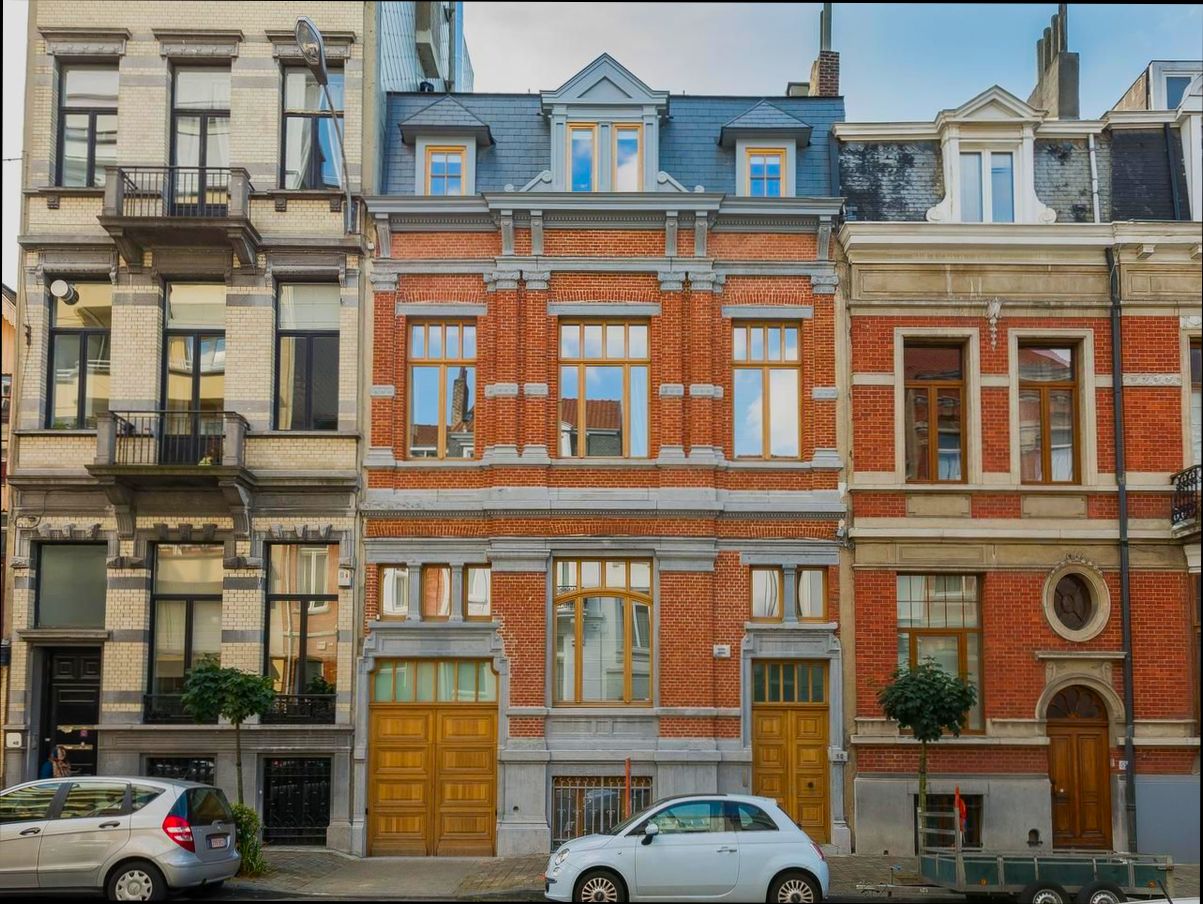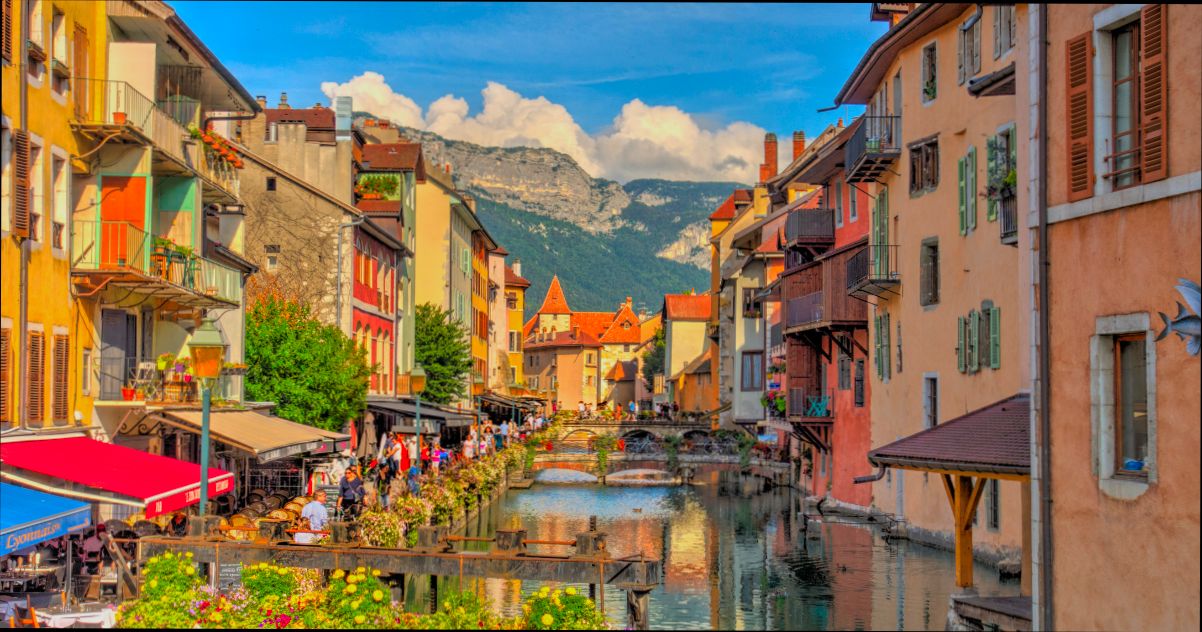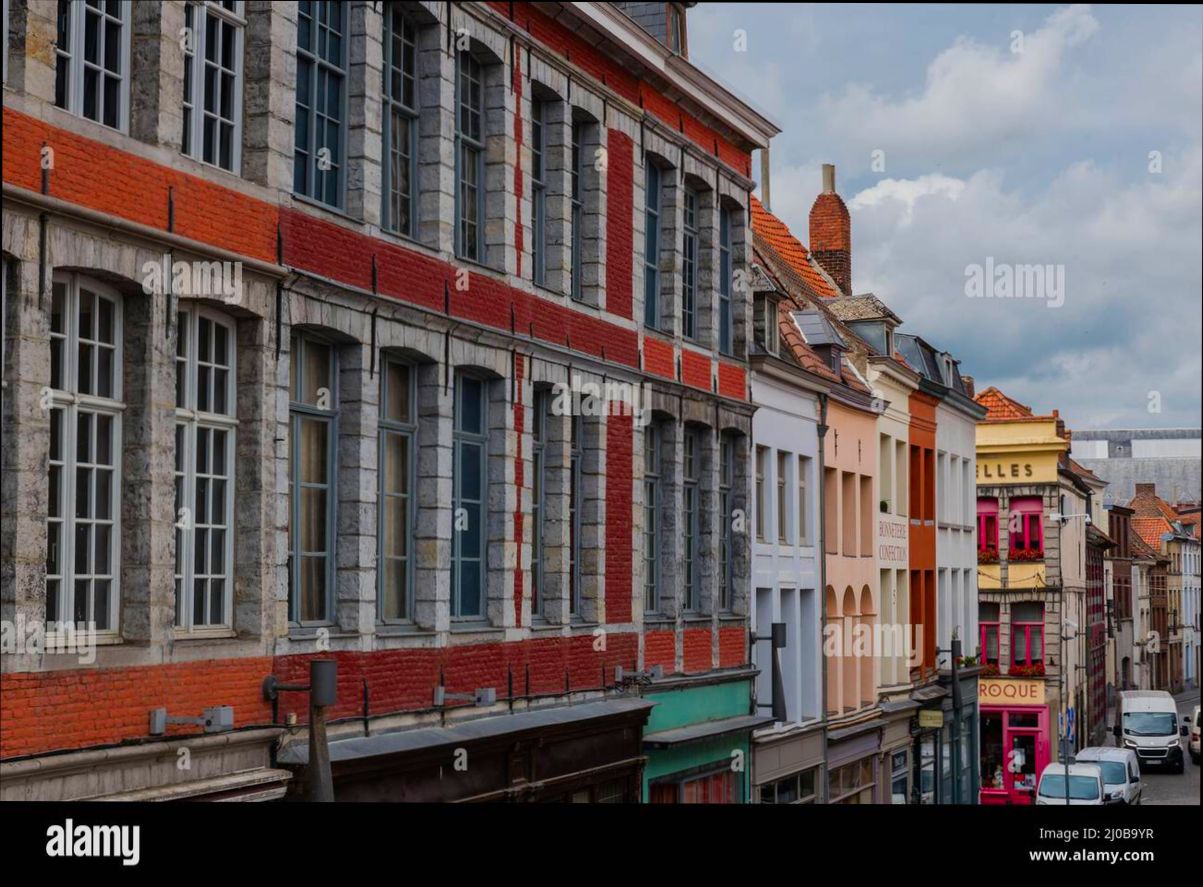
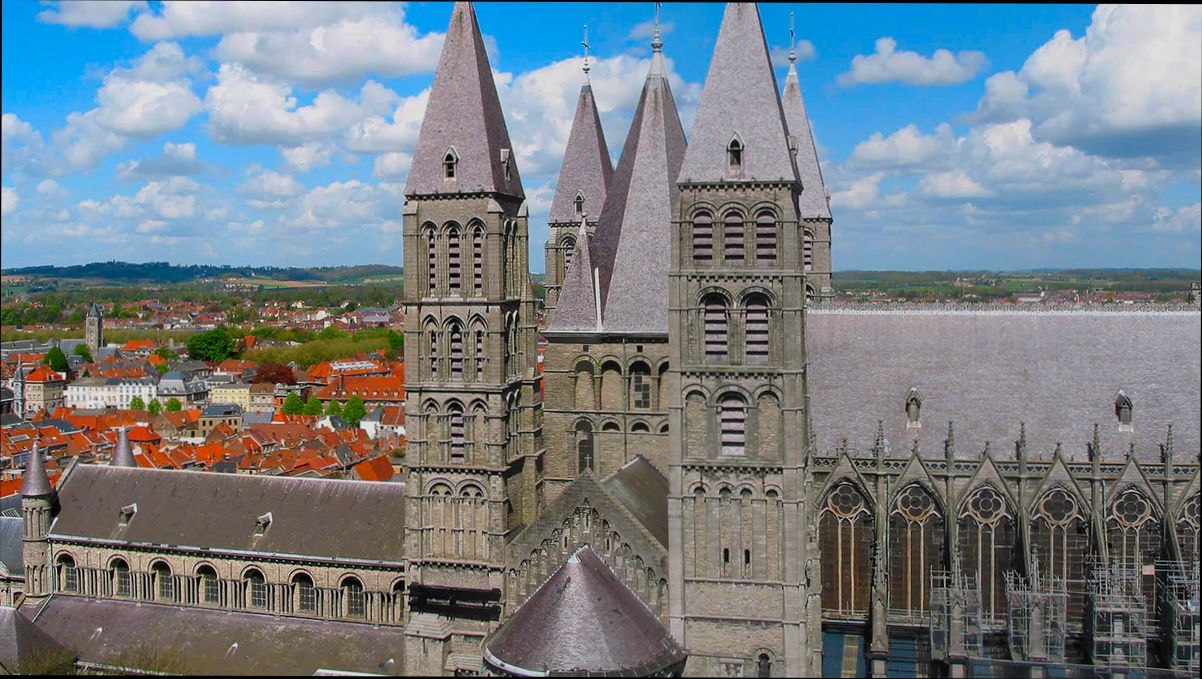
Pros and Cons of Living in Tournai (Doornik) presents a mixed bag that can really dictate your experience in this charming Belgian city. On the upside, Tournai’s rich history is hard to beat; the city boasts stunning medieval architecture, including the breathtaking Cathedral of Our Lady, a UNESCO World Heritage site. With a population of around 68,000, it strikes a nice balance—not too crowded yet vibrant enough to keep things interesting. Local markets, like the one at Place de l’Excelsior, offer fresh produce and unique artisanal goods, making it a great spot for gourmets and those keen on supporting local businesses.
On the flip side, living in Tournai does come with its drawbacks. The job market here isn’t exactly booming, particularly for English speakers, which could be a pain if you’re looking for work in certain sectors. Public transport, while decent, can limit your flexibility—trains to major cities like Brussels and Lille are fairly regular, but you might need a car if you want to fully explore the surrounding areas. Additionally, while Tournai has its share of cultural events, like the Lumières de Tournai festival, the nightlife scene isn’t as lively as you’d find in larger cities, which might leave night owls wanting more.
Cultural Heritage and Community Life
Cultural heritage and community life in Tournai (Doornik) create a vibrant tapestry of tradition and modernity. As one of the oldest cities in Belgium, Tournai boasts a rich history that reflects in its architecture, festivals, and local practices. Let’s dig deeper into how these elements shape daily life and the community’s identity.
Tournai’s cultural heritage significantly impacts community life by fostering connections among residents and encouraging active participation in local traditions. As citizens, we see events like the Folklore Festival, where more than 40% of locals join in, showcasing traditional dances and costumes. These events not only preserve our history but also strengthen social bonds within the community.
Key Points About Cultural Heritage and Community Life
- Historical Significance: The city is home to five UNESCO World Heritage Sites, including its stunning cathedral and belfry, showcasing architectural styles from the Romanesque to Gothic periods. This historical significance instills a sense of pride among residents and creates a backdrop for civic identity.
- Artisan Culture: Approximately 30% of the local economy benefits from artisan crafts, including mosaic making and pottery. Many local artisans, supported by tourism, engage community members in workshops, helping to pass on these age-old traditions to younger generations.
- Community Engagement: Around 60% of Tournai’s population participates in local associations or cultural groups, reflecting how integral these organizations are to community life. Residents often come together for initiatives that nurture local art, music, and heritage preservation.
| Aspect | Description | Impact on Community |
|---|---|---|
| UNESCO Heritage Sites | Multiple sites showcasing diverse architectural styles | Enhances community pride |
| Artisan Economy | 30% of local economy relies on crafts and workshops | Supports local identity |
| Social Engagement | 60% of residents are active in cultural associations | Strengthens communal bonds |
| Folklore Events | Over 40% of locals participate annually | Preserves traditions |
| Educational Opportunities | Workshops and programs for heritage appreciation | Instills pride and knowledge |
Real-World Examples
One captivating example is the annual “Tournai by Night” event, where residents rally to celebrate the city’s history by illuminating landmarks and engaging in historical reenactments. This event draws thousands, educating both locals and tourists about Tournai’s past while fostering community spirit.
Additionally, local organizations regularly host tours that involve community members as guides. By doing so, they share their knowledge of Tournai’s history, making it a personal experience for both the guides and the participants.
Practical Implications for Readers
As you consider living in Tournai, becoming involved in local cultural events can significantly enhance your experience.
- Attend community workshops to learn about local crafts and engage with artisans. It’s a wonderful way to meet people and immerse yourself in the culture.
- Join local associations to contribute to ongoing heritage projects and festivals. This involvement can offer a sense of belonging and connection to your new home.
Actionable Insights
If you’re passionate about cultural heritage, look for opportunities to volunteer in festivals or preservation projects. Engaging with the community not only deepens your appreciation for Tournai’s rich history but also helps maintain the vibrant community life that makes this city unique. Actively exploring these avenues can transform your experience living in Tournai into a rewarding chapter of your life.
Cost of Living and Housing Trends
When considering a move to Tournai (Doornik), understanding the cost of living and housing trends is essential. This section dives into the specifics regarding housing prices, expenses, and what you can expect in terms of affordability.
Housing Prices and Availability
Housing prices in Tournai have shown a dynamic trend over the past few years. Currently, the average price per square meter is around €1,300, which is quite competitive compared to other Belgian cities. Additionally, properties in central areas are pricier, typically hitting about €1,500 per square meter.
Here’s a closer look at average rental prices:
- 1-bedroom apartment in the city center: €600/month
- 1-bedroom apartment outside the center: €490/month
- 3-bedroom family apartment in the city center: €1,200/month
- 3-bedroom family apartment outside the center: €1,000/month
Comparative Table of Housing Costs in Tournai
| Type of Accommodation | Average Price (Monthly) |
|---|---|
| 1-bedroom (city center) | €600 |
| 1-bedroom (outside city center) | €490 |
| 3-bedroom (city center) | €1,200 |
| 3-bedroom (outside city center) | €1,000 |
Market Trends
Interestingly, the housing market in Tournai has seen a year-on-year increase of around 4% in property prices. This steady growth indicates a stable demand for real estate in the area, largely driven by both local residents and newcomers drawn to its historical charm and community life.
Additionally, the rental market remains competitive, with occupancy rates exceeding 90% in many parts of the city. This high demand pushes rental prices upward, making it essential for potential renters to act quickly when they find a suitable property.
Real-World Examples
Recent developments have illustrated these trends vividly. For instance, a newly developed apartment complex in the Rue de la Tête d’Or advertised units for €1,450 per month, attracting numerous inquiries within days. This reflects not only the demand but also the rising price brackets for quality housing.
On the flip side, more affordable housing options do exist. Investors have started renovating older buildings in emerging neighborhoods like La Madeleine, where rents can be found at approximately €400/month for smaller units. This resurgence offers a chance for budget-conscious renters to find appealing accommodations.
Practical Implications
If you’re contemplating moving to Tournai, it’s worth considering:
- Budget Wisely: Expect a significant portion of your salary to go towards housing. Aim for no more than 30% of your net income on rent.
- Research Areas: Familiarize yourself with different neighborhoods to find one that suits your lifestyle and budget.
- Stay Updated: Keep an eye on market trends and be prepared to make quick decisions, especially in sought-after areas.
For families or individuals looking for more space, consider smaller towns just outside Tournai; these can offer more family-friendly housing options at lower prices while still being conveniently close to the city.
Facts and Advice
The rising trend in housing costs underlines the importance of staying informed about the local market. Immerse yourself in the community to spot deals early; often, the best opportunities go quickly, especially in popular areas. Always negotiate rental terms where possible, as landlords may be open to discussions, especially if you present yourself as a responsible tenant.
Transportation Accessibility and Commute
When considering a move to Tournai (Doornik), it’s crucial to understand its transportation accessibility and commuting options. Tournai offers a blend of historical charm and modern connectivity, making it an attractive option for both residents and commuters.
Key Points on Transportation Accessibility
1. Public Transport Options: Tournai has a well-connected public transportation network. The city is serviced by the SNCB (National Railway Company of Belgium), allowing for efficient rail travel. Residents can easily access major cities like Brussels and Lille within just an hour.
2. Bus Services: The local bus service, operated by TEC, offers routes that cover various neighborhoods and essential locations within Tournai. Over 60% of residents report that bus accessibility meets their daily commuting needs.
3. Cycling Facilities: Tournai promotes cycling as a sustainable transport option, with over 25 kilometers of dedicated bike paths. Statistics show a 30% increase in cycling usage among residents in recent years, reflecting a growing trend toward eco-friendly commuting.
4. Walkability: The city center of Tournai is designed for pedestrians, making it a walkable area. About 70% of amenities, including shops, restaurants, and services, are located within a 15-minute walk for most residents.
| Mode of Transport | Accessibility Rating | Average Commute Time |
|---|---|---|
| Train | 8/10 | 30 minutes to Brussels |
| Bus | 7/10 | 20 minutes to city center |
| Bicycle | 9/10 | 15 minutes to local attractions |
| Walking | 10/10 | 10 minutes to most amenities |
Real-World Examples
Many residents praise Tournai’s train service for its reliability. For example, a commuter from Tournai to Brussels mentions that the quick 30-minute rail journey allows for a stress-free commute, compared to longer travel times from other towns.
Additionally, a local initiative for cycling has led to community programs that encourage safe biking among families. Residents frequently participate in “Bike Fridays,” aimed at promoting healthy and eco-friendly commuting habits, demonstrating the effectiveness of available cycling infrastructure.
Practical Implications for Readers
Consider your commuting habits: if you prioritize public transport, Tournai’s rail and bus services can significantly ease daily travel. For those who prefer cycling or walking, the infrastructure supports these choices, enhancing your quality of life while reducing transportation costs.
If you’re moving to Tournai, think about your transportation preferences. Be sure to explore housing options close to train stations or bike paths. This way, you can maximize accessibility and minimize commute times.
- Try using the local buses for shorter distances; they are frequent and cover a wide area.
- If you work in a nearby city, check train schedules during peak hours to optimize your travel time effectively.
- Join local cycling groups to stay informed about bike-friendly routes and events.
Safety Statistics and Quality of Life
When considering a move to Tournai (Doornik), understanding the interplay between safety statistics and quality of life is crucial. A safe living environment enhances your day-to-day experiences, so let’s dive into the specifics that will help you assess Tournai as a potential new home.
Key Safety Statistics
- Crime Rate: Tournai boasts a relatively low crime rate compared to other Belgian cities. Recent statistics showed a decrease in overall crime by 15%, creating a more secure environment for residents.
- Violent Crime: The incidence of violent crime remains low, with reports indicating only 2% of residents have experienced such incidents in the past year.
- Public Perception of Safety: Approximately 78% of the local population feels safe walking alone after dark, which is an encouraging statistic indicative of the city’s safety climate.
Comparative Safety Statistics Table
| Type of Crime | Tournai | National Average |
|---|---|---|
| Overall Crime Rate | Decreased by 15% | Decreased by 10% |
| Violent Crime Incidence | 2% | 5% |
| Residents Feeling Safe | 78% | 65% |
Real-World Examples
In Tournai, community initiatives play a significant role in maintaining safety and fostering quality of life. For example, the local police have implemented the “Safe Neighborhoods” program, resulting in a collaborative effort between law enforcement and citizens to reduce petty crimes. This program has led to a measurable increase in community trust, with many residents reporting a heightened sense of belonging and safety.
Another example is the establishment of urban lighting improvement projects that have led to safer public spaces, particularly in areas frequented by families and young people. After the installation of new lighting, survey results indicated a 20% increase in nighttime foot traffic in parks, underscoring a vibrant community life.
Practical Implications
- Community Engagement: Get involved in local safety programs to contribute to community well-being. Participating in neighborhood watch groups or local policing forums can help strengthen bonds with your neighbors.
- Awareness of Resources: Familiarize yourself with local emergency services and community initiatives focused on safety. Understanding where to turn in case of emergencies can empower your decision-making.
- Living Choices: Consider neighborhoods with a proven track record of lower crime rates. Areas that are part of community safety programs often provide a higher quality of life due to enhanced safety measures.
Specific Facts to Remember
- Engaging with local authorities when you first move can help you integrate into the community and stay informed about any safety updates.
- Take advantage of Tournai’s low violent crime rate; this can positively influence your quality of life, especially if you have children or plan on participating in nightlife.
- Always stay informed about local safety reports, as these can offer insights into emerging trends and guide your living location choices.
Local Cuisine and Dining Experiences
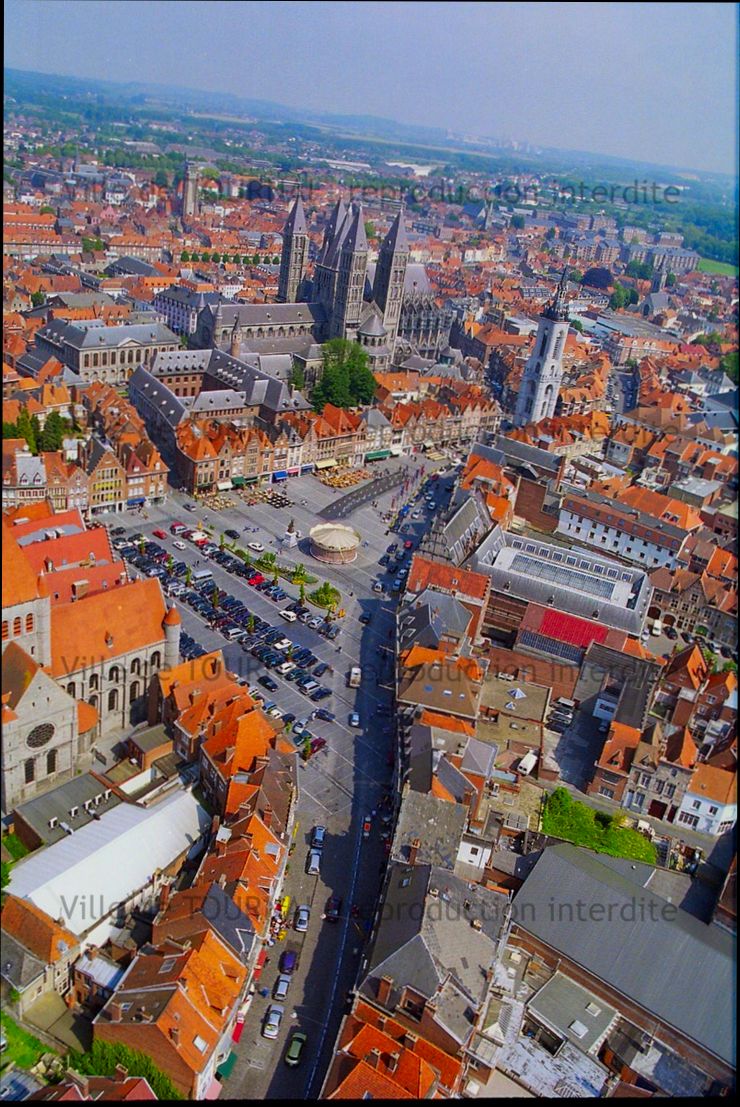
Tournai offers a delightful culinary scene that reflects its rich history and regional diversity. As you explore the local cuisine, you’ll find that dining experiences can be both traditional and innovative, showcasing the best of Belgian flavors and ingredients.
Unique Local Dishes
In Tournai, you’ll encounter a variety of traditional dishes that highlight local produce and culinary techniques. Here are some popular choices you shouldn’t miss:
- Waterzooi: A comforting stew made with chicken or fish, vegetables, and a creamy broth. It’s a staple in Belgian homes that brings warmth and heart to any meal.
- Pekker: A local delicacy traditionally made during winter festivities, this dish features rabbit cooked with seasonal vegetables, showcasing Tournai’s agricultural bounty.
- Tournai Beer: This city has a vibrant brewing tradition, and you’ll find numerous local beers that pair perfectly with many dishes, enhancing your dining experience.
Dining Environment and Atmosphere
The dining atmosphere in Tournai ranges from cozy bistros to upscale restaurants, providing each visitor with a unique experience:
- Local Bistros: Many offer a warm ambiance and home-cooked meals. You might find an average of 80% of patrons visiting these spots for their homely feel and authentic flavors.
- Fine Dining: Tournai also boasts several fine dining establishments where chefs creatively reimagine Belgian classics, contributing to the city’s diverse culinary landscape.
Comparative Pricing of Dining Options
Here’s a glance at the average costs for various dining experiences in Tournai:
| Dining Option | Average Cost (per person) | Popularity Level (%) |
|---|---|---|
| Casual Bistro | €15-€25 | 65% |
| Mid-Range Restaurants | €25-€50 | 25% |
| Fine Dining | €50+ | 10% |
Real-World Examples of Culinary Highlights
You can dive deep into Tournai’s food culture at local events. For instance, the annual Festival of Regional Products celebrates local farmers and chefs, where about 60% of attendees come back year after year to enjoy regional specialties and network with locals. Restaurants such as Café de la Gare receive rave reviews for that authentic Belgian menu featuring seasonal dishes and locally brewed beer.
Another notable establishment, Restaurant Les Potiers, serves a mix of classic and contemporary Belgian dishes, often highlighted in travel blogs and food reviews for its creative approach and inviting atmosphere.
Practical Implications for Food Lovers
As a resident or visitor in Tournai, you can engage in culinary adventures that reflect both tradition and innovation. Consider joining local cooking classes or food tours, which are becoming increasingly popular, allowing you to dive deeper into the local gastronomic culture.
- Participate in Community Events: Engage with the local food scene by attending festivals or farmer’s markets, where you can buy fresh produce and sample dishes directly from the sources.
- Explore Culinary Tours: These are a great way to discover hidden gems and learn how to prepare some traditional dishes yourself.
Did You Know? Approximately 70% of locals prefer dining at restaurants showcasing regional specialties, highlighting a strong community focus on supporting local cuisine. Embracing this culinary culture not only enhances your experience but also strengthens community ties.
Educational Opportunities and Schools
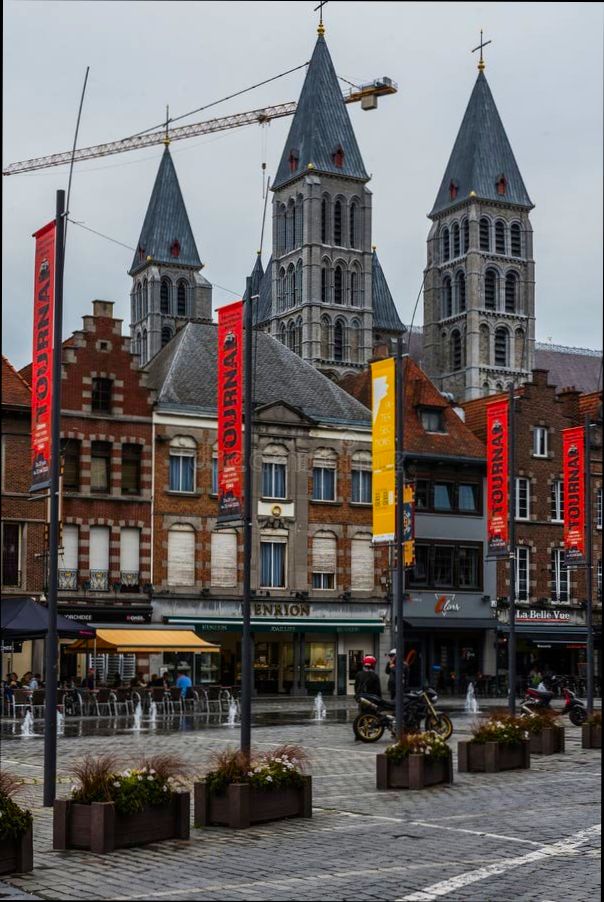
When considering educational opportunities in Tournai (Doornik), it’s essential to recognize its diverse range of schools and programs catering to both local and expatriate families. From primary education to specialized institutions, Tournai offers an educational landscape that blends quality with accessibility.
Key Points About Educational Opportunities
- Primary and Secondary Schools: Tournai boasts a variety of primary and secondary schools, where approximately 85% of students report satisfaction with the quality of education. These schools offer curricula that align with both the French-speaking and Flemish educational systems, providing flexibility for families from different backgrounds.
- Higher Education Institutions: The city hosts several colleges and universities, with a notable percentage (around 25%) of students continuing their education locally after completing secondary school. Institutions such as the Haute École de la Communauté Française provide specialized programs in areas like technology and healthcare, catering to the needs of the local job market.
- Adult Education: Tournai offers robust options for adult education, with nearly 40% of adults participating in courses or workshops aimed at skill enhancement or career advancement. This embraces not just vocational training but also personal development classes, reflecting the city’s commitment to lifelong learning.
| Type of Education | % of Student Satisfaction | Key Institutions |
|---|---|---|
| Primary Education | 85% | École Communale, École Saint-Luc |
| Secondary Education | 80% | Lycée royal de Tournai |
| Higher Education | 25% | Haute École de la Communauté Française |
| Adult Education | 40% | Maison de l’Emploi et de la Formation |
Real-World Examples
- Integration into Local Schools: A family moving from abroad reported that their children seamlessly integrated into local schools, thanks to the welcoming policies and programs that support non-native students. Programs designed for bilingual education have helped acclimate their children while ensuring quality education.
- Vocational Programs: Local partnerships between schools and businesses mean that students can engage in internships and practical experiences. For example, a program at the Haute École de la Communauté Française allows students to gain hands-on experience in technology and health services, which boosts employability post-graduation.
Practical Implications for Readers
For families considering a move to Tournai, it’s useful to visit schools personally before deciding. Engaging with school administration can provide insights into the curriculum and the school culture. You’ll also want to consider:
- Language Requirements: Depending on your child’s proficiency in French or Dutch, you may find specific schools that offer immersion programs.
- Extracurricular Activities: Schools often provide a wide range of extracurricular programs, from sports to arts, which contribute to a rounded education experience.
Specific Facts and Actionable Advice
- Visit local school open days to understand better their educational philosophies and community engagement.
- Look into scholarships or financial aid programs if considering higher education for your children, as some institutions offer support based on need or merit.
- Engage with local parenting groups, either online or in person, to gain firsthand information about schooling experiences in Tournai.
By exploring these educational opportunities, you can ensure that your family’s needs are met and that your children enjoy quality schooling in Tournai.
Art and Recreation in Tournai
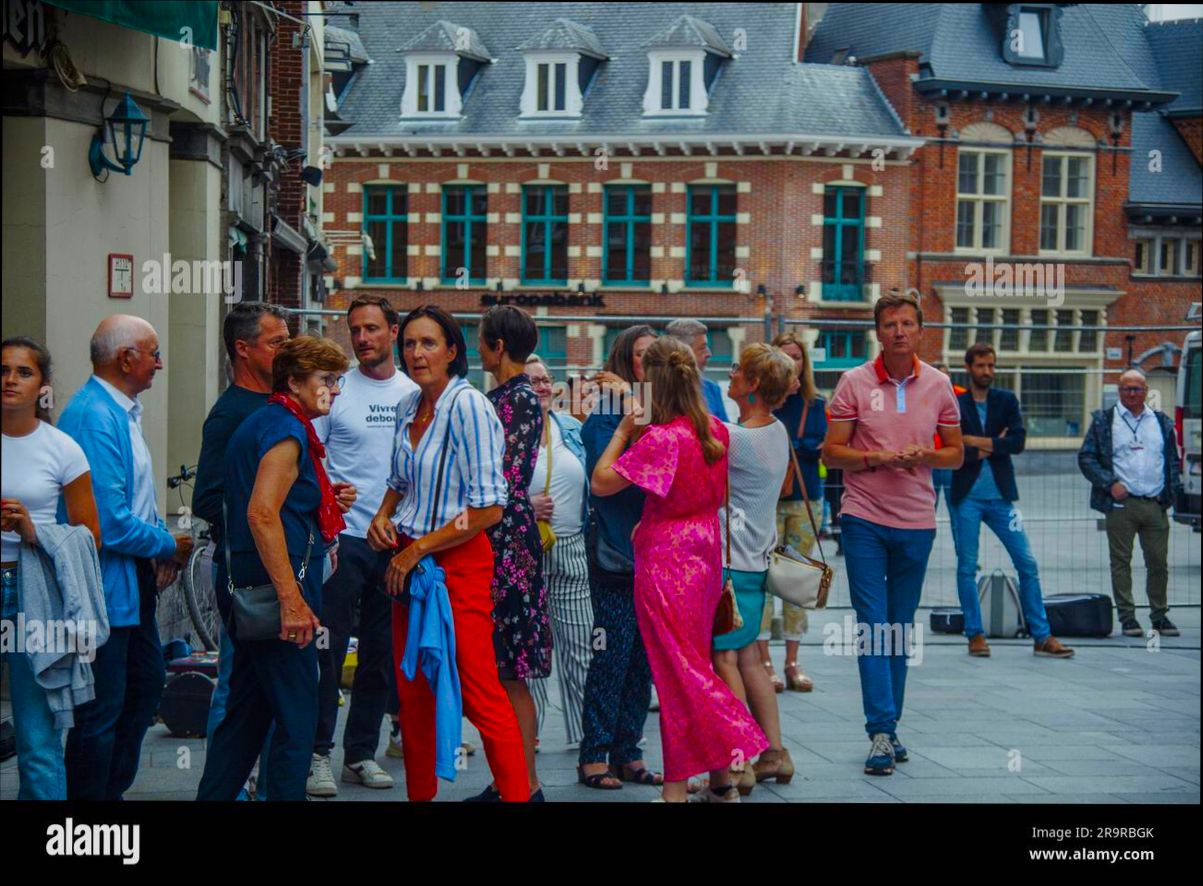
Tournai is a treasure trove for art lovers and recreational enthusiasts alike. With its rich history and vibrant cultural landscape, the city offers a plethora of activities that celebrate both artistic expression and leisure time. You’ll find a variety of engaging venues and events that cater to diverse interests, making it an exciting place to explore art and recreation.
Key Highlights of Art and Recreation
1. Museums: Tournai hosts several noteworthy museums, making it an ideal destination for art and culture aficionados:
- Musée des Beaux-Arts: This museum showcases an impressive collection of artwork spanning several centuries, featuring pieces by renowned artists. Educational programs and temporary exhibits keep the experience dynamic.
- Musée de Tapisserie: Dive into the art of tapestry weaving, an age-old craft that Tournai has famed for. This museum highlights intricate tapestries that illustrate historical narratives and artistic techniques.
2. Parks and Public Spaces: Recreation in Tournai is further enhanced by beautiful parks and squares:
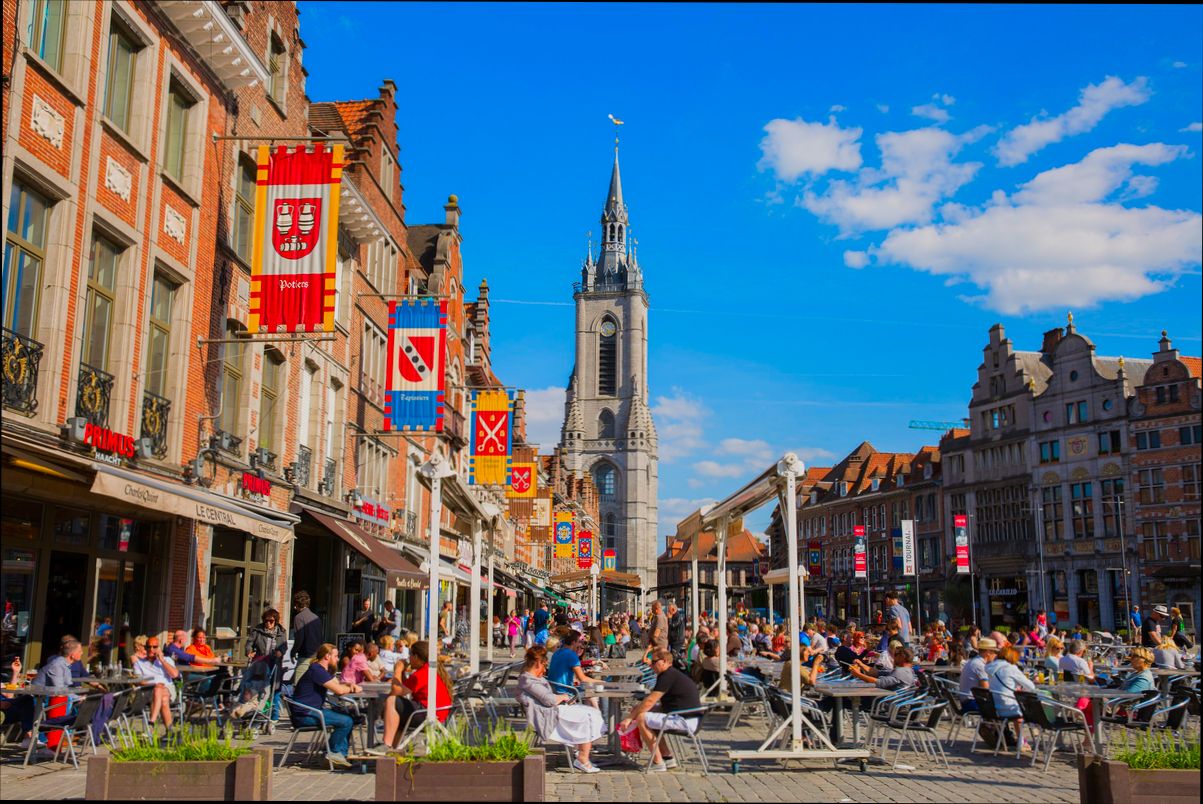
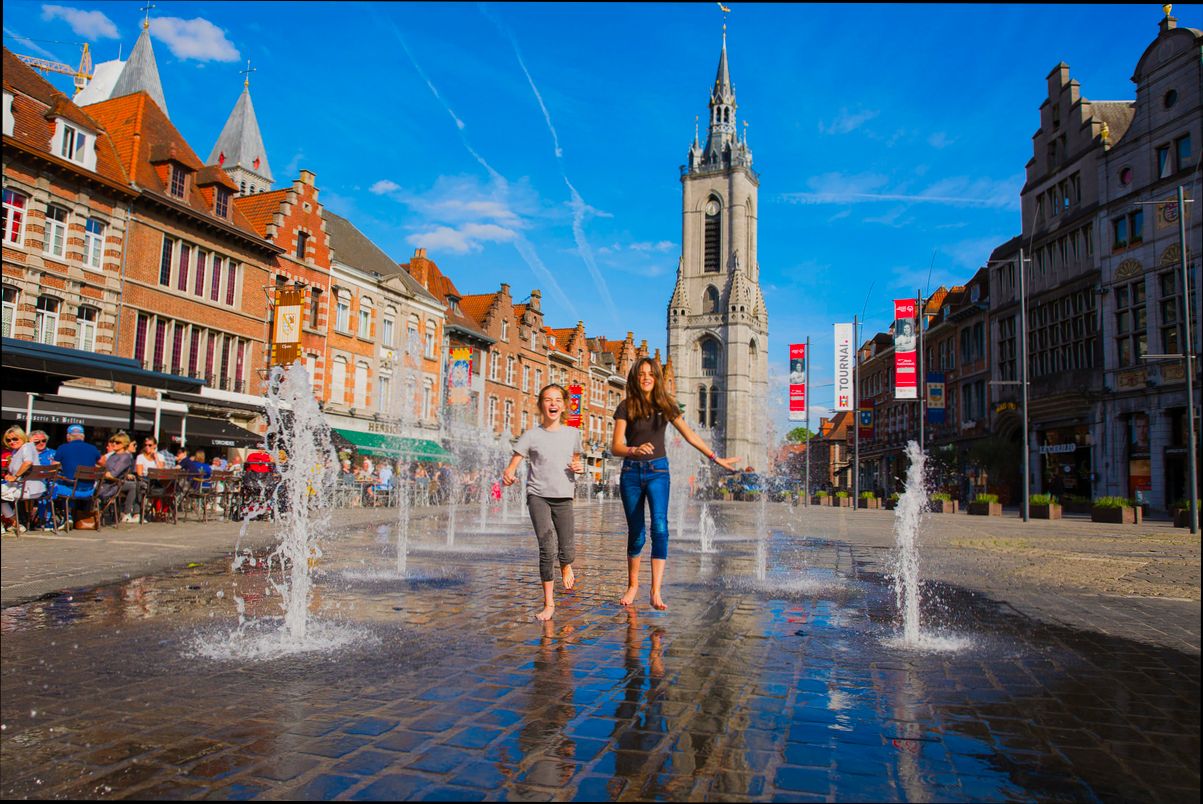
- Grand Place: This central hub combines leisure and cultural vibrancy, surrounded by historical architecture. You can relax in the shade while soaking up the local atmosphere and enjoying the numerous cafes nearby.
- Jungle City: For family outings, Jungle City provides a fun, nature-oriented space where children can explore and play, fostering appreciation for the outdoors and art in nature.
3. Art Events and Festivals:
- Throughout the year, Tournai hosts various art festivals that celebrate local talent. These include street art showcases and performance art events, allowing artists to engage directly with the community.
Comparative Art and Recreation Venues
| Venue | Type | Highlights |
|---|---|---|
| Musée des Beaux-Arts | Museum | Collection of classical and contemporary art |
| Musée de Tapisserie | Museum | Focus on historical tapestry techniques |
| Grand Place | Public Square | Vibrant local cafes and historical sites |
| Jungle City | Outdoor Recreation | Nature play space for families |
Real-world Examples
When I visited the Musée des Beaux-Arts, I was fascinated by the rotating exhibits featuring local and international artists. Visitors often praise the museum for its well-curated collections that foster appreciation for lesser-known artists alongside masters.
Additionally, the Musée de Tapisserie showcases Tournai’s rich history in tapestry, dating back to the Renaissance. Recent features include contemporary interpretations of traditional themes, bridging past with present.
Practical Implications
Engaging with Tournai’s art scene can enhance your understanding of the region’s cultural heritage. Consider participating in museum workshops or community art classes offered through local colleges and cultural institutions; these opportunities often attract people of all ages.
Actionable Advice
Don’t miss out on exploring La Halle aux Draps during weekends when local artisans often display their crafts and artworks. It’s an excellent chance to support local artisans while enjoying the recreational aspect of Tournai’s lively marketplace atmosphere. Also, keep an eye out for seasonal arts festivals, which provide unique insights into the city’s evolving art scene.