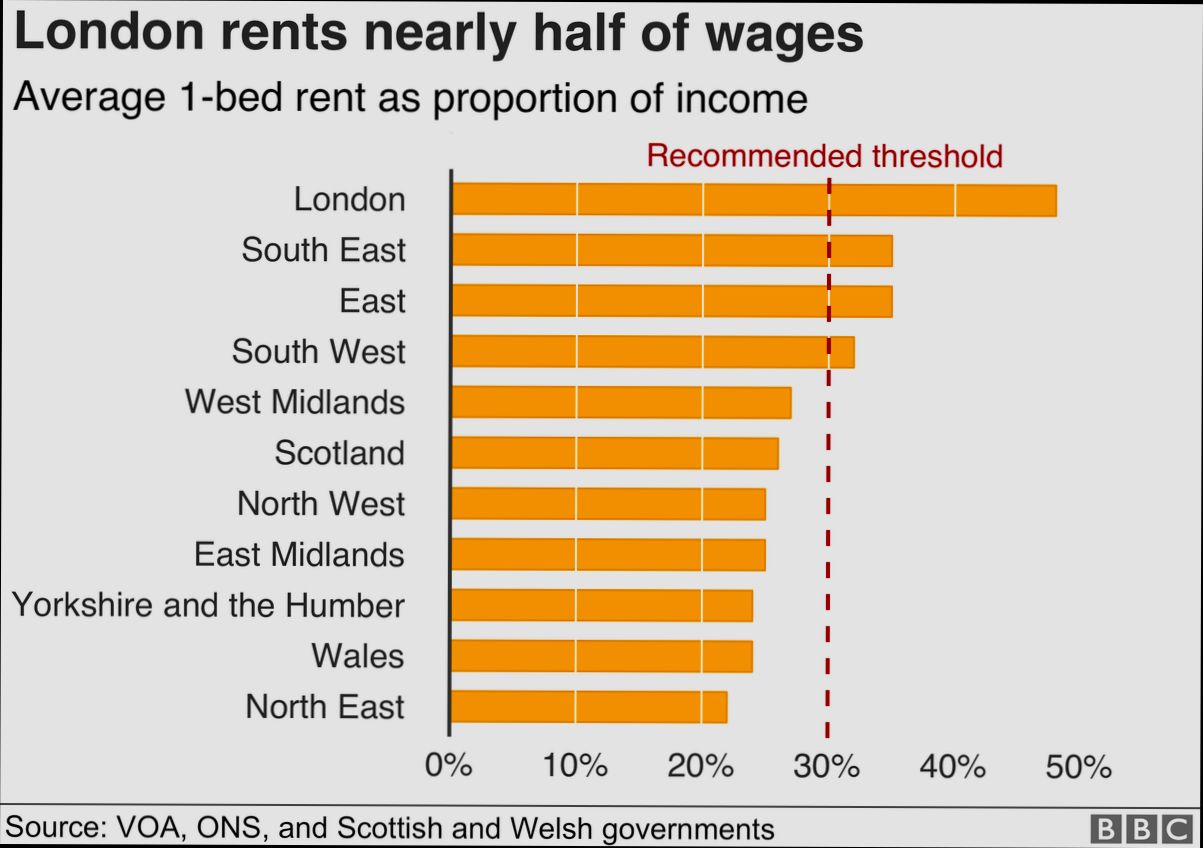
What are the Costs Involved When Renting House in United Kingdom? If you’re eyeing that trendy flat in London or a cozy cottage in the Cotswolds, brace yourself for more than just the monthly rent. On average, you might face a hefty upfront cost equivalent to around five weeks’ rent as a deposit, not to mention the first month’s rent hitched right behind it. If you’re looking in London, where the average rent for a one-bedroom apartment can soar to £2,000 per month, that’s a jaw-dropping £4,000 just to get settled in! And don’t forget about fees—yes, they’re back in some places. Let’s say you land a property that charges admin fees; those can range anywhere from £150 to £500 or more.
But wait, the expenses don’t stop there! Once you’re settled in, it’s essential to factor in utilities. Depending on the size of the property, your monthly bills for gas, electricity, and water can add up to around £150 to £300. And if you want Internet and TV, that could easily be another £40 to £100 each month, depending on your choices. Got pets? You might face higher deposits or even pet rent, which can tingle your wallet a bit more. Then there’s the dreaded council tax—averaging around £1,400 a year, depending on your area. So, before you sign that lease, it’s crucial to be aware of all these costs that tag along in the adventure of renting.
Initial Deposit and Security Costs
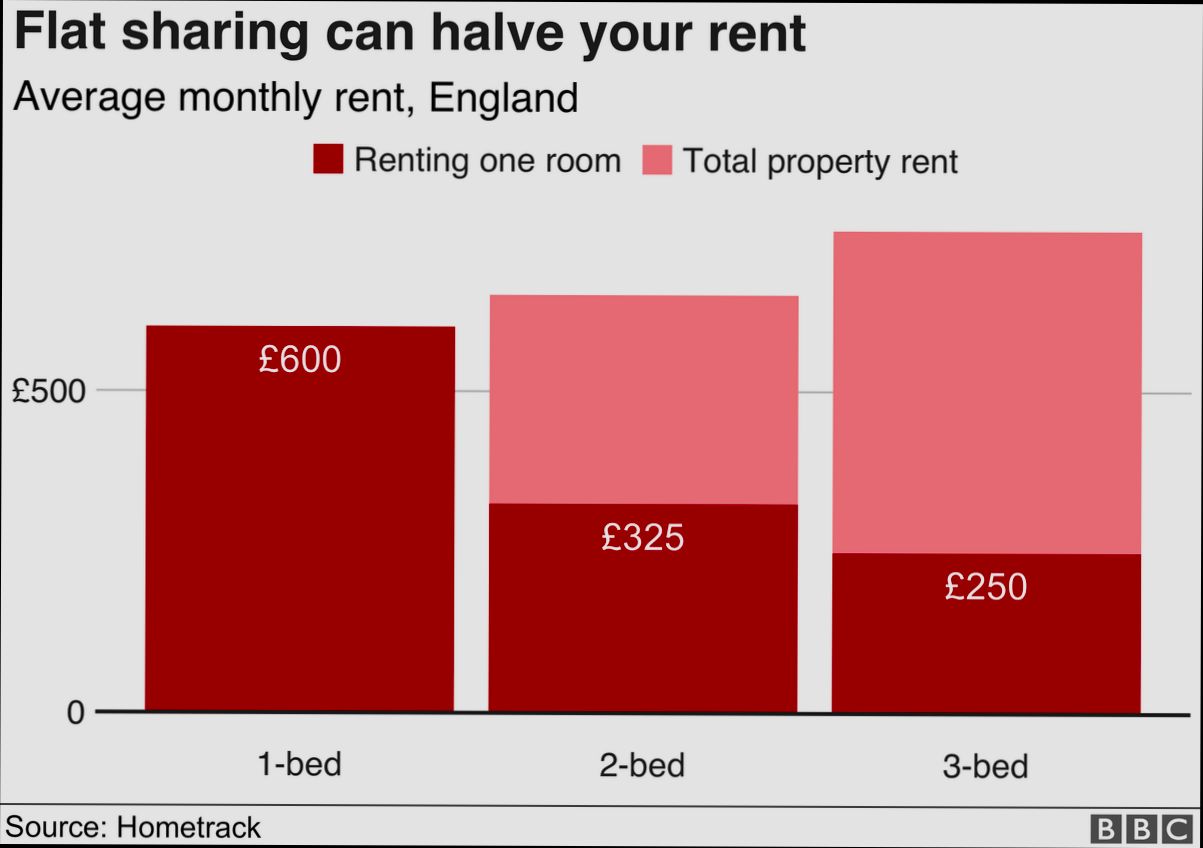
When renting a house in the United Kingdom, understanding the initial deposit and security costs is crucial. This part of the renting process can often be confusing, but I’m here to break it down for you.
Typically, the initial deposit can range from 4 to 6 weeks’ rent, depending on the landlord or letting agent’s requirements. For instance, if your monthly rent is £1,200, you might be looking at an initial deposit of approximately £1,000 to £1,800. This deposit acts as security against potential damages or unpaid rent.
Key Points About Initial Deposits
- Deposit Limit: As of June 2019, the Tenant Fees Act limits security deposits in England to a maximum of five weeks’ rent for properties with an annual rent of less than £50,000. If the rent exceeds this figure, the limit is set to six weeks’ rent.
- Holding Deposits: Landlords may also ask for a holding deposit, typically equivalent to one week’s rent, to secure the property while your application is processed. This amount is often deducted from your initial deposit upon signing the lease.
- Refundable Nature: The security deposit is refundable at the end of your tenancy, provided you meet the terms of your lease and leave the property in good condition.
Comparative Analysis of Deposit Structures
| Type of Deposit | Amount (Weeks’ Rent) | Purpose | Refundable? |
|---|---|---|---|
| Security Deposit | 4 to 6 weeks | Damage/Unpaid Rent | Yes |
| Holding Deposit | 1 week | Property Reservation | Yes (if conditions met) |
Real-World Examples
Consider Sarah and Tom, who moved into a one-bedroom flat with a monthly rent of £950. They paid a security deposit of £1,100 (approximately 5 weeks’ rent) and a holding deposit of £200 to secure the flat while they completed their checks. At the end of their tenancy, they received the full security deposit back after passing the final inspection. Their experience illustrates how these initial costs can directly correlate with the condition of the property during the rental period.
In another case, Liam rented a larger house for £1,800 monthly. His security deposit was capped at six weeks’ rent, leading to a total of £2,100. Unfortunately, his pet caused some minor damages, which led to a deduction from his deposit. His experience highlights the importance of understanding what part of your deposit may be retained for damages.
Practical Implications for Renters
It’s important to ensure that you document the condition of the property before moving in. Take photos and report any existing damage to your landlord to avoid disputes later. Knowing your rights regarding security deposit deductions can be beneficial in protecting your finances.
Having a conversation with your landlord or letting agent about the deposit terms upfront can clarify expectations. Ask specific questions about the conditions under which your deposit will be returned.
Finally, always remember that the security deposit should be held in a government-approved tenancy deposit protection scheme, giving you an added layer of security. If unsure, don’t hesitate to confirm this with your landlord or letting agent to avoid any surprises.
Monthly Rent Payment Variations
When renting a home in the United Kingdom, understanding the variations in monthly rent payments is essential for budgeting effectively. Different factors such as location, property type, and market trends can significantly influence how much you pay each month.
Key Factors Influencing Monthly Rent Payments
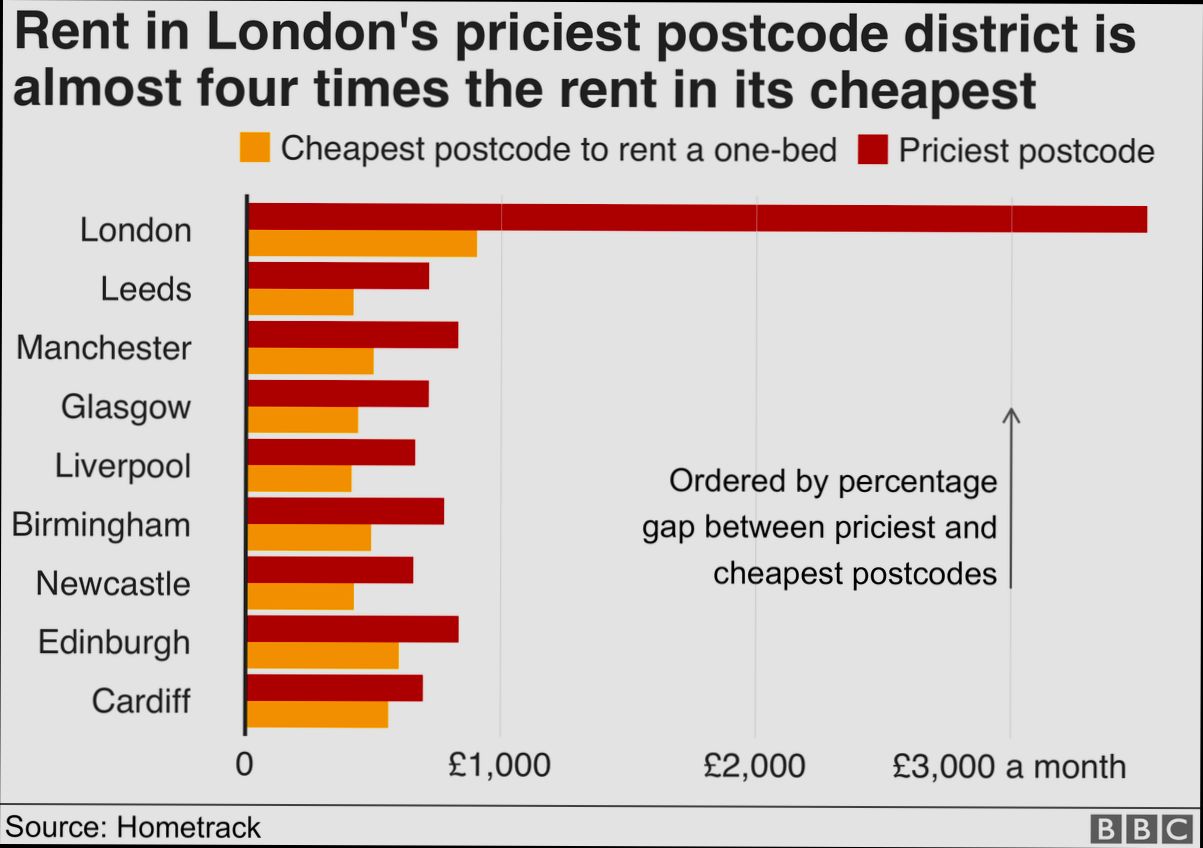
1. Geographical Differences: Rent prices can vary widely depending on the region. For instance, London typically has rental prices that are over 100% higher than the UK average.
2. Property Size and Type: The size and type of property directly impact the monthly rent. According to data, a one-bedroom flat in central Manchester averages around £1,035, while a similar property in Liverpool could be as low as £700.
3. Market Trends: The rental market is often influenced by external economic factors. For example, rental prices in the North East saw a 5% increase in the past year due to high demand, contrasting sharply with the 2% rise observed in the South.
4. Amenities and Services: Properties offering additional amenities like swimming pools or gym facilities may have a rental premium. Data shows that properties with these amenities can charge up to 30% more in rent compared to standard homes.
| Location | Average Rent for 1-Bedroom | Change in Rent Last Year | Market Trend |
|---|---|---|---|
| London | £2,000 | +6% | Rising Demand |
| Manchester | £1,035 | +4% | Steady Increase |
| Liverpool | £700 | +3% | Stable Market |
| Bristol | £1,200 | +5% | Increasing Demand |
Real-World Examples of Monthly Rent Payment Variations
- A couple renting a two-bedroom flat in Greater London reported that their monthly rent increased from £1,900 to £2,000 within a year, reflecting the area’s rising property values.
- Conversely, a family in Birmingham saw their rent decrease from £950 to £925 as the local market experienced more significant competition among landlords, resulting in lower prices.
Practical Implications for Renters
As a renter, being aware of these variations can help you make informed decisions. Here are some actionable insights:
- Research Local Markets: Before committing, investigate local rental prices online or through real estate agents.
- Negotiate: In slower markets, there may be room for negotiation on rental prices. Don’t hesitate to ask landlords if they can offer a lower rate.
- Consider Length of Stay: If you plan to rent long-term, some landlords may offer reduced rates for longer leases, making monthly payments more manageable.
As you navigate the rental landscape, keep in mind that monthly rent variations are influenced by numerous factors. Awareness and proactive strategies can lead to more favorable rental agreements, ultimately saving you money.
Additional Fees and Charges Overview
When renting a house in the United Kingdom, you’ll encounter additional fees and charges that can significantly impact your overall budget. These fees often vary, depending on the rental property, the landlord, or the letting agent and can be an unexpected part of your renting experience.
Common Additional Fees
1. Administration Fees: These fees cover the costs associated with processing your application, and can range from £100 to £500. Some letting agents charge this fee upfront, while others may include it in the initial costs at the signing of the tenancy agreement.
2. Inventory Fees: If your landlord provides a detailed inventory of the items and condition of the property, you might encounter a fee for this service. Inventory fees can vary but typically range from £50 to £200 depending on the size of the property and the complexity of the inventory.
3. Check-in and Check-out Fees: Some landlords may pass on the costs of arranging a check-in or check-out inspection to you. These fees can be between £100 and £200 for each check, depending on the agency’s policies.
4. Renewal Fees: If you decide to extend your stay in the rented property beyond the initial term, a renewal fee may apply. This is often around £50 to £100, but it can be higher depending on the letting agency.
5. Pet Fees: If you plan to have pets in the rental property, be aware that some landlords may charge a non-refundable pet fee. This fee can range from £20 to £40 per month and is in addition to your regular rent.
Comparative Table of Additional Fees
| Fee Type | Typical Charge Range | Description |
|---|---|---|
| Administration Fee | £100 - £500 | Covers application processing costs. |
| Inventory Fee | £50 - £200 | Fee for preparing a property inventory. |
| Check-in/Check-out Fee | £100 - £200 | Charges for property inspections upon moving in/out. |
| Renewal Fee | £50 - £100 | Fee for extending your tenancy agreement. |
| Pet Fee | £20 - £40 (monthly) | Additional charge for pet allowance in rental. |
Real-World Examples
Let’s consider Sarah, who decided to rent a flat in Liverpool. She paid an administration fee of £250, an inventory fee of £150, and a check-in fee of £120 upon moving in. Instead of expecting just the first month’s rent, she had to budget for an additional £520 in fees alone.
In contrast, Tom, who found a rental in Manchester, encountered a slightly lower overhead. Although he was charged a £100 administration fee, he did not face any inventory or check-in fees. This highlights how costs can vary significantly between different areas and landlords.
Practical Implications
Understanding these additional fees is crucial for your financial planning. It is essential to:
- Always ask your letting agent to provide a clear breakdown of all potential fees before signing a contract.
- Factor these costs into your overall budget to prevent facing financial strain.
- Negotiate or challenge any fees you believe are unreasonable, particularly if they seem excessive compared to local averages.
Specific Facts or Actionable Advice
To avoid surprises, ask prospective landlords or agents for a comprehensive list of all potential charges associated with renting. Knowing upfront that additional fees can impact your first month’s budget will help you make informed decisions and manage your finances effectively.
Understanding Rental Market Statistics
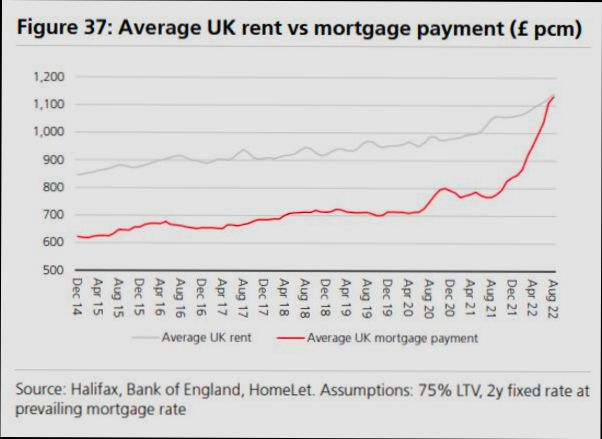
When diving into the rental market statistics in the United Kingdom, you’re exploring a landscape that offers valuable insights into pricing trends, demand factors, and economic influences. By understanding these statistics, you can better navigate the costs associated with renting a house and make informed decisions.
Key Insights into Rental Market Statistics
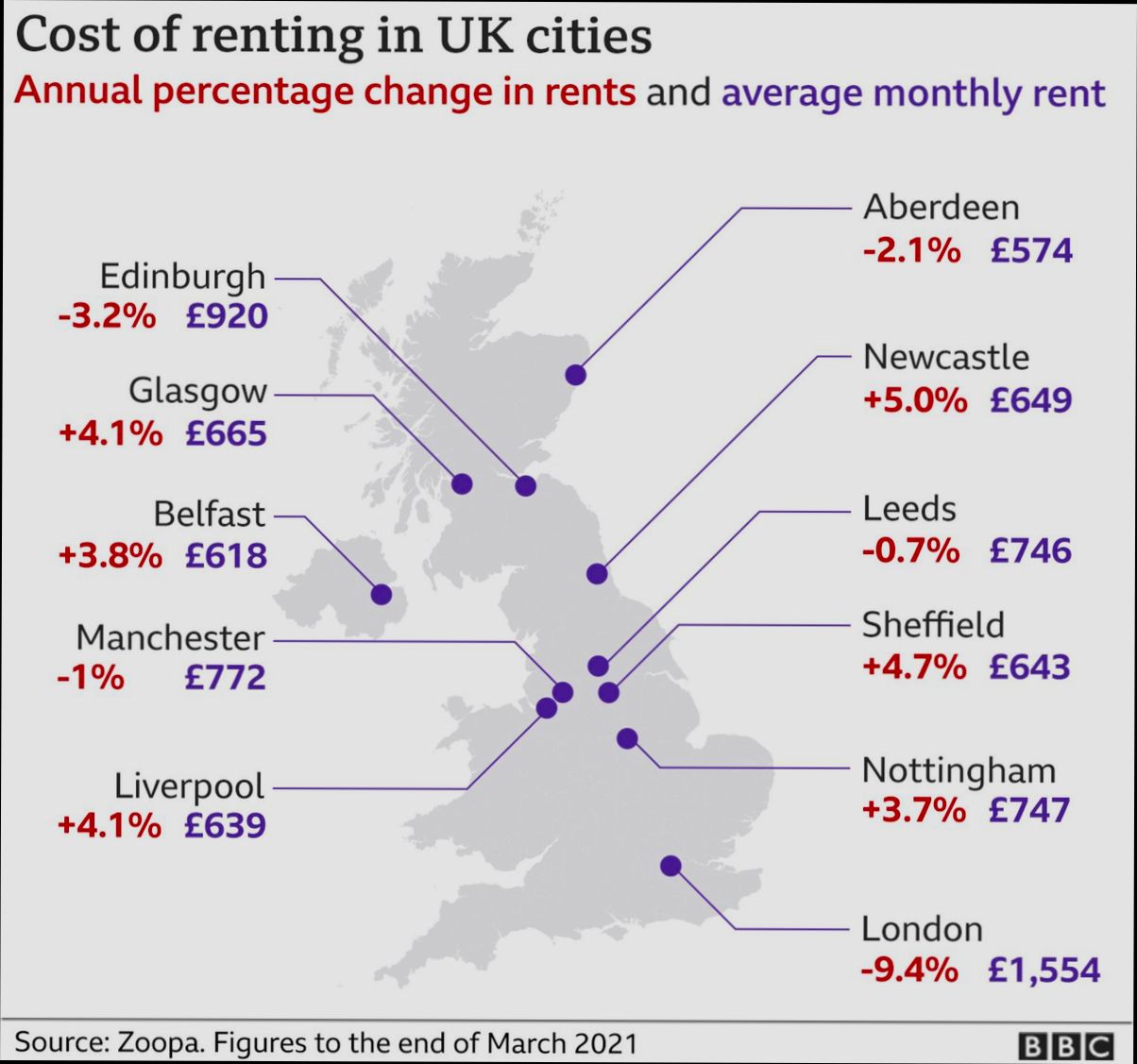
1. Average Rent Trends: The average monthly rent across the UK varies significantly by region. For instance, while areas like London command some of the highest rents, other regions like the North East offer more affordable options.
- As of recent data, the average rental price in the North East sits at approximately £600 per month, compared to London’s staggering £2,000 per month.
2. Rental Growth Rates: Tracking rental growth can help you gauge market stability. Over the past year, average rents in various cities have increased at different rates.
- For example, Manchester witnessed a 4% increase, indicating a steady rental market, whereas Bristol experienced a sharper rise at 5%, reflecting increasing demand.
3. Occupancy Rates: Higher occupancy rates indicate a strong demand for rental properties. Recent statistics reveal that urban areas like London have a high occupancy rate of around 95%, showing fierce competition among tenants.
Comparative Rental Statistics Table
| City | Average Rent (Monthly) | Annual Rent Growth | Occupancy Rate |
|---|---|---|---|
| London | £2,000 | +6% | 95% |
| Manchester | £1,035 | +4% | 92% |
| Birmingham | £900 | +3% | 90% |
| Liverpool | £700 | +3% | 89% |
| Bristol | £1,200 | +5% | 91% |
Real-World Examples
Consider a tenant in Birmingham who moved into a two-bedroom flat last year for £900 a month. With current data suggesting an annual rent growth of 3%, they can expect to pay around £927 in the following year, highlighting the importance of understanding rental trends.
Conversely, a family looking to rent in Liverpool might notice the market stability with a 3% growth in rent, allowing them to budget confidently for the next year.
Practical Implications for Renters
Understanding these statistics empowers you to:
- Make Informed Choices: Knowing regional averages allows you to determine whether a rental property is priced fairly or if you should continue searching.
- Budget Ahead: By factoring in potential growth rates, you can plan your finances more effectively for subsequent rent increases.
- Forecast Demand: Awareness of occupancy rates can inform your urgency. In a city with 95% occupancy, you’ll likely face stiff competition, prompting quicker decision-making.
As you navigate the rental landscape in the UK, keep these statistics in mind. They not only reflect current market conditions but can also predict future trends, allowing you to stay ahead in your renting journey.
Real-World Examples of Renting Costs
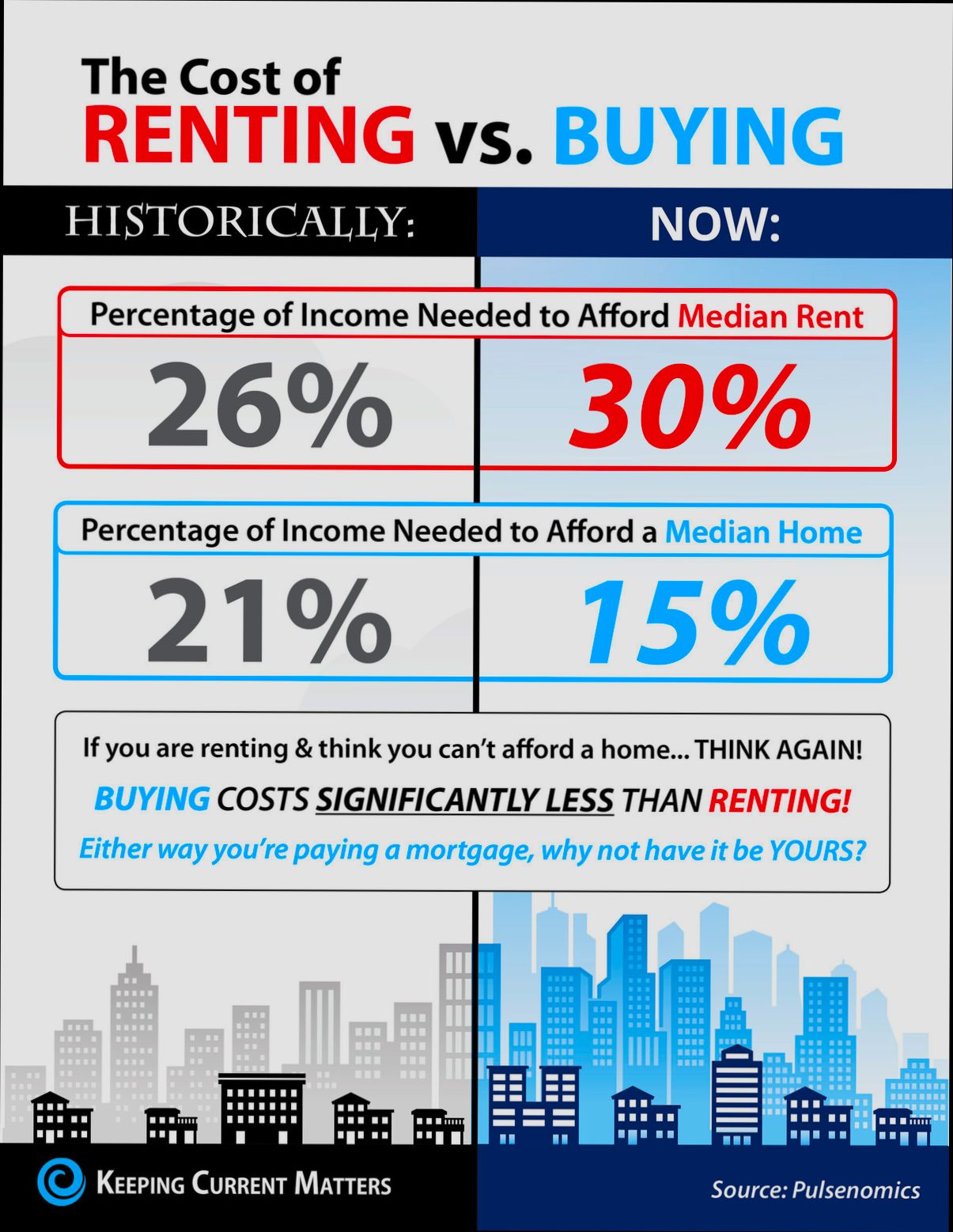
When considering renting a house in the United Kingdom, it’s important to delve into specific examples of renting costs. These real-world cases help illuminate the financial landscape you can expect, aiding you in making informed decisions.
Monthly Rent Cost Breakdown
Let’s look at how rental costs can differ in various regions across the UK, showcasing real monthly expenses.
- The median rent in Brighton for a two-bedroom apartment is around £1,500, illustrating the coastal city’s high demand.
- In Sheffield, the comparable rent drops to about £850, reflecting its more affordable housing landscape.
- The soaring prices in Bath show that a one-bedroom flat can fetch around £1,250 per month due to its desirable location and amenities.
Comparative Monthly Renting Costs Table
| City | Rent for 2-Bedroom Flat | Rent for 1-Bedroom Apartment | Rent Change (Last Year) |
|---|---|---|---|
| Brighton | £1,500 | £1,200 | +8% |
| Sheffield | £850 | £600 | +2% |
| Bath | £1,250 | £950 | +5% |
| Newcastle | £900 | £700 | +3% |
Real-World Case Studies
Real-life rental scenarios can provide insight into what you might actually pay:
1. Brighton Example: Sarah just moved into a two-bedroom flat in Brighton for £1,500 a month. The flat is ideal for her, but she noticed that rent prices in the area rose by 8% since last year, making her decision to rent now rather than later seem wise.
2. Sheffield Example: James opted for a one-bedroom flat in Sheffield at £600. He appreciates the stable 2% annual rent increase, making budgeting easier without having to face steep hikes.
3. Bath Example: Emma moved into a desirable one-bedroom apartment in Bath for £950. With a constant demand and a 5% increase from the previous year, she feels it’s an investment in a good area.
Practical Implications for Renters
Understanding these real-world examples helps you to:
- Navigate the various price brackets across different regions.
- Influence where you decide to rent, based on budget and lifestyle needs.
- Anticipate potential annual rent increases, helping with future financial planning.
Key Facts to Consider
- Many rental costs reflect the overall demand and market trends in their regions, which can vary dramatically across the country.
- Always compare renting costs between several regions to find a balance between location and affordability.
- When budgeting for renting, consider not just the base rent but likely increases over time, especially in trendy or rapidly growing areas.
Benefits of Renting Over Purchasing
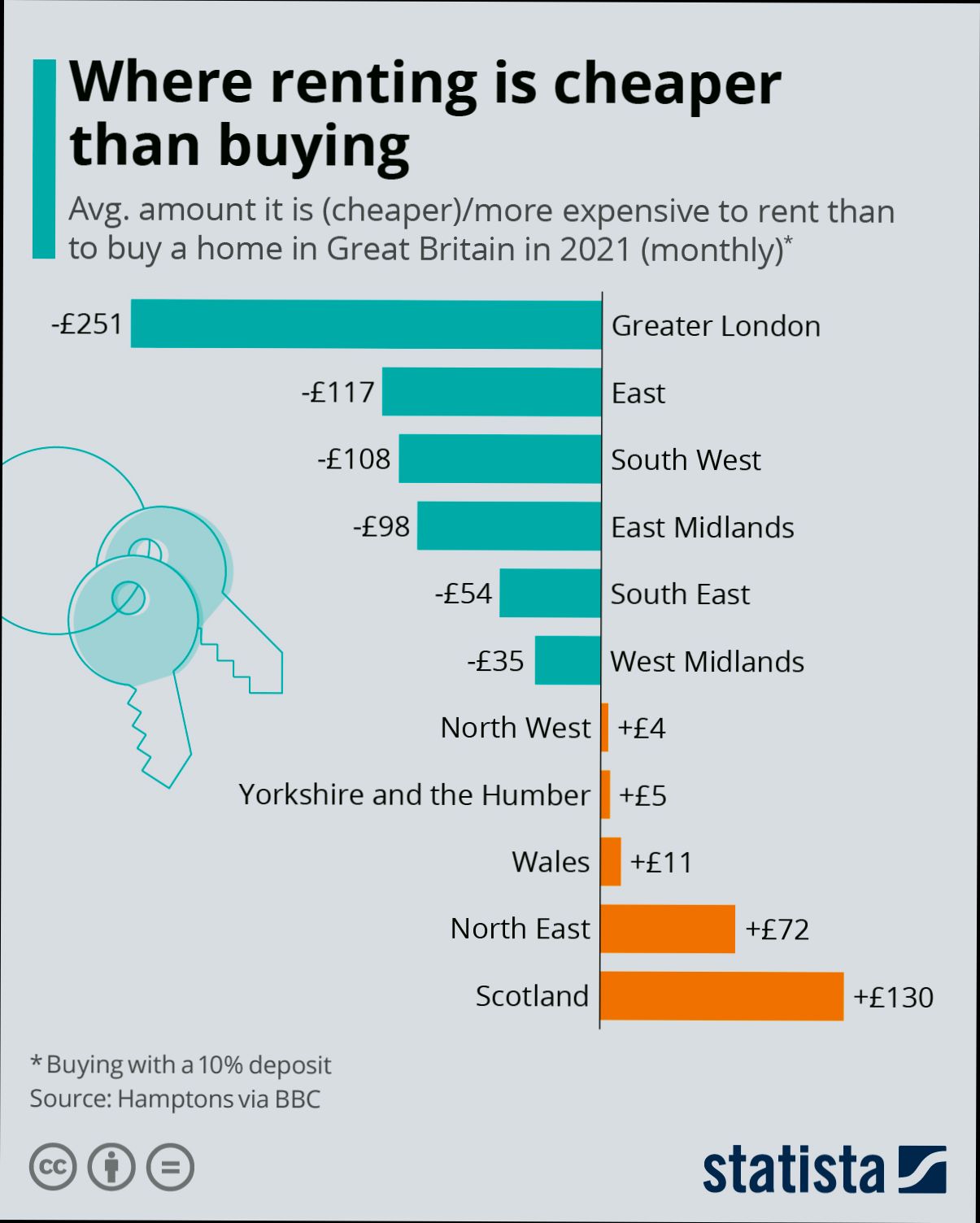
When deciding whether to rent or buy a home, it’s essential to weigh the benefits of each option. Renting can often offer significant advantages, especially when financial flexibility and freedom are priorities. Let’s explore some key benefits of renting over purchasing that might surprise you.
Key Benefits of Renting
1. No Down Payment Required:
Unlike buying a home, which often requires a sizable down payment—typically around 20% of the property’s value—renting usually needs just a security deposit. This can be considerably less, often equivalent to only one month’s rent.
2. No Property Taxes:
Homeowners are responsible for paying property taxes, which can be a hefty addition to monthly expenses. Renters, on the other hand, aren’t burdened with this cost, allowing more funds for other essential areas of life like savings, travel, or hobbies.
3. Access to Amenities:
Many rental properties come with amenities such as gyms, pools, and recreational areas, often at no extra cost. For example, a flat in a complex with a fitness room might be available for £1,200 per month, while owning a home with a gym would require additional investments in fixtures and maintenance.
4. Lower Utility and Insurance Costs:
Generally, renters face lower utility bills compared to homeowners. For instance, energy costs tend to be lower in rental properties due to modern energy-efficient designs. Additionally, renters usually pay less for insurance—opt for renters insurance, which averages around £100 annually compared to homeowners insurance which can be significantly higher.
5. Flexibility Without Long-Term Commitment:
Renting provides unparalleled flexibility regarding where you live. This is especially beneficial for younger adults or those with transient jobs. For instance, you can easily relocate from Manchester to London for a job, and when you rent, you can make this move without the weight of selling a property.
Comparative Overview: Costs of Renting vs. Buying
| Aspect | Renting | Buying |
|---|---|---|
| Initial Costs | Security deposit (1 month rent) | Down payment (~20% of property) |
| Monthly Ongoing Costs | Rent, utility bills | Mortgage, property taxes, insurance |
| Maintenance Costs | Landlord responsibility | Homeowner responsibility |
| Flexibility | High (easy to relocate) | Low (requires selling/buying) |
| Access to Amenities | Generally included | Often additional costs |
Real-World Examples
Let’s take a look at the rental costs in different cities in the UK to illustrate the financial benefits:
- In London, a popular area for professionals, you can rent a one-bedroom flat for approximately £2,000. Compare this to buying a similar property that may cost £800,000 upfront, necessitating a down payment of £160,000 or more.
- In Liverpool, the median rent for a two-bedroom apartment is around £700, far less than the monthly mortgage payments that could arise from a house purchase.
These examples demonstrate that renting can be significantly more financially advantageous, particularly for those experiencing career transitions or lifestyle changes.
Practical Implications for Renters
Being aware of these benefits can help you make an informed decision. For instance, if you’re planning on moving for career advancement or personal reasons within a few years, renting offers the flexibility needed to reassess your living situation without the complexities of home ownership.
Actionable Insights
- Consider your financial situation: If a large down payment is beyond your reach, renting could serve as a practical alternative.
- Weigh the additional costs associated with owning versus renting: This includes maintenance, property taxes, and the financial implications of being tied to an asset.
- If you value access to amenities and budget-friendly living, look into rental properties that fit your lifestyle without stretching your finances.
Renting may very well cater to your current lifestyle needs and financial aspirations better than purchasing a home, allowing you to prioritize your wellbeing and future plans.
Impact of Location on Rental Expenses
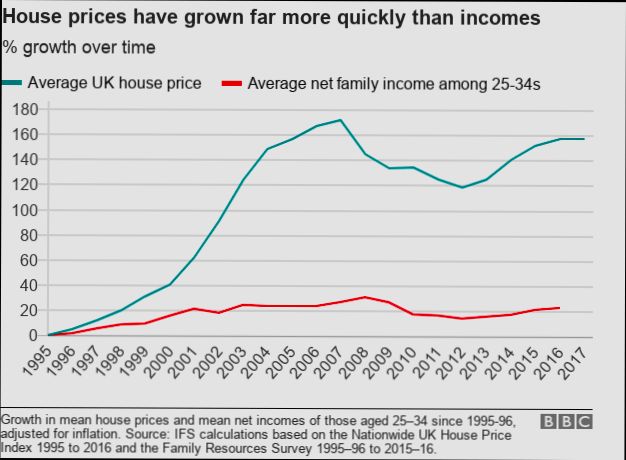
When we dive into the specifics of renting a house in the United Kingdom, one of the most significant factors to consider is how location influences rental expenses. The area where you choose to live can drastically alter your monthly rent, additional costs, and overall experience as a tenant.
Key Influences of Location on Rental Costs
1. Urban vs. Rural Areas: Generally, urban locations command higher rental prices due to demand for housing near amenities, transport links, and job opportunities. For instance, cities like London or Manchester consistently show elevated rental rates compared to rural areas.
2. Local Amenities: Areas with excellent public transport, shopping, schools, and recreational facilities often see a premium on rent. The presence of such amenities can result in a potential 10-20% increase in rental prices, especially in family-friendly neighbourhoods.
3. Neighborhood Perception: The reputation of a neighborhood plays a critical role. Desirable areas typically experience more competition among renters. For example, living in a trendy neighbourhood in Bristol could cost you about 15% more than a similar property in a less sought-after area.
4. Regional Variations: Different regions in the UK have distinct rental markets based on socio-economic factors. A report indicates that while the average rent in London was about £2,000 for a one-bedroom apartment, cities like Liverpool offered more budget-friendly options, averaging only £700 for the same type of accommodation.
Comparative Rental Expenses by Location
| City | Average Rent (1-Bedroom) | Availability of Amenities | Safety Rating |
|---|---|---|---|
| London | £2,000 | Excellent | Moderate |
| Manchester | £1,035 | Good | Good |
| Liverpool | £700 | Moderate | Very Good |
| Bristol | £1,200 | Excellent | Good |
Real-World Examples
- London: A one-bedroom flat in the heart of Islington could easily rent for £2,200 per month due to its central location, vibrant culture, and excellent transport links.
- Manchester: In the Northern Quarter, you might find that a stylish one-bedroom apartment rents for around £1,200, thanks to its trendy cafes and creative vibe.
- Liverpool: A one-bedroom flat in the outskirts can be found for about £650 due to lower demand compared to city-center listings, reflecting affordability in regions less populated.
Practical Implications for Renters
Understanding the impact of location on rental expenses can significantly influence your budget and lifestyle choices. If you’re keen on a city atmosphere, be ready to allocate a larger portion of your income for rent, especially in high-demand areas. Conversely, if you’re flexible about living slightly further from the city center or in less popular locales, you could not only save on rent but also enjoy larger properties.
- Actionable Tip: Always consider the total cost of living in your chosen location, including potential commuting costs and local amenities. A cheaper rental rate might eventually add up with higher transportation expenses.
Based on current rental market dynamics, having this insight will help you make more informed decisions about where to rent in the UK and prepare you for any potential budgeting shifts.