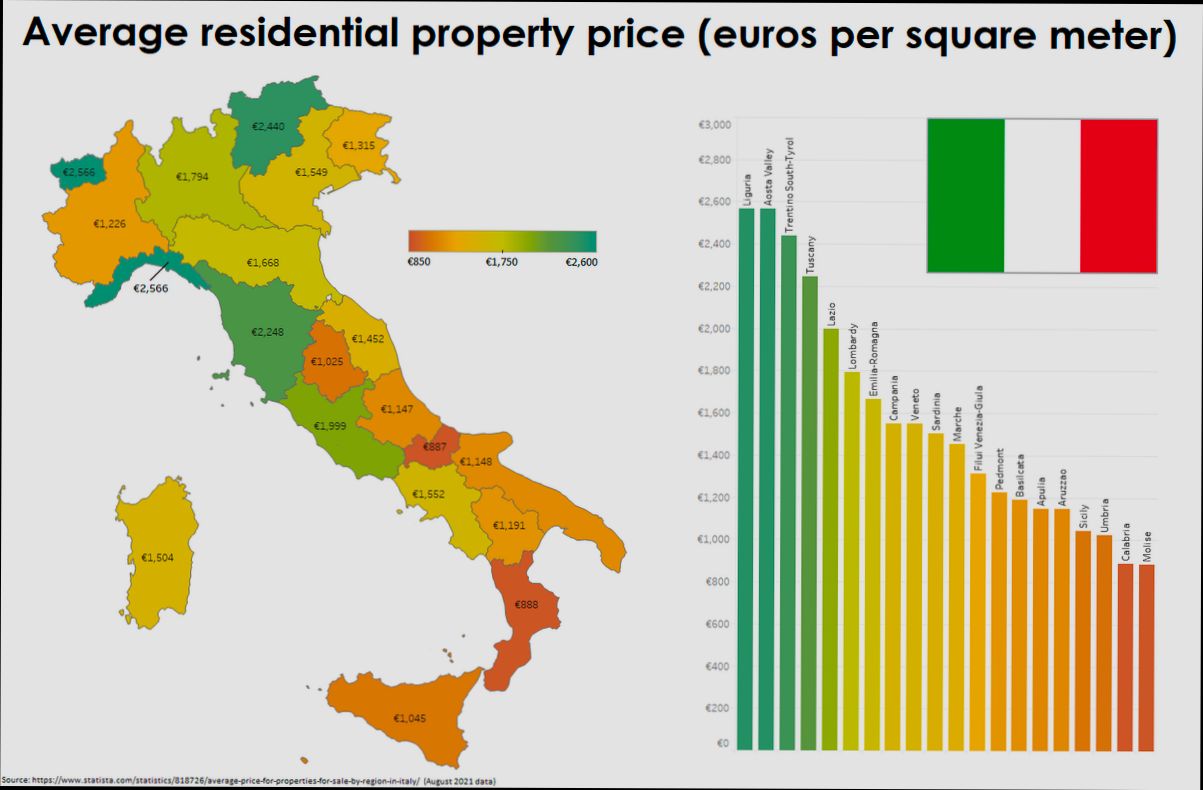
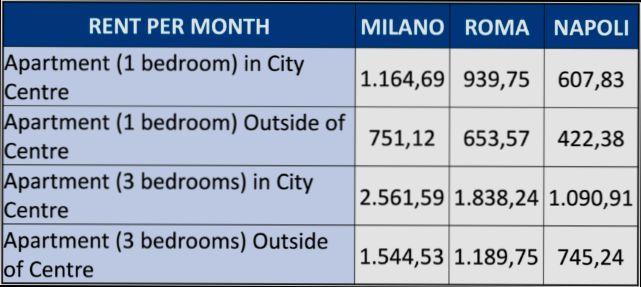
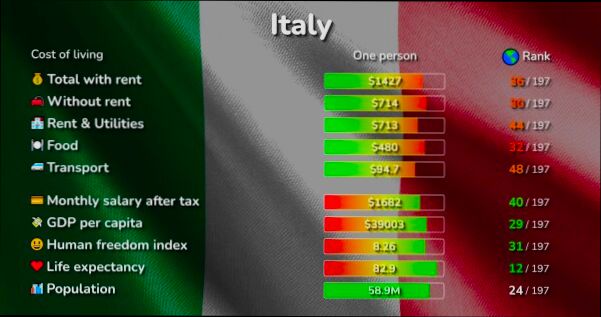
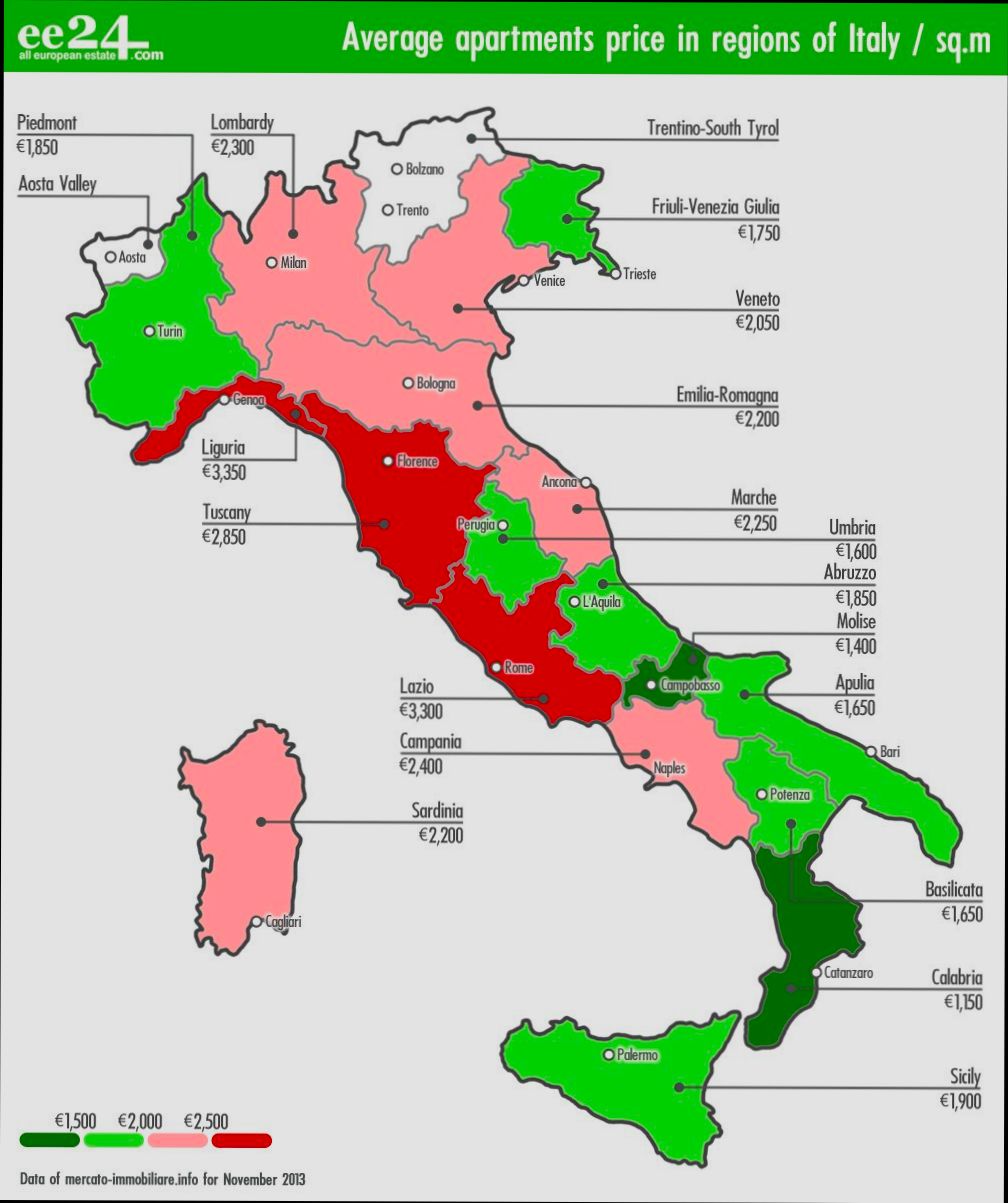
What are the Costs Involved When Renting House in Italy? Well, if you’re daydreaming about sipping espresso on a sunlit balcony, you might want to take a closer look at your budget. Rent prices can vary wildly depending on the city and neighborhood. For instance, while a cozy one-bedroom in Milan might set you back around €1,200 a month, the same space in a smaller town like Lecce could be as low as €400. And don’t forget that local hotspots often come with a heftier price tag—Florence and Rome can be especially pricey, sometimes nearing €1,500 for central locations.
But it’s not just the rent you need to worry about; there are several additional costs that can catch you off guard. Expect to fork out around one month’s rent as a security deposit, which landlords typically return to you at the end of the lease. Utility bills—electricity, gas, water, and internet—can add another €150 to €200 onto your monthly expenses. If you’re thinking about furnished places, be sure to check if furniture rental is included or if you’ll have to spend extra to decorate your new digs. All these numbers can add up quickly, so having a solid understanding of what to expect is key to avoiding any nasty surprises.
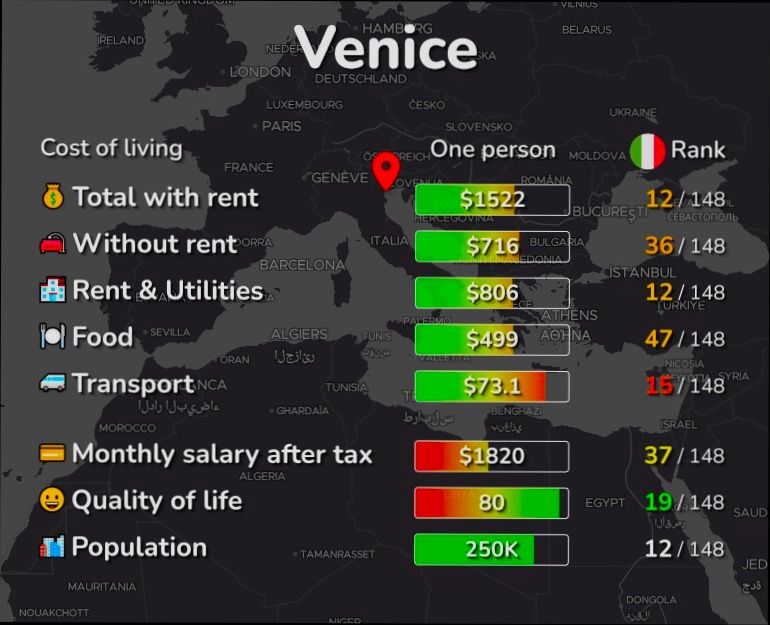
Understanding Italian Rental Market Fees
When diving into the Italian rental market, understanding the various fees is crucial. Rental costs involve more than just the monthly payment; there are numerous charges and fees you need to be aware of before signing that lease. Let’s unpack the various costs that accompany renting a property in Italy.
Types of Rental Fees
1. Monthly Rent: The most obvious cost, which varies significantly based on location and type of accommodation. For instance:
- In Milan, a one-bedroom apartment can range from €800 to €2,000.
- In Rome, expected costs are similar, ranging from €700 to €2,000.
- In Florence, prices lower slightly, from €600 to €1,600.
2. Security Deposit: Typically one to three months’ rent, this deposit protects landlords against damages or unpaid rent. You often get this back upon moving out if everything is in order.
3. Agency Fees: If you choose to work with a real estate agency, you may need to pay a fee. This can range from 5% to 15% of the annual rent, depending on the agency. For example, if your annual rent is €12,000, you could be looking at up to €1,800 in agency fees.
4. Utilities: Monthly utilities (like water, electricity, gas, and internet) can add an extra €150 to €300 to your monthly costs, depending on usage and property size.
5. Registration Tax: When signing a rental contract in Italy, you may be required to pay a registration tax. This fee can vary but is generally around 2% of the annual rent.
Typical Rental Costs Comparison
Here’s a quick overview of one-bedroom apartment rental costs across major Italian cities:
| City | Monthly Rent Range (€) | Security Deposit (Est. €) | Agency Fee (Est. €) |
|---|---|---|---|
| Milan | €800 – €2,000 | €800 – €6,000 | €400 – €1,800 |
| Rome | €700 – €2,000 | €700 – €6,000 | €350 – €1,800 |
| Florence | €600 – €1,600 | €600 – €4,800 | €300 – €800 |
| Bologna | €600 – €1,200 | €600 – €3,600 | €300 – €600 |
| Naples | €500 – €1,200 | €500 – €3,600 | €250 – €600 |
Real-World Example of Rental Fees
Consider a two-bedroom apartment in Bologna, with a rent of €1,000 per month. Here’s how the costs break down for you:
- Monthly Rent: €1,000
- Security Deposit: €2,000 (two months’ rent)
- Agency Fee: Approximately €800 (8% of annual rent of €12,000)
- Utilities: Estimated €200 monthly
- Registration Tax: Around €240 (2% of annual rent)
This totals approximately €4,240 in initial costs, plus ongoing monthly expenses of roughly €1,200.
Practical Implications
When budgeting for your rental experience in Italy, always account for these additional fees on top of the rent. This means that financial planning is essential to avoid surprises. If you’re on a tight budget, consider choosing properties directly from owners to save on agency fees. Utilize online platforms like Idealista or Rentola for a more affordable rental search.
Actions to Take
- Do Your Research: Explore multiple platforms and agencies to compare fees and properties.
- Negotiate: Some landlords may be open to negotiating the security deposit or agency fees.
- Plan for Utilities: Always include utilities in your budget to ensure you can manage your overall costs effectively.
By understanding these fees, you can navigate the rental landscape in Italy with confidence and clarity.
Key Factors Influencing Rental Prices
When you’re diving into the Italian rental market, understanding the key factors that influence rental prices can significantly affect your budget and decision-making. Various components intertwine to determine how much you may pay each month for your home.
Location, Location, Location
The geographical location remains the cornerstone when evaluating rental prices in Italy. Major cities like Rome, Milan, and Florence often command higher rents due to their economic opportunities and cultural significance.
- Cities vs. Rural Areas: For example, rental prices in Rome can be approximately 30% higher than those in smaller towns like Matera or Catania.
Property Type and Condition
The type and condition of a property also play crucial roles in determining rental prices. Newly renovated flats or those with modern amenities usually cost more than older houses needing updates.
- Example: A three-bedroom apartment in Milan’s central district can cost around €2,000 per month, while a similar apartment in a less popular area might go for €1,200.
Seasonal Demand and Tourism
In tourist-heavy regions, rental prices can fluctuate significantly based on the season. During peak tourist seasons, landlords may increase prices to capitalize on demand.
- Statistical Insight: In cities like Venice or Naples, rental rates can surge by as much as 20-25% during the summer months compared to the off-season.
Lease Terms and Length
The duration of the lease can influence the cost as well. Short-term rentals often incur higher monthly rates compared to long-term leases, providing landlords with a buffer against tenant turnover.
- Renting Dynamics: For instance, while a month-to-month rental may cost €1,500, a yearly lease for the same property could be negotiated down to around €1,300 per month.
| Factor | Influence on Price | Example Impact |
|---|---|---|
| Location | +30% in major cities | Rome vs. Matera |
| Property Type | +20% for modern amenities | Milan vs. older properties |
| Seasonal Demand | +20-25% peak summer rates | Venice in July |
| Lease Duration | Short-term higher by 15% | €1,500 vs. €1,300 for long-term |
Real-World Examples
Consider the example of a young professional moving to Milan. By opting for a two-year lease in a less touristy district like Lambrate, they could potentially save €300 per month compared to signing a short-term lease in the bustling Navigli area. Similarly, families seeking stability often find it more cost-effective to rent in suburban areas, where monthly rents can be significantly lower.
Practical Implications
As you navigate through rental options, keeping these key factors in mind will help you make informed decisions. When considering a property, ask yourself:
- Is the location convenient for my lifestyle?
- What amenities does the house offer?
- Am I willing to commit to a longer lease for better rates?
Understanding these dynamics gives you leverage when negotiating rents, allowing you to secure a more favorable deal based on market conditions.
Actionable Insights
Always compare rental listings across different neighborhoods and property types. Knowing the market averages will empower you to negotiate better terms and avoid overspending. Aim to understand local trends—are prices rising, stable, or declining? Utilize this knowledge as a bargaining chip when discussing rental agreements.
Common Additional Expenses for Tenants
Renting a home in Italy often involves various hidden costs that go beyond the monthly rent. It’s essential for you to be aware of these additional expenses, which can significantly impact your overall budget as a tenant. Let’s dive into what these costs typically include.
Utility Bills
Utility costs are one of the most common additional expenses you’ll encounter. In Italy, you might have to pay for:
- Electricity: The average monthly electricity bill can range from €50 to €100, depending on your usage.
- Gas: Heating can cost between €60 to €120 a month, especially during the colder months.
- Water: Expect around €30 to €50 a month for water, which can vary based on property size and number of occupiers.
Internet and Phone
Having a reliable internet connection is vital, especially if you work from home. Monthly internet service generally ranges from €30 to €50, depending on the speed and package. Keep in mind that many rental agreements do not include internet costs, making it an additional expense you’ll need to budget for.
Home Insurance
While not always mandatory, home insurance is highly advisable. The cost can vary widely but ranges from €100 to €300 per year. This insurance protects your personal belongings and can help cover damages to the rental property.
Property Management Fees
If you’re renting through an agency, be prepared for property management fees. These can vary but frequently amount to around 10% of the annual rent. For a typical two-bedroom apartment renting at €1,200 per month, you might pay approximately €1,440 per year as a management fee, which adds an extra layer to your budget.
Additional Fees Table
| Expense Type | Average Monthly Cost (€) | Annual Cost (€) |
|---|---|---|
| Electricity | 50 - 100 | 600 - 1,200 |
| Gas | 60 - 120 | 720 - 1,440 |
| Water | 30 - 50 | 360 - 600 |
| Internet | 30 - 50 | 360 - 600 |
| Home Insurance | - | 100 - 300 |
| Property Management Fee | 10% of annual rent | - |
Real-World Examples
Consider a tenant, Maria, who rents a small apartment in Milan. She pays €1,000 per month in rent. Additionally, her monthly utility bills average around €200, internet is €40, and she has opted for home insurance at €150 annually. Her total monthly expenditure rounds out to approximately €1,440, giving a clearer picture of the real costs of living independently.
Another example is Luca, who shares a two-bedroom flat in Florence for €700/month. Although he splits the rent, the added expenses, including utilities and internet, can still hit €500 cumulatively. Therefore, his total monthly spending comes to about €1,200, a significant figure for a young professional.
Practical Implications
Awareness of these common additional expenses allows you to plan your finances better. When searching for a rental property, always inquire whether utilities are included in the rent. Being clear about what’s covered can help you avoid unexpected costs after signing the lease.
Additionally, consider budgeting at least 20% to 30% more than the listed rent price to accommodate these additional expenses. Understanding these costs will empower you to make informed decisions as a tenant in Italy.
Statistical Insights on Rent Trends
When it comes to renting a house in Italy, understanding statistical trends can empower you in making informed decisions. Rental prices can fluctuate based on various elements, and being aware of these trends can significantly improve your rental experience.
Rental Price Trends Over Time
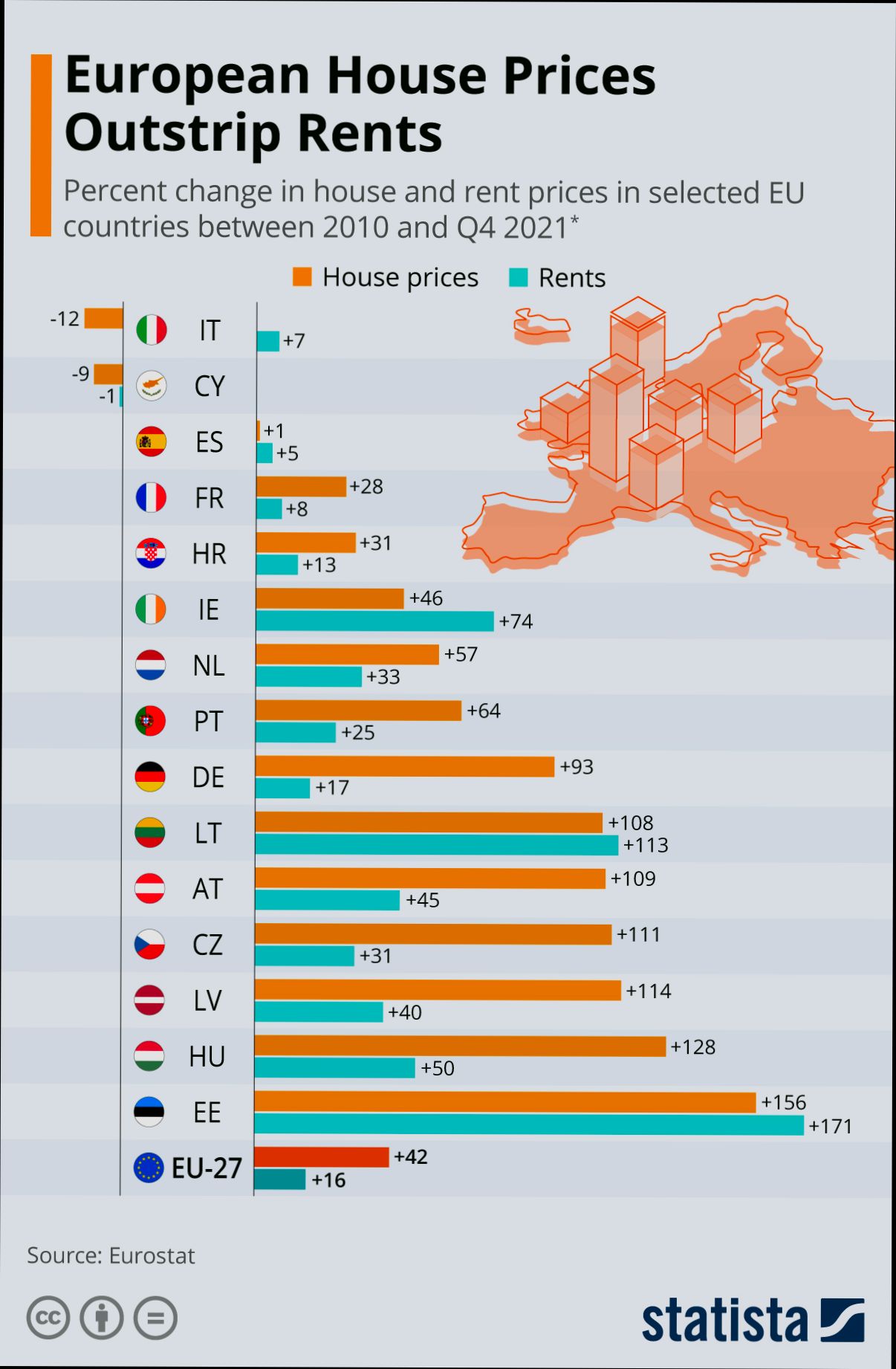
Recent data indicates that rental prices in Italy have seen a steady increase over the past few years. Here are some noteworthy statistics:
- Annual Rent Increase: On average, rents have increased by approximately 3% to 5% each year in major metropolitan areas.
- Regional Disparities: In cities like Milan and Rome, the annual rent increase can surpass 7%, contrasting with smaller towns where the increase is often below 3%.
- Market Recovery: After the pandemic, rental prices in popular tourist destinations have rebounded significantly, with some places experiencing a rise of up to 15% as of late 2023.
Comparative Table of Rental Price Increases by City
| City | Average Monthly Rent (2023) | Annual Increase (%) |
|---|---|---|
| Milan | €1,500 | 7% |
| Rome | €1,400 | 6% |
| Florence | €1,200 | 4% |
| Turin | €1,000 | 5% |
| Bologna | €1,100 | 5% |
Real-World Examples of Rent Trends
- Milan: Data collected from various real estate platforms shows that a two-bedroom apartment in Milan’s central districts has seen increases from €1,400 to €1,500 monthly within a single year, reflecting a keen competition in the rental market.
- Rome: In Rome, areas like Trastevere have experienced a notable spike in rent due to their popularity, leading to an increase of around 10% just in the last six months.
- Tourist Impact: Cities like Florence have seen traditional rental prices rise sharply during the peak tourist season, especially for short-term rentals. This can lead to permanent residents facing challenges in affordability.
Practical Implications for Renters
Understanding these trends allows you to better negotiate leases and anticipate price changes. Here’s how you can apply this knowledge:
- Timing Your Lease: Consider signing your lease during off-peak seasons when rental prices may be lower.
- Negotiate: Use current data trends to your advantage when negotiating rent. Being informed about local increases can provide leverage.
- Plan for Increases: Anticipate that annual increases might affect your budget, especially in popular regions. Setting aside additional funds can cushion unexpected hikes.
Renting a home in Italy can be a dynamic experience, and being equipped with statistical insights on rent trends ensures you remain one step ahead in this evolving market.
Real-World Examples of Rental Costs
When considering rental costs in Italy, it’s essential to dive into specific examples that illustrate what you can expect in various cities and regions. Having real-world data helps you make informed choices in your renting journey. Let’s explore some detailed examples of rental costs across popular locations in Italy.
Specific Areas and Their Rental Costs
Italy offers a vast range of rental prices depending on the location. Here are some examples that highlight various cities:
- Milan: Renting a one-bedroom apartment in the city center can cost around €1,200 per month. Outside the center, prices drop to approximately €800.
- Rome: In the heart of Rome, expect to pay about €1,000 for a similar one-bedroom apartment, while areas further out may welcome you with prices around €700.
- Florence: A cozy studio apartment in Florence might cost you around €900, while the outskirts can be around €600.
- Naples: Here, a one-bedroom apartment in the center is approximately €750, with rentals in suburban locales starting from €500.
Comparative Rental Cost Table
| City | City Center (1-Bedroom) | Outskirts (1-Bedroom) |
|---|---|---|
| Milan | €1,200 | €800 |
| Rome | €1,000 | €700 |
| Florence | €900 | €600 |
| Naples | €750 | €500 |
Case Studies Across Different Regions
Let’s look at a couple of real-world case studies to illustrate how rental costs can vary even within the same city:
1. Case Study 1 - Milan’s Navigli District:
- A two-bedroom apartment in this vibrant district recently listed for about €1,800. It features modern amenities and close proximity to public transportation, making it a desirable location for young professionals.
2. Case Study 2 - Rome’s Trastevere District:
- In Trastevere, a charming three-bedroom apartment costs around €2,200 monthly. This historic area is known for its nightlife and rich cultural offerings, justifying the premium rental price.
Practical Insights for Renters
Understanding the local rental landscape is crucial. Consider the following before committing:
- Research Local Trends: Prices can fluctuate based on the season, so monitor trends in your chosen area.
- Negotiate: In some cases, landlords might be open to negotiations on rental prices, especially for longer lease terms.
- Utilize Rental Platforms: Websites like Immobiliare.it or Idealista can provide current listings and insights into average neighborhood prices.
Actionable Advice on Rental Costs
- Always visit properties in person if possible. Photos and descriptions can be misleading.
- Factor in the potential for additional costs like maintenance fees or local taxes in your budget.
- Keep an eye on the rental market trends specific to the neighborhood you are interested in, as these can directly influence rent fluctuations.
By analyzing real-world examples, you can appreciate the diversity in rental costs across Italy and apply this knowledge to make more informed decisions.

Advantages of Renting in Italy
Renting a home in Italy comes with a range of enticing benefits that can enhance your living experience and ease the financial burden. Many individuals and families find renting a more convenient and flexible option compared to homeownership. Let’s explore some of these advantages in detail.
Flexibility and Mobility
One of the standout advantages of renting in Italy is the flexibility it offers. Whether you’re a student, a digital nomad, or someone relocating for work, renting allows you to:
- Change Locations Easily: If you choose to move for better job opportunities or a change in scenery, renting makes it straightforward without the hassle of selling a property.
- Shorter Lease Terms: Many rentals come with six-month or yearly leases, accommodating those unsure about their long-term plans in Italy.
Financial Benefits
Renting can also be a financially savvy choice. Here’s why:
- Lower Upfront Costs: When renting, the initial costs typically include the first month’s rent and a security deposit, often less than 2-3 months’ worth of a mortgage down payment.
- Insurance and Maintenance: Renters are usually shielded from property taxes and major maintenance costs, freeing up cash for other living expenses. In many regions, landlords are responsible for repairs, saving you potential unexpected expenses.
Community and Social Opportunities
Renting in Italy allows you to immerse yourself in local communities and cultures. Here are a few ways it benefits your social life:
- Local Connections: Renting provides an opportunity to connect with locals and build relationships, which can enhance your experience in Italy.
- Cultural Experiences: Living in rental properties allows you to explore different neighborhoods, giving you diverse cultural experiences, from local markets to regional festivals.
| Advantages of Renting | Description |
|---|---|
| Flexibility | Easy relocation and shorter lease terms. |
| Lower Upfront Costs | Minimal initial investment compared to buying. |
| Maintenance Coverage | Landlords generally handle maintenance and repairs. |
| Community Access | Opportunity to engage with local culture and community. |
Real-World Examples
Imagine renting a cozy apartment in Florence’s historic center, where you can enjoy the vibrant local life and exquisite cuisine at your doorstep. Transfers like these often come at a cost-effective monthly rate without the strings attached to a mortgage.
Consider a scenario where you rent in Rome for a few months to explore job opportunities. With shorter lease agreements, it’s effortless to adjust based on your evolving needs and career.
Practical Implications for Readers
When contemplating your living situation in Italy, consider the advantages of renting actively. With the average cost of renting in metropolitan areas often reflecting local market demands, you could find great value in cities like Naples or Bologna without committing to a hefty mortgage.
You can also take advantage of rental incentives often offered to new tenants. Many landlords provide discounts on the first month’s rent or include utilities in the rental price, making it even more appealing to potential renters.
Additionally, it’s pragmatic to prioritize areas known for thriving rental markets to maximize your living experience. Researching communities where you can live affordably while enjoying rich cultural and social experiences will enhance your time in Italy.
By recognizing these advantages, you can make a well-informed decision that aligns with your lifestyle and future goals while enjoying all that Italy has to offer.
Legal Considerations for Renters in Italy
When you’re renting in Italy, understanding the legal landscape is crucial to ensure a smooth experience. Laws regarding rental agreements, tenant rights, and responsibilities can differ significantly from your home country. Here, I’ll break down essential legal considerations to keep in mind as you navigate the rental market in Italy.
Understanding Rental Contracts
In Italy, rental agreements can be either written or verbal, but I highly recommend having a written contract. A standard lease is usually for four years (with the option to renew for another four) for residential properties, which provides stability for both tenants and landlords. Make sure to review the lease for:
- Rental duration
- Rent amount and payment terms
- Deposit requirements
- Maintenance responsibilities
Tenant Rights and Protections
Italy has robust laws protecting tenants. These rights include:
- Required Repairs: Landlords must ensure that the property is habitable. If something breaks, it’s usually up to them to fix it, unless stated otherwise in the contract.
- Protection Against Eviction: Landlords must follow legal procedures to evict tenants, which can involve court proceedings.
- Security Deposits: The law generally allows landlords to request a security deposit up to two or three months’ rent, which must be returned at the end of the lease if all terms are met.
Notice Periods
If you wish to terminate your lease, the notice period is typically three months in Italy. This applies equally to both tenants and landlords. Always ensure that this is documented to avoid any legal disputes later.
| Aspect | Standard Condition | Tenant Responsibility | Landlord Responsibility |
|---|---|---|---|
| Lease Duration | Typically 4 years with renewal options | Comply with terms | Maintain property |
| Security Deposit | Up to 2-3 months’ rent | Pay at lease signing | Return on time |
| Notice Period | 3 months for termination | Notify in writing | Provide reason for eviction |
Real-World Examples of Legal Disputes
Consider a case where a tenant, Maria, discovered mold in her apartment after several months. Under Italian law, her landlord had the responsibility to address the issue promptly. Maria requested repairs, but the landlord delayed action. She ultimately filed a complaint with the relevant local authority, which facilitated repairs and ensured her rights were upheld.
Practical Implications for Renters
As you navigate leasing in Italy, keep these legal considerations in mind:
- Always have a written contract.
- Familiarize yourself with local tenant laws to safeguard your rights.
- Document any communication with your landlord to provide clarity in any disputes.
Specific Facts to Remember
- Understand that language barriers can complicate contractual agreements, so consider hiring a translator or legal expert if necessary.
- Renting regulations can vary significantly between regions, so check local laws specific to your area.