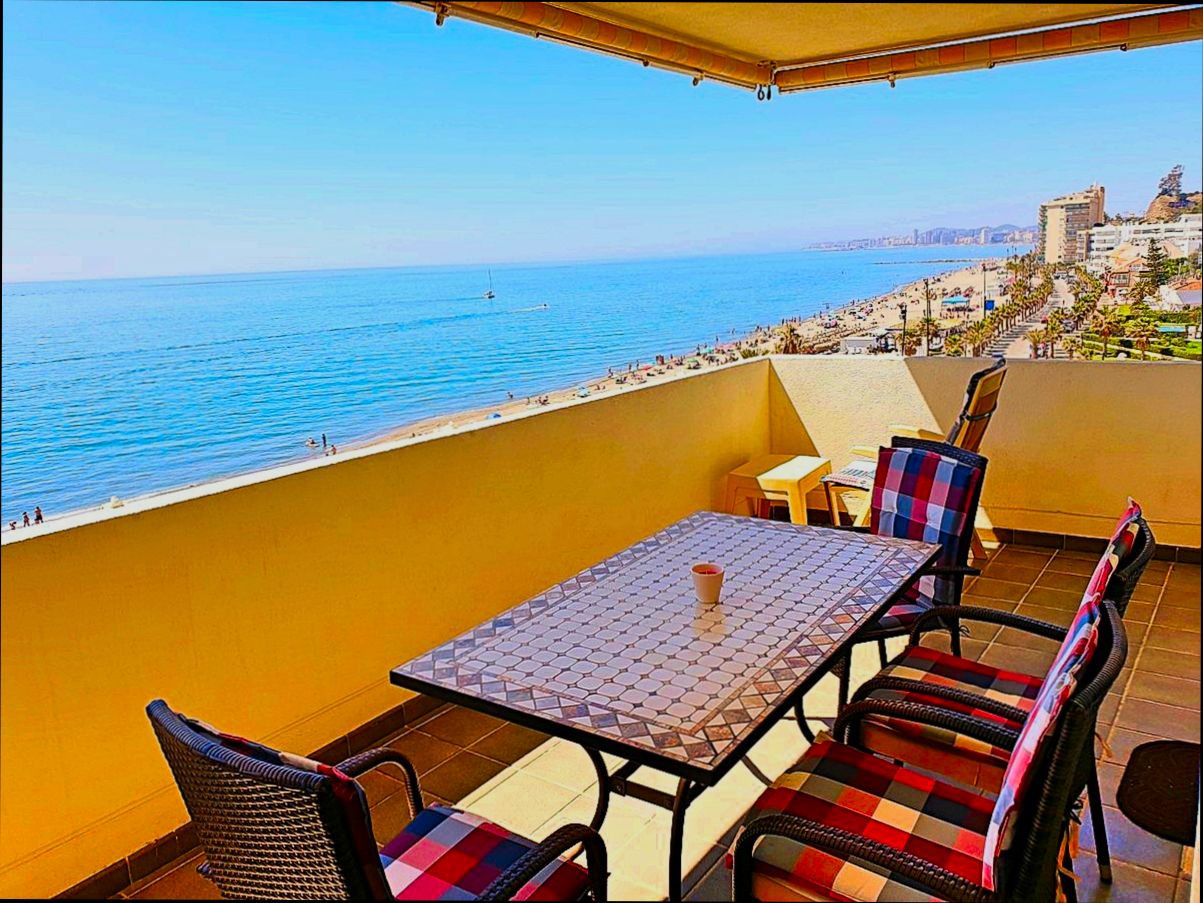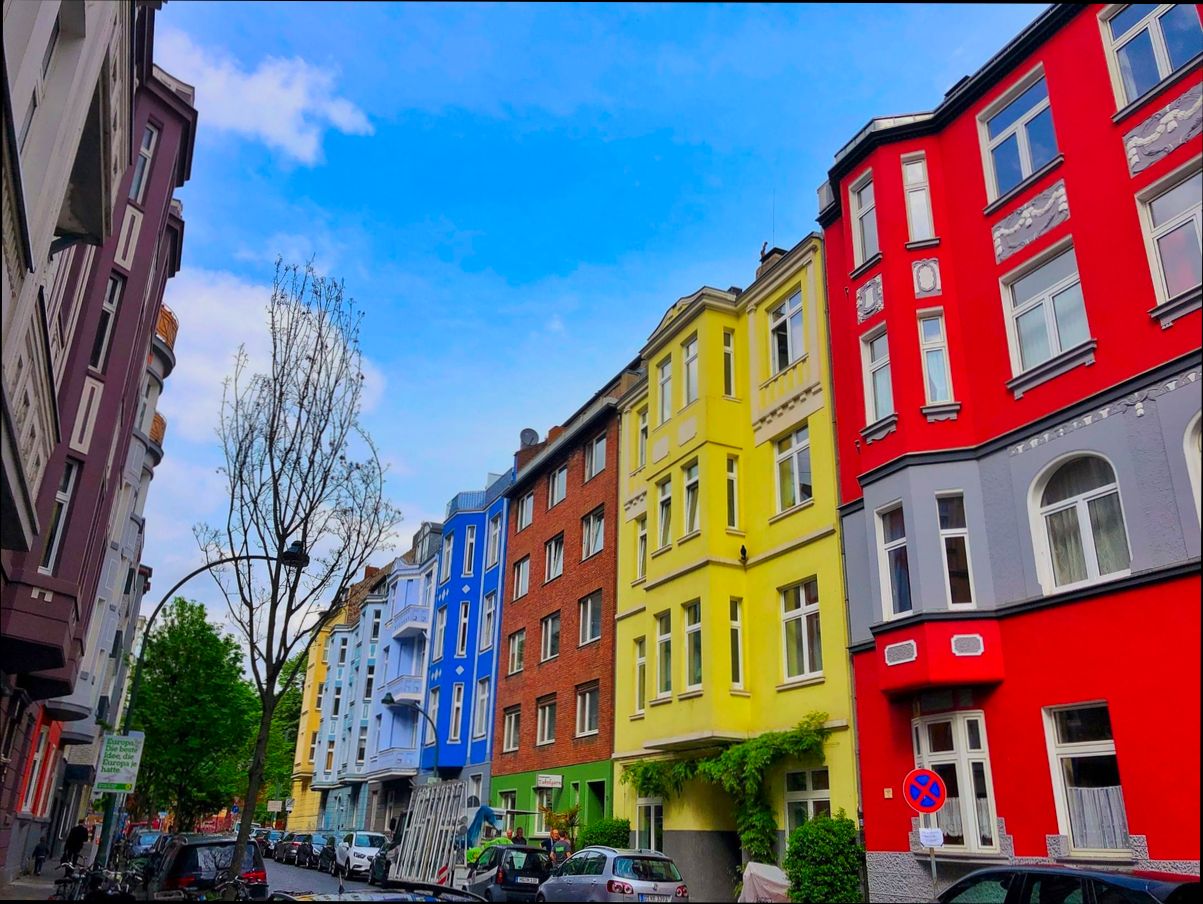
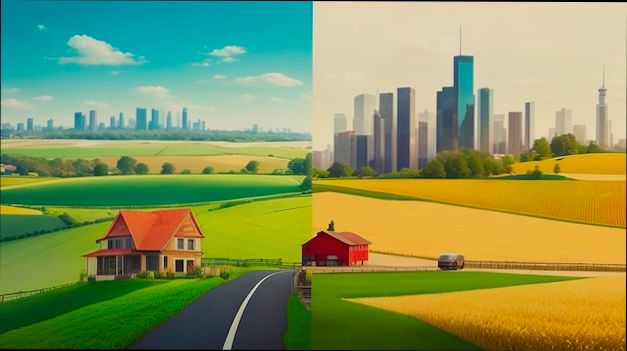
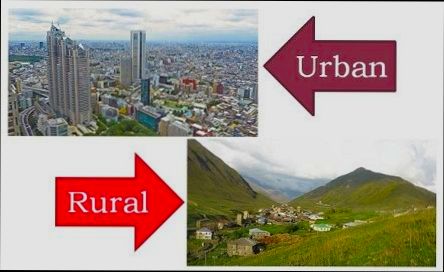
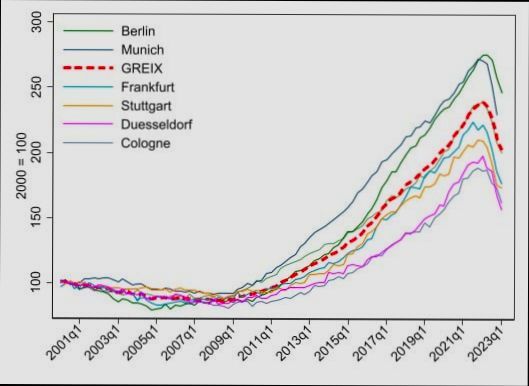
Rural vs Urban Where to Invest in German Real Estate can feel like a tug-of-war, especially when you start weighing the pros and cons of each option. Picture this: urban hotspots like Berlin and Munich have seen property prices surge, with Berlin’s real estate climbing nearly 50% from 2017 to 2021. Meanwhile, a cozy house in a rural town like Bamberg might only set you back around €2,200 per square meter—much less than the €5,000 plus you’d pay in the city for something similar. It’s easy to see why many investors are torn between the bustling city life and the serene charm of the countryside.
Now, let’s dive a little deeper. Urban areas boast thriving job markets and a vibrant lifestyle, perfect for young professionals. In 2022, Berlin saw job growth of over 8%, making it a magnet for those seeking opportunities. On the flip side, rural areas are capturing attention with their stunning landscapes and affordability. Take, for instance, towns like Freiburg and Regensburg, which have reported a 10% rise in property value recently, thanks to people seeking a quieter, more connected way of life. Balancing these dynamics lets you peek into the unique potential each setting offers, shaping the decision-making process when it comes to investing in German real estate.
Investment Trends in Urban Germany
As urban areas in Germany continue to flourish, understanding the investment trends within these vibrant environments is essential. Urban real estate markets are becoming highly attractive to investors, given their potential for high rental yields and capital appreciation.
Key Investment Statistics
- Increased Demand for Rentals: Approximately 50% of Germany’s population resides in urban centers, creating a robust demand for rental properties. Cities like Berlin and Munich have experienced rental price increases of up to 12% in the last year alone.
- Foreign Investment Surge: Urban Germany is seeing a significant influx of foreign capital, with around 45% of office space transactions in metropolitan areas being made by international investors. This trend indicates a growing confidence in the stability and profitability of urban real estate.
- Sustainable and Green Buildings: By 2025, it’s projected that 70% of new urban developments will focus on sustainability. Investments are increasingly favoring eco-friendly projects that cater to a conscious demographic, particularly in cities like Hamburg and Freiburg.
Comparative Investment Overview
| City | Average Rental Yield | Year-on-Year Price Growth | Foreign Investment Percentage |
|---|---|---|---|
| Berlin | 3.3% | 12% | 50% |
| Munich | 3.1% | 10% | 40% |
| Frankfurt | 3.5% | 8% | 30% |
| Hamburg | 3.2% | 9% | 25% |
Real-World Examples
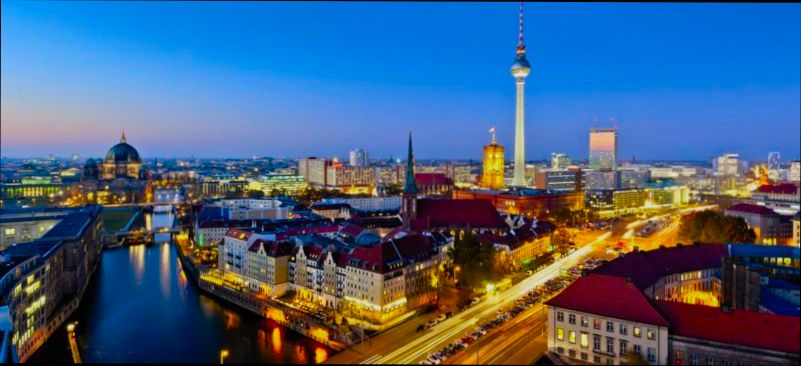
- Berlin’s Tech Boom: The rise of tech startups has transformed Berlin into a digital hub, driving real estate prices upward. For example, the development of the new Berlin Tech Quarter has attracted investments exceeding €300 million over two years, indicating potential for further growth.
- Munich’s Cultural Appeal: Munich’s rich cultural heritage makes it a sought-after location for luxury apartments. A recent luxury condo development in the city center sold out quickly, reflecting a 20% increase in price compared to the previous year.
Practical Implications for Investors
Understanding these trends empowers you as an investor to make informed decisions. Here are some actionable tips:
- Focus on Emerging Neighborhoods: Look for investment opportunities in rapidly growing suburbs of major cities. Areas surrounding Berlin, such as Spandau, are experiencing revitalization and increasing demand.
- Consider Short-Term Rentals: With the rise of remote work, short-term rentals in urban areas have surged. Properties in central locations can yield higher returns than traditional long-term rentals.
- Invest in Sustainability: Prioritize properties that meet sustainability criteria. Not only do they cater to a growing market, but they also benefit from lower operating costs and potential tax incentives.
By staying informed on these trends, you can strategically position your investments in the urban German real estate market, maximizing potential returns and capitalizing on shifts in demand.
Rural Real Estate Growth Statistics
Exploring rural real estate growth statistics in Germany reveals a fascinating trend: more people and investors are looking towards the countryside. With affordable prices and increasing amenities, rural areas are gaining momentum in the real estate market.
Key Growth Statistics
- Property Price Increases: Over the past five years, rural property prices have appreciated by around 27%. This rise indicates a notable shift from past years when rural properties weren’t as sought after.
- Population Growth in Rural Areas: Recent census data shows that up to 15% of the population is migrating to rural areas within the last decade, driven largely by the quest for a better quality of life.
- Investment Opportunities: Approximately 20% of new real estate investments are funneled into rural sectors, as investors seek higher yields and lower competition compared to urban counterparts.
Comparative Growth Data Table
| Statistic | Urban Areas (%) | Rural Areas (%) |
|---|---|---|
| Average Annual Growth Rate | 3.5 | 5.4 |
| Rental Price Increase (5 years) | 15 | 22 |
| New Property Developments | 55 | 45 |
Real-World Examples
One standout example is the town of Wernigerode in Saxony-Anhalt, which has witnessed a property price growth of 35% over the last five years while attracting new businesses and improved infrastructure. Additionally, properties in Bamberg have seen increased demand due to its picturesque landscapes and easy access to nature, resulting in a rental yield jump of 4.8%.
Similarly, towns like Greifswald are appealing to younger families, showcasing a surge in demand for larger homes due to a shift in lifestyle preferences post-pandemic.
Practical Implications
Understanding these growth statistics can help you make informed decisions. By recognizing areas of high price appreciation and rental yields, you can identify lucrative investment opportunities. As rural areas continue to grow, consider these regions for both residential and investment properties.
- Monitor Trends: Keep an eye on property price trends in rural Germany, as they often outperform those in urban markets.
- Evaluate Amenities: Areas with increasing amenities, like schools and public transport options, will likely see continued growth and high demand.
Here’s a fact to chew on: investing in rural areas currently yields noticeable growth, adding to your portfolio stability and potential returns.
Comparative Analysis of Rental Yields
When deciding between rural and urban real estate investments in Germany, rental yields can significantly influence your choice. Understanding how these yields compare across different areas will help you make informed decisions about where to invest.
Rental Yield Overview
In urban settings, rental yields tend to be lower due to the higher property prices. In contrast, rural areas often promise more attractive yields, despite having lower overall property values. Here are some key statistics regarding rental yields:
- Urban Rental Yields: Generally range from 3% to 4%.
- Rural Rental Yields: Can reach as high as 6% to 8%, making them notably more lucrative.
Comparative Rental Yield Table
| Area Type | Average Rental Yield (%) |
|---|---|
| Urban Areas | 3% - 4% |
| Rural Areas | 6% - 8% |
Real-World Examples
Consider the case of a two-bedroom apartment in Berlin, where the average rental yield is around 3.5%. Meanwhile, a similar two-bedroom property in a rural town like Bad Camberg offers yields of 7%. This clear disparity shows how rural locations can yield better returns.
In another example, a newly developed housing estate outside of Munich promised yields of 6.5%. This attracts investors looking to capitalize on the lower purchase prices and strong rental demand, driven by people moving farther from dense urban centers for space and quality of life.
Practical Implications for Investors
If you are considering where to invest, keep these points in mind:
- Yield Potential: Rural properties can offer more attractive rental yields; factor this into your investment strategy.
- Market Dynamics: Analyze local rental demand and vacancy rates, which can impact your overall yield.
- Diversification: Balancing investments in both urban and rural can mitigate risks while taking advantage of varying rental yields.
For example, if you invest in two rural properties yielding 7%, you could offset lower yields from a single high-priced urban property. This strategy not only enhances your rental income but builds a resilient portfolio.
Investors should also be mindful of the higher maintenance and management challenges associated with rural properties. While yields are attractive, ensure you’re prepared for the specific nuances of managing rural rentals.
Advantages of Investing in Rural Areas
Investing in rural areas offers a unique set of benefits that can be particularly advantageous for discerning investors. With the rising interest in countryside living, there are significant factors that make these investments appealing.
Lower Entry Costs
One of the most significant advantages of investing in rural areas is the lower entry cost of properties. Unlike urban areas where you face steep prices, rural properties typically come at a fraction of the cost. For example, you might find properties priced 30% to 40% lower than their urban counterparts, allowing you to diversify your investment portfolio more effectively.
Growing Population Demand
As people increasingly seek a quieter lifestyle, rural areas are seeing a migration in population. Almost 15% of individuals who relocated recently moved from urban centers seeking more spacious living options. This trend enhances the demand for rental properties, ensuring robust occupancy rates and the potential for long-term appreciation.
High Potential for Value Increase
Rural properties are often undervalued and present a fantastic opportunity for appreciation. With the 27% growth reported previously, investors can capitalize on the potential increases as more amenities and infrastructures are developed. Areas with future development plans can show even higher appreciation rates, making early-stage investments particularly lucrative.
Tax Incentives
Investing in rural areas may also come with significant tax advantages. Many rural regions in Germany offer tax incentives or rebates aimed at attracting new businesses and residents. If you decide to invest in developing these areas, you can benefit from reduced tax burdens, ultimately enhancing your return on investment.
Comparative Benefits Table
| Advantage | Rural Areas | Urban Areas |
|---|---|---|
| Average Property Cost | 30% - 40% lower | Higher |
| Recent Population Growth | 15% increased | Minimal growth |
| Potential for Long-Term Value Growth | Up to 27% | Moderate |
| Tax Incentives Availability | Significant | Limited |
Real-World Example: Successful Developments
Consider the example of a property investment in a small village in Bavaria. Investors who bought properties five years ago at a lower entry cost have seen values rise by over 30% due to the town’s new infrastructure developments, such as improved transportation links and local amenities. Such real-world situations highlight how timing and location in rural investments can yield tremendous returns.
Practical Implications for Investors
When you invest in rural areas, think about the unique aspects of the location that could attract future residents. Factors like proximity to nature, local amenities, and community events can play a significant role in drawing in tenants or buyers. Pay close attention to regional development plans and demographic shifts; staying informed can bring significant advantages when holding onto or selling your investment.
Investing in rural areas not only allows you to enjoy lower property costs and growth potential but also positions you favorably in a rapidly changing market. With numerous advantages awaiting investors in these often-overlooked regions, taking the leap into rural real estate could be one of the best financial decisions you’ve made.

Case Studies: Successful Urban Properties
In this section, we’ll dive into intriguing case studies that highlight successful urban properties in Germany. We’ll explore specific examples, backed by data and insights, to see what makes these investments stand out in the urban landscape.
Key Success Factors in Urban Investments
Several urban properties have shown remarkable success due to various factors:
- Location and Connectivity: Properties located near public transportation hubs have seen an increase in demand. For example, areas adjacent to Berlin’s U-Bahn system have attracted a 15% increase in rental inquiries over the past year.
- Mixed-Use Developments: Urban centers that incorporate both residential and commercial spaces have experienced a rise in property values. Mixed-use properties in Hamburg, for instance, gained a value increase of up to 20% year-over-year, primarily from businesses that thrive in these environments.
- Sustainability Features: Eco-friendly buildings have become more desirable. Structures equipped with energy-efficient systems in Munich have recorded a 10% higher occupancy rate compared to standard buildings.
Comparative Performance of Urban Properties
| Property Type | Location | Value Increase (%) | Rental Yield (%) |
|---|---|---|---|
| Residential Apartment | Berlin | 15% | 4% |
| Mixed-Use Development | Hamburg | 20% | 5% |
| Eco-Friendly Building | Munich | 10% | 3.5% |
| Commercial Property | Frankfurt | 18% | 6% |
Real-World Examples
1. Berlin’s Trendy Neukölln District:
- A renovated apartment complex attracted young professionals, leading to an impressive 15% increase in property value within two years. This location’s strong cultural scene and amenities played a crucial role in this growth.
2. Stuttgart’s Eco-Development:
- A new eco-friendly residential project demonstrated the advantages of sustainability in the urban market. The property experienced a 12% increase in rental prices over 18 months due to its green certifications and modern amenities.
3. Commercial Success in Frankfurt:
- A mixed-use development near Frankfurt’s financial district leveraged its prime location to yield a remarkable 6% rental return. Businesses located in this area reported heightened customer foot traffic, significantly impacting their sales positively.
Practical Implications for Investors
When considering urban properties, focus on:
- Analyzing Location Trends: Keep an eye on neighborhoods showing potential for growth due to local investments or infrastructure improvements.
- Emphasizing Sustainability: Properties that incorporate green technology can appeal to a broader tenant base, leading to higher occupancy rates and long-term returns.
- Looking into Mixed-Use Options: Investing in areas that offer a blend of residential and commercial space may lead to increased demand and reduced vacancy rates.
By using these insights, you can enhance your investment strategy within the urban real estate market in Germany, positioning yourself for success amid changing dynamics.
Infrastructure Development in Urban Centers
Urban centers in Germany are experiencing rapid infrastructure development, which significantly impacts real estate investment opportunities. This focus on upgrading and expanding urban infrastructure plays a vital role in enhancing property values, tenant satisfaction, and overall market attractiveness. Let’s dive deeper into what this infrastructure wave means for potential investors.
Key Infrastructure Developments Shaping Urban Real Estate
Investments in urban infrastructure come with a myriad of advantages for property owners and investors alike. Here are a few critical developments to note:
- Transport Networks Expansion: Cities like Berlin and Munich are investing heavily in expanding public transportation systems, which improves accessibility and reduces travel time. A study found that urban transport enhancements can increase property values by approximately 15% in the adjacent areas.
- Green Initiatives: Many urban centers are adopting eco-friendly upgrades, such as bike lanes and green parks. According to recent statistics, properties located near green spaces see a rental price premium of up to 10% compared to those in less green environments.
- Smart City Technologies: The integration of smart technologies in urban planning, like intelligent traffic management and energy-efficient buildings, has been on the rise. This shift is estimated to make urban properties more appealing, potentially boosting average investment returns by around 5-7%.
Comparative Infrastructure Investment Table
| Infrastructure Type | Urban Centers | Investment Impact (%) |
|---|---|---|
| Public Transport Expansions | Yes | 15% |
| Green Spaces Development | Yes | 10% |
| Smart Technology Adoption | Yes | 5-7% |
Real-World Examples
- Berlin’s U-Bahn Extension: The recent extension of the U-Bahn in Berlin, which connects previously underserved neighborhoods, has already attracted new businesses and raised property values significantly within a 3 km radius of the new stations.
- Munich’s Green Belt Initiative: Munich’s commitment to creating a green belt around the city has resulted in a marked interest in properties near newly established parks, reflecting a 12% appreciation in property rates in the surrounding neighborhoods over the past year.
Practical Implications for Investors
Understanding infrastructure development is crucial when considering real estate investments in urban areas. Investors should:
- Analyze ongoing and upcoming infrastructure projects that could influence property value and rental yields.
- Focus on properties near transport hubs and green spaces, as they tend to offer higher returns and vacancy rates.
- Stay informed about local government plans related to smart city initiatives, which can enhance long-term investment sustainability.
Investing in urban real estate requires a proactive approach to understanding how infrastructure impacts market value. Regularly reviewing urban development plans can help you identify high-potential investment areas before others catch on.
Lifestyle Considerations for Investors
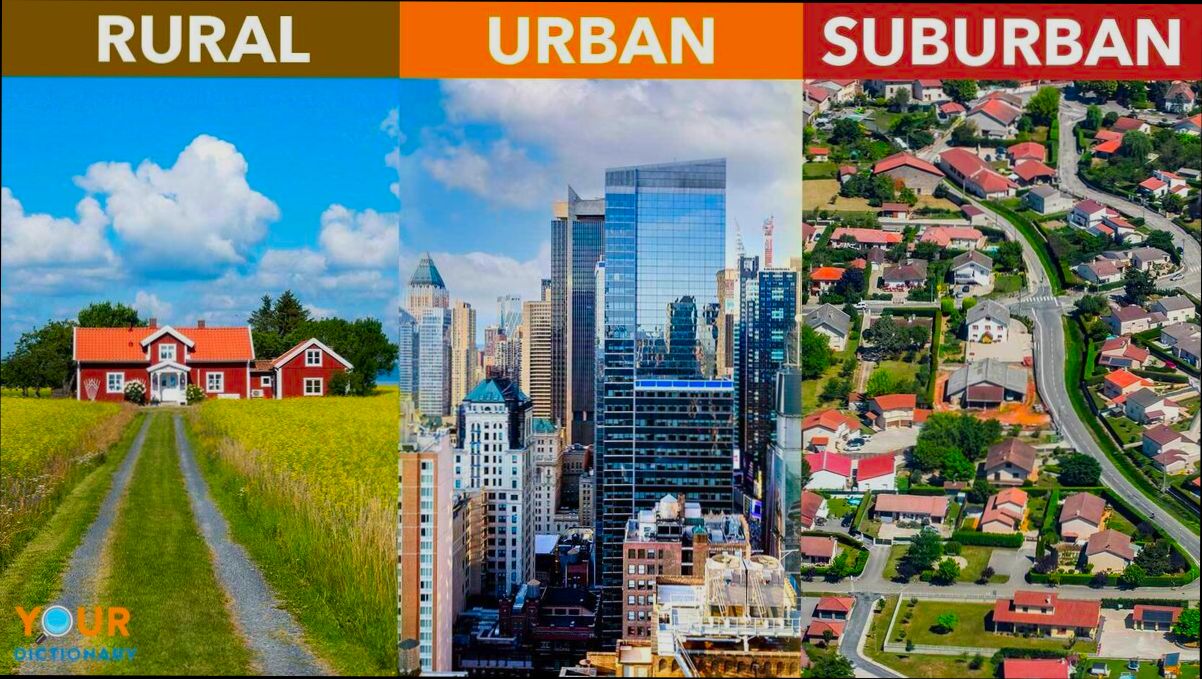
When considering where to invest in German real estate, lifestyle factors significantly influence your experience and potential returns. Understanding what living in a rural area versus an urban setting entails will help tailor your investment decisions to your personal and financial goals.
Urban Lifestyle Considerations
Living in urban areas offers unique lifestyle elements that can affect your investment.
- Networking Opportunities: Cities are hubs of networking, providing countless opportunities to connect with other professionals. Approximately 80% of jobs are located in urban areas, which creates a vibrant job market and demand for rental properties.
- Cultural Amenities: Urban environments typically offer cultural benefits that enhance lifestyles, such as theaters, museums, and restaurants, contributing to higher property desirability.
- Vibrant Community Activities: Urban living includes access to a variety of community events and social gatherings, fostering a sense of belonging and community spirit.
Rural Lifestyle Considerations
On the other hand, rural investments present a different lifestyle choice.
- Peaceful Environment: Many people seek the tranquility that rural living provides, featuring open spaces and less noise. This can be attractive to families and retirees.
- Closer Community Ties: Rural communities often have a strong sense of connection. Investors can tap into this market by creating properties that cater to family-oriented individuals seeking community-focused living.
- Lower Cost of Living: Rural areas typically have a lower cost of living, which can be appealing for potential tenants. This could enhance demand for rental properties as more people opt for affordable living.
Comparative Lifestyle Preferences
| Preference | Urban Areas | Rural Areas |
|---|---|---|
| Job Opportunities | High (80% of jobs) | Lower |
| Cultural Amenities | Extensive | Limited |
| Peacefulness | Moderate Noise | Minimal Noise |
| Community Engagement | Varied Events | Strong Community Ties |
| Cost of Living | Higher, varies by city | Lower |
Real-World Examples
For instance, in cities like Berlin, social life flourishes with numerous events, attracting both young professionals and families. Investors in urban areas can benefit from the diverse cultural landscape, ensuring high property turnover. In contrast, rural areas like Bavaria are seeing an influx of families moving for the peaceful lifestyle, indicating strong demand for family-friendly housing solutions.
Practical Implications
As you weigh your options, consider how each area aligns with lifestyle preferences:
- If you value networking and cultural amenities, urban investments may align better with your goals.
- If you prefer a quieter, closer-knit community, rural investments may suit your lifestyle.
Actionable Advice
- Assess your lifestyle preferences and how they correspond to your investment strategy. A shift in lifestyle might necessitate a more targeted real estate approach.
- Think about the demographic trends in each area; understanding who desires city living versus rural living can shape your investment arguments.
- Always consider future lifestyle changes and how they might impact property values and rental demands in both urban and rural landscapes.