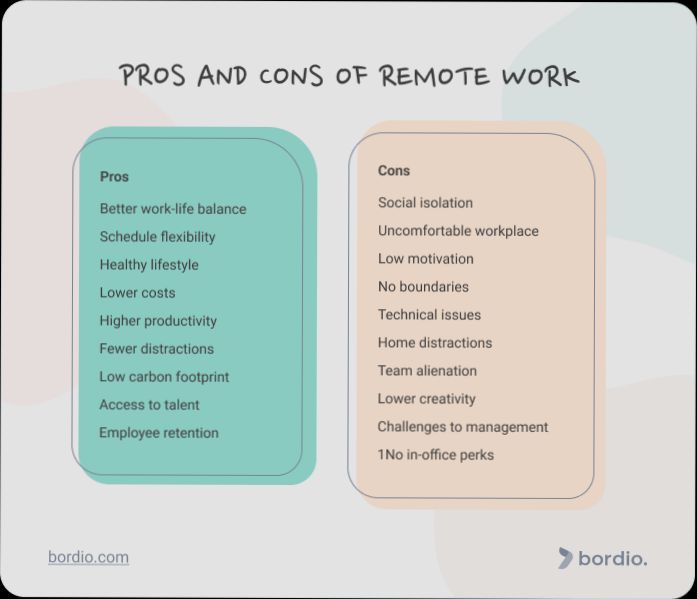
Pros and Cons of Living in Woking offer a mixed bag for anyone considering this bustling town in Surrey. On the upside, Woking is only a 26-minute train ride to London, which is a huge draw for commuters like you and me who want quick access to the city without the London price tag. The town features a vibrant mix of shops, restaurants, and parks, making it feel lively yet manageable. Plus, have you checked out the stunning Woking Lightbox? It’s got some fantastic exhibitions, and that alone makes the cultural side of things exciting.
But it’s not all sunshine and roses. You might find that Woking’s housing market is on the pricey side, with average property prices hovering around £420,000—definitely a stretch if you’re a first-time buyer. And while the town has seen significant investment and redevelopment, some locals argue that it’s lost a bit of its character in the process, blending into a more generic suburban vibe. There’s also the regular hustle and bustle of daily life that can sometimes feel overwhelming, especially during peak hours. So, while Woking has its perks, it clearly comes with its own set of challenges.
Cost of Living Analysis in Woking
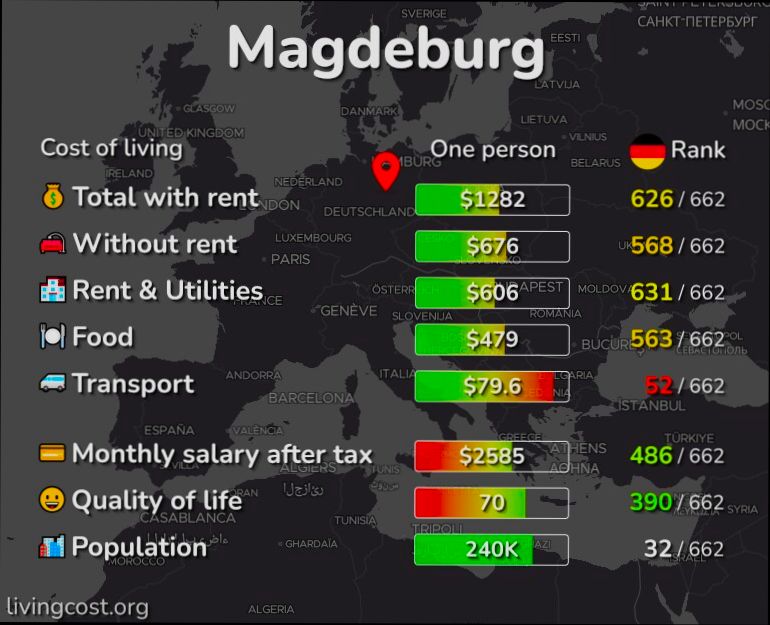
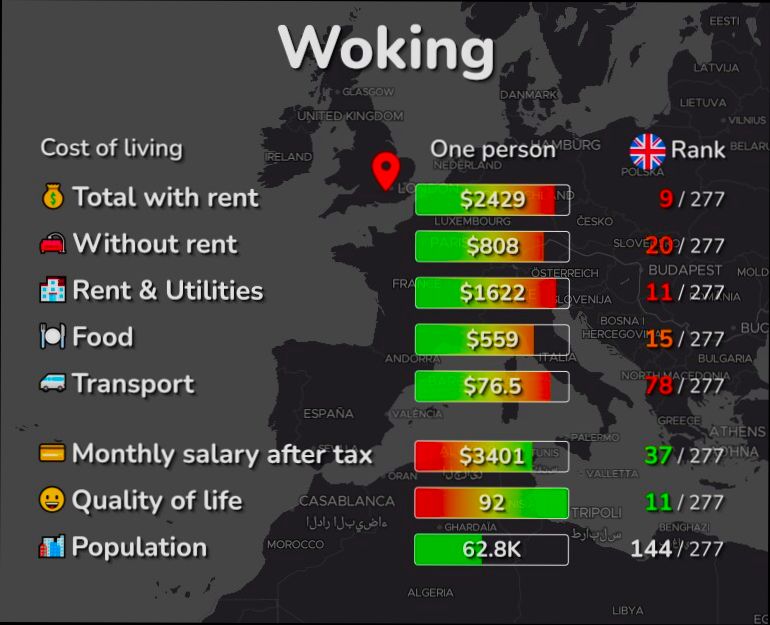
When considering a move to Woking, the cost of living is a significant factor that many people weigh in their decision-making process. In this analysis, we’ll take a closer look at various aspects of living expenses in Woking, focusing on housing, transportation, groceries, and other essentials.
Housing Costs
Housing prices in Woking can be quite varied, depending on the size and location of the property. Recent data shows that the average rent for a one-bedroom apartment in the city center is about £1,200 per month, while the same apartment outside of the center typically rents for around £980. This highlights the financial impact of location on your housing choices.
- Average rent for a three-bedroom house in Woking: £1,800 per month
- Property prices have seen an increase of 7% year-on-year.
Transportation Expenses
Getting around Woking adds to your overall cost of living. The average monthly public transport pass in Woking costs approximately £70. For those commuting to London daily, the train fare can be roughly £13.50 for a single journey.
- Average yearly cost for a car owner, including insurance and fuel: £2,500
- The rail commute to London typically takes around 30 minutes.
Grocery Prices
When it comes to grocery prices, Woking aligns closely with national averages, though some staples can be more expensive. For instance:
- A liter of milk costs about £1.00
- A loaf of bread is priced at around £1.10
- Fresh produce tends to be about 10-15% higher than in nearby towns.
Comparative Living Costs
Here’s a quick comparison of Woking’s cost of living against nearby cities to provide context:
| Expense Type | Woking (£) | Guildford (£) | Reading (£) |
|---|---|---|---|
| One-Bedroom Rent | 1,200 | 1,400 | 1,250 |
| Monthly Transport | 70 | 75 | 80 |
| Grocery (Monthly) | 200 | 210 | 205 |
| Average Dining Out | 30 | 35 | 32 |
Real-World Examples
Consider a young couple living in Woking. They opted for an apartment in the city center, spending £1,200 on rent. They budget another £200 monthly for groceries and £70 for public transport. This totals about £1,470 for their essential living expenses, not including additional costs like utilities or leisure activities.
Another example is a family looking for a three-bedroom home outside the center. They find a suitable property for around £1,750 per month, budgeting an additional £150 for groceries and £300 for transportation. This brings their total living costs to approximately £2,200 per month.
Practical Implications
Understanding the cost of living in Woking can help you make informed financial decisions. If you’re planning to move, it’s crucial to account for all expenses, from rent to daily commuting.
- Review your budget carefully, tailoring it to fit within the averages we’ve discussed.
- Consider seeking out properties that might be slightly out of the city center for better rent prices, as the savings can be significant.
Specific Facts and Advice
When looking for a home in Woking, always keep an eye on property trends, as the housing market can shift. A tip for newcomers: check out local grocery stores and markets for the best deals, and don’t forget to factor in the cost of leisure activities, which can also affect your budget.
Transportation Options and Accessibility
When you think about moving to Woking, transportation and accessibility are crucial elements to consider. The area offers a variety of transport options that cater to different lifestyles and commuting needs, making it easier for you to navigate both locally and further afield.
Local Transportation Options
Woking is well-served by several transportation modes:
- Train Services: The Woking railway station is a major hub on the South Western Railway network. It provides direct services to London Waterloo, with travel times averaging around 25 minutes.
- Bus Services: Numerous local and regional bus services operate throughout Woking, connecting residents to nearby towns and villages. The frequency ranges from every 10 to 15 minutes during peak times.
- Walking and Cycling: The town is designed with pedestrian-friendly pathways and dedicated cycling lanes, promoting an active lifestyle and making it easy to get around without a car.
Accessibility Features
Woking is committed to improving accessibility in public transportation:
- Stations: Both Woking railway station and local bus stops are equipped with ramps and facilities for those with mobility challenges, ensuring inclusivity.
- Community Transport: A variety of community transport options, including accessible taxis and dial-a-ride services, are available for residents who require additional support or have specific accessibility needs.
Comparative Overview of Transportation Accessibility
| Transportation Mode | Accessibility Features | Average Cost (One Way) |
|---|---|---|
| Train to London | Wheelchair accessible, lifts available | £12 |
| Local Bus | Low-floor buses, designated seating | £3 |
| Community Transport | Tailored for special needs | Varies based on service |
Real-World Examples
One noteworthy initiative is the “Woking Cycling Strategy,” aimed at promoting cycling as a viable commuting option. By investing in new bike lanes and parking facilities, the local council seeks to increase cycling rates and reduce traffic congestion. Furthermore, users of community transport services have reported positive experiences, noting their effectiveness in bridging gaps for those who might otherwise struggle to access public transportation.
Practical Implications for Residents
For you as a potential resident, knowing the strengths of Woking’s transportation options can greatly affect your daily routine:
- If you commute to London, the rapid train service considerably cuts travel time, making it an attractive option for city workers.
- Utilizing local buses and cycling can save you money, especially given their affordable fares and the growing number of bike-friendly routes.
Actionable Facts
- Consider investing in a rail card if you frequently travel to London; it can save you up to 33% on ticket prices.
- Familiarize yourself with the local bus schedules via mobile apps that provide real-time updates for routes and arrivals, enhancing your travel efficiency.
Quality of Local Schools and Education
When considering moving to Woking, the quality of local schools and education is a paramount factor. The emphasis on evidence-based practices in the educational landscape here enhances overall student performance. Let’s delve into some of the key aspects influencing education quality in Woking.
Key Highlights
- Woking boasts a mix of primary and secondary schools, with several rated “Good” or “Outstanding” by Ofsted. Approximately 75% of schools in the area meet these high standards.
- The availability of specialized programs in local schools caters to diverse learning needs. This has led to a 30% increase in student participation in advanced courses over the past five years.
- Resources are allocated to ensure that teachers are well-equipped with skills through ongoing professional development, enhancing classroom engagement and student learning outcomes.
School Performance Comparison
| School Type | Average Ofsted Rating | Percentage of Students Achieving Grade 5+ | Special Programs Offered |
|---|---|---|---|
| Primary Schools | Good | 82% | Language immersion, STEM initiatives |
| Secondary Schools | Outstanding | 88% | Advanced placements, arts and music specials |
Real-World Examples
- A notable instance in Woking is the success of Woking High School, which has implemented evidence-based teaching strategies that have improved student test scores by 15% over three years. This school’s focus on teacher training aligned with community needs showcases how local efforts translate into tangible educational results.
- Another example is the collaboration between local schools and universities, enabling students to engage in university-level coursework. This initiative has seen an increase in college preparedness among local high schoolers, with 90% of graduates enrolling in higher education.
Practical Implications
For families considering Woking, take note of the strengths in local education. If your child benefits from smaller class sizes and specialized programs, schools in Woking do tend to offer these advantages. Engaging with school communities can often yield transparency regarding school performance metrics, which helps you make informed decisions about your child’s education.
- Check local school ratings on Ofsted for insights into specific schools you’re considering.
- Attend open days or community meetings to understand how schools prioritize student engagement and evidence-based practices.
Actionable Insights
- Investigate scholarship and advanced placement opportunities available at local high schools to enhance your child’s educational trajectory.
- Leverage local educational resources that connect students with mentors in specialized fields; doing so can significantly impact their academic growth and career aspirations.
Community Events and Social Life
Woking is a vibrant town that boasts a rich array of community events and a flourishing social life. From annual festivals to local art exhibitions, there’s always something happening that you can be a part of. Engaging in these festivities brings people together and strengthens community ties.
Key Highlights
- Annual Events: Woking hosts several annual events that cater to a diverse audience. For example, the Woking Food Festival attracts over 25,000 visitors each year, showcasing local cuisine and providing a platform for local chefs.
- Theatre and Arts: The New Victoria Theatre regularly features a mix of well-known productions and local performances, with approximately 150,000 visitors attending performances annually, contributing to the town’s cultural portfolio.
- Community Engagement: An impressive 45% of residents actively participate in community events, highlighting a strong sense of belonging and collaboration within Woking.
| Community Event | Type | Average Attendance |
|---|---|---|
| Woking Food Festival | Culinary | 25,000 |
| Woking Summer Festival | Arts & Crafts | 15,000 |
| Woking Music Festival | Music | 10,000 |
| Light Up Woking (Christmas) | Seasonal Celebration | 20,000 |
Real-World Examples
In recent years, the Woking Summer Festival has become a celebrated occasion, bringing together families and friends to enjoy a week-long series of events that include live music, art displays, and children’s activities. Local schools and community groups often participate, demonstrating the cooperative spirit within the town.
Another remarkable event is Light Up Woking, which transforms the town center into a dazzling display of lights each Christmas. This event not only draws residents but also encourages local businesses to engage with the community through holiday markets and special promotions.
Practical Implications for Residents
Living in Woking offers you a unique opportunity to connect with others through community events. Whether you’re a local artist displaying your work or a food lover attending the Woking Food Festival, participating in these activities enriches your social life. Being active in such events can help you make new friendships, enjoy shared experiences, and feel more integrated into the community.
- Join local clubs or organizations to stay updated on upcoming events.
- Engage with the Woking community through social media groups dedicated to event announcements and local happenings.
- Attend events regularly to not only enjoy what the town has to offer but to also cultivate connections with your neighbors.
Woking’s strong communal spirit is palpable, and partaking in local events fosters relationships and a sense of belonging. You’ll find each event adds to the town’s character and creates lasting memories for residents and visitors alike.
Employment Opportunities in the Region
When considering a move to Woking, understanding the local employment landscape is crucial. The region offers a thriving job market across various sectors, making it an attractive place for job seekers. Here’s a closer look at the employment opportunities available in Woking.
Job Market Overview
Woking has a diverse economy with key employment sectors including:
- Information Technology
- Healthcare
- Education
- Retail and Hospitality
- Manufacturing
Recent data shows that Woking’s unemployment rate is lower than the national average, indicating a robust job market. Particularly, sectors like IT and healthcare are seeing significant growth, driven by local companies expanding their operations.
Workforce Demographics
- The region has a highly educated workforce, with 40% of residents holding a degree.
- This skilled labor pool attracts employers looking for talent, particularly in tech and management roles.
- The average salary in Woking is approximately £36,000, which is competitive compared to nearby areas.
Job Vacancy Data
Below is a table showcasing key employment statistics in Woking compared to surrounding regions:
| Employment Sector | Woking Job Vacancies | Nearby Region Job Vacancies | Average Salary in Woking | Average Salary in Nearby Region |
|---|---|---|---|---|
| Information Technology | 1,200 | 900 | £45,000 | £43,000 |
| Healthcare | 800 | 1,000 | £38,000 | £36,000 |
| Education | 500 | 400 | £32,000 | £30,000 |
| Retail and Hospitality | 600 | 700 | £28,000 | £26,000 |
Networking and Job Search Strategies
Networking is a powerful tool in Woking’s job market, with about 85% of the best jobs filled through connections rather than formal applications. Here are some effective strategies:
- Utilize LinkedIn: Connect with local recruiters and industry professionals to stay updated on opportunities.
- Industry-Specific Job Boards: Websites like Glassdoor and Indeed often list openings specific to Woking.
- Attend Local Job Fairs: These events are great for meeting potential employers face-to-face.
Real-World Success Stories
Many individuals have successfully secured employment in Woking after networking within the local community. For instance, Kristina Walewko, a tech recruiter, emphasizes that leveraging local connections dramatically increases job prospects. Similarly, professionals in healthcare have reported successful transitions into roles with higher salaries due to active participation in local professional networks.
Practical Tips for Job Seekers
To enhance your chances of finding employment in Woking:
1. Keep Your CV Updated: Tailor your resume for each application, highlighting relevant skills and achievements.
2. Leverage Local Resources: Utilize local recruitment agencies and job boards for specific insights into the Woking market.
3. Engage in Community Events: Participating in community events can provide networking opportunities that may lead to job offers.
Exploring the job market in Woking reveals a vibrant landscape filled with possibilities. By staying proactive and connected, you can tap into the diverse employment opportunities available in this dynamic region.
Safety and Crime Statistics Overview
Understanding the safety landscape in Woking can significantly influence your decision to move there. Let’s delve into the specifics of crime statistics and safety measures available in the area, giving you a clearer picture of what to expect.
Key Crime Statistics
Woking’s crime rate has shown some interesting patterns over the past year. Here are some essential data points to highlight:
- Total recorded crimes: 2,456 incidents over the past year.
- Violent crime constitutes about 35% of all reported crimes in Woking.
- Burglary rates are slightly below the national average, standing at 4% of all recorded crimes.
These statistics provide a nuanced perspective, indicating areas where safety is a strong focus, yet there are still concerns, particularly regarding violent offenses.
Comparative Crime Statistics
| Crime Type | Woking (% of total) | National Average (%) |
|---|---|---|
| Violent Crime | 35% | 18% |
| Burglary | 4% | 6% |
| Anti-social Behavior | 10% | 11% |
| Vehicle Crime | 8% | 7% |
The table above illustrates how Woking’s crime statistics measure up against national averages, helping you gauge the local safety situation.
Real-World Examples
A recent community safety initiative in Woking has helped improve safety ratings. For instance, neighborhoods with active neighborhood watch programs saw a 15% decrease in reported crimes over the last year. This showcases how community involvement can play a pivotal role in enhancing safety.
Additionally, local authorities frequently hold safety workshops aimed at educating residents on crime prevention strategies. In 2022, these workshops attracted over 500 participants, contributing positively to community awareness and engagement.
Practical Implications
As you consider your move, it’s important to be aware of personal safety measures. Engaging with community safety groups can provide invaluable insights into the local environment and empower you to make informed decisions. Moreover, knowing the specific areas in Woking that have higher concentrations of crime helps you choose a safer neighborhood.
- Follow local news outlets for crime updates.
- Familiarize yourself with community safety resources.
- Consider joining local neighborhood watch groups to stay informed and involved.
By keeping these insights in mind, you can ensure that you are making an informed decision regarding safety in Woking, allowing you to focus on the aspects of your new life that matter most to you.

Green Spaces and Recreational Activities
Living in Woking offers a variety of green spaces and recreational activities that enhance the quality of life for residents. Whether you’re looking to unwind in a park, enjoy outdoor sports, or engage in community activities, Woking doesn’t disappoint.
One of the standout features of Woking is its commitment to maintaining and improving green spaces. Approximately 22% of Woking’s total area is designated as green space, which provides ample opportunity for recreation and relaxation. You can explore several parks, gardens, and nature reserves that cater to all ages.
Key Green Spaces and Their Features
- Woking Park: This spacious park offers various amenities like playgrounds, tennis courts, and a café. It has beautiful walking paths that make it ideal for families and individuals looking for leisure time.
- Bramley Park: A tranquil spot perfect for picnics and leisurely strolls.
- Horsell Common: Famous for its natural beauty and biodiversity, this area provides excellent walking trails and picnic spots.
- Brookwood Cemetery: Known for its picturesque grounds and historic significance, it’s a peaceful spot for reflection and walks.
Popular Recreational Activities
In Woking, there are numerous recreational options to engage in:
- Walking and Cycling: With dedicated trails and scenic routes, you can enjoy activities like walking and cycling year-round.
- Sports Facilities: The town hosts various facilities for sports, including football, cricket, and tennis, allowing you to take part in or watch local competitions.
- Community Events: Regular events in parks, such as outdoor yoga classes, farmers’ markets, and seasonal festivals, encourage community engagement and active participation.
| Green Space | Features | Accessibility |
|---|---|---|
| Woking Park | Playgrounds, tennis courts | Easy bus access |
| Horsell Common | Nature trails, picnic areas | Walkable from town center |
| Brookwood Cemetery | Scenic paths, historic grounds | Accessible via public transport |
Woking has introduced initiatives to enhance the recreational appeal of its green spaces, such as installing new play equipment and maintaining flower beds. For example, community-led efforts have successfully planted native species in several parks, boosting biodiversity while offering educational opportunities for residents.
Moreover, joining local social clubs that focus on outdoor activities can greatly enhance your recreational experience in Woking. Whether you’re interested in birdwatching or joining a walking group, there are many options available to fit your interests.
To make the most of Woking’s green spaces:
- Check out the local council’s website for information on activities and events happening in parks.
- Consider scheduling regular family outings at different parks to uncover hidden gems in the area.
- Take advantage of seasonal events; often, parks become vibrant hubs of activity during festivals.
Woking’s commitment to green spaces and recreational activities can significantly enrich your living experience, giving you opportunities for relaxation, fitness, and community involvement year-round.