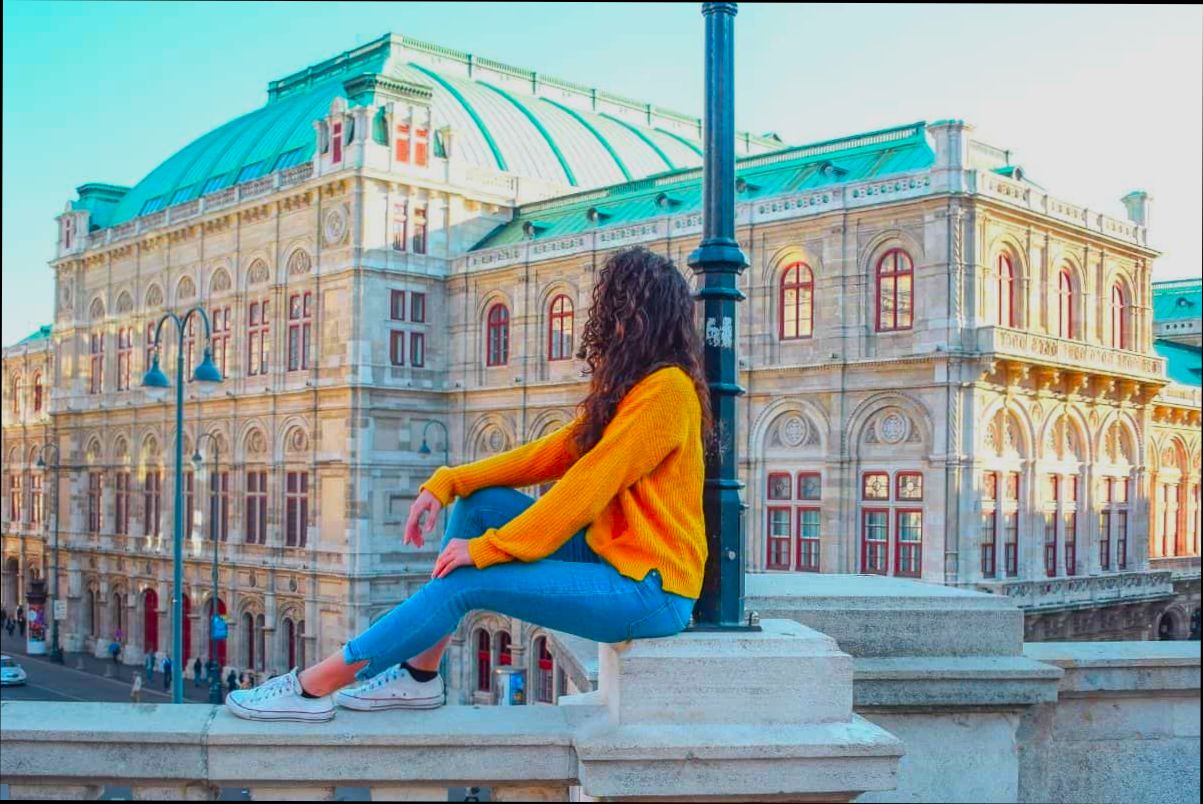
Pros and Cons of Living in Vienna (Wien) can spark some lively debate among locals and expats alike. On the one hand, Vienna is a city bursting with culture, from its stunning architecture to its world-class museums. Did you know that it has over 100 museums? The Belvedere Palace alone showcases masterpieces by Klimt and Schiele, drawing art lovers from around the globe. Plus, the quality of life here consistently ranks among the best in the world. According to a recent Mercer survey, Vienna often sits pretty at the top in categories like safety, health care, and public transportation, which is impressively efficient and easy to navigate.
But it’s not all classical music and coffeehouses. The cost of living can be a shocker, especially if you’re coming from a smaller city. Rent prices in the city center have skyrocketed in recent years; you might end up paying upwards of €1,200 for a modest one-bedroom apartment. And let’s not forget the infamous bureaucracy that can have you wading through red tape for everything from residency permits to health insurance registration. While the Danube often offers a scenic escape, the weather’s wacky, too - summers can get muggy, and winters can feel endless with their soft but persistent gray skies.
Cultural Richness and Historical Charm
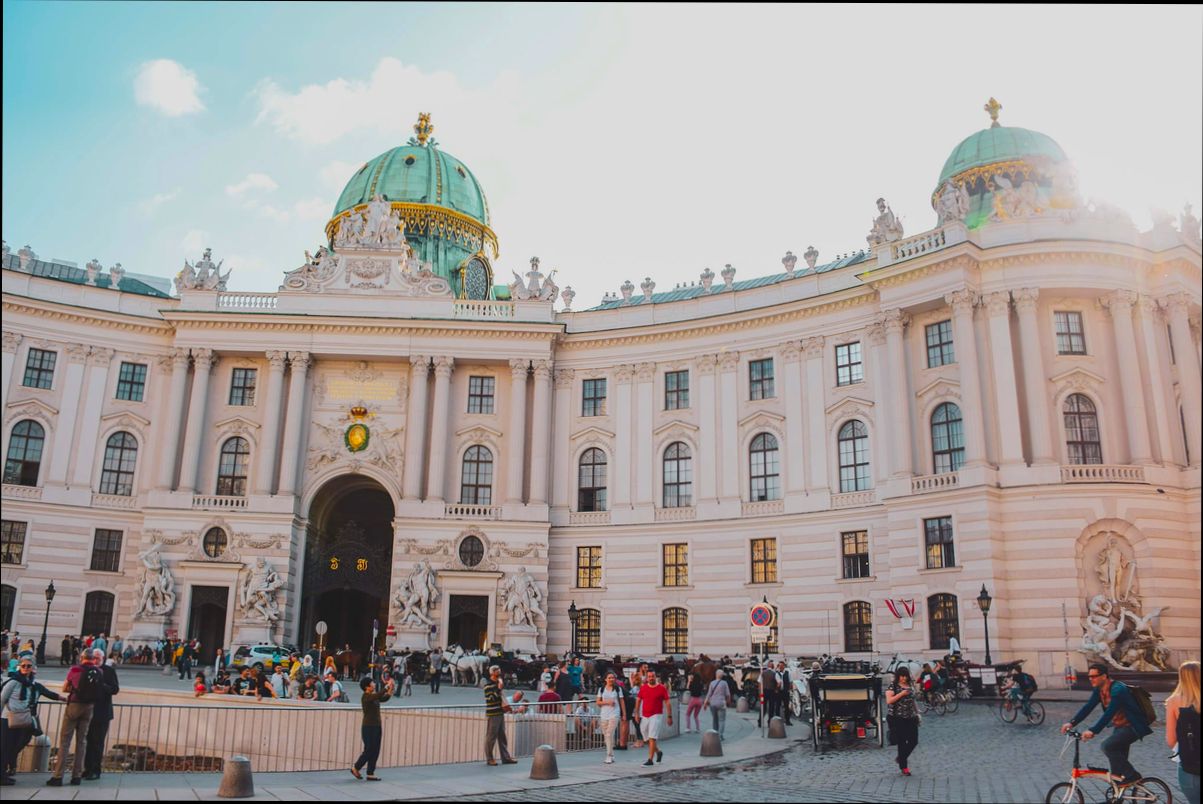
Living in Vienna invites you to immerse yourself in a tapestry of cultural richness and historical charm that few cities can rival. With each street and building, you encounter stories that span centuries, creating a vibrant atmosphere that resonates with art, music, and tradition.
One striking feature of Vienna’s cultural scene is its status as a UNESCO World Heritage Site. This designation emphasizes the city’s architectural beauty and ensures that its historical landmarks are preserved for future generations. You’ll find that:
- Over 27% of the city is designated as a UNESCO protected area.
- Vienna boasts 123 museums, making it one of the cities with the highest museum density in the world.
Cultural Institutions and Events
Vienna hosts a myriad of theaters, museums, and galleries that reflect its rich history. For instance, the prestigious Vienna State Opera presents more than 300 performances each season, showcasing both classical and contemporary works. The city is also home to the Kunsthistorisches Museum, which has one of the world’s most significant art collections, featuring masterpieces by artists like Gustav Klimt and Egon Schiele.
| Cultural Institution | Type | Annual Visitors |
|---|---|---|
| Vienna State Opera | Opera | 400,000 |
| Kunsthistorisches Museum | Art Museum | 1,200,000 |
| Museum Quartier | Art & Culture | 4,000,000 |
Historical Landmarks
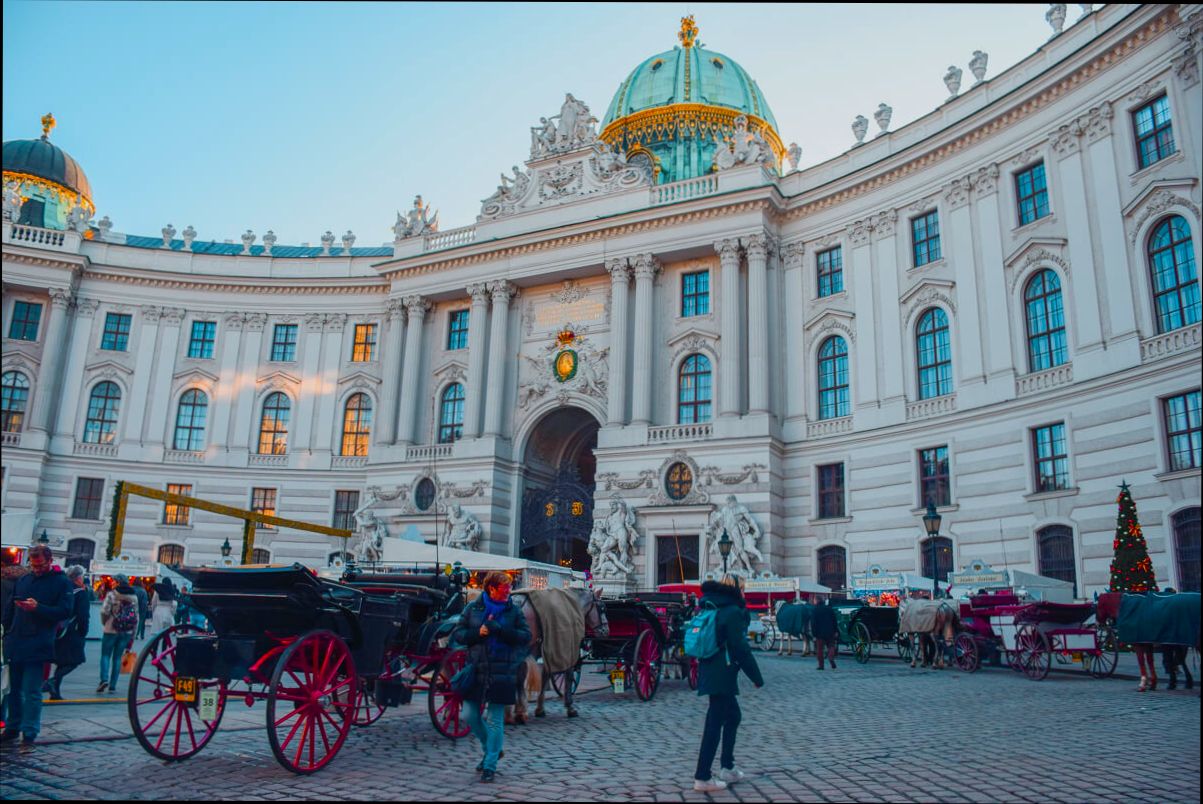
Walking through Vienna feels like stepping back in time, with more than 1,400 buildings listed as historic monuments. The Hofburg Palace, for example, served as the imperial palace and remains a stunning example of Baroque architecture. You can wander through its lush gardens or explore the Sisi Museum, which dives into the life of Empress Elisabeth.
Real-World Examples
- Vienna’s Coffee House Culture: Vienna’s coffee culture is celebrated not just for its brews but as a hub for intellectual exchange, inspiring figures like Sigmund Freud and Stefan Zweig. The city boasts around 1,000 coffeehouses, many of which are steeped in history. The Café Central, established in 1876, remains a key cultural institution, attracting locals and tourists alike.
- Musical Legacy: Vienna’s reputation as the “City of Music” stems from its rich history of classical composers. The city celebrates this heritage with numerous festivals, such as the Vienna Philharmonic’s New Year’s Concert, which draws an audience of 1 billion viewers worldwide. This concert alone showcases the enduring musical legacy of composers like Mozart and Strauss.
Practical Implications
As a resident, you’ll have countless opportunities to engage with this cultural richness. Whether you decide to attend a concert at the Musikverein or explore the treasures of the Belvedere Palace, every visit can deepen your appreciation for Vienna’s historical charm.
To immerse yourself further, consider:
- Joining cultural societies or clubs that celebrate local art and traditions.
- Participating in historical walking tours that provide insights into the stories behind the architecture.
- Attending local festivals that highlight Vienna’s multicultural influences.
Did you know that participating in the city’s cultural events can greatly enrich your experience? Engaging with the community at these vibrant gatherings helps foster connections that enhance your understanding of Vienna’s historical narrative.
Cost of Living and Housing Market Insights
When considering a move to Vienna, the cost of living and the housing market are crucial factors that can significantly impact your decision. Let’s dive into what you can expect in terms of expenses and the real estate landscape.
Cost of Living Overview
Living in Vienna has its perks, but it’s important to be aware of the financial implications:
- The average monthly cost for a single person is approximately €1,200 to €1,500, depending largely on lifestyle choices and neighborhood.
- Dining out can range from €10 for lunch to over €60 for fine dining.
- Public transportation is highly affordable, with a monthly pass costing about €51, making it easy to navigate the city without a car.
Housing Market Insights
Housing is one of the most significant expenses you’ll face in Vienna. Here are some critical insights:
- The average rent for a one-bedroom apartment in the city center is around €1,150, while outside the center, you can find options averaging €850.
- As of 2023, property prices have shown a steady increase, with a square meter in Vienna averaging €4,500. In sought-after districts like the First District, prices can surge to €6,000 or more per square meter.
| Location | Average Rent (1-Bedroom) | Price per Square Meter |
|---|---|---|
| City Center | €1,150 | €4,500 |
| Outside Center | €850 | €3,200 |
| First District | €1,500 | €6,000 |
Real-World Examples
Consider a couple moving to Vienna for work. If they want to enjoy a vibrant neighborhood, living in the First District might appeal to them, but the high rent could consume a significant portion of their combined salaries. Conversely, opting for more affordable areas like Favoriten can free up budget for leisure activities or saving.
Another example involves a single professional. Commuting from a more suburban area like Liesing may offer lower rent prices but could add commuting time and costs, making the overall living experience less convenient.
Practical Implications
- Budget Wisely: Factor in rent, lifestyle, and transportation costs when planning your finances. Adjusting your expectations based on your selected neighborhood can make a considerable difference.
- Research Neighborhoods: Engage with online platforms or local housing agents to understand the nuances of different districts. Prices can vary significantly even within proximity.
- Consider Long-Term Rentals: If you’re planning to stay long-term, exploring options for unfurnished apartments could lead to savings and more personalized living spaces.
Actionable Facts
If you’re interested in buying property, try targeting emerging districts like Brigittenau, where you might find better deals compared to more established areas. Understanding market trends can also lead to finding hidden gems in the housing market, ensuring you make a savvy investment.
Public Transportation: Efficiency and Accessibility
Public transportation in Vienna is not just a means of getting from point A to B; it offers a level of efficiency and accessibility that enhances urban life. As we dive into the city’s public transport network, you’ll discover how it shapes daily commuting and affects overall mobility for residents and visitors alike.
High Efficiency Ratings
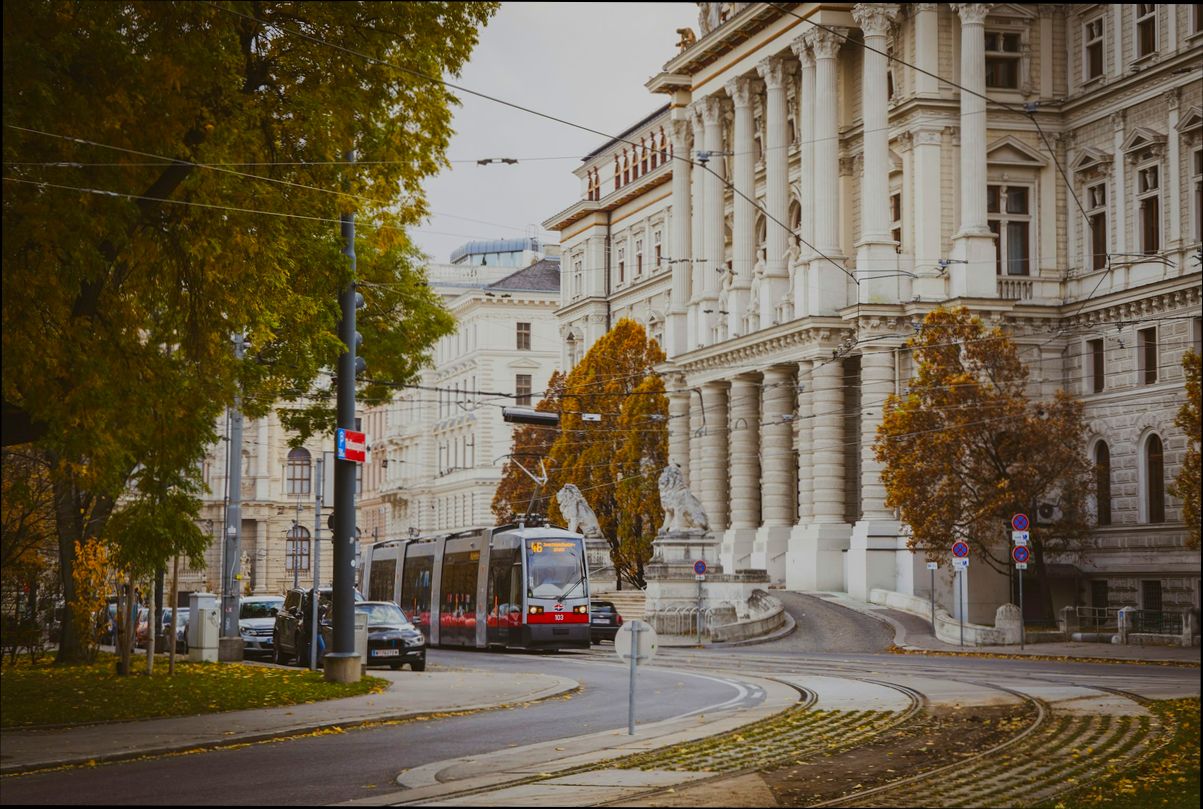
Vienna’s public transportation system boasts an impressive punctuality rate of over 95%. This high level of reliability means that you can depend on trains, buses, and trams to get you where you need to be, often without delays. Additionally, the city operates a comprehensive transport network that connects over 500 kilometers of rail and road, making it easy to navigate across the city.
Accessibility for All
The public transport network prioritizes accessibility, featuring:
- Over 80% of stations equipped with elevators and ramps
- Low-floor trams and buses as standard
- Assistance services available for those requiring extra help
These measures significantly improve access for individuals with reduced mobility, elderly passengers, and families with strollers, ensuring everyone can travel comfortably.
Comparative Overview of Transport Options
| Mode of Transport | Average Wait Time | Coverage Area | Accessibility Features |
|---|---|---|---|
| Trams | 5-7 minutes | Extensive | Low-floor trams, stations with ramps |
| Buses | 7-10 minutes | Comprehensive | Low-floor design, priority seating |
| Subway (U-Bahn) | 3-5 minutes | City-wide | Elevators, tactile guidance |
Real-World Examples
A case study undertaken in 2022 showed that over 50% of Vienna residents prefer using public transport over private vehicles due to its convenience. Many commuters highlighted the ease of transferring between modes, such as switching from the U-Bahn to trams seamlessly. This position enhances overall mobility without contributing to traffic congestion.
Moreover, specific routes cater to high-demand areas, such as the Vienna International Airport Express, which connects travelers directly to the city center. This efficiency not only benefits tourists but also local professionals who travel frequently for business.
Practical Implications for Commuters
For daily commuters and new residents alike, understanding the nuances of Vienna’s public transport can make all the difference. Here are some actionable insights:
- Always check the app for real-time updates to avoid surprises.
- Consider investing in a monthly or annual transport pass for significant savings, especially if you plan to use the system frequently.
- Take advantage of off-peak travel times whenever possible to enjoy a less crowded experience and shorter wait times.
Key Takeaways
With a commitment to operational excellence and accessibility, Vienna’s public transport options offer a reliable alternative to personal vehicles. Utilizing these well-planned services allows you to navigate the city effortlessly, ensuring your journeys are both efficient and pleasurable.
Educational Opportunities and Quality of Life
Living in Vienna offers a wealth of educational opportunities that directly contribute to a high quality of life. Whether you’re a student, a parent, or a lifelong learner, you’ll find that Vienna’s educational landscape is both robust and varied, catering to diverse needs and aspirations.
Strong Academic Institutions
Vienna is home to some prestigious universities and institutions, known for their strong academic programs. For example, the University of Vienna, one of the oldest universities in the German-speaking world, boasts a student body of over 90,000, providing a multidisciplinary approach that attracts international students. Additionally, Viennese universities rank highly in global academic surveys, contributing to a vibrant educational atmosphere.
- 9 universities in Vienna are among the top 200 globally.
- Over 30% of students in Vienna are international, reflecting the city’s appeal as an educational hub.
Comprehensive Early Childhood Education
Quality starts early, and Vienna prioritizes early childhood education. The city offers various kindergarten options, many of which focus not just on care but on holistic development. A recent report highlighted that around 97% of children aged 3-6 are enrolled in kindergarten programs.
- Average enrollment rate for kindergartens: 97%.
- Many public kindergartens are free or highly subsidized, alleviating financial stress for families.
Adult Education and Lifelong Learning
Vienna places a strong emphasis on lifelong learning, bolstered by numerous adult education centers. With courses ranging from language acquisition to technical skills, residents can easily access resources to enhance their knowledge and skills. The Volkshochschule (public adult education centers) offers over 40,000 courses annually, making it easier for individuals to pursue personal development at any stage of life.
- Over 40,000 courses offered annually by adult education centers in Vienna.
- 30% of adults engage in ongoing education, fostering a culture of continuous growth.
| Type of Education | Percentage of Participation | Notable Institutions |
|---|---|---|
| Early Childhood Education | 97% | Public Kindergartens |
| University Education | 30% (International) | University of Vienna, Technical University of Vienna |
| Adult Education | 30% | Volkshochschule |
Real-World Examples
Consider Anna, a 27-year-old international student who moved from Spain to study at the University of Vienna. She found a vibrant community and multiple academic resources that not only supported her studies but also introduced her to various cultural experiences. Alternatively, Karl, a local resident, frequently attends workshops at a Volkshochschule, where he’s enhancing his programming skills, directly impacting his career advancement.
Practical Implications for Residents
Living in Vienna means taking full advantage of the educational resources available. Families should explore kindergarten options early to secure spots in free programs, while adults should consider enrolling in part-time courses to enhance career prospects or delve into new interests.
Actionable Advice
To make the most of your educational opportunities in Vienna, I recommend:
- Researching universities and programs that align with your professional goals.
- Enrolling children in kindergarten close to home to maximize accessibility.
- Regularly checking Volkshochschule offerings for workshops that could benefit personal or professional growth.
Vienna’s commitment to education significantly enriches the quality of life for all its residents, fostering an environment of learning that presents myriad opportunities.
Safety and Healthcare Standards in Vienna
Living in Vienna means enjoying high standards of safety and healthcare, both of which are pivotal to the quality of life in the city. Vienna is not only known for its beauty but also for its robust healthcare system and low crime rates. Let’s delve into the specifics of what makes living here safe and care-friendly.
Safety Standards
Vienna is consistently ranked as one of the safest cities globally. With a crime rate that is significantly lower than other European capitals, the city is known for its effective policing and community safety initiatives. Key statistics highlight this:
- Vienna boasts a crime rate 60% lower than the European average.
- The city’s neighborhood watch programs actively engage citizens in maintaining safety, further fostering a sense of community.
Healthcare Standards
When it comes to healthcare, Vienna’s system is esteemed as one of the best in the world for its accessibility and quality. Some notable points about the healthcare landscape include:
- Health insurance is mandatory for all residents, ensuring that everyone has access to medical care.
- There are over 200 healthcare facilities, including hospitals and specialized clinics, dotting the city, making medical help readily accessible.
- The life expectancy in Vienna stands at an impressive 84.3 years, reflecting a high standard of health and wellness among residents.
| Aspect | Statistic |
|---|---|
| Crime Rate | 60% lower than European average |
| Healthcare Facilities | Over 200 healthcare facilities |
| Life Expectancy | 84.3 years |
Real-World Examples
The Austrian healthcare system is characterized by its efficiency and comprehensive coverage. A friend of mine recently faced a minor health issue and was able to secure a doctor’s appointment within 24 hours through the public healthcare system. She shared that the doctor was thorough and offered an array of tests to diagnose her condition without delay.
Moreover, community safety programs, such as the “Vernetzung der Nachbarschaften” (Networking of Neighborhoods), illustrate Vienna’s commitment to engaging residents in crime prevention, creating a tight-knit, vigilant community.
Practical Insights
For anyone considering a move to Vienna, understanding the healthcare registration process is crucial. All residents should ensure they register with a health insurance provider within the first few months of arrival. Additionally, familiarize yourself with local emergency services; having the numbers for police (133), ambulance (144), and fire department (122) readily available can be beneficial.
Facts to Remember
- Engage with local community safety programs to build connections and enhance personal safety.
- If you’re new to the city, visit various healthcare facilities to find one that meets your needs and preferences.
- Always carry your health insurance card; it’s essential for accessing medical services in Vienna.
These factors of safety and healthcare not only contribute to a sense of well-being but also enhance the livability of Vienna as your potential new home.
Work-Life Balance in the Austrian Capital
Living in Vienna offers a unique blend of professional opportunities and personal fulfillment, making it an attractive spot for those seeking a healthy work-life balance. The city’s policies and cultural attitudes promote a lifestyle where work commitments do not overshadow personal time, allowing residents to enjoy both their careers and leisure activities.
Key Aspects of Work-Life Balance
Vienna’s work-life balance is supported by various factors, including work hours, vacation policies, and a robust social culture. Here are some aspects that you may find appealing:
- Work Hours: The standard workweek in Austria consists of 38.5 hours, with many companies adopting flexible working arrangements.
- Vacation Days: Austrians enjoy an average of 25 to 30 days of paid vacation per year, which is significantly higher than many countries, reinforcing the importance of time off for relaxation and rejuvenation.
- Parental Leave Policies: Austria offers generous parental leave, allowing parents to spend valuable time with their newborns and thereby contributing to a family-oriented culture.
- Health and Wellness: The government places a strong emphasis on health, with many organizations offering wellness programs that encourage physical activities and mental health support.
Comparative Table of Work-Life Balance Factors
| Factor | Austria | Global Average |
|---|---|---|
| Standard Work Hours | 38.5 hours | 40 hours |
| Minimum Vacation Days | 25-30 days | 20 days |
| Parental Leave | Up to 3 years | 1 year |
| Work-Life Balance Rank | 7th globally | - |
Real-World Examples
In Vienna, several companies epitomize the ideal work-life balance. For instance, tech firms like Runtastic and Red Bull implement remote work options and flexible hours, allowing employees to choose when and how they work best. Austria’s public sector is also recognized for supporting a balanced lifestyle, with many government jobs offering part-time opportunities, which are increasingly popular among professionals seeking to dedicate time to family or personal projects.
Moreover, local initiatives, such as coworking spaces designed to promote collaboration while retaining flexibility, are sprouting across the city. These environments foster creativity and productivity, catering to diverse working styles that suit individual needs.
Practical Implications
For anyone considering a move to Vienna or adjusting their current work arrangements, there are actionable steps you can take:
- Investigate companies known for their work-life balance, prioritizing those that offer flexible work policies.
- Explore coworking spaces with community events, which provide networking opportunities while promoting a balanced lifestyle.
- Take full advantage of vacation days and local leisure activities, which can help you recharge and maintain personal well-being.
Specific Facts and Actionable Advice
- Ensure you clarify the vacation policy during job interviews to understand how many days you can responsibly take off.
- If you’re a parent, familiarize yourself with parental leave policies as they allow you to plan your family’s needs without compromising your career.
- Engage in Vienna’s active cultural scene on weekends or after work, allowing you to immerse yourself in art, music, and social gatherings, effectively enhancing your overall quality of life.
By embracing Vienna’s unique approach to work-life balance, you can create a fulfilling lifestyle that enhances both your professional ambitions and personal enjoyment.
Recreational Activities and Outdoor Spaces
When you live in Vienna, you’re stepping into a vibrant tapestry of outdoor activities and recreational spaces that encourage an active lifestyle. This city offers a diverse range of options, from serene parks perfect for a leisurely stroll to challenging hiking trails that beckon adventurers. Whether you prefer high-energy sports or relaxed outdoor pastimes, Vienna has something for everyone.
Varied Outdoor Activities
Vienna boasts numerous recreational activities that cater to all interests and fitness levels. Here’s a quick overview of what you can enjoy:
- Hiking: Explore various trails that lead to breathtaking views of the city or venture into nearby natural parks. With options like the Vienna Woods, you can enjoy lush landscapes and fresh air.
- Cycling: Enjoy over 1,300 kilometers of cycling paths, allowing you to pedal through scenic routes, urban gardens, or even along the Danube.
- Sports: Join local teams or clubs offering everything from soccer and basketball to tennis and volleyball. For sports enthusiasts, Vienna hosts numerous leagues where you can sharpen your skills and meet new friends.
Outdoor Spaces in Vienna
Vienna is home to many parks and outdoor spaces that enhance your recreational experience. Here are a few prominent locations worth checking out:
| Park Name | Activities Available | Area (Hectares) |
|---|---|---|
| Stadtpark | Jogging, picnics, concerts | 65 |
| Wiener Prater | Cycling, running, amusement | 6.5 |
| Augarten | Tennis, swimming, picnics | 52 |
| Lainzer Tiergarten | Hiking, wildlife watching | 2,450 |
These figures highlight the vast amount of green space available for recreational activities. Notably, the Lainzer Tiergarten offers a unique glimpse of wildlife, ideal for nature lovers looking to hike and explore.
Real-World Examples
Consider the Wiener Prater, not just a park but a social hub where people gather to enjoy cycling or having a ride on the famous Ferris wheel. You can also participate in annual events such as the Vienna City Marathon, bringing together thousands of runners from around the world.
Another dynamic example is the city’s commitment to water sports. With the Danube River flowing through, opportunities abound for kayaking, canoeing, or stand-up paddleboarding. Many locals flock to the riverbanks during summer to participate in these activities, reflecting the vibrant outdoor culture.
Practical Insights for Residents
Incorporating outdoor activities into your routine in Vienna is easy and beneficial:
- Join Local Clubs: Whether it’s a cycling group or a tennis club, joining forces with others motivates you to stay active.
- Time Outdoors: Schedule weekly trips to parks or paths for running or cycling. We often underestimate how invigorating these outings can be.
- Family Activities: Engage your family in casual games like frisbee or soccer during weekends. This not only boosts fitness but also strengthens family bonds.
Actionable Advice
To maximize your recreational experience in Vienna, try integrating these practices into your life:
- Explore different parks each week to discover your favorites and what activities they offer.
- Participate in community sports events or outdoor yoga classes to meet new people while staying active.
- Set personal goals for outdoor activities, such as biking a certain distance or hiking specific trails, to keep you motivated and engaged.
With a plethora of options at your fingertips, Vienna invites you to embrace an active lifestyle that harmonizes with its stunning outdoor spaces.