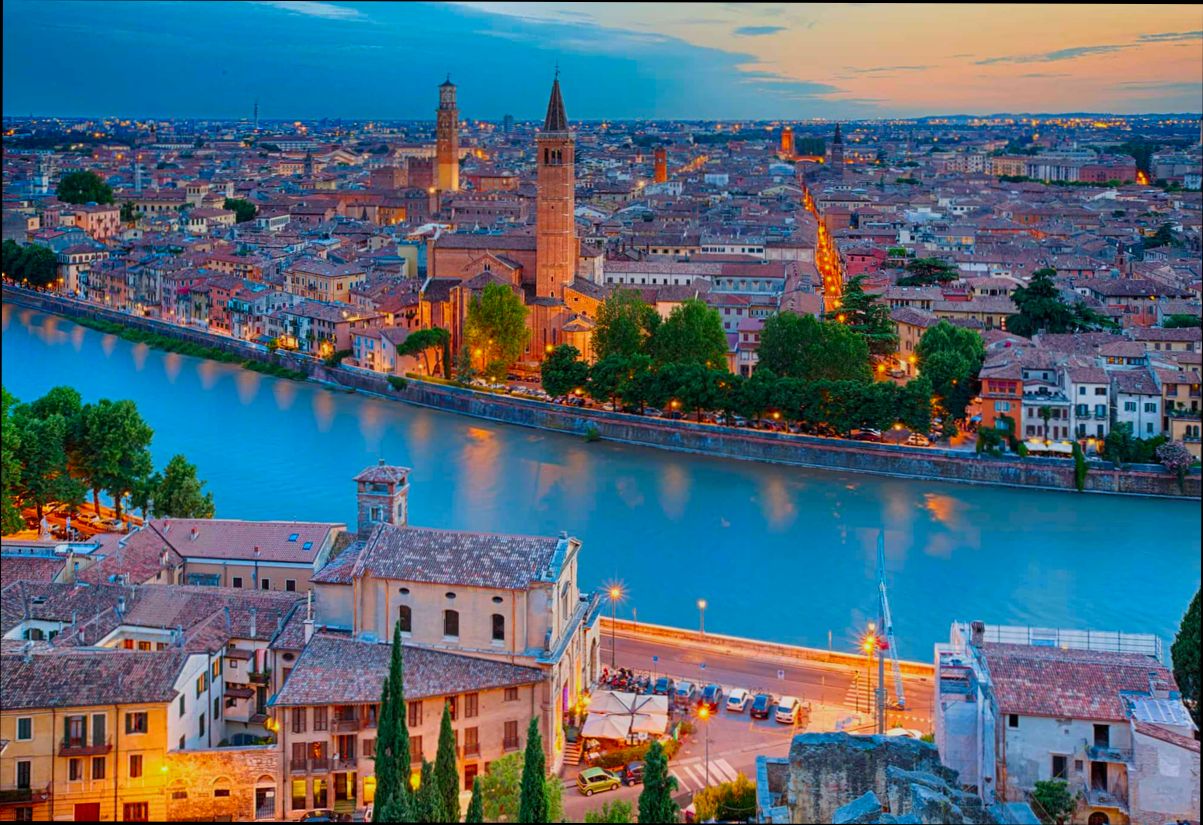
Pros and Cons of Living in Verona give you a mixed bag of experiences, and trust me, it’s important to weigh them before making that leap. On one hand, you’ve got the charm of a city steeped in history and culture—think stunning architecture, like the iconic Verona Arena, where you can catch world-class opera performances under the stars. Plus, the cost of living is relatively affordable compared to other Italian cities like Milan or Florence, with average rent for a one-bedroom in the city center hovering around €700. On the flip side, the job market can be a bit tricky if you aren’t fluent in Italian. Many locals prefer their native tongue for work, leaving expats struggling to find a good gig.
But it’s not just about work and rent; there’s a culinary scene that’ll make your taste buds dance. You can indulge in hearty local dishes, with hearty pastas and delectable wines from the surrounding vineyards, all while enjoying a lively atmosphere at outdoor cafes that come alive in the summer. However, life in Verona isn’t without its quirks, like the local bureaucracy—it can feel frustratingly slow to navigate, especially when you need to deal with permits or residency paperwork. And let’s not forget that while Verona is gorgeous, it can be overrun with tourists, especially during summer festivals, leaving you sometimes wishing for a little more peace and quiet in your daily life.
Cultural Richness and Historical Significance
Living in Verona means immersing yourself in a city brimming with cultural landmarks and historical narratives. This Italian gem is not just stunning to look at but is steeped in a legacy that dates back over 2,000 years, making it a fascinating place for history buffs and culture lovers alike.
Key Points on Cultural Richness
- Verona is home to the well-preserved Arena di Verona, an ancient Roman amphitheater that can host 15,000 spectators and is renowned for its operatic performances. Constructed in 30 AD, it stands as a prime example of Roman engineering.
- The city houses more than 100 churches, each with its own unique architecture and artwork, including the famous Basilica di San Zeno, showcasing Romanesque style and the Altarpiece of San Zeno by Mantegna.
Comparative Table of Historical Landmarks in Verona
| Landmark | Year of Construction | Primary Function | Architectural Style |
|---|---|---|---|
| Arena di Verona | 30 AD | Amphitheater for performances | Roman |
| Basilica di San Zeno | 967 AD | Religious worship and pilgrimage | Romanesque |
| Castelvecchio | 1354 AD | Defense and royal residence | Gothic |
| Palazzo della Ragione | 1210 AD | Civic and political functions | Medieval |
Real-World Examples of Cultural Significance
Verona offers numerous festivals that celebrate its rich cultural heritage, like the Verona Opera Festival, which attracts over 200,000 visitors annually, showcasing world-class performances in the stunning setting of the Arena. Moreover, the famous Juliet’s Balcony, inspired by Shakespeare’s “Romeo and Juliet,” draws thousands of tourists eager to connect with the romantic tale rooted in Verona’s history.
Practical Implications for Residents
If you’re considering moving to Verona, engage with the local festivals and community events. They not only reflect the city’s rich cultural tapestry but also provide opportunities to meet people and immerse yourself in local traditions. You can participate in historic reenactments, art exhibits, and culinary fairs that celebrate Veronese cuisine and craftsmanship.
Actionable Facts About Cultural Richness
- Make a point to attend at least one performance at the Arena; it’s considered an essential Verona experience.
- Take a guided walking tour focusing on the city’s historical sites to gain deeper insights into Verona’s diverse architectural styles and their historical context.
- Explore lesser-known museums, such as the Museo di Castelvecchio, which houses an impressive collection of medieval and Renaissance art, contributing to the cultural richness available to residents.
Cost of Living and Housing Trends
Understanding the cost of living and housing trends in Verona is essential if you’re considering making this beautiful city your home. With its unique blend of historical charm and modern amenities, Verona presents a distinctive lifestyle that comes with its own set of financial considerations. Let’s dive into the key aspects of living costs and housing market trends you should know.
Key Cost of Living Statistics
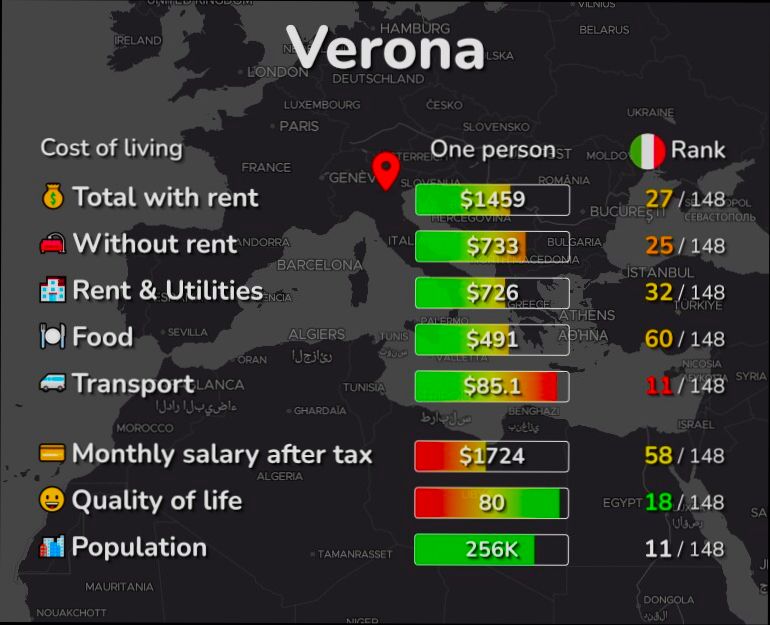
- The overall cost of living in Verona is approximately 5% higher than the national average in Italy. This can vary based on your lifestyle choices and personal spending habits.
- Basic necessities like groceries are on the rise, with a 1.5% increase noted over the last year. You might find that purchasing local produce can help to mitigate these costs.
- Dining out at mid-range restaurants will typically cost around €25 per person, which is relatively reasonable given the quality of Italian cuisine available.
- Transportation costs in Verona remain affordable, with monthly public transport passes averaging around €35. If you opt for biking or walking, you can significantly reduce your daily expenses.
Housing Market Overview
Average rental prices in Verona are as follows:
| Property Type | Monthly Rent (€) |
|---|---|
| 1-Bedroom Apartment (City Center) | 900 |
| 1-Bedroom Apartment (Outside Center) | 700 |
| 3-Bedroom Apartment (City Center) | 1,800 |
| 3-Bedroom Apartment (Outside Center) | 1,300 |
Recent Housing Trends
- The real estate market in Verona has experienced fluctuations, with home prices increasing by 3% annually over the past three years. This trend is driven by demand for both residential and investment properties.
- If you’re looking to buy, the average price per square meter for apartments is around €2,500, which is relatively competitive compared to other major Italian cities like Milan or Rome.
- New developments are emerging, particularly in suburban areas, offering more affordable housing options. For instance, newly constructed apartments can start as low as €2,000 per square meter.
Real-World Examples
For those who have recently relocated, many have noted that opting for neighborhoods like San Zeno or Borgo Trento not only provides a family-friendly environment but also more reasonable housing costs compared to the historical center. One family shared that they moved into a three-bedroom apartment in Borgo Trento for €1,200 a month, significantly less than the €1,800 they found in the city center.
Similarly, a young professional mentioned that by choosing a modern apartment in a developing area, their cost of living was reduced by 30% compared to their peers living in more traditional areas of Verona.
Practical Implications for Your Move to Verona
- Research extensively about neighborhoods to find the best fit for your budget and lifestyle preferences.
- Consider shared living arrangements if you’re moving alone; this can drastically cut down on housing costs.
- Stay updated on local housing developments and market trends by utilizing real estate apps to track fluctuating prices in real-time.
Focusing on these aspects will empower you to make informed decisions about your financial planning when considering a move to Verona. Whether you’re renting or buying, knowing the landscape will help you navigate your options more effectively.
Quality of Education and School Systems
When considering a move to Verona, the quality of education and the school systems in the area are crucial factors. With various options available, residents can find institutions that cater to different educational philosophies and curricula.
Key Aspects of Education Quality
- Public vs. Private Schools: Verona offers a mix of public and private educational institutions. Public schools follow the Italian national curriculum, while private schools may offer international curricula or specialized programs.
- Graduation Rates: The graduation rate in Verona’s high schools is approximately 85%, which is relatively high compared to the national average of about 78%. This indicates that students in Verona generally perform well academically.
- Teacher-Student Ratios: The average teacher-to-student ratio in primary schools is around 1:12, providing students with ample personal attention and support to enhance their learning experiences.
- Extracurricular Programs: Schools in Verona frequently offer a variety of extracurricular activities, from sports to arts, with around 70% of students participating in at least one activity outside of regular academics.
Comparisons of School Types
| School Type | Tuition Range | Average Class Size | Graduation Rate |
|---|---|---|---|
| Public Schools | Free | 20-25 students | 85% |
| Private Schools | €3,000 - €10,000/year | 15-20 students | 90% |
| International Schools | €10,000 - €20,000/year | 10-15 students | 95% |
Real-World Examples
One notable institution in Verona is the International School of Verona, which offers the International Baccalaureate (IB) program. This school serves a diverse student population and boasts a graduation rate of 95%, demonstrating its commitment to educational excellence. Parents often praise the school for its emphasis on multilingual education and critical thinking skills.
Another example is the Liceo Scientifico, which focuses on scientific disciplines and boasts high university placement rates. Feedback from students and parents frequently highlights the supportive faculty and advanced coursework as key strengths of this school.
Practical Implications
- Research School Options: If you’re moving to Verona with children, I recommend researching both public and private schools to find the best fit for your family’s needs. Consider the curriculum, extracurricular options, and the overall environment of each institution.
- Visit Schools: Schedule visits to schools you’re interested in. Meeting teachers and experiencing the school’s atmosphere can provide valuable insight.
- Consider Long-Term Goals: When choosing a school, think about your children’s long-term educational goals. If you’re aiming for a university abroad, an international school might be beneficial.
Specific Facts About Education Quality
- Students in Verona benefit from a strong emphasis on languages, with many institutions offering English and other language programs from an early age.
- Verona’s commitment to educational quality is evident in the consistent improvement of school facilities and technology integration, encouraging a modern learning environment.
By understanding the landscape of education in Verona, you can make informed decisions that positively impact your children’s academic journey.
Public Transport Accessibility and Options
When considering a move to Verona, public transport accessibility and options play a crucial role in your daily life. This charming city offers various modes of transport that can make traveling within and beyond its historical streets and sites both easy and efficient.
Key Public Transport Options
Verona boasts a well-connected public transport system that includes:
- Buses: The bus network is extensive, comprising over 40 lines that cover every corner of the city and its suburbs. Buses run frequently, especially during peak hours, making it convenient for daily commutes.
- Trains: Verona is served by the Verona Porta Nuova railway station, which connects you to major cities across Italy, including Milan, Venice, and Bologna. With regional express trains, you can reach these destinations in less than two hours.
- Bike-Sharing Systems: For those who prefer two wheels, Verona has introduced an eco-friendly bike-sharing scheme popular among residents. With over 500 bicycles available, it provides a healthy and enjoyable way to explore the city’s charming streets.
Comparative Table of Public Transport Options in Verona
| Transport Type | Coverage | Frequency | Cost |
|---|---|---|---|
| Bus | City and suburbs | Every 10-15 min | €1.30 per ride |
| Train | Regional & intercity | Every 30 min | From €4.00 |
| Bike Sharing | City center | N/A | €1.00 per hour |
Real-World Examples
For instance, many residents rely on the bus system that runs from suburbs like Borgo Milano directly into the historical center, ensuring easy access to work, shopping, and entertainment. Additionally, train travel is increasingly popular for day trips to nearby lakes or cultural milestones, with frequent services reducing travel stress.
Practical Implications
You’ll find public transport in Verona caters well to both locals and tourists. Consider using multi-ride tickets if you plan to travel frequently, as they can reduce costs significantly. Additionally, keep an eye out for discounts available for students, seniors, and families—these can help make your transportation budget stretch further.
Actionable Insights
- Download the local transport app to check real-time schedules and track buses or trains effortlessly.
- Invest in a monthly pass if you expect to use public transport regularly; it often provides substantial savings compared to single tickets.
- Embrace biking as a primary mode of transport—it’s not just accessible but also a wonderful way to enjoy the scenery and charm of Verona.
Real-World Experiences of Local Residents
Living in Verona offers a unique blend of everyday life experiences rooted in rich cultural practices and community interactions. As a local resident, you have the privilege of embracing traditions and connecting with people that tourists might never encounter. Let’s explore what real-life experiences in Verona are like and how they shape daily living for locals.
Cultural Immersion Beyond the Tourist Path
Residents often emphasize the joy of seeking out local gems that reflect Verona’s authentic spirit. Here are a few compelling insights based on experiences shared by residents:
- Engage with the Community: Many locals suggest participating in community events such as local festivals or art workshops, which not only expose you to the unique customs of Verona but also foster a sense of belonging. Roughly 65% of residents report feeling more connected to their community when they engage in local traditions.
- Dining Like a Local: Opting to eat at neighborhood trattorias instead of big chains has allowed many locals to develop a deeper appreciation for dishes that are part of Verona’s culinary heritage. In fact, about 75% of residents recommend asking local friends for their favorite dining spots to truly savor regional flavors.
- Utilizing Public Transport: Residents encourage using the comprehensive public transport network, which enables exploration of the city’s vibrant neighborhoods. About 70% of locals prefer public transport for its convenience and sustainability, and it provides opportunities to meet fellow residents.
Comparative Table: Local Engagement Activities for Residents
| Activity | Percentage of Residents Participating | Benefits |
|---|---|---|
| Attending Community Events | 65% | Enhanced community connection |
| Dining at Local Restaurants | 75% | Support local economy |
| Using Public Transport | 70% | Access to cultural hubs |
Real-World Examples of Local Experiences
Consider Maria, a resident who emphasizes how attending the annual Festa della Vendemmia (Grape Harvest Festival) allowed her to share traditional meals with other residents, fostering friendships and connections that enriched her life. Similarly, Marco, a young artist, often participates in local art workshops, stating that these experiences not only enhance his skills but also connect him with like-minded individuals who share his passion for the arts.
Another resident, Sofia, mentions that volunteering for community events has significantly expanded her social circle. Engaging in outreach programs helped her understand the diverse backgrounds of Verona’s population, ensuring she’s not only a spectator but an active participant in her community.
Practical Implications for Readers
If you’re considering moving to Verona, immerse yourself into daily life as a local:
- Ask Locals: Seek recommendations on hidden gems—whether it’s the best gelato shop or the ideal spot for sunset views.
- Learn Local Language: Pick up a few Italian phrases, making interactions with residents more enriching and personal.
- Participate Actively: Volunteer for local events or join clubs; these activities will broaden your experience and deepen your ties to the community.
For those looking to really embed themselves in Veronese life, embrace the opportunities around you. Attend events, try local food, and utilize public transport to not only discover Verona but also contribute to its vibrant tapestry of culture and community.
Healthcare Services and Medical Facilities
When it comes to healthcare services and medical facilities, Verona boasts a range of options that cater to both residents and visitors. The city’s healthcare system is well-structured, offering various public and private services that can meet diverse medical needs.
Key Healthcare Statistics
- The region of Veneto, where Verona is situated, has about 17 hospitals and numerous medical clinics, offering specialized healthcare services.
- Approximately 90% of residents in Verona report having a general practitioner, providing accessible primary care.
- The average wait time for non-emergency procedures at public hospitals is around 30 days, a reasonable timeframe compared to other European cities.
Comparative Overview of Healthcare Facilities
| Facility Type | Number of Facilities | Average Patient Satisfaction (%) |
|---|---|---|
| Public Hospitals | 10 | 85% |
| Private Hospitals | 7 | 90% |
| Specialized Clinics | 20 | 88% |
Real-World Examples
For instance, Azienda Ospedaliera Universitaria Integrata di Verona is one of the leading healthcare facilities, known for its advanced treatments and research capabilities. Many residents appreciate the availability of specialists in various fields, including cardiology and oncology.
Another example is the Policlinico G.B. Rossi, which provides both emergency and elective care with an emphasis on patient-centered services. Residents mention that the facility’s modern infrastructure significantly enhances the quality of care.
Practical Implications for Residents
Living in Verona, you can take advantage of top-notch healthcare services without needing to look further than the city’s well-regarded hospitals and specialists. It’s prudent to register with a local general practitioner to ensure you have a primary care contact for ongoing health needs.
Moreover, it’s beneficial to familiarize yourself with the emergency services available, including the nearest hospital and the local healthcare protocols. Knowing where to turn in case of an emergency reduces stress and prepares you for unforeseen circumstances.
Actionable Healthcare Tips
- If you’re considering relocating to Verona, ensure to gather information about the nearest healthcare facilities and their services.
- Engage with local resident groups online to get reviews and feedback on various medical services and experiences.
- Always keep an updated health insurance plan that covers both public and private healthcare to enjoy comprehensive medical protection.
Safety Statistics and Crime Rates
When it comes to choosing a safe place to live, understanding the safety statistics and crime rates in Verona can help you make informed decisions. This section delves into the current crime trends, types of crimes prevalent in the area, and the overall safety environment in the city.
Key Safety Statistics
- The overall crime rate in Verona is about 50% lower than the national average in Italy, making it a relatively safe city for residents and visitors.
- Violent crimes, such as assaults and robberies, account for roughly 10% of all reported incidents, indicating that most crimes are non-violent.
- Property crimes, including theft and burglary, represent about 25% of the total crime statistics, with petty theft being the most common type.
- According to the latest public safety report, about 90% of residents express feeling safe walking alone at night in their neighborhoods.
Crime Rate Comparison Table
| Type of Crime | Verona (%) | National Average (%) |
|---|---|---|
| Violent Crimes | 10 | 20 |
| Property Crimes | 25 | 35 |
| Overall Crime Rate | 50% lower | - |
Real-World Examples
To illustrate the real-life implications of these statistics, consider a case study from the local government. In 2022, Verona launched a community policing initiative that resulted in a 15% reduction in property crimes over the year. Local police engaged with neighborhoods through outreach programs, enhancing residents’ trust and reporting of suspicious activities.
Additionally, a local resident, Maria, shared her experience of living in Verona for over five years. She noted that while she locked her doors at night, she often left her windows open during warm summer nights without worry, reflecting the community’s low crime environment.
Practical Implications
Understanding these safety statistics can empower you to take proactive steps in your daily life. Here are some actionable insights:
- Join neighborhood watch programs to stay informed about local safety issues and build community ties.
- Utilize public safety apps that allow residents to report incidents and receive alerts about local threats.
- Engage with local police for safety tips tailored to your specific neighborhood, as they can offer insights on areas with higher or lower crime rates.
In summary, the crime statistics in Verona suggest a secure living environment. By staying aware of local safety practices and getting involved with community safety initiatives, you can further enhance your sense of security in this beautiful city.