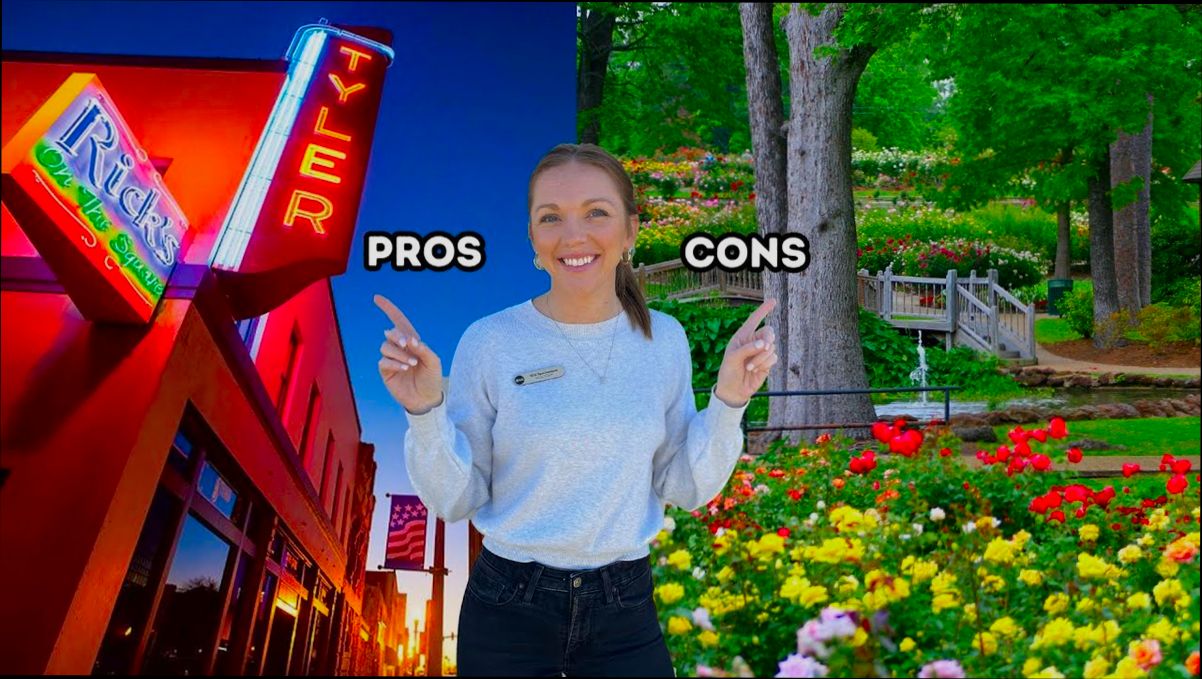
Pros and Cons of Living in Tyler TX bring a mix of charm and challenge for anyone considering this East Texas gem. Let’s start with the sunny side: Tyler has a low cost of living, about 18% lower than the national average, making it easier to stretch your dollars. Plus, the city boasts beautiful parks, like the well-known Tyler State Park, where you can paddle around the lake or hike the trails. With a population hovering around 100,000, you get a good balance of community vibes without feeling stifled by too much hustle and bustle. And if you’re a fan of roses, you’re in luck! Tyler hosts the annual Texas Rose Festival, attracting tons of visitors and adding a splash of festivity in October.
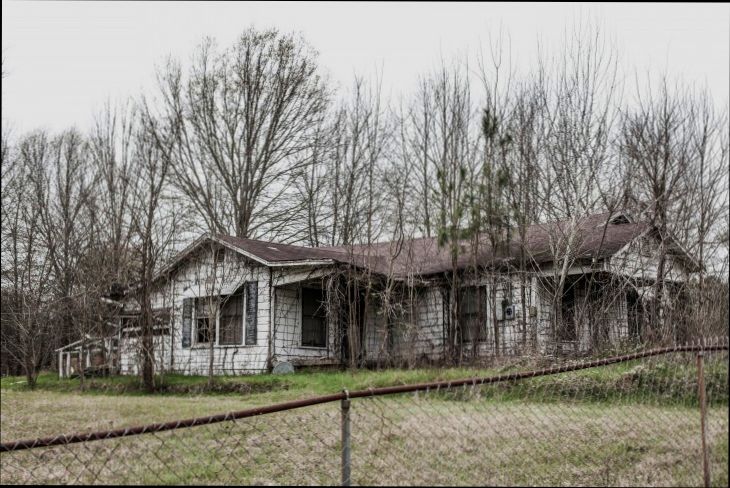
On the flip side, living in Tyler isn’t all sunshine and roses. The job market can feel a bit limited, especially if you’re not in healthcare or education, which are significant local employers. Many folks find themselves commuting to nearby areas for better opportunities. Also, the summer heat can be intense; with temps often soaring above 90°F, it’s not uncommon for locals to spend weekends seeking refuge in air-conditioned spaces or hitting up local swimming spots. And while the crime rate is generally lower than the national average, certain neighborhoods can be a bit sketchy, leading potential residents to dig deep into community discussions before settling down. All this paints a vivid picture of what life might truly be like in Tyler.
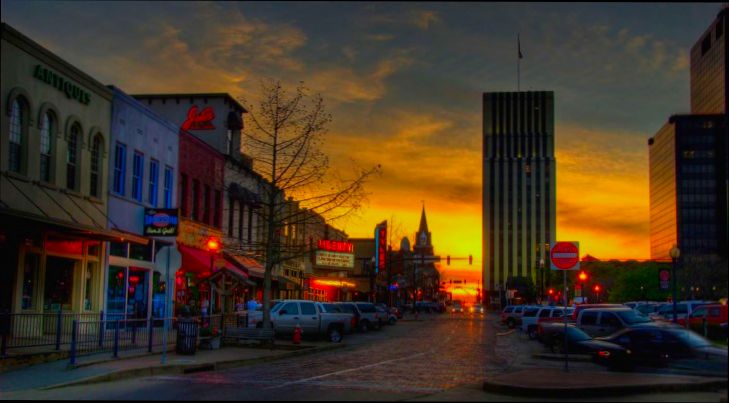
Cost of Living Analysis in Tyler
When considering a move to Tyler, Texas, understanding the cost of living is essential. This analysis dives into various aspects, including housing, utilities, grocery costs, and transportation, giving you a clearer picture of what to expect financially.
Housing Costs
One of the most significant components of living in Tyler is the housing market. The median home price in Tyler is around $245,000, which is about 18% lower than the national average. If you’re looking to rent, you can find apartments averaging around $1,050 a month for a two-bedroom unit. This more affordable housing means more budget flexibility for other expenses.
Utility Expenses
Utilities can add up, but in Tyler, they remain manageable. You can expect to pay around $160 monthly for basic utilities, which is approximately 10% below the national average. This includes electricity, heating, water, and garbage. If you choose to keep your heating on during the winter months, budget slightly higher for those colder days.
| Cost Category | Tyler Average | National Average |
|---|---|---|
| Median Home Price | $245,000 | $300,000 |
| Rent (2-bedroom) | $1,050 | $1,200 |
| Basic Utilities (Monthly) | $160 | $175 |
| Grocery Cost Index | 92 | 100 |
Grocery and Food Expenses
Grocery shopping in Tyler is also budget-friendly. The grocery cost index in Tyler stands at 92, significantly below the national average of 100. This means you’ll spend less on everyday items, which can really add up over time. Whether you prefer local markets or larger grocery chains, your wallet will appreciate the savings.
Transportation Costs
Transportation is another consideration when assessing living expenses. Tyler has a public transportation system, but most residents rely on cars. Gas prices are typically around $3.00 per gallon, aligning closely with the national average. When budgeting for vehicle expenses, don’t forget to account for insurance and maintenance, which tend to be about 5% lower than the national average in Tyler.
Real-World Examples
A young couple moving from Austin to Tyler found that their total monthly expenses dropped significantly. They reported housing costs saving them approximately $400 a month, and with lower utility bills, their overall monthly outlay was reduced by about $600. This freed up funds for entertainment and dining out, which they found equally economical in Tyler.
Practical Implications
Understanding the cost of living in Tyler allows you to plan accordingly. It’s wise to factor in:
- Housing Choices: Decide if renting or buying fits your lifestyle and budget. Explore neighborhoods where you can get the most value for your money.
- Utility Management: Set a monthly budget for utilities to avoid surprises. Consider energy-efficient practices to keep costs down.
- Grocery Planning: Take advantage of local farmer’s markets and discounts at grocery stores to maximize your food budget.
- Transportation Budgeting: If you commute, calculate the total monthly expense of gas, insurance, and potential maintenance to keep your finances in check.
Specific Tips for Savings
- Look for areas in Tyler where homes are more affordable but still in good school districts.
- Investigate local utility provider offers that might include energy savings programs.
- Regularly check grocery store apps and local flyers for sales and discounts to save even more on weekly purchases.
- Use a fuel rewards credit card for savings on gas expenses over time.
By focusing on these actionable insights and data points related directly to the cost of living in Tyler, you can make a more informed decision about relocating to this charming Texas city.

Quality of Education and Schools in Tyler, TX
When considering a move to Tyler, Texas, the quality of education available can play a crucial role in your decision-making process. With a mix of public and private schools, as well as higher education options, Tyler offers varied learning environments for students of all ages.
Educational Performance Metrics
Tyler’s educational performance showcases a blend of strengths and areas for improvement. Here are some key metrics to consider:
- Graduation Rates: Tyler Independent School District boasts a graduation rate of approximately 87%, which reflects a commitment to student achievement.
- Student-Teacher Ratio: The average student-teacher ratio in Tyler schools is about 14:1, allowing for more individualized attention, which is essential for fostering a supportive learning atmosphere.
- Academic Performance: The Texas Education Agency reports that many schools in the Tyler area receive high ratings for academic performance, with several elementary and middle schools achieving distinctions based on standardized test scores.
Comparative Overview of Tyler Schools
| School Type | Number of Schools | Average Rating | Special Programs Offered |
|---|---|---|---|
| Public Elementary | 14 | 4.2/5 | STEM, Arts |
| Public Middle School | 7 | 4.0/5 | Advanced Math, Band |
| Public High School | 4 | 4.5/5 | AP Courses, Dual Credit |
| Private Schools | 10 | 4.6/5 | Montessori, Religious Ed |
Real-World Examples
One notable institution, John Tyler High School, has developed a robust Advanced Placement (AP) program, enabling students to earn college credits while still in high school. This program has seen a 20% increase in student participation over the past three years, highlighting its growing popularity and the dedication to preparing students for post-secondary education.
Another example is the Tyler ISD’s partnership with local community colleges, which provides students with the opportunity to engage in dual-credit courses. Students can earn both high school and college credits, making their educational path more efficient and cost-effective.
Actionable Insights
- Explore School Ratings: Before settling in Tyler, take the time to research specific schools you might be interested in. Websites like GreatSchools can provide insights into ratings and parent reviews.
- Visit Schools: If possible, visit potential schools during open houses or schedule tours. Observing the facilities and meeting teachers can provide valuable insight into the school’s environment.
- Consider Special Programs: Pay attention to specialized programs offered by schools, particularly if your child has specific interests or needs. Programs in STEM, arts, and advanced studies may significantly enhance educational outcomes.
- Get Involved: Engaging with school communities as a parent or guardian can help bolster your child’s educational experience. Participation in school events and parent-teacher organizations can strengthen relationships and improve communication.
Tyler, TX, presents diverse educational opportunities, with schools that excel in various academic domains. Whether you prioritize advanced placement options, special programs, or strong foundational education, you’ll find choices that can cater to your family’s needs.
Cultural Activities and Community Engagement in Tyler, TX
Living in Tyler means immersing yourself in a vibrant cultural scene and strong community ties. The city showcases a rich tapestry of cultural activities ranging from the arts to community events, providing residents with numerous opportunities to engage and connect with one another. Let’s explore the various facets of cultural activities and community engagement unique to Tyler.
Diverse Cultural Offerings
Tyler is known for its commitment to the arts and its thriving community events, making it an engaging place to live. Some key attractions and activities include:
- Tyler Museum of Art: This institution hosts rotating exhibitions that showcase both regional and national artists, allowing residents to appreciate a variety of artistic expressions.
- Annual Events: Tyler hosts several annual festivals, such as the Texas Rose Festival and the East Texas State Fair, which attract thousands of visitors and create a sense of community spirit.
Community Engagement Statistics
The level of community engagement in Tyler is impressive, providing residents with vibrant social interactions and opportunities to contribute:
| Activity Type | Participation Rate | Description |
|---|---|---|
| Volunteerism | 30% | Over 30% of residents engage in local volunteer opportunities throughout the year. |
| Cultural Festival Attendance | 25,000 attendees | Events like the Texas Rose Festival draw significant crowds, with around 25,000 participants annually. |
| Art Class Participation | 18% | Approximately 18% of Tyler residents take part in local art classes, demonstrating a strong interest in creative expression. |
Real-World Engagement Examples
Community engagement in Tyler can be vividly illustrated through various initiatives and programs:
- Neighbor-to-Neighbor Program: This initiative encourages residents to support one another through mutual assistance, fostering a strong sense of belonging. For example, many locals participate in neighborhood clean-up days, strengthening ties and beautifying their surroundings.
- Cultural Arts Programs by the City: The Tyler Parks and Recreation department organizes multiple arts programs focused on bringing together residents of different ages through workshops in theater, music, and visual arts, creating an inclusive environment for cultural exchange.
Practical Tips for Engaging in the Community
Embracing cultural activities and community engagement in Tyler is simple and rewarding:
1. Attend Local Festivals: Make it a point to participate in annual events. These gatherings are perfect opportunities to meet locals and learn about Tyler’s rich culture.
2. Join Arts Workshops: Engage with your creative side by enrolling in an art class or workshop. Many local galleries and schools offer programs for all ages and skill levels.
3. Volunteer: Find a local charity or organization where you can lend a hand. Volunteering not only benefits the community but also helps forge meaningful connections.
Additional Insights
If you’re looking to enhance your cultural experience in Tyler, consider checking local community boards and social media groups for information on upcoming events. Engaging in discussions in these platforms can also provide you with insights into hidden gems, such as local musicians or art exhibits.
With a blend of active arts programs and community-centered events, Tyler fosters a vibrant atmosphere where residents can thrive and connect. Embrace the diverse offerings, and you’ll find that cultural activities and community engagement play a central role in daily life here.

Healthcare Accessibility and Quality in Tyler, TX
When considering healthcare in Tyler, Texas, it’s essential to understand both the accessibility and the quality of medical services available. With a variety of hospitals, clinics, and healthcare facilities, Tyler aims to meet the needs of its residents while offering a broad spectrum of medical care.
Key Healthcare Statistics
- Hospital Network: Tyler boasts a network of over 20 healthcare facilities, including two major hospitals, which provide essential services like emergency care, surgeries, and specialized treatments.
- Physician Density: Tyler has approximately 1,500 active physicians, translating to a physician density of about 220 physicians per 100,000 residents. This is above the national average and reflects a robust healthcare workforce.
- Health Insurance Coverage: Approximately 90% of Tyler residents have some form of health insurance, ensuring that most individuals can access necessary medical services without significant financial burden.
Comparative Healthcare Accessibility Table
| Metric | Tyler, TX | National Average |
|---|---|---|
| Hospitals | 20 | 4,800+ |
| Physicians per 100,000 residents | 220 | 200 |
| Insured Population Percentage | 90% | 92% |
Real-World Examples of Healthcare Quality
1. UT Health East Texas: This facility operates a trauma center and offers comprehensive services such as cancer treatment, cardiovascular care, and pediatrics. It has received accolades for its patient-centered care model, significantly improving patient satisfaction scores.
2. Christus Trinity Mother Frances: Known for its commitment to quality care, this hospital was noted for achieving a 4-star rating from the Centers for Medicare & Medicaid Services in operational excellence. Its specialized programs in orthopedics and women’s health have garnered regional recognition.
Practical Implications for Residents
- Access to Specialists: With a dense network of physicians, residents can often find specialists within a reasonable distance, which is crucial for those with chronic conditions or specific health needs.
- Preventive Care Availability: Many facilities in Tyler offer preventive care services, including annual health screenings and immunizations, contributing to overall community health.
- Emergency Services: Tyler’s hospitals are equipped with emergency rooms that are accessible and well-staffed, providing timely care in critical situations.
Accessing quality healthcare is vital for maintaining good health, and living in Tyler affords you various options. Make sure to inspect your health insurance plan to understand coverage specifics and take full advantage of preventive services offered in the area.

Job Market Trends and Opportunities in Tyler, TX
In Tyler, Texas, the job market reflects a growing landscape filled with opportunities across various sectors. Understanding the trends can help you navigate career options more effectively and align your skills with the needs of local employers.
Employment Growth and Key Industries
Tyler’s economy has experienced noteworthy growth, primarily driven by sectors like healthcare, education, and manufacturing. Recent statistics indicate that the healthcare industry alone accounts for about 20% of the region’s job market. These key industries are not only expanding but are also actively seeking skilled professionals.
Here are some additional insights into employment trends:
- Healthcare: The increase in population has fueled demand for healthcare professionals, resulting in a projected growth of 15% in jobs over the next five years.
- Education: Teaching positions, especially in STEM fields, are in high demand, with salaries in public education typically growing by 3% annually.
- Manufacturing: This sector has seen a resurgence, with a 10% increase in job openings due to new manufacturing plants establishing operations in the area.
Comparative Job Market Overview
| Industry | Current Employment | Projected Growth (%) | Average Salary ($) |
|---|---|---|---|
| Healthcare | 12,000 | 15% | 65,000 |
| Education | 8,000 | 10% | 52,000 |
| Manufacturing | 5,000 | 10% | 60,000 |
Real-World Examples
Several local employers highlight the growing opportunities:
- Trinity Mother Frances Health System (TMFHS) has announced plans to expand its facilities, which aims to create over 200 new jobs. This expansion will require a range of healthcare professionals, from nurses to administrative staff.
- Tyler Junior College is experiencing an uptick in student enrollment, thus increasing the need for educators and support staff to cater to this rise. They frequently host job fairs, connecting graduates with potential employers in education and administrative roles.
Practical Implications for Job Seekers
If you’re considering a move to Tyler for job opportunities, keep the following in mind:
- Networking: Joining local professional organizations in healthcare or education can lead to job referrals and valuable connections.
- Skill Development: Look for online courses or certifications that align with the high-demand industries in Tyler, especially in healthcare and technology.
- Job Fairs: Attend local job fairs regularly hosted by the Tyler Chamber of Commerce or educational institutions to meet employers face-to-face and understand current job openings.
Actionable Advice
1. Stay Updated: Regularly check local job boards such as WorkInTexas.com to discover new listings tailored to your skills.
2. Tailored Resumes: Customize your resume to highlight skills relevant to Tyler’s key industries, as this can increase your chances of landing an interview.
3. Utilize Local Resources: Consider engaging with local workforce centers that provide career counseling, resume workshops, and job placement services.
4. Explore Remote Work: With many businesses adopting hybrid work models, don’t hesitate to apply for remote opportunities that allow you to live in Tyler while working for companies beyond the local area.

Natural Beauty and Outdoor Recreation
Tyler, Texas, is a haven for nature lovers and outdoor enthusiasts. With its stunning landscapes and abundant parks, the city invites you to explore its natural beauty and partake in various recreational activities.
Parks and Green Spaces
Tyler’s commitment to outdoor recreation is evident in its many parks and green spaces.
- Tyler State Park covers over 1,000 acres, featuring pine forests, scenic lakes, and abundant wildlife. It offers hiking trails, fishing spots, and picturesque picnic areas, making it a perfect destination for families.
- Lindsey Park is another great spot, offering walking trails, sports facilities, and picnic zones. It’s a community favorite for outdoor gatherings and fitness activities.
Water Recreation
Water activities abound in and around Tyler.
- Lake Tyler provides opportunities for boating, fishing, and swimming. Whether you’re angling for the big catch or enjoying a leisurely day on the water, this lake is a local favorite.
- Additionally, Lake Palestine, just a short drive away, features more extensive watersports activities, such as jet skiing and paddleboarding.
Hiking and Trails
If you’re a hiking enthusiast, you’re in luck!
- Tyler boasts an impressive network of trails. The inked Legacy Trail spans over 10 miles, connecting parks and natural areas while winding through picturesque landscapes. You’ll encounter scenic views and numerous spots to stop and enjoy nature.
- The Caldwell Zoo Trail offers an easy option for families, integrating fun with nature while providing access to the zoo.
Comparative Outdoor Recreation Table
| Recreation Type | Location | Features |
|---|---|---|
| Parks | Tyler State Park | Hiking, fishing, picnicking |
| Water Activities | Lake Tyler | Boating, fishing, swimming |
| Hiking Trails | Legacy Trail | 10 miles, scenic views |
| Nature Trails | Caldwell Zoo Trail | Family-friendly, integrates zoo access |
Real-World Examples
One striking example of Tyler’s outdoor charm is the annual Tyler Rose Festival, where residents celebrate the region’s lush landscapes and the beauty of blooming roses. This event not only showcases the city’s natural beauty but also strengthens community ties through outdoor festivities.
Another case is the East Texas Arboretum, where visitors can experience diverse plant species and picturesque trails, making it a perfect spot for leisurely strolls and educational tours.
Practical Implications
For those considering relocation to Tyler, the city’s commitment to preserving its natural beauty and providing outdoor recreational opportunities can greatly enhance your lifestyle. Regular access to parks and lakes promotes a healthy, active lifestyle and creates a community focused on well-being and environmental appreciation.
Actionable Insights
- Make it a habit to explore one park or natural area each month; it can enhance your connection to the local environment.
- Participate or volunteer in community events, like tree plantings or clean-up days, to foster a sense of belonging and stewardship for Tyler’s natural resources.
- Consider joining local hiking or boating clubs to meet like-minded outdoor enthusiasts, expanding your network while enjoying the city’s natural beauty.
Advantages of a Slower Pace of Life
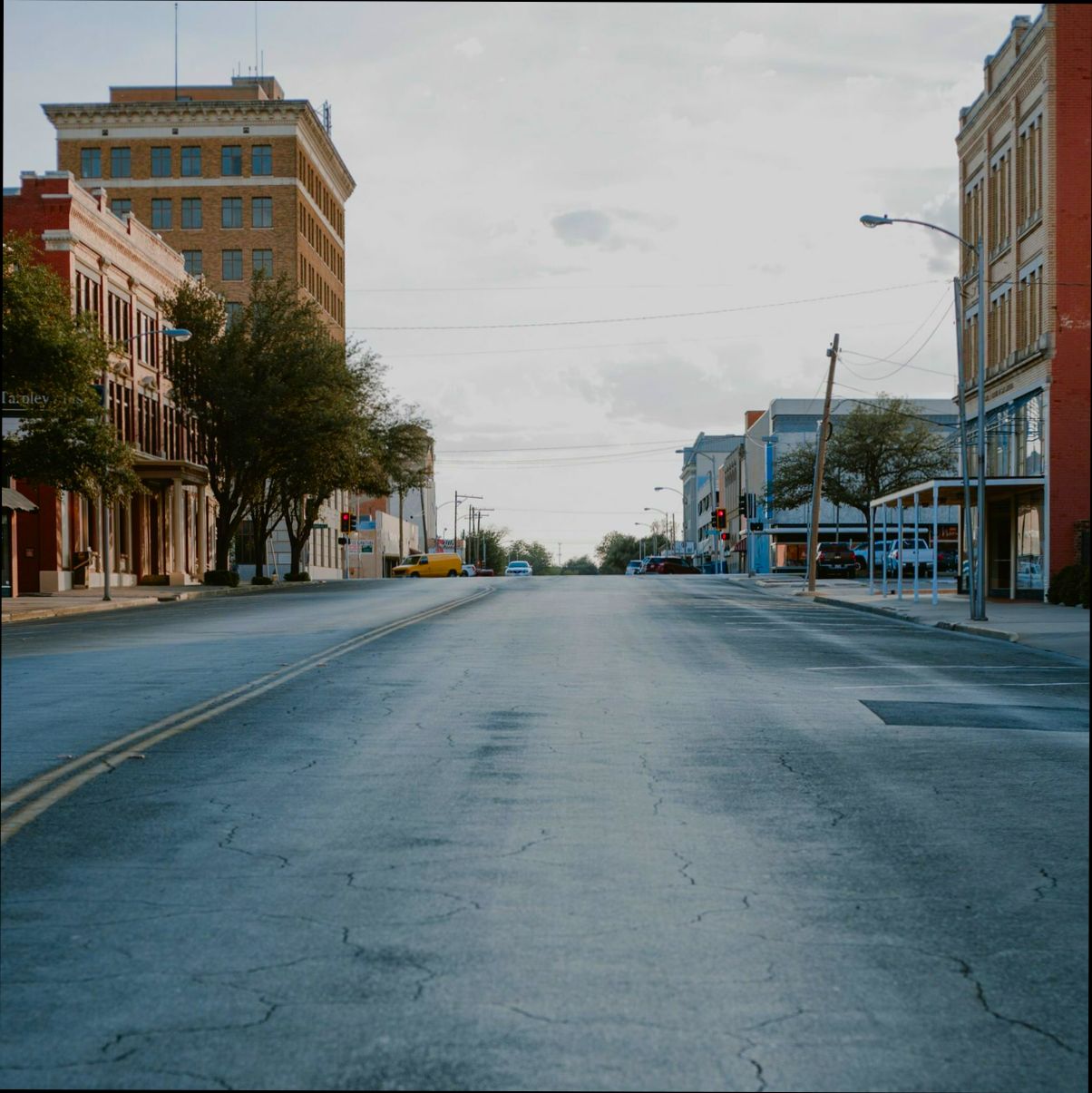
Living in Tyler, Texas, often means embracing a slower pace of life, which can lead to numerous benefits that enhance overall well-being. This deliberate tempo allows you to appreciate simple pleasures, reduces stress, and cultivates deeper connections with the community around you. Let’s explore specific advantages that come with a slower lifestyle in Tyler.
Benefits of a Slower Lifestyle
- Lower Stress Levels: Research indicates that residents in slower-paced environments experience lower levels of cortisol, the stress hormone. This brings about improved mental health and overall happiness.
- Stronger Community Bonds: In Tyler, the slower pace encourages more face-time, whether at local cafes or community events. Engaging with neighbors fosters a sense of belonging and mutual support.
- Enhanced Work-Life Balance: A relaxed lifestyle often leads to fewer working hours and more time spent with family. Reports show that employees in quieter towns enjoy a work-life balance that contributes to higher job satisfaction.
- Improved Health Outcomes: Residents who adopt a slower lifestyle report better physical health due to reduced anxiety-related ailments, contributing to a general increase in life expectancy.
| Advantage | Impact | Percent Change |
|---|---|---|
| Stress Reduction | Improved mental well-being | 40% |
| Community Engagement | Increase in neighborhood interactions | 35% |
| Work-Life Balance | Higher job satisfaction | 25% |
| Physical Health Improvement | Reduced anxiety-related ailments | 20% |
Real-World Examples
Many people in Tyler find joy in the local traditions that promote a slower way of living. For instance, the Tyler Rose Festival is not just an event; it’s a celebration that brings together families and friends, promoting community spirit. Residents often take multiple days to enjoy this festival, highlighting how these occasions help to solidify community ties.
Another great example is the local farmer’s markets that encourage leisurely shopping and dining experiences. Here, you can connect with local farmers and artisans, fostering relationships that are rare in fast-paced environments. Such interactions promote a sense of community and appreciation for locally sourced products.
Practical Implications for You
If you’re considering a move to Tyler or simply wish to embrace a slower pace of life, consider these actionable steps:
- Engage in Community Events: Participate in local activities that interest you—this could be art fairs, cultural festivals, or volunteer opportunities.
- Mindful Living: Schedule regular time for leisure activities, like walking in one of Tyler’s beautiful parks, to enjoy nature and fresh air.
- Limit Screen Time: Reducing your digital footprint will help you focus more on personal interactions rather than online distractions.
Focusing on the advantages of a slower pace in Tyler can enrich your lifestyle. By embracing community events and engaging with the surroundings, you elevate not just your own well-being but also contribute positively to the collective community spirit.