Pros and Cons of Living in Tacoma WA can really reshape your outlook if you’re considering a move. On the upside, Tacoma’s cost of living is about 10% lower than the nearby Seattle area, which makes it a wallet-friendly option for many. Imagine enjoying a spacious two-bedroom apartment for around $1,800 compared to Seattle’s jaw-dropping rates of $2,500 or more. Plus, Tacoma boasts a vibrant arts scene and scenic waterfront, perfect for weekend strolls or grabbing a bite at a local eatery. With attractions like the Museum of Glass and Point Defiance Park, there’s never a shortage of things to do.
But it’s not all sunshine and rainbows. Tacoma has its share of challenges, too. The crime rate can be a concern, with some neighborhoods experiencing higher-than-average incidents, so it pays to research where you want to settle down. And let’s talk weather: those gray, rainy days can be a drag, especially during the long winters. Plus, if you’re commuting to Seattle, brace yourself for traffic jams that can stretch your commute time significantly. So, while Tacoma offers its perks, some aspects can make you rethink your choice.
Cost of Living in Tacoma
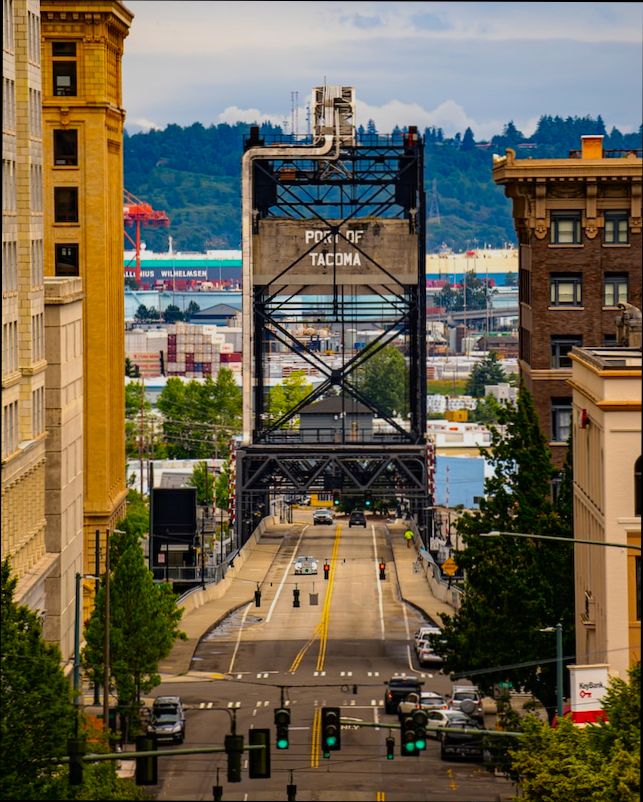
When considering a move to Tacoma, the cost of living is a vital aspect to explore. This city offers a blend of affordability and amenities, which makes it an enticing option for many. Let’s break down the key factors affecting your budget.
Housing Costs
Housing is typically the largest expense for residents. On average, Tacoma’s housing costs are about 26% lower than the Seattle average. Here are some specifics:
- The median home price in Tacoma is around $485,000.
- Renting a one-bedroom apartment can cost you roughly $1,800 per month in central areas.
Transportation Expenses
Transportation can significantly impact your monthly budget. While some cities require costly gear like parking and maintenance, Tacoma strikes a balance:
- The average cost of gas in Tacoma is about $4.20 per gallon.
- Public transportation, through Pierce Transit, costs around $2.50 for a one-way trip, making commuting more affordable.
Grocery and Utility Costs
Everyday essentials also contribute to your overall cost of living:
- Tacoma’s grocery prices are about 5% lower than the national average.
- Basic utility costs (electricity, heating, cooling, water, and garbage) average approximately $200 per month for a standard apartment.
| Expense Category | Tacoma | Seattle | National Average |
|---|---|---|---|
| Median Home Price | $485,000 | $661,000 | $346,000 |
| Rent (1-bedroom) | $1,800 | $2,200 | $1,200 |
| Average Gas Price | $4.20 | $4.50 | $3.50 |
| Grocery Cost Index | 95 | 104 | 100 |
Real-World Examples
Many newcomers have shared their experiences regarding the cost of living in Tacoma:
- Sarah, a young professional, found that by moving from Seattle to Tacoma, she saved about $500 monthly on rent alone.
- Jason and Emily, a couple with children, noted that their grocery bills in Tacoma were consistently around $50 less per week compared to their former home in California.
Practical Implications
Understanding the cost of living in Tacoma can help you create a realistic budget. When planning your finances, consider the following:
- Factor in the savings on housing if you’re relocating from pricier cities.
- Assess your transportation needs; you’ll likely find that living in Tacoma can be cheaper with its good public transit options.
Actionable Insights
Before making your decision, ensure you:
- Compare potential housing costs against your current city to see the difference firsthand.
- Research local grocery stores and bulk buying options to stretch your food budget further.
Public Transportation Insights in Tacoma
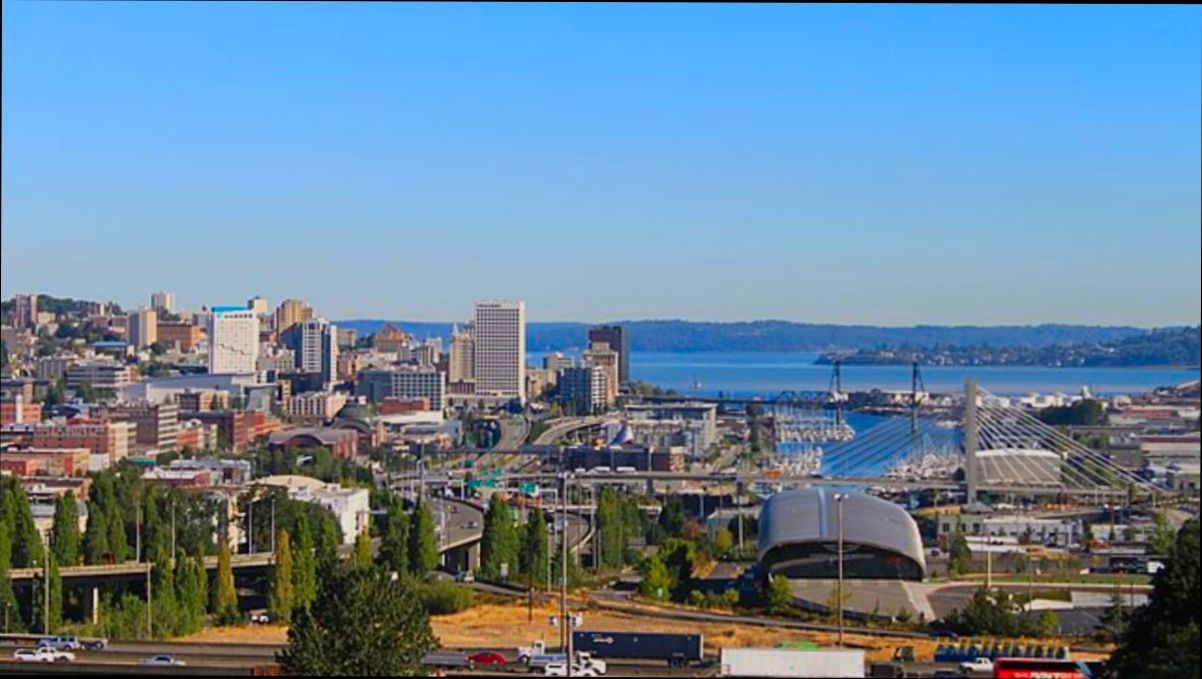
When considering life in Tacoma, understanding the public transportation system can be a game-changer. The city offers various options that not only enhance mobility but also contribute to sustainable living. Let’s dive into the specifics of how public transportation can benefit you in Tacoma.
Key Features of Tacoma’s Public Transportation
Tacoma’s public transport system has several options for residents and visitors, fostering an interconnected community. Here are some key points about the public transit landscape:
- Transportation Options: The primary provider, Pierce Transit, offers bus services around the city and into surrounding areas, connecting to major transit hubs.
- Accessibility: Approximately 20% of Pierce Transit’s fleet is equipped to accommodate passengers with disabilities, highlighting the commitment to inclusivity.
- Ridership Rates: In recent years, Tacoma has seen a ridership increase of around 4.5% annually, reflecting growing public reliance on transit options.
- Eco-Friendly Alternatives: The Sound Transit light rail extension to Tacoma promotes eco-friendly commuting, allowing you to navigate efficiently while reducing your carbon footprint.
Comparison of Public Transit Options
| Transit Type | Average Fare | Monthly Pass Cost | Accessibility | Frequency |
|---|---|---|---|---|
| Pierce Transit Bus | $2.00 | $100 | Yes | 15-30 min |
| Sounder Train | $4.00 | $210 | Yes | 30-60 min |
| LINK Light Rail | $2.50 | $135 | Yes | 10-15 min |
Real-World Examples
Many residents are leveraging Tacoma’s transit system effectively. For instance, Jane, a local professional, uses the Sound Transit light rail to commute to Seattle. She saves approximately $200 each month compared to driving, considering gas and parking costs.
Similarly, a student named Tom regularly uses Pierce Transit to access the University of Washington Tacoma. His mobility options allow him to maintain a part-time job while attending classes, showcasing how public transport can facilitate work-school balance for young individuals.
Practical Implications for Residents
If you’re thinking about using public transportation in Tacoma, consider these practical tips:
1. Get a Monthly Pass: If you plan to use the transit system frequently, a monthly pass can save you money and hassle.
2. Download Transit Apps: Utilize mobile apps for real-time updates on bus and train schedules, making commuting more efficient.
3. Plan Ahead for Off-Peak Times: Traveling during off-peak hours not only ensures you avoid crowded vehicles but might also provide more reliable service.
Specific strategies can enhance your commuting experience while promoting community engagement and sustainability within Tacoma’s urban landscape.
Employment Opportunities and Economic Factors
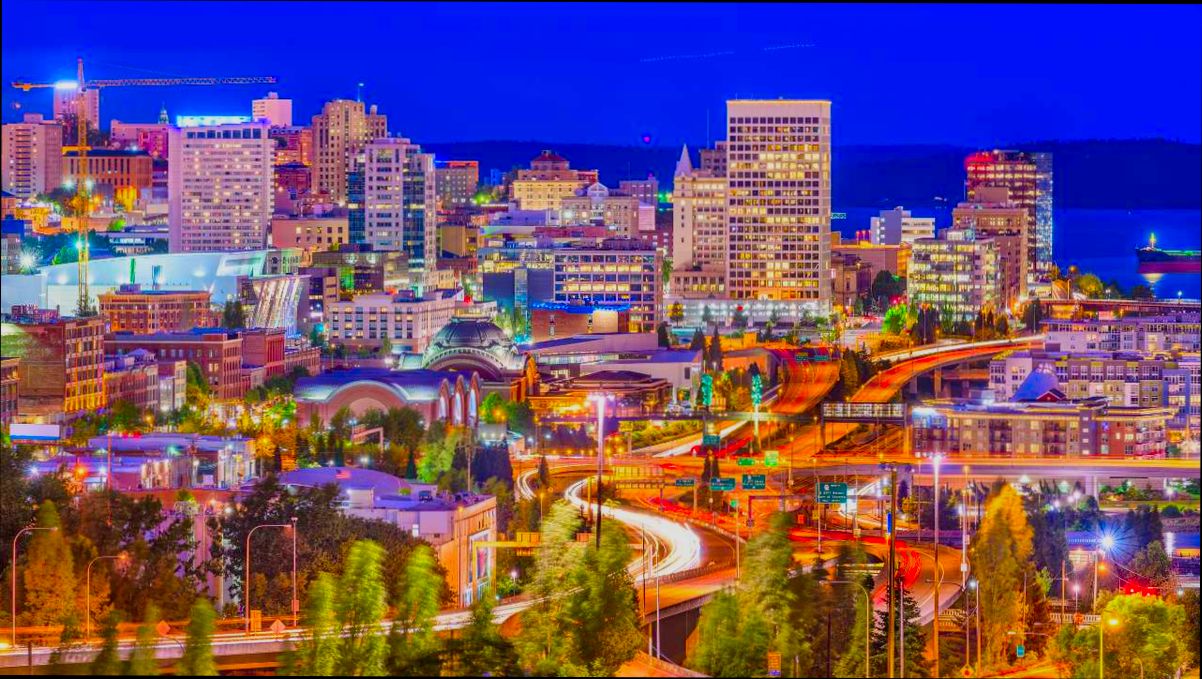
Exploring the job market and economic landscape in Tacoma reveals a vibrant blend of opportunities and challenges. If you’re considering making Tacoma your home, understanding the employment landscape is crucial for your decision-making process.
Job Market Overview
Tacoma’s job market showcases a diverse range of industries, making it a competitive area for job seekers. Here are some key insights:
- The unemployment rate in Tacoma is approximately 4.6%, which aligns closely with national averages.
- The city is expected to see job growth of around 12% over the next decade, indicating a healthy economic outlook.
- Top sectors providing employment include healthcare, education, and technology, with companies like MultiCare Health System and Tacoma Public Schools leading the way.
Comparative Table of Employment Sectors in Tacoma
| Industry | Average Salary | Number of Employees | Growth Rate (Projected 2020-2030) |
|---|---|---|---|
| Healthcare | $85,000 | 25,000 | 15% |
| Education | $60,000 | 15,000 | 10% |
| Technology | $90,000 | 8,500 | 20% |
| Manufacturing | $70,000 | 10,000 | 8% |
| Retail | $35,000 | 12,000 | 5% |
Local Success Stories
Real-life examples of thriving sectors in Tacoma further illustrate the city’s employment opportunities:
- MultiCare Health System: As one of the largest employers in the region, MultiCare has expanded its workforce by 5% annually for the last three years, reflecting growth in the healthcare, especially during the pandemic.
- Tacoma Public Schools: The education sector not only provides a stable employment base but also invests significantly in staff development, adding nearly 500 jobs in the last two years to accommodate growing enrollment numbers.
- Technology Startups: Tacoma has seen a surge of new tech startups, supported by local incubators and community initiatives which have helped create around 150 new tech-related jobs in under two years.
Practical Implications
For those looking to enter the job market in Tacoma, being aware of which industries are thriving can help in tailoring resumes and networking efforts. Consider the following actionable steps:
- Networking: Engage with local industry groups and attend job fairs, particularly in healthcare and technology, to expand your connections.
- Upskill: Invest in relevant training or certifications, especially in high-demand fields such as tech and healthcare, where qualifications can significantly increase your earning potential.
- Local Resources: Utilize the Tacoma-Pierce County Chamber of Commerce website for resources on job openings and company profiles within your desired industry.
In observing Tacoma’s employment opportunities, you’ll find that the city’s economic landscape supports a blend of stability and growth, particularly in sectors that are central to its community fabric.
Cultural Attractions and Community Life
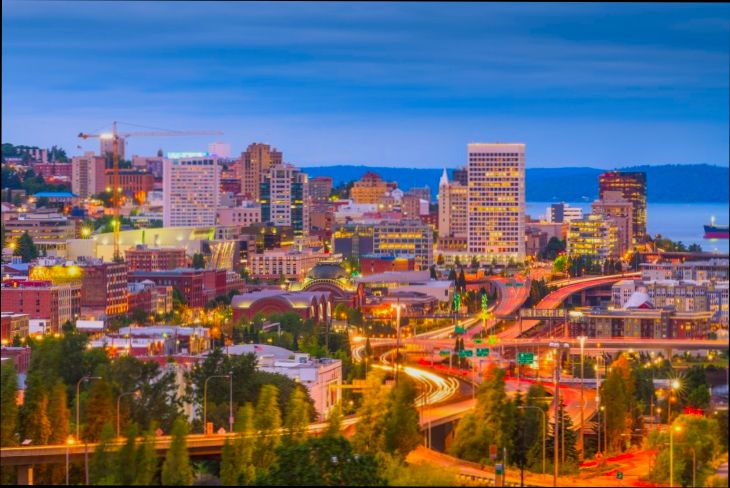
Living in Tacoma means immersing yourself in a vibrant cultural scene and a strong sense of community. This city is renowned for its rich history and diverse range of events that knit together the social fabric of its neighborhoods. Whether you’re an art enthusiast or a community builder, Tacoma has something to offer.
Diverse Cultural Institutions
Tacoma boasts a variety of cultural institutions, each contributing to the city’s unique personality. Here are some key attractions:
- Museum District: Within a few blocks, you can visit multiple museums, including the Museum of Glass, which features contemporary glass art and offers interactive experiences.
- The LeMay - America’s Car Museum: Recognized as one of the largest automotive museums in the world, it showcases over 350 vehicles and represents over a century of automotive history.
- Tacoma Art Museum: This venue not only houses an impressive collection of Pacific Northwest art but also hosts rotating exhibits that promote local artists.
Community Events and Festivals
Tacoma’s calendar is packed with events that bring residents together:
- The Tacoma Art Walk: Occurring monthly, this event showcases local galleries and studios, allowing community members to meet artists and enjoy exhibitions.
- Diverse City Festival: Celebrating multiculturalism, this annual event features music, dance, and food from various communities, highlighting Tacoma’s rich diversity.
- Summer Festival Series: Parks around the city come alive with music, food trucks, and family-friendly activities, creating spaces for fun and connection during the warm months.
Community Engagement
Community life in Tacoma is characterized by active participation across neighborhoods. Here’s a look at the community dynamics:
- Volunteerism: Approximately 30% of Tacoma residents engage in community service, strengthening bonds through collective efforts in local non-profits and events.
- Neighborhood Associations: More than half of Tacoma’s neighborhoods have active associations that host meetings and events, empowering residents to participate in local governance and decision-making.
| Cultural Attraction | Location | Key Features | Average Visitor Rating |
|---|---|---|---|
| Museum of Glass | Downtown Tacoma | Contemporary glass art, live demonstrations | 4.8/5 |
| LeMay - America’s Car Museum | South Tacoma | Over 350 vehicles, interactive exhibits | 4.7/5 |
| Tacoma Art Museum | Downtown Tacoma | Pacific Northwest art, rotating exhibits | 4.6/5 |
Real-World Examples
The Tacoma Urban League focuses on economic empowerment and community development, actively connecting diverse populations through various programs. Their partnerships have led to increased participation in local governance and enhanced opportunities for marginalized groups.
Another example is the Point Defiance Park, which not only provides natural beauty but is also the site for community health fairs, educational workshops, and family-oriented events. Here, you can actively engage with nature while participating in community-led initiatives.
Practical Implications
For those considering a move to Tacoma, integrating into the community is seamless. Engage with local groups on social media to keep up with events and gatherings. Participate in volunteer opportunities as they foster connections and a sense of belonging.
Joining community associations is also a great way to understand local issues and contribute to meaningful change in your neighborhood. By attending the Tacoma Art Walk or the summer festival series, you can meet neighbors while enjoying the rich cultural offerings of the city.
Facts and Advice
Tacoma’s robust cultural life and community engagement efforts offer a unique living experience. To truly immerse yourself, aim to attend at least one local event each month or volunteer for a community initiative. This way, you’ll not only discover the hidden gems of the city but also build lasting relationships with fellow residents.

Advantages of Tacoma’s Natural Environment
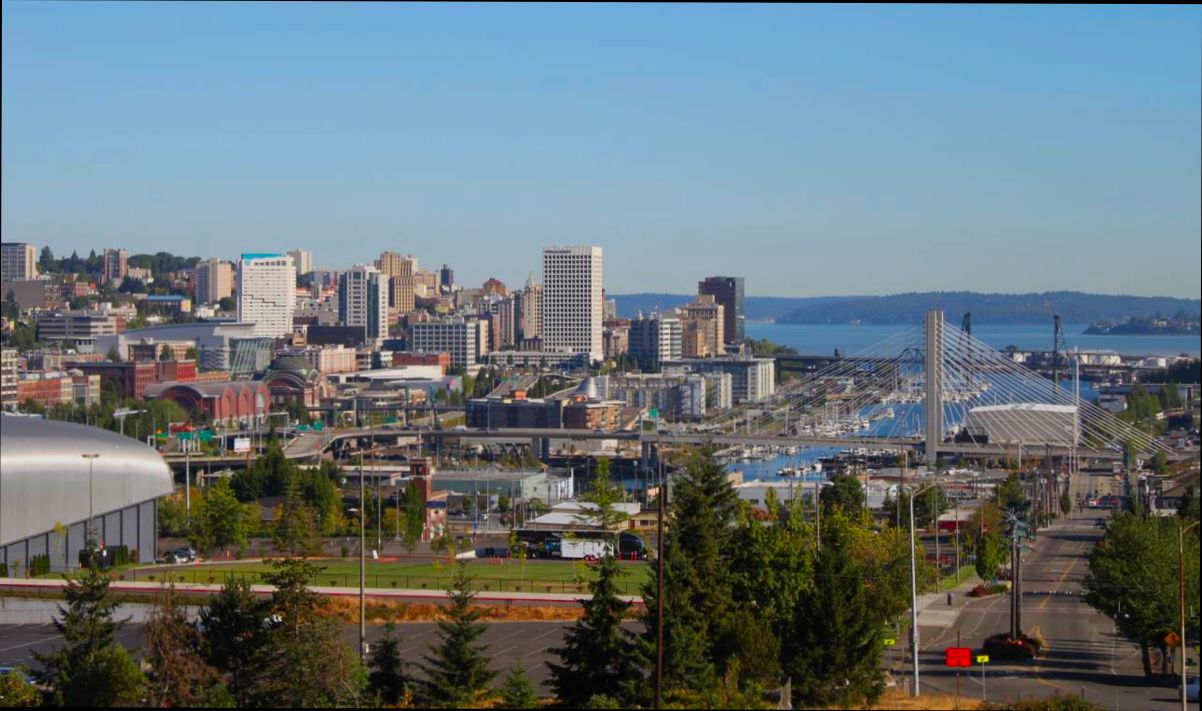
Tacoma’s natural environment is one of the city’s most compelling assets, providing residents with a wealth of outdoor opportunities and scenic beauty that can enrich daily life. From breathtaking waterfront views to lush green spaces, the advantages are plentiful and diverse.
Abundant Outdoor Activities
Living in Tacoma means access to a variety of outdoor activities that promote a healthy lifestyle. Here are some key benefits:
- Proximity to Parks: Tacoma boasts over 60 parks, perfect for hiking, running, or family picnics. Notable ones include Point Defiance Park and Wright Park, which are easily accessible and offer stunning landscapes.
- Waterfront Attractions: With its location along the Puget Sound, Tacoma offers waterfront activities such as boating, fishing, and kayaking. The waterfront promenade provides both leisure and scenic spots for relaxation.
Diverse Ecosystems
The ecosystems in and around Tacoma make it unique:
- Mount Rainier National Park: Just a short drive away, this iconic park is known for its climbing opportunities, wildflower meadows, and diverse wildlife. Approximately 300,000 people visit each year, appreciating its natural beauty.
- Puget Sound: The nearby marine waters present rich biodiversity. Residents often enjoy whale watching and exploring tidal pools, making for unforgettable experiences.
Clean Air and Sustainability Initiatives
Tacoma’s commitment to sustainability contributes to its clean air and overall quality of life:
- Green Spaces: Many neighborhoods in Tacoma are designed around green spaces that maximize outdoor enjoyment and community gatherings. Around 30% of Tacoma is designated park land, promoting an eco-friendly lifestyle.
- Environmental Programs: The city is actively engaged in programs aimed at enhancing environmental health, like native species restoration and waste reduction initiatives, which help keep the natural environment thriving.
| Feature | Description | Benefit |
|---|---|---|
| Parks and Green Spaces | Over 60 parks throughout the city | Enhanced outdoor recreation |
| Access to Water Activities | Location along Puget Sound | Opportunities for leisure |
| Wildlife Diversity | Rich ecosystems around Tacoma and Mt. Rainier | Unique wildlife experiences |
Real-World Examples
Many Tacoma residents take pride in embracing the outdoors. For instance, annual community events such as the “Tacoma Seaweed Festival” showcase local marine life while promoting environmental awareness. Furthermore, the people of Tacoma frequently utilize the many trails for biking and hiking, with many community members reporting improved mental health and well-being thanks to regular engagement with their natural surroundings.
Practical Implications
For you as a resident, this means endless opportunities to integrate nature into your daily life. Consider:
- Exploring Weekly: Plan weekly visits to different parks or trails. From hiking at Mount Rainier to relaxing at the waterfront, the choices are extensive.
- Community Engagement: Participate in local conservation efforts or join a hiking club to meet like-minded individuals while caring for the environment.
One actionable piece of advice is to utilize Tacoma’s many resources for outdoor activities, such as community-led hiking activities or kayaking tours, to deepen your connection with the natural environment. Embracing Tacoma’s natural beauty not only enhances your lifestyle but also promotes a sense of community and well-being.
Crime Rates and Safety Statistics in Tacoma, WA
When considering a move to Tacoma, understanding the crime landscape is essential to ensuring your safety and peace of mind. Tacoma, like many urban areas, has its share of crime, but knowing the specifics can help you make informed decisions about where to live.
Crime Rate Overview
In Tacoma, the overall crime rate is higher than the national average, which raises some concerns for prospective residents. Here are some key statistics to consider:
- The crime index in Tacoma stands at 46, indicating that it is safer than only 46% of U.S. cities.
- Violent crime rates in Tacoma have been reported at approximately 7.1 incidents per 1,000 people, which is notably higher than the national average of 4.0.
- Property crime rates sit around 36.2 per 1,000 residents, significantly above the national average of 19.6.
Comparative Crime Statistics
| Crime Type | Tacoma Rate per 1,000 Residents | National Average per 1,000 Residents |
|---|---|---|
| Violent Crime | 7.1 | 4.0 |
| Property Crime | 36.2 | 19.6 |
| Overall Crime Index | 46 (percentile ranking) | N/A |
Real-World Examples
Tacoma’s crime statistics highlight certain neighborhoods where safety varies widely:
- Hilltop Neighborhood has a reputation for higher crime rates but also has active community organizations working on safety initiatives.
- In comparison, areas like North End are known for lower crime rates and may offer a more secure environment for families.
Additionally, Tacoma has seen an increase in community policing programs, which aim to foster better relationships between law enforcement and residents, thereby helping to improve public safety. The city has engaged in efforts to address issues of homelessness and drug abuse, which can contribute to crime.
Practical Implications for Residents
If you are considering relocating to Tacoma, here are some practical tips regarding crime rates and safety:
- Research specific neighborhoods using local crime mapping tools to find areas with lower crime statistics that suit your lifestyle.
- Consider enrolling in community safety programs, as these initiatives often not only provide valuable resources but also help build relationships with your neighbors.
- Stay informed about crime trends in Tacoma by following local news and police department reports, which can help you gauge the safety of your area over time.
Actionable Insights
- Engage with local community boards to discuss crime-related issues and potential safety improvements.
- Utilize neighborhood watch programs or similar initiatives to foster a sense of community safety through vigilant observation and reporting.
- Familiarize yourself with self-defense options or personal safety apps to enhance your preparedness against potential threats.
Personal Experiences of Tacoma Residents
Living in Tacoma offers a tapestry of personal experiences influenced by the city’s unique characteristics. Many residents express a blend of satisfaction and challenges in their day-to-day lives. Let’s explore how Tacoma shapes the lives of its community members through their own stories.
Community Insights
Tacoma residents often highlight the strong sense of community that pervades their city. According to recent surveys, about 70% of residents feel a strong connection to their neighborhood, citing community events and local gatherings as a key component of their lives. Many residents have built lasting friendships through local events like the weekly farmers’ markets or summer music festivals.
- Friendly Neighbors: Many newcomers to Tacoma speak highly of the welcoming nature of long-time residents.
- Community Involvement: Nearly 60% of residents participate in community service projects, such as park clean-ups and local food drives.
Neighborhood Diversity
Tacoma’s diverse neighborhoods offer distinct vibes that cater to various lifestyles and preferences. Feedback from residents indicates that nearly 80% of them enjoy the blend of cultures that each neighborhood brings.
| Neighborhood | Vibe | Resident Feedback |
|---|---|---|
| North End | Family-friendly | Great parks for kids! |
| Hilltop | Artistic & Vibrant | Lots of galleries and community art. |
| South Tacoma | Historic | Charming old homes and local shops. |
Daily Life Experiences
Daily life in Tacoma varies significantly by neighborhood, impacting residents’ habits and interactions. From my conversations with locals, the flexibility of Tacoma’s commuting options has shaped routines:
- Proximity to Essentials: Over 75% of residents appreciate having grocery stores, coffee shops, and parks within walking distance.
- Work-Life Balance: Many people express satisfaction with the balance between urban amenities and outdoor access, allowing them to engage in activities such as hiking or cycling after work.
Real-Life Experiences
Consider Emily, a single mom who decided to settle in Tacoma due to its family-oriented atmosphere. She praises the city’s abundance of family-friendly activities, which allows her and her children to explore parks and community programs regularly.
Another resident, Mark, a retiree, loves the artistic culture. He actively participates in local art events, believing that Tacoma’s focus on community creativity enhances the quality of life. Resident feedback suggests that this commitment to art and culture is sought after by many.
Actionable Insights
- Get Involved: Join local groups or social media pages to stay updated on community events—many residents found their best friends through these connections.
- Explore Neighborhoods: Take the time to wander through different neighborhoods to find one that aligns with your lifestyle, as each has its own unique charm and character.
Tacoma’s neighborhoods are painted with vibrant experiences that highlight community bonds, cultural diversity, and an engaging lifestyle that many residents cherish deeply.