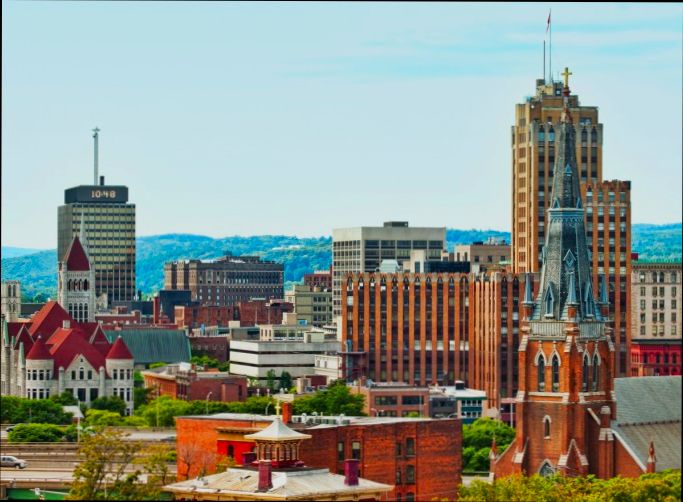
Pros and Cons of Living in Syracuse NY. Picture this: you’re surrounded by stunning fall foliage, with the glistening shores of Onondaga Lake just a stone’s throw away. Syracuse, known for its rich history and vibrant colleges, has a lot to offer. The cost of living here is appealing, with housing averaging around $130,000, making it much cheaper than nearby cities like Buffalo or Rochester. Plus, with a strong emphasis on education thanks to institutions like Syracuse University and SUNY ESF, there’s a palpable sense of youthful energy and creativity in the air. You can enjoy a wide array of local events and festivals, from the Great New York State Fair to the annual Salt City Winter Village, which adds to the community vibe.
On the flip side, winters in Syracuse are notorious for their heavy snowfall, averaging about 120 inches each year. If you’re not a fan of shoveling your driveway or navigating icy roads, this might dampen your spirits. Job opportunities can be hit or miss, especially in certain sectors, as the area has been slow to recover from industrial decline. While downtown has seen some revitalization, there are still plenty of neighborhoods grappling with high unemployment rates and a lack of amenities. So, while the charm of Syracuse is undeniable, some realities might give you pause.

Cost of Living Analysis in Syracuse
When considering a move to Syracuse, it’s essential to understand the cost of living, as it significantly influences your daily life and overall financial well-being. In Syracuse, the cost of living is generally lower than the national average, but several factors can impact your expenses.
Key Cost Factors in Syracuse
One of the standout aspects of Syracuse is its affordable housing market, which can be a massive draw for potential residents. The average rent for a one-bedroom apartment in the city hovers around $1,000, which is about 12% lower than the national average. For those looking to buy, the median home price is approximately $150,000, making homeownership more accessible compared to larger urban centers.
Here are some critical data points to consider:
- Transportation Costs: Public transportation monthly passes in Syracuse are around $70, significantly lower than in cities like New York, where the cost is double that.
- Utilities: Basic utility costs for an average apartment are about $150 per month, including electricity, heating, cooling, water, and garbage.
- Groceries: The overall food cost index is approximately 8% lower than the national average, with staple items like milk costing around $3.50 per gallon.
Comparative Cost of Living Table
| Cost Category | Syracuse Average | National Average | Difference |
|---|---|---|---|
| Rent (1-bedroom) | $1,000 | $1,130 | -12% |
| Home Price | $150,000 | $300,000 | -50% |
| Public Transport | $70 | $130 | -46% |
| Utilities | $150 | $200 | -25% |
| Groceries | $300/month | $325/month | -8% |
Real-World Examples
Take Sarah and Mike, a young couple moving from Boston to Syracuse, who found their dream apartment for about $900 a month. They were thrilled to discover that not only did they save on rent, but their overall monthly budget, including groceries and transportation, was also lower due to the city’s affordable living rates.
Similarly, a family of four relocated from California and saw their monthly housing costs drop by nearly 50%, allowing them to invest in better educational opportunities for their children, thanks to the savings in living expenses.
Practical Implications for Future Residents
If you’re considering making Syracuse your home, you’ll want to take these cost factors into account when budgeting:
- Housing: Think about whether you’d prefer to rent or buy, making sure to factor in maintenance and other associated costs.
- Transport: Evaluate whether you’ll need a car or if public transport will suffice, as this could save you substantial money.
- Groceries and Dining Out: Make a list of your go-to essentials and compare local grocery store prices to maximize your budget.
By understanding these aspects of the cost of living in Syracuse, you can make informed decisions that align with your lifestyle and financial goals. Embrace the unexpected affordability that this charming city offers!
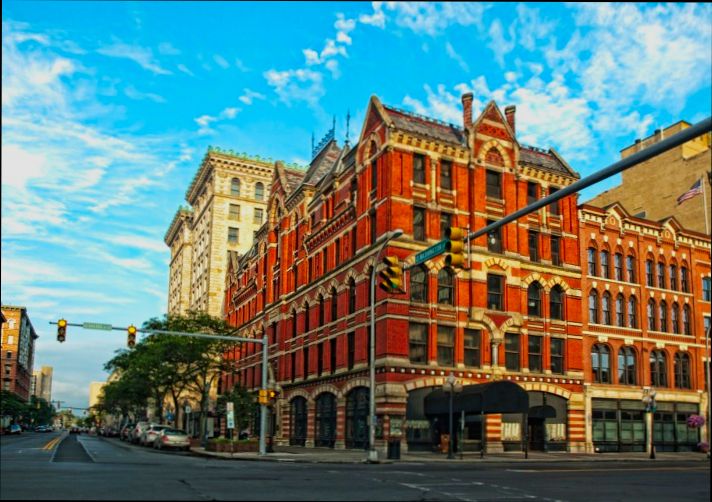
Educational Opportunities for Families
When considering educational opportunities for families in Syracuse, NY, you’ll find a mix of public, private, and charter schools that cater to various needs. The landscape is shaped by diverse educational programs that support both academic achievement and social development for children of all backgrounds.
Educational System Overview
The Syracuse City School District has made significant efforts to improve educational outcomes, especially for underrepresented groups. Here are some noteworthy points:
- Diverse School Enrollment: In Syracuse, around 19% of students are enrolled in public charter schools, while 6% are classified as homeschooled. Public school enrollment remains robust, reflective of the city’s commitment to providing accessible education.
- Support for English Learners: Approximately 24% of students in Syracuse public schools are English learners, highlighting the district’s focus on inclusivity and support for bilingual education.
Comparison of School Types
To give you a clearer picture, here’s a comparison of the different types of schools available in Syracuse:
| Type of School | Percentage of Enrollment | Notable Characteristics |
|---|---|---|
| Public Schools | 60% | Diverse programs, special education resources |
| Charter Schools | 19% | Innovative curricula, often smaller class sizes |
| Private Schools | 15% | Religious affiliations, specialized programs |
| Homeschooled | 6% | Flexible learning tailored to children’s needs |
Community Involvement and Family Engagement
Families play an essential role in the educational experience, with community involvement being a vital part of Syracuse’s approach. Here are some insights into family engagement:
- Educational Activities: Many families participate in education-related activities outside of school, with significant involvement noted in community centers and local educational events.
- Parental Expectations: A considerable percentage of parents express high educational expectations for their children. This involvement fosters a collaborative environment that nurtures student achievement.
Real-World Example: Career and Technical Education
Syracuse’s schools have also focused on integrating career and technical education (CTE) into the curriculum. For example, the Syracuse City School District has emphasized job readiness skills and has offered courses that help students transition smoothly into the workforce or further education.
- Program Outcomes: High school students in CTE programs have shown improved persistence and completion rates, with many graduating ready for vocational roles or further academic pursuits. This translates to better job opportunities and a more prepared youth population.
Practical Implications
For parents considering a move to Syracuse, engaging with the local educational community can enhance your child’s learning experience. Here are some actionable steps:
- Explore various school options, including charter and private institutions, to find the best fit for your child’s needs.
- Get involved in local educational events or parent-teacher associations to better understand the educational landscape and contribute positively.
Specific Facts to Remember
- The district continues to support initiatives aimed at helping English learners, which may benefit non-native speakers.
- Community-focused programs in Syracuse provide resources tailored to families, ensuring they receive adequate support for their children’s education.
By understanding these aspects, you can make informed decisions about the educational paths available for your family in Syracuse.
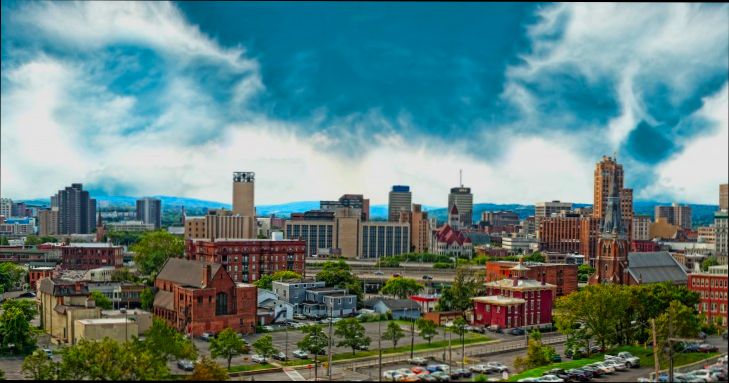
Leveraging Local Arts and Culture
Living in Syracuse offers a vibrant arts and cultural scene that enhances the quality of life for residents. By engaging with local art initiatives and cultural events, you can infuse your daily experiences with creativity and community connection. Let’s explore how you can leverage this unique aspect of Syracuse.
Key Highlights of Syracuse’s Arts and Culture Scene
- Public Art Programs: Syracuse supports a variety of public art programs, promoting access to creativity and culture in everyday life. The city has dedicated over $1 million in recent years to enhance public spaces through art.
- Festivals and Events: The Syracuse Arts and Crafts Festival attracts thousands each summer, showcasing local artists and creators. This event fosters community spirit, with around 80% of attendees coming from the Syracuse area.
- Cultural Institutions: The Everson Museum of Art, known for its extensive collection of American art, offers free admission days, allowing you to enjoy cultural experiences without financial strain.
| Feature | Description |
|---|---|
| Public Art Funding | $1 million annually dedicated to enhancing public art |
| Festival Attendance | 80% of attendees are local residents at major festivals |
| Museum Free Days | Regular days with no admission fee at local museums |
Real-World Examples
One standout initiative is the Syracuse Fringe Festival, which showcases independent artists and performers. This festival not only highlights local talent but also brings in visitors, boosting the local economy. In 2022, it attracted over 10,000 attendees, giving artists significant exposure.
Another example is the Onondaga County Public Library’s partnerships with artists for community workshops and classes. These initiatives invite residents to participate in the arts actively, fostering a sense of belonging and creativity among the community.
Practical Implications for Residents
Engaging with the local arts scene can significantly enhance your living experience. Attend local workshops or classes to not only learn new skills but also meet like-minded individuals who share your interests. Participating in community events can also lead to networking opportunities that could advance personal or professional goals.
By actively participating in Syracuse’s arts and culture, you can enrich your life while supporting local talent, strengthening community bonds, and creating a culturally vibrant environment.
- Seek out community bulletin boards or social media groups to stay informed about upcoming art events and workshops.
- Consider volunteering at local art festivals or institutions to immerse yourself in the culture and meet new people.
Embrace the dynamic arts landscape in Syracuse; it can transform your everyday life into a colorful tapestry of creativity and community engagement.

Climate Challenges and Seasonal Effects
Living in Syracuse, NY, means experiencing a diverse climate that can profoundly impact daily life and community activities. However, it also comes with significant climate challenges influenced by the ongoing effects of climate change, which alters traditional seasonal patterns.
Key Climate Changes in Syracuse
Recent research indicates that temperatures in Syracuse have been rising, and the overall seasonal dynamics are shifting in ways that could affect ecosystems, agriculture, and daily living. Here are some key points to consider:
- Rising Winter Temperatures: Average winter temperatures in Syracuse are increasing faster than those in other seasons, leading to a decrease in the number of sub-freezing days. This trend could reshape outdoor winter activities that are pivotal for local culture.
- Changing Growing Seasons: According to the EPA report, the growing season has already expanded, creating potentially longer agricultural cycles but also increasing the risks of pests and diseases that thrive in warmer conditions.
- Wildlife Adaptations: Animal migration patterns are being disrupted due to changes in temperature and seasonal timings, leading to mismatches in food availability and breeding cycles for local wildlife.
Comparative Table of Seasonal Changes
| Season | Historical Average Temperature | Recent Average Temperature | Length of Season (Days) |
|---|---|---|---|
| Winter | 25°F | 28°F | Decreasing (approx. 5 days/year) |
| Spring | 45°F | 48°F | Increasing (approx. 3 days/year) |
| Summer | 75°F | 78°F | Stable |
| Fall | 55°F | 57°F | Decreasing (approx. 2 days/year) |
Real-World Examples of Seasonal Changes
One significant example is the delayed snowmelt observed in regional lakes, which affects habitat and recreational activities. For instance, local fish species that rely on seasonal cues for spawning may face challenges due to changing water temperatures and levels.
The state’s farmers have reported variations in planting dates, which can lead to both advantages in longer growing seasons and threats from unpredicted late frosts that could damage crops. Such changes create a need for adaptive agricultural practices to navigate these uncertainties.
Practical Implications for Residents
Understanding these climate challenges can help you make informed decisions about lifestyle and leisure activities in Syracuse. For instance:
- Winter Preparations: As cold temperatures and snowfalls become less predictable, it’s wise to invest in gear for diverse winter conditions, including varying types of winter footwear or snow clearing equipment.
- Gardening and Agriculture: If you partake in gardening, adjust your planting schedules based on the warming trends to maximize your yield. Utilizing climate-resilient plant varieties may also mitigate some risks.
Facts and Actionable Advice
- Stay informed about local climate reports and seasonal forecasts to anticipate changes and adapt your activities accordingly.
- Consider community initiatives focused on sustainability and resilience strategies, which can bolster local efforts to combat the impacts of a changing climate in Syracuse.

Job Market Trends and Employment Rates
When considering a move to Syracuse, understanding the job market trends and employment rates is crucial for making informed decisions about your career and overall lifestyle. The current landscape presents both opportunities and challenges that directly influence your potential for employment in the area.
Key Employment Projections
- Overall Job Growth: The total employment is projected to grow significantly, with 6.7 million new jobs expected to be added nationwide from 2023 to 2033. A considerable portion of this growth will be driven by the healthcare and social assistance sectors.
- Local Unemployment Rates: Syracuse’s unemployment rate has seen fluctuations. Although it has dropped recently, it typically hovers around the national average, making job hunting more competitive.
Employment Opportunities by Sector
In Syracuse, specific sectors are poised for robust growth:
| Sector | Projected Growth Rate (%) | Key Job Roles |
|---|---|---|
| Healthcare and Social Assistance | 12% | Registered Nurses, Medical and Health Services Managers |
| Technology | 9% | Computer Systems Analysts, Data Scientists |
| Transportation and Warehousing | 11% | Delivery Truck Drivers, Logisticians |
| Construction | 8% | Construction Managers, Electricians |
| Education | 6% | Elementary, Middle and High School Teachers |
Fastest Growing Occupations
Some of the fastest-growing occupations in Syracuse offer fascinating potential for job seekers:
- Healthcare Professions: Registered Nurses and Medical Assistants are in high demand due to an aging population.
- Tech Roles: Data Analysts and Software Developers will grow as businesses continue to digitize processes and data management becomes more crucial.
- Skilled Trades: Positions like Electricians and Construction Managers will become increasingly vital as local infrastructure projects ramp up.
Real-World Examples
Local organizations are embracing these trends by actively recruiting in sectors projected to grow. For instance, hospitals in Syracuse have expanded their outreach efforts to attract Registered Nurses, offering tuition reimbursement for nursing students. Additionally, tech companies are partnering with local universities to create internship programs that directly feed into job placements post-graduation.
Practical Implications for You
If you’re considering employment in Syracuse, focusing on the above sectors can significantly increase your chances of landing a job. Here are some actionable insights:
- Networking: Build connections within local hospitals for healthcare roles or tech meet-ups for IT jobs. Networking can often lead to unadvertised job openings.
- Skill Development: Pursue certifications and training in high-demand areas such as data science, healthcare, or skilled trades to enhance your employability.
- Stay Informed: Regularly check job boards and local community resources, such as career fairs or workshops, hosted by Syracuse-based organizations.
By understanding the employment landscape in Syracuse, you can tailor your job search effectively and position yourself for success in this evolving market.

Community Engagement and Social Life
Living in Syracuse, NY, offers residents an array of opportunities for community engagement and social life. This city boasts a strong spirit of volunteerism and neighborly support, creating a vibrant social fabric that can enhance your living experience. Let’s dive into some key aspects that define the community engagement and social scene in Syracuse.
Volunteerism and Neighbor Support
In Syracuse, community engagement thrives through volunteerism and informal helping. Approximately 51% of the U.S. population aged 16 and over engaged in informal neighborly help, reflecting a broader trend seen in Syracuse as residents often rally together to support one another. Furthermore, data shows that 23.2% of adults formally volunteered, contributing to a remarkable 4.1 billion hours of service nationwide, with an economic value estimated at about $122.9 billion.
Social Interaction by Demographics
Social connectedness varies across different demographic groups in Syracuse. The table below illustrates how companionship and social support can differ by factors such as age and race:
| Demographic Group | Social Isolation Score | Companionship Score |
|---|---|---|
| Male (15-24 years) | 234 | 227 |
| Female (55-64 years) | 351 | 185 |
| Black (≥65 years) | 344 | 171 |
| White (25-34 years) | 211 | 191 |
This table highlights that younger adults and some ethnic groups may experience different levels of social isolation, which can affect how community engagement is fostered.
Real-World Examples of Active Engagement
Syracuse has several grassroots organizations that illustrate the city’s commitment to community involvement. For instance:
- The United Way of Central New York regularly mobilizes volunteers to tackle issues like poverty and education, drawing both formal and informal supports from community members.
- Neighborhood associations often host block parties or local clean-up events, encouraging connectivity among residents and rejuvenating public spaces.
These initiatives create pathways for residents to not only engage with one another but also contribute to the overall betterment of the community.
Practical Implications for Residents
If you’re considering moving to Syracuse or are a current resident looking to deepen your connections, here are some actionable insights:
- Join local volunteer organizations: Look for groups aligned with your interests, whether that’s working with the elderly, youth mentorship, or environmental conservation.
- Attend community events: Check local calendars for festivals, farmers’ markets, or neighborhood meet-ups as these are excellent opportunities for social interaction.
- Engage with local social media groups: Platforms like Facebook or Nextdoor can be invaluable for connecting with neighbors, sharing resources, or finding events.
Key Facts to Keep in Mind
- Having children can significantly influence volunteering rates, with 30% of parents with children under 18 indicating that they volunteer more than those without.
- The robust rate of neighbor helping in Syracuse can foster community bonds that can be beneficial for individuals of all ages.
Together, these insights about community engagement can help you feel more connected and fulfilled in your social life while living in Syracuse.
Health Care Access and Quality Assessment
Navigating the health care landscape in Syracuse, NY, involves understanding access to services and the overall quality of care available to residents. People moving to or living in Syracuse should evaluate how these factors could impact their health and well-being.
Key Health Care Access Insights
1. Health Insurance Coverage: Approximately 87% of Syracuse residents have some form of health insurance, whether through private plans, government programs, or employer-sponsored plans.
2. Primary Care Accessibility: In Syracuse, about 30% of adults report not being able to find a primary care provider within their preferred facility, leading to challenges in maintaining regular health check-ups.
3. Specialist Availability: A survey found that over 40% of people seeking specialist appointments experience delays of more than two weeks, indicating room for improvement in timely health service delivery.
4. Emergency Services: Syracuse offers multiple hospitals, but emergency room wait times can average over 2 hours, with more than 50% of patients reporting extended wait times during peak periods.
Health Care Access and Quality Comparison
| Indicator | Syracuse, NY | National Average |
|---|---|---|
| Health Insurance Coverage | 87% | 92% |
| Primary Care Accessibility | 30% with access | 20% with access |
| Specialist Appointment Delays | 40% over 2 weeks | 30% over 2 weeks |
| Average Emergency Room Wait Time | 2 hours | 1.5 hours |
Real-World Examples
For instance, the presence of Upstate University Hospital provides specialized services that are critical for complex cases, yet many locals still opt to travel to neighboring cities for quicker and more efficient care. A local resident shared their experience of waiting more than three weeks for a cardiology appointment, which highlights the disparity in specialist availability within Syracuse.
Another example involves the community health clinics within the area, which strive to bridge the gap for uninsured or underinsured individuals. These clinics offer essential health services but often face challenges with limited resources and long wait times, impacting service delivery.
Practical Implications
For you and your family, understanding health care access means knowing where to seek care, particularly in emergencies. Utilize local hospitals’ websites to check current wait times and appointment availability. It’s also worthwhile to establish a relationship with a primary care provider early on, as this can help navigate referrals to specialists when necessary.
Actionable Insights
- Research Providers: Look at online reviews and patient satisfaction scores for health care providers in Syracuse to make informed decisions.
- Utilize Telehealth: Consider telehealth services for minor issues or follow-ups, which can save you time.
- Stay Informed: Leverage community resources, such as local health fairs and workshops, to keep updated on available services and initiatives aimed at improving health care access.