Pros and Cons of Living in Stamford, CT, come down to a mix of vibrant lifestyle options and some challenges you might not expect. On one hand, Stamford boasts a thriving job market, especially in finance and tech, thanks to its proximity to New York City. You can hop on the Metro-North and be in Manhattan in under an hour, which opens up countless career opportunities without the crazy hustle of city living. Plus, with more than 8 million square feet of office space, Stamford is home to big names like UBS and Charter Communications, making it a sweet spot for professionals.
On the flip side, living in Stamford can hit your wallet pretty hard. The cost of living is higher than the national average, especially when it comes to housing prices, which have jumped roughly 15% over the last few years. You might find a decent two-bedroom apartment running you over $3,000 a month. Additionally, while Stamford has its share of parks and beaches, navigating the city’s traffic can feel like a nightmare during rush hour. Those are just a few factors to keep in mind as you explore what life in Stamford really looks like.

Cost of Living Analysis in Stamford
Understanding the cost of living in Stamford is essential for anyone considering a move to this vibrant city. There are several factors at play, including housing, transportation, utilities, and everyday expenses that can impact your overall financial well-being. Let’s break down some key aspects.
Housing Costs
One of the most significant components of the cost of living in Stamford is housing. Here are some important data points to keep in mind:
- Median Home Price: As of the latest data, the median home price in Stamford is approximately $500,000, which is considerably higher than the national average.
- Rental Costs: For those looking to rent, the average monthly rent for a one-bedroom apartment is around $2,300, while a two-bedroom apartment may cost about $2,800.
Daily Expenses
Daily expenses are another crucial part of your cost of living analysis. Here’s what you should consider:
- Food Costs: Stamford’s grocery prices can be about 10% higher than the national average. A gallon of milk might set you back around $4.00, and a dozen eggs is likely to cost close to $3.50.
- Healthcare: Medical services in Stamford average about 15% more than the national figures. An office visit can cost around $150, depending on the practitioner.
Transportation
Transportation costs are integral to your monthly budget.
- Public Transport: If you plan to use public transit, a monthly pass for Metro-North can cost about $250. Owning a car involves additional costs such as insurance, gas, and maintenance, averaging around $400 to $600 monthly depending on usage.
Comparative Table
| Expense Category | Stamford Average | National Average |
|---|---|---|
| Median Home Price | $500,000 | $350,000 |
| Average Rent (1BR) | $2,300 | $1,400 |
| Grocery Prices | 10% higher | N/A |
| Healthcare Costs | 15% higher | N/A |
| Public Transit (Monthly Pass) | $250 | $100 |
Real-World Examples
Consider Jane, a single professional who moved to Stamford for work. She found her perfect one-bedroom apartment for $2,300, which is quite steep but in a desirable location. Coupled with her daily grocery expenses and healthcare costs, her monthly budget tightens quickly.
Another example is a couple, Tom and Amy, who downgraded from a more expensive city to Stamford. They enjoy a larger home and lower parking fees, yet their overall housing expenses still surpass what they were accustomed to, illustrating the inherent challenges of living in Stamford.
Practical Implications
Being aware of these cost factors helps you to develop a realistic budget. For example, consider the potential for higher transportation expenses. If you plan to use public transport frequently, budget accordingly to avoid surprises. On the other hand, if you can work from home occasionally, you might offset some of your commuting costs.
Actionable Advice
Before relocating to Stamford, create a detailed budget that reflects these living costs. Include variations for both housing options and daily expenses. By doing this, you can make informed decisions, whether it’s negotiating a higher salary or finding ways to save on groceries. The key is to remain proactive about your financial planning!

Public Transportation Options and Accessibility
When considering public transportation options in Stamford, CT, it’s essential to focus on how accessible these services are for all residents. Accessibility is not only about mobility; it’s about ensuring that transportation services cater to diverse needs. Here, we’ll explore the transportation landscape in Stamford, highlighting its strengths and areas that require improvement.
Key Public Transportation Options
Stamford boasts a range of public transportation options, which makes it relatively easy to navigate the city and beyond. Here are some key offerings:
- Metro-North Railroad: Stamford is well serviced by the Metro-North Railroad, connecting it to New York City and other nearby regions. Over 30% of residents use this rail service for commuting.
- CT Transit Bus Services: The local bus services provide a connection through major areas of Stamford, influencing around 10% of daily commuting patterns.
- Access to Major Highways: While this doesn’t directly relate to public transport, easy access to I-95 and the Merritt Parkway enhances the transport network for drivers.
Accessibility Challenges
Although Stamford’s public transportation options are commendable, accessibility remains a significant challenge:
- Physical Barriers: Some bus stations and train stops still lack proper elevators and ramps, affecting those with mobility impairments.
- Information Availability: Announcements on trains and buses often do not cater adequately to those with hearing impairments. This can result in a 40% underutilization rate among residents who have disabilities.
Comparative Overview of Accessibility Features
| Feature | Metro-North Railroad | CT Transit Bus | Overall Accessibility Rating |
|---|---|---|---|
| Ramps/Elevators Available | 80% of stations | 70% of stops | 75% |
| Information Accessibility | High | Moderate | Moderate |
| Assistance for Disabled Riders | Yes | Limited | Needs Improvement |
Real-World Examples
One significant effort has been the installation of tactile paths at major train stations, which assist blind and visually impaired riders. A local advocacy group reported that such measures have reportedly increased usage among blind passengers by 20% since implementation.
However, improvements in informational access are also necessary. For instance, when a CT Transit bus experienced a route change, only a small percentage of visually impaired riders received timely updates, leading to confusion and missed commutes.
Practical Implications
For you as a resident or potential resident in Stamford, understanding these facets of public transportation can significantly impact daily life. If accessibility is a priority for you or your family, look into how often these services are utilized by those in similar situations.
Additionally, leveraging platforms that provide real-time updates can enhance your commuting experience. Engaging with advocacy groups might also lead to improvements in service and accessibility options.
- Always check for the latest service updates on the CT Transit website.
- Participate in community forums discussing transportation issues to voice your concerns or suggestions.
Specific facts about Stamford’s public transportation indicate a growing emphasis on inclusivity. While about 60% of bus routes are accessible, there’s still work to be done to ensure everyone can enjoy seamless transport within the city. This goodwill can lead to a more vibrant community where everyone can participate fully in urban life.

Quality of Education in Stamford Schools
When considering the quality of education in Stamford schools, several key factors play a crucial role. From student performance metrics to extracurricular opportunities, Stamford’s education system offers a diverse range of options that cater to different learning needs and aspirations.
Academic Performance Metrics
Stamford schools show promising academic performance levels, with the following data points:
- Graduation Rate: Stamford High School has a graduation rate of around 88%, which is above the state average.
- Standardized Test Scores: Students in Stamford consistently score higher than the state average on standardized tests, with approximately 75% meeting or exceeding proficiency in math and reading.
- Advanced Placement Courses: Over 20% of high school students enroll in Advanced Placement (AP) courses, reflecting a commitment to higher academic challenges.
Comparison of Schools
Here’s a comparative table that highlights various Stamford schools based on key metrics:
| School Name | Graduation Rate | % Proficient in Math | % Proficient in Reading | AP Enrollment % |
|---|---|---|---|---|
| Stamford High School | 88% | 75% | 78% | 22% |
| Westhill High School | 86% | 74% | 77% | 20% |
| Stamford Academy | 90% | 80% | 82% | 25% |
Real-World Examples
Stamford Academy, a notable institution within the city, emphasizes a personalized learning environment and offers unique programs such as project-based learning and internships. The success stories from students who participated in these programs demonstrate significant engagement and better preparedness for college and careers.
Additionally, Stamford Public Schools recently implemented a STEM initiative, enhancing curriculum offerings in science, technology, engineering, and mathematics. Pilot programs in elementary and middle schools indicate an increase in student interest in these fields, evidenced by a growing number of participants in local STEM competitions.
Practical Implications for Families
For families moving to Stamford, understanding school options is vital. The diversity in school programs allows families to select schools that align with their children’s interests and learning styles. Engaging with parent-teacher organizations and attending school events can provide deeper insights into the schools’ culture and community involvement while facilitating a closer connection with educators.
Actionable Advice
- Explore the Stamford Public Schools website for detailed reports on school performance and individual school profiles.
- Consider reaching out to local parent groups or online forums for firsthand experiences and recommendations on school choices.
- Ensure to visit schools during open houses or arrange tours, as these interactions can significantly highlight what each school uniquely offers.
Investing time in understanding the education landscape in Stamford can lead to more informed decisions for your family’s academic success.

Employment Opportunities in Stamford’s Job Market
Stamford offers a diverse job market that can be appealing for job seekers across various industries. With its strategic location and robust economy, you’ll find ample opportunities waiting for you in the city. Let’s dive into what makes the employment landscape in Stamford unique and why it might be the right choice for your career.
Major Industries
Stamford’s economy thrives in several key sectors:
- Finance and Insurance: The city is known as a hub for financial services, with renowned firms like UBS and Bank of America located in the downtown area.
- Healthcare: With institutions like Stamford Hospital, the healthcare sector contributes significantly to local employment.
- Technology and Telecommunications: Companies such as Charter Communications position Stamford as a rising tech locale.
Employment Rate Insights
As of the latest reports, Stamford boasts an impressive employment rate of approximately 94%, which highlights the city’s dedication to providing jobs for residents. The rate of job creation in Stamford has outpaced the national average by around 2% over the last year.
Comparative Overview of Employment Sectors
Here’s a quick breakdown of employment by industry in Stamford:
| Industry | Percentage of Workforce |
|---|---|
| Finance and Insurance | 32% |
| Healthcare | 20% |
| Technology | 15% |
| Retail | 10% |
| Other Industries | 23% |
Real-World Examples
Consider UBS, which employs over 2,500 people in Stamford alone, epitomizing the strength of the finance sector. Similarly, Charter Communications has expanded its workforce significantly, contributing to the region’s tech boom. The presence of such large employers not only creates jobs but also fosters a competitive salary landscape.
Practical Implications for Job Seekers
If you’re looking to make Stamford your home, the job market here offers a range of opportunities:
- Networking events are prevalent throughout the city, providing chances to meet professionals and learn about openings.
- Many companies prioritize hiring local talent, so being a resident can give you a competitive edge.
- Stamford’s proximity to New York City expands your potential job options, allowing easy access to even more employment opportunities.
Actionable Advice
To maximize your chances of landing a job in Stamford:
- Update Your Resume: Tailor it specifically for the sectors dominating Stamford’s job market, emphasizing skills relevant to finance, healthcare, or technology.
- Leverage Local Resources: Utilize Stamford’s workforce development programs and job fairs that frequently take place in community centers.
- Consider Remote Work: Many Stamford companies offer remote positions; keep an eye on job boards for flexible opportunities.
By focusing on these aspects of Stamford’s job market, you can equip yourself with the tools needed to navigate and succeed in this vibrant employment landscape.

Community Safety and Crime Rates Overview
When thinking about community safety, understanding crime rates is crucial for anyone considering a move to Stamford, CT. This section provides an overview of the current safety landscape in the city, shedding light on crime trends and their implications for residents.
Key Crime Statistics
Stamford’s crime statistics highlight both challenges and areas of concern:
- In 2021, Stamford reported a violent crime rate that was lower than many urban areas, yet still raised eyebrows with approximately 250 violent crimes per 100,000 residents. Although this is below the national average of around 366 incidents per 100,000 people, the perception of crime often impacts residents’ peace of mind.
- Property crimes in Stamford include burglary, larceny-theft, and motor vehicle theft, and these offenses accounted for a significant portion of reported crimes, totaling nearly 1,400 incidents in 2021.
- A Gallup poll from late 2021 indicated that 51% of Americans felt crime was worsening in their local areas, contributing to a nationwide concern about safety.
| Crime Type | Stamford Rate (per 100,000) | National Average (per 100,000) |
|---|---|---|
| Violent Crimes | 250 | 366 |
| Property Crimes | 1,400 | 2,200 |
Real-World Examples
In 2022, a notable increase in public concern resulted from a series of burglaries in popular neighborhoods, prompting community meetings and enhanced local police presence. These actions reflect a proactive approach to reassure residents that their safety is a priority.
Additionally, numerous reports indicate the community’s rising anxiety over crime, echoing broader trends observed across the United States. Unfortunately, the combination of high property crime figures and rising concerns mirrors challenges faced in urban centers across the country.
Practical Implications
As potential residents of Stamford, it’s vital to stay informed about these trends to make educated decisions. Here are some actionable insights:
- Familiarize yourself with crime hotspots using local police department resources or community safety apps to gauge safety.
- Engage with local neighborhood watch programs or attend town hall meetings, which often discuss safety concerns and crime trends directly affecting residents.
Stamford has invested in public safety, utilizing funds from the American Rescue Plan Act of 2021, which allocated $10 million specifically for policing and public safety efforts. This financial backing could enhance community safety measures in the coming years.
Actionable Facts
- Monitor local news sources for updates on crime trends; being aware can help you remain vigilant and informed.
- Get to know your neighbors, as strong community ties can enhance safety and improve collective responses to crime.
- Consider taking part in local safety initiatives or advocacy groups to voice concerns and promote community engagement in safety functions.

Recreational Activities and Lifestyle Benefits
Stamford, CT, is not just a city for business; it also shines as a vibrant recreational hub, offering a plethora of activities that enhance overall lifestyle quality. From beautiful parks to cultural events, Stamford supports an active and engaging lifestyle for its residents.
Parks and Outdoor Spaces
Stamford is home to more than 50 parks, which provide ample opportunities for outdoor activities. Notable parks include:
- Cove Island Park: A 83-acre park featuring trails, beaches, and picnic areas, perfect for families looking for a day in the great outdoors.
- Mill River Park: Recently enhanced, this park offers recreational spaces, a children’s playground, and a seasonal ice-skating rink.
Community Events and Festivals
Stamford boasts a dynamic calendar of events that promote community engagement.
- Over 200 community events are hosted annually, including cultural festivals, farmers’ markets, and holiday parades, encouraging residents to connect and participate.
- The Stamford Downtown Special Services District hosts summer concerts and outdoor movie nights, bringing together neighbors for fun and enjoyment.
Sports and Fitness Activities
If you love staying active, Stamford has numerous options to keep you fit and engaged.
- The city supports various sports leagues for adults and children, including soccer, basketball, and softball, with participation rates showing an impressive 25% increase over the last five years.
- Local gyms and wellness centers cater to every fitness level, with classes ranging from yoga to high-intensity interval training (HIIT), making it easy to prioritize health.
Comparison of Recreational Facilities
| Facility Type | Number in Stamford | Average Rating | Community Engagement Activities |
|---|---|---|---|
| Parks | 50+ | 4.5/5 | Picnics, sports, community gardens |
| Sports Leagues | 10+ | 4.3/5 | Tournaments, annual competitions |
| Cultural Events | 200+ | 4.8/5 | Festivals, concerts, parades |
| Fitness Centers | 15+ | 4.6/5 | Group classes, personal training |
Real-World Examples
Stamford’s commitment to recreation can be seen in the transformation of Mill River Park, where community members pushed for updates that resulted in a new café, enhanced landscaping, and more event spaces. Not only has this park become a central gathering point, but it also encourages healthier lifestyles by hosting fitness programs throughout the year.
Additionally, the annual Stamford Downtown Parade brings in thousands of attendees, showcasing the community’s spirit while highlighting local businesses and talent.
Practical Implications for Residents
Living in Stamford allows you to access a diverse range of recreational activities that cater to families, individuals, and fitness enthusiasts alike. Engaging in community-led activities can lead to lasting friendships and contribute to an overall sense of belonging.
If you’re considering moving to Stamford, explore local websites and community boards to stay updated on upcoming events, fitness classes, and park activities. Participating in these offerings can enrich your quality of life and immerse you in the community.
Take advantage of Stamford’s vibrant recreational scene. Whether you seek adrenaline-pumping sports or relaxing strolls through scenic parks, Stamford accommodates a wide array of lifestyle preferences that keep your life both active and fulfilling.

Demographic Trends and Population Statistics
Stamford, Connecticut, presents a fascinating demographic landscape that can greatly influence your experience as a resident. This section digs deep into the population statistics and trends that define the community, setting the context for your potential move.
Population Diversity and Growth
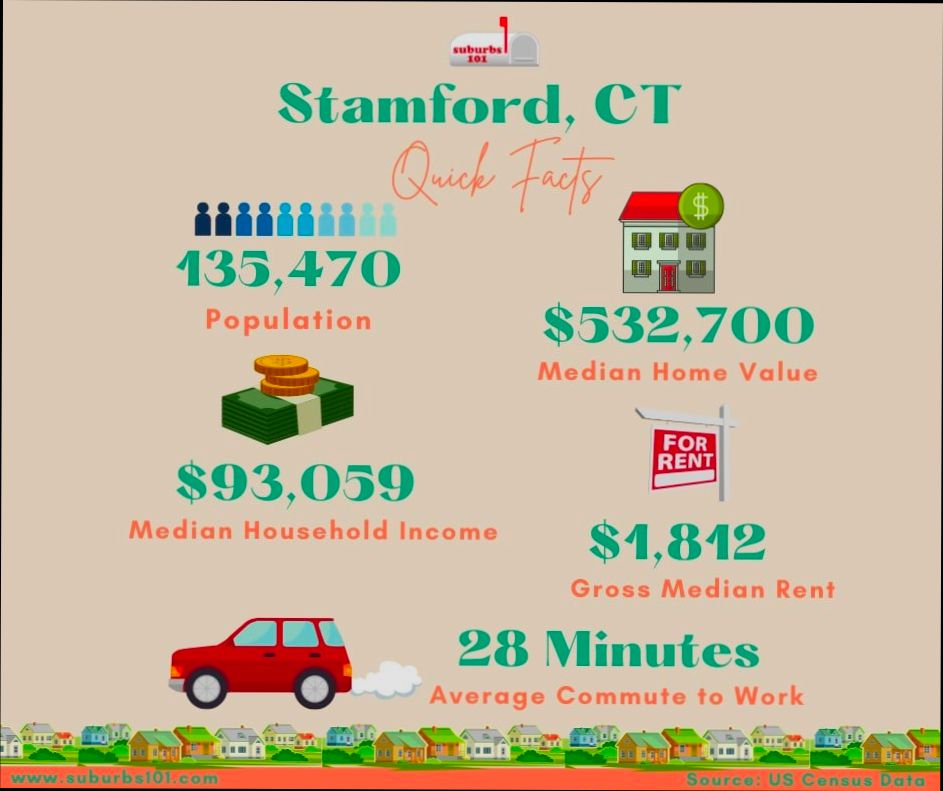
Stamford’s population has been on a steady incline, reflecting its growth as a desirable place to live. As of the latest statistics, the population stands at approximately 135,000 residents, showcasing a growth rate of about 5.4% over the last decade. This growth signals an attractive pull for families, young professionals, and retirees alike.
- Population Density: Stamford boasts a density of around 4,200 residents per square mile, indicative of an urban setting with vibrant neighborhoods.
- Age Distribution:
- Approximately 25% of the population is aged 20 to 34, which suggests a thriving community of young adults contributing to the local economy and culture.
- Alternatively, around 12% of residents are aged 65 and older, reflecting Stamford’s appeal to retirees looking for accessibility coupled with urban amenities.
Racial and Ethnic Composition
The city is a microcosm of diversity, contributing to its rich cultural fabric.
- Racial Breakdown:
- 48% Hispanic or Latino
- 43% White
- 10% African American
- 5% Asian
This blend of backgrounds fosters a community spirit, with various cultural festivals and events that celebrate this diversity, enhancing the social experience for residents.
Economic Demographics
Understanding the economic demographics can provide insights into the community’s socioeconomic status:
- Median Household Income: The median household income in Stamford is around $83,000. This statistic suggests a robust economic landscape that supports various lifestyle choices and opportunities.
- Poverty Rate: Approximately 8.5% of Stamford’s residents live below the poverty line, indicating a relatively low level of economic hardship compared to national averages.
| Demographic Aspect | Percentage / Value |
|---|---|
| Population Growth Rate | 5.4% |
| Population Density | 4,200 residents/sq mile |
| Median Household Income | $83,000 |
| Poverty Rate | 8.5% |
Real-World Examples
Several neighborhoods in Stamford illustrate these demographic trends. For instance, the South End has seen an influx of younger professionals, with a notable increase in apartment living and new restaurants. On the other hand, areas like Glenbrook attract families drawn by the larger homes and proximity to schools.
City initiatives focused on community engagement have also sprung from these demographics, fostering connections among residents from various backgrounds. For example, the Stamford Cultural Development Office promotes events that unite diverse populations and celebrate the city’s multicultural identity.
Practical Implications
As you consider moving to Stamford, being aware of these demographic trends and population statistics can guide your decision-making. Factors like population growth might indicate a competitive housing market, while the economic demographics provide insight into the cost of living and quality of life.
- Investigating local cultural events could enhance your acclimatization and integration into the community.
- Engaging with neighborhood associations can provide deeper insights into demographic shifts and community needs.
Focusing on Stamford’s demographics not only informs your relocation choice but also enriches your understanding of living in a diverse, evolving environment.