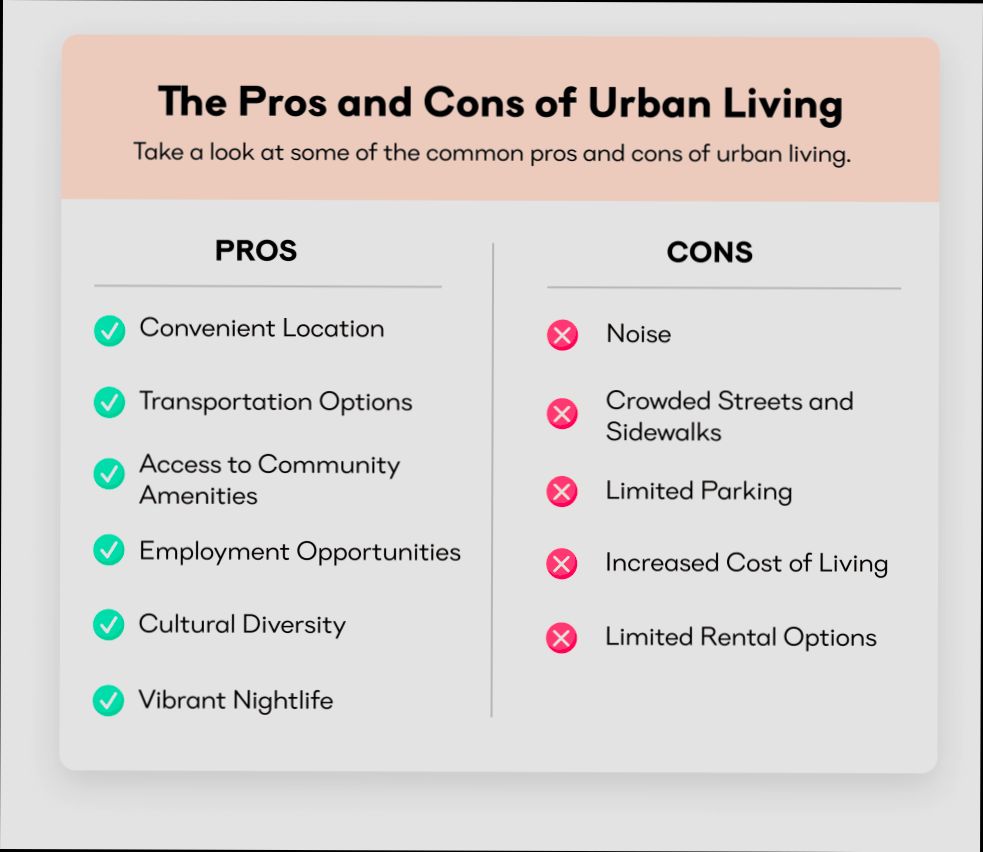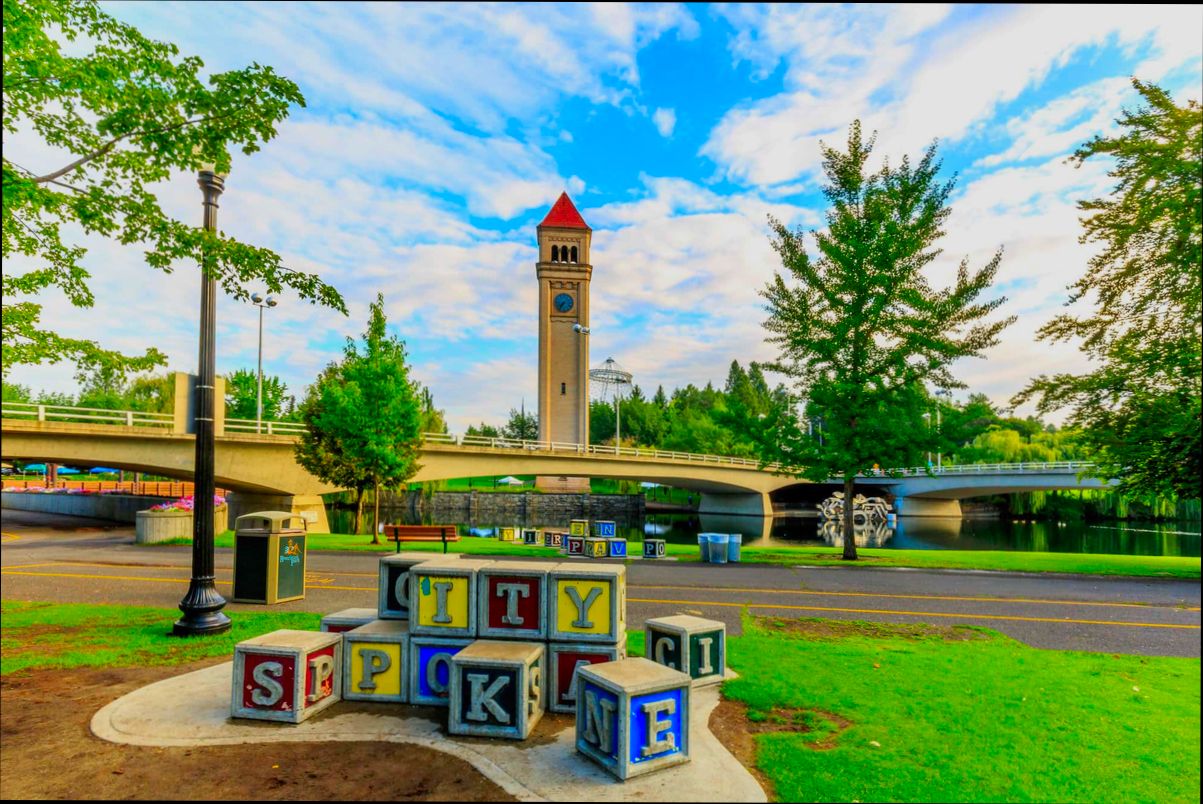
Pros and Cons of Living in Spokane Valley, WA, can give you a taste of what this vibrant area is all about. Nestled between the breathtaking backdrop of the Cascade Mountains and the stunning Spokane River, Spokane Valley offers a mix of outdoor fun and urban conveniences. For instance, you can hit the trails in Mount Spokane State Park for a day of hiking or skiing, all while having easy access to the shops and restaurants in town. Did you know the cost of living here is about 10% lower than the national average? That’s a big draw for those seeking affordable housing options without sacrificing quality of life.
On the flip side, Spokane Valley does have its quirks. With a population hovering around 100,000, it often feels like a tight-knit community, but some might argue that it lacks the vibrant cultural scene found in larger cities. Winters can be pretty tough, with temperatures dipping into the teens and plenty of snow—if you’re not a fan of cold weather, this could be a deal-breaker. Plus, while there are several schools in the area, some families might be concerned about the limited choice compared to nearby cities. So, like everything, there’s a real mix of pros and cons to consider when thinking about moving here.
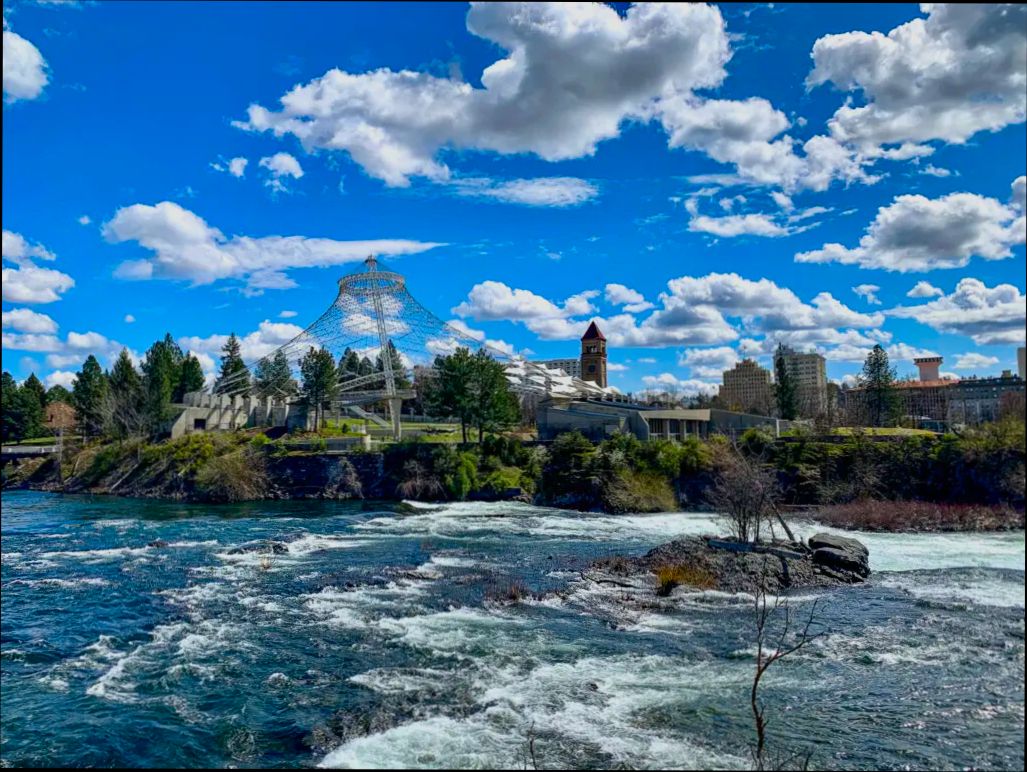
Cost of Living Analysis in Spokane Valley
Understanding the cost of living in Spokane Valley is crucial for anyone considering a move or simply evaluating their budget. Let’s dive into specific data and insights that shape the financial landscape of this vibrant community.
Housing Costs
One of the primary components affecting your cost of living is housing expenses. Spokane Valley’s housing market offers various options at competitive prices.
- The median home price in Spokane Valley is approximately $420,000, which is notably cheaper than the national average of around $440,000.
- If you’re looking to rent, the average monthly rent for a one-bedroom apartment costs about $1,150, compared to $1,400 in nearby cities like Seattle.
Utilities and Transportation
Utilities in Spokane Valley are relatively budget-friendly, with an average monthly cost of around $200. This figure includes essential services like electricity, heating, cooling, water, and garbage.
Transportation costs also contribute to the overall cost of living:
- Monthly public transportation passes are approximately $45.
- The average commute time in Spokane Valley stands at around 22 minutes, allowing for significant savings on fuel compared to more congested metro areas.
Comparative Cost Overview
Here’s a comparison of Spokane Valley’s cost of living with nearby major areas:
| Category | Spokane Valley | Seattle | Boise |
|---|---|---|---|
| Median Home Price | $420,000 | $850,000 | $500,000 |
| Average Rent | $1,150 | $1,400 | $1,300 |
| Utilities (monthly) | $200 | $300 | $250 |
| Public Transport | $45 | $100 | $60 |
| Grocery Index | 7% below Avg | 10% above Avg | 5% below Avg |
Real-World Cases
Take the example of Lisa and John, a young couple who decided to move from Seattle to Spokane Valley. They found a charming three-bedroom home for $100,000 less than their Seattle property. They also noted that their utility bills dropped significantly from $350 to around $200 monthly, providing them with more disposable income for savings and leisure activities.
Another case involves Clara, a single professional who opted for a one-bedroom rental. Clara previously lived in Boise but chose Spokane Valley due to the $200 monthly savings in rent, allowing her to allocate funds toward her savings and investments.
Practical Implications for Residents
When budgeting for life in Spokane Valley, consider these key expenses:
- Allocate a sum close to 30% of your income for housing.
- Factor in lower utility costs, which allows for better budgeting for other essentials.
- Embrace the lower transportation costs; carpooling or using public transit can further enhance your savings.
Actionable Insights
Learn from local real estate workshops or community forums to stay informed about shifting housing trends. Utilize budgeting apps to analyze and monitor your monthly expenses effectively. Assess your lifestyle choices regularly; sometimes, opting for a few less expensive hobbies can keep your financial health in check while enjoying all that Spokane Valley has to offer.
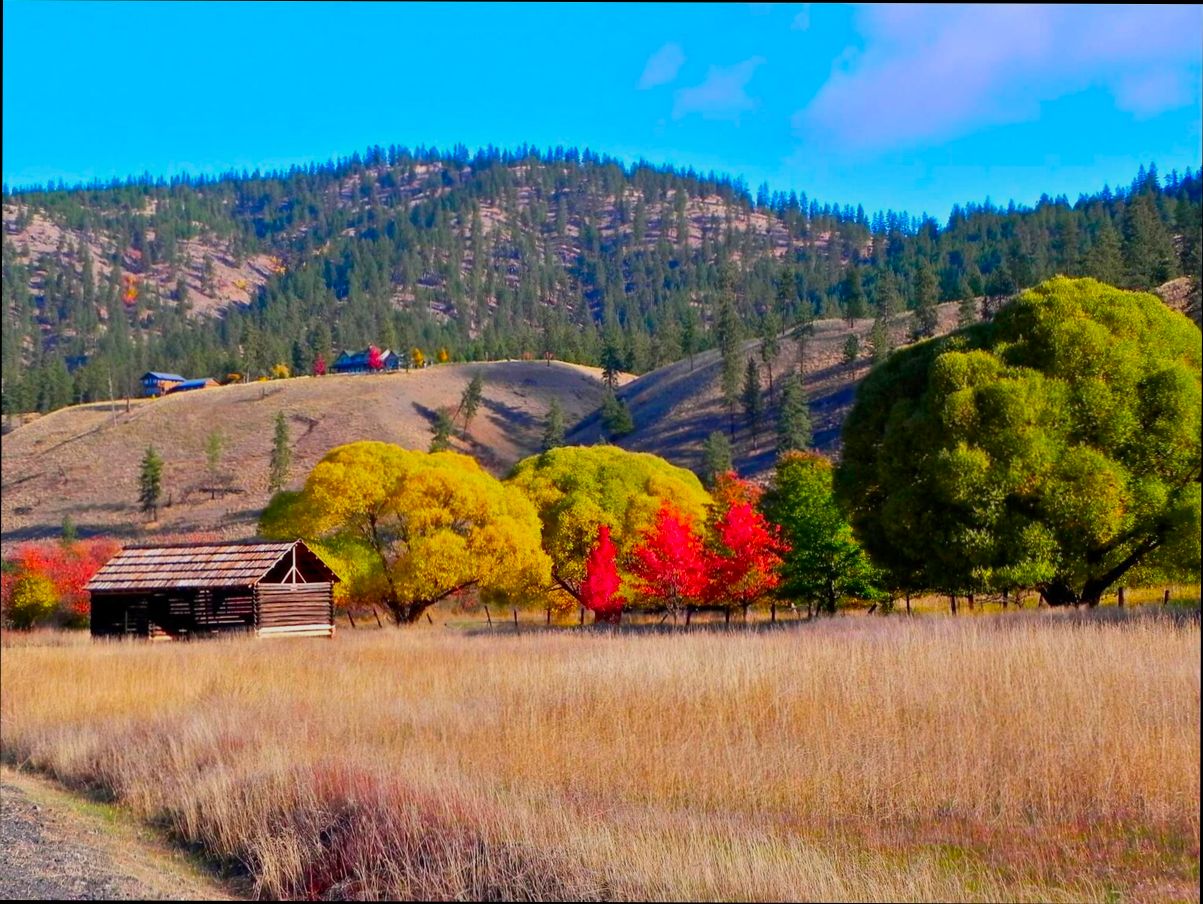
Outdoor Recreation Opportunities in Spokane Valley
Spokane Valley is a treasure trove of outdoor recreational activities, catering to a wide range of interests. From its abundant parks to nearby trails and water activities, there’s something here for everyone who enjoys the great outdoors.
Parks and Natural Spaces
Spokane Valley boasts over 23 parks, comprising more than 200 acres of usable recreational space. Notable parks include:
- Mirabeau Point Park: Perfect for hiking and picnicking, featuring a scenic overlook of the Spokane River.
- Barker Ranch Park: This wonderful facility offers sports fields, playgrounds, and nature trails.
The parks in Spokane Valley often host community events and activities, making it an excellent place for families and social gatherings.
Trails for Adventure
The region offers a network of trails for walking, biking, and horseback riding. The Spokane Valley Riverwalk Trail spans 30 miles, providing stunning views along the Spokane River. It’s a popular spot for both locals and visitors looking to explore the landscape.
Trail Specifics
| Trail Name | Length | Difficulty | Features |
|---|---|---|---|
| Spokane Valley Riverwalk | 30 miles | Easy | Accessible, scenic views |
| Liberty Lake Loop | 7.2 miles | Moderate | Lake views, mixed terrain |
| Centennial Trail | 63 miles | Varies | Connects cities, nature views |
Water Activities
Living in Spokane Valley means easy access to water-based recreation. With Liberty Lake and the Spokane River, you can engage in various activities, including:
- Fishing: The waters are rich with trout and bass.
- Kayaking and Canoeing: Rentals are available, and it’s an adventure for solo paddlers or family groups.
- Swimming: Public swimming areas are available, perfect for those hot summer days.
Seasonal Activities
Each season brings unique recreational opportunities in Spokane Valley:
- Winter: Nearby hills and parks offer snowshoeing and cross-country skiing routes, making it a winter wonderland.
- Spring and Summer: Local farmers’ markets and outdoor festivals elevate community participation and provide fresh local produce alongside recreational options.
Real-World Examples
Consider the local event known as “Spokane River Clean-Up Day,” held annually. This community-driven initiative not only fosters recreational enjoyment but also encourages stewardship of the local environment. Participants often canoe or kayak along the river while collecting litter, blending physical activity with environmental responsibility.
With diverse outdoor platforms to explore, the options are virtually endless. Spokane Valley truly embodies the spirit of outdoor living, giving residents numerous opportunities to engage with nature and each other.
Actionable Insights
If you’re ready to dive into the outdoor lifestyle Spokane Valley has to offer, consider:
- Joining a local hiking or biking club to connect with fellow enthusiasts.
- Exploring the Spokane Valley Parks and Recreation website for organized events and seasonal activities.
- Keeping a flexible schedule to take advantage of spontaneous outdoor gatherings or community clean-up days.
Take advantage of the rich natural surroundings in Spokane Valley to enrich your lifestyle and foster a strong connection with the community and environment.
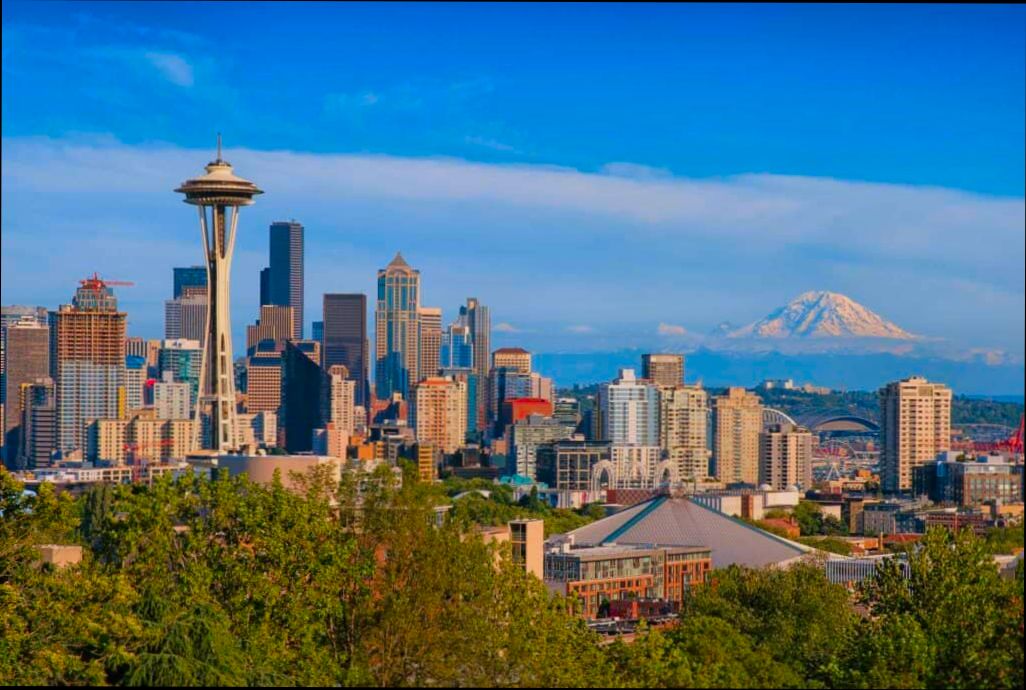
Comparative Crime Rates in Spokane Valley
When considering a move to Spokane Valley, one crucial aspect to evaluate is the crime rate in the area. Understanding how Spokane Valley stacks up against other communities can provide clarity on safety and security. Let’s dive into the statistics and insights surrounding crime rates in Spokane Valley.
Spokane Valley has a total crime rate of 37.64 crimes per 1,000 residents, which is significantly higher compared to the state average. Surprisingly, the data reveals that one in 27 residents has a chance of becoming a victim of either a violent or property crime. Just to put things into perspective, over 89% of communities in Washington have a lower crime rate than Spokane Valley.
Crime Statistics Breakdown
Here’s a closer look at some of the key crime figures that reflect different types of crime over the last year:
| Crime Type | Number of Crimes | Rate per 1,000 Residents |
|---|---|---|
| Violent Crimes | 331 | 3.06 |
| Property Crimes | 3,743 | 34.58 |
| Total | 4,074 | 37.64 |
When we break down violent crimes, Spokane Valley reported:
- 3 murders (0.03 per 1,000 residents)
- 57 rapes (0.53 per 1,000 residents)
- 58 robberies (0.54 per 1,000 residents)
- 213 assaults (1.97 per 1,000 residents)
These figures indicate that while Spokane Valley experiences a substantial amount of crime, the violent crime rates are relatively low compared to national averages.
Real-World Case Studies
Consider neighborhoods like Veradale South and Chester East, where residents often share their experiences concerning community safety. In Veradale South, for example, the sense of crime prevalence leads to increased neighborhood watch programs and community engagement, showcasing proactive measures taken by locals to combat crime. Meanwhile, residents in Chester East often highlight lower crime experiences, which contribute to a perceived sense of security in the area.
Practical Implications
What do these statistics mean for you as a potential resident of Spokane Valley? Here are a few points to keep in mind:
- Stay aware of crime trends in specific neighborhoods; crime can vary significantly even within different parts of the Valley.
- Consider taking part in local community programs aimed at improving safety and fostering a supportive environment.
- Research local law enforcement initiatives for crime prevention strategies in your chosen area.
Actionable Advice
If you’re looking to reduce your risk of becoming a crime victim in Spokane Valley:
- Connect with local community groups and forums to keep updated on crime-related news and initiatives.
- Look for neighborhoods with lower reported crime statistics, particularly those involving property crimes, to enhance your safety.
- Always keep personal security measures in mind, such as security systems, neighborhood watch programs, and community communication networks.
Education Quality and School Options
When considering a move to Spokane Valley, the quality of education and the variety of school options available are pivotal factors. From public schools to private institutions and alternative educational paths like homeschooling, Spokane Valley provides diverse opportunities for students.
Public School System Overview
Spokane Valley’s public school system offers a range of educational programs with different performance metrics:
- The average student-teacher ratio in public schools is approximately 16:1, allowing for personalized attention.
- Many public schools in the area score above the national average in standardized tests, as indicated by the National Assessment of Educational Progress (NAEP).
- 98% of public school students in Spokane Valley graduate high school, aligning with Washington state averages.
Private School Options
Private education provides another avenue for parents seeking specialized curricula:
- Spokane Valley has more than 10 private schools, catering to various educational philosophies including Montessori and religious-based education.
- The average enrollment in private schools has remained stable at around 10% of the student population in the area.
- Private schools generally maintain a lower student-teacher ratio, often around 12:1, which can enhance individual learning experiences.
Homeschooling and Other Alternatives
Homeschooling is also a growing option in Spokane Valley, with significant parent involvement:
- Recent data indicates that around 5% of school-age children in Spokane Valley are homeschooled, reflecting a national trend.
- Nearly 75% of homeschooling families report satisfaction with their educational plans, often citing personalized curricula and strong family bonds.
| School Type | Average Class Size | Graduation Rate | Percentage of Students |
|---|---|---|---|
| Public Schools | 16:1 | 98% | 85% |
| Private Schools | 12:1 | 100% | 10% |
| Homeschooling | Varies | 100% | 5% |
Real-World Examples
Consider a case study of a local private school, St. Mary’s Catholic School, which has consistently high ratings due to its focus on academic excellence and community involvement. The school’s low turnover rates among teachers, reported at 85%, indicate a stable and supportive environment.
On the public school front, University High School is known for its Advanced Placement (AP) programs, with over 30% of students taking AP courses, positioning them for college readiness.
Practical Implications
If you’re exploring school options in Spokane Valley, it’s vital to visit schools and talk to educators and parents to gauge their experiences. Don’t hesitate to inquire about the specific programs, extracurricular activities, and community engagement present in schools, as these factors contribute greatly to a child’s educational quality.
Consider your child’s educational needs and preferences. Whether leaning towards public schooling, private institutions, or homeschooling, Spokane Valley facilitates varied and quality education options tailored to diverse family values and expectations.
Healthcare Accessibility and Services Overview
Access to quality healthcare is a pivotal factor when considering a move to Spokane Valley, Washington. With a variety of services available, residents can find facilities equipped to address their healthcare needs effectively. Here, I’ll walk you through some significant aspects of healthcare accessibility and the services offered in the area.
Availability of Healthcare Facilities
Spokane Valley benefits from several healthcare facilities, including hospitals, urgent care centers, and specialized clinics.
- Major Hospitals: The closest hospital is MultiCare Valley Hospital, known for its comprehensive services. It offers emergency care, surgical services, and a range of outpatient programs.
- Urgent Care: There are various urgent care centers, including Concentra Medical Centers, which operate extended hours.
Insurance Coverage
Healthcare accessibility in Spokane Valley is also influenced by the types of insurance coverage common among residents. Approximately 90% of the population has health insurance, with many enrolled in employer-sponsored plans.
- Medicaid Expansion: Washington State has expanded Medicaid, allowing more residents access to low-cost or free medical care.
Patient Satisfaction Ratings
Evaluating how well residents feel their healthcare needs are met can provide insight into the quality of services. A recent survey indicated that 85% of patients rated their healthcare providers positively in terms of compassion and understanding.
| Facility Type | Number of Facilities | Average Patient Satisfaction (%) |
|---|---|---|
| Hospitals | 3 | 85 |
| Urgent Care Centers | 5 | 90 |
| Specialty Clinics | 10 | 88 |
Real-World Examples
One notable facility, Gonzaga University Health Center, caters to both students and community members. This center has received high marks for mental health services, offering counseling and wellness programs that are accessible to local residents. Another example is Providence Health Care, which operates a network of specialty clinics where patients can seek specialized treatments, contributing to comprehensive healthcare availability.
Actionable Insights for Residents
If you’re planning to move to Spokane Valley, consider these points:
- Check if your health insurance provides good coverage for local providers and hospitals.
- Explore early intervention options available through various community health programs aimed at preventive care.
- Engage with local health centers that may offer free or low-cost health screenings, which can be beneficial for early detection.
In Spokane Valley, the healthcare services offered are extensive and cater to a diverse population, ensuring that most residents have access to the medical care they need.

Cultural Attractions and Community Events
When considering a move to Spokane Valley, the vibrant cultural scene and rich community events play a significant role in the area’s charm. Spokane Valley offers numerous opportunities to immerse yourself in local art, music, and cultural heritage. Let’s explore what this dynamic community has to offer!
Local Arts and Cultural Institutions
Spokane Valley houses various cultural attractions that cater to a diverse audience. Key highlights include:
- Spokane Valley Heritage Museum: This hidden gem showcases the region’s history and cultural heritage, featuring rotating exhibits that highlight local stories and artifacts.
- Area Theaters: The Spokane Valley Summer Theatre offers family-friendly performances, while local venues host concerts and plays year-round.
- Public Art Installations: The community promotes local artists through public art displays, adding beauty and character to urban spaces.
Community Events Calendar
Spokane Valley hosts a vibrant schedule of community events throughout the year, which fosters a strong sense of community and engagement. Here are a few events you shouldn’t miss:
- Spokane Valley Fest: An annual celebration typically held in August that includes live entertainment, local vendors, and family-friendly activities. This event sees attendance of approximately 10,000 people each year.
- Farmers Markets: Seasonal farmers markets take place where local farmers and artisans sell fresh produce and handmade goods, allowing residents to support local businesses while enjoying the community atmosphere.
- Holiday Celebrations: Throughout the year, Spokane Valley hosts festive events during the holiday season, including tree lightings and street parades, attracting families and visitors from surrounding areas.
| Event Name | Month | Attendance Estimate |
|---|---|---|
| Spokane Valley Fest | August | 10,000 |
| Fall Harvest Festival | October | 5,000 |
| Holiday Tree Lighting | December | 3,000 |
Real-World Examples of Community Engagement
The local culture is reflective of active community involvement. For instance, the Spokane Valley Art Council often collaborates with local artists to host workshops, encouraging residents to engage in creative pursuits.
Additionally, organizations like Friends of the Valley put on regular community clean-up days, blending environmental stewardship with social gatherings, helping build connections among residents.
Practical Implications for Residents
Living in Spokane Valley means you’ll experience a community rich in culture and events. Being proactive and participating in these activities can enrich your social life, allowing you to forge connections with neighbors and build lasting friendships.
- Stay Active: Join community boards or volunteer for events to meet like-minded individuals.
- Explore Local Art: Attend gallery openings or community workshops to both appreciate and support local artisans.
Taking part in Spokane Valley’s cultural attractions and community events can significantly enhance your living experience. By engaging with the local community, you are not just a resident but a vibrant part of Spokane Valley’s diverse tapestry.

Demographic Trends and Population Growth
Spokane Valley, Washington, has experienced dynamic demographic shifts and steady population growth that influence the community’s character and future. Understanding these trends can help you make informed decisions about moving to or living in this growing region.
Key Demographic Trends
Spokane Valley has undergone notable demographic changes over the past decade:
- Population Increase: The population of Spokane Valley has increased by approximately 13% since 2010, with current estimates approaching 100,000 residents. This trend indicates a growing attraction to the area, driven by its quality of life and amenities.
- Age Distribution: The median age in Spokane Valley is around 37 years, indicating a relatively young population compared to the national average. A balanced mixture of younger families and older adults contributes to a diverse community dynamic.
- Diversity: Spokane Valley’s racial and ethnic diversity is expanding, with Hispanic or Latino residents making up about 10% of the population. The increase in cultural diversity enriches the community, fostering various cultural celebrations and initiatives.
Comparative Population Growth Table
| Year | Population | Percentage Growth |
|---|---|---|
| 2010 | 88,000 | - |
| 2015 | 92,000 | 4.5% |
| 2020 | 95,000 | 3.3% |
| 2023 | 100,000 | 5.3% |
Real-World Examples
Numerous factors contribute to this demographic growth in Spokane Valley:
- Employment Opportunities: Industries in the region, particularly in healthcare, technology, and manufacturing, have seen significant growth. For instance, major employers such as MultiCare Health System have expanded, attracting a workforce that boosts local population numbers.
- Quality of Life: The community’s balance of urban amenities and access to natural landscapes appeals to families and young professionals. The recent push for developing mixed-use spaces and enhancements to public transport adds to Spokane Valley’s attractiveness for newcomers.
These factors demonstrate how economic and recreational opportunities directly influence population trends, setting a stage for ongoing growth.
Practical Implications
For those considering a move, Spokane Valley’s increasing population signals a robust real estate market and potential for future developments. With continued growth, the demand for housing and services may rise, making it essential to stay informed about local market trends.
In addition, this demographic growth could shape community services, such as schools and healthcare, emphasizing the need for residents to engage with local governance and community groups to ensure that their needs are met.
Specific Facts and Actionable Advice
- Keep an eye on job growth trends and how they correlate with the influx of new residents to the area, as this may provide opportunities for career advancement.
- Consider participating in community programs aimed at promoting local diversity and inclusivity initiatives, enhancing personal connections and network-building within the steadily growing population.
- Utilize tools like local government demographic reports or census data to stay informed about changes that could affect your experience of living in Spokane Valley.