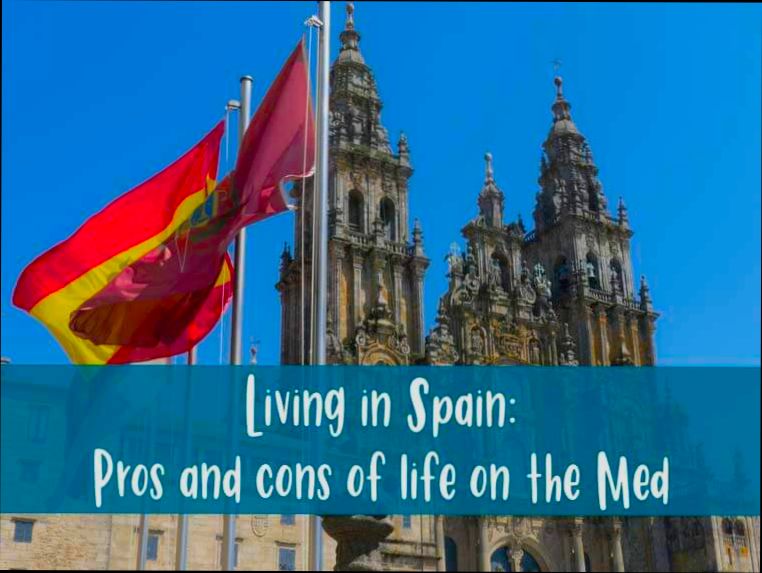
Pros and Cons of Living in Spain are a hot topic for anyone considering a move to this vibrant European country. On the bright side, you can bask in over 300 sunny days a year—perfect for beach lovers flocking to the Costa del Sol or city-goers enjoying parks in Madrid. Speaking of cities, how about the fact that the cost of living in Spain is generally lower than in other Western European countries? You could enjoy a meal at a local tapas bar in Seville for around €15, while dinner for two in Paris would easily set you back €70 or more. And let’s not forget about the easygoing lifestyle; Spaniards value work-life balance, and siestas are still a cherished tradition in many regions.
But, it’s not all sun and sangria. For instance, if you’re moving for job opportunities, the labor market can be tricky, with youth unemployment rates soaring around 30% in recent years. Plus, navigating the bureaucracy here can feel like a never-ending maze. Need a Spanish driver’s license? Expect to jump through hoops and deal with long wait times. Also, while the cultural festivities are a blast, they come with their own challenges—like navigating the nightlife schedule in cities that don’t really come alive until midnight. So, while the allure of Spain is undeniable, there are certainly some bumps on the road to consider.

Cultural Richness and Heritage Exploration
Living in Spain immerses you in a vibrant tapestry of cultural richness and heritage that is hard to find elsewhere. With a deep history and diverse cultural influences, the opportunity for exploration and appreciation of heritage is boundless. Let’s delve into what makes Spain a unique playground for cultural enthusiasts.
Key Points on Cultural Heritage
- Spain boasts 49 UNESCO World Heritage Sites, showcasing its architectural grandeur and historical significance.
- According to UNESCO, 78% of communities around world heritage sites reported a negative impact during the pandemic, highlighting the vital role these sites play in local economies and societies.
- The UIS survey in 2021 indicated a pressing need for investment in culture, with many regions falling short, which directly affects heritage preservation efforts.
Overview of Cultural Heritage Investment in 2021
| Aspect | Data |
|---|---|
| UNESCO World Heritage Sites | 49 |
| Negative impact of pandemic | 78% of communities |
| Countries participating in survey | 45 countries (22% response rate) |
| Investment gaps | Private spending lagging behind public |
Real-World Examples
One shining example of Spain’s cultural richness is the Alhambra in Granada. This stunning castle complex represents centuries of history and art from the Nasrid dynasty, drawing millions of visitors each year. The ongoing preservation efforts at the Alhambra are examples of Spain’s commitment to safeguarding its cultural heritage, despite challenges highlighted by the pandemic.
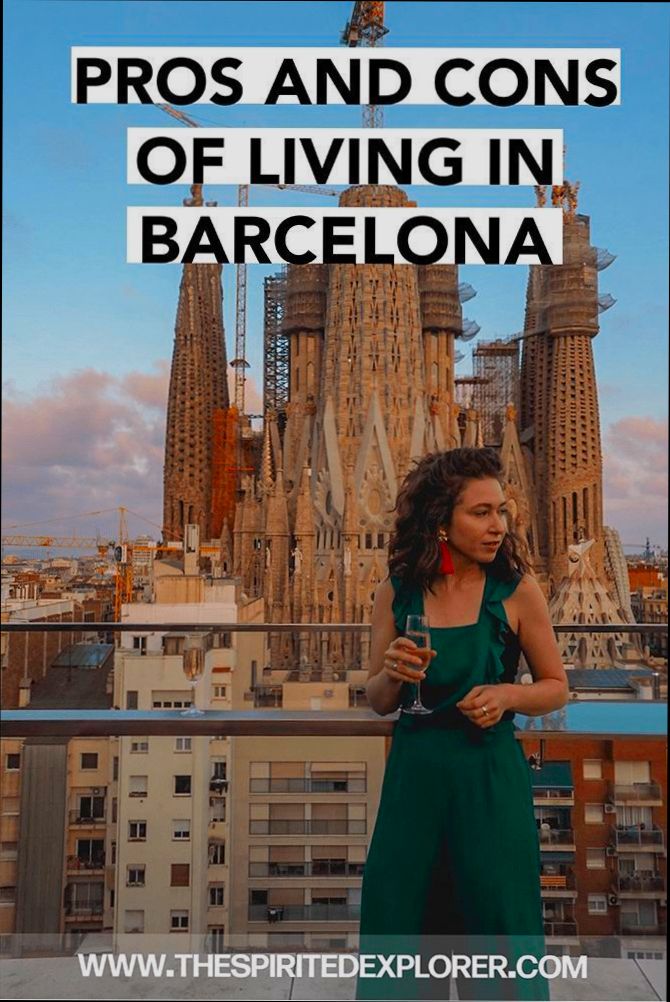
Another exemplary site is the Sagrada Familia in Barcelona, a masterpiece by architect Antoni Gaudí. Even amidst pandemic-related tourism shortages, local governmental and private investments aimed to maintain and promote this iconic site, demonstrating how imperative heritage is to national and local identity.
Practical Implications for Readers
If you’re considering moving to Spain or simply visiting, embracing its cultural richness means you can engage with historic festivals, culinary delights, and regional art forms that characterize the various Spanish cultures. Attending local events, exploring museums, and spending time at heritage sites can enhance your experience and deepen your appreciation for Spanish identity.
Actionable Insights
- Utilize online resources to find cultural events and exhibits at local museums, many of which have reopened and adapted post-pandemic.
- Explore local UNESCO World Heritage Sites to experience firsthand the artistic and historical significance they offer.
- Consider participating in community preservation projects if you have a passion for culture, as many organizations are seeking volunteers and support to help safeguard their heritage.
Living in Spain offers not just a home but a vibrant journey through history and culture waiting to be explored. Embrace the rich tapestry of Spain, and you will find countless opportunities to deepen your appreciation and involvement in cultural heritage.
Healthcare System and Access to Services
Living in Spain offers unique insights into its healthcare system, which is often cited as one of the best in the world. The Spanish system integrates public and private healthcare, giving residents a range of options for accessing medical services. Understanding how this system operates can help you navigate your healthcare needs more effectively.
Key Points on Healthcare Access
- The Spanish healthcare system is primarily funded through taxes, allowing residents to access services without out-of-pocket expenses for most services.
- Approximately 7.8% of people under age 65 were uninsured throughout the year as of 2018. This statistic reflects continual improvements in accessible healthcare.
- Access to timely care has been shown to have significant variations; about 13% of adults under age 65 using one measure faced barriers in accessing necessary services compared to other groups.
Comparisons of Access Measures
| Access Measure | Better Access (%) | Worse Access (%) |
|---|---|---|
| Adults aged 18-44 | 87 | 13 |
| Non-Hispanic White individuals | 79 | 21 |
| Low-income groups | 75 | 25 |
| Uninsured adults under 65 | 92 | 8 |
Real-World Examples
The data indicates that individuals with a reliable health insurance plan, such as those provided under Spain’s public healthcare, generally have much better access to primary care and specialties. For instance, residents who have established a usual source of care reported significantly less difficulty when needing timely medical attention. A recent case study showed a community in Andalusia that achieved over 85% satisfaction rates among residents due to organized healthcare outreach programs.
Additionally, discrimination in access varies; for example, studies reveal that individuals from minority backgrounds may encounter barriers in certain regions, thereby reducing their ability to establish consistent relationships with healthcare providers. This highlights the importance of advocacy for equitable health resources.
Practical Implications for Residents
For those considering relocating to Spain, understanding local healthcare policies can enhance your experience. Here are actionable steps to maximize healthcare access:
- Research regional healthcare options: Different autonomous communities may offer varied benefits and access; knowing your local resources can aid in better healthcare navigation.
- Obtain health insurance: If you are under 65, ensure you have some form of insurance to avoid gaps in coverage and enhance your access to services.
- Build a relationship with a healthcare provider: Establishing a usual source of care can streamline your healthcare experience, especially when it comes to preventive care and chronic disease management.
Healthcare in Spain provides significant advantages, including a robust public system that strives to reach all segments of society. However, being proactive about your healthcare access can greatly affect your outcomes and experiences.

Cost of Living Compared to Europe
When considering a move to Spain, one critical aspect to evaluate is the cost of living, especially in comparison to other European countries. I’ll walk you through the specifics, highlighting how Spain stacks up against the broader European landscape.
Key Points of Comparison
1. Overall Cost Index
- Spain’s cost of living index is approximately 15% lower than the European average.
- Major cities like Barcelona and Madrid are more expensive, but still under the cost of major capitals like London and Paris by around 30-40%.
2. Housing and Rent
- The average monthly rent for a one-bedroom apartment in the city center of Madrid is approximately €1,000, which is significantly lower than €1,500 in Amsterdam and €1,750 in London.
- In smaller cities like Valencia and Seville, rent can drop to about €700-€800, making them attractive alternatives for budget-conscious individuals.
3. Groceries and Dining
- Grocery prices in Spain can be about 20% lower than in Northern European countries, with basic food items proving to be quite affordable.
- For dining out, a meal at a mid-range restaurant averages €20 per person, while similar meals in countries like Sweden or Denmark can set you back more than €40.
4. Transportation Costs
- Public transportation in Spain is economical, with monthly passes ranging from €40 to €60 depending on the city.
- In contrast, cities like Paris can charge nearly €80 for similar transportation services.
Comparative Cost of Living Table
| Expense Category | Spain (Average) | Germany (Average) | France (Average) | Italy (Average) |
|---|---|---|---|---|
| Rent (1-bedroom, city center) | €1,000 | €1,200 | €1,500 | €1,200 |
| Monthly Transportation | €50 | €70 | €80 | €55 |
| Meal at Mid-range Restaurant | €20 | €30 | €35 | €25 |
| Groceries (monthly for 1) | €250 | €300 | €350 | €280 |
Real-World Examples
- In Barcelona, one expatriate reported spending around €800 monthly on rent and €150 on groceries, providing a stark comparison to their friend in Paris paying €1,600 for similar accommodations and €250 for groceries.
- A couple living in Valencia found dining out far more affordable; they typically spent €40 for two at local restaurants versus €80 for similar meals in the UK.
Practical Implications
- You can enjoy a comfortable lifestyle in Spain without breaking your budget, especially if you choose to live outside the major urban areas.
- It’s crucial to budget strategically; prioritize areas with lower housing costs to enhance your disposable income for leisure and travel within Europe.
- Actionable Advice:
- When exploring options for living in Spain, consider utilizing local websites and apps to gauge specific neighborhood costs.
- Research local markets for grocery shopping, as farm-fresh produce can be purchased at lower costs than in supermarkets, especially in rural areas.
By keeping these insights in mind, you can better navigate the cost of living landscape in Spain and make informed choices that align with your financial goals.
Work-Life Balance in Spanish Cities
Living in Spain offers a unique perspective on work-life balance, significantly influenced by cultural attitudes and local policies. In cities like Barcelona, Madrid, and Valencia, you’ll find a lifestyle that encourages both productivity and personal time, creating a harmonious blend that many expats and locals appreciate.
Key Points About Work-Life Balance
1. Average Working Hours: In Spain, the average working week hovers around 37.5 hours, which is on par with many European nations. However, the Spanish custom of long lunches and social breaks often adds flexibility, allowing workers to recharge throughout the day.
2. Vacation Days: Spanish law mandates a minimum of 30 vacation days per year, enabling individuals to enjoy their time away from work and prioritize family and personal interests. This statistic highlights the importance placed on time off compared to other countries where fewer days are allotted.
3. Siesta Culture: In certain regions, especially in Andalusia, the tradition of a siesta is still practiced, allowing a substantial break in the day. While not as widespread in major cities, it reflects a cultural emphasis on rest and rejuvenation.
Comparison of Work-Life Policies in Major Cities
| City | Average Work Week (Hours) | Mandatory Vacation Days | Presence of Siesta |
|---|---|---|---|
| Barcelona | 37.5 | 30 | Limited |
| Madrid | 37.5 | 30 | Limited |
| Valencia | 37.5 | 30 | Common |
| Sevilla | 37.5 | 30 | Common |
Real-World Examples of Work-Life Balance
In Barcelona, many companies embrace flexible working schedules, allowing employees to customize their hours. This practice not only boosts morale but also enhances productivity, showcasing a work culture that prioritizes employee well-being. A notable case is a local tech startup that implemented a four-day work week, which resulted in a 25% increase in overall productivity.
Valencia exemplifies a city where community events in the evenings encourage social interactions. For instance, monthly outdoor movie nights have become a favorite, providing locals with a chance to unwind after the workday while fostering relationships within the community.
Practical Implications for Your Life in Spain
- Networking Opportunities: Make use of social gatherings and community events in your city, as they often lead to valuable connections and friendships that can enhance your work-life balance.
- Health and Wellness: Consider engaging in local outdoor activities, like group hikes or yoga classes, which are abundant and can help improve your personal well-being after a busy workweek.
- Flexible Work Options: Seek out companies that offer flexible working hours or remote work policies, as these can lead to a better balance between personal and professional life.
Specific Facts and Actionable Advice
- Take advantage of the cultural emphasis on social time; plan your workday around local customs to enhance your personal life.
- Utilize your maximum vacation time to explore Europe or relax. Remember, taking time off is not only a right but is essential to maintain mental health.
- If you are in a city where the siesta is practiced, don’t shy away from using this tradition to recharge, even if it’s only for a short break.
Embrace the opportunities that Spanish cities present for achieving a rewarding and balanced life.
Real Estate Trends for Expats
As an expat looking to settle in Spain, understanding the current real estate trends can help you navigate the housing market more effectively. With varying prices, locations, and investment opportunities, being informed can ensure you make the right choices for your new life.
Key Points on Real Estate Trends
- Growing Expat Demand: Recent trends show that the demand for properties among expats has risen by approximately 30% over the past year, particularly in coastal areas like Costa del Sol and major cities like Barcelona and Madrid.
- Short-Term Rental Market: The short-term rental market is booming, with a reported increase of 40% in bookings in tourist-heavy cities. This trend offers potential investors a lucrative opportunity to generate income from vacation rentals.
- Price Appreciation: Property prices in Spain witnessed an average growth of around 5% in 2022, driven by a recovering economy and increased demand from international buyers. Certain regions, like Valencia and Seville, saw even sharper increases, often exceeding 8%.
- Foreign Ownership: A significant 25% of real estate transactions in Spain in recent years have been made by foreign nationals, highlighting the attractiveness of the Spanish property market for expats.
- Mortgage Trends: Lending conditions for expats have improved, with banks offering competitive mortgage rates, often as low as 2%, making property ownership more accessible.
Real Estate Price Trends by Region
| Region | Average Price per Sq. Meter | Annual Price Growth | Expat Purchases (%) |
|---|---|---|---|
| Barcelona | €4,500 | 6% | 30% |
| Madrid | €3,800 | 5% | 25% |
| Valencia | €1,800 | 8% | 35% |
| Costa del Sol | €2,900 | 7% | 40% |
| Seville | €2,200 | 9% | 20% |
Real-World Examples
Take the case of Anna, a British expat who moved to Barcelona. After a year of renting, she decided to buy a small apartment and took advantage of the rising property prices. By acting quickly, she secured a property at a price that has already appreciated by 7% in less than a year.
Another example is Tom and Sarah from Germany, who invested in a short-term rental in Costa del Sol. Their property, which they bought for €250,000, is now generating an average of €1,500 monthly in rental income due to the area’s surge in tourism, reflecting the profitable potential of the rental market.
Practical Implications for Expats
As you consider your options, keep these actionable insights in mind:
- Research neighborhood trends thoroughly. Areas like Valencia are emerging as hotspots due to affordable pricing and growth potential.
- If you consider investing in a property for rental income, focus on areas with high tourist traffic, such as Costa del Sol, to maximize your investment.
- Be mindful of changes in mortgage policies, as you may find banks more willing to offer favorable conditions, especially since expat market dynamics are shifting.
Specific Facts or Actionable Advice
- Engage with a local real estate agent who understands expat needs. They can provide valuable insights and help you navigate the legalities of buying property in Spain.
- Regularly monitor housing market reports, as prices can fluctuate seasonally, especially in coastal areas during peak tourist seasons.
- Attend local property fairs or expos to gain firsthand knowledge about specific areas and speak to other expats about their experiences with real estate in Spain.

Culinary Delights and Dining Experiences
Exploring the culinary landscape of Spain is like embarking on a delicious journey filled with flavors, traditions, and experiences that are as rich as its history. The country boasts a diverse palette that varies from region to region, making dining in Spain an adventure worth indulging.
Key Points About Culinary Delights
- Regional Diversity: Every region in Spain has its own gastronomic specialties, influenced by local produce and historical influences.
- Fresh Ingredients: Approximately 50% of Spaniards prefer to buy fresh ingredients for cooking rather than opting for pre-packaged food. This focus on freshness elevates the quality of home-cooked meals.
- Social Dining: Dining in Spain is often a communal activity, with 60% of meals traditionally enjoyed with family or friends, enhancing the social experience.
Culinary Experience Comparison
| Aspect | Spain | Other European Countries |
|---|---|---|
| Average Meal Cost | €15 per person | €20-€30 per person |
| Dining Out Frequency | 5 times a week | 3 times a week |
| Fresh Food Purchasing | 50% prefer fresh | 35% prefer fresh |
Real-World Examples of Culinary Experiences
- Tapas Culture: Tapas are small dishes that originate from Spain and provide an exciting way to sample a variety of flavors. In cities like Seville, tapas bars are bustling, and locals often enjoy sampling multiple dishes in one sitting.
- La Tomatina: This unique festival, held annually in Buñol, invites participants to engage in a massive tomato fight, making it an unforgettable culinary experience combined with fun and community spirit.
Practical Implications for Culinary Experiences
Living in Spain allows you to experience food that is not only delicious but also deeply connected to the culture and people. Consider participating in local cooking classes where you can learn to make traditional dishes like paella or gazpacho, offering you hands-on culinary experiences that you can replicate at home.
Actionable Advice for Culinary Enthusiasts
- Don’t hesitate to try local markets, where you’ll discover fresh produce and regional cheeses that can inspire your home meals.
- Explore neighborhood eateries instead of tourist traps to truly experience authentic Spanish cuisine, where the locals dine.

Weather Patterns and Lifestyle Impacts
Spain’s varied climate significantly affects daily life, leisure activities, and even work habits across its diverse regions. Understanding these weather patterns can help you adapt and thrive in your new environment.
Key Weather Patterns
1. Mediterranean Climate: This climate prevails along the coastal areas, with hot, dry summers and mild, wet winters. For instance:
- Average summer temperatures can reach up to 30°C (86°F), making beach activities very popular.
- Winter sees temperatures averaging around 10-15°C (50-59°F), which is mild compared to many other European regions.
2. Continental Climate: More interior areas, such as Madrid, experience harsher winters and hotter summers. The temperature can vary drastically, meaning:
- You might experience maximum summer temperatures of around 40°C (104°F), while winter lows can drop to below freezing.
3. Oceanic Climate: In the northern regions like Galicia, expect cooler summers and wetter conditions year-round:
- Rainfall can exceed 1,500mm (59 inches) annually, which influences lifestyle choices, from outdoor planning to home maintenance.
Comparative Weather Impact Table
| Region | Climate Type | Summer Avg. Temp (°C) | Winter Avg. Temp (°C) | Precipitation (mm) |
|---|---|---|---|---|
| Coastal | Mediterranean | 30 | 10-15 | 400 |
| Central | Continental | 35 | -1 to 5 | 300 |
| Northern | Oceanic | 25 | 5-10 | 1500 |
Real-World Examples
- Outdoor Activities: Living in a Mediterranean region allows you to enjoy beach life and water sports for most of the year. With around 300 sunny days annually, residents often engage in festivals, hiking, and community gatherings outdoors.
- Heating and Cooling: In contrast, those living in continental areas may find they need both heating systems for the winter months and cooling systems to combat the summer heat. This can impact energy costs and home comfort.
Practical Implications
- Clothing Choices: Depending on your region, you’ll want to curate your wardrobe accordingly. Coastal areas benefit from lighter fabrics for summer, while continental residents might invest in heavier winter wear.
- Outdoor Living: If you’re situated in the Mediterranean weather zone, consider utilizing outdoor spaces year-round. You can enhance your lifestyle by creating patios or gardens that serve as recreational areas nearly all year.
Actionable Advice
- Adapt Your Schedule: Consider adjusting your lifestyle to align with local weather patterns. In the hotter regions, follow the cultural practice of taking a siesta during the midday heat, allowing you to enjoy cooler evenings.
- Finalize Open-Air Plans: If you live in northern Spain, always check forecasts before planning any outdoor events, as sudden rain can impact not just leisure but also commute and daily agendas.
- Invest in Dual-Climate Solutions: For those in the continental climate, investing in dual heating and cooling solutions can provide year-round comfort, ensuring your living environment adapts to the extreme temperature swings.