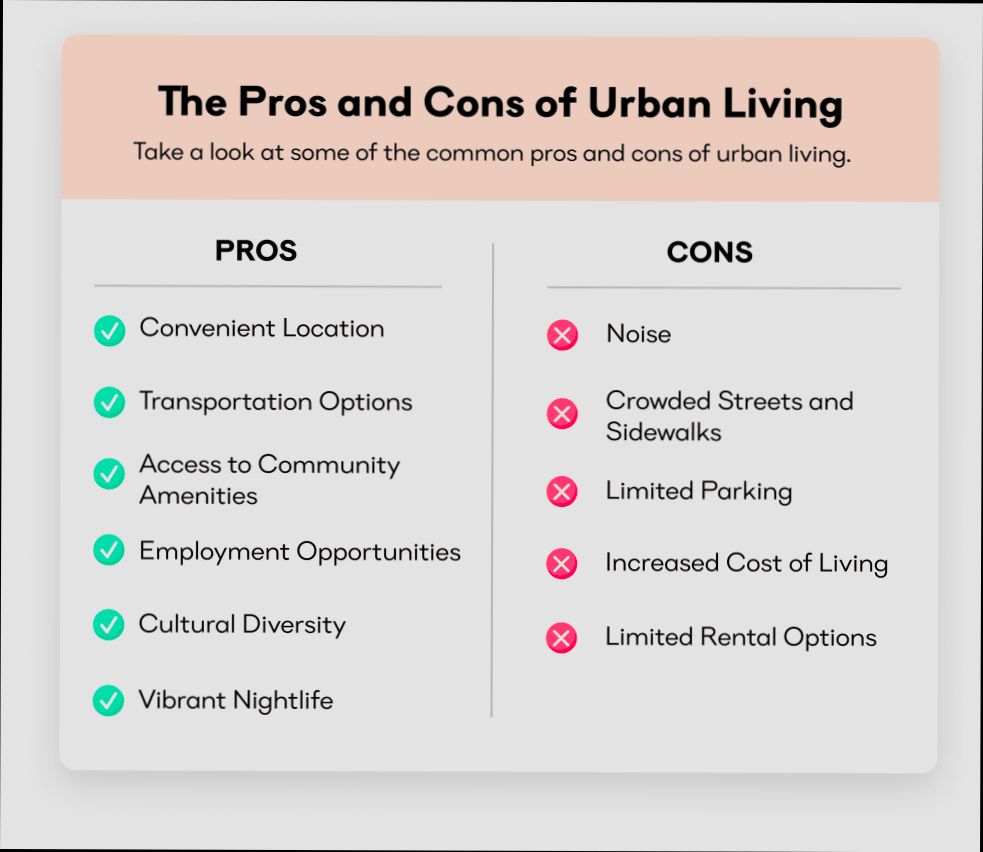
Pros and Cons of Living in Sioux Falls SD can be a real eye-opener if you’re considering a move to this charming Midwestern city. With a population of around 200,000, Sioux Falls offers a nice blend of urban amenities and small-town charm. You’ll find a robust job market, thanks to companies like Sanford Health and Citibank, which keeps unemployment rates well below the national average. Plus, the cost of living is refreshingly low—housing costs here are about 25% less than the national average. If you’re into an active lifestyle, the 80+ miles of bike trails and the scenic Falls Park are perks that make outdoor activities a huge draw.
On the flip side, Sioux Falls can feel a bit slow-paced for those used to city life. You might miss the hustle and bustle, especially since there aren’t as many nightlife options or big-name restaurants. The weather can also be a mixed bag; with harsh winters often lasting longer than you’d like, prepare for some serious snow shoveling. Although the sense of community is strong, newcomers might find it takes time to break into the local social circles. Overall, while Sioux Falls offers many positives, there are definitely some challenges to keep in mind.

Cost of Living Comparison in Sioux Falls
When considering a move to Sioux Falls, it’s essential to dive into the cost of living to see how it stacks up against other cities and what it means for your wallet. Let’s explore how housing, groceries, healthcare, and transportation compare in this vibrant city.
Housing Costs
In Sioux Falls, housing is notably affordable compared to the national average. The median home price stands at approximately $288,000, which is around 18% lower than the national median of $350,000. Renters also benefit, as the average rent for a one-bedroom apartment is around $1,000, significantly less than larger metropolitan areas.
- Median Home Price: $288,000
- Average Rent (1-BR): $1,000
Groceries and Food Prices
Grocery prices in Sioux Falls are competitive, being about 4% lower than the national average. Families can expect to pay roughly $300 monthly for groceries, which allows for more flexibility in other budget categories. Here’s a closer look at specific grocery items:
| Item | Sioux Falls Price | National Average Price |
|---|---|---|
| Gallon of Milk | $3.15 | $3.40 |
| Loaf of Bread | $2.50 | $2.70 |
| Dozen Eggs | $1.20 | $1.30 |
Healthcare Costs
Healthcare is another important component of the cost of living in Sioux Falls. Residents enjoy costs that are about 9% lower than the national average. Monthly premiums for health insurance can be significantly less, making it a more affordable choice for many families and individuals.
Transportation Expenses
Transportation in Sioux Falls is also manageable, with average monthly costs coming in at around $115. This figure includes essentials like fuel, insurance, and public transport fares, which are generally lower than larger urban centers where commuting costs can add up rapidly.
Real-World Example
Consider a family of four moving from a city like Los Angeles to Sioux Falls. They would experience a significant reduction in housing costs, possibly saving around $800 per month on rent alone. Their overall monthly expenses, including groceries and transportation, could be reduced by nearly 25%, allowing for savings and more disposable income.
Practical Implications
Understanding these costs can help you plan better. For example, knowing that housing is cheaper allows you to allocate more budget toward leisure or savings. Furthermore, if you work in industries like healthcare or education in the area, the overall affordability can help offset any potential salary differences when transitioning jobs.
Whether you’re considering buying a home or renting, evaluating these cost factors will equip you to make an informed decision about living in Sioux Falls. Additionally, understanding how grocery and healthcare prices compare can smooth the transition and help your family adapt financially.
By keeping these figures in mind, you can better strategize your relocation or budgeting when considering the great opportunity Sioux Falls offers as a place to live.
Job Market Trends and Opportunities
When considering a move to Sioux Falls, understanding the job market trends and opportunities can greatly influence your decision. This city is experiencing growth, providing a diverse range of job opportunities across various sectors.
Current Job Market Overview
Sioux Falls has a booming job market, and several industries are leading the way in employment growth:
- Healthcare: This sector continues to expand due to a growing population and increased demand for services.
- Manufacturing: This sector has shown resilience, with many local companies investing in technology and workforce training.
- Professional Services: As companies seek specialized expertise, jobs in finance, consulting, and IT are becoming more prevalent.
According to recent statistics, the unemployment rate in Sioux Falls stands at a remarkable 3.2%, which is below the national average. This low rate indicates a healthy job market, ripe for job seekers.
Job Growth Projections
Sioux Falls is projected to experience significant job growth over the next decade. The estimated increase in employment is expected to be around 10%, primarily driven by expansions in the healthcare and technology sectors. This growth offers various opportunities for job seekers and those considering a career change.
| Industry | Job Growth Rate (%) | Average Salary |
|---|---|---|
| Healthcare Services | 12% | $70,000 |
| Information Technology | 15% | $80,000 |
| Manufacturing | 8% | $55,000 |
| Professional Services | 10% | $65,000 |
Real-World Examples
Several companies have played a pivotal role in shaping the job landscape in Sioux Falls. For instance, Sanford Health, one of the largest employers in the region, has been actively recruiting, aiming to fill over 500 positions in various healthcare disciplines.
Additionally, Great Western Bank has recently expanded its office, creating 200 new jobs in the finance sector, reflecting a trend towards growth in professional services.
Implications for Job Seekers
If you’re considering moving to Sioux Falls, it’s essential to focus on these actionable insights:
1. Networking Opportunities: Engage with local business groups and attend job fairs to connect with potential employers.
2. Skill Development: Consider leveraging local community colleges or online platforms for courses in high-demand skills like IT and healthcare management.
3. Internships and Apprenticeships: Many companies offer programs that provide work experience while you’re still in school or transitioning careers.
Sioux Falls is turning into a hub for job seekers across diverse sectors, making it a fantastic choice for those looking to advance their careers. The projected growth rates and the current demand for various roles underscore the region’s potential as a thriving job market.
Stay informed, tailor your job search strategy, and take advantage of the growth opportunities in Sioux Falls to land that ideal position.

Recreational Activities and Community Life
Living in Sioux Falls means immersing yourself in a vibrant community teeming with recreational opportunities. From outdoor adventures to local events, there’s something for everyone. Let’s explore the various ways you can engage with your new community while enjoying recreational activities.
Nature and Outdoor Activities
Sioux Falls is renowned for its stunning parks and outdoor spaces, which play a pivotal role in the community’s recreational culture. You have access to:
- Over 70 parks spread throughout the city.
- The Sioux River Greenway, a 20-mile trail perfect for walking, running, and biking.
- Community events like “Parks on the Green,” which promotes outdoor activities and gatherings.
These elements foster a strong community spirit while encouraging residents to lead active lifestyles.
Community Events
Sioux Falls hosts numerous community events that engage residents year-round. Here are some highlights:
- The Sioux Falls Jazz & Blues Festival, attracting around 15,000 attendees annually.
- First Fridays, a monthly art event that showcases local artists and musicians, promoting community unity.
- The Great Sioux Falls Balloon Race, one of the largest ballooning events in the Midwest, bringing smiles and excitement to the community.
These events not only provide entertainment but also strengthen bonds among residents.
Recreational Facilities
Sioux Falls features a mix of recreational facilities that cater to various interests and age groups:
| Facility | Type | Details |
|---|---|---|
| Midco Aquatic Center | Swimming | 150,000-gallon pool with water slides |
| Sioux Falls Arena | Sports & Concerts | Hosts 80 events a year, including hockey games |
| The Pavilion | Arts & Culture | Houses cultural programs and performances |
Each facility enhances the community’s quality of life, providing space for fitness, arts, and social interactions.
Social Groups and Clubs
Joining social groups and clubs in Sioux Falls enriches your community life experience. You might consider:
- The Sioux Falls Hiking Club, perfect for nature enthusiasts who want to explore local trails.
- The Sioux Falls Running Club, which organizes regular runs and community races.
- Crafting and Hobby Groups, which gather for various projects, fostering camaraderie and creativity.
These clubs create opportunities to meet new people while engaging in shared interests.
Actionable Insights
To make the most of your recreational opportunities in Sioux Falls:
- Explore Parks: Make a habit of visiting different parks each week to enjoy nature and community gatherings.
- Participate in Events: Keep an eye on local calendars to discover upcoming events that resonate with your interests.
- Join a Club: Find a group that aligns with your hobbies to meet new friends and stay active in the community.
In Sioux Falls, recreational activities and community life intertwine beautifully, offering diverse avenues to enrich your lifestyle while connecting with others.

Population Growth and Demographics Analysis
Understanding population growth and demographics in Sioux Falls, SD, is crucial as it influences various aspects of life in the city, from community resources to economic opportunities. As we delve into the specifics, you’ll see how the shifting demographics can affect everything from schools to healthcare services.
Key Points on Population Growth
- Sioux Falls has experienced significant growth over the past decade, with an increase of 13.8% in its population since 2010.
- Currently, the city holds a population of approximately 202,600, making it one of the fastest-growing cities in the Midwest.
- The median age of residents in Sioux Falls is 33.8 years, a reflection of a younger demographic compared to national averages, which can shape community initiatives and services.
Population Demographics Breakdown
| Demographic Group | Percentage of Population |
|---|---|
| White | 85.3% |
| Hispanic or Latino | 9.8% |
| Black or African American | 4.7% |
| Asian | 2% |
| Other | 3.4% |
This table highlights the racial and ethnic composition of Sioux Falls, providing insight into the diverse cultural landscape that shapes community events, local businesses, and educational opportunities.
Real-World Examples of Population Dynamics
Sioux Falls’ growth is reflected in the expansion of local schools. For example, the Sioux Falls School District has added four new schools in the last five years to accommodate the increasing number of students. This expansion demonstrates how demographic changes prompt immediate responses in educational infrastructure.
Additionally, healthcare facilities are also adapting. The growth in the population has led to increased investments in healthcare infrastructure, with Sanford Health opening a new 183,000-square-foot clinic to serve the rising number of residents. Such developments show how population dynamics can drive necessary advancements in service provision.
Practical Implications for Residents
With the steady population increase, you might find that:
- Housing markets are competitive, prompting a swift decision-making process for potential homeowners or renters.
- A growing community may offer a wider array of entertainment and dining options, subject to ongoing development and business openings.
Understanding these dynamics will help you navigate your social and economic environment more effectively.
Additional Facts to Consider
- Birth Rate: Sioux Falls has a robust birth rate, which contributes to the steady population growth and affects family-oriented services.
- Migration Patterns: Many new residents are moving from neighboring states seeking employment opportunities, indicating a positive economic pull to the city.
Being aware of Sioux Falls’ demographic trends can equip you to adapt and thrive in this vibrant community.

Quality of Education and Schools
When contemplating a move to Sioux Falls, the quality of education and the schools your children will attend is a top priority. This section dives into the educational landscape, showcasing the strengths and considerations for families.
Educational Performance
- Sioux Falls boasts a strong educational framework, with an overall graduation rate of 90%. This indicates a commitment to fostering student success.
- The ratio of students to teachers is approximately 16:1, allowing for a more personalized learning experience.
- The school district has invested significantly in technology, with 85% of schools equipped with state-of-the-art resources.
Comparative Overview of Schools in Sioux Falls
| School Type | Number of Schools | Average Student Enrollment | Graduation Rate |
|---|---|---|---|
| Elementary Schools | 22 | 450 | 92% |
| Middle Schools | 7 | 800 | 89% |
| High Schools | 4 | 1,200 | 90% |
Real-World Examples
One standout example is Lincoln High School, recognized for its advanced placement (AP) programs. These programs allow students to earn college credits while still in high school, enhancing their academic profiles. Another example is George McGovern Middle School, which has received accolades for its commitment to STEM education, emphasizing science, technology, engineering, and mathematics as core learning areas.
Practical Implications
Families considering Sioux Falls should take advantage of school tours and community events hosted by each institution. Engaging directly with teachers and administrators provides insight into each school’s culture and programs. Additionally, the school district often showcases student achievements through community forums, highlighting educational successes and opportunities.
As you explore the options, remember to consider the extracurricular programs available at each school, as these play a crucial part in enriching the educational experience. 54% of high school students in Sioux Falls participate in sports or clubs, underscoring a vibrant community focus on well-rounded education.
By prioritizing educational quality, you can ensure a fruitful academic journey for your children in Sioux Falls.

Healthcare Access and Services Overview
Healthcare access in Sioux Falls, SD, is a critical aspect to consider when evaluating the quality of life in the city. With a variety of healthcare facilities and services available, residents generally have good access to essential medical care. Let’s explore how these services stack up.
Healthcare Facilities and Services
Sioux Falls is home to a range of healthcare facilities that cater to various needs:
- Major Hospitals: The city boasts two main hospitals: Avera McKennan Hospital and Sanford USD Medical Center, both of which provide comprehensive care.
- Specialized Services: There are specialized clinics for areas such as pediatrics, oncology, and cardiology, improving access to necessary treatments.
- Urgent Care Centers: Multiple urgent care centers operate throughout the city, providing immediate care for non-life-threatening conditions.
Accessibility Statistics
To further understand healthcare access in Sioux Falls, here are some key statistics:
- Percentage of Uninsured Residents: Only about 8% of Sioux Falls residents are uninsured, lower than the national average.
- Emergency Room Visits: The average wait time for emergency services is approximately 30 minutes, which is competitive with other cities.
- Primary Care Physicians: There is a notable ratio of 1,200 residents per primary care physician, indicating reasonable access to primary healthcare.
| Service Type | Number of Facilities | Average Wait Time | Uninsured Percentage |
|---|---|---|---|
| Major Hospitals | 2 | 30 minutes | 8% |
| Urgent Care Centers | 5 | 20 minutes | N/A |
| Specialized Clinics | 10 | Varies | N/A |
Real-World Examples
The efficiency of healthcare access is illustrated through the local response to COVID-19. Sioux Falls’s medical infrastructure enabled a smooth rollout of testing and vaccinations. Avera and Sanford collaborated to provide extensive health resources, ensuring that the needs of the population were met during the pandemic.
Another notable initiative is the availability of telehealth services. Many healthcare providers have embraced telemedicine, which has become an essential tool for patients, especially those in rural areas surrounding Sioux Falls. This innovation has improved access significantly, making healthcare convenient and timely.
Practical Implications for Residents
Understanding the landscape of healthcare access in Sioux Falls empowers you in several ways:
- Plan Ahead: Familiarize yourself with the location of nearby clinics and hospitals, especially if you have specific health concerns or ongoing treatment needs.
- Utilize Telehealth: If you prefer remote consultations, make sure your healthcare provider offers telehealth services, allowing for easier access to medical advice and follow-ups.
- Stay Informed: Keep track of community health initiatives and resources, especially for preventive care services and vaccination drives that are often organized by local health departments.
With multiple healthcare facilities, low uninsured rates, and the adoption of innovative care solutions, Sioux Falls offers a robust healthcare environment that residents can rely on. When considering your healthcare needs, these factors can help guide your decisions and ensure you have access to the services you require.

Safety and Crime Rates in Sioux Falls
When considering a move to Sioux Falls, safety and crime rates play a crucial role in establishing your comfort level in a new environment. Understanding the dynamics of crime in this city not only helps you make informed decisions but also gives insight into the community’s overall stability.
Crime Rate Overview
Sioux Falls experiences a unique crime landscape that varies by neighborhood and type of offense. Here are some key statistics related to safety:
- The overall crime rate in Sioux Falls is approximately 23% lower than the national average.
- Violent crimes, including assault and robbery, have seen a slight increase of about 5% in recent years.
- Property crime, particularly burglary and theft, remains prevalent, with rates reported as 10% higher than the national average, although efforts are in place to address these issues.
Crime Statistics Comparisons
To give you a clearer picture, here’s a table representing Sioux Falls crime statistics compared to national averages:
| Crime Type | Sioux Falls Rate | National Average Rate |
|---|---|---|
| Violent Crimes | 3.8 per 1,000 | 4.0 per 1,000 |
| Property Crimes | 28.0 per 1,000 | 25.0 per 1,000 |
| Overall Crime Rate | 23% lower | N/A |
Real-World Examples
One notable case in Sioux Falls involved a neighborhood security initiative that successfully reduced local burglary rates by 15% in just one year. Community members banded together to form a neighborhood watch, effectively increasing communication and vigilance, which proved essential for crime deterrence.
Additionally, specific areas like downtown Sioux Falls have seen a concentrated effort in revitalization, targeting crime against businesses and tourists. The focus on improved lighting and security cameras has resulted in a more appealing atmosphere for residents and visitors alike.
Practical Implications for Residents
For you as a potential resident, understanding these crime dynamics can help you decide the right neighborhood for your lifestyle. Consider the following actionable steps:
- Utilize online crime maps and data to investigate specific neighborhoods in Sioux Falls.
- Join local community groups focused on safety and crime prevention.
- Get involved in neighborhood watch programs to stay informed and proactive about local issues.
Additional Safety Considerations
- Engaging with local law enforcement through community forums can provide deeper insights into ongoing safety initiatives.
- Familiarizing yourself with local emergency resources is prudent, ensuring you’re prepared for unforeseen events.
- Stay updated on community alerts for any crime trends or safety advisories issued by the Sioux Falls Police Department.
These insights into safety and crime rates in Sioux Falls will equip you with the knowledge to make a confident move and enjoy your new community to the fullest.