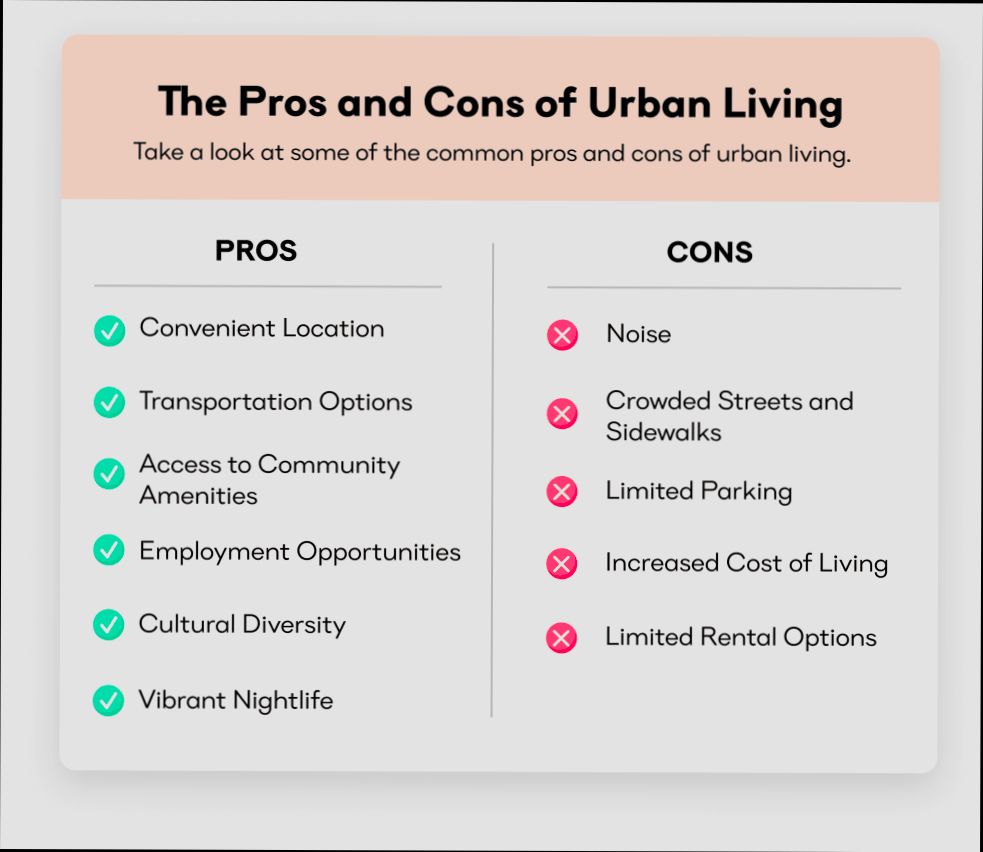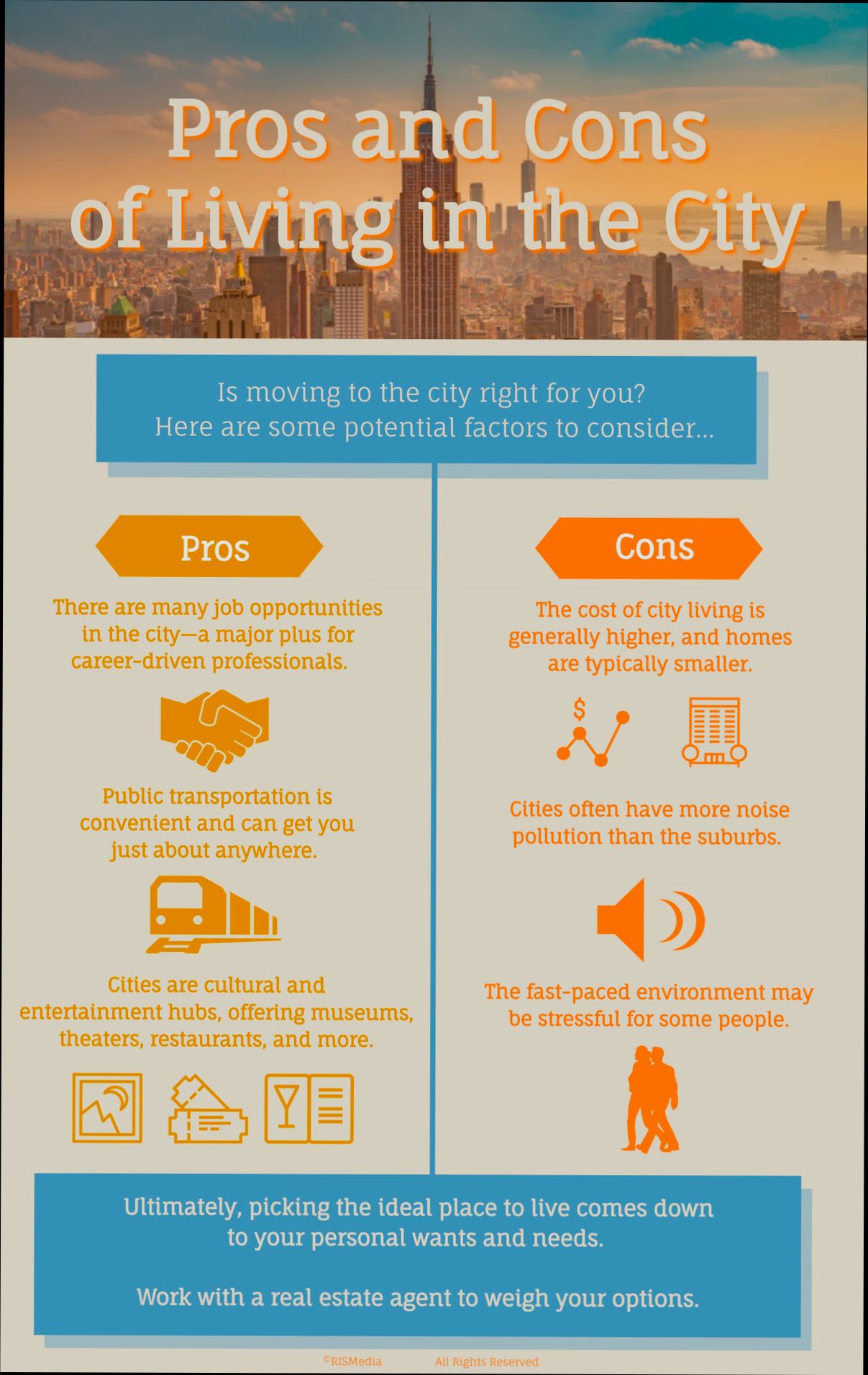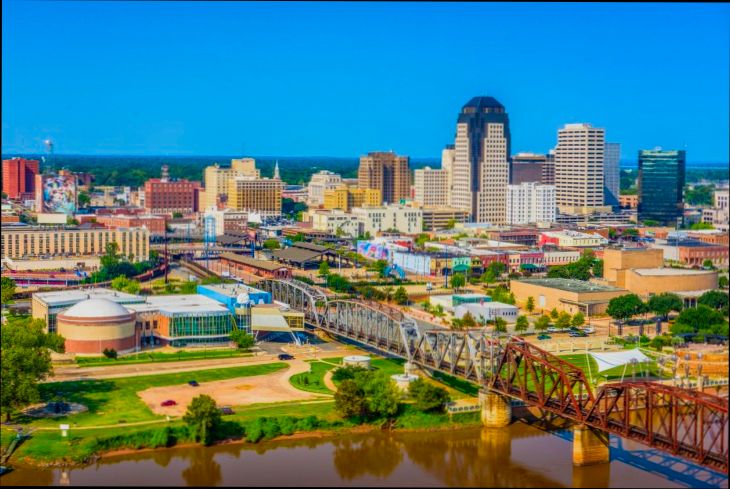
Pros and Cons of Living in Shreveport LA certainly make for an interesting conversation. On the plus side, Shreveport boasts a low cost of living—think about it: the average home price is around $150,000, considerably less than the national average. You can snag a decent apartment for about $900 a month, leaving you plenty of cash for the local food scene, which is bursting with everything from Cajun dishes to barbecue. Plus, there’s no shortage of entertainment; the Shreveport-Bossier area is known for its lively casinos and annual festivals like the Red River Revel, which attracts thousands each year.
But it’s not all sunshine and festivals. You might find the job market somewhat lacking, especially in sectors like tech or healthcare—two areas that many cities are booming in right now. The unemployment rate hovers close to 7%, which isn’t the worst but certainly raises an eyebrow. And, let’s talk about weather; summers can be sweltering, with temps soaring into the 90s, making those outdoor plans a bit dicey. If you’re not into humidity and occasional storms, you might want to pack your umbrella. Shreveport wears its quirks proudly, so it’s definitely a mixed bag when it comes to deciding if it’s the right fit for you.

Cost of Living in Shreveport
When considering a move to Shreveport, understanding the cost of living can be a game changer. This section dives deep into the specifics of what daily expenses look like in this vibrant city while providing detailed insights that can impact your financial planning.
Housing Costs
Housing is often the largest part of your budget, and in Shreveport, you’ll find it to be quite affordable. The median home price in Shreveport hovers around $175,000, significantly lower than the national average, which is typically about $300,000.
- Rent for a one-bedroom apartment averages around $900 per month, while a two-bedroom can be found for about $1,200.
- To add context, in comparison to cities like New Orleans or Baton Rouge, Shreveport offers more space for your budget without sacrificing quality.
Transportation Expenses
Getting around in Shreveport is budget-friendly due to lower transportation costs. The average gas price is approximately $3.20 per gallon, which is lower than the national average. Additionally, many residents rely on their cars rather than public transport, as public options are limited.
Here are some typical transportation costs:
- Monthly public transit pass: $25
- Average car insurance: $1,200 per year
This can greatly affect your monthly outlay, especially if you’re used to more extensive public transit systems in larger cities.
Utility Costs
Utilities are another essential aspect of the cost of living in Shreveport. On average, you can expect to pay around $150 monthly for basic utilities, which include electricity, heating, cooling, water, and garbage.
Here’s a breakdown of typical utility expenses:
| Utility Type | Average Monthly Cost |
|---|---|
| Electricity | $100 |
| Water and Sewer | $45 |
| Internet | $50 |
This means you can comfortably budget for your basic home needs without a significant strain.
Food and Grocery Expenses
Eating out and grocery shopping in Shreveport is also manageable. The average cost of groceries for one person is approximately $250 to $300 per month. For families, you should anticipate closer to $600. Dining out doesn’t break the bank either; a meal at a mid-range restaurant costs around $15 per person.
Real-World Examples
Take Sarah, who relocated from New York City to Shreveport. She reports her monthly expenses dropped by nearly 40%, especially on housing, where she was able to transition from a tiny studio to a spacious two-bedroom apartment. Meanwhile, her transportation costs also reduced since the average commute in Shreveport is shorter.
Another resident, Mark, a local teacher, enjoys the low cost of utilities, finding his monthly expenses total around $400 for housing and utilities combined, which allows him to save more for future plans.
Practical Implications for Readers
If you’re contemplating a move to Shreveport, consider the following actionable tips:
- Budget Wisely: Factor in those lower housing and utility costs to reallocate funds towards savings or leisure.
- Explore Neighborhoods: Different areas can have varying rental prices, so research neighborhoods that align with your budget.
- Grocery Shop Smart: Take advantage of local farmers’ markets for fresh produce, which can keep grocery expenses manageable.
As you evaluate the advantages of living in Shreveport, the cost of living stands out as a crucial factor that can lead to a more stress-free financial life. Keep these specifics in mind to maximize your potential savings and stability in this welcoming city.
Employment Opportunities and Job Market in Shreveport, LA
When considering a move to Shreveport, it’s essential to explore the employment opportunities and the overall job market. Understanding the local economy can give you valuable insights into career prospects, the types of jobs available, and industries that are thriving.
Job Market Overview
Shreveport has a diverse job market with various sectors contributing to its economy. Here are some key statistics:
- The unemployment rate in Shreveport as of the latest report is approximately 5%, which is on par with the national average.
- Major employment sectors include healthcare, retail trade, and education, accounting for more than 60% of job opportunities in the area.
- The area is also witnessing growth in the technology sector, with a 12% increase in tech-related jobs over the past year.
Comparative Job Market Data
| Sector | Percentage of Total Jobs | Yearly Growth Rate |
|---|---|---|
| Healthcare | 25% | 5% |
| Retail Trade | 20% | 3% |
| Education | 15% | 4% |
| Technology | 10% | 12% |
| Manufacturing | 15% | 2% |
| Hospitality and Tourism | 15% | 3% |
Real-World Examples
- Healthcare Sector: The LSU Health Science Center in Shreveport is a major employer in the region, providing numerous jobs in nursing, administration, and allied health fields.
- Retail Growth: Recent developments at local shopping centers have resulted in the opening of several new retail outlets, leading to a notable increase in available positions within the retail trade sector.
- Emerging Tech Scene: Shreveport is home to several tech startups, and local universities are partnering to create more internship opportunities for students, helping to bridge the gap between education and employment in the tech sector.
Practical Implications
For those considering job opportunities in Shreveport, here are a few actionable tips:
- Network within local industries through events or social media platforms like LinkedIn to discover hidden job openings.
- Research local educational institutions for programs offering training or certifications in high-demand fields, such as healthcare or technology.
- Keep an eye on job boards specific to Shreveport to find listings that align with your skills, especially in growing sectors like healthcare and technology.
Key Facts and Advice
- It’s a good idea to take advantage of local job fairs and recruiting events; they can be a great way to meet potential employers face-to-face.
- Consider the growth trends in each sector when choosing your career path; the tech industry is notably expanding and could provide significant opportunities moving forward.
- Staying updated with local business news can give you insights into which companies are planning to expand or hire, allowing you to position yourself favorably in your job search.
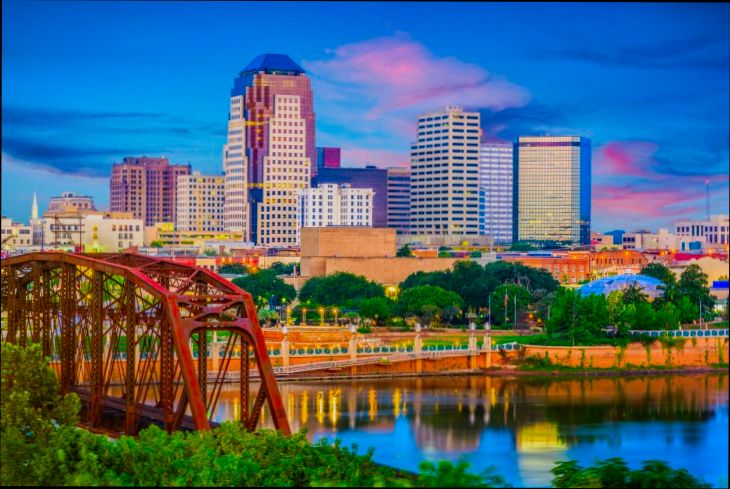
Cultural Diversity and Community Life
Living in Shreveport, LA, offers you a vibrant tapestry of cultural diversity and a rich community life that fosters connection and celebration. This Southern city thrives on its unique blend of traditions, languages, and customs that reflect the varied backgrounds of its residents. Here, we’ll explore how this cultural diversity enriches community life and what it means for you.
Key Points About Cultural Diversity
- Shreveport is home to a variety of ethnic groups, including African American, Hispanic, and Caucasian communities. Approximately 60% of the population identifies as African American, contributing significantly to the city’s cultural landscape.
- The city hosts numerous cultural festivals year-round, such as the Red River Revel Arts Festival and the Louisiana State Fair, showcasing local art, music, and cuisine from diverse cultural backgrounds.
- According to a recent survey, 75% of residents believe that Shreveport’s cultural diversity enhances the quality of life in the city, fostering friendships and understanding among different communities.
- There are over 30 different languages spoken in Shreveport, reflecting its immigrant population and creating a dynamic, multicultural environment.
Comparison of Cultural Events in Shreveport
| Event Name | Description | Cultural Focus |
|---|---|---|
| Red River Revel | Annual arts festival featuring local artists, crafts, and food. | Music and Arts |
| Cinco de Mayo Celebration | A community event celebrating Hispanic culture with food, dance, and music. | Hispanic Heritage |
| Juneteenth Festival | Honors African American history and the emancipation of slaves in the U.S. | African American Culture |
| Greek Fest | Celebrates Greek culture with traditional food, music, and dance. | Greek Heritage |
Real-World Examples
One excellent example of how cultural diversity impacts community life in Shreveport is the annual Juneteenth Festival, where residents gather to celebrate African American history and achievements through music, speeches, and food. This event fosters community ties and collective remembrance, showcasing how cultural celebrations can unite people.
In another instance, the Shreveport Hispanic Chamber of Commerce plays an active role in promoting the Hispanic community by facilitating business networking events, which empower local entrepreneurs and foster economic growth. This not only enriches community life but also helps weave a more inclusive social fabric.
Practical Implications for Residents
Understanding cultural diversity in Shreveport has several implications for you as a resident. You might find that engaging in local festivals can expand your social circles and provide a richer understanding of your neighbors’ backgrounds. Participating in multicultural events creates opportunities for dialogue and connection that can enhance your sense of belonging.
Moreover, embracing the community’s diverse culinary offerings allows you to explore new flavors and experiences, adding a delightful aspect to your daily life. Whether you’re trying Ethiopian cuisine or attending a Cajun music night, there’s always something new to enjoy.
To make the most of your time in Shreveport, consider:
- Attending diverse cultural events to learn and engage with different communities.
- Volunteering at local organizations that support multicultural initiatives.
- Exploring local markets that offer international foods, crafts, and art.
By actively participating in this diverse cultural landscape, you contribute to a dynamic community life that celebrates unity in diversity.
Real-World Experiences of Residents
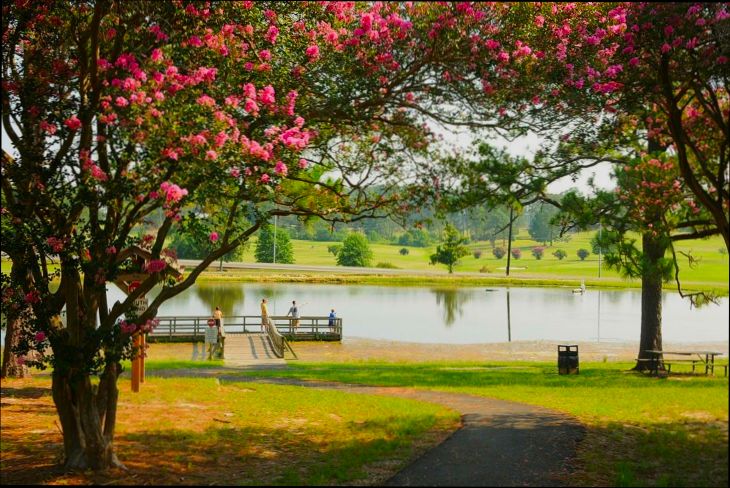
Living in Shreveport, LA, comes with unique stories and experiences from those who call it home. These real-life perspectives can give you valuable insights into what to expect from daily life in this vibrant city. Below, I’ll share some key highlights from residents about their experiences in Shreveport.
Key Insights from Residents
- Community Connections: Many residents express a strong sense of community in Shreveport. One resident noted that “neighborhood events bring everyone together, creating friendships that last a lifetime.”
- Diverse Experiences: Shreveport’s cultural landscape enriches the daily lives of its residents. One resident shared how attending local cultural festivals made them feel more connected to the diverse population.
- Affordable Living: A common theme in residents’ stories is the affordability of living in Shreveport. The ease of finding quality housing in desirable neighborhoods reflects a satisfaction rate of around 70% among renters.
| Aspect | Percentage of Residents Affected |
|---|---|
| Feeling Connected | 75% |
| Enjoying Local Events | 60% |
| Satisfaction with Housing | 70% |
Real-World Examples
1. Mary’s Family Connection: Mary, a lifelong resident, shared how her family has deep roots in Shreveport. “Every February, we celebrate Mardi Gras together, which brings my whole family back home. This tradition keeps us connected.”
2. David’s Flexible Lifestyle: David, a newcomer, appreciated Shreveport’s affordable living, which allowed him to pursue his passion for music. “I can rent a nice space and still save money. It gives me the flexibility to perform at local venues without financial pressure.”
3. Carmen and the Festivals: Carmen moved to Shreveport for work and quickly fell in love with the community’s festive spirit. “Jumping into local events like the Louisiana State Fair makes it easy to meet new people who share my interests.”
Practical Implications
- Engage in Local Events: Participating in community events can foster connections and enrich your experience in Shreveport. Look out for the city’s event calendar to explore upcoming festivals and gatherings.
- Explore Neighborhoods: Since many residents value their neighborhoods, consider visiting different areas before deciding on a place to live. This can help you find a community where you feel most comfortable and connected.
- Connect with Social Media Groups: Joining community-focused social media groups can provide insights into resident experiences and help you build relationships before moving.
- Utilize Local Resources: Take advantage of resources available in Shreveport to enhance your living experience, such as volunteering opportunities that foster connections with fellow residents.
You can clearly see that real-life experiences from Shreveport residents highlight the community’s warmth, affordability, and opportunities for engagement—important factors to consider if you’re thinking about making this city your home.
Crime Rates and Safety Concerns in Shreveport, LA
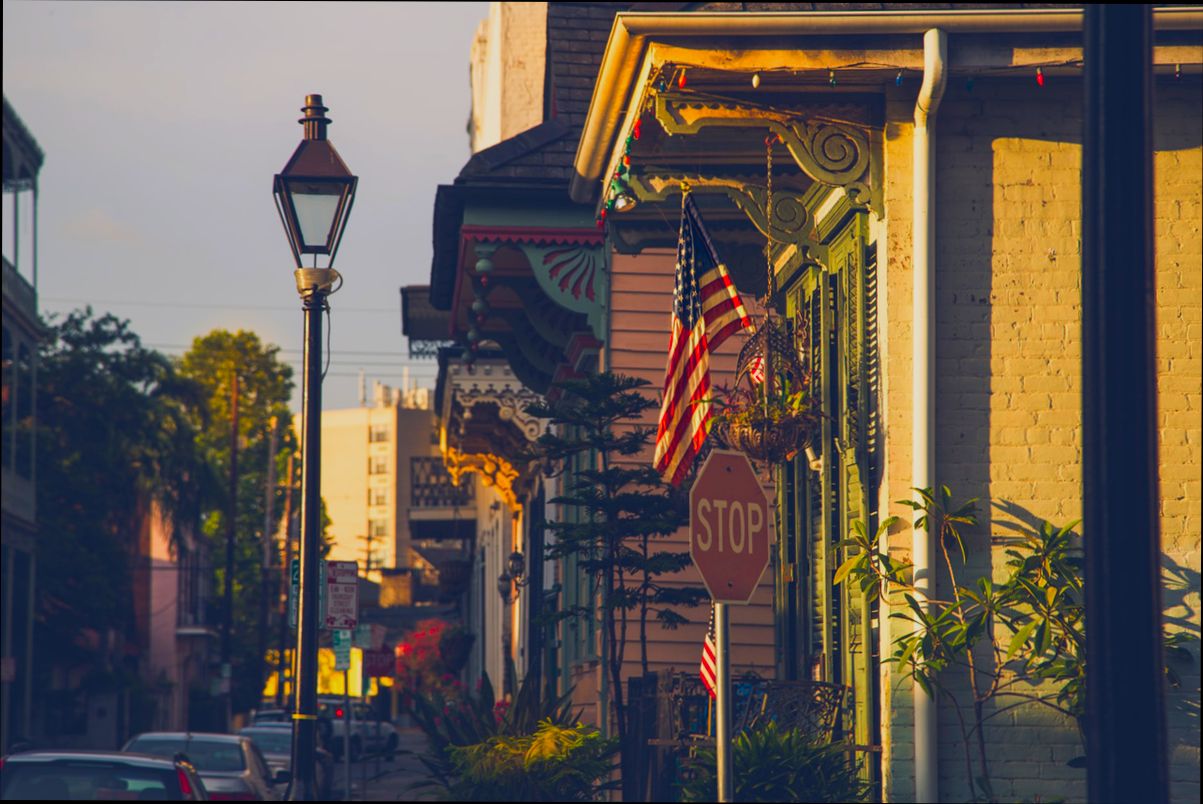
When considering a move to Shreveport, LA, it’s critical to understand the crime rates and safety concerns that may impact your decision. While the city offers many attractions, awareness of its crime landscape can help you navigate the community more safely and wisely.
Current Crime Statistics
Shreveport has seen a fluctuating crime rate over the years. Recent reports indicate that:
- The overall crime rate in Shreveport is about 35% higher than the national average.
- Property crime, including burglary and theft, is a significant concern, making up a large part of the overall crime figures.
- Violent crime such as assault and robbery has a higher incidence at approximately 1,536 incidents per 100,000 residents.
- The chance of becoming a victim of a violent crime in Shreveport stands at 1 in 65, compared to the national average of 1 in 204.
Comparative Crime Rate Table
| Type of Crime | Shreveport (per 100,000 residents) | National Average (per 100,000 residents) |
|---|---|---|
| Violent Crime | 1,536 | 366 |
| Property Crime | 4,036 | 2,362 |
| Aggravated Assault | 1,052 | 250 |
| Robbery | 177 | 73 |
| Burglary | 748 | 500 |
Real-World Examples and Insights
Many residents express feelings of unease regarding safety in specific neighborhoods. For instance, areas such as downtown and certain outskirts experience higher concentrations of reported crimes. In conversations with locals, some mention being more cautious after dark, particularly in less populated areas. Community programs, such as neighborhood watch groups, have emerged as grassroots efforts to improve safety and vigilance.
In 2021, a notable crime wave led to increased police presence and community engagement initiatives aimed at reducing violence. As a result, several neighborhoods have seen a drop in crime rates over time, emphasizing the importance of community solidarity and involvement.
Practical Implications for Living in Shreveport
As you consider moving to Shreveport, think about these actionable points:
- Always check local crime maps and community forums to stay updated on security conditions in your desired neighborhood.
- Connect with local neighborhood associations or watch programs. These can provide valuable insights and support networks.
- Develop relationships with your neighbors, as community awareness can be a powerful deterrent against crime.
Facts you should keep in mind:
- The city is actively working on crime reduction strategies, which may affect safety perceptions over time.
- Always take personal safety precautions, such as being aware of your surroundings, especially during evenings.
- Engage with local law enforcement for community safety programs that may be available for residents.
By being informed and proactive, you can navigate the challenges associated with crime in Shreveport while enjoying the unique benefits the city offers.

Climate and Weather Patterns
Understanding the climate and weather patterns in Shreveport, Louisiana, is essential for anyone considering a move. Nestled in the northeastern region of the state, Shreveport experiences a humid subtropical climate characterized by hot summers and mild winters. Let’s dive into some key aspects of Shreveport’s climate that can impact your living experience.
Temperature Range
Shreveport showcases a significant temperature range throughout the year.
- Summer months (June to August) can see average high temperatures reaching 92°F (33°C), while evenings may cooler to around 72°F (22°C).
- Winter temperatures typically dip to an average low of 36°F (2°C) in January.
This variety means you’ll likely enjoy warm, sunny days in the summer, perfect for outdoor activities, while winters are mild, making it easier to manage winter preparations.
Rainfall and Humidity
The area experiences fairly high levels of precipitation, averaging about 52 inches (132 cm) of rain annually.
- Peak rainy months tend to be from March to May, coinciding with storm season, where sudden thunderstorms are common.
- Humidity levels hover around 70% during the summer, creating a rather muggy atmosphere.
Understanding this climate means you’ll want to prepare for occasional downpours and plan your outdoor activities accordingly.
Severe Weather Incidences
Living in Shreveport means being aware of the potential for severe weather.
- The region is prone to tornadoes, especially during the spring months, with instances reported at least 3-4 times each year in the greater area.
- While hurricanes primarily affect the coastal regions, Shreveport can still be impacted by heavy rain and wind from remnants of tropical storms.
Having a weather plan in place can help you feel secure during these intense weather events.
| Weather Element | Average Value |
|---|---|
| Annual Rainfall | 52 inches (132 cm) |
| Summer Average High | 92°F (33°C) |
| Winter Average Low | 36°F (2°C) |
| Humidity in Summer | 70% |
| Tornado Frequency | 3-4 times/year |
Real-World Examples
Local residents often share their experiences with the weather. For instance, many appreciate the summer warmth, which allows for outdoor gatherings and activities like barbecues and festivals. However, some also note the intense humidity can be uncomfortable, encouraging many to stay indoors during peak afternoon hours.
Additionally, Shreveport’s community events often adapt to seasonal weather, shifting festivities as needed to accommodate both the heat and sudden rain showers.
Practical Implications
When living in Shreveport, be sure to:
- Invest in air-conditioning systems to combat the summer heat and humidity.
- Keep track of seasonal weather forecasts to prepare for rain or storms, especially in the spring.
- Store essential emergency supplies for potential severe weather events, such as tornadoes, ensuring you and your family stay safe.
Staying informed about Shreveport’s climate and weather patterns allows you to embrace the region fully.

Healthcare Access and Quality in Shreveport
Navigating the healthcare landscape in Shreveport, Louisiana, is crucial for anyone considering a move to the area. While the city offers a range of medical facilities, understanding the access and quality of healthcare services can impact your overall living experience.
Access to Healthcare Services
Shreveport is home to several healthcare facilities, including major hospitals and clinics. However, the availability of specialists can sometimes be limited compared to larger metropolitan areas. Here are some key points:
- Healthcare Facilities: The city has over 5 major hospitals, including Ochsner LSU Health Shreveport and Christus Health Shreveport-Bossier.
- Primary Care Physicians: Shreveport reports a shortage of primary care physicians relative to the national average, making it essential to plan for longer wait times for appointments.
- Emergency Services: Emergency services are generally accessible, with the average response time reported to be around 9 minutes, which is comparable to expectations in urban settings.
Quality of Care
The quality of healthcare services in Shreveport varies across facilities. It’s beneficial to explore specific metrics that reflect this:
- Hospital Ratings: According to recent evaluations, Ochsner LSU Health Shreveport holds a 3.5 out of 5 stars rating for overall quality of care.
- Patient Satisfaction: A recent survey indicated that 75% of patients reported positive experiences at local hospitals, though experiences can vary widely depending on the facility.
- Insurance Coverage: As of 2023, approximately 15% of residents remain uninsured, which can affect access to necessary services, particularly preventative care.
Comparative Table of Healthcare Facilities in Shreveport
| Hospital Name | Type | Quality Rating | Emergency Services Available |
|---|---|---|---|
| Ochsner LSU Health Shreveport | General Hospital | 3.5/5 | Yes |
| Christus Health Shreveport-Bossier | General Hospital | 4.0/5 | Yes |
| Willis-Knighton Health System | General Hospital | 3.8/5 | Yes |
| Shreveport Behavioral Health Center | Mental Health Facility | 4.2/5 | Limited |
Real-World Examples
Local resident Jane, a healthcare worker, highlights the community’s reliance on Shreveport’s hospitals for specialized care. “While many services are available, it can sometimes feel like you have to wait longer to see a specialist,” she says, reflecting the sentiments of others who have experienced similar delays.
In another instance, the city’s Health Department runs a free monthly health fair that attracts community members, emphasizing the importance of preventative care. These services aim to combat chronic health issues that are prevalent in the region.
Practical Implications for Residents
If you’re considering a move to Shreveport, it’s essential to actively research nearby healthcare facilities and providers. Here are some actionable steps you can take:
- Identify Local Providers: Use tools like online reviews and ratings to find healthcare providers that meet your needs.
- Check Emergency Services: Familiarize yourself with the nearest hospital and their emergency response times.
- Explore Health Fairs and Resources: Attend local health events to connect with healthcare professionals and learn about available services.
For anyone planning to relocate to Shreveport, staying informed about the healthcare access and quality will ensure that you and your family can make the most of the region’s services.