How Much Are Utilities in Norway? If you’re planning to live in Norway, getting a grip on the utility costs will help you budget effectively. For instance, the average monthly electricity bill for a typical Norwegian household can range from 800 to 1,500 NOK, depending on the season and your usage patterns. Meanwhile, the price of heating, especially during those long, chilly winters, can really add up; many folks report costs around 1,200 to 2,400 NOK monthly when using district heating.
Water prices may seem modest at first glance, often hovering around 30-50 NOK per cubic meter, but don’t forget about those sewage and waste disposal fees that can spike your bills. Internet, on the other hand, is fairly reasonable. You can expect to pay roughly 600 to 1,000 NOK for a solid broadband connection. It all adds up quickly, so understanding these costs will give you a clearer picture of daily life in this beautiful country.

Utility Cost Overview in Norway
When considering a move to Norway, understanding utility costs is essential for budgeting and financial planning. This overview focuses on electricity, water, and heating expenses that you can expect as a resident in this Nordic country.
Key Costs
1. Electricity Costs: Electricity prices fluctuated significantly over the past year due to various factors, including global energy trends. Currently, the average cost of electricity per kilowatt-hour is approximately 1.20 NOK (excluding VAT). It’s important to note that the Norwegian government has implemented a subsidy scheme, which supports households by covering 90% of the electricity price exceeding a certain level during peak prices.
2. Water and Wastewater: The average cost of water supply and wastewater services varies by region. For instance, in Oslo, the annual water charge can range from 3,000 to 4,500 NOK per household. You might find smaller municipalities charging less, but the cost can increase based on water demand and wastewater management policies.
3. Heating Costs: The type of heating system you use also impacts monthly utility costs. Many Norwegians rely on electricity for heating, with an average monthly bill ranging from 400 to 1,200 NOK depending on the season and temperature. In contrast, households using district heating systems may see more stable monthly costs, typically around 800 to 1,000 NOK.
Comparative Table of Utility Costs
| Utility Type | Average Monthly Cost | Description |
|---|---|---|
| Electricity | 1,200 NOK | Average cost for a standard household. Utilizes subsidies during peaks. |
| Water | 350 NOK | Average monthly fee based on consumption in Oslo. |
| Wastewater | 300 NOK | Standard sewage fee that may vary regionally. |
| Heating (Electric) | 900 NOK | Monthly heating costs, fluctuating by season. |
| Heating (District) | 950 NOK | More stable costs for districts heating systems. |
Real-World Examples
Take a typical family living in Oslo as an example. With an average electricity bill of about 1,200 NOK, plus a water and wastewater fee totaling 650 NOK, their total utility cost would approximately be 1,850 NOK monthly. However, if they’re in a smaller town, the costs may drop by 15-20%, showcasing regional differences in utility expenses.
Likewise, expats often share experiences of adjusting to these costs. One expat noted that their monthly heating expenses were substantially lower after switching to a district heating system, benefiting from communal efficiencies that reduced individual bills.
Practical Implications
Understanding your utility costs will help you make informed decisions when relocating to Norway. Here are some actionable insights:
- Budget for Fluctuations: Electricity costs can vary greatly depending on seasonal demand, so consider using an average over several months for budgeting.
- Explore Subsidies: Be aware of government subsidies available for electricity. These can significantly alleviate costs during peak price seasons.
- Research Local Rates: Check with local providers to understand water and heating rates in your area, as they can differ significantly from city to city.
Actionable Advice
Consider implementing energy-saving practices to manage your electricity usage effectively. By installing smart meters and utilizing energy-efficient appliances, you can potentially reduce your electricity consumption and monthly bills. Stay informed on local rates and explore different providers, as competition can lead to better pricing for you as a resident in Norway.
Comparative Analysis of Utility Rates
Understanding the comparative landscape of utility rates in Norway can help you navigate your options better. By diving into the specifics, you’ll get a clearer view of how these rates stack up against each other and what it means for your overall expenses.
Key Comparisons of Utility Rates
In Norway, utility rates can vary significantly based on the type of service and the region. Here are some critical comparisons:
- Electricity Rates: On average, electricity rates in Norway can peak around 1.20 NOK per kWh for residential users, but prices fluctuate greatly based on seasonal demands and production levels.
- Water Charges: Water rates can vary, but typically, you might expect to pay about 40 NOK per cubic meter. This fluctuates by municipality, as local infrastructure and groundwater sources can impact costs.
- Waste Management: The average cost for waste disposal ranges from 200 to 500 NOK monthly, depending on household size and the services included.
| Utility Type | Average Rate (NOK) | Notes |
|---|---|---|
| Electricity | 1.20 NOK/kWh | Rates can peak based on demand |
| Water | 40 NOK/m³ | Varies by municipality |
| Waste Management | 200-500 NOK/month | Based on household size |
Real-World Examples
For instance, in Oslo, the total monthly utility bill for a medium-sized apartment can total around 2,500 NOK, combining electricity, water, and waste management fees. However, a family living in a smaller town like Bodø may see a lower utility cost of around 1,800 NOK, reflecting both lower rates and possibly reduced consumption.
Another case study is the comparison between urban and rural areas. Residents in Bergen may find that their heating costs are affected by higher electricity rates in winter, while in Tromsø, where heating is essential, households might be better insulated to counter higher utility costs, averaging about 2,200 NOK monthly.
Practical Implications for Readers
When comparing utility rates, remember that local factors play a crucial role in determining your costs. If you’re considering moving to a different region, examine these rate differences carefully.
- Budgeting Wisely: Try to anticipate seasonal spikes in electricity prices, particularly during winter.
- Research Local Rates: Check local government websites for up-to-date information on water and waste management services to find the most economical options.
Actionable Advice
If you’re keen on minimizing utility expenses, look into energy-efficient appliances and practices. Opting for homes equipped with good insulation and energy-saving installations can substantially impact your monthly bills. Also, consider bundling services where available; some providers offer discounts for combining utilities, which could save you money over time. Explore these options to optimize your utility spending effectively.

Impact of Energy Sources on Costs
The choice of energy sources significantly affects utility costs in Norway. Understanding how different energy options impact pricing can help you make informed decisions, whether you’re a resident or a business owner.
Key Factors Influencing Costs
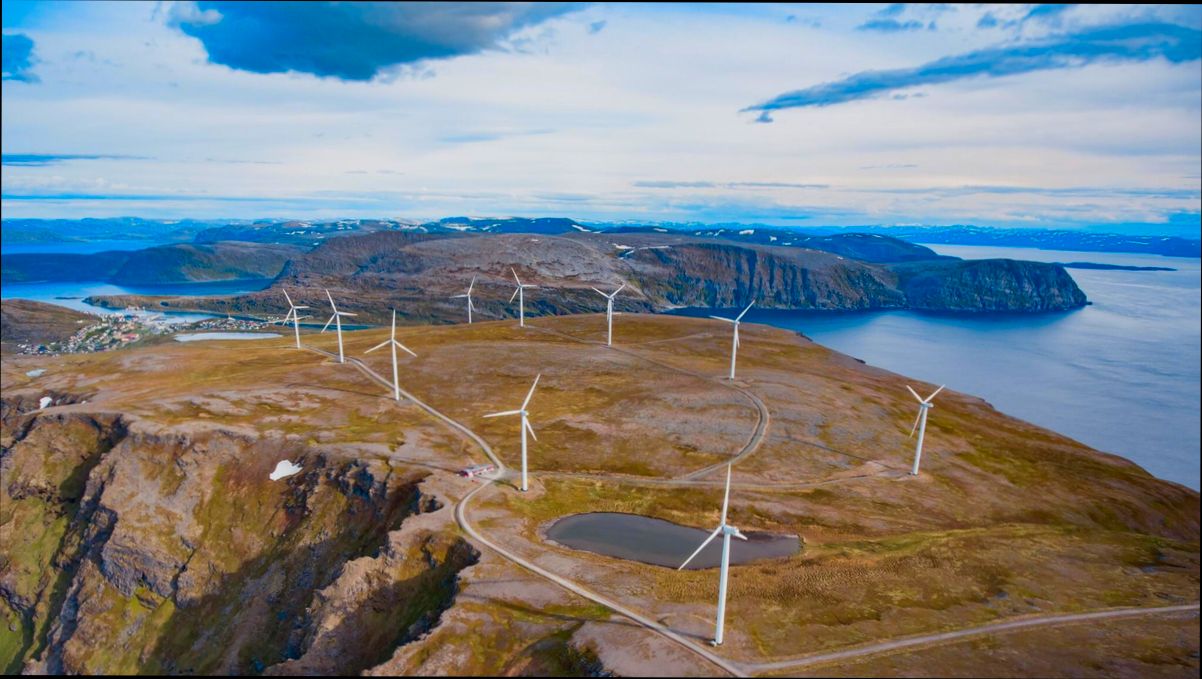
1. Hydropower Prevalence: Approximately 97% of Norway’s electricity comes from hydropower. This abundance helps keep electricity prices relatively low compared to other countries.
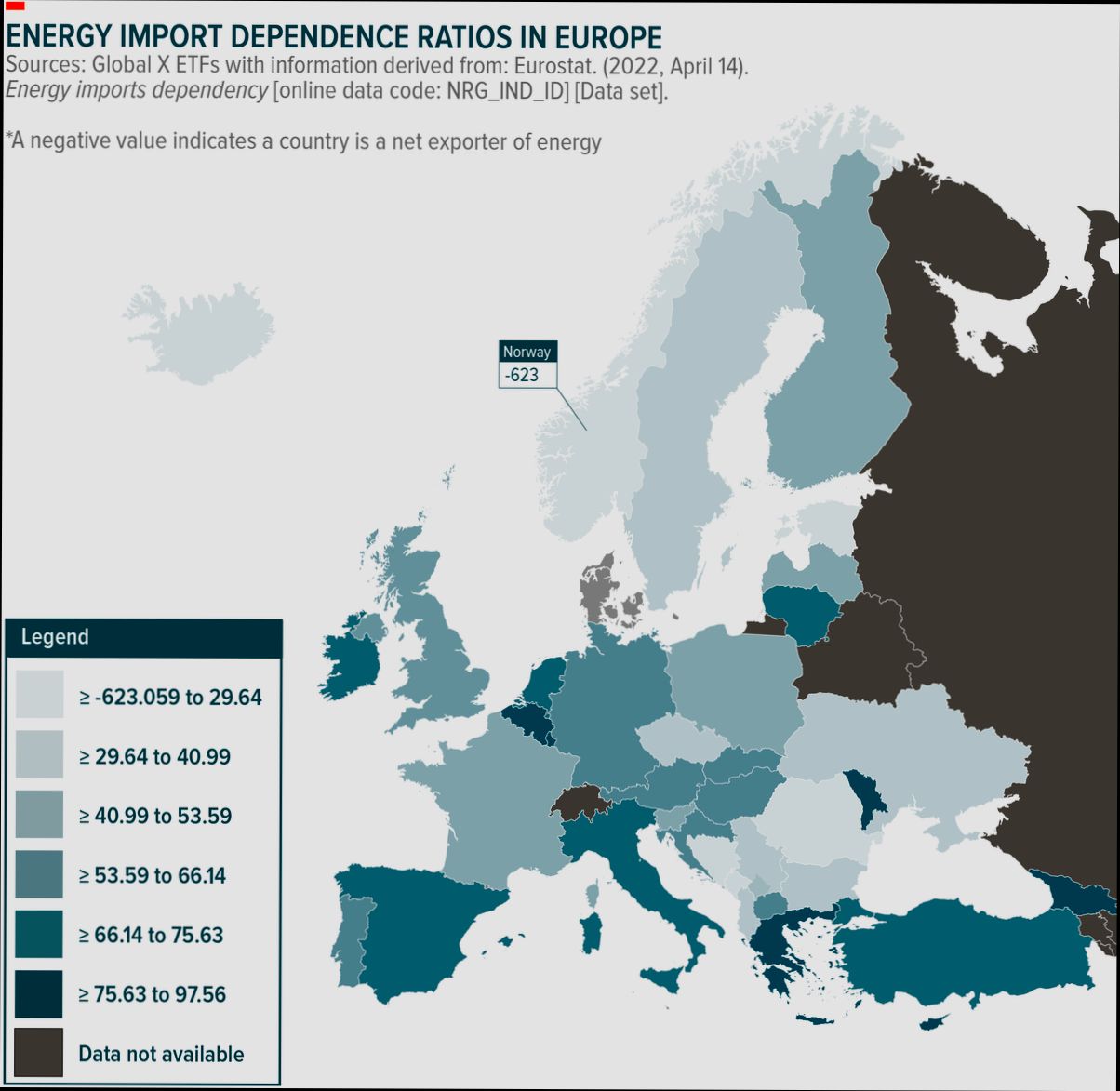
2. Market Variability: Although Norway has stable prices, energy costs can fluctuate based on global market conditions, especially for oil and gas, which collectively accounted for 8% of Norway’s energy supply in 2022.
3. Renewable Initiatives: Investments in renewable energy sources, such as wind and solar, have begun impacting costs more recently. Wind energy alone constituted about 3% of the total energy mix, but its growth is expected to influence prices positively as more projects come online.
4. Grid Management Fees: The costs associated with managing and maintaining the electricity grid can vary depending on the energy source used. Renewable sources may require additional infrastructure investments, which could alter consumer prices in the future.
Comparative Cost Analysis of Energy Sources
| Energy Source | Percentage of Consumption | Average Cost Impact (NOK/kWh) |
|---|---|---|
| Hydropower | 97% (dominant source) | 1.50 |
| Oil and Gas | 8% | 2.00 |
| Wind Energy | 3% | 1.80 |
| Solar Energy | 1% | 2.50 |
Real-World Examples
A recent analysis revealed that cities relying more on hydropower, like Tromsø, enjoyed electricity costs nearly 25% lower than cities predominantly using fossil fuels, like Oslo. This stark difference illustrates how energy sources can directly affect utility expenses.
In another case, a commercial building in Bergen switched from oil heating to a mixed system powered by wind energy and solar panels. This transition resulted in a 15% reduction in annual heating costs, demonstrating tangible savings from energy source adjustments.
Practical Implications for Consumers
- Energy Choice: If you’re considering upgrades or new installations in your home, opting for systems that utilize hydropower or renewables can lead to significant cost savings.
- Monitor Legislative Changes: Keep an eye on government policies promoting renewable energy, as they can affect pricing directly. Policies enhancing hydropower efficiency could lead to even lower rates.
- Evaluate Energy Providers: Different providers may source energy differently, impacting your monthly bill. Choosing providers that prioritize low-cost sources, such as hydropower, could benefit your budget.
Energy costs in Norway are not just a reflection of consumption patterns but are intricately linked to the sources of power generation. Understanding this connection empowers you to make choices that align with your financial goals and energy needs.
Real-Life Scenarios of Utility Expenses
Understanding real-life scenarios of utility expenses in Norway can make a significant difference in how you plan your budget. Let’s explore practical examples and actionable insights to help you better manage your utility costs.
Key Points to Consider
- Gathering Financial Statements: To start grasping your utility expenses, gather all relevant documents. Financial statements, utility bills, and receipts give you a complete overview. In fact, households in Norway spend approximately 20% of their total expenses on utilities, including electricity, heating, and water.
- Categorizing Expenses: Break down your utility costs into specific groups. Essential utilities like electricity, water, and waste management should be separate from other discretionary costs. This clear categorization allows you to see where your money is going more vividly.
- Fixed vs. Variable Expenses: Identify which utility expenses are fixed (like a monthly water fee) and which are variable (such as electricity that fluctuates based on usage). For example, a typical household in Oslo might see its electricity bill vary by 30% depending on seasonal usage.
| Expense Type | Fixed Costs | Variable Costs |
|---|---|---|
| Electricity | Monthly fee | Seasonal usage |
| Water | Monthly fee | Usage-dependent |
| Heating | Monthly fee | Temperature-driven |
Real-World Examples
1. Electricity Expenses: A family living in Bergen recently reviewed their monthly electricity bill, which was around NOK 1,200 in winter months. They discovered that by moderating their heating and investing in energy-efficient appliances, they managed to lower their bill to NOK 900 in summer months—a reduction of 25%.
2. Water Costs: A single person in Trondheim documented their water consumption and identified that taking shorter showers and fixing leaks reduced their monthly water bill from NOK 400 to NOK 300, a 25% savings.
Practical Implications for You
- Consider using a utility cost calculator specific to your area. This tool can help you estimate your total utility expenses based on your home size and location, making it easier to budget accordingly.
- Identify Discretionary Expenses: If you spend on extra services like premium waste disposal, see if it’s essential. By switching to a basic service, you can save up to NOK 200 per month.
- Review and Adjust Regularly: Allocate time each month to review your utility expenses against your budget. Track trends—if you notice an upward trend in expenses, make adjustments accordingly. Simple changes, like using timers on heating systems, can yield significant savings.
Actionable Advice
- Utilize available discounts or loyalty programs from local suppliers.
- Invest in smart meters to monitor and manage your utility usage more effectively.
- Regularly compare prices with other service providers to ensure you get the best rates, potentially saving you around 10-15% on regular payments.
Understanding your utility expenses through the lens of real-life scenarios not only enhances your financial awareness but also opens doors to effective budgeting and cost savings throughout the year.
Financial Benefits of Renewable Energy
When we talk about renewable energy, the potential for significant financial benefits can be a game changer for utility consumers. By investing in and supporting renewable energy sources, we can enjoy lower long-term utility costs, greater energy independence, and enhanced environmental stewardship. Let’s dive into how embracing renewables can positively impact your finances.
Cost Savings on Electricity Bills
Switching to renewable energy sources can lead to considerable savings on your monthly electricity bills. According to recent studies, households utilizing renewable energy solutions save on average up to 20% compared to those relying solely on traditional energy sources. This reduction arises from the declining costs of renewable technologies, which have decreased by 80% in the last decade. As these costs continue to drop, the savings for consumers are expected to increase even further.
Long-Term Economic Stability
Investing in renewable energy not only leads to immediate savings but also promotes long-term economic stability. By integrating renewables into the energy mix, households contribute to a diversified energy portfolio that minimizes price volatility. Historically, regions that have prioritized renewables have seen a stabilization of electricity costs, protecting consumers from unpredictable fluctuations in fossil fuel prices.
Job Creation and Local Investment
The renewable energy sector is a significant source of job creation. In Norway, an estimated 97% of the workforce in the energy sector can directly or indirectly benefit from the growth of renewables. Investing in local renewable energy projects not only helps to create jobs but also stimulates community investment, which can further enhance economic benefits for local residents. Engaging with local renewable initiatives often results in more funds circulating within the community, positively affecting local businesses.
| Financial Aspect | Traditional Energy | Renewable Energy |
|---|---|---|
| Average Savings on Electricity Bills | N/A | Up to 20% |
| Cost Reduction of Renewable Tech | N/A | 80% over 10 years |
| Job Creation Potential | Variable | 97% employment benefit |
| Impact on Local Investment | Minimal | Significant |
Real-World Case Studies
Take the city of Bergen, for instance. By investing in wind and solar projects, the local government has significantly reduced electricity costs for residents, with savings reported as high as 15-25% over traditional energy sources. Another example is the initiative in Oslo, where local businesses have reported a 30% decrease in energy expenditures after switching to solar power systems. These cases illustrate how regional investments in renewable energies translate into tangible financial benefits for consumers.
Practical Implications for You
As a consumer, consider the following actionable steps to maximize your financial gains from renewable energy:
- Evaluate Local Incentives: Research any local government incentives or rebates available for switching to renewable energy. Many regions offer financial assistance that can offset the initial costs of installation.
- Explore Community Solar Programs: Join community solar initiatives that allow you to invest in solar power without the need for rooftop installations. These programs can provide you with lower electricity costs while supporting local renewable projects.
- Energy Efficiency Upgrades: Combine renewable energy investments with energy efficiency improvements in your home, which can further reduce your utility costs.
Specific Facts and Advice
Investing in renewable energy not only fosters a more sustainable future but also enhances your financial well-being. For instance, think about transitioning to solar panels with a payback period of under five years. Furthermore, supporters of local renewable projects have seen a return on investment of around 8-10% annually. As renewable technology and policy evolve, there’s no better time to consider making the switch for both your wallet and the planet.
Monthly Utility Bills: Statistical Insights
When it comes to managing monthly utility bills in Norway, having an understanding of the statistical landscape can help you better plan your finances. Let’s dive into some key insights and data that illustrate the current state of utility expenses in the country.
Key Statistics on Monthly Utility Bills
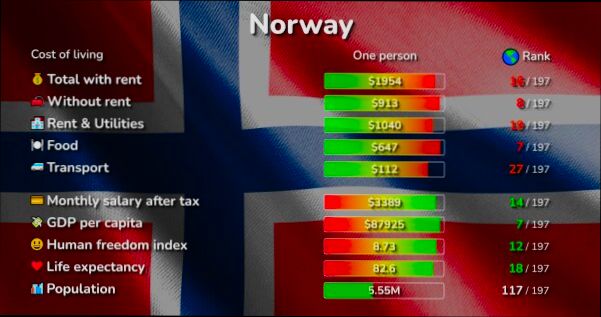
- Average Utility Expenditure: Recent analyses of utility spending show that Norwegians spend approximately 10% of their monthly income on utilities, which can significantly vary based on individual locations and household sizes.
- Electricity Costs: In recent years, Norwegian households have reported an average electricity bill of about 1,200 NOK per month. This figure is influenced by seasonal demand fluctuations and energy source pricing.
- Water and Sanitation: On top of electricity, average monthly expenditures for water and sanitation hover around 600 NOK. Depending on proximity to urban centers, this cost can fluctuate.
- Rising Trends: Over the past year, a noticeable increase in utility bills has been recorded, with reports indicating a 15% hike attributed to rising energy costs and supply constraints.
| Type of Utility | Average Monthly Cost (NOK) | Percentage of Household Income (%) |
|---|---|---|
| Electricity | 1,200 | 5% |
| Water and Sanitation | 600 | 2% |
| Heating | 800 | 3% |
| Total Average | 2,600 | 10% |
Real-World Examples of Utility Expenses
For example, consider a family living in Oslo. Their monthly utility bills typically break down as follows:
- Electricity: 1,300 NOK
- Water: 500 NOK
- Heating: 900 NOK
Combined, they are spending around 2,700 NOK monthly, which represents a more substantial portion of their budget due to the urban lifestyle and higher living costs in the capital.
Conversely, a household in a rural area like Nordland may have lower expenses, averaging around 2,200 NOK monthly for similar services, showcasing how geographical differences impact utility costs.
Practical Implications for Managing Utility Bills
As you navigate your monthly utility expenses in Norway, here are some actionable tips:
- Choose the Right Tariff: Analyze your usage patterns and consider switching to a more favorable electricity tariff that aligns with your consumption habits.
- Monitor Consumption: Regularly check your utility meters to monitor your consumption and identify areas where you can conserve energy and water. This can lead to notable savings.
- Seasonal Preparations: Anticipate seasonal shifts in utility costs, particularly electricity and heating, and adjust your budgeting accordingly, especially during peak seasons.
Understanding the statistical insights around monthly utility bills not only empowers you to make informed decisions but also helps you manage your household budget more effectively. By keeping an eye on average costs and making strategic choices, you can minimize your utility expenses.
Regional Variations in Utility Pricing
Understanding how utility costs vary by region in Norway can help you make informed decisions about where to live and how to budget. With diverse geography and climate, utility pricing fluctuates significantly across different areas of the country.
Key Factors Influencing Regional Pricing
- Geographic Influence: Regions like Troms and Finnmark may experience higher heating costs due to colder climates, while coastal areas benefit from milder temperatures and lower heating requirements.
- Infrastructure Differences: In urban centers such as Oslo and Bergen, more developed infrastructure often leads to higher operational costs, impacting utility pricing.
- Energy Source Dependence: Areas that rely more on imported energy or fossil fuels, like parts of Østfold, tend to have higher electricity prices compared to regions that utilize abundant hydroelectric resources.
Comparative Utility Pricing Table
| Region | Average Electricity Cost (NOK/kWh) | Average Water Cost (NOK/m³) | Heating Cost (NOK/month) |
|---|---|---|---|
| Oslo | 1.50 | 38 | 900 |
| Bergen | 1.40 | 35 | 750 |
| Tromsø | 1.70 | 40 | 1,200 |
| Trondheim | 1.45 | 36 | 800 |
| Stavanger | 1.55 | 37 | 850 |
Real-World Examples
In Oslo, where the average electricity cost is 1.50 NOK per kWh, residents benefit from robust energy infrastructure, yet they face higher overall living costs. Conversely, in Bergen, the local utility providers focus on hydroelectric energy, allowing for a relatively lower average electricity rate at 1.40 NOK per kWh.
In Tromsø, stark winters lead to strikingly high heating costs—approximately 1,200 NOK monthly—reflecting the challenges of maintaining warmth in a subarctic environment. This pricing structure creates significant budget considerations for new residents.
Practical Implications for Residents
When deciding on a location in Norway, consider these regional factors that will directly affect your utility budget. Urban dwellers might face higher costs but generally enjoy better access to efficient services. On the other hand, rural residents or those in more northern regions need to prepare for elevated heating costs during the winter months.
Actionable Insights
- Research Local Utility Providers: Different regions might have multiple utility options, so it’s wise to compare pricing among these providers.
- Consider Energy-Efficient Solutions: In areas with high heating costs, investing in insulation or energy-efficient appliances could provide longer-term savings.
- Keep Local Climate in Mind: Your region’s climate not only impacts heating bills but also affects water heating and electricity needs—be strategic about your choices.
Regional variations in utility pricing can significantly impact your financial health in Norway. By understanding these dynamics, you can better plan and budget, ensuring that you make the most informed living decisions.