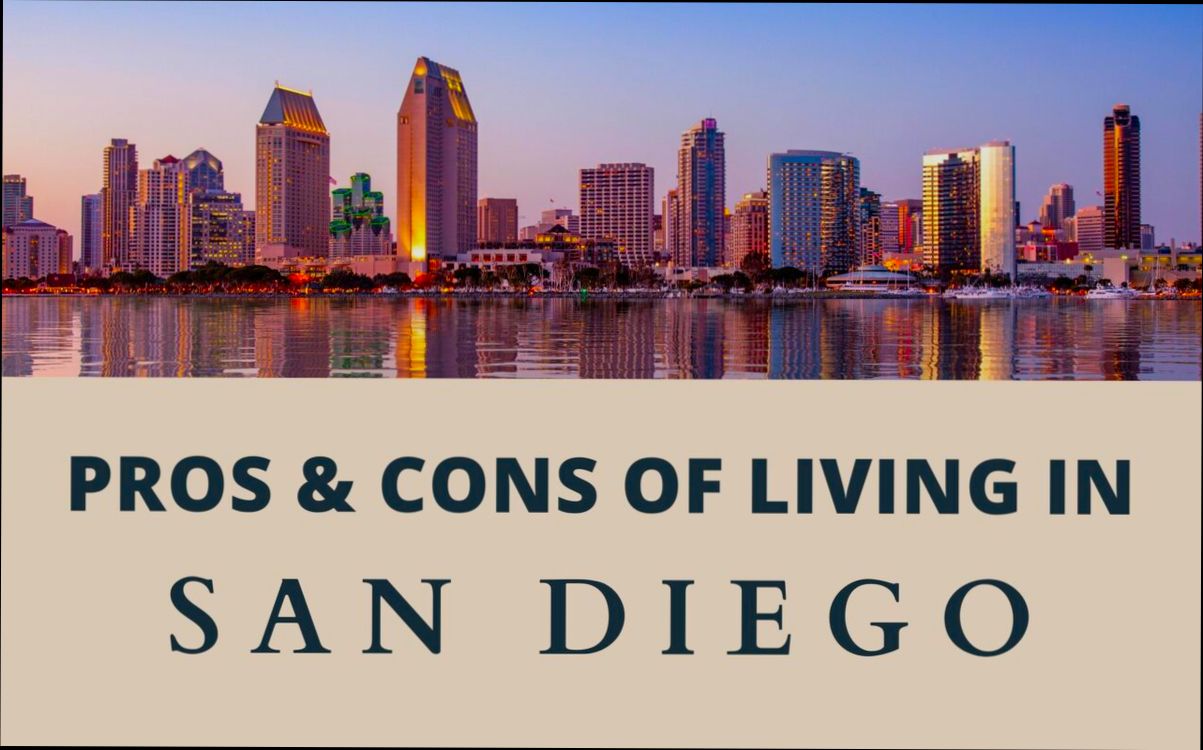
Pros and Cons of Living in San Diego CA, you say? Let’s dive right in. First off, you can’t deny the amazing weather here—an average of 70°F year-round means beach days in January are totally a thing. Picture yourself lounging on the shores of La Jolla Cove or hiking up to the stunning views at Torrey Pines. Plus, with over 70 miles of coastline, opportunities for surfing, snorkeling, and sunbathing are practically endless. And if you’re a foodie, the craft beer scene is legendary, boasting more than 150 breweries. Honestly, who wouldn’t want to explore all those delicious IPAs?
But it’s not all sunshine and snacks. The cost of living can be a major bummer, with housing prices averaging around $700,000 for a single-family home—yes, that’s a jaw-dropping statistic. Rent can be equally daunting; expect to fork out about $2,500 for a decent two-bedroom apartment. Traffic can also test your patience, especially during rush hour when the freeways turn into parking lots. So while you might enjoy that perfect, sunny climate, you could be grumbling about your wallet and your morning commute.

Cost of Living Insights in San Diego
Understanding the cost of living in San Diego is crucial for anyone considering making this vibrant city their home. With its stunning beaches, delightful weather, and diverse culture, living in San Diego comes at a price. Let’s dive into some key financial insights that will help you navigate life in this coastal gem.
Housing Costs
Housing is typically the most significant expense for households in San Diego. Currently, the median home price sits around $800,000, which is 50% higher than the national average. If you’re looking to rent, expect to pay an average monthly rent of about $3,000 for a two-bedroom apartment, which is substantially above the national average of around $1,200.
Daily Expenses
In addition to housing, San Diego residents face various daily expenses. Here are some specifics:
- Groceries: The cost of groceries in San Diego is approximately 14% higher than the national average. A gallon of milk costs about $4.50, and a loaf of bread is around $3.50.
- Utilities: Basic utilities can run about $200 per month, which includes electricity, heating, cooling, water, and garbage.
Transportation Costs
Getting around San Diego can also impact your budget. The average gasoline price hovers around $4.50 per gallon, which is higher than the national average. Public transportation might be a viable option, with a monthly transit pass costing about $72.
Comparative Cost Table
| Expense Category | San Diego Average | National Average | Difference |
|---|---|---|---|
| Median Home Price | $800,000 | $500,000 | +60% |
| Average Rent | $3,000 | $1,200 | +150% |
| Groceries (Milk) | $4.50 | $3.80 | +18.4% |
| Utilities | $200 | $150 | +33.3% |
| Gasoline | $4.50 | $3.40 | +32.4% |
Real-World Examples
Imagine a family of four moving to San Diego. They’d need to budget approximately $10,000 for their first month, considering initial rent payment, utilities, groceries, and personal expenses. Alternatively, a single professional might find their budget stretched to about $4,500 each month just to cover rent and basic living expenses without luxury items.
Another perspective: A recent college graduate moving into a shared apartment may expect their total monthly cost, including rent and utilities, to amount to roughly $1,600, a hefty sum compared to the $1,000 or less many pay elsewhere in the country.
Practical Insights
- Budget Wisely: Factor a higher percentage of your income (around 30-40%) for housing costs when planning your move.
- Explore Local Deals: Look for local grocery stores offering discounts or membership deals to help mitigate grocery expenses.
- Consider Commute: If you’re not near your place of employment, calculate the long-term transportation costs versus the rental prices of homes further out to see if it makes sense to live remotely.
Actionable Advice
Before moving, list your expected monthly expenses and compare them to your anticipated income. Research various neighborhoods in San Diego, as costs can vary widely even within the city. If you take public transportation, exploring public transit schedules and routes beforehand helps you budget effectively for travel costs.

Job Market Opportunities in San Diego
San Diego boasts a diverse job market, making it an attractive destination for job seekers across various industries. With a robust economy and a thriving business environment, opportunities are ripe for finding your next role. Let’s dive into what you can expect from the job market here.
Industry Growth and Diversity
San Diego’s job market is characterized by several thriving industries:
- Technology: The tech sector is continually expanding, particularly in software and biotech, contributing significantly to job creation.
- Healthcare: With numerous hospitals and research facilities, healthcare ranks among the top employers in the region, providing a steady influx of opportunities.
- Tourism and Hospitality: Given San Diego’s attractive climate and beaches, the tourism industry remains a dominant force, especially in seasonal roles.
As of recent data, nearly 37% of the workforce is employed in these key sectors, showcasing the city’s economic diversification.
Job Market Statistics
Here’s a glance at the current job market statistics in San Diego:
| Industry | Job Growth Rate | Average Salary | Major Employers |
|---|---|---|---|
| Tech | 10% | $100,000 | Qualcomm, Intuit |
| Healthcare | 8% | $80,000 | UC San Diego Health System |
| Tourism & Hospitality | 5% | $35,000 | Hilton, Marriott |
Real-World Examples
Consider the case of Qualcomm, a tech giant headquartered in San Diego. It continuously seeks skilled workers, leading to the establishment of numerous programs aimed at local talent development. Their commitment to hiring from regional universities helps to maintain a cycle of employment that benefits both the company and the local economy.
Similarly, Scripps Health, one of the largest healthcare systems in the area, recently expanded its workforce by over 1,000 employees, making them a key player in enhancing healthcare services in San Diego.
Practical Insights
For job seekers, networking and engaging with local professional associations can provide a significant advantage. Organizations such as the San Diego Regional Chamber of Commerce offer numerous networking events that could lead to job opportunities.
Additionally, platforms like LinkedIn and local job boards are invaluable for finding current openings. Statistics show that about 70% of job openings are not advertised publicly, underscoring the importance of leveraging connections in San Diego’s job market.
Actionable Advice
- Begin your search by focusing on companies that consistently show growth in hiring.
- Attend local job fairs to meet employers directly.
- Utilize industry-specific job boards to refine your search according to your professional skills.
San Diego’s job market presents a wealth of opportunities across various sectors, offering robust pathways for career growth and stability.
Climate Benefits of San Diego Living
When considering San Diego as your next home, it’s not just the stunning beaches and vibrant culture that catch your eye; the climate benefits are equally impressive. With mild temperatures and abundant sunshine year-round, San Diego offers a unique environment that’s beneficial for health, lifestyle, and even cost savings.
Ideal Year-Round Weather
- San Diego enjoys an average temperature of about 70°F, making it one of the most temperate climates in the United States.
- The area boasts approximately 266 sunny days a year, which means more time for outdoor activities and less reliance on artificial heating or cooling.
Air Quality and Environment
San Diego consistently ranks among the cities with exemplary air quality in California. For instance:
- The region typically reports ozone levels 20% lower than the national average.
- It has invested in green initiatives that have reduced overall greenhouse gas emissions by 15% over the past decade.
Emphasis on Sustainable Living
Living in San Diego means access to a variety of eco-friendly options that enhance quality of life:
- Public Transport: The city has expanded its public transportation network, resulting in a 10% increase in regular public transit ridership over five years. This reduction in car dependency lowers overall carbon emissions.
- Community Gardens: Over 30 community gardens have sprung up across San Diego, encouraging local food production and enhancing food security while also improving air quality.
| Climate Aspect | San Diego Statistics | National Average |
|---|---|---|
| Average Annual Temperature (°F) | 70 | 55 |
| Sunny Days Per Year | 266 | 205 |
| Greenhouse Gas Reduction (%) | 15 | - |
| Ozone Levels (%) | 20% lower | - |
Real-World Examples
- A local study found that residents who engage in outdoor activities, like hiking or surfing, report a 30% higher satisfaction with their mental health. The consistent favorable climate encourages this lifestyle.
- The city’s efforts to plant more trees along urban roads resulted in a measurable decrease in urban heat, promoting a cooler environment in densely populated areas.
Practical Implications
If you’re considering making the plunge into San Diego living, you’ll find that the climate fosters:
- Better health outcomes through increased physical activities enabled by outdoor-friendly weather.
- Cost savings on energy bills due to lower heating and cooling needs throughout the year.
Actionable Facts
- Give outdoor activities a try! Whether it’s surfing, hiking, or simply enjoying the beach, San Diego’s climate is perfect for an active lifestyle.
- Look for homes with energy-efficient features, as they can help you save even more on utility bills in a naturally temperate environment.
Living in San Diego isn’t just about enjoying the sunny days; it’s about embracing a lifestyle that promotes health, sustainability, and overall well-being in an environment that’s designed to thrive.

Public Transportation Efficiency and Challenges
Public transportation in San Diego is a crucial topic for those contemplating life in this vibrant city. Understanding how efficiently the public transit system operates and the challenges it faces can greatly impact your daily commute and lifestyle choices.
Current Public Transportation Infrastructure
San Diego’s public transportation system is primarily managed by the Metropolitan Transit System (MTS), which operates buses and trolleys throughout the city. However, there are notable efficiency and challenge factors:
- Coverage and Accessibility: The MTS offers extensive coverage, yet around 20% of the city residents find it difficult to access public transport services conveniently due to service gaps in certain neighborhoods.
- Frequency and Reliability: Approximately 45% of bus routes experience delays or irregular schedules, making it important for you to consider timing when planning your travel.
- Ridership Levels: Before the pandemic, public transit ridership was reaching around 95 million passenger trips annually, but recovery has been slow. Current numbers reflect an increase but still lag by 30% compared to pre-pandemic figures.
Performance Metrics Comparison
| Metric | Current Status | National Average |
|---|---|---|
| On-Time Performance Rate | 73% | 82% |
| Average Wait Times (Minutes) | 15 | 10 |
| Total Ridership Growth (Yearly) | -10% | 3% |
This table highlights key performance metrics of San Diego’s public transportation compared to the national average. The on-time performance is a significant challenge, indicating improvements are needed to align with broader standards.
Real-World Examples
- Downtown to Mission Valley Trolley: Residents have noted the trolley’s inefficiencies on peak days, leading to overcrowding. You may want to assess alternative transport options, like rideshares, especially during such times.
- University Routes: Routes servicing local universities have seen a resurgence in ridership, yet they still average over 20 minutes of wait time during off-peak hours—something to consider if you’re a student or employee in that area.
Practical Implications
If you’re relying on public transportation in San Diego, be aware of the frequent delays and plan your travel accordingly. Here are some actionable insights:
- Use Real-Time Apps: Leverage mobile apps for real-time tracking of bus and trolley arrivals to minimize wait times.
- Off-Peak Travel: Consider planning your travel during off-peak hours to avoid overcrowding and delays.
- Feedback Participation: Engage with local government or MTS surveys and public meetings to voice your experiences and suggestions for improvements in the transit system.
Additional Factors to Consider
- Accessibility for Disabled Individuals: MTS does provide accessible transport services, but the effectiveness can vary. Roughly 25% of riders with disabilities cite challenges in navigating the system.
- Funding and Future Investments: Public transportation funding remains a topic of discussion, with initiatives aimed at improving infrastructure and service delivery. Staying updated on these projects can sway your commuting choices in the future.
Being informed about public transportation efficiency and challenges will help you navigate San Diego more effectively, making it easier to integrate public transit into your daily routines.

Cultural Diversity and Social Dynamics
Living in San Diego offers a rich tapestry of cultural diversity and social dynamics, making it a unique place to call home. With a population that echoes a range of backgrounds, San Diego is a microcosm of global cultures. This section will explore the vibrant social landscape that defines the city, highlighting key aspects of the diverse communities that enrich our lives.
A Melting Pot of Cultures
San Diego is home to over 150 different cultures, contributing to a multicultural environment where various traditions and customs coexist harmoniously. This diversity is reflected in the city’s festivals, cuisines, art, and daily interactions.
- Ethnic Composition:
- 30% Hispanic or Latino
- 13% Asian
- 7% Black or African American
- The remaining 50% includes a mix of Caucasian and other ethnic backgrounds.
Social Dynamics at Play
The social dynamics in San Diego also present both challenges and opportunities as diverse groups interact. Understanding these dynamics can enhance your experience in the city.
- Community Engagement: Approximately 65% of San Diegans actively participate in community events, from neighborhood block parties to cultural festivals, fostering strong community bonds.
- Language Diversity: English predominates, but nearly 40% of residents speak a language other than English at home, contributing to a rich linguistic landscape.
| Diversity Aspect | Percentage/Statistic |
|---|---|
| Languages Spoken | 40% |
| Active Community Participants | 65% |
| Volunteering in Diverse Causes | 27% |
Real-World Examples
Consider the annual San Diego Latino Film Festival, which showcases Latinx filmmakers. It draws participants from diverse ethnic backgrounds, encouraging dialogue and understanding through cinema. Events like these not only celebrate diversity but also unite people across cultural divides.
Another example can be seen in the community response during cultural heritage months, where local neighborhoods host educational activities and cultural exhibits. For instance, the North Park neighborhood often organizes events highlighting African American culture, engaging a broad spectrum of the city’s demographic.
Practical Implications for You
If you’re moving to San Diego or simply visiting, immerse yourself in its cultural offerings. Attend local festivals or community meetings to experience the diverse interactions firsthand. Here are some actionable tips:
- Explore neighborhoods known for their cultural richness, such as Little Italy or Barrio Logan, where you’ll find restaurants, art galleries, and local businesses reflecting the area’s heritage.
- Consider joining community groups aligned with your interests or background, which can provide a sense of belonging and further enhance your understanding of different cultures.
- Take language classes to broaden your communication skills and connect with more of the city’s residents.
Specific Facts to Note
- San Diego hosts over 70 annual cultural festivals, celebrating everything from music to food, which provide opportunities for cultural exchange.
- Urban gardening initiatives in the city often bring together diverse ethnic communities, focusing on sustainability while fostering social cohesion.
Engaging actively with San Diego’s vibrant cultural landscape will not only enrich your life but also build connections in this diverse city.

Health and Wellness Benefits in San Diego
San Diego is not just about beautiful beaches and a vibrant culture; it also offers abundant health and wellness benefits that can enhance your quality of life. From the thriving outdoor lifestyle to access to excellent healthcare facilities, living in San Diego can support a holistic approach to well-being.
Access to Quality Healthcare
In San Diego, residents enjoy access to some of the best healthcare facilities in the nation. The city boasts numerous hospitals ranked highly for various specialties. For instance, hospitals like UC San Diego Health and Sharp Coronado Hospital frequently receive accolades for excellence in patient care. This commitment to quality healthcare means you can feel assured about your health journey here.
Outdoor Activities and Fitness Opportunities
With its enviable climate and stunning scenery, San Diego provides endless opportunities for outdoor activities that promote physical fitness.
- More than 70 miles of coastline:
- Perfect for swimming, surfing, and beach volleyball.
- Over 100 hiking trails:
- Ranging from easy walks to challenging hikes, catering to different fitness levels.
Engaging in regular outdoor activities can lead to improved mental and physical health, a fact that many residents benefit from daily.
Community and Support Programs
San Diego is home to various community-based wellness programs that foster social connections and promote physical health. These include:
- Farmers markets: Local markets spread across the city ensure access to fresh, organic produce, which is essential for a balanced diet.
- Fitness classes: Many parks provide free or low-cost fitness classes, including yoga, boot camp, and tai chi, making fitness accessible to all.
Mental Health Resources
Access to mental health resources is critical for overall wellness. San Diego offers a range of services, from counseling centers to wellness retreats. With a community focus on mental well-being, residents often benefit from various support networks. For example, organizations like Mental Health America San Diego provide various programs aimed at improving mental health and wellbeing.
| Benefit | Description | Availability |
|---|---|---|
| Quality Healthcare | Top-rated hospitals and specialized care | Widely accessible |
| Outdoor Activities | Abundant parks and coastline for physical fitness | Year-round |
| Community Wellness Programs | Farmers markets and free fitness classes | Across the city |
| Mental Health Support | Counseling services and wellness programs | Easily accessible |
Real-World Examples
Consider the story of Sarah, a recent transplant from the East Coast. She found her mental and physical health improves immensely after joining a hiking group, capitalizing on San Diego’s numerous trails. Additionally, at weekly farmers markets, she garners fresh, locally-sourced ingredients that help her maintain a balanced diet.
Another example is Jake, who regularly participates in free outdoor yoga sessions at Balboa Park. He credits this activity with significantly reducing his stress levels while enhancing his physical fitness. These stories reflect the everyday experiences of many residents thriving in San Diego’s health-conscious environment.
Practical Implications for Residents
Living in San Diego means incorporating wellness into your lifestyle can be seamless and enjoyable. You can take advantage of the following:
- Explore local neighborhoods for outdoor events.
- Participate in community classes that suit your fitness level.
- Prioritize regular visits to the many healthcare facilities available, ensuring you stay on top of your health needs.
Specific Facts About Health and Wellness in San Diego
- Approximately 75% of residents engage in some form of outdoor physical activity regularly.
- San Diego has over 50 farmers markets, ensuring easy access to fresh produce.
- The city invests heavily in mental health services, with numerous organizations dedicated to providing support.
By embracing the health and wellness resources available in San Diego, you’re not just choosing a city; you’re opting for a lifestyle that supports and nurtures your well-being.

Recent Statistics on San Diego Housing Trends
When it comes to navigating the housing market in San Diego, recent statistics reveal significant trends and shifts that are crucial for prospective buyers and renters. Understanding these trends can help you make informed decisions about living in this sunny city.
Current Market Dynamics
The San Diego housing market has experienced notable changes recently, affecting both buying and renting landscapes:
- The median home price in San Diego reached approximately $900,000 in the last quarter of 2023, reflecting a 10% increase year-over-year.
- Rental prices have seen sharp increases, with the average rent for a one-bedroom apartment hitting around $2,600 per month, a rise of about 8% from the previous year.
- Home sales have slowed with a 15% decrease in sales volume compared to last year, indicating a potential cooling in buyer enthusiasm amid rising interest rates.
Comparative Home Price Trends
| Year | Median Home Price | Year-over-Year Change |
|---|---|---|
| 2021 | $815,000 | +14% |
| 2022 | $818,000 | +0.4% |
| 2023 (Q4) | $900,000 | +10% |
Real-World Examples
One notable case in San Diego’s housing trends is the community of La Jolla, where luxury homes are leading the market. Recently, a stunning home sold for $12 million, setting a record. This shows not only the demand for high-end properties but also the willingness of buyers to invest heavily in desirable locations.
In contrast, areas such as City Heights, where homes average around $600,000, demonstrate the varied pricing landscape in San Diego. This neighborhood faces different challenges, yet it has become increasingly attractive to first-time homebuyers looking for affordability.
Practical Implications for Buyers and Renters
For those considering moving to San Diego, the current market statistics indicate a few important considerations:
- With the rates of home appreciation continuing to climb, potential homebuyers should act fast before prices increase further.
- Renters may find it beneficial to negotiate longer leases to lock in current rates, especially with rental prices on the rise.
- Exploring emerging neighborhoods can yield better value, as prices in some regions may still be more manageable compared to luxury hotspots.
Specific Facts and Advice
If you’re seeking to purchase a home or rent, it’s crucial to stay updated on interest rates and market conditions. Consider working with a knowledgeable real estate agent who can guide you through the complexities of the market. Additionally, investing time in researching neighborhoods can lead to discovering hidden gems that fit your budget while still offering the San Diego lifestyle you desire.