Pros and Cons of Living in San Antonio TX can really shape your experience in this vibrant city. On the bright side, San Antonio boasts a low cost of living, with the average rent for a one-bedroom apartment hovering around $1,300—much cheaper than cities like Austin or Dallas. The diverse cultural scene is another highlight, where you can soak in rich history at the Alamo or join the lively celebrations of Fiesta San Antonio. Plus, with an average of 300 sunny days a year, you can count on plenty of outdoor activities, from exploring the beautiful San Antonio River Walk to indulging in some fantastic Tex-Mex cuisine at local favorites like Rosario’s.
But life in San Antonio isn’t all sunshine and tacos. The traffic can be a real headache, especially during rush hour when congestion can push you to consider alternate routes or even public transport—an option that isn’t as robust as in other major cities. On top of that, the summer heat can be oppressive, with temperatures frequently soaring into the triple digits, making those outdoor plans a little daunting. And let’s not forget the job market; while the city has a strong economy, certain sectors may offer limited opportunities, leading some folks to look outside the city for better career prospects.
Cost of Living and Housing Trends
When considering a move to San Antonio, understanding the cost of living and housing trends is crucial. This vibrant city offers a unique blend of affordability and growth, making it an appealing destination for many. Let’s dive into some essential insights that will help you navigate your financial decisions when relocating.
Key Insights on Cost of Living
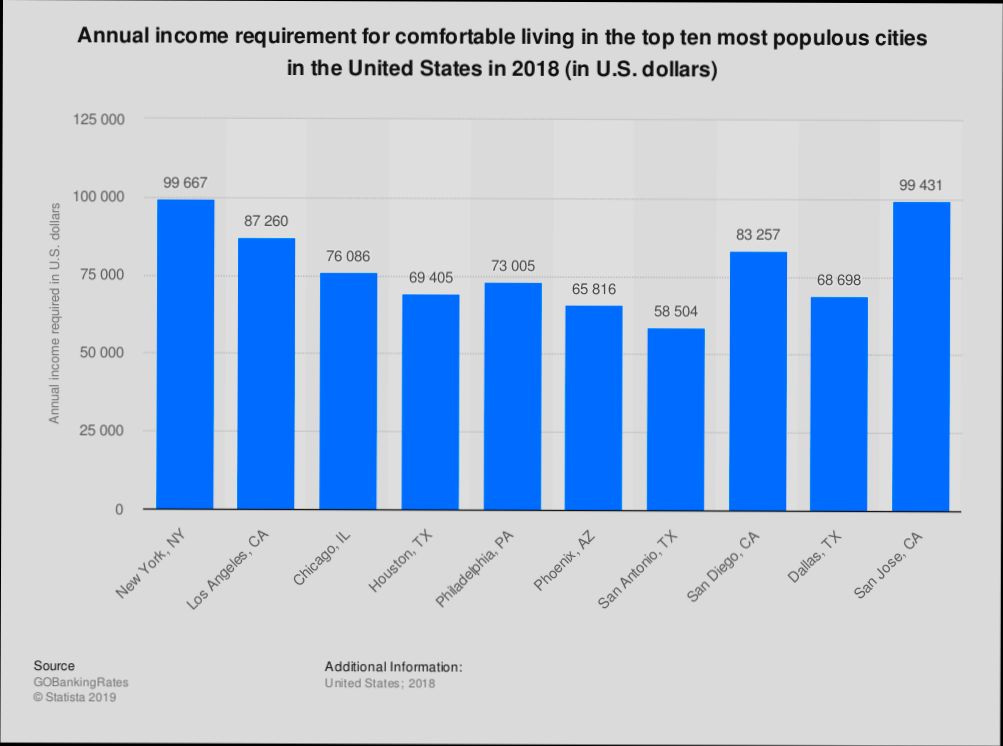
- The overall cost of living in San Antonio is approximately 8% lower than the national average. This can significantly impact your monthly budget, especially if you’re coming from a higher-cost area.
- Housing expenses represent a major portion of living costs. In San Antonio, the median home price is around $305,000, which is quite reasonable compared to cities like Austin, where the median price exceeds $500,000.
- Rental prices in San Antonio have shown gradual growth. As of 2023, the average rent for a one-bedroom apartment is about $1,300, whereas a two-bedroom apartment averages $1,800. This represents a yearly increase of roughly 4.5% in rental prices.
Comparative Housing Data
| City | Median Home Price | Average Rent for 1BR | Average Rent for 2BR |
|---|---|---|---|
| San Antonio | $305,000 | $1,300 | $1,800 |
| Austin | $525,000 | $1,800 | $2,400 |
| Dallas | $360,000 | $1,500 | $2,200 |
| Houston | $340,000 | $1,400 | $1,900 |
Real-World Examples
Consider the story of Jessica, who moved to San Antonio from Los Angeles. She found a beautiful three-bedroom house for $350,000, which would have cost her over $1 million back home. Jessica enjoys a more spacious living arrangement while benefiting from lower utility costs and no state income tax.
On the other hand, Michael, a recent college graduate, secured a one-bedroom apartment for $1,200. This rental cost is not only affordable but also allows him to save money for travel and other experiences he values.
Practical Implications
You’ll find that local economic conditions can influence housing trends. Increased job opportunities in tech and healthcare sectors are attracting new residents, which may lead to a competitive housing market, particularly in desirable neighborhoods like Alamo Heights and Stone Oak.
When budgeting for your move, consider additional factors such as:
- Property taxes in Bexar County, which are approximately 2% – lower than the national average that hovers around 2.2%.
- Homeowner’s insurance rates, which tend to be lower in San Antonio due to the risk distribution among residents and weather patterns typical of the region.
Actionable Advice
If you’re thinking of moving, keep an eye on emerging neighborhoods. Areas like Mission Reach and Southtown are gaining popularity, often offering lower housing costs compared to established areas. This proactive approach can maximize your real estate investment and offer a greater selection of affordable homes.
As you plan your transition, remember to explore various housing options—townhomes, condos, and single-family homes—as each type can significantly affect your budget and lifestyle in San Antonio.
Cultural Richness and Community Spirit
San Antonio boasts a vibrant cultural tapestry woven from its diverse population and historical heritage. This city’s unique blend of influences creates a community spirit that is palpable and enriching for residents and visitors alike.
Key Points on Cultural Richness
- Diverse Population: Approximately 63% of San Antonio’s population identifies as Hispanic, contributing to a rich cultural landscape that influences everything from cuisine to festivals.
- Historic Festivals: The city hosts around 40 annual festivals, with the famous Fiesta San Antonio attracting over 3 million visitors each year, celebrating the city’s history and diversity.
- Accessibility to the Arts: San Antonio houses over 1,000 working artists, with local organizations dedicated to making art accessible to all, including free cultural events and public art installations throughout the city.
| Aspect | Data Point |
|---|---|
| Percentage of Hispanic Population | 63% |
| Annual Festivals | 40 |
| Visitors to Fiesta | 3 million |
| Working Artists | 1,000 |
Real-World Examples
San Antonio’s commitment to cultural celebrations is beautifully illustrated during the “Dia de los Muertos” (Day of the Dead) festival. This colorful event reflects the city’s deep-rooted traditions and draws thousands, offering a unique platform for the community to honor and remember loved ones while showcasing local artists and vendors.
Another example is the McNay Art Museum, which not only houses an impressive collection of modern art but also offers free admission on Tuesdays, making art accessible to all community members. This initiative fosters a spirit of inclusion, encouraging everyone to explore and appreciate cultural expression.
Practical Implications for Residents
Living in San Antonio means you can readily engage with a community that values cultural expression and interaction. Residents benefit from numerous ways to participate in cultural events, such as:
- Volunteering for local festivals to meet new people and immerse yourself in the culture.
- Attending free outdoor concerts and events, which provide an excellent opportunity for socializing.
- Exploring neighborhoods that showcase art murals and street performances, allowing for spontaneous cultural experiences.
Actionable Insights
If you’re considering living in San Antonio, immerse yourself in the community by:
- Participating in local art initiatives and workshops to connect with fellow creatives.
- Visiting community centers that offer classes on local history or cultural practices to deepen your understanding and appreciation of the city’s heritage.
- Engaging with local social media groups focused on cultural events to stay informed and involved.

Employment Opportunities and Job Market
When you consider a move to San Antonio, it’s essential to understand the employment opportunities and job market. This city has a unique landscape shaped by its diverse economy, which offers a variety of job prospects across different sectors.
Key Employment Sectors
San Antonio’s job market is bolstered by several key industries that continue to thrive:
- Healthcare and Bioscience: With major facilities like the University Health System and numerous research institutions, this sector is a leading employer in the region.
- Military and Defense: Home to several military bases, San Antonio has a significant number of jobs related to defense contracting and support services.
- Tourism and Hospitality: As a popular tourist destination, the hospitality sector accounts for a considerable portion of employment.
- Information Technology: Emerging tech companies and established IT firms are increasingly setting up shop in the city, fueling growth in this sector.
Job Market Statistics
Understanding the current job market can provide you with valuable insight. Here are some important statistics:
- The unemployment rate in San Antonio is around 3.5%, which is lower than the national average of 4.2%.
- The city has seen job growth of approximately 2.5% annually, reflecting a steady demand for labor.
- Wages have seen an upward trend, with a median household income of around $54,000, making it a competitive city for job seekers.
| Sector | Employment Growth Rate | Median Salary |
|---|---|---|
| Healthcare | 3.0% | $70,000 |
| IT | 4.5% | $85,000 |
| Hospitality | 2.8% | $30,000 |
| Military/Defense | 2.0% | $55,000 |
Real-World Examples
Let’s look at a couple of examples that highlight the employment landscape:
- University Health System has been expanding and is among the top employers, with plans to add hundreds of jobs in the next year due to increased healthcare needs.
- The recent establishment of Tech Port Center + Arena has attracted numerous tech startups, promising approximately 1,500 new jobs in tech and service-related roles.
Practical Implications for Job Seekers
If you’re considering a move, here are some actionable insights:
- Networking: Engage with local professional organizations that can open doors to job opportunities, particularly in the hospitality and tech sectors.
- Skill Development: Given the growth in IT, consider enrolling in coding boot camps or online courses offered by local universities to enhance your skill set.
- Research Companies: Investigate major employers within your field of interest, as many companies are actively recruiting due to recent expansions.
Specific employers, such as Valero Energy, provide various roles from entry-level to executive positions, indicating a broad range of opportunities, depending on your expertise.
You can capitalize on the emerging job market by staying informed about sector growth trends and leveraging local resources to secure a fulfilling position in San Antonio.
Climate Considerations Throughout the Year
Understanding the climate in San Antonio is crucial for anyone considering a move to this vibrant city. The weather here varies significantly across seasons, directly impacting your lifestyle and activities throughout the year.
Seasonal Weather Patterns
- Summer (June to August): Expect long, hot months with average high temperatures soaring to around 95°F (35°C) and occasionally reaching over 100°F (38°C). The humidity can make the heat feel more intense, so staying hydrated and finding shade during the peak hours is essential.
- Fall (September to November): The weather starts to cool, making it a delightful season with average temperatures ranging from 70°F (21°C) to 85°F (29°C). This is an excellent time for outdoor activities.
- Winter (December to February): Winters are mild, with temperatures averaging between 40°F (4°C) and 60°F (16°C). Snowfall is rare, but it can happen occasionally, adding a unique charm to the city during the holidays.
- Spring (March to May): Spring brings beautiful blooms and comfortable temperatures averaging from 55°F (13°C) to 80°F (27°C). However, this season can also bring sporadic rain and severe weather.
| Month | Average High (°F) | Average Low (°F) | Rainfall (inches) |
|---|---|---|---|
| January | 60 | 40 | 2.3 |
| April | 77 | 55 | 2.5 |
| July | 95 | 74 | 2.4 |
| October | 81 | 56 | 2.8 |
Real-World Climate Impacts
Living in San Antonio means adapting to its hot summers. For instance, I remember attending a local barbecue festival in late July when temperatures hit a blistering 100°F (38°C). Vendors set up misting stations to keep guests cool, showcasing community resilience and creativity in managing climate challenges.
Practical Implications for Residents
- Energy Bills: Be prepared for increased energy consumption in the summer months, as air conditioning becomes a necessity. It’s wise to budget for higher electricity costs during this time.
- Outdoor Planning: Be strategic about outdoor events. Spring and fall are perfect for festivals and outdoor gatherings, while summer activities often require planning around cooler parts of the day.
- Severe Weather Preparedness: Stay informed of severe weather alerts during spring, as the area can experience thunderstorms and tornados. Having an action plan is essential.
Consider investing in sun protection gear, such as wide-brimmed hats and UV-blocking sunglasses, especially if you plan on spending time outdoors during the summer months.

Safety and Crime Rate Analysis
When considering a move to San Antonio, understanding the safety and crime landscape is crucial for making an informed decision. The city’s crime rates can provide valuable insights into the overall safety of the community and how it has evolved over time.
Key Crime Statistics
Recent data highlights notable trends in crime rates within San Antonio:
- Murder Rates: Although murder rates in the South, including San Antonio, are about 25% higher than the national average, there has been a significant drop in the overall murder rates, decreasing by roughly 16% from their 2020 peak.
- Violent Crime Reduction: In line with national trends, San Antonio saw violent crime rates fall by 13% from 2020 to 2023, reflecting a broader effort to enhance community safety.
- Property Crime Increase: Despite drops in violent crime, property crime in San Antonio experienced a rise of 13.1% between 2020 and 2023, suggesting an evolving landscape that might require increased vigilance on the part of residents.
Comparative Crime Rates by Region
| Region | Murder Rate Comparison | Violent Crime Change | Property Crime Change |
|---|---|---|---|
| San Antonio | 25% above national avg | -13% (2020-2023) | +13.1% (2020-2023) |
| Northeast | Lowest overall rates | -22% | +13.1% |
| Midwest | -22% | -13% | - |
| West | - | +7% | - |
Real-World Examples
A recent analysis of crime data revealed that while San Antonio has its challenges, many other cities are grappling with higher crime rates. For instance, Chicago has recorded a reduction of 33.7% in murder rates since 2020, offering a context of comparison. Baltimore also saw a reduction of 27.8% during the same timeframe. While San Antonio’s reductions are notable, they still highlight the complexity and varied nature of urban safety.
Practical Implications
For you as a potential resident, this data serves several practical implications:
- Neighborhood Selection: Understanding crime trends can guide you in selecting neighborhoods that align with your safety preferences. Researching specific areas within San Antonio can yield more nuanced insights.
- Community Engagement: Engaging with local community watch programs or city safety initiatives can prove beneficial. Active participation in safety measures can contribute to a more secure living environment.
- Insurance Considerations: Increased property crime might lead to adjustments in homeowner insurance premiums. Be proactive in consulting with insurance agents to assess how these trends may impact your coverage and rates.
Actionable Advice
Stay informed about local crime trends by utilizing resources like the FBI’s Crime Data Explorer or local police reports. Whether you’re a current resident or considering relocating, being mindful of crime statistics can enhance your overall experience in San Antonio. Engaging in community safety workshops can also empower you with additional knowledge and enhance your neighborhood’s safety.
Educational Institutions and Resources
Living in San Antonio offers a variety of educational institutions and resources that cater to students of all ages. From public schools to higher education, the city is committed to providing quality education. Whether you’re a parent choosing schools for your children or a student seeking opportunities, understanding these resources is vital.
Key Insights on Educational Institutions
- Diverse Educational Options: San Antonio is home to over 400 public schools, with options for charter, magnet, and private schools that cater to various educational philosophies and specialized curricula.
- Higher Education Landscape: Institutions like the University of Texas at San Antonio (UTSA) and Texas A&M University-San Antonio provide a robust higher education framework. UTSA is noted for its research initiatives and a student population exceeding 34,000.
- Employment Outcomes: National Center for Education Statistics (NCES) data shows that graduation rates for public high schools in San Antonio hover around 90%, reflecting solid educational outcomes in the region.
- Technical Education: The Alamo Colleges District includes multiple community colleges, providing vocational and technical education aimed at workforce readiness, significantly contributing to local employment opportunities.
| Institution Type | Number of Institutions | Average Enrollment |
|---|---|---|
| Public Schools | 400+ | 24,000 |
| Community Colleges | 5 | 11,000 |
| Universities | 3 | 34,000+ |
Real-World Examples
For instance, the San Antonio ISD has implemented innovative programs such as the “Ready to Work” initiative, designed to equip students with career skills before graduation. This program connects students with local employers and offers internships that enhance job readiness.
Additionally, the Alamo Colleges District provides a range of workforce development programs tailored to meet the needs of local industries, including programs in healthcare, information technology, and manufacturing. As a result, these institutions play a pivotal role in shaping the future workforce in San Antonio.
Practical Implications
Understanding the diverse range of educational institutions can help you make informed decisions about where to live in San Antonio. If you’re a parent, consider the unique programs that individual schools offer. You may want to explore magnet schools specializing in STEM or the arts.
For students, the availability of community colleges means you can pursue affordable education or vocational training that aligns with your career goals without incurring significant debt.
Actionable Advice
Check out the school district websites for specific information on enrollments, teacher qualifications, and academic performance metrics. Additionally, if you’re interested in higher education, visit campus events at local universities to get firsthand experience and understand the programs available. Engaging with educational institutions in the area can give you insights into the quality of education and the variety of resources at your disposal.
Local Cuisine and Dining Experiences
San Antonio’s culinary scene is as vibrant as its rich history, offering an array of flavors that reflect its diverse cultural influences. From traditional Tex-Mex dishes to innovative contemporary cuisine, living here means you’re never short on delicious dining experiences. Let’s explore what you can expect from the local cuisine.
Culinary Diversity and Influences
San Antonio’s food landscape is profoundly influenced by its Hispanic heritage, accounting for an impressive 63% of the population. This cultural presence shapes everything from food festivals to everyday eats, creating a melting pot of flavors that you can experience daily. Key culinary highlights include:
- Tex-Mex Delights: Dive into classics like enchiladas and tacos, where you can find an abundance of local restaurants offering authentic recipes passed down through generations.
- Barbecue: Enjoy barbecue that blends influences from Central Texas traditions, with succulent brisket and homemade sides that make for a complete meal.
- Unique Fusion Cuisine: Experience innovative dining options that combine local ingredients with international flavors, ensuring that your palate is constantly delighted.
Essential Dining Experiences
To showcase the dynamic nature of local cuisine, consider this comparison of dining options in San Antonio:
| Dining Type | Description | Price Range |
|---|---|---|
| Food Trucks | Offers diverse, quick bites (Sushi, Tacos, BBQ) | $5 - $15 |
| Fine Dining | High-end culinary experiences, often with unique atmospheres | $30 - $100+ |
| Casual Dining | Family-friendly restaurants with comfort food | $10 - $25 |
| Pop-up Restaurants | Rotating themes that feature local chefs’ creativity | Varies |
Real-World Diet Discoveries
San Antonio hosts numerous food events and festivals that allow you to immerse yourself in local gastronomy:
- Fiesta San Antonio: This city-wide festival features a Food Fiesta, drawing over 3 million visitors yearly to sample signature dishes from participating restaurants.
- Market Square: Celebrate Hispanic culture at this historic plaza where you can taste everything from freshly made tamales to sweet churros while exploring local arts and crafts.
Practical Local Insights
When you’re ready to indulge in the local cuisine, here are some actionable tips:
- Spontaneous Food Adventures: Seek out food trucks for unique and affordable meals that change daily, perfect for trying something new without breaking the bank.
- Explore Local Markets: Don’t miss farmer’s markets that offer fresh produce, regional spices, and handmade goods that highlight local flavors and ingredients.
- Reservations Matter: For fine dining experiences, consider making reservations ahead of time, especially during peak hours or festivals, to ensure you get a spot at some of the best tables in town.
San Antonio’s culinary scene is not just about sustenance; it’s an experience that embodies the spirit of the city. With its rich flavors, diverse offerings, and the excitement of food festivals, you’ll find that every meal can tell a story. Enjoy exploring the endless dining possibilities!