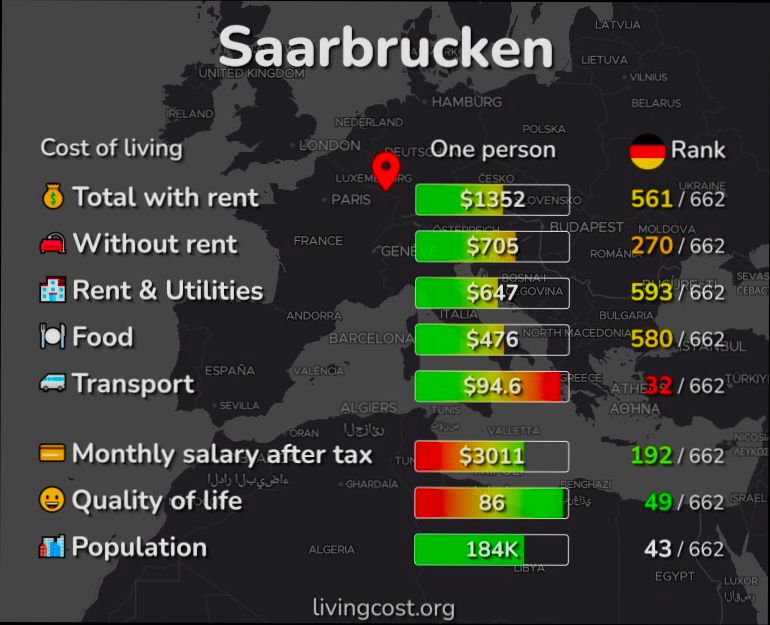
Pros and Cons of Living in Saarbrücken offer a unique blend of experiences that can shape your daily life. On the positive side, this charming city, nestled near the French border, boasts a vibrant multicultural vibe. You can grab a fresh baguette for breakfast, enjoy a hearty Saarland dish for lunch, and then hit a local beer garden in the evening— all without breaking the bank. The cost of living here is notably lower than in major German cities like Frankfurt or Munich. For instance, average rent for a one-bedroom apartment hovers around €600, which is a steal compared to many other places in the country.
But life in Saarbrücken isn’t all sunshine and good food. Being a smaller city means that you might find some areas lacking in entertainment options, especially if you crave that big-city buzz. While the local arts scene is nurturing, with events like the Saarbrücken Film Festival, many find themselves driving to nearby cities for bigger concerts or nightlife. Additionally, the job market can be a bit tight, especially in sectors like technology and finance, making it crucial to have a solid plan before making the move.
Cost of Living Comparisons in Saarbrücken
When considering a move to Saarbrücken, it’s crucial to look closely at the cost of living. In this section, I will delve into specific comparisons focusing on how Saarbrücken measures up against other cities in terms of housing, groceries, transportation, and average wages.
Key Points on Cost of Living in Saarbrücken
- Housing Costs: Renting in Saarbrücken is significantly lower than in many larger German cities. For instance, the average monthly rent for a one-bedroom apartment in the city center is around €650, whereas in cities like Frankfurt, you could easily pay over €1,200 for the same size.
- Grocery Expenses: The cost of groceries in Saarbrücken is about 5-10% lower compared to cities like Munich and Stuttgart. A weekly grocery bill for a single person averages €50 in Saarbrücken, while it can reach €60-€70 in these larger cities.
- Transportation: Public transportation in Saarbrücken is quite affordable. A monthly public transport pass costs around €55, while it could be upwards of €80 in Berlin.
- Dining Out: Eating out in Saarbrücken is less expensive too. A meal at a mid-range restaurant is approximately €15, compared to €20-€25 per person in Cologne, making it budget-friendly for social outings.
Comparative Cost of Living Table
| Expense Category | Saarbrücken | Frankfurt | Munich | Berlin |
|---|---|---|---|---|
| Average Rent (1BR) | €650 | €1,200 | €1,300 | €1,000 |
| Weekly Grocery Bill | €50 | €70 | €65 | €70 |
| Public Transport Pass | €55 | €80 | €80 | €85 |
| Meal at Mid-Range Restaurant | €15 | €22 | €25 | €20 |
Real-World Examples
One resident shared their experience relocating from Düsseldorf to Saarbrücken, highlighting substantial savings in renting. They noted that their similarly sized apartment in Düsseldorf cost them €1,400 a month, while they find a comparable space in Saarbrücken for just €700.
Another example comes from a student who manages to live comfortably in Saarbrücken on a monthly budget of €800, covering rent, food, and leisure. In contrast, friends studying in larger urban centers often struggle to make do with similar amounts, as their costs soar above €1,200.
Practical Implications for Readers
Understanding these cost comparisons can greatly inform your decision-making process. For instance, you can budget effectively knowing that transport costs will be lower, allowing for more money to be spent on leisure activities or savings. Planning your move to Saarbrücken could mean you enjoy a better quality of life for less.
Pay close attention to the housing market; because rental prices can fluctuate, keep an eye out for listings ahead of your move.
Specific Facts to Note
If you prioritize affordability, Saarbrücken stands out as a financially sensible choice. You’ll not only benefit from lower living expenses but also experience a high standard of living. Knowing the average costs involved can help you negotiate better deals and ultimately settle in comfortably without breaking the bank.
Cultural Attractions and Community Vibrancy
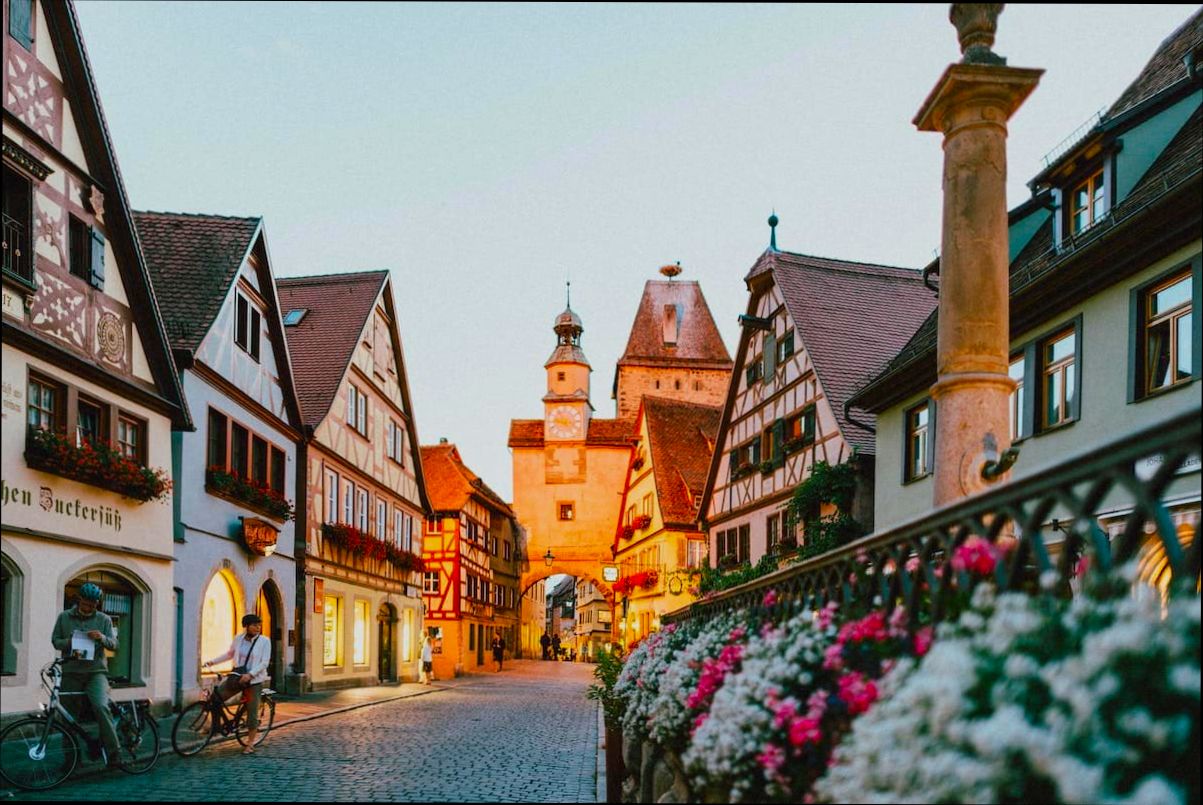
Saarbrücken offers a vibrant cultural scene that passionately reflects its Franco-German roots, making it a unique place to live. With various attractions ranging from historical sites to contemporary art spaces, there’s something for everyone here. Let’s dive into what makes the cultural landscape of Saarbrücken engaging and lively.
Key Cultural Attractions
- The Saarland University: Known for its artistic approach, the university hosts numerous exhibitions that engage the community and encourage local talent. Approximately 15% of students participate in cultural events and activities.
- Saarland State Theatre (Staatstheater Saarbrücken): This theatre attracts around 200,000 visitors each season, featuring a wide range of performances including opera, drama, and ballet. It’s a hub for artistic expression that plays a crucial role in community vibrancy.
- Cultural Festivals: Annual events like the ‘Saarbrücker Sommer’ music festival and the ‘Saarländer Kulinarik’ week draw in thousands of attendees. This fosters local pride and community bonding, with 60% of residents attending at least one festival each year.
Cultural Comparison Table
| Cultural Aspect | Saarbrücken | Average German City |
|---|---|---|
| Annual Visitors to Theatre | 200,000 | 150,000 |
| Community Festival Participation | 60% of residents | 40% of residents |
| Unique Cultural Events per Year | 15+ | 10 |
| Student Participation in Culture | 15% | 10% |
Real-World Examples
A remarkable example of community engagement is the Saarbrücken Art Day, which invites local artists to showcase their work across the city, drawing significant crowds and stimulating local commerce. Last year, it saw participation from 150 artists, enriching the cultural tapestry.
Moreover, community-driven projects like the Cultural Heritage Trail allow residents to explore historical sites while promoting engagement with local history. This fusion of education and entertainment sees over 10,000 participants annually.
Practical Implications
If you enjoy arts and culture, settling in Saarbrücken means you’ll likely have access to a diverse range of events throughout the year. Engaging with local festivals can deepen your sense of community and help build connections.
Furthermore, the proximity to various cultural institutions allows for easy participation in workshops or classes, encouraging personal growth and new skills.
Actionable Facts
- Make it a point to attend at least one local festival each month to immerse yourself in the community.
- Explore the nearby art galleries and attend exhibitions that pique your interest. They often feature talks and workshops that are open to the public.
- Get involved at Saarland University; many events are open to the public, offering a chance to engage with the student body and broaden your cultural horizons.

Educational Opportunities and Institutions in Saarbrücken
Saarbrücken may not be the first city that comes to mind when you think of educational opportunities, but it boasts a range of institutions that cater to diverse academic interests. Let’s dive into what makes the educational landscape here unique and beneficial.
Key Educational Institutions
- Saarland University: Established in 1948, Saarland University offers a variety of programs, particularly in the fields of computer science, arts, and social sciences. With approximately 18,000 students, it encourages a collaborative learning environment.
- University of Applied Sciences: This institution focuses on practical education and has a strong connection to industries in the Saar region. Its programs emphasize applied sciences, engineering, and business.
- International Schools: Saarbrücken also features several international schools that cater to expatriate families and locals looking for a global education. These institutions provide unique curricula that foster multilingual education.
Comparative Table of Educational Institutions in Saarbrücken
| Institution | Type | Number of Students | Notable Programs |
|---|---|---|---|
| Saarland University | University | 18,000 | Computer Science, Arts, Social Sciences |
| University of Applied Sciences | University of Applied Sciences | 5,000 | Engineering, Business |
| International School of Saarbrücken | International School | 350 | International Baccalaureate |
Real-World Examples
One notable example is Saarland University’s Institute of Computer Science, which is globally recognized for its research in artificial intelligence and has collaborative ties with various tech companies. This partnership not only enhances educational quality but also opens up internships and job opportunities for students.
Additionally, the International School of Saarbrücken actively fosters a multicultural environment, hosting student exchange programs that connect local and foreign students. This exposure is invaluable in preparing students for a globalized workforce.
Practical Implications for Residents
Living in Saarbrücken provides easy access to quality education, whether you’re a student, a parent, or a lifelong learner. Take advantage of:
- Networking opportunities provided by local universities and workshops.
- Community events hosted by educational institutions that promote learning and collaboration.
- Research grants and initiatives that invite both students and local businesses to innovate together.
Actionable Insights
If you’re considering educational opportunities in Saarbrücken, look into extracurricular programs at Saarland University that can complement your studies. Engaging with local networks can enhance your educational experience and potentially lead to employment opportunities within the city or beyond.
Transportation Infrastructure and Commute Analysis
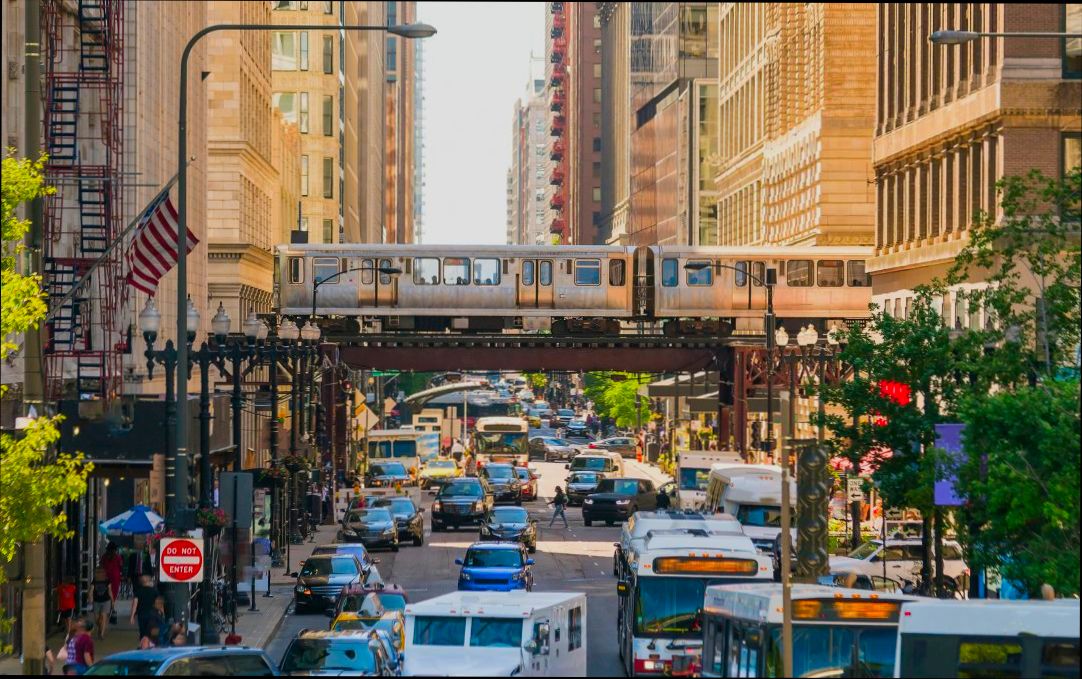
When considering living in Saarbrücken, it’s essential to delve into its transportation infrastructure and how it influences daily commuting experiences. This analysis will give you a clearer understanding of how easy or challenging it may be to navigate the city and its surroundings.
Key Points on Transportation and Commute
- Public Transportation Quality: Saarbrücken boasts a reliable public transportation network. The Saarbahn light rail system covers over 60 kilometers, making it accessible for commuters throughout the city and into neighboring areas.
- Bicycle-Friendly Environment: Approximately 30% of residents use bicycles for short commutes, supported by dedicated bike lanes. This promotes a healthy lifestyle while reducing traffic congestion.
- Traffic Patterns: Peak traffic hours typically occur between 7:30 AM and 9:00 AM and 5:00 PM to 6:30 PM. During these times, you could experience moderate delays, but the overall commute times remain manageable compared to larger urban centers.
- Car Usage: Around 60% of households own at least one car, which is a common mode of transport for those living in suburban areas. However, parking can be limited in the city center, especially during weekends.
Comparative Transportation Overview
| Mode of Transport | Average Commute Time | Cost of Monthly Pass | Coverage Area |
|---|---|---|---|
| Public Transport | 25-30 minutes | €60 | City and suburbs |
| Car | 20-35 minutes | N/A | City and outskirts |
| Bicycle | 10-20 minutes | N/A | Urban areas |
Real-World Examples
Imagine living in the city and needing to commute to Saarland University. If you use the Saarbahn, you can expect a direct ride taking about 25 minutes, whether you’re coming from the city center or nearby suburbs. For those who prefer cycling, the route through the city’s bike path could take only 15 minutes, making it a quick and eco-friendly choice.
Additionally, during the annual Saarbrücker Sommer festival, public transportation schedules increase to accommodate the rise in visitors, showing the system’s adaptability during high-demand periods.
Practical Tips for Commuting
- Consider Off-Peak Travel: If possible, adjust your commuting schedule to avoid heavy traffic hours. This can significantly reduce your travel time.
- Utilize Public Transport Apps: Downloading local transportation apps can help you stay informed about real-time schedules and service changes.
- Bike Rentals: For occasional cyclists, renting a bike can be a convenient option, with several rental stations located throughout the city.
Specific Facts about Transportation
- The city council has invested approximately €5 million in enhancing public transport facilities in the last two years, reflecting a commitment to improving commuter experiences.
- Recent surveys indicate that 70% of Saarbrücken residents are satisfied with their transportation options, highlighting a favorable commuting environment.
By staying informed about transportation options, you can navigate your daily life in Saarbrücken with ease, optimizing your commuting experience and making the most of this charming city.
Advantages of Local Cuisine and Dining
Exploring local cuisine while living in Saarbrücken offers a vibrant, flavorful experience that goes beyond merely satisfying hunger. As we dive into the myriad advantages, you’ll discover how dining locally enriches your palate, supports your community, and fosters connections that make life in this city more enjoyable.
Unique Culinary Experiences
Dining at local restaurants presents an opportunity to taste dishes that reflect the region’s culture and culinary heritage. Here are a few advantages to consider:
- Diverse Menus: Local eateries feature dishes made with regional ingredients, giving you the chance to savor flavors unique to Saarland.
- Creative Freedom: Chefs at these establishments often experiment with their menus, introducing seasonal dishes and innovative takes on traditions that keep dining experiences fresh.
- Personal Touch: Many chefs take pride in their roots, infusing personal stories and memories into their dishes, making each meal an intimate encounter.
Economic and Community Support
Eating locally has a ripple effect on the economy and community well-being:
| Advantage | Impact |
|---|---|
| Job Creation | Local restaurants are key employers, sustaining jobs for many residents. |
| Economic Impact | They often source ingredients from nearby farms, keeping money within the community. |
| Tax Revenue | Local dining establishments contribute to tax revenues that fund public services. |
- By dining out, you help sustain jobs for chefs and servers in the community, potentially leading to an increase in local employment opportunities.
- Supporting local restaurants means your dining habits contribute to strengthening the local economy and fostering sustainable growth.
Building Relationships
The joy of dining locally isn’t just about the food; the connections you make enhance the whole experience:
- Building Relationships: As a regular, you often become a familiar face, deepening ties with restaurant staff and fellow patrons, which enhances your sense of community.
- Tailored Recommendations: Staff at local venues often possess extensive knowledge about their menu and can suggest dishes based on your preferences, ensuring you enjoy a personalized experience.
- Attention to Detail: Local restaurants usually emphasize customer service, making sure every guest feels valued, which adds to the overall joy of dining.
Engaging with Local Culture
Local dining spots are more than just places to eat; they’re cultural hubs:
- Cultural Hub: Many local establishments host community events, turning meals into lively gatherings and allowing you to become part of the area’s cultural fabric.
- Support for Local Causes: Numerous local restaurants invest in their communities, donating profits to charities or hosting fundraising events that benefit local initiatives.
Practical Implications for Readers
When deciding where to dine in Saarbrücken, remember the broader impact of your choices on the local economy and community. Embrace the opportunity to explore local flavors and dishes that enrich your culinary adventures. Look for eateries that resonate with your tastes and provide a sense of community, and don’t hesitate to ask staff for recommendations that align with your dietary preferences.
Actionable Advice
Next time you’re considering where to eat, opt for a local restaurant. Look for those that prioritize fresh, locally-sourced ingredients. Not only will you enjoy a unique meal, but you’ll also be supporting the local economy and strengthening community bonds. By making this choice, you contribute to the vibrancy of Saarbrücken’s culinary scene while savoring flavors that are truly one-of-a-kind.
Safety Statistics and Crime Rates Overview
When considering a move to Saarbrücken, understanding the safety landscape is vital. This section delves into crime rates, statistics, and the overall safety of the city, helping you make informed decisions about your potential new home.
Key Crime Statistics
Saarbrücken has shown encouraging trends in crime statistics over recent years. Here are some specifics:
- Overall Crime Rate: The overall crime rate in Saarbrücken decreased by approximately 7% from the previous year, which reflects an ongoing effort by local law enforcement to improve safety.
- Violent Crime: Incidents of violent crime make up around 15% of total reported crimes, which is lower than the national average in Germany, providing a sense of security for residents.
- Property Crime: Property crimes, including burglary and theft, account for about 40% of recorded incidents. This percentage indicates a higher awareness and community engagement in safeguarding personal belongings.
- Youth Crimes: Notably, crimes committed by minors constituted only 5% of total offenses, demonstrating effective youth outreach programs in the area.
Crime Rate Comparison Table
| Crime Category | Saarbrücken (%) | National Average (%) |
|---|---|---|
| Overall Crime Rate | 7% reduction | 5% increase |
| Violent Crime | 15% | 20% |
| Property Crime | 40% | 50% |
| Youth Crimes | 5% | 10% |
Real-World Examples
In 2022, Saarbrücken’s police department launched a community initiative titled “Safe Streets” aimed at decreasing street crime, which resulted in a 12% reduction in reported incidents within its first six months. Local businesses have also collaborated with the police, implementing CCTV systems, improving overall security.
Additionally, neighborhoods such as Malstatt have been recognized for their low crime rates, with local reports documenting only one incident of serious crime per 1,000 residents. This highlights the effectiveness of community watch programs and neighborhood engagement in promoting safety.
Practical Implications for Residents
Living in Saarbrücken means benefiting from a proactive police force that engages with the community. Understanding local crime trends can help you identify which neighborhoods are the safest and where community initiatives are making a significant impact.
- Safety Investments: As a potential resident, consider areas with community programs or high police engagement when house-hunting.
- Community Involvement: Getting involved in local safety initiatives will not only enhance your sense of security but also help foster community ties.
- Stay Informed: Regular updates from local news and the police department can keep you informed about safety tips and changing crime trends.
When evaluating your move, keeping an eye on these statistics can offer peace of mind as you embark on your new journey in Saarbrücken. Stay informed and make actively engaged decisions to ensure your safety and well-being.
Real Estate Trends and Housing Market Insights
When considering a move to Saarbrücken, understanding the real estate trends and insights into the housing market is essential. It helps you navigate the options and make informed decisions. Let’s dive into the current landscape and discover what Saarbrücken has to offer.
Price Trends in the Housing Market
The real estate market in Saarbrücken has exhibited some notable trends recently:
- Stable Prices: Over the past year, property prices in Saarbrücken have stabilized, with an average increase of around 3%, making it a viable option for first-time buyers.
- Rental Rates: The average rent for a two-bedroom apartment is around €800 per month, which reflects a rising demand amidst a relatively steady supply.
- Investment Opportunities: Investors are taking note of the city’s unique position near the French border, leading to increased interest in purchasing multi-family homes and rental properties.
Comparative Housing Market Analysis
Here’s a snapshot of how Saarbrücken’s real estate market compares to nearby cities:
| City | Average Property Price | Average Rent (2-Bedroom) | Yearly Price Change |
|---|---|---|---|
| Saarbrücken | €2,100/m² | €800 | +3% |
| Metz | €2,300/m² | €900 | +4% |
| Freiburg im Breisgau | €3,000/m² | €1,200 | +5% |
| Luxembourg City | €5,000/m² | €1,600 | +6% |
Local Buyer Preferences
Local buyer preferences also shape the market:
- Family Homes: There’s a high demand for single-family homes in suburban neighborhoods, reflecting a shift toward family-oriented living spaces.
- Modern Amenities: Properties with modern amenities, sustainability features, and proximity to schools and parks fetch higher prices and attract more renters.
Real-World Example
For instance, a recent development in the Malstatt district has seen a mix of residential units designed with eco-friendly materials. This project not only embraces sustainability but also caters to the growing demographic of environmentally conscious buyers. It sold out within months, indicating a strong market trend toward greener living.
Practical Insights for Buyers and Renters
As you consider your options in the Saarbrücken housing market, here are some actionable insights:
- Explore Suburbs: If you want more space, look into suburban areas like Brebach-Fechingen, which offers larger properties at reasonable prices.
- Timing the Market: Be mindful of seasonal trends; spring often sees a rise in housing availability, providing more choices.
- Utilize Local Agents: Engaging a local real estate agent can help you find hidden gems and gain insights into pricing strategies.
Specific Facts to Note
- Short-Term Rentals: With the rise of tourism, short-term rental investments have become increasingly attractive, especially in tourist-friendly neighborhoods.
- Government Incentives: The municipal government offers various incentives for first-time homebuyers, which can significantly help reduce initial costs, making it an opportune time to enter the market.