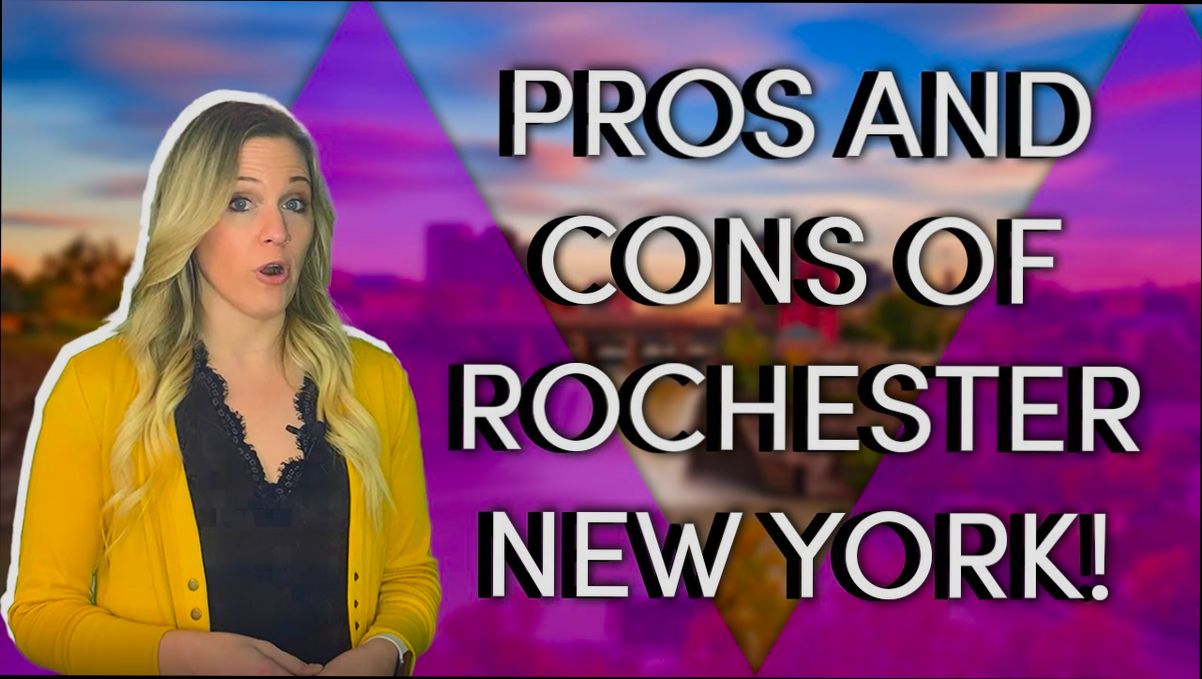
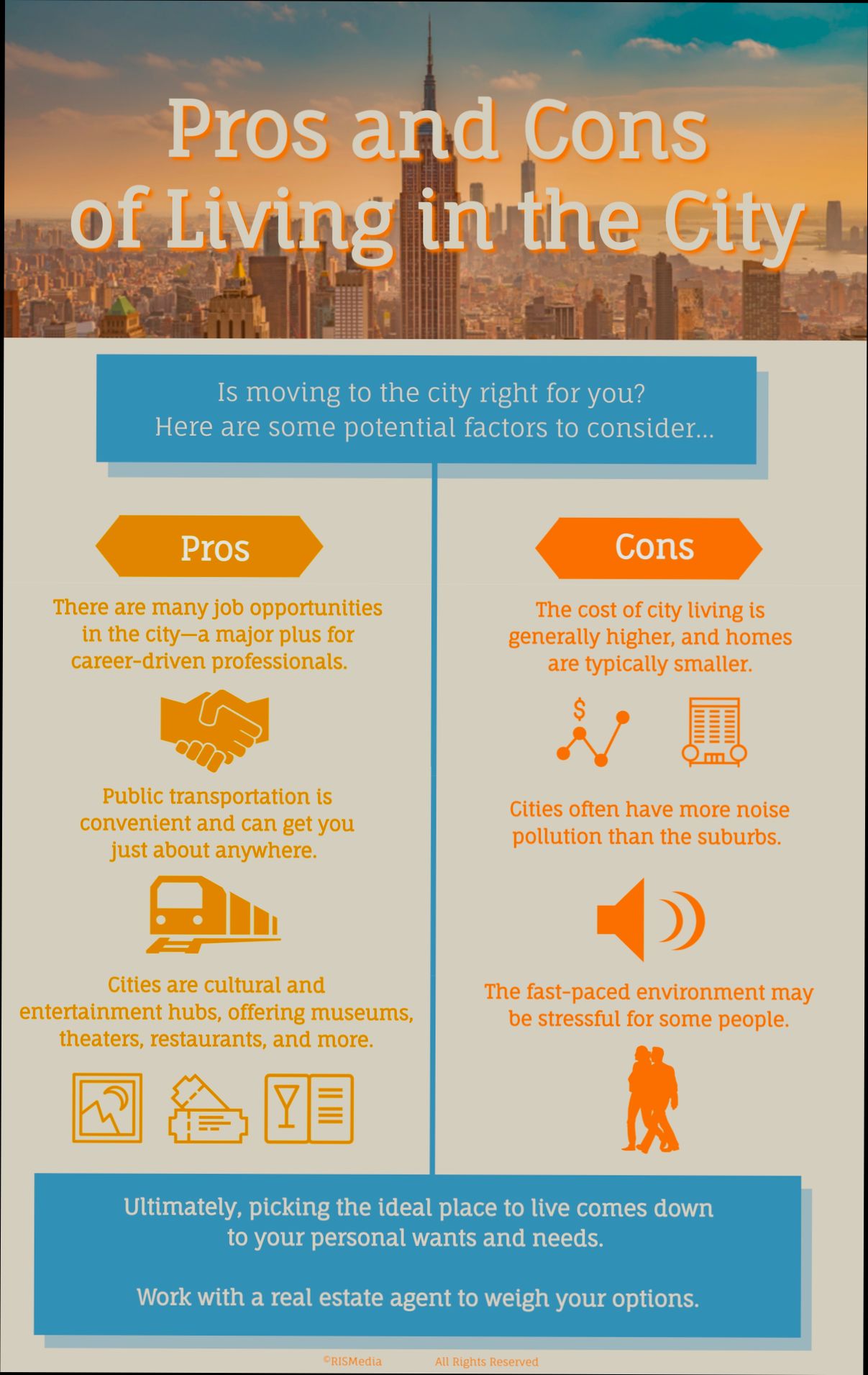
Pros and Cons of Living in Rochester NY can spark some serious conversations among locals and newcomers alike. On the upside, you’ve got the stunning beauty of the Finger Lakes nearby, with awesome spots for hiking and wine tasting. The cost of living is another big draw; housing prices are about 20% lower than the national average, which means you can snag a spacious two-bedroom apartment for around $1,000 a month. Plus, Rochester’s rich history is on display in places like the George Eastman Museum, where you can dive into the story of photography and film.
On the flip side, the winters here can be brutal. With average snowfall of around 86 inches each year, you better be a fan of snow shovels and cozy nights in. Job opportunities can be hit or miss too; while healthcare and education sectors are strong, some folks find it tough to break into tech industries without relocating to bigger cities like Buffalo or Syracuse. And let’s not forget about the nightlife—while there are cool spots downtown, the scene can feel a bit limited for those who crave a bustling urban experience.

Cost of Living Analysis in Rochester
When considering a move to Rochester, NY, understanding the cost of living is crucial. This vibrant city offers various price points for housing, utilities, groceries, and transportation. Let’s dive into some specifics that can paint a clearer financial picture for you.
Housing
Housing constitutes a significant portion of your monthly expenses. In Rochester, the median home price is approximately $150,000, making it about 30% lower than the national average. If you’re leaning towards renting, one-bedroom apartments typically cost around $1,200 in popular neighborhoods.
Utilities and Groceries
Utility costs in Rochester are generally manageable. On average, monthly utilities for an 85m2 apartment run about $150. For groceries, you can plan to spend near $300 to $400 monthly based on the USDA’s recommendations, which is quite reasonable compared to larger metropolitan areas.
Transportation
Transportation costs in Rochester are also favorable. The average monthly public transport pass is around $70. If you own a car, budget for gas prices that hover just above the national average, currently at about $3.50 per gallon, along with car insurance premiums averaging $1,000 annually.
| Expense Category | Rochester Average Cost | National Average Cost |
|---|---|---|
| Housing (Median Home Price) | $150,000 | $215,000 |
| Rent (1-bedroom) | $1,200 | $1,800 |
| Utilities (Monthly) | $150 | $200 |
| Groceries (Monthly) | $300-$400 | $400-$600 |
| Public Transport (Monthly Pass) | $70 | $100 |
Real-World Examples
To illustrate, let’s consider a young professional moving to Rochester. If you choose to rent a one-bedroom apartment for $1,200 and spend $350 on groceries, your monthly commitment for basic living expenses would be about $1,550, not including other personal costs. In contrast, a move to nearby Buffalo would likely increase your rent by 20%, which could significantly impact your budget.
Another example is a family living in a suburban area near Rochester. They might opt for a house costing about $180,000 instead of the city’s median price. While it’s slightly above the average, the proximity to quality schools and family-friendly amenities justifies the investment.
Actionable Insights
If you’re looking to save on costs, consider these tips:
- Explore suburbs: Living slightly outside Rochester can save you on housing while still providing easy access to the city.
- Plan with public transport: Utilizing public transport not only cuts down on gas and parking but also supports a greener lifestyle.
- Use local resources: Leverage community resources for discounts on groceries and utilities, like community gardens or local co-ops.
Specific localized strategies can make a substantial difference to your overall financial health in Rochester, allowing you to enjoy the city while keeping your budget in check.

Cultural Attractions and Entertainment Options
Living in Rochester, NY, offers a vibrant mix of cultural attractions and entertainment options that can add a unique flair to your everyday life. From art galleries to music venues, there’s something here for everyone to enjoy, making it an exciting place to call home.
Diverse Cultural Institutions
Rochester boasts several cultural institutions that cater to a wide array of interests:
- The George Eastman Museum, dedicated to photography and film, is notably one of the oldest remaining film archives in the world. Visiting this museum is a chance to immerse yourself in history, with over 400,000 photographic objects to explore.
- The Strong National Museum of Play is another gem, featuring over 150,000 artifacts related to play and toys. It attracts more than 120,000 visitors annually, showcasing the importance of play across all ages.
Annual Festivals and Events
Rochester hosts numerous festivals and events that inject life into the local culture, with participation figures reflecting community enthusiasm:
- The Rochester International Jazz Festival attracts about 200,000 attendees each year, featuring local and international artists. This nine-day event showcases the city’s commitment to live music.
- The Lilac Festival, celebrated each May, draws crowds of over 500,000 visitors, blending floral beauty with local arts and artisan food vendors, providing an enjoyable atmosphere for families.
Sports and Entertainment Venues
If you’re a sports enthusiast or enjoy live performances, Rochester has you covered:
- The Blue Cross Arena regularly hosts over 100 events a year, including professional hockey and concerts, making it a key entertainment hotspot in the city.
- The Rochester Philharmonic Orchestra, with a loyal following, performs a range of concerts throughout the year. They regularly welcome around 400,000 patrons annually, enriching the city’s cultural landscape.
| Venue/Event | Type | Annual Attendance |
|---|---|---|
| George Eastman Museum | Museum | 120,000 |
| Strong National Museum of Play | Museum | 150,000 |
| Rochester International Jazz Fest | Music Festival | 200,000 |
| Lilac Festival | Cultural Festival | 500,000 |
| Blue Cross Arena | Sports/Concerts | 100+ events/year |
| Rochester Philharmonic Orchestra | Concerts | 400,000 |
Real-World Examples
Consider the success of the Rochester Fringe Festival, which started in 2007 and has grown to become one of the largest fringe festivals in the U.S. It offers over 500 performances across various genres, catering to diverse tastes while emphasizing local talent. This event significantly contributes to Rochester’s reputation as a thriving cultural hub.
Practical Insights
As a resident, take advantage of the many discounts available for local attractions. For example, the Rochester Museum & Science Center offers several family passes that make regular visits more affordable. Participating in community events can further enhance your experience by connecting you with local artists and culture enthusiasts.
Additionally, exploring the flourishing local art scene can be a rewarding endeavor. Local galleries often host opening nights and events that encourage community engagement, allowing you to meet artists and fellow art lovers.
Actionable Advice
Stay informed about upcoming events by subscribing to local event calendars or social media pages of venues and organizations. This way, you’ll never miss out on opportunities to enjoy Rochester’s rich cultural offerings. Whether you’re attending a concert, a festival, or a museum exhibit, immersing yourself in the local culture can greatly enhance your experience of living in Rochester, NY.
Job Market Trends and Opportunities
As the job market evolves, Rochester, NY, stands at the intersection of tradition and modern innovation. An understanding of the local job landscape can significantly influence your decision to move or stay in this dynamic city.
The Impact of Automation and AI
Automation continues to reshape the workforce across the globe. According to the World Economic Forum, 85 million jobs will be displaced by automation by 2025, but on the flip side, an estimated 97 million new roles will emerge as technologies advance. This opens up opportunities in fields that leverage AI and automation, suggesting a diversified job market in Rochester for those willing to adapt.
Skills in Demand
A study reveals that 44% of workers will face skill disruption in the coming five years. Hence, there is an urgent need for reskilling in sectors that embrace technology. Employers in Rochester are increasingly looking for candidates with skills in:
- AI and machine learning
- Cybersecurity
- Big data analytics
These skills align with the predicted demand for tech-savvy professionals poised to meet the needs of a tech-driven economy.
Remote Work Preference
The transition to remote and hybrid work has gained momentum, which has implications for the Rochester job market. Reports show that 82% of employees prefer working remotely, resulting in increased productivity for 64% of workers. This trend allows companies in Rochester to tap into a wider talent pool, beyond geographical limitations, while providing employees with the flexibility they desire.
| Job Market Trends | Statistic/Insight |
|---|---|
| Jobs Displaced by Automation | 85 million by 2025 |
| New Jobs Created | 97 million due to technology advancements |
| Workers Facing Skill Disruption | 44% within the next five years |
| Employee Preference for Remote Work | 82% agree remote work is favorable |
| Productivity Increase with Remote Work | 64% experience higher productivity |
Local Examples of Job Market Adaptation
Local businesses in Rochester are adapting well to these trends. For instance:
- Rochester Institute of Technology (RIT) has ramped up its programs to include AI and cybersecurity, preparing graduates to meet market demands.
- Companies like Paychex have shifted much of their administrative functions to remote work, enhancing employee satisfaction and retention.
These examples reflect how institutions and businesses are not just surviving but thriving by adapting to new technologies and flexible work arrangements.
Actionable Insights
If you’re considering entering the Rochester job market, here are a few actionable steps:
- Enhance Your Skills: Look for workshops or online courses in AI, data analytics, and other tech skills to remain competitive.
- Network Virtually: With remote work taking precedence, leverage online platforms and local groups to connect with potential employers.
- Focus on Adaptability: Highlight your ability to learn new technologies quickly in applications and interviews.
Facts to Consider
- The generative AI software market is projected to reach $150 billion, indicating growing job opportunities tied to that sector.
- Preparing for Tesla’s own entry into the autonomous vehicle market may create niche opportunities within Rochester’s tech landscape.
By staying informed about these trends, you can better position yourself to seize the opportunities that arise in Rochester’s evolving job market.
Public Transportation Accessibility and Efficiency
When considering living in Rochester, NY, the accessibility and efficiency of public transportation can greatly influence your daily commute and overall quality of life. Understanding how the public transit system operates will help you navigate the city more effectively and make informed decisions about your transport options.
Key Points on Accessibility and Efficiency
Rochester’s public transportation is primarily served by the RTS (Regional Transit Service), which provides a network of bus routes designed to connect various neighborhoods, educational institutions, and commercial areas. Notably:
- Coverage: About 90% of the city’s population lives within a half-mile radius of a bus stop, making it accessible for the vast majority of residents.
- Frequency: Peak services run every 15 to 30 minutes, enhancing the efficiency of public transport and minimizing wait times for commuters.
- Affordability: A standard adult fare is approximately $1.00, and RTS offers discounted rates for seniors, students, and people with disabilities, making it a cost-effective travel choice.
| Feature | Details |
|---|---|
| Total Bus Routes | 37 |
| Average Daily Ridership | 15,300 passengers |
| Access to Major Spots | 80% of jobs located near transit lines |
| Average Wait Time | 10-15 minutes during peak hours |
Real-World Examples
A recent case study highlighted how students at the University of Rochester benefit from the RTS service. The university has partnered with RTS to provide free bus passes to its students, allowing over 7,000 individuals to utilize public transport without financial burden. This partnership has reduced parking congestion on campus while promoting sustainable transportation.
Similarly, a local outreach program has aimed to educate residents about the public transit options available. By focusing on lower-income neighborhoods, this initiative has increased bus usage by 25% among target populations, showcasing the importance of community engagement to enhance transport efficiency and accessibility.
Practical Implications for Readers
If you’re considering moving to Rochester or are a current resident, being aware of the various public transportation options can be advantageous. Utilize the RTS system not only to save on transportation costs but also to explore the city without the hassle of parking. Furthermore, consider the bus scheduling and efficiency ratings to plan your trips effectively.
Actionable Insights
- Plan Your Route: Use the RTS app or website to check live bus lines to avoid long waits and delays.
- Explore Discounts: If you are a student or senior, take advantage of fare discounts to make commuting even more affordable.
- Stay Informed: Keep an eye on service announcements for changes in schedules or routes to ensure your commuting plans remain uninterrupted.
Weather Patterns and Seasonal Considerations
When it comes to living in Rochester, NY, one cannot overlook the impact of its weather patterns and changing seasons. The city experiences a diverse climate that varies widely from one season to the next. Each of these seasons brings its own charm and challenges, making it essential to be prepared for what lies ahead.
Seasonal Breakdown and Weather Conditions
Understanding the local climate can help you better navigate life in Rochester. Here’s a closer look at what each season typically entails:
| Season | Temperature Range | Weather Conditions |
|---|---|---|
| Summer | 70°F – 90°F | Humid, occasional thunderstorms |
| Fall | 40°F – 60°F | Crisp, colorful foliage |
| Winter | 10°F – 30°F | Heavy snowfall, icy roads |
| Spring | 40°F – 65°F | Rainy, gradual warming |
Real-World Impacts of Weather
- Humidity in Summer: Summers in Rochester can be quite humid, with temperatures often ranging between 70°F and 90°F. This humidity can lead to occasional thunderstorms, which can disrupt outdoor plans and necessitate indoor activities, like visiting local attractions or participating in cultural events.
- Fall Foliage: The fall season is a vibrant time in Rochester, where temperatures dip to between 40°F and 60°F. The changing leaves offer breathtaking views, making it a perfect time for outdoor activities like hiking around the Finger Lakes or enjoying a picnic in one of the city’s many parks. The beautiful foliage attracts many visitors, enhancing the community spirit.
- Heavy Winter Snowfall: Winter brings substantial snowfall, often seeing temperatures between 10°F and 30°F. This can lead to icy roads, necessitating careful driving and the need for well-prepared winter gear. However, it’s also a fantastic opportunity for winter sports enthusiasts to enjoy nearby ski resorts or participate in winter festivals.
- Spring Showers: As the cold of winter gives way to spring, temperatures rise to a more moderate range of 40°F to 65°F. While this season can be rainy, it also marks a transition towards warmer weather, making it a great time for local farmers’ markets and seasonal festivals. Be prepared with umbrellas so you can enjoy the gradual warming without missing out on outdoor activities.
Practical Considerations
1. Winter Preparations: If you plan to live in Rochester, ensure your vehicle is equipped for winter conditions. Invest in good tires and keep an emergency kit handy.
2. Layering for Spring and Fall: The temperature fluctuations during spring and fall can be quite drastic. It’s beneficial to layer your clothing to adjust easily to changing temperatures throughout the day.
3. Local Events: Plan your activities around the seasons. For example, summer is ideal for outdoor festivals and lakeside activities, while winter is perfect for enjoying the snow and winter sports.
4. Home Heating Costs: Be aware that heating your home during the winter will significantly impact your utility bills. It’s wise to budget for these expenses or invest in energy-efficient solutions to mitigate costs.
By being aware of and prepared for Rochester’s weather patterns, you can fully embrace and enjoy all that each season offers. The city’s diverse climate can enhance your lifestyle with a variety of seasonal activities and natural beauty throughout the year.
Community Engagement and Lifestyle Benefits
When considering living in Rochester, NY, one of the standout features is the community engagement and lifestyle benefits that come with it. From local events to the welcoming atmosphere, the city fosters an environment where you can truly feel connected and involved.
Key Points about Community Engagement
- Community Volunteering Opportunities: Rochester prides itself on a strong volunteering culture. In fact, around 38% of residents participate in volunteer activities, contributing to local charities, schools, and various community organizations.
- Neighborhood Associations: With over 50 active neighborhood associations, you can easily find a group that aligns with your interests. These associations often organize events that promote local businesses and encourage social connections among residents.
- Public Events and Festivals: Rochester hosts numerous annual festivals, such as the Lilac Festival and the Rochester Fringe Festival, attracting a diverse crowd and actively engaging the community. Approximately 90% of residents report attending at least one community event per year.
Comparative Table: Community Engagement Statistics
| Engagement Activity | Percentage of Residents Engaged |
|---|---|
| Volunteer Activities | 38% |
| Participation in Neighborhood Events | 90% |
| Membership in Local Organizations | 45% |
Real-World Examples
The Rochester Institute of Technology (RIT) exemplifies community engagement through its community service initiatives, where students contribute over 30,000 hours annually to local non-profits. Furthermore, organizations like the United Way focus on community collaboration and support, helping to bridge gaps in services for residents.
Additionally, the popular Summer Concert Series in the parks offers free live music and encourages people of all ages to gather, dance, and enjoy the warm evenings together, strengthening neighborhood ties.
Practical Implications for Residents
For those moving to Rochester, tapping into community groups and volunteering can enhance your social network significantly. Joining local organizations can lead to friendships and provide opportunities to share skills. You might find that participating in community service not only fills your calendar but also offers a sense of purpose and belonging.
Actionable Advice
Explore the various neighborhood associations as a first step to integrate into the community. Attend a local festival or volunteer event to meet fellow residents and learn about the city’s various resources. Remember, engaging in your community can enrich your lifestyle and create valuable connections that last a lifetime.
Rochester’s Demographics and Population Statistics
When diving into Rochester’s demographics, you can uncover intriguing insights about the people who call this city home. Understanding these statistics can provide a clearer picture of what living here truly looks like.
Key Demographic Insights
- Population Size: As of the latest data, Rochester boasts a population of approximately 211,328 residents. This sizable community contributes to the city’s dynamic atmosphere and diverse culture.
- Age Distribution: The median age in Rochester is around 31.4 years, indicating a youthful demographic that can lead to a vibrant social scene and a forward-looking community.
- Diversity: Rochester is home to a diverse ethnic landscape, with approximately 43% of its population identifying as people of color. This rich diversity enhances the cultural tapestry and broadens perspectives in daily life.
- Household Composition: The city has about 87,000 households, with an average household size of 2.4 people. Many families live in multi-generational households, reflecting the importance of family ties in the community.
- Educational Attainment: Approximately 36% of Rochester residents hold a bachelor’s degree or higher, which underscores the city’s emphasis on education and its potential to attract knowledge-based industries.
Comparative Demographics Table
| Demographic Factor | Percentage/Statistic |
|---|---|
| Total Population | 211,328 |
| Median Age | 31.4 years |
| Population of Color | 43% |
| Average Household Size | 2.4 people |
| Bachelor’s Degree Holders | 36% |
Real-World Examples
Consider the impact of Rochester’s diversity on local events and festivals. For instance, the city’s hosting of the annual Puerto Rican Festival reflects the cultural vibrancy of its Latino community, showcasing food, music, and traditions that resonate with a significant portion of the population. This not only provides a great social experience but also promotes cross-cultural understanding.
Additionally, the relatively young median age presents opportunities for innovative initiatives, such as start-up incubators and technology hubs that seek to engage younger residents. The strong educational attainment levels support this growth, giving rise to a skilled workforce that can meet modern job market demands.
Practical Implications
For potential residents, these demographics can influence various aspects of life. For instance, knowing that nearly half of the community consists of people of color can help you appreciate the cultural richness and variety of perspectives available. Understanding the household composition may also help you find suitable neighborhoods, whether you desire a vibrant single-family area or a quieter, multi-generational community.
Specific Facts
If you’re considering moving to Rochester, you might want to connect with community organizations or groups focused on inclusivity, as they can provide a welcoming introduction to the diverse populace. Additionally, looking into educational institutions that align with this demographic might offer unique cultural engagement opportunities that enhance your living experience in Rochester.