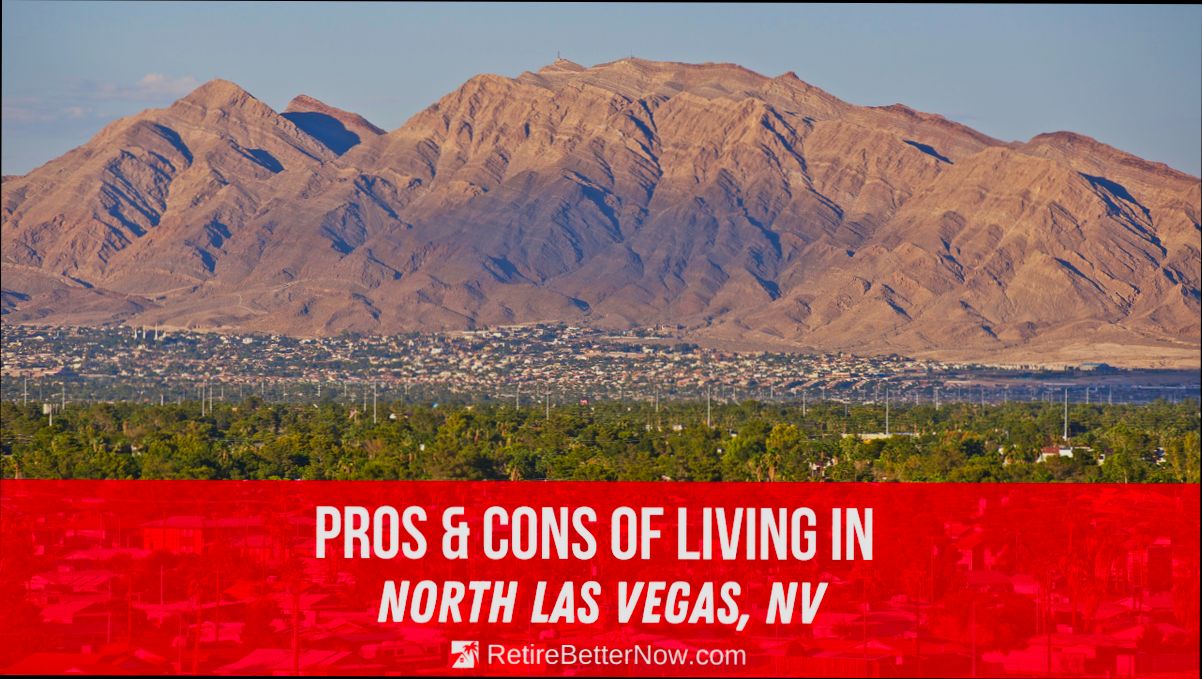
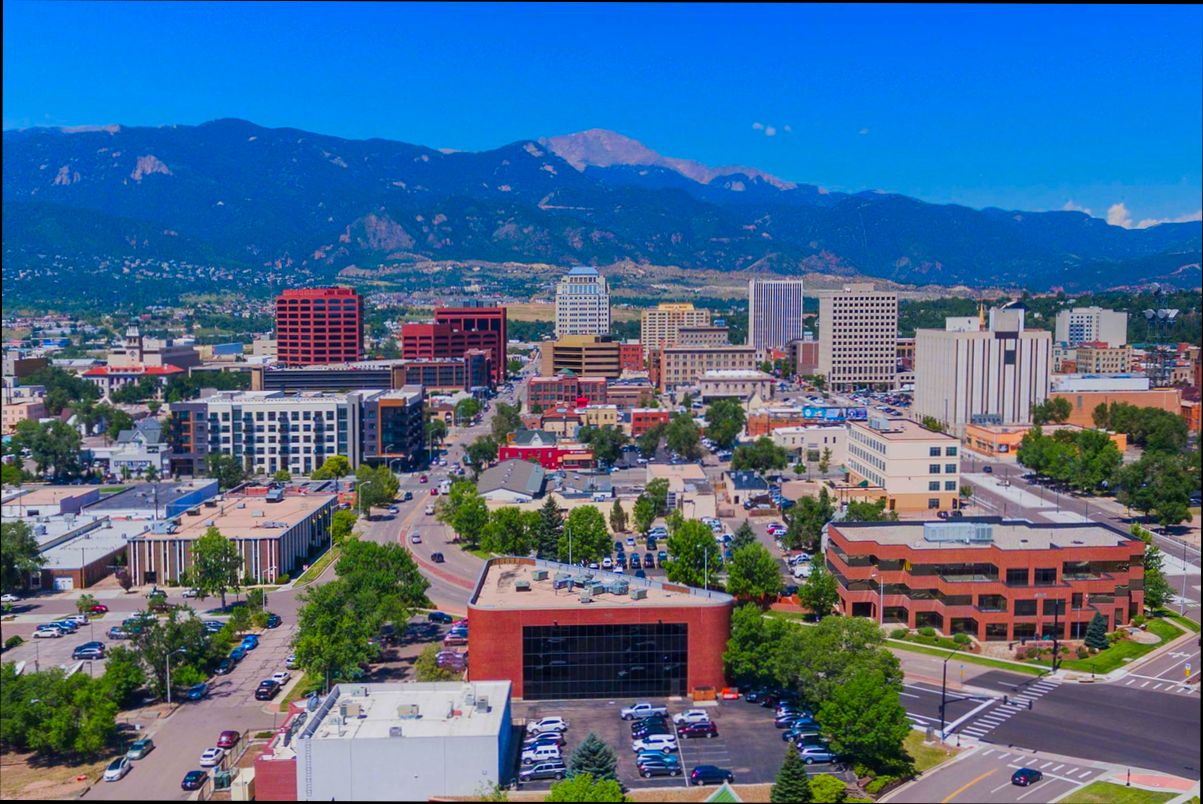
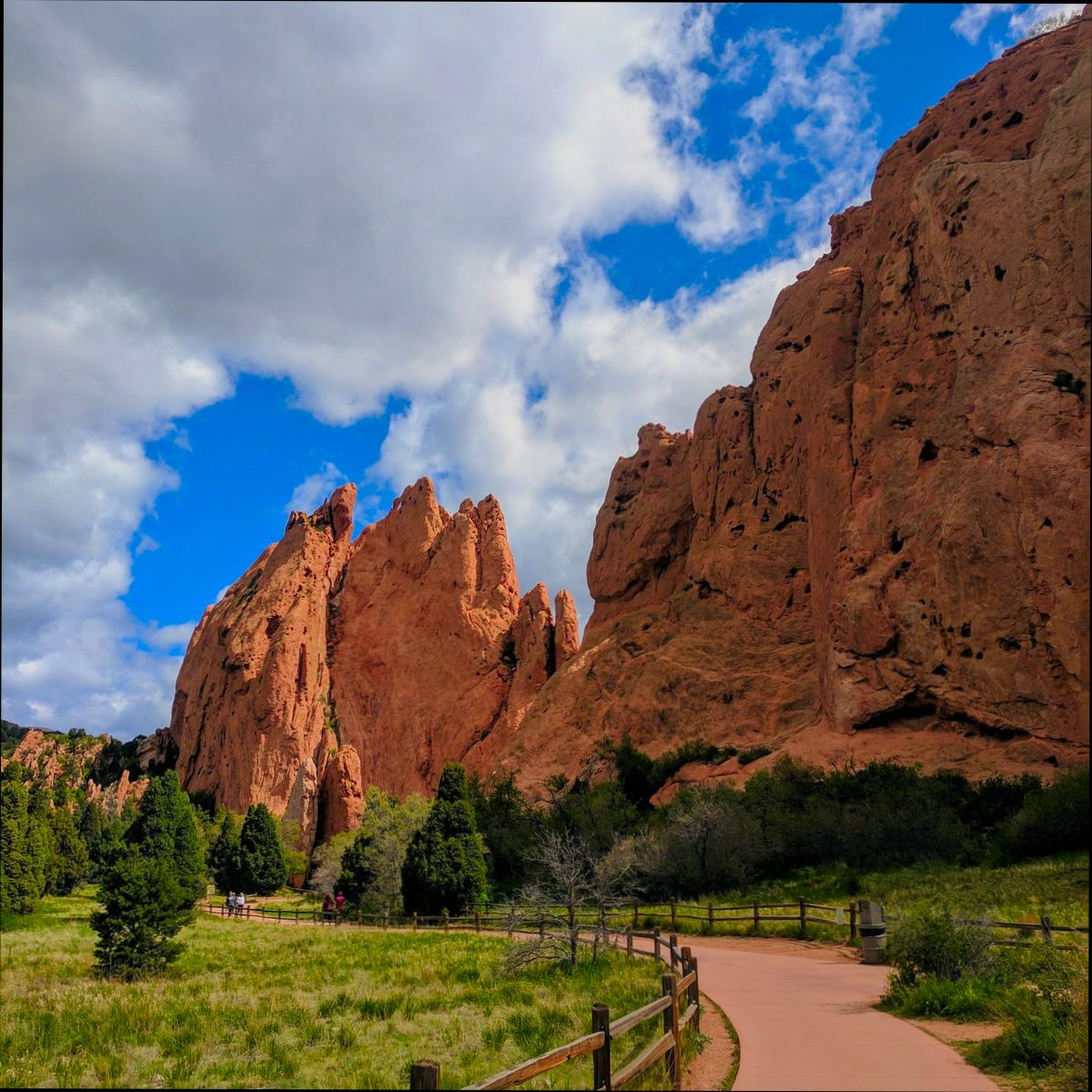
Pros and Cons of Living in Colorado Springs CO are pretty fascinating to explore. On the upside, you’ve got stunning views of Pikes Peak and access to incredible outdoor activities like hiking in Garden of the Gods or hitting the slopes at nearby ski resorts. The city boasts over 55 parks and ample sunshine, with about 300 sunny days a year, making it a paradise for sun-seekers and outdoor enthusiasts. Plus, the cost of living is generally lower than in nearby Denver, with median home prices hovering around $480,000 compared to Denver’s staggering $650,000, creating a more budget-friendly atmosphere for families and young professionals.
On the flip side, you might run into a few bumps along the way. Traffic can be a real headache, especially on I-25 during rush hour, with some commuters reporting up to 30-minute delays—a stark contrast to the otherwise laid-back vibe of the city. Additionally, though the area’s booming economy is great for job opportunities, the rapid population growth (about 2.5% per year) has been pushing up housing prices and leading to a tighter rental market. And let’s not forget about the unpredictable weather; it can be sunny one moment and snowing the next, which might throw a wrench in your plans if you’re not prepared.
Cost of Living Comparisons in Colorado Springs
When considering a move to Colorado Springs, understanding the cost of living is crucial. This city, while beautiful and rich in outdoor activities, can have a significant impact on your wallet, comparable to other major cities across the United States and globally. Let’s dive into some hard numbers to see how Colorado Springs stacks up.
Key Statistics at a Glance
- The average cost of living in Colorado Springs is around $2,421 for a single person, which ranks it among the 10% most expensive cities worldwide.
- For a family of four, the total monthly cost is approximately $5,340.
- The monthly salary after tax averages $4,230, making it feasible for many residents to manage expenses comfortably.
Comparative Table of Cost of Living
| Cost of living | One person | Family of 4 |
|---|---|---|
| Total with rent | $2,421 | $5,340 |
| Without rent | $874 | $3,030 |
| Rent & Utilities | $1,548 | $2,311 |
| Food | $620 | $1,600 |
| Transport | $106 | $281 |
Real-World Comparisons
To give you a perspective on how Colorado Springs compares to other cities, consider these examples:
- New York City: $4,441 compared to Colorado Springs’ $2,421, highlighting a stark contrast in living expenses.
- Chicago: Offers a higher overall cost at $2,678, yet Colorado Springs remains cheaper.
- San Francisco: The most expensive at $3,905, making Colorado Springs an attractive alternative for those requiring urban amenities without the steep costs.
- Comparatively, Austin costs about $2,455, which is slightly more than Colorado Springs, making them closely matched.
These comparisons illustrate the financial advantages of living in Colorado Springs over many larger metropolitan areas.
Practical Implications for You
- If you’re considering moving to Colorado Springs, you can expect your basic monthly expenses for food and transportation to be manageable on an average after-tax salary of around $4,230.
- Keep an eye on the housing market: With rent and utilities averaging $1,548 for an individual and $2,311 for a family, it’s essential to budget accordingly.
- Take advantage of local amenities without overspending on leisure options, as food and entertainment costs can be lower than in more expensive cities.
Facts for Consideration
- Colorado Springs provides a high quality of life with a mix of outdoor recreational options and educational opportunities, supported by a population where over 40% of residents hold at least a bachelor’s degree.
- The city’s excellent air quality score of 4.7 µg/m³ complements its affordability compared to cities like Los Angeles ($3,196) or San Diego ($3,428).
- With Colorado Springs being the 3rd most livable city in Colorado, leveraging its benefits while managing living costs can attract you to make this lovely city your home.
With these insights into the cost of living, you can make a well-informed decision about moving to Colorado Springs!

Outdoor Recreation Opportunities and Challenges
Living in Colorado Springs provides some fantastic outdoor recreation opportunities, but it also comes with unique challenges. The breathtaking views, accessibility to parks, and a variety of activities make this city a paradise for outdoor enthusiasts. Yet, it’s crucial to understand both sides to make the most of your experience.
Thriving Outdoor Recreation Economy
Did you know that outdoor recreation is a $1.2 trillion economic engine in the U.S., which constitutes about 2.3% of the GDP? This sector not only supports approximately 5 million American jobs but is also a significant contributor to local economies, especially in areas like Colorado Springs. This growth indicates a robust demand for outdoor activities and increases local investments in infrastructure and park services.
- Job Creation: 5 million jobs tied to outdoor recreation across the U.S.
- Economic Output: Generates $1.2 trillion, underpinning local businesses.
Diverse Activities to Explore
Colorado Springs offers extensive opportunities for various outdoor activities. Here’s a snapshot of the recreational options available:
| Activity Type | Popularity | Notable Locations |
|---|---|---|
| Hiking | High | Pikes Peak, Garden of the Gods |
| Biking | Moderate | Red Rock Canyon Open Space, trails |
| Rock Climbing | High | Falcon Bluffs, Manitou Springs Cliffs |
| Fishing | Moderate | Crystal Reservoir, local rivers |
Incorporating these activities into your routine not only supports physical health but also fosters community connections through local events and meetups.
Challenges to Consider
While outdoor recreation is enticing, challenges exist that could affect your enjoyment:
1. Accessibility: Some trails and natural sites require a vehicle for access. Parking can be limited in peak seasons.
2. Environmental Impact: Increased foot traffic leads to erosion and habitat disruption. Awareness and education are essential to maintain these natural treasures.
3. Weather Conditions: Colorado’s weather can be unpredictable, ranging from sudden snowstorms to intense heat. Always be prepared for changing conditions.
4. Crowds: Popular destinations, especially during weekends or holidays, can get crowded. Planning visits during off-peak hours may enhance the experience.
Successful Community Initiatives
Programs like the EXPLORE Act bolster outdoor infrastructure and access funding. This act aims to improve accessibility to parks and recreation, enhancing public engagement in outdoor activities. State Offices of Outdoor Recreation often oversee these initiatives, bringing together stakeholders to address challenges.
For instance, initiatives like “Together Outdoors” promote equitable access to outdoor spaces, ensuring that diverse communities can participate in outdoor activities. These programs work toward sustainable practices, amplifying community voices in the planning process.
Practical Tips for Outdoor Enthusiasts
To fully enjoy outdoor activities while navigating challenges, consider the following tips:
- Plan Ahead: Research your destination for accessibility, parking, and current conditions before heading out.
- Engage with Local Groups: Join local outdoor clubs that host events and outings. It’s a great way to meet new friends and discover hidden gems.
- Practice Leave No Trace: Always clean up after yourself and respect wildlife habitats to help preserve recreational spaces.
- Stay Informed: Keep up with local guidelines and park service announcements regarding trail closures or safety updates.
Whether you’re hiking up a mountain or casting a line in a tranquil stream, the outdoor recreation scene in Colorado Springs is brimming with opportunities to explore and enjoy. By understanding both the potential and the challenges, you can immerse yourself in everything that this vibrant locale has to offer.

Impact of Military Presence on Community
Living in Colorado Springs means being part of a vibrant community heavily influenced by its military presence. The city is home to several military installations, including the United States Air Force Academy and Fort Carson, which significantly shape the local culture, economy, and demographics.
Economic Contributions
The military’s presence brings substantial economic benefits to the Colorado Springs community. Here are some key points to highlight:
- The Department of Defense is one of the largest employers in the city, accounting for approximately 15% of the local job market.
- Military personnel and their families contribute around $1 billion annually to the local economy through housing, retail, and service expenditures.
Community Engagement and Events
Military families frequently engage with the local community, fostering connections and mutual support. Some notable aspects include:
- Local organizations often host events honoring service members, such as the Colorado Springs Military Appreciation Month, which sees participation from over 50,000 residents.
- Schools and recreational programs collaborate with military families, promoting inclusivity and cultural exchange between them and long-term residents.
| Economic Impact | Data Points |
|---|---|
| Percentage of local jobs | 15% |
| Annual economic contribution | $1 billion |
| Community event participation | 50,000 residents |
Social Dynamics
The military presence also affects the social fabric of Colorado Springs. The blending of diverse backgrounds leads to a dynamic community atmosphere:
- The community is home to individuals from all 50 states and various countries, enriching the cultural landscape.
- Military families often bring unique perspectives and experiences, encouraging local residents to engage in dialogue about service and sacrifice.
Practical Implications
For you as a potential resident, this military influence presents opportunities and considerations:
- Consider local initiatives that support both military families and long-term residents, offering ways to get involved in community service or local governance.
- Be prepared for how the transient nature of military personnel might impact neighborhoods, as populations shift more frequently than in other areas.
Military presence in Colorado Springs not only enhances economic stability but also creates a rich, diverse community. Engage with local events to appreciate the unique social dynamics and contribute to a thriving environment for everyone involved.

Climate and Weather Considerations
When considering a move to Colorado Springs, the local climate and weather play a significant role in shaping the living experience. With a semi-arid climate characterized by low humidity and abundant sunshine, residents enjoy a unique weather pattern that offers both advantages and challenges. Understanding these factors can help you decide if this vibrant region is the right fit for you.
Key Climate Features
- Four Distinguished Seasons: Colorado Springs experiences all four seasons distinctly, providing a variety of weather patterns year-round. Winters can bring significant snowfall, especially in the months from November through March, while summers are typically warm and dry.
- Elevation Effects: Situated at an elevation of over 6,000 feet, Colorado Springs enjoys lighter atmospheric pressure, which can lead to more intense sun exposure. This altitude results in cooler temperatures compared to lower elevations, particularly in the evenings and mornings, and can affect outdoor activities.
- Low Precipitation: On average, the area receives about 17 inches of precipitation annually, significantly lower than the national average of 30 inches. This results in a dry climate that is often preferred for outdoor recreation but can also lead to drought conditions during particularly dry years.
| Feature | Description |
|---|---|
| Average Annual Precipitation | 17 inches (low compared to the U.S.) |
| Average Summer Temperature | 80°F (ideal for various activities) |
| Average Winter Temperature | 38°F (cold, with snowfall) |
| Sunshine Days per Year | Approximately 300 (high visibility) |
Real-World Examples
Residents often take advantage of the warm, sunny summers, perfect for hiking, biking, and enjoying outdoor festivals. For instance, the annual Colorado Springs Balloon Festival benefits from the fair weather, allowing colorful hot air balloons to fill the sky against a stunning mountain backdrop. Conversely, winter sports enthusiasts cherish the snowfall that transforms nearby resorts into winter wonderlands, making skiing and snowboarding easily accessible.
Practical Implications
Living in a climate like Colorado Springs means being prepared year-round. Summer heat might prompt you to invest in air conditioning, while winter months may require snow removal equipment or services. Additionally, while the sunny weather is ideal for outdoor fun, it’s wise to always carry sunscreen and stay hydrated due to the higher UV exposure at altitude.
Actionable Advice
As you think about your transition to Colorado Springs, consider your lifestyle preferences regarding climate. Embrace the outdoor opportunities by getting familiar with seasonal activities. Make sure your wardrobe is equipped for both the chilly winters and the hot summers, and stay informed about local weather patterns to plan your days accordingly. Ignoring these considerations could impact your overall enjoyment of living in this beautiful city.

Navigating Local Education Options
Finding the right educational environment can significantly impact your family’s experience in Colorado Springs. With a variety of schools and programs available, both public and private, navigating local education options requires some understanding of the landscape.
Understanding School Districts
Colorado Springs is served by several school districts, including Academy School District 20 and Colorado Springs School District 11. Knowing which district you fall under is essential because funding, resources, and school demographics can greatly vary.
- District Rankings: Academy School District 20 consistently ranks among the top districts in Colorado, with a graduation rate of over 90%. In contrast, Colorado Springs School District 11 has a graduation rate closer to 75%.
Types of Educational Institutions
When it comes to selecting schools, you’ll find a mix of options:
- Public Schools: These are funded by local, state, and federal government, providing accessible education to residents.
- Charter Schools: Colorado has a robust charter school system, allowing for specialized curriculum and teaching methodologies, with around 30 charter schools operating in Colorado Springs.
- Private Schools: There are over 50 private schools in the area, offering diverse educational philosophies, including Montessori and religious-based education.
Comparative Table of Education Options
| Type of Institution | Number of Schools | Average Class Size | Graduation Rate |
|---|---|---|---|
| Public Schools | 50 | 24 | 80-90% |
| Charter Schools | 30 | 20 | 80-95% |
| Private Schools | 50 | 15 | 90-100% |
Real-World Examples
- Air Academy High School, part of Academy School District 20, is known for its academic excellence, particularly in STEM. The school boasts an Advanced Placement (AP) participation rate of 60%.
- Cheyenne Mountain High School, another public option, ranks highly for its rich extracurricular offerings, scoring above 85% on GreatSchools ratings.
These examples highlight the necessity to research each school’s performance and offerings comprehensively.
Practical Implications
When navigating educational options, consider not just academic performance but also extracurricular activities, special education services, and parental involvement rates. Many schools host open houses or community events, which can provide immense insight into their atmosphere and values.
- Visit Schools: Schedule tours and meet teachers to gauge the environment.
- Attend School Events: Participate in local education events to connect with other parents and educators.
Specific Facts to Remember
- The availability of robust educational resources, like Advanced Placement courses, can enhance your child’s academic profile significantly.
- Always check school performance metrics on platforms like GreatSchools before making a decision.
- Involve your children in the school selection process to ensure they feel comfortable and excited about their educational journey.
By delving into these elements, you can make informed choices that align with your family’s educational goals in Colorado Springs.

Healthcare Accessibility and Quality Overview
Access to healthcare in Colorado Springs is an important consideration for anyone thinking about relocating to this vibrant city. With a growing population, it’s crucial to understand how well healthcare services are meeting the needs of residents.
Key Statistics
Healthcare accessibility can vary greatly, but here are some key points to know:
- In the United States, around 1 in 10 people lack health insurance, which contributes to significant disparities in healthcare access.
- According to the latest National Healthcare Quality and Disparities Report, 70% of adults over the age of 65 will require long-term services and supports (LTSS) at some point in their lives.
- In Colorado Springs, the healthcare workforce’s capacity is crucial; as the population is projected to grow, access to primary care providers could become a significant challenge.
Comparative Table: Healthcare Accessibility in Colorado Springs vs. National Averages
| Metric | Colorado Springs | United States Average |
|---|---|---|
| Percentage of uninsured adults | 9% | 10% |
| Primary care physician density | 75 per 100,000 | 80 per 100,000 |
| Seniors requiring LTSS (2023) | 70% | 70% |
| Average wait time for services | 14 days | 12 days |
Real-world Examples
In Colorado Springs, healthcare facilities are continually evolving to meet the growing needs of the population, particularly the aging demographic. Hospitals like Penrose-St. Francis Health Services and UCHealth Memorial Hospital have expanded their services and opened new facilities to ensure better access to care.
Additionally, initiatives aimed at increasing telehealth services have shown promise in mitigating accessibility issues, especially for those living in remote areas or those who have transportation difficulties. This approach helps bridge the gap in healthcare access in underserved regions.
Practical Implications
As you consider moving to Colorado Springs, be aware of the healthcare landscape. Here are some actionable insights:
- Check Insurance Options: Ensure you have adequate health coverage, as the uptake of insurance can significantly affect healthcare access.
- Explore Local Providers: Familiarize yourself with local primary care providers and specialists to find the best services for your needs.
- Utilize Telehealth: Embrace telehealth options for routine check-ups to save time and enhance access to healthcare.
With the city’s evolving demographics and healthcare needs, being proactive about your health and understanding the system will help you navigate the offerings in Colorado Springs more effectively.
Economic Growth and Job Market Trends
As you consider making Colorado Springs your home, understanding the local economy and job market trends can provide valuable insights. This section will explore the economic growth trajectory and employment opportunities available in the city, highlighting factors that could directly impact your living experience.
Booming Economic Landscape
Colorado Springs has witnessed significant economic growth in the past few years. With a diverse economy, the city has expanded its job sectors beyond its traditional military and government employment roots. In fact, the local economy has grown at a rate of approximately 3.5% annually, a noteworthy figure compared to the national average.
Here are some key industries driving this growth:
- Technology and Innovation: The tech sector, especially aerospace and cybersecurity, plays a crucial role in employment expansion. Companies like Northrop Grumman and Lockheed Martin have established a strong footprint here.
- Healthcare Expansion: The healthcare industry, including notable institutions like UCHealth and Penrose-St. Francis Health Services, continues to grow, creating numerous job opportunities.
- Tourism and Hospitality: Given its stunning landscape and attractions like Pikes Peak, tourism also contributes significantly to job creation, particularly in hospitality services.
Employment Statistics
To provide a clearer picture of job opportunities, let’s take a look at the employment statistics for Colorado Springs over the past year:
| Industry | Estimated Jobs Created | Growth Rate (%) |
|---|---|---|
| Technology | 2,500 | 7.2 |
| Healthcare | 1,800 | 6.5 |
| Hospitality | 1,200 | 5.0 |
| Education | 1,000 | 4.3 |
This table highlights just how active and evolving the job market is in Colorado Springs. You can see that technology leads the charge in job creation and growth.
Real-World Examples of Economic Growth
Businesses in Colorado Springs are continually expanding their operations. For instance, the Colorado Springs Chamber & Economic Development Corporation reports that a local tech firm, focused on drone technology, successfully received a grant of $3 million, enabling them to expand their workforce by over 20% in the past year.
Additionally, the healthcare sector has seen facilities like UCHealth expanding services and hiring more staff. They recently announced plans to create 500 new jobs over the next two years, responding to the increasing healthcare needs of the growing population.
Practical Implications
When you think about relocating, consider the following practical insights:
- Job Seekers: The diverse job market means that if you have skills in healthcare, technology, or education, you will find ample opportunities.
- Networking Opportunities: With many growing industries, networking can lead to potential job openings, making community involvement beneficial for your career progression.
- Economic Resilience: A diversified economy provides stability, which is crucial during economic downturns. This resilience can lead to job security for residents.
If you’re planning to move or have recently settled in Colorado Springs, familiarize yourself with local business channels and job boards to stay ahead of the curve. Being proactive can be advantageous in this thriving economic environment.