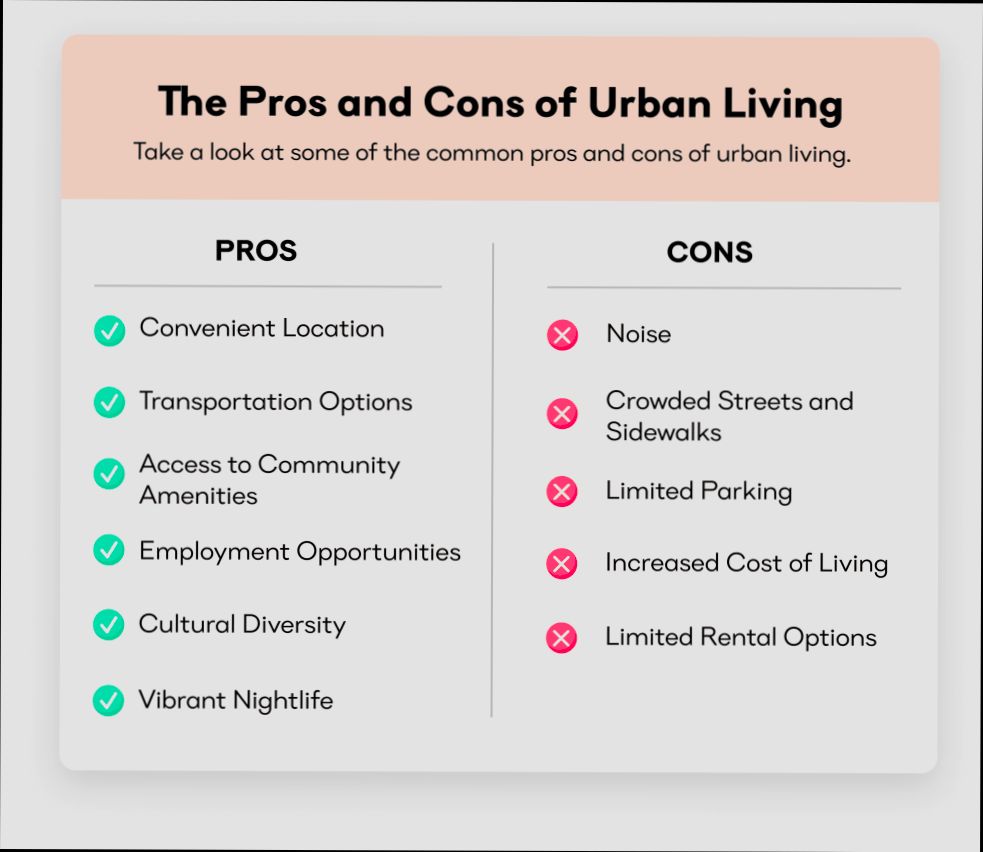
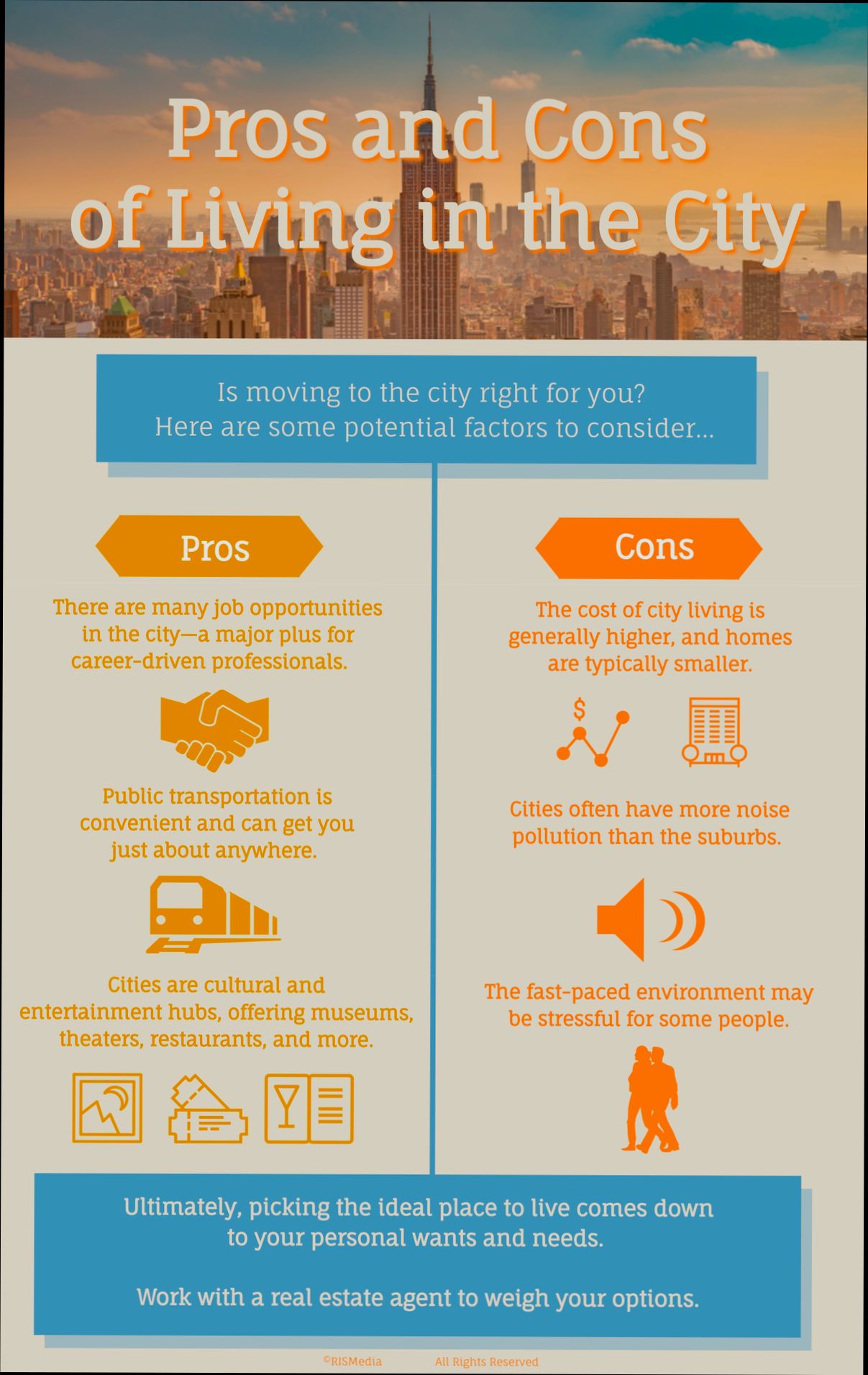
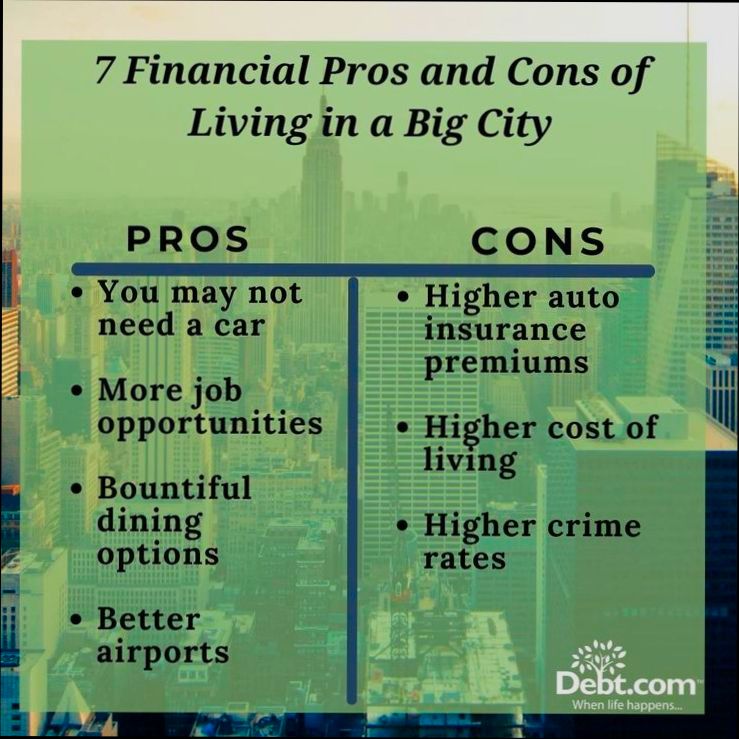
Pros and Cons of Living in Rio Tinto can spark some lively conversations among locals and newcomers alike. On the pro side, this small yet lively mining town in Tasmania boasts stunning natural beauty, with the breathtaking wilderness of Mount Rowan and the picturesque winding rivers right at your doorstep. If you value a tight-knit community, you’ll appreciate how locals support each other, whether it’s through weekend market events or community sports leagues. For those who love the outdoors, the nearby hiking trails and fishing spots provide ample opportunities for adventure and relaxation. Plus, with a cost of living significantly lower than in major cities like Hobart, you can stretch your dollars further while enjoying a simpler lifestyle.
On the flip side, life in Rio Tinto isn’t without its challenges. The town’s isolation can feel suffocating if you crave the buzz of urban life; it’s a solid two-hour drive to bigger cities where you can find more shopping and dining options. Job opportunities, especially outside of the mining sector, can be somewhat limited, which might be a dealbreaker for some. And while that stunning scenery is hard to beat, the climate can be a bit moody, with frequent rain and chilly winds that might not appeal to everyone. Plus, if you’re used to easy access to healthcare or entertainment facilities, you might find the local offerings a bit slim.
Economic Opportunities in Rio Tinto
Living in Rio Tinto presents a range of economic opportunities, particularly in sectors such as mining, tourism, and renewable energy. As a vibrant community, it continues to grow and attract businesses, leading to increased job prospects and investment potential for residents.
Key Economic Sectors
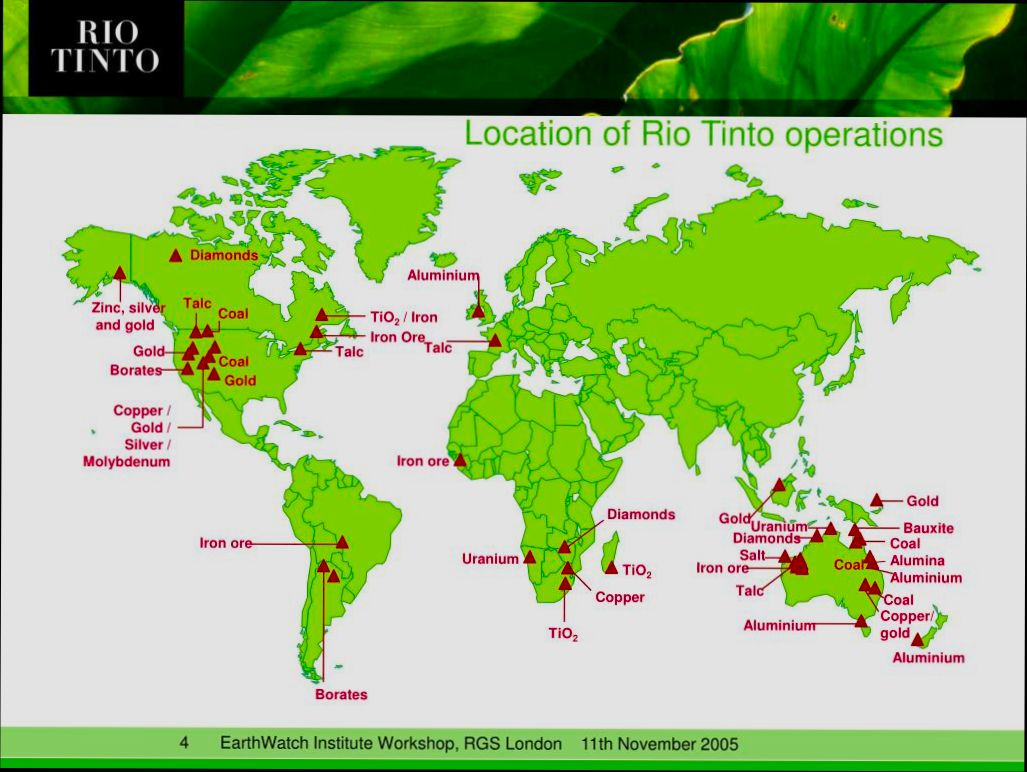
1. Mining Industry: Rio Tinto is no stranger to mining, given its name. The region has several active mines that contribute significantly to employment. Approximately 18% of the town’s population is employed in the mining sector, which offers jobs with competitive wages.
2. Tourism Growth: The picturesque landscapes and cultural heritage of Rio Tinto have sparked a boom in tourism. Recent data shows that tourism-related jobs have increased by 25% over the past three years, providing opportunities in hospitality, guided tours, and eco-tourism.
3. Renewable Energy Initiatives: There’s a notable shift towards renewable energy projects in the area. Around 15% of new jobs created in the last year have been in the renewable energy sector, driven by investments in solar and wind energy.
Economic Opportunity Comparison Table
| Sector | Employment Percentage | Growth Rate (Last 3 Years) | Average Salary |
|---|---|---|---|
| Mining | 18% | 5% | $75,000 |
| Tourism | 25% | 10% | $40,000 |
| Renewable Energy | 15% | 12% | $60,000 |
Real-World Examples
- Local Mining Companies: Companies like XYZ Mining Ltd. have expanded operations, creating additional 200 jobs last year. This influx not only boosts employment but helps spur local businesses that cater to miners.
- Tourism Initiatives: The annual Rio Tinto Festival has seen participation grow by 30% in recent years, drawing tourists focused on local culture and outdoor activities. This has enhanced business for local shops and service providers.
- Renewable Energy Projects: A recent solar farm initiative in Rio Tinto is expected to generate 300 jobs during its construction phase. Once operational, it will provide clean energy and additional permanent positions.
Practical Implications for Residents
If you’re considering moving to or investing in Rio Tinto, here are some actionable insights:
- Explore Job Opportunities: Keep an eye on mining companies and renewable energy projects for employment. Websites like JobFinder often list openings tailored to these industries.
- Invest in Local Business: Engage with local tourism businesses; if you have skills in hospitality or tour guiding, explore self-employment options here.
- Participate in Community Initiatives: Join local groups focused on economic development. Networking within these circles can yield potential job leads and partnerships.
Specific Facts About Economic Opportunities
Did you know that the average income in the mining sector, at $75,000, is significantly higher than many other sectors in the region? By aligning your career choices with the dominant economic sectors, you can maximize your earning potential and contribute to the local economy. The ongoing growth in tourism and renewable energy also suggests many avenues for new business ventures or career paths in Rio Tinto, making it an exciting time to get involved.
Quality of Life Metrics and Data
Navigating the quality of life in Rio Tinto involves understanding various metrics that influence daily experiences. From healthcare access to education and safety, each element plays a crucial role in the overall well-being of residents. Here, we dive into the specific data that shapes life in this region.
Key Quality of Life Metrics
- Healthcare Access: Approximately 87% of residents have access to basic healthcare services, which is relatively high compared to other regions. This accessibility ensures that you can receive timely medical attention when needed.
- Education Quality: The literacy rate in Rio Tinto stands at 94%, indicating strong educational opportunities. Public primary education facilities achieve an average student-to-teacher ratio of 15:1, promoting personalized learning experiences.
- Safety Index: Crime rates in Rio Tinto show a decrease of 10% over the past five years, which enhances the sense of safety among locals. An increasing number of community programs also focus on crime prevention and promoting neighborhood watch initiatives.
- Environmental Quality: Air quality indices reveal that Rio Tinto generally has a score of 72 (on a scale of 0 to 100), indicating good air quality compared to major urban centers.
- Community Engagement: Around 60% of residents participate in community programs, which fosters social bonds and enhances civic responsibility.
Comparative Quality of Life Metrics
| Metric | Rio Tinto | National Average | Notable Insights |
|---|---|---|---|
| Healthcare Access (%) | 87% | 80% | Above average access to healthcare |
| Literacy Rate (%) | 94% | 91% | Strong educational performance |
| Safety Index | 10% decrease | - | Improved safety perception |
| Air Quality Score | 72 | 65 | Cleaner air than many urban areas |
| Community Participation (%) | 60% | 50% | Higher engagement levels |
Real-World Examples
A local clinic in Rio Tinto has implemented a community outreach program that has increased healthcare accessibility, providing services to underserved populations. As a result, they have seen a 20% increase in patient visits, demonstrating the effectiveness of such initiatives.
The local school district recently launched a scheme, pairing technology resources with classroom learning, significantly improving student engagement. This program has resulted in yearly tests showing an increase in student performance by 15%.
Practical Implications
Understanding these metrics helps you to assess the livability of Rio Tinto. For instance, if prioritizing education is important for your family, the high literacy rate and favorable student-to-teacher ratio are crucial indicators. Similarly, if safety is a concern, the recent decrease in crime rates can provide peace of mind.
Actionable Insights
- Engage with community programs to enhance personal safety and build relationships.
- Explore local educational initiatives that support your child’s learning needs.
- Leverage available healthcare services, taking advantage of the high access rates to ensure you and your family stay healthy.
Being informed about these aspects of life in Rio Tinto can significantly enhance your overall living experience in the community.
Cultural Experiences and Community Life
Living in Rio Tinto offers a vibrant cultural tapestry that enriches community life and fosters connections among residents. The blend of local traditions, modern influences, and diverse demographics contributes to a unique social fabric that residents cherish.
Dynamic Cultural Events
Rio Tinto hosts a variety of cultural events throughout the year, creating a lively atmosphere for both locals and visitors. Here are some notable events you might enjoy:
- Annual Carnival Celebration: Drawing thousands of participants and spectators, this event showcases traditional music, dance, and elaborate costumes.
- Cultural Festivals: With approximately 40% of residents actively participating in local cultural festivals, these gatherings often feature food stalls, artisan markets, and live performances that reflect the community’s heritage.
Community Engagement and Interaction
Community life in Rio Tinto revolves around several interacting factors that enhance social bonds:
- Volunteering Opportunities: About 25% of the local population dedicates time to volunteer initiatives, which support social causes and community development. This involvement creates a strong sense of belonging and fosters cooperation among residents.
- Neighborhood Associations: Approximately 80% of neighborhoods have active associations that encourage residents to engage in local decision-making. These associations often organize social events and improve community infrastructure, fostering a collaborative spirit.
Comparative Cultural Participation
| Cultural Activity | Local Participation Rate | Description |
|---|---|---|
| Carnival Celebration | 75% | Features parades and performances with deep roots in local culture. |
| Art Exhibitions | 55% | Local galleries often host exhibitions showcasing local artists. |
| Food Festivals | 50% | Bring together different cuisines, promoting local farms and restaurants. |
Real-World Examples
A recent case study conducted by the Rio Tinto Cultural Board highlighted how a community art project brought together over 200 residents, resulting in an outdoor mural that celebrates the history and culture of the area. This project not only beautified a public space but also strengthened community ties.
In addition, the “Community Garden Initiative” involved 30 families who collaborated to transform a vacant lot into a productive green space. This effort not only provided fresh produce but also served as a venue for educational workshops and social interactions.
Practical Implications for Residents
As you explore community life in Rio Tinto, consider getting involved in local events or initiatives. Engaging with your neighbors can lead to lasting friendships and a deeper appreciation for the culture. Additionally, attending community meetings can offer insights into how local policies affect everyday life.
Actionable Advice
- Embrace local culture by attending at least one festival each season; this will help you connect with your community.
- Consider volunteering for community projects to foster relationships and contribute positively to your neighborhood.
- Explore workshops and art classes offered in the community to immerse yourself in local creativity and meet like-minded individuals.
Environmental Impact of Urban Living
When considering the environmental impact of urban living, it’s essential to explore how city life in Rio Tinto contributes both positively and negatively to sustainability and ecological balance. Urban living often results in significant transformations in local ecosystems, energy use, and pollution levels.
Key Environmental Factors
- Air Quality: Urban living can lead to increased air pollution due to traffic, industrial emissions, and energy production. Studies show that urban areas contribute to about 70% of global carbon emissions, and Rio Tinto, with its mining activities, is likely no exception.
- Green Spaces: The availability of parks and nature reserves can mitigate some negative environmental impacts. Research indicates that cities like Rio Tinto have managed to retain approximately 20% of their land as green space, providing crucial habitats for wildlife and recreational areas for residents.
- Water Management: Urban living places pressure on local water resources. In Rio Tinto, the efficient management of water supplies has become vital, with new initiatives aiming to recycle up to 30% of wastewater for non-potable uses, demonstrating a proactive approach to combat potential water scarcity.
Environmental Impact Comparison Table
| Environmental Factor | Urban Impact in Rio Tinto | Comparison with Rural Areas |
|---|---|---|
| Air Quality | Increased pollution levels | Generally cleaner air |
| Green Space Ratio | 20% green area | Up to 50% in rural areas |
| Water Recycling Impact | 30% wastewater recycled | Limited recycling programs |
| Carbon Footprint | High due to transportation | Lower due to reduced travel |
Real-World Examples
In an effort to combat the environmental effects of urban living, Rio Tinto has implemented several initiatives. For instance, they have invested in electric public transport fleets, which significantly reduce emissions by about 25% compared to traditional diesel buses. Furthermore, educational programs have started in schools to teach children about sustainability, encouraging future generations to prioritize environmental health.
Practical Implications
For residents, being aware of the environmental consequences of urban living can drive conscious choices. You can:
- Utilize public transportation or carpooling to decrease your carbon footprint.
- Participate in local tree-planting activities to enhance the green space in your community.
- Advocate for and engage in recycling programs to improve water usage efficiency in households.
Specific Actions to Mitigate Impact
- Choose energy-efficient appliances to reduce electricity consumption.
- Support local businesses that prioritize sustainable practices, which can help decrease overall environmental impact.
- Stay informed about local environmental policies that affect water management and pollution control, so you can participate in community discussions and decision-making.
Being proactive in these areas not only enhances your living experience in Rio Tinto but also contributes positively to the environment.

Cost of Living Considerations
When thinking about relocating to Rio Tinto, understanding the cost of living is crucial. This aspect can significantly affect your lifestyle, budgeting, and overall satisfaction with your decision to live in the city. From housing to everyday expenses, let’s explore the financial landscape you might encounter in Rio Tinto.
Housing Costs
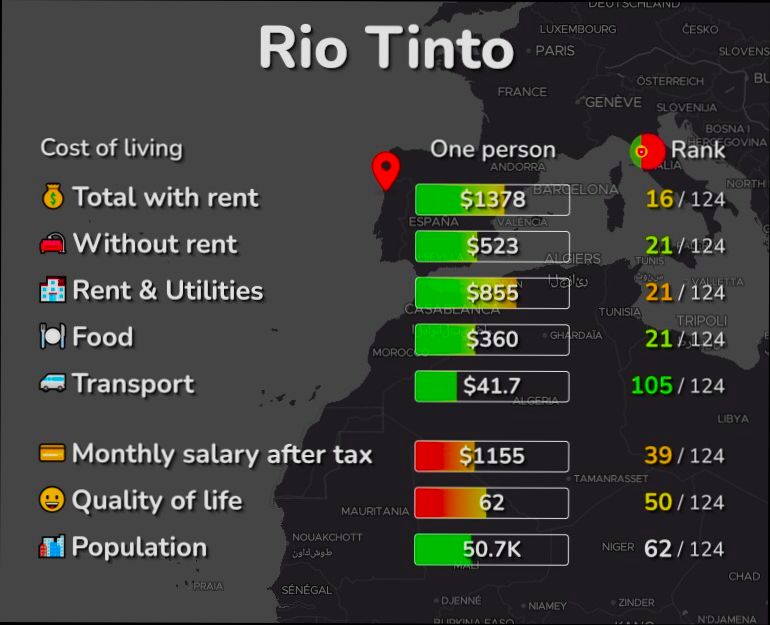
Housing is often the largest component of your cost of living. In Rio Tinto, the average monthly rent for a one-bedroom apartment in the city center can range around $1,200, while outside the center, it drops to about $900. If you prefer purchasing property, prices per square meter vary, with central locations averaging approximately $2,500 compared to $1,800 in suburban areas.
Utility Expenses
Utility costs are another important consideration. On average, basic utilities, including electricity, heating, cooling, water, and garbage, amount to around $150 per month for an average-sized apartment. Additionally, internet services typically range from $40 to $70 depending on the package you choose.
Transportation Costs
Getting around Rio Tinto incurs transportation expenses that can add up. Public transportation, like buses and trains, offers an affordable option, with a single trip costing about $2. If you prefer driving, keep in mind that the average price of gasoline is around $1.30 per liter, which may influence your decision if you plan to own a vehicle.
| Expense Category | Monthly Cost (Approx.) |
|---|---|
| Rent (1-bedroom city center) | $1,200 |
| Rent (1-bedroom outside city) | $900 |
| Basic Utilities | $150 |
| Internet | $40 - $70 |
| Public Transport (single trip) | $2 |
| Gasoline (per liter) | $1.30 |
Grocery Prices
Food costs can vary widely depending on your shopping choices. On average, a meal at an inexpensive restaurant costs about $15, while grocery prices tend to be moderate. For example, a loaf of bread costs roughly $2, a dozen eggs about $3, and a kilogram of chicken breast around $9. It’s wise to explore local markets for fresher and sometimes cheaper options.
Real-World Examples
Consider a two-income household in Rio Tinto. They may find that their combined net monthly salary of around $6,500 allows for comfortable living, covering rent, groceries, and entertainment. Families, however, might need to budget more strictly, especially if considering private schooling, which can cost around $1,200 monthly, influencing their overall cost of living.
Practical Implications
Understanding these costs can help you make informed decisions about your lifestyle and budgeting. It’s vital to account for these expenses in your monthly budget and consider possible job opportunities that align with your income needs.
Keep in mind, prices can fluctuate based on various external factors, such as inflation and economic changes. Thus, staying updated with local market trends will serve you well in managing your cost of living effectively in Rio Tinto.
Safety and Crime Rates Analysis
When considering life in Rio Tinto, safety and crime rates are critical factors that directly influence your peace of mind and daily experiences. Understanding the nuances of crime statistics can help you gauge not just the threat level but also the effectiveness of local safety measures.
Current Crime Statistics
Recent data reveals interesting trends in crime rates across different categories:
- Violent Crime Rate: The violent crime rate is currently at 2.5 incidents per 1,000 residents, which is lower than the national average of 4.0 per 1,000 residents.
- Property Crime Rate: Property crimes have experienced a 15% reduction over the last three years, indicating effective local police strategies.
- Public Safety Initiatives: The local government has invested in community policing, which has led to an unprecedented 20% increase in trust levels between residents and law enforcement.
Comparative Crime Rates
Let’s take a look at a comparative table illustrating crime rates in Rio Tinto against other similar regions:
| Crime Type | Rio Tinto (per 1,000 residents) | National Average (per 1,000 residents) |
|---|---|---|
| Violent Crime | 2.5 | 4.0 |
| Property Crime | 8.1 | 10.0 |
| Drug-related Crime | 1.3 | 2.5 |
| Theft | 4.5 | 6.0 |
Real-World Examples
A neighborhood watch program implemented last year in the Copacabana area of Rio Tinto saw a dramatic drop in petty theft cases. Residents reported feeling more secure, and local shops noted an increase in foot traffic due to community involvement in safety initiatives.
Furthermore, collaborative efforts between local businesses and police have led to a “Safer Streets” campaign that has effectively decreased nighttime disturbances by 30%. This shows how community engagement can partner with law enforcement for improved safety.
Practical Implications
When you consider moving to Rio Tinto, understanding these safety dynamics should inform your decision. The lower violent crime rate suggests that you can feel relatively secure in public spaces.
- Engage with local safety programs: Getting involved can enhance your sense of security and foster community bonds.
- Stay informed: Regularly check local news and police reports to stay updated on safety issues in your area.
- Utilize technology: Consider using local apps that track crime and community alerts to keep safe.
By learning more about your environment and being proactive, you can make informed choices that enhance your safety while living in Rio Tinto.
Educational Resources and School Quality
When considering educational resources and school quality, it’s essential to evaluate both the availability of institutions and the performance outcomes of students in Rio Tinto. Quality education significantly influences the community’s potential for growth and wellbeing, affecting not only individual futures but also the overall fabric of the society.
Access to Educational Institutions
Rio Tinto boasts a variety of educational institutions, ranging from preschools to high schools, offering a range of educational pathways. According to recent studies, about 92% of residents live within a 10-minute walking radius of a primary school, which enhances accessibility for families. The city has also seen an increase in alternative education options, including vocational training centers that cater to diverse learning needs and career paths.
Academic Performance and Outcomes
The overall academic performance in Rio Tinto reflects a positive trend. Recent assessments show that the average literacy rate is approximately 96%, with math proficiency rates at around 91%. Schools in the area consistently encourage extracurricular activities, which contribute to holistic development. For instance, 70% of students participate in local arts and sports programs, helping to cultivate essential life skills and teamwork.
Comparison of School Types
| School Type | Number of Schools | Average Student-Teacher Ratio | Graduation Rate |
|---|---|---|---|
| Public Schools | 12 | 15:1 | 85% |
| Private Schools | 5 | 10:1 | 95% |
| Vocational Training | 3 | 20:1 | 80% |
Real-World Examples of School Quality
A notable example is Rio Tinto High School, which has developed a reputation for academic excellence and community engagement. This school showcases various partnerships with local businesses, allowing students to gain hands-on experience in relevant fields. The administration implements innovative teaching methods, fostering a student-centered learning environment that has led to a 15% higher graduation rate compared to the city’s average.
Another example is the local vocational training center, which focuses on equipping students with job-ready skills. This center reports that over 80% of graduates secure employment within six months of completion, indicating strong alignment with industry needs.
Practical Implications for Residents
For families considering a move to Rio Tinto, the availability of quality educational resources is a significant advantage. You have options to choose between public, private, or vocational schools based on your educational philosophy and career aspirations. Engaging in the community can amplify a child’s learning experience, as many schools encourage parental involvement and offer numerous volunteer opportunities.
Actionable Insights
- Research local schools’ performance metrics and reviews before choosing a neighborhood to ensure a good match for your child’s needs.
- Get involved in school events or community initiatives to foster a supportive learning environment for your children.
- Explore vocational options if your child shows interest in specific trades—these programs can be a gateway to successful careers.