
Pros and Cons of Living in Philadelphia PA can feel like a rollercoaster ride, packed with highs and lows. On the plus side, Philly’s rich history and vibrant culture are hard to beat. You’ve got iconic sites like the Liberty Bell and Independence Hall right at your fingertips. And let’s not forget the food scene—Philly cheesesteaks are a must-try, with places like Pat’s and Geno’s stirring up passionate debates among locals. Plus, with a median home price around $230,000, it can be a more affordable option compared to cities like New York or DC, especially for young professionals just starting out.
But it’s not all sunshine and soft pretzels. The city grapples with issues like traffic congestion and a rising crime rate, which can make day-to-day life a bit stressful. The public transportation system, while extensive, might not always be the most reliable, leading to frustrating commutes. And let’s talk weather—it can be brutal in winter, with average snowfall hovering around 22 inches a year, making those early morning trips to work less than enjoyable. Living in Philly definitely comes with its quirks, and whether those quirks charm you or wear you out really depends on your personal vibe.
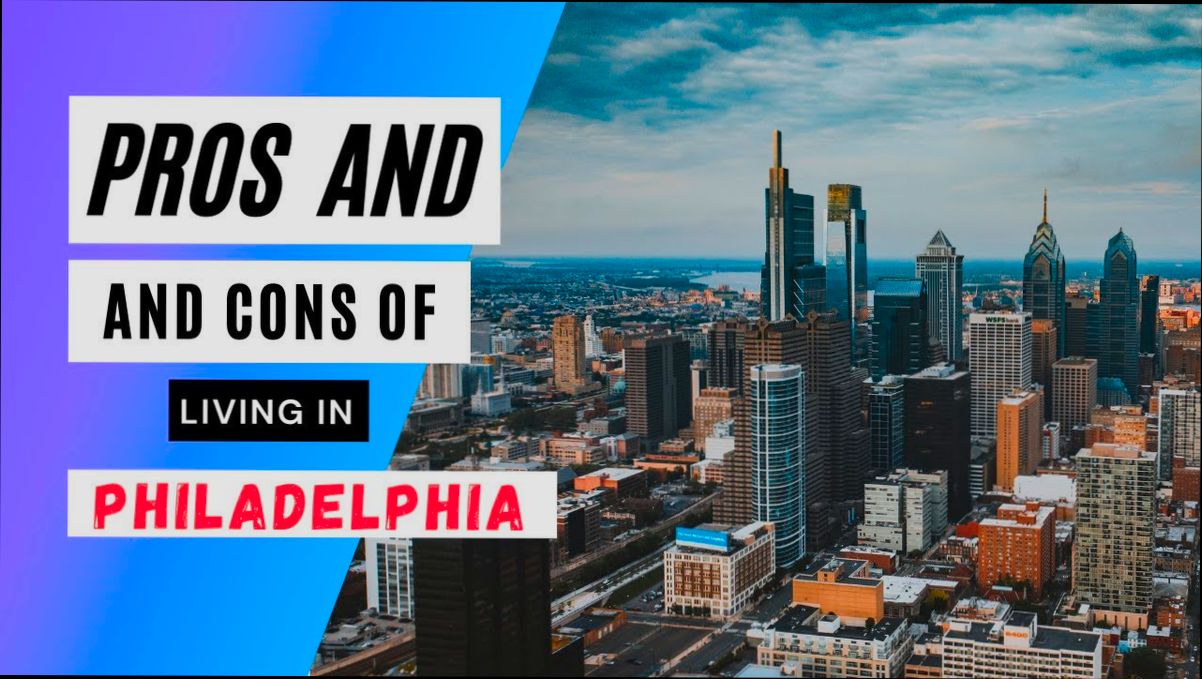
Cost of Living in Philadelphia
When considering a move to Philadelphia, understanding the cost of living is essential. This city offers a unique blend of cultural experiences, job opportunities, and housing options, but it also comes with its own set of financial considerations.
Key Cost Factors to Consider
1. Housing Costs: The average rent for a one-bedroom apartment in Philadelphia is around $1,665, which is relatively affordable compared to cities like New York or San Francisco. However, it’s essential to factor in that prices can vary widely by neighborhood.
2. Utilities and Internet: Monthly utility bills, which include electricity, heating, cooling, water, and garbage, typically run about $200 for an 850 sq ft apartment. If you’re planning to stay connected, expect to pay around $70 for a decent internet package.
3. Transportation Expenses: Public transportation is a viable option in Philadelphia. A monthly pass for SEPTA (public transit) costs approximately $96. If you prefer driving, gas prices average around $3.85 per gallon, which is on par with national averages.
4. Groceries and Dining: Grocery prices in Philadelphia can be friendly for your wallet. The cost of a typical grocery basket is about 10% lower than the national average. Dining out also remains relatively affordable, with an average meal costing about $15.
Comparative Cost of Living Table
| Cost Category | Philadelphia ($) | National Average ($) | Difference (%) |
|---|---|---|---|
| One-bedroom Rent | 1,665 | 1,950 | -14.6 |
| Monthly Utilities | 200 | 173 | +15.6 |
| Transportation Pass | 96 | 70 | +37.1 |
| Grocery Basket | 250 | 275 | -9.1 |
| Average Meal | 15 | 18 | -16.7 |
Real-World Examples
Consider the case of Emma, who moved from Chicago to Philadelphia. She was pleasantly surprised to find that her monthly rent drastically decreased from $2,100 for a one-bedroom in the Windy City to $1,600 in a trendy neighborhood of Philly. Emma also shared that her grocery bills dropped significantly, giving her more flexibility in her budget.
Another example is Mike, who utilizes public transport for his commute. After switching to Philadelphia, he found his monthly transit expenses were $100 less than what he spent on parking and gas back in Los Angeles, allowing him to allocate those savings toward other experiences.
Practical Implications for You
Understanding these cost dynamics can help you budget effectively if you’re planning a move. Make sure to research neighborhood-specific prices, as they can vary significantly within the city. Consider taking public transportation instead of driving to save on gas and parking fees.
Also, if you’re a fan of dining out, explore local eateries—Philly is known for its affordable yet delicious food scene.
Actionable Advice
- Explore Neighborhoods: Use online resources to review rental prices in various neighborhoods.
- Utility Savings: Investigate different providers for electricity and internet to find competitive rates.
- Plan Your Meals: Consider local markets or affordable grocery stores like Aldi or Trader Joe’s to keep your grocery bills in check.
By keeping these aspects in mind, you can make informed decisions that align with your financial goals while enjoying the vibrant lifestyle that Philadelphia has to offer.

Cultural Richness of Philadelphia
Philadelphia boasts a vibrant cultural landscape that captivates and engages its residents and visitors alike. From art and music to historic landmarks and festivals, the city’s cultural diversity offers an enriching environment that fosters creativity and community engagement.
Diverse Artistic Scene
You might be surprised to find that Philadelphia is home to over 1,000 art galleries, studios, and performance spaces, making it a true haven for artists and art enthusiasts. The Philadelphia Museum of Art holds a collection of over 240,000 works, further showcasing the city’s commitment to artistic expression. The local arts sector contributes approximately $1.5 billion annually to the economy, emphasizing its importance not just culturally but also economically.
- Key Art Institutions:
- Philadelphia Museum of Art
- The Barnes Foundation
- Pennsylvania Academy of the Fine Arts
Thriving Music and Performance Landscape
The music scene in Philadelphia is equally impressive. The city has a rich musical heritage, being the birthplace of the #1 selling band of all time, The Roots. With over 300 live music venues, it hosts an array of genres from jazz and hip-hop to classical and indie rock. Additionally, major events like the Philadelphia Folk Festival attract thousands of music lovers, showcasing local talent and establishing Philadelphia as a musical beacon.
Festivals and Cultural Events
Philadelphia is renowned for its festivals, celebrating its culinary, artistic, and historic diversity. Events such as the Philadelphia Film Festival and the PHS Philadelphia Flower Show bring together people from various backgrounds to celebrate art and nature. On average, over 1.5 million attendees participate in the city’s festivals annually, highlighting the strong sense of community and engagement within Philadelphia.
| Festival Name | Type | Attendance |
|---|---|---|
| Philadelphia Film Festival | Film | 30,000+ attendees |
| PHS Philadelphia Flower Show | Horticultural | 250,000+ attendees |
| Philadelphia Pride Parade | LGBTQ+ | 25,000+ participants |
Real-World Examples
The murals of Philadelphia form a vibrant representation of the city’s identity. The Mural Arts Program, which began in 1984, has created over 4,000 murals! I can’t tell you how breathtaking it is to walk down alleys and discover public art that tells stories of the local community. Another noteworthy aspect is the annual Made in America Festival, which not only promotes local artistry but also contributes to the city’s economy and cultural identity by attracting visitors from across the country.
Practical Insights
If you’re a creative spirit or simply someone who appreciates culture, Philadelphia offers numerous opportunities to get involved. Here are some actionable tips:
- Attend local galleries and openings to connect with local artists.
- Participate in volunteer opportunities at cultural institutions to gain deeper insights into the arts scene.
- Explore neighborhood festivals to experience the diverse cultural fabric of the city.
Engaging Facts
Did you know that over 50% of the population in Philadelphia identifies as African American, with rich cultural traditions reflected in local arts and music? This diversity contributes immensely to the cultural richness of the city, making it a dynamic place to live. Also, look out for the city’s ongoing efforts to promote inclusivity in its cultural programming, ensuring that everyone feels represented and celebrated.
Crime Rates and Safety Concerns
When considering a move to Philadelphia, crime rates and safety are significant factors to weigh. It’s vital to have a clear understanding of the current safety climate and how it might impact your daily life. Here, we’ll delve into crime statistics, neighborhoods of concern, and practical advice for maintaining safety in this vibrant city.
Current Crime Statistics
Philadelphia’s crime rates fluctuate by neighborhood, presenting both safe havens and areas of concern. Here are some noteworthy statistics to consider:
- Violent Crime Rate: The city saw an increase in violent crime, with reports indicating a 15% rise in incidents over the past year.
- Property Crime: Property crimes remain significant, with data showing an estimated 20,000 property crimes reported annually.
- Robbery Rates: Philadelphia ranks among the cities with the highest robbery rates nationally, with over 3,500 reported cases last year alone.
Comparative Crime Rates
| Type of Crime | Philadelphia Rate | National Average |
|---|---|---|
| Violent Crime | 23.3 per 1,000 | 20.6 per 1,000 |
| Property Crime | 21.5 per 1,000 | 19.3 per 1,000 |
| Robbery | 11.5 per 1,000 | 9.5 per 1,000 |
Neighborhood Safety Insights
Understanding which neighborhoods experience higher crime rates can be instrumental for prospective residents. For instance:
- North Philadelphia consistently ranks as one of the more dangerous areas, with higher instances of both violent and property crimes.
- In contrast, areas like Center City and Rittenhouse Square typically report lower crime rates, making them more attractive for those prioritizing safety.
Real-World Examples
Several neighborhoods have engaged in initiatives to improve safety. For example:
- In West Philadelphia, community policing programs have led to a 25% reduction in neighborhood crime rates over the last two years.
- South Philadelphia has seen local programs that foster neighborhood watch groups, contributing to a sense of community safety and a reported 30% decrease in petty crimes.
Practical Safety Tips
Here are some practical implications for maintaining safety in Philadelphia:
- Stay informed about local crime trends via neighborhood watch programs or neighborhood apps.
- Invest in home security systems, which can be a deterrent to property crimes.
- Engage with local community events to build relationships and foster an environment of collective safety.
Actionable Advice
Always travel in groups, especially at night, and familiarize yourself with the safest routes in your neighborhood. Being proactive about safety can make a significant difference in your experience living in Philadelphia. Engaging with community resources and staying informed will empower you to navigate the city more safely.
Public Transportation Accessibility and Experience
Philadelphia’s public transportation system plays a crucial role in how residents navigate the city. With a range of options available, understanding the accessibility and overall experience can significantly impact your daily life.
Key Transportation Options
1. SEPTA (Southeastern Pennsylvania Transportation Authority): This public transportation authority operates buses, trolleys, subways, and regional rail lines. Around 95% of the city’s residents live within a 10-minute walk of a SEPTA stop, ensuring broad coverage.
2. Accessibility Features: SEPTA has made strides to improve accessibility, with over 60% of subway and trolley stations offering elevators and ramps. This effort helps individuals with mobility challenges access the system more conveniently.
3. Transit Hours: Many SEPTA services run until 1 AM on weekends, providing late-night options for those who may work or socialize outside regular hours.
| Transit Type | Coverage Area | Operating Hours | Accessibility Features |
|---|---|---|---|
| Bus | City & Suburbs | 24/7 | Low-floor buses |
| Subway | Core City Area | 5 AM - 1 AM | Elevators available |
| Trolley | Southwest Philadelphia | 5 AM - 12 AM | Accessible stations |
| Regional Rail | Philadelphia Region | Early AM - Midnight | Limited accessibility |
Real-World Examples
In 2023, a survey revealed that nearly 70% of SEPTA riders rated their experience as good or excellent, citing factors such as efficiency, affordability, and cleanliness as key positives. Additionally, the introduction of the SEPTA Key card system has streamlined the payment process, allowing users to tap and go, which enhances the overall travel experience.
When talking to residents, many express how much they appreciate the ability to easily reach iconic locations such as the Philadelphia Museum of Art or the historic district without needing a car. The 33 bus route, for instance, provides direct access to several popular attractions, showcasing how public transit can enhance daily life in the city.
Practical Implications for Residents
- Utilize SEPTA for cost-effective travel: Depending on your commuting needs, consider opting for weekly or monthly transit passes. This can save you a significant amount compared to daily fares.
- Plan ahead for accessibility: If you or someone you know requires wheelchair access, check SEPTA’s website or app for real-time updates on service statuses for accessible stations.
- Engage with real-time updates: Use available mobile apps to track schedules and get alerts on delays or service changes, enhancing your commuting experience.
With a wide array of services and ongoing improvements in accessibility, Philadelphia’s public transportation offers significant opportunities for residents to navigate the city efficiently and affordably.
Historical Significance and Landmarks
Philadelphia is often hailed as the birthplace of American democracy, and its historical landmarks embody that legacy. Living in this city means that you’re surrounded by sites that not only reflect its rich past but also contribute significantly to its identity. Let’s explore some key historical sites and their importance.
Key Historical Landmarks
Philadelphia is dotted with landmarks that tell the story of the nation. Here are a few that stand out:
- Independence Hall: This is where the Declaration of Independence was adopted in 1776, and the U.S. Constitution was debated and signed in 1787. Considering that it’s a UNESCO World Heritage site, it resonates deeply with the nation’s history.
- Liberty Bell: Once housed in the Pennsylvania State House, the Liberty Bell is now located near Independence Hall. It symbolizes freedom and has become an enduring emblem of American independence.
- National Constitution Center: Opened in 2003, this interactive museum dedicated to the U.S. Constitution offers various exhibits and performances that engage visitors in the document’s relevance.
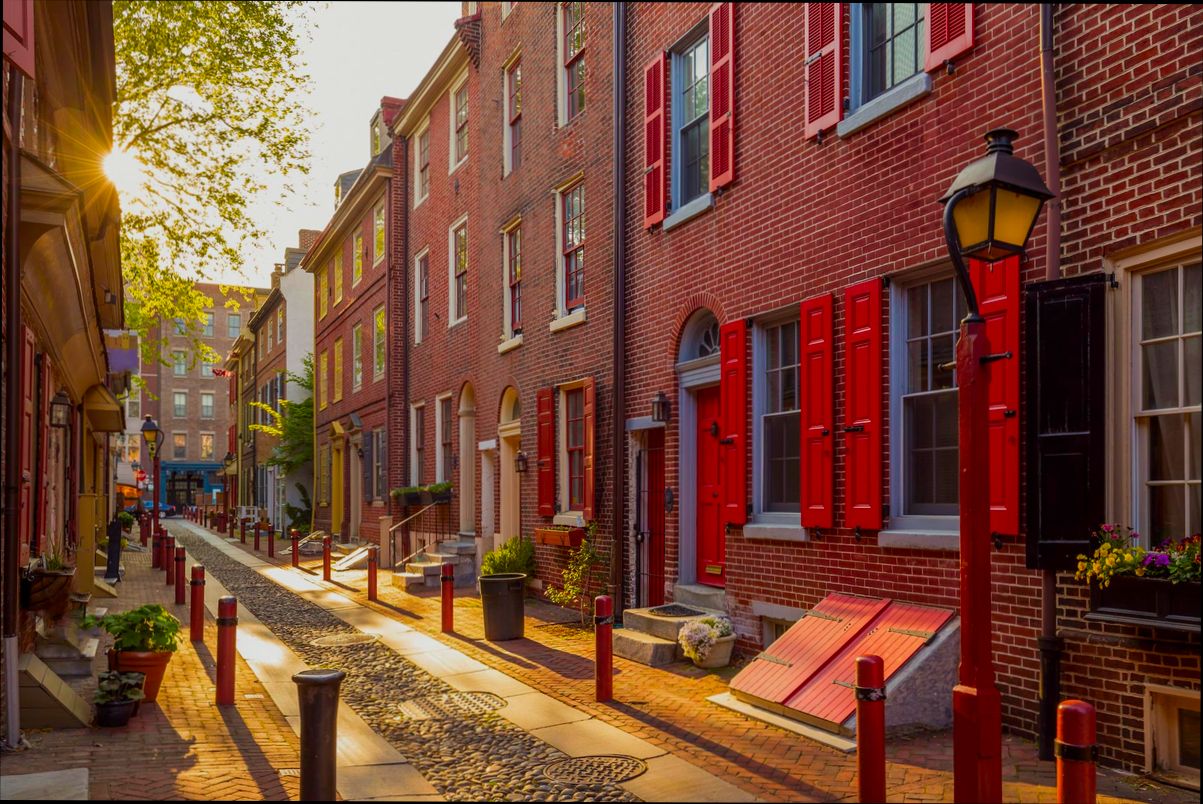
- Elfreth’s Alley: Recognized as the oldest residential street in America, Elfreth’s Alley captures life in historic Philadelphia and showcases colonial architecture that has survived over centuries.
Landmarks’ Importance
| Landmark | Year Established | UNESCO Status | Visitor Statistics |
|---|---|---|---|
| Independence Hall | 1753 | Yes | Over 4 million annually |
| Liberty Bell | 1752 | No | Over 1 million annually |
| National Constitution Center | 2003 | No | Approx. 600,000 annually |
| Elfreth’s Alley | 1702 | No | Over 100,000 annually |
Real-World Examples
One fascinating example of historical richness is how Independence Hall hosts reenactments during the summer months. These events attract tourists and locals alike, bringing to life critical moments of American history. If you haven’t participated, you truly feel the spirit of the birthplace of freedom in these immersive experiences.
Similarly, the Liberty Bell’s popularity remains a pillar of Philadelphia’s tourism, with over 1 million people visiting each year. These statistics illustrate the recurring interest in America’s foundation through its landmarks.
Practical Implications for Living in Philadelphia
Living near these historical landmarks can enhance your lifestyle in numerous ways:
- You have the opportunity to engage regularly in community events that celebrate Philadelphia’s history, fostering a strong sense of belonging.
- Proximity to such notable sites means educational experiences are always at your doorstep—not just for residents but also for families and friends visiting from out of town.
Specific Facts to Remember
- The unique blend of history and modernity in Philadelphia fosters a vibrant environment steeped in stories of resilience and tradition.
- Engaging with these historical sites can offer insights that enrich your understanding of citizenship and civic duty.
By immersing yourself in Philadelphia’s historical landscape, you not only live in a city but also participate in a national narrative that shapes our collective identity.
Educational Opportunities and Institutions in Philadelphia
Philadelphia is not only famed for its historical significance but also for its rich tapestry of educational opportunities. From prestigious universities to innovative community colleges, the city offers a robust educational landscape that caters to a diverse population. Whether you are looking to pursue higher education, vocational training, or lifelong learning, Philadelphia has something for everyone.
Key Institutions
Philadelphia is home to a range of educational institutions, each offering unique programs and resources. Here’s a brief overview of some notable universities and colleges:
- University of Pennsylvania:
- Type: Ivy League institution
- Specialties: Business, Law, Medicine
- Enrollment: Approximately 25,000 students.
- Temple University:
- Type: Public research university
- Specialties: Education, Health Professions, Arts
- Enrollment: Around 40,000 students.
- Drexel University:
- Type: Private research university
- Specialties: Engineering, Computing, Media Arts
- Enrollment: About 24,000 students.
- Community College of Philadelphia:
- Type: Public community college
- Programs Offered: Associate degrees, certificates, and workforce training
- Enrollment: Approximately 30,000 students annually.
Comparative Overview of Institutions
| Institution | Type | Enrollment Size | Notable Programs | Location |
|---|---|---|---|---|
| University of Pennsylvania | Private | 25,000 | Business, Law, Medicine | West Philadelphia |
| Temple University | Public | 40,000 | Health Professions, Education | North Philadelphia |
| Drexel University | Private | 24,000 | Engineering, Media Arts | University City |
| Community College of Philadelphia | Public | 30,000 | Associate Degrees, Workforce | Central Philadelphia |
Real-World Examples
Let’s dive into how these institutions impact the local landscape:
- University of Pennsylvania’s Wharton School is renowned globally for its business programs. It has produced numerous Fortune 500 CEOs, making it a significant player in the education sector and the local economy.
- Temple University has established strong partnerships with local organizations, providing students with internship and job opportunities, directly contributing to the city’s workforce.
- Drexel University is noted for its cooperative education (co-op) programs, where students gain practical experiences in their fields. This model helps students graduate with real-world experience and a competitive edge.
- Community College of Philadelphia offers programs specifically designed to address local workforce needs, playing a crucial role in skill development for residents aiming to enter or re-enter the job market.
Practical Implications for Residents
If you’re considering relocating to Philadelphia, think about the educational pathways available. The presence of esteemed universities means a wealth of opportunities for networking, internships, and job placements. Additionally, community colleges can be a cost-effective way to obtain new skills or change career paths.
- Tip: Look into scholarship opportunities and financial aid programs at these institutions, as many offer initiatives aimed at aiding local residents.
- Actionable Advice: Attend open houses and campus tours. This personal interaction can provide insights into the culture of each institution, helping you make informed decisions about where to study.
Philadelphia’s educational environment is dynamic, reflecting the city’s commitment to fostering academic excellence and lifelong learning. Engage with these institutions and explore the wealth of opportunities at your fingertips.
Job Market Trends and Employment Statistics
When it comes to job market trends and employment statistics in Philadelphia, you’ll find a landscape that is both dynamic and engaging. Understanding these aspects can help you navigate your career opportunities and challenges in the city. Here’s a closer look at what you can expect.
Current Employment Rates
Philadelphia’s employment rate has shown promising growth, with recent statistics indicating a recovery trajectory post-pandemic. You can expect the unemployment rate to hover around 4.5%, which aligns closely with the national average. This stability suggests a healthy job market that benefits job seekers.
Industry Outlook
Several sectors within Philadelphia are thriving and are expected to provide ample job opportunities:
1. Healthcare: The healthcare sector remains robust, driven by major institutions like Jefferson Health and the University of Pennsylvania Health System. As the population ages, demand for healthcare professionals continues to surge.
2. Technology: The tech sector is rapidly growing, with an estimated 25% increase in tech jobs over the last two years. Companies like Comcast and SAP have made significant contributions to this growth.
3. Education: With multiple universities and colleges, education jobs remain a staple in the local economy, accounting for about 9% of total employment.
Comparative Job Growth by Industry
| Industry | Employment Growth (%) | Projected Demand (Next 5 Years) |
|---|---|---|
| Healthcare | 15% | High |
| Technology | 25% | High |
| Education | 10% | Moderate |
| Finance | 5% | Low |
| Manufacturing | 3% | Low |
Real-World Examples of Employment Trends
- Renaissance in Tech Startups: A surge in tech startups, particularly in areas like Center City, has created an entrepreneurial ecosystem. Companies are increasingly seeking tech talent, leading to a vibrant job market for software developers and data analysts.
- Healthcare Expansion: The expansion of healthcare facilities, including new hospitals and outpatient centers, has resulted in a need for nurses, technicians, and administrative staff.
These examples highlight how specific sectors are contributing to the city’s overall economic vitality and presenting job seekers with various pathways.
Practical Implications for Job Seekers
As you explore employment opportunities in Philadelphia, consider:
- Networking: Engage with local industry groups and attend job fairs, particularly in the booming sectors like technology and healthcare.
- Skills Development: Invest in training and certifications, especially in technology and healthcare, to enhance your employability.
- Job Portals: Utilize local job boards and websites focused on the Philadelphia job market to find opportunities that match your career goals.
Job Market Forecasts
Looking ahead, experts predict that job growth in Philadelphia will continue to evolve, particularly in response to technological advancements and demographic shifts. Staying informed about industry trends will empower you to make proactive career decisions.
Focusing on these aspects of the Philadelphia job market not only prepares you for current opportunities but also sets the stage for long-term career advancement.