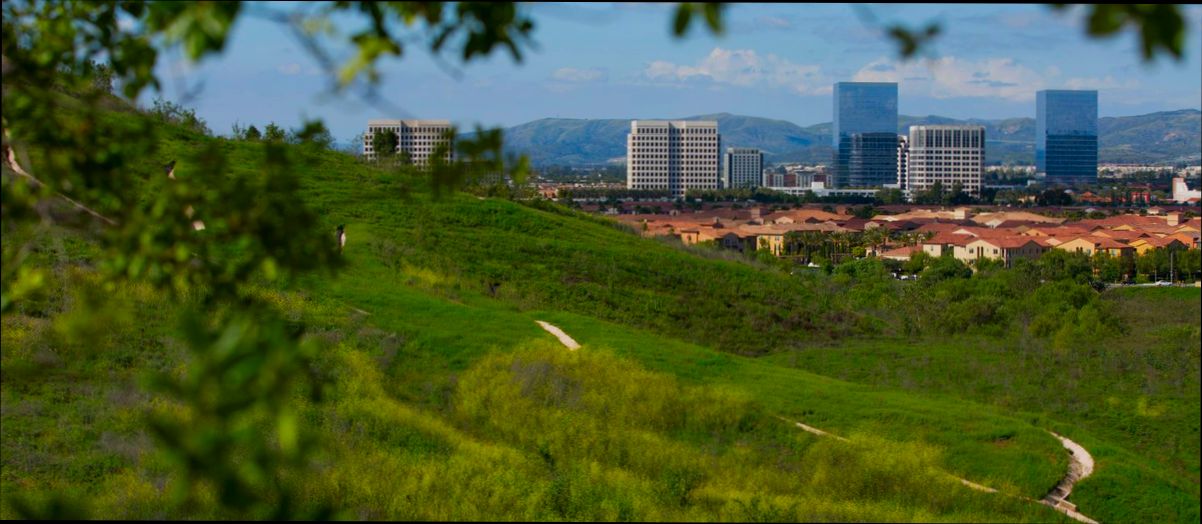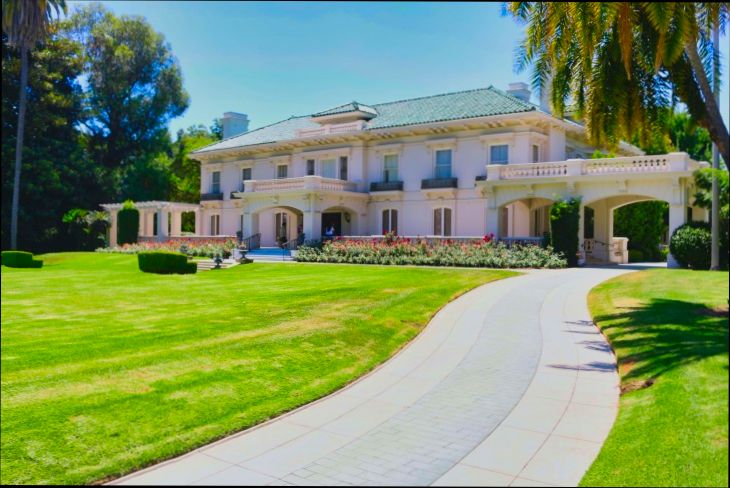
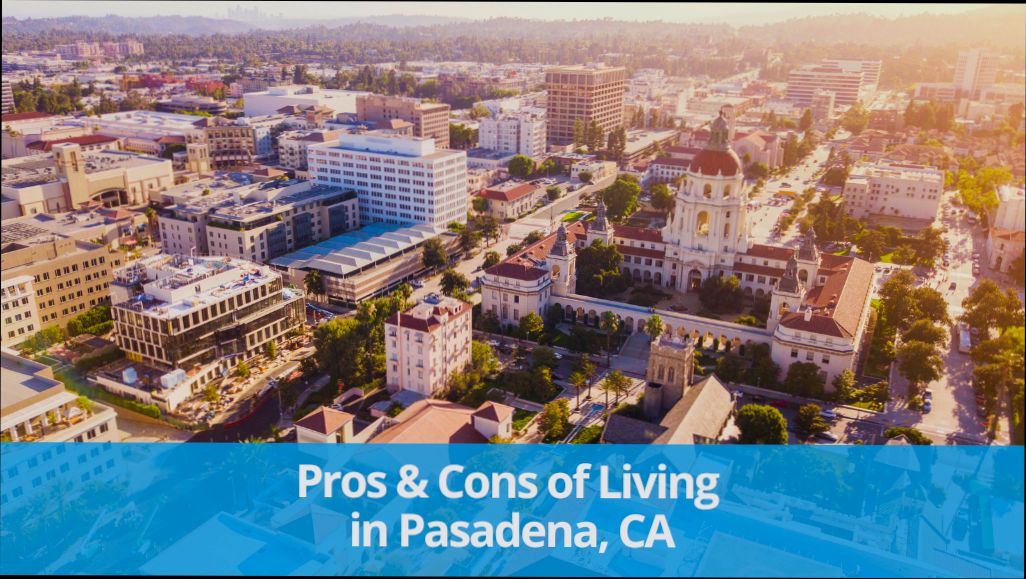
Pros and Cons of Living in Pasadena CA can truly shape your experience in this iconic Southern California city. On the plus side, Pasadena boasts a lively arts scene, highlighted by events like the annual Rose Parade, which attracts hundreds of thousands of visitors each year. If you’re a foodie, you’ll love Old Town Pasadena, where you can find everything from cozy cafes to upscale dining. The average temperature hovers around 75°F, making it perfect for year-round outdoor activities. Plus, the city is home to Caltech, contributing to a highly educated population and adding a vibrant atmosphere that fosters innovation and creativity.
On the flip side, living in Pasadena can come with some significant drawbacks. The cost of living is notably high; median home prices typically top $1 million, which can make homeownership feel out of reach for many. And let’s not forget about traffic. Being close to Los Angeles means you might spend a lot of time sitting in your car, with commutes averaging around 30 minutes, but often stretching much longer during rush hour. While the beautiful surroundings and rich culture are tempting, finding affordable housing and navigating the congestion can be real challenges for residents.
Cost of Living Analysis in Pasadena
Living in Pasadena carries unique financial implications that can significantly affect your budget and lifestyle. Let’s delve into various components of the cost of living in this vibrant city, where housing prices and daily expenses shape the experience of its residents.
Housing Costs
One of the most substantial expenses you’ll encounter in Pasadena is housing. As of now, the median home price in Pasadena is approximately $1.1 million, which is a significant investment compared to the national average. For rentals, the average monthly rent for a one-bedroom apartment in the city hovers around $2,500, making it one of the pricier rental markets in the Los Angeles area.
Everyday Expenses
When it comes to daily expenses, here are a few key points to consider:
- Groceries: Expect to spend about 9% more on groceries than the national average. For example, a gallon of milk costs approximately $4.00, while a dozen eggs is around $3.30.
- Utilities: The average monthly utility bill (electricity, heating, cooling, water, and garbage) for a standard apartment is about $150, which can climb based on personal consumption.
- Transportation: Public transportation is available, but if you plan to drive, the average gas price is around $4.80 per gallon, which is slightly above the state average.
Cost Comparison Table
| Expense Type | Pasadena ($) | National Average ($) |
|---|---|---|
| Median Home Price | 1,100,000 | 374,900 |
| Average Rent (1BR) | 2,500 | 1,550 |
| Groceries (Milk) | 4.00 | 3.50 |
| Utilities (Monthly) | 150 | 125 |
| Gas Price | 4.80 | 4.30 |
Real-World Examples
To illustrate these costs, consider a family of four living in Pasadena. They may budget around $8,000 per month, factoring in their mortgage payment, groceries, and everyday expenses. With a monthly housing cost of around $3,500, they still need to allocate funds for education, healthcare, and recreation, leading to a tightened financial outlook.
Conversely, a young professional renting in the heart of Pasadena might prioritize budget-friendly living arrangements, opting for shared accommodations to split costs while enjoying city life. This person may choose to live with roommates to manage their $2,500 rent more effectively, making Pasadena more financially feasible.
Practical Implications
Understanding these costs is crucial for anyone considering a move to Pasadena. It’s essential to create a budget that accommodates your housing situation, daily living expenses, and lifestyle choices. You might look into alternative housing options like searching for neighborhoods slightly outside of Pasadena if affordability is a concern or exploring ways to reduce utility costs, such as energy-efficient practices.
Actionable Advice
- Budget Wisely: Map out your monthly income against expenses, especially housing and transportation.
- Consider Landscaping: Explore buying into areas with slightly lower rent or home prices but good access to Pasadena’s amenities.
- Community Resources: Familiarize yourself with local grocery stores or farmer’s markets for better deals on fresh produce—this can save you money on groceries.
By keeping these financial factors in mind, you can better navigate the cost of living in Pasadena and make informed decisions that align with your budget and lifestyle.
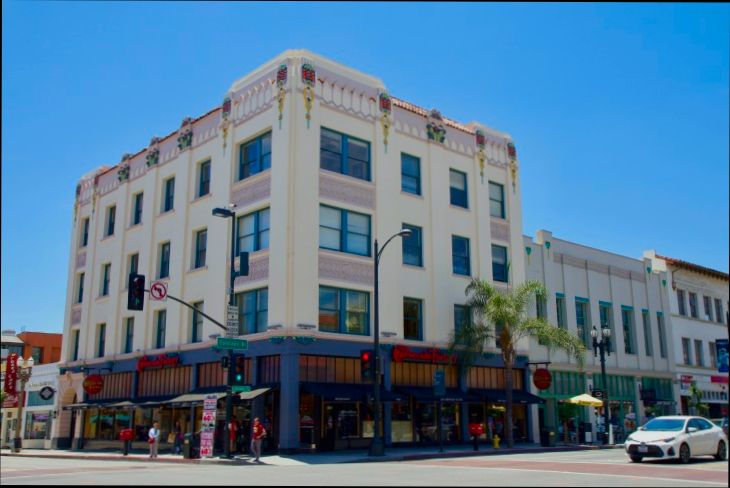
Cultural Attractions and Entertainment Options
Living in Pasadena means immersing yourself in a vibrant cultural scene brimming with diverse entertainment options. From museums and galleries to theaters and annual festivals, the city surely keeps us entertained. Here’s a closer look at what you can enjoy in Pasadena.
Rich Cultural Landscape
- Pasadena is home to over 1,000 cultural events annually, which means you’ll find something intriguing happening almost every week.
- The city boasts several art galleries, including the renowned Armory Center for the Arts, which regularly features exhibitions by local and international artists.
- You won’t want to miss the Pasadena Playhouse, hailed as the state theater of California. It not only showcases excellent productions but also offers theater classes and workshops.
Entertainment Hotspots
- Did you know the Norton Simon Museum holds one of the most significant collections of European art in the country? You can explore works by artists like Van Gogh and Degas in a serene environment.
- The Rose Bowl, a famous sports venue, transforms for events like the monthly Rose Bowl Flea Market, attracting thousands of visitors each month.
- A renowned cultural landmark, the Pasadena Civic Center, presents a variety of community performances, including concerts and holiday events.
| Venue | Type of Attraction | Notable Features |
|---|---|---|
| Norton Simon Museum | Art Museum | European art collections |
| Pasadena Playhouse | Theater | State theater of California, multiple productions |
| Armory Center for the Arts | Art Gallery | Focus on contemporary art, community programs |
| Rose Bowl | Sports and Events | Monthly flea market, college football games |
Real-World Cultural Experiences
You might find yourself at the Pasadena Chalk Festival, where artists turn pavement into colorful masterpieces, creating a vibrant community event. Such local festivals draw thousands of attendees and showcase the city’s lively spirit.
Moreover, visiting the California Institute of Technology (Caltech) provides opportunities to engage with cutting-edge scientific research, often hosting public lectures and exhibitions that make science accessible and entertaining.
Actionable Insights for Enjoying Culture in Pasadena
- Joining the Art Scene: Consider signing up for art classes at local centers. They not only foster creativity but also connect you with like-minded individuals.
- Attending Events: Regularly check the Pasadena Events Calendar to stay updated on happenings, whether it’s a concert, art show, or community festival.
- Exploring Museums: Take advantage of free museum days. Pasadena’s institutions often offer free admission on specific days, which is a great way to enjoy culture without breaking the bank.
Fun Facts and Tips
- The Pasadena Symphony offers an array of concerts and educational programs, making it a fantastic avenue to explore classical music.
- Plan to attend the Tournament of Roses Parade in January, a world-famous event celebrated with extravagant floats and widespread community participation.
- Don’t forget to explore the numerous public art installations scattered throughout the city, providing free art experiences at nearly every turn.
Embracing the cultural attractions and entertainment options in Pasadena allows you to experience the richness of community life while creating memorable adventures.

Impact of Climate on Lifestyle Choices
Living in Pasadena, the climate plays a significant role in shaping our everyday lifestyles. This vibrant city enjoys a Mediterranean climate, characterized by warm, dry summers and mild, wet winters. Understanding how Pasadena’s climate influences our choices can help you adapt and thrive in this unique environment.
Outdoor Activities and Recreation
The warm climate encourages residents to engage in outdoor activities year-round. With an average annual temperature of around 70°F, you’ll find many locals hiking in the nearby San Gabriel Mountains or enjoying picnics at one of the many parks. Recent studies show that approximately 68% of Pasadena residents participate in outdoor recreational activities, significantly increasing their social interactions and physical health.
- Weather-Friendly Exercise: Yoga classes in the park or cycling events see high participation due to favorable weather conditions.
- Community Events: Seasonal outdoor events, like summer movie nights and food festivals, flourish thanks to clear skies.
Home Design and Energy Use
The climate also impacts how we design and operate our homes. Many Pasadena residents opt for designs that enhance indoor comfort while minimizing energy costs, particularly during the hot summer months. Housing studies reveal that homes with energy-efficient features, like reflective roofing or solar panels, can save up to 30% on cooling costs, which is a substantial amount over the year.
| Home Feature | Average Savings (%) | Popularity in Pasadena |
|---|---|---|
| Energy-efficient windows | 15% | High |
| Solar panels | 30% | Growing |
| Natural ventilation | 10% | Moderate |
Gardening and Urban Farming
The favorable climate conditions also encourage gardening and urban farming. With around 300 sunny days each year, residents can cultivate fruits, vegetables, and ornamental plants almost year-round. This not only promotes a healthier diet but also allows for community engagement through local farmers’ markets.
- Garden Clubs: Many residents join local garden clubs to exchange tips on sustainable practices.
- Edible Landscapes: Homeowners frequently integrate edible landscaping, which serves both aesthetic and practical purposes.
Adaptation to Seasonal Changes
Pasadena’s distinct seasonal changes can influence our lifestyle choices throughout the year. During the winter months, when rainfall is more common, residents often engage more in indoor activities, which might include workshops or art classes. This shift can lead to increased demand for cultural programs in the colder months, with some studios reporting participation increases of 25%.
Practical Implications for Residents
When living in a climate like Pasadena’s, it’s essential to consider:
- Dress Appropriately: Lightweight, breathable fabrics work well for the hot months, while layering can help during cooler evenings.
- Plan Outdoor Activities: Schedule outings in the early morning or late afternoon to avoid the midday heat.
- Invest in Energy Solutions: Consider solar panels or energy-efficient appliances to mitigate costs associated with cooling homes during summer.
By identifying and adapting to the impact of climate on lifestyle choices in Pasadena, you can create a more enjoyable and harmonized living environment.
Commute and Transportation Considerations
When considering a move to Pasadena, understanding the commuting landscape is vital for your daily routines. With diverse options for transportation and varying commute times, you’ll need to assess how the city’s infrastructure aligns with your lifestyle and needs.
Public Transit Options
Pasadena is well-served by public transportation, making it easier to navigate without a car. Here are some key aspects to consider:
- Metro Gold Line: The light rail connects Pasadena to downtown Los Angeles and beyond, providing a convenient route for commuters. The average commute time on the Gold Line to Union Station is about 30 minutes, which is relatively quick for LA standards.
- Buses: The Pasadena Transit system operates multiple routes that cover the city and neighboring areas, adding another layer of accessibility. Over 95% of residents live within a half-mile of a bus stop, making public transit a feasible option for many.
Vehicle Ownership and Traffic Conditions
If you prefer driving, it’s important to account for traffic conditions. Here are a few statistics that may affect your daily travel:
- Commuting Times: The average time spent commuting into Los Angeles from Pasadena is around 35 minutes during peak hours. However, this can vary widely based on the time of day and specific routes taken.
- Traffic Congestion: Pasadena is no stranger to congestion, particularly during rush hour. Reports indicate that areas like the 210 Freeway can experience delays averaging 15-30 minutes during busy times.
| Transportation Mode | Average Commute Time | Estimated Monthly Cost |
|---|---|---|
| Metro Gold Line | 30 minutes | $75 (monthly pass) |
| Pasadena Transit Bus | 25-45 minutes | $35 (monthly pass) |
| Driving (Peak Hours) | 35 minutes | $200 (gas + parking) |
Alternative Transportation Options
Beyond traditional public transportation, Pasadena promotes alternative commuting methods:
- Biking: The city encourages cycling with bike lanes and paths. In fact, there has been a 20% increase in bicycle commuters over the recent years, thanks to these developments.
- Carpooling and Ridesharing: Platforms like Uber and Lyft are widely used in Pasadena. Many locals find that ridesharing is a practical alternative to driving alone, especially when heading into busier areas.
Real-World Examples
- Case Study: Sarah, a resident who commutes to downtown LA, utilizes the Metro Gold Line daily. She highlights the convenience of avoiding traffic and the affordability of public transit as major perks of her routine.
- Community Insights: Local forums show that many residents advocate for public transportation improvements, discussing frequent service delays and suggesting added express routes to enhance efficiency.
Practical Implications
Understanding these commuting factors can significantly impact your quality of life in Pasadena:
- If you plan to rely on public transit, consider living near a Gold Line station or a bus route to minimize your commute time.
- Factor potential traffic challenges into your work schedule, especially if you must drive during peak hours.
- Explore biking or carpooling options if you’re looking for greener alternatives or ways to reduce costs.
As you evaluate the commuting landscape, remember that convenient access to public transport and proactive planning around traffic can transform your daily routine in Pasadena.

Local Education Quality and Opportunities
When it comes to education, Pasadena stands out for its high-quality schools and variety of educational opportunities. This city offers a blend of public and private options, along with well-regarded institutions of higher education. Let’s dive into the details of what makes the local education landscape noteworthy for families and individuals alike.
Public School Performance
Pasadena boasts an impressive reputation for its public schools, many of which consistently earn high ratings. For instance, the Pasadena Unified School District graduates approximately 90% of its high school students, which exceeds the national average.
- School Ratings: Many elementary and middle schools receive scores above 8 out of 10 on GreatSchools, reflecting strong academic performance.
- Diversity in Programs: Schools in Pasadena offer a range of specialized programs, including gifted and talented education, arts, and STEM.
Private Education Opportunities
If you prefer a private education, Pasadena has plenty to offer as well. The city hosts over 30 private schools, catering to diverse educational philosophies and student needs.
- Diverse Curriculum Options: Many private institutions emphasize college preparatory courses, with some boasting Advanced Placement (AP) and International Baccalaureate (IB) programs.
- Class Sizes: Average class sizes can be as low as 15 students, providing personalized attention that enhances learning experiences.
Higher Education Institutions
Pasadena is home to several prestigious higher education institutions, enhancing its stature as an educational hub.
- Pasadena City College (PCC): Serving around 25,000 students annually, PCC offers a range of associate degrees and transfer options to four-year universities.
- California Institute of Technology (Caltech): This world-renowned research university ranks among the top in the nation, attracting students and faculty who contribute to a vibrant academic community.
Comparative Table of Educational Institutions in Pasadena
| Institution Type | Number of Schools | Average Graduation Rate | Special Programs Offered |
|---|---|---|---|
| Public Schools | 20 | 90% | Gifted Education, STEM, Arts |
| Private Schools | 30 | Over 95% | AP, IB, Montessori, Religious Education |
| Community Colleges | 1 | 50% (Assuming Transfer) | Associate Degrees, Vocational Training |
| Research Universities | 1 | 95%+ | Advanced Research, International Collaboration |
Real-World Examples
One notable example is Pasadena High School, which has received recognition for its robust arts program. Students are encouraged to engage in creative projects that culminate in public showcases, fostering community involvement and student expression.
Another example is The Waverly School, a private institution that emphasizes experiential learning. It has a unique curriculum that combines rigorous academics with social-emotional learning techniques, creating well-rounded students prepared for the future.
Practical Implications
For families considering a move to Pasadena, understanding the education quality is crucial. The options available cater to various learning styles and personal preferences. Being proactive in researching schools and engaging with local parents through community forums can help you find the best fit for your children.
Additionally, proximity to esteemed higher education institutions provides access to lifelong learning opportunities, whether you’re pursuing further education or seeking community enrichment programs.
- Explore School Reviews: Websites like GreatSchools can give you insight into parental reviews and school performance.
- Attend Open Houses: Participating in school open houses will help you better understand the curriculum and extracurricular activities offered.
These aspects of local education quality and opportunities can significantly enhance your living experience in Pasadena.
Real Estate Trends and Housing Market
When diving into the housing market in Pasadena, you’ll find a landscape that’s constantly evolving. Understanding current real estate trends can greatly influence your housing decisions, whether you’re considering buying, renting, or investing.
Market Dynamics
The Pasadena real estate market remains competitive. Currently, the average home price hovers around $1.1 million, reflecting a steady increase over recent years. Notably:
- The median price for a single-family home has increased by 10% in the past year alone.
- In the same timeframe, the number of home sales has decreased by approximately 5%, indicating a shift towards a seller’s market with fewer available listings.
The demand for housing is influenced by various factors, including interest rates and local amenities, making it critical to stay informed about market conditions.
Current Market Statistics
| Housing Category | Median Price | Year-Over-Year Change | Homes Sold Last Year |
|---|---|---|---|
| Single-Family Homes | $1.1 million | +10% | 1,500 |
| Condominiums | $700,000 | +8% | 800 |
| Townhomes | $850,000 | +6% | 600 |
Neighborhood Insights
Different neighborhoods in Pasadena offer varying real estate trends. For example:
- South Pasadena is experiencing a significant rise in popularity among young families, causing homes to go under contract in as little as 10 days.
- North Pasadena offers more affordable options, with median home prices around $900,000, attracting first-time homebuyers and investors.
These dynamics underscore the importance of knowing which areas are trending upward versus those that might be plateauing.
Real-World Examples
A recent case study highlighted a home in the historic Old Town Pasadena that received multiple offers and sold for 15% above its asking price, showcasing the fierce competition for desirable listings. Similarly, newly constructed condos are enticing buyers with modern amenities at competitive prices, often selling before they are even listed widely.
Practical Considerations
If you’re thinking of diving into the housing market here, consider:
- Local Developments: Keep an eye on upcoming projects, as new retail hubs or parks can lead to increased property values.
- Seasonal Trends: Typically, the spring and summer months see more activity in listings and sales, so timing your entry can be beneficial.
- Investment Opportunities: With the rental market solid, purchasing property to rent out can be a lucrative long-term investment.
Being aware of these factors will help you make informed choices about living in Pasadena’s ever-evolving real estate market.
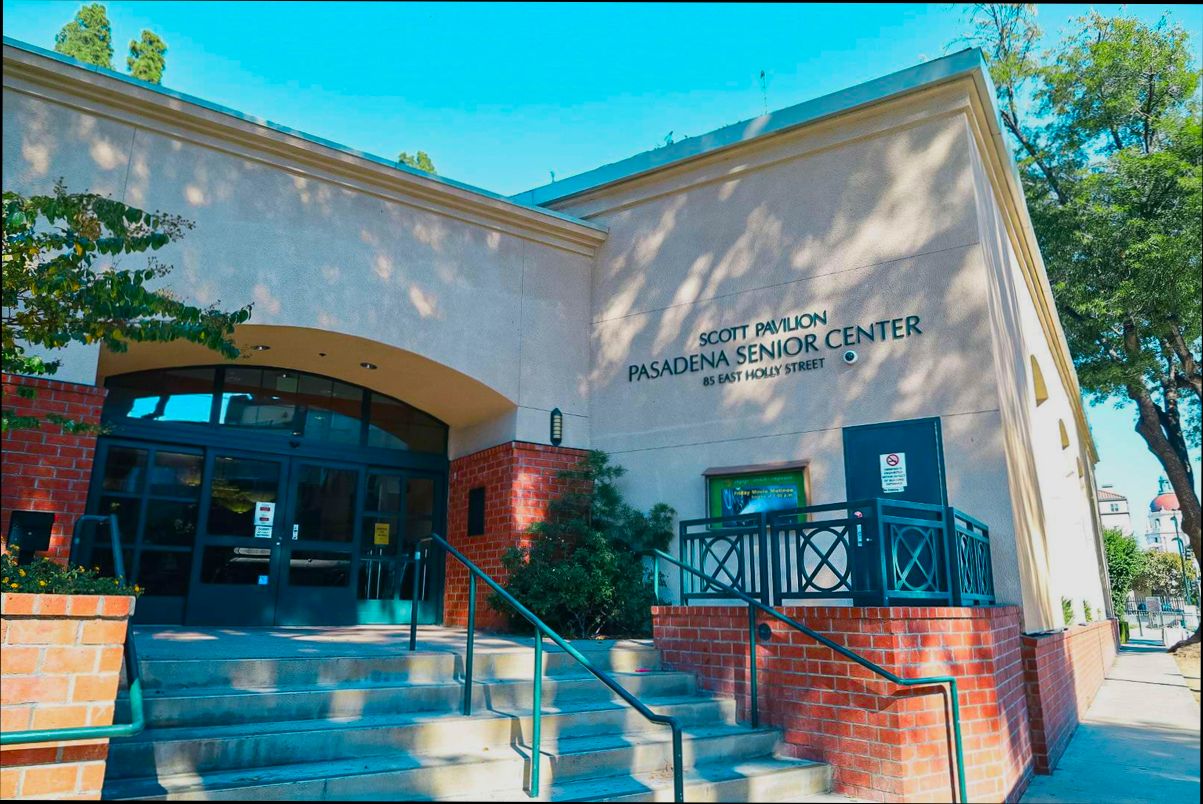
Health and Wellness Benefits of Pasadena Living
Living in Pasadena offers a plethora of health and wellness benefits that enhance your quality of life. From access to nature to a community dedicated to holistic wellbeing, Pasadena is designed to promote physical and mental health.
Access to Green Spaces
One of the standout features of Pasadena is its abundance of parks and recreational areas. With over 30 public parks, residents have plenty of options for outdoor activities. Engaging with nature not only provides physical exercise but also has been proven to reduce stress levels.
- Top Parks to Explore:
- Brookside Park: Featuring wide-open spaces for sports and relaxation.
- Victory Park: Known for its walking trails and children’s play areas.
Healthy Lifestyle Initiatives
Pasadena has created various programs that encourage healthy living. The city promotes local farmers’ markets throughout the week, allowing residents easy access to fresh, organic produce.
- Farmers’ Market Participation: Over 50% of residents actively participate in local markets.
- Health Workshops: Regular workshops and classes are offered focusing on nutrition and physical fitness.
Community and Social Connectivity
Living in Pasadena fosters a sense of community, which is crucial for mental health. The city hosts numerous wellness events that encourage socialization and exercise, such as community yoga sessions and charity walks.
- Percentage of Residents Engaged in Community Programs: About 40% of residents participate in wellness-related community activities.
Active Lifestyle Opportunities
The city’s favorable climate coupled with its urban design encourages an active lifestyle. With numerous hiking trails and cycling routes, it’s easy to incorporate physical activity into your daily routine.
- Exercise Options:
- Walking or biking to local cafes and shops.
- Participating in organized sports leagues.
Health and Wellness Statistics
| Category | Pasadena Percentage | National Average Percentage |
|---|---|---|
| Residents Exercising Regularly | 65% | 50% |
| Walkability Score | 85 | 67 |
| Access to Healthy Foods | 75% | 55% |
Real-World Examples
Residents have reported significant health improvements due to Pasadena’s initiatives. For instance, local fitness groups like Pasadena Fit have reported an increase in membership during outdoor events, emphasizing the community’s commitment to health.
- Case Study: A family who relocated from a less urban area noted a dramatic improvement in their children’s physical fitness levels, attributing it to the active lifestyle encouraged by Pasadena’s parks and community initiatives.
Practical Implications
To take full advantage of Pasadena’s health and wellness benefits, consider the following actions:
- Join local health clubs or outdoor fitness classes to stay active.
- Visit farmers’ markets at least bi-weekly to incorporate fresh produce into your meals.
- Engage with community wellness events to enhance social connections and improve mental wellbeing.
By prioritizing these local resources, you can truly embrace the health and wellness benefits of living in Pasadena.