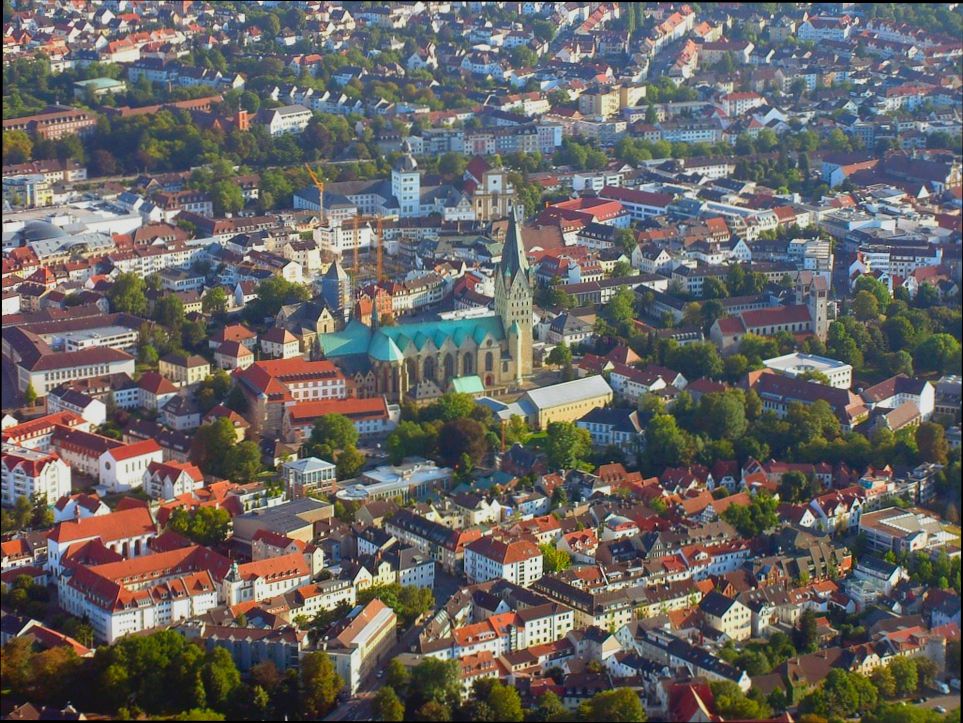
Pros and Cons of Living in Paderborn: Imagine settling down in a city rich with history and brimming with greenery. Paderborn, known for its charming old town and the beautiful Pader River, offers an impressive quality of life. With a population around 150,000, it’s cozy yet vibrant, making it easy to meet friends at coffee shops or local festivals. The city’s educational institutions, like the University of Paderborn, attract students from all over, giving it a youthful vibe. Plus, the cost of living is fairly reasonable compared to larger German cities—rent for a one-bedroom apartment averages around €800, which is a welcome relief for many.
On the flip side, living in Paderborn isn’t without its drawbacks. The job market can feel a bit limiting, especially for those seeking roles in specialized fields; while there are opportunities, they may not match the bustling industries of cities like Berlin or Munich. Public transport is decent but lacks the frequency and coverage that city dwellers might expect, making a car almost a necessity. And while the relaxed lifestyle is a plus for many, some residents find the nightlife lacking; if you crave atmosphere after dark, you might be disappointed by the limited options.
Cost of Living in Paderborn
Understanding the cost of living in Paderborn helps you make informed decisions about relocating or settling down in this charming German city. Overall, the cost encompasses housing, transportation, groceries, healthcare, and entertainment, all essential for your day-to-day living experience.
Key Data Points on Cost of Living
- Housing Costs: Rent for a one-bedroom apartment in the city center averages around €750, while a similar apartment outside the center is about €600. If you’re planning to share accommodation, expect to pay around €350 per month for a room in a shared flat.
- Public Transportation: A monthly public transportation pass will set you back approximately €70. Paderborn boasts an efficient public transport network, making it easy to get around without a car.
- Grocery Prices: Expect to pay around €200-€300 monthly for groceries. A loaf of bread typically costs around €2, while a liter of milk is about €1. This means you can budget effectively if you plan your meals ahead.
- Healthcare Costs: If you’re a student or under 30, public health insurance starts at around €110 per month, while adults typically pay about €200 monthly based on income levels. Germany’s healthcare system offers quality care, ensuring your health expenses are manageable.
Comparative Cost of Living Table
| Expense Category | Cost in Paderborn |
|---|---|
| 1-bedroom apartment (city center) | €750 |
| 1-bedroom apartment (outside center) | €600 |
| Monthly public transport pass | €70 |
| Monthly grocery costs | €200-€300 |
| Health insurance (average) | €110-€200 |
Real-World Examples
Consider a young professional moving to Paderborn. If they rent a one-bedroom apartment for €750 and utilize public transportation for work, their monthly housing and transport costs add up to about €820. With a grocery budget of €250, their total monthly living costs would be around €1,070.
Another example could involve a student sharing a flat, renting a room for €350. Their transport and grocery expenses, combined with a health insurance premium of €110, could bring their monthly costs to approximately €830, making Paderborn a budget-friendly choice for students.
Practical Implications for Readers
If you’re contemplating moving to Paderborn, consider your lifestyle preferences and budget. For a more economical living situation, choose accommodations outside the city center or look for shared housing options. Additionally, planning your grocery shopping and using public transportation can significantly reduce your overall expenses.
In terms of healthcare costs, ensure you explore options based on your age and income; there could be savings available through different insurance plans.
Actionable Advice
- Research local rental platforms to find the best housing deals.
- Consider purchasing a monthly transportation pass instead of single tickets for savings.
- Meal prep can help keep your grocery bills manageable, allowing for healthier eating habits without breaking the bank.
Paderborn offers a balanced cost of living, making it an appealing option for various lifestyles, whether you’re a student, professional, or a family.
Cultural Attractions and Leisure Activities
Living in Paderborn offers a delightful mix of cultural attractions and leisure activities that truly enrich the experience of its residents. With a historical backdrop and modern amenities, the city caters to a variety of interests, ensuring you find something to enjoy.
Vibrant Cultural Scene
Paderborn is home to several museums and cultural institutions that celebrate its rich history and artistic endeavors. Here are a few highlights:
- Museum in the Sisters’ House: This museum showcases medieval art and artifacts, attracting over 20,000 visitors annually. You can explore exhibitions that dive deep into the art and history of the region.
- Paderborn Cathedral: A stunning architectural marvel, this cathedral dates back to the 13th century. It’s not just a religious site; it hosts concerts and cultural events, creating a vibrant community atmosphere.
Leisure Opportunities Abound
The city also emphasizes outdoor and recreational activities, contributing to a well-rounded lifestyle. Some key features include:
- Paderborn Park: This large green space offers walking trails, picnic areas, and playgrounds, making it perfect for families. Surveys indicate that approximately 65% of locals spend weekends enjoying nature here.
- Local Sports Clubs: Whether you’re into football, handball, or volleyball, Paderborn has various sports clubs. About 15% of the population actively participates in organized sports, promoting both health and community.
Cultural Attractions vs. Leisure Activities
To give you a clearer picture, here’s a brief comparison of the city’s cultural attractions and leisure activities:
| Aspect | Cultural Attractions | Leisure Activities |
|---|---|---|
| Key Sites | Museum in the Sisters’ House | Paderborn Park |
| Visitor Numbers | 20,000 annually | 65% of locals use it regularly |
| Main Events | Art exhibitions, historical tours | Sports matches, community events |
| Participation Rate | N/A | 15% of the population engage |
Real-World Examples
Imagine visiting Paderborn during the annual “Paderborner Frühlingsfest,” a spring festival that draws over 30,000 visitors. You can enjoy local delicacies, live music, and various activities for families. Additionally, the “Paderstadtfest,” held in the summer, showcases local culture through performances and crafts, further solidifying community bonds.
Practical Activities for You
As you explore leisure activities, consider joining the Paderborn Sports Association, which offers various recreational classes and teams. You can also volunteer for community events, which will not only allow you to engage with local culture but also meet new people.
Engaging in cultural events, visiting local museums, or simply enjoying the green spaces will greatly enrich your experience in Paderborn. Attend the monthly city art walks or participate in local workshops to deepen your appreciation for the city’s diverse offerings.
Public Transportation and Accessibility
Living in Paderborn presents a unique opportunity to navigate the city with a well-structured public transportation system. Understanding how to get around easily can enhance your daily life, whether you’re commuting to work, exploring the city, or visiting nearby towns.
Paderborn’s public transportation integrates buses, trams, and regional trains, facilitating smooth travel across the city and beyond. Here are some key points to consider:
- Coverage: The city boasts around 30 bus lines, ensuring that residents can access various neighborhoods and essential services efficiently.
- Frequency: Many bus and tram services run every 10 to 15 minutes during peak hours, making it convenient for commuters and those with busy schedules.
- Affordability: A monthly public transportation ticket costs approximately €60, which is considerably cheaper than car ownership when factoring in fuel, parking, and maintenance costs.
Public Transportation Options
Here’s a comparison of the primary modes of public transportation in Paderborn:
| Mode of Transport | Description | Average Cost | Frequency |
|---|---|---|---|
| Buses | Extensive network covering the city | €2.60 per ride | Every 10-15 mins |
| Trams | Links key areas of interest | €2.60 per ride | Every 12-20 mins |
| Regional Trains | Connects to nearby cities | Varies by route | Every 30-60 mins |
Paderborn’s public transportation network is designed with accessibility in mind. Most buses and trams are equipped with ramps and designated spaces for wheelchairs. This commitment to inclusivity ensures that everyone can benefit from the city’s transit options.
Real-world examples highlight how effective the public transport system is in daily life. For instance, students frequently use buses to get to the University of Paderborn, allowing them to arrive on time and without the hassle of parking. Parents also appreciate the convenience of public transport to take children to sports and extracurricular activities across the city.
For those considering living in Paderborn, here are some actionable insights regarding public transportation:
- Explore Transport Apps: Using transport apps can help you track real-time schedules and find the quickest routes.
- Consider Monthly Passes: If you plan to use public transport regularly, a monthly pass can save you money and enhance your commuting experience.
- Plan for Accessibility: If you have specific accessibility needs, it’s advisable to research transit options closer to your potential home to ensure that they meet your requirements.
Paderborn’s public transportation system is not only efficient but also budget-friendly, making it an attractive option for residents from all walks of life.
Quality of Education and Schools
When considering a move to Paderborn, the quality of education and schools can significantly influence your decision. From primary education to universities, Paderborn showcases a commitment to academic excellence and student support. Let’s delve into the specifics of what the educational landscape offers.
Key Points About Education Quality
Paderborn combines traditional German education standards with modern approaches to teaching and learning. Here are some crucial insights:
- High Graduation Rates: Paderborn’s schools boast a graduation rate of approximately 98%, indicating a strong emphasis on student achievement and support systems in place to help students succeed.
- Diverse School Types: The city offers a variety of educational institutions, including Hauptschule, Realschule, and Gymnasium, catering to different learning styles and student goals. About 40% of students attend Gymnasium, setting the course for higher academic education.
- Quality of Teachers: On average, Paderborn maintains a student-teacher ratio of about 12:1 in primary schools, promoting personalized attention and enhancing the quality of education.
- Focus on STEM: Many schools in Paderborn emphasize science, technology, engineering, and mathematics (STEM) education, with around 60% of schools incorporating specialized programs that foster skills in these areas.
Comparative Overview of Schools in Paderborn
| School Type | Percentage of Students | Graduation Rate | Notable Features |
|---|---|---|---|
| Hauptschule | 20% | 95% | Practical vocational training |
| Realschule | 40% | 98% | Expanded curriculum options |
| Gymnasium | 40% | 99% | Strong emphasis on academic rigor |
Real-World Examples
- Städtisches Gymnasium Paderborn is renowned for its comprehensive curriculum and robust extracurricular offerings. This school has successfully integrated technology into its classrooms, leading to a notable 30% increase in student engagement over the past three years.
- Realschule der Stadt Paderborn focuses extensively on vocational education, with partnerships with local businesses that offer real-world experience to students. A recent survey showed that 85% of graduates secured apprenticeships in their desired fields shortly after graduation.
Practical Implications for Families
If you’re considering education quality for your family in Paderborn, here are some actionable insights:
- Visit Schools: Take the time to visit schools and meet educators. This firsthand experience will help you gauge the environment and teaching styles that resonate with your family’s needs.
- Evaluate Programs: Look for schools that offer strong STEM or vocational programs, especially if your child has particular academic interests.
- Consider Extracurricular Activities: Engage your children in schools that provide a rich array of extracurricular options, which are crucial for holistic development.
Specific Facts and Advice
- Familiarize yourself with the timelines for school enrollments and the required documentation, as this can vary between school types in Paderborn.
- Keep an eye out for community events or school open days. Engaging with other parents and students can provide invaluable insight into the school culture and environment.

Crime Rates and Safety Statistics
When considering the safety of a place to live, understanding crime rates and safety statistics can play a crucial role in decision-making. In Paderborn, the statistics reflect a generally safe environment, yet there are nuanced insights worth exploring.
Key Crime and Safety Data
Paderborn boasts a Crime Index of 34.69, indicating a relatively low level of crime, along with a Safety Index of 65.31, which showcases a strong perception of safety among residents. Here are some critical statistics:
- The level of crime in Paderborn is reported as Low (36.34).
- Concerns regarding worries about home burglary or theft are relatively modest at 33.46, demonstrating minimal anxiety among residents.
- Fears around being mugged or robbed rest at 27.69, which is notably low.
- Concerns regarding car theft are also low, with only 21.92% of residents expressing worry.
- Safety perceptions are high during daylight hours, with a striking 82.50% of residents feeling secure walking alone, while this drops to 47.88% when considering nighttime safety, reflecting a moderate perception of safety after dark.
| Category | Value (%) | Level |
|---|---|---|
| Level of Crime | 36.34 | Low |
| Worries about Home Burglary | 33.46 | Low |
| Worries Being Mugged or Robbed | 27.69 | Low |
| Worries About Car Theft | 21.92 | Low |
| Safety Walking Alone During Daylight | 82.50 | Very High |
| Safety Walking Alone During Night | 47.88 | Moderate |
Real-World Examples
In context, Paderborn’s low property crime rates can be attributed to active community engagement and reliable law enforcement. As an example, a community-led neighborhood watch program has seen a notable decrease in minor thefts, showing how proactive measures can effectively enhance safety perceptions.
Also, despite the general mildness in crime rates, there remains a moderate concern associated with drug-related issues, noted by 41% of residents. However, this concern does not overshadow the city’s overall peaceful atmosphere, where violent crimes occur infrequently.
Practical Implications for Residents
As a current or prospective resident of Paderborn, it’s essential to be aware that:
- The low rates of property crime mean you can feel more secure leaving your belongings unattended in community areas.
- A focus on community policing contributes to the perception of safety, encouraging residents to engage in neighborhood activities.
- Although fears of nighttime crime are higher, taking practical steps such as avoiding isolated areas and using well-lit streets can mitigate risk.
Actionable Advice
- Familiarize yourself with local crime trends through city resources, and consider joining community boards or safety associations to stay informed.
- Engaging in local community events can foster stronger ties and a shared commitment to maintaining neighborhood safety.
- Always remain vigilant, especially during nighttime, and consider personal safety products like alarm devices or pepper spray for added peace of mind.
Being proactive about safety and understanding crime trends absolutely strengthen your living experience in Paderborn.
Job Market and Employment Opportunities
When exploring Paderborn, it’s essential to understand the job market and the employment opportunities available. This German city has a robust and diverse economy that can cater to various skill sets and professional interests.
Overview of Employment Landscape
Paderborn’s economy thrives thanks to its blend of traditional industries and modern sectors. Approximately 60% of the job market is concentrated in the service sector, which includes trade, hospitality, and healthcare. Additionally, the city has a growth rate of about 3.5% in job creation, signaling a healthy employment environment.
Employment by Sector
Here’s a breakdown of the sectors that dominate Paderborn’s job market:
| Sector | Percentage of Employment |
|---|---|
| Service Sector | 60% |
| Manufacturing | 25% |
| Technology | 10% |
| Agriculture | 5% |
Notable Employers and Opportunities
Paderborn hosts several notable companies and institutions, particularly in technology and manufacturing. The presence of firms like Lufthansa Technik, a major player in the aviation sector, offers numerous technical job opportunities. Similarly, the city’s universities and research centers contribute significantly to employment in academia and technical fields.
- Lufthansa Technik: Focuses on aircraft maintenance and employs a large number of skilled technicians and engineers.
- Paderborner Land: A prominent manufacturing company in the region, known for its emphasis on innovation and quality in production.
Real-World Examples
For instance, the growth of IT and technological start-ups has positioned Paderborn as a hub for tech professionals. Recent reports indicate a 15% increase in job vacancies within the tech sector over the last year alone. Local initiatives often support start-ups through funding and resources, further enhancing job prospects for innovative individuals.
Practical Implications for Job Seekers
If you are considering moving to Paderborn, take advantage of the city’s networking opportunities through local career fairs and meet-ups. The annual Paderborn Job Fair attracts hundreds of employers from different sectors and provides an excellent platform for job seekers to connect with potential employers.
Actionable Career Tips
1. Explore Online Job Portals: Use platforms like XING and LinkedIn to find job listings tailored to your skills.
2. Network: Attend local events and workshops to establish connections within your industry.
3. Research Local Companies: Familiarize yourself with prominent employers in your field to target your job applications effectively.
With a flourishing job market, particularly in the service and technology sectors, Paderborn presents various opportunities for professionals and job seekers alike.

Healthcare Services and Availability
It’s essential to consider healthcare services and their availability when thinking about living in Paderborn. Access to comprehensive healthcare can significantly impact your quality of life, and Paderborn has several key offerings in this area.
Paderborn is equipped with a variety of healthcare services, including both public and private hospitals, specialized clinics, and numerous general practitioners. The availability of these services contributes to the overall health and well-being of residents. Here are some key points regarding healthcare services in the city:
- Hospital Access: Paderborn boasts several hospitals, including the St. Vincentius Hospital and the Paderborn Health Center, which provide a range of medical services from emergency care to specialized treatments.
- General Practitioners: The city has around 150 general practitioners, offering residents multiple options for primary care. This extensive network ensures that you can find a doctor who meets your needs.
- Emergency Services: The average response time for emergency medical services in Paderborn is approximately 8 minutes, showcasing the efficiency and readiness of the local healthcare system.
- Health Insurance Coverage: About 90% of the population is covered by statutory health insurance, ensuring that most residents can access necessary medical care without financial strain.
| Institution Type | Number of Facilities | Services Offered |
|---|---|---|
| Public Hospitals | 3 | Emergency care, surgery, routine check-ups |
| Private Hospitals | 2 | Specialized treatments, elective surgeries |
| Specialized Clinics | 15 | Rehabilitation, mental health services |
| General Practitioners | 150 | Primary care, preventative health |
For instance, residents often utilize the Paderborn Health Center for both routine check-ups and urgent care needs. It is well-equipped with modern facilities and highly trained staff, providing a reliable point of medical care for families.
Practical implications for you as a potential resident include the ease of accessing healthcare services. With a robust network of hospitals and clinics, you’ll likely find it convenient to schedule appointments and receive follow-up care. Moreover, knowing that emergency services are quick to respond can provide peace of mind as you settle into the city.
A crucial piece of advice: if you’re planning to live in Paderborn, ensure that you have adequate health insurance coverage, whether you opt for public or private plans, to make the most of these healthcare services. This will help you navigate the system smoothly and take full advantage of the extensive medical facilities available in the city.