
Pros and Cons of Living in Oxnard CA can be quite the conversation starter, especially when you realize it’s a city that boasts beautiful beaches and a vibrant agricultural scene. Imagine waking up to the scent of fresh strawberries around you; Oxnard is renowned for its vast strawberry fields and hosts the annual California Strawberry Festival. In fact, with a median home price floating around $600,000, many folks find it an attractive choice compared to pricier coastal cities like Santa Barbara. But, as is the case with any place, it’s not all sunshine and palm trees—traffic can get gnarly, especially on weekends when everyone floods to the beaches.
On the flip side, residents enjoy a mild climate with temperatures averaging between the 70s and 80s, making outdoor activities a year-round affair. You’ve got the Channel Islands National Park nearby for hiking and exploring, plus tons of local parks that scream “family picnic” vibes. But, Oxnard isn’t just a laid-back beach town; it grapples with challenges like crime rates that are higher than the national average, which can cause some concern. These dynamics shape the daily lives of residents, blending the allure of coastal living with some real-life considerations that can’t be ignored.
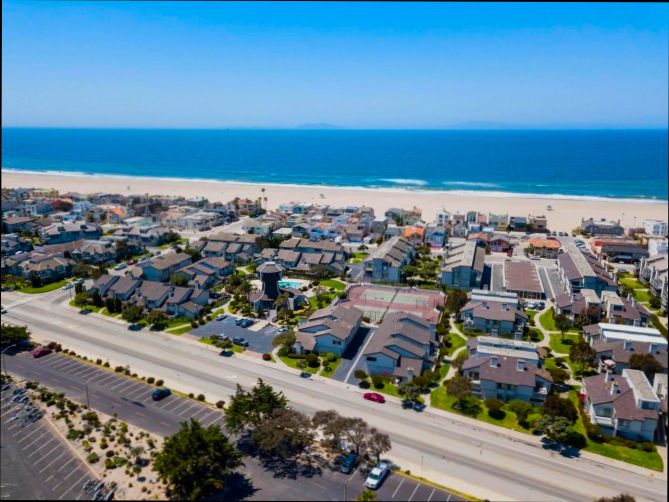
Cost of Living Analysis in Oxnard
When considering a move to Oxnard, understanding the cost of living is crucial. This city offers a blend of affordability and expenses unique to the Southern California coastal lifestyle. Let’s dive into what you can expect regarding housing, groceries, and overall expenses in Oxnard.
Housing Costs
Housing is one of the most significant factors in the cost of living analysis. The median home price in Oxnard as of 2023 stands at approximately $700,000. In comparison to the overall Ventura County average of nearly $800,000, Oxnard offers a more budget-friendly option for homebuyers.
- Renting is also prevalent in Oxnard, with the average rent for a one-bedroom apartment hovering around $2,100 per month.
- For families, a three-bedroom rental property averages around $2,800 per month, which is competitive compared to nearby coastal cities.
Grocery and Food Expenses
When it comes to groceries, shopping in Oxnard can be quite reasonable, though it varies depending on where you shop. The following figures illustrate typical grocery costs:
- A gallon of milk costs about $3.50
- A dozen eggs is priced at approximately $4.00
- Fresh fruits and vegetables are around 10% cheaper than the national average, which can help to keep your overall grocery bills lower.
Transportation Costs
Transportation can also impact your overall living expenses. In Oxnard, the average gas price is approximately $4.50 per gallon. While public transportation options are available, many residents opt for personal vehicles since it’s a more convenient way to travel in this sprawling city.
| Expense Category | Oxnard Average Cost | Ventura County Average Cost |
|---|---|---|
| Median Home Price | $700,000 | $800,000 |
| 1-Bedroom Rent | $2,100 | $2,300 |
| 3-Bedroom Rent | $2,800 | $3,000 |
| Gas Price (per gallon) | $4.50 | $4.70 |
Real-World Examples
To illustrate the cost of living in Oxnard, let’s look at a couple of real-life scenarios:
- Family Scenario: The Torres family, with a combined income of $100,000/year, finds that living in Oxnard allows them to afford a decent three-bedroom home. They enjoy the benefit of lower schooling costs due to nearby public amenities and parks.
- Young Professional Scenario: Emily, a recent college graduate, rents a one-bedroom apartment in Oxnard and spends about 30% of her income on rent. She chooses to commute to a job in nearby Ventura, which helps contain her living expenses while still providing access to a vibrant work environment.
Practical Implications
Understanding these costs can help you budget effectively. Here are some actionable insights to consider:
- Budget for Housing: Calculate your monthly budget based on potential housing costs. Aim for no more than 30% of your income towards rent or mortgage.
- Explore Grocery Stores: Consider shopping at local farmers’ markets for better deals on produce, as they are often cheaper than large grocery chains.
- Evaluate Transportation Needs: If you commute regularly, factor in your transportation costs when assessing overall expenses. Consider public transit options if they align with your lifestyle.
Specific Facts and Advice
If you’re moving to Oxnard, keep in mind that while housing may initially seem steep, the overall cost of living remains competitive compared to many neighboring beach cities. Staying mindful of your expenses and taking advantage of local resources can help you thrive in this beautiful coastal town.

Climate and Weather Considerations
When exploring the prospect of living in Oxnard, CA, it’s essential to consider the climate and weather that characterize this coastal city. These factors can significantly affect your lifestyle, particularly if you enjoy outdoor activities or have specific health considerations.
Oxnard boasts a Mediterranean climate, which translates to warm, dry summers and mild, wet winters. Here are some critical points to note:
- Average Temperature: The annual average temperature hovers around 64°F, with highs in the summer reaching about 76°F.
- Rainfall: Oxnard receives approximately 17 inches of rain per year, with most precipitation occurring between November and March.
- Humidity Levels: Humidity levels tend to be comfortable, averaging around 60%, which supports a pleasant outdoor lifestyle without the intense stickiness often felt in more humid regions.
Climate Summary Table
| Season | Average High Temp | Average Low Temp | Rainfall (inches) |
|---|---|---|---|
| Winter | 65°F | 45°F | 5 |
| Spring | 70°F | 48°F | 2 |
| Summer | 76°F | 56°F | 0.1 |
| Fall | 72°F | 51°F | 1 |
One standout feature of Oxnard’s climate is the coastal breezes that help to moderate temperature extremes. During the summer, you might find yourself enjoying cooler evenings, thanks to these breezes, which can make outdoor dining a pleasant experience. For example, many local residents often dine outside at cafes and restaurants during the summer, enjoying the mild weather.
Another practical implication of Oxnard’s climate is the opportunity for year-round outdoor activities. Whether you enjoy beach outings, hiking in nearby parks, or participating in community sports, the consistent and mild weather allows for a wide range of options.
If you’re sensitive to seasonal allergies, you might be relieved to learn that Oxnard generally experiences lower pollen levels compared to more inland areas. This could benefit those seeking to maintain a healthy lifestyle without the discomfort of allergy symptoms.
To make the most of Oxnard’s inviting climate, consider investing in outdoor equipment or participating in local outdoor clubs. You could explore hiking paths, or join sailing or surfing classes to fully embrace what the weather has to offer.
Being aware of these specific climate characteristics will help you make informed decisions about living in Oxnard. For anyone focused on enjoying a moderate and engaging outdoor environment, the climate considerations here are certainly favorable.
Cultural Diversity and Community Life
Living in Oxnard, California, means immersing yourself in a vibrant tapestry of cultures. This city celebrates a rich array of ethnicities and traditions, making it a truly multicultural environment. Whether through food, festivals, or community gatherings, Oxnard provides an engaging backdrop for anyone interested in experiencing diverse cultural dimensions.
Celebrating Diversity
Oxnard boasts a population where over 70% of residents identify as Hispanic or Latino, shaping the local culture in profound ways. This significant demographic influence is evident in various aspects of community life, including:
- Culinary Experiences: You can explore authentic cuisine from Mexican food trucks to Peruvian restaurants. Local eateries often showcase dishes like carnitas, ceviche, and tamales, reflecting the culinary heritage of Oxnard’s community.
- Festivals and Events: Events like the annual Oxnard Strawberry Festival and the Día de los Muertos celebrations highlight local traditions. These gatherings draw thousands, fostering a sense of togetherness while celebrating unique heritages.
Community Engagement
Many community programs support cultural understanding and engagement. Notable initiatives include:
- Cultural Arts Centers: The city’s cultural art movements encourage local artists to share their heritage through workshops, performances, and exhibitions. Around 25% of the city’s funding for community programs is allocated to such initiatives.
- Language and Cultural Exchange Programs: Various local organizations promote bilingual education and cultural exchange. These programs not only enhance understanding of diverse cultures but also help newcomers acclimate to life in Oxnard.
Demographics at a Glance
| Demographic Group | Percentage of Population |
|---|---|
| Hispanic or Latino | 70% |
| White (Non-Hispanic) | 18% |
| Asian | 6% |
| Other | 6% |
Real-World Examples
One example of community impact is the Oxnard Cultural Arts Commission, which hosts numerous events throughout the year, from art walks to music festivals that celebrate the diversity within the city. Local resident Maria Lopez shared her experience attending the Oxnard Salsa Festival, noting how it brings together people from different backgrounds to celebrate music, dance, and food in a vibrant atmosphere.
Another impactful initiative is the youth mentorship program that pairs local high school students with mentors from various cultural backgrounds. This program promotes cultural exchange and understanding while preparing younger generations for a diverse world.
Practical Implications
Engaging with the cultural diversity in Oxnard enriches one’s living experience. You can:
- Attend local festivals to learn about different customs and traditions.
- Participate in workshops at arts centers to acquire new skills while meeting people from various backgrounds.
- Volunteer with community organizations that promote cultural awareness and engagement.
Actionable Insights
- Explore the local markets for international food options, allowing your palate to travel without leaving Oxnard.
- Connect with community groups on social media or platforms like Meetup to stay updated on events celebrating cultural diversity.
- Consider enrolling in language classes offered at community centers to deepen your interaction with different cultural groups around you.
Real Estate Trends in Oxnard
When diving into the real estate scene in Oxnard, it’s important to note that the market has been evolving over recent years. Understanding these trends can provide key insights for potential buyers, sellers, and renters looking to navigate this picturesque coastal city.
Current Market Dynamics
1. Home Price Growth: Over the last year, the median home price in Oxnard has seen an increase of approximately 8%, reflecting growing demand as more people look for affordable coastal living options.
2. Sales Volume: The number of homes sold in Oxnard has surged by around 15%, showing that buyers remain active despite fluctuating interest rates.
3. Inventory Levels: Currently, the housing inventory is lower than in previous years, with only about a 2-month supply of homes available. This scarcity puts pressure on prices and makes it competitive for buyers.
4. Days on Market: Homes in Oxnard are spending an average of just 30 days on the market, a sign of the brisk pace at which buyers are snapping up properties.
5. Foreclosure Rates: While national foreclosure rates are rising, Oxnard has maintained a relatively low rate of only 1.5%, providing a sense of stability for homeowners.
Real Estate Comparison Table
| Metric | Oxnard | State Average |
|---|---|---|
| Median Home Price | $600,000 | $800,000 |
| Annual Price Growth | 8% | 10% |
| Average Days on Market | 30 | 45 |
| Months of Supply | 2 | 3 |
| Foreclosure Rate | 1.5% | 3% |
Real-World Examples
In 2023, a three-bedroom home on the Westside of Oxnard sold for $650,000 after just 15 days on the market, showcasing the high demand for updated properties. Similarly, a beachfront condo in Mandalay Bay was listed and under contract within four days at an asking price of $850,000, proving the allure of coastal locations.
Practical Implications
For you as a potential buyer, understanding that inventory is low means you may need to act swiftly when you find a property that meets your needs. Many buyers are also opting for pre-approval on mortgages to strengthen their offers. Sellers can benefit from the current market dynamics, as homes sold quickly often fetch multiple offers, leading to better selling prices.
Consider looking into neighborhoods like Silver Strand or the Ponderosa area, which have shown robust appreciation over the past few years, making them not only desirable but possibly a smart investment in the long term.
Stay informed and actively engage with local real estate agents to get ahead in the competitive market of Oxnard.

Access to Education and Employment Opportunities
When considering a move to Oxnard, understanding access to education and employment opportunities is essential. The city offers various educational institutions and job prospects, reflecting its growing economy. Let’s dive into the specifics that make both education and employment appealing in Oxnard.
Educational Institutions
Oxnard is home to several reputable educational institutions that cater to different academic needs. Here’s a quick overview:
- Public Schools: The Oxnard Union High School District includes multiple high schools, known for their satisfactory academic performance. According to recent data, the graduation rate is around 86%, which is favorable compared to state averages.
- Higher Education: Oxnard College, a community college, offers diverse programs that range from vocational training to transfer degrees, attracting roughly 6,000 students annually.
Employment Opportunities
The job market in Oxnard is robust, driven by key industries such as healthcare, agriculture, and retail. A few important data points include:
- The unemployment rate in Oxnard stands at approximately 4.5%, which is lower than the national average, indicating a healthy job market.
- The most common occupations are in the healthcare field, contributing to over 18% of total employment, which highlights the importance of this sector in the local economy.
| Industry | Employment Percentage |
|---|---|
| Healthcare | 18% |
| Retail | 14% |
| Agriculture | 11% |
| Manufacturing | 10% |
| Education Services | 9% |
Real-World Examples
Oxnard’s commitment to education and employment is exemplified by the establishment of the Workforce Development Board, designed to help residents connect with job training and employment opportunities. For instance, they’ve launched programs in partnership with local businesses to provide internships and apprenticeships, benefiting both job seekers and employers.
Moreover, local companies such as Calavo Growers, a prominent avocado and tomato company, actively recruit from the community. They offer various entry-level opportunities and are known for their commitment to providing training for growth within the company.
Practical Implications for Residents
For those living in or considering a move to Oxnard, numerous programs designed to boost job readiness can be of significant value.
- Job Fairs: Attend local job fairs hosted by community organizations. These events can connect you with employers actively looking for candidates in various sectors.
- Training Programs: Take advantage of training programs offered by Oxnard College, which often have partnerships with local industries. These can equip you with the skills necessary for high-demand jobs.
Actionable Advice
If you’re aiming to enhance your employment prospects in Oxnard, consider:
- Enrolling in vocational courses at Oxnard College, especially in industries like healthcare, which show considerable growth.
- Networking within community groups and attending workshops that focus on resume writing and interview techniques, helping you stand out in a competitive job market.
- Leveraging online resources such as the California Job Bank to explore job listings specific to Oxnard and surrounding areas, giving you a broader view of available opportunities.

Outdoor Activities and Lifestyle Benefits
Living in Oxnard opens the door to a wide array of outdoor activities that can significantly enhance your lifestyle. From pristine beaches to lush parks, the city offers plenty of opportunities for residents to enjoy the great outdoors. Whether you are a beach enthusiast, a nature lover, or someone seeking a healthy lifestyle, Oxnard has something for everyone.
Abundant Outdoor Recreation
Oxnard is blessed with natural beauty and recreation areas designed for outdoor enthusiasts:
- Beach Access: With over 20 miles of coastline, Oxnard’s beaches provide fantastic opportunities for swimming, sunbathing, and beach sports like volleyball and surfing.
- Parks and Trails: The city boasts more than 30 parks, including the popular Channel Islands Harbor area, perfect for picnics, walking, and jogging.
- Water Activities: Enjoy kayaking or paddleboarding in the harbor, where you can explore scenic views and marine life.
Local Outdoor Activity Statistics
Let’s delve into some statistics that reflect the outdoor lifestyle in Oxnard:
| Activity | Percentage of Residents Participating | Popular Locations |
|---|---|---|
| Beach Visits | 75% | Silver Strand Beach, Mandalay Beach |
| Hiking and Biking | 55% | Oxnard Scenic Vista Park |
| Water Sports | 40% | Channel Islands Harbor |
| Family Picnics in Parks | 65% | Heritage Square Park |
Real-World Examples
The vibrant outdoor culture in Oxnard is not just hearsay; here are some examples demonstrating its lifestyle benefits:
- Weekly Community Events: Every Saturday, the Oxnard Farmers’ Market invites locals to enjoy fresh produce while participating in outdoor yoga classes in the park.
- Surf Competitions: Events at Mandalay Beach attract surfers from the region, fostering community spirit and encouraging residents to engage in beach activities.
Practical Lifestyle Implications
Engaging in outdoor activities in Oxnard promotes a healthier lifestyle. Regular outdoor exercise has been proven to reduce stress, enhance mood, and contribute to overall physical health. Additionally, local facilities like gyms offer outdoor fitness options, such as boot camps on the beach, making it easy to stay active while enjoying the scenic views.
Actionable Advice for Residents
- Plan Weekly Outdoor Outings: Schedule time each week for activities at the beach or parks to enjoy the scenery and engage with the community.
- Join Local Outdoor Groups: Consider joining hiking or biking clubs available in Oxnard to meet like-minded individuals and stay motivated.
- Take Advantage of Seasonal Events: Keep an eye on the city calendar for outdoor festivals or competitions to take part in the vibrant local culture and enjoy unique experiences.
By immersing yourself in Oxnard’s outdoor activities, you’re not just enhancing your lifestyle—you’re investing in your health and happiness within an active community.

Public Safety and Crime Rates Overview
When you consider moving to Oxnard, CA, assessing the public safety landscape and crime rates is crucial. This city boasts a variety of statistics that can provide you with a sense of security or a cause for concern.
Oxnard’s crime rate is notably lower than both the national average and California’s state average. Specifically, the overall crime rate in Oxnard is 6% lower than the national average and 20% lower than the average for California. This backdrop creates a more favorable environment for potential residents.
Key Crime Statistics
- Property Crimes: Oxnard experiences property crime rates that are 5% lower than the national average, offering peace of mind for homeowners and renters alike.
- Violent Crimes: The city reports violent crime rates that are 10% lower than the national average, suggesting a relatively safe environment.
- Safety Ranking: Overall, Oxnard is safer than 33% of all cities in the United States, which can be reassuring for families and individuals looking to settle down.
Crime Rate Comparison Table
| Crime Type | Oxnard (%) Lower than National Average | National Average |
|---|---|---|
| Overall Crime | 6% | (Varies by year & source) |
| Property Crime | 5% | (Varies by year & source) |
| Violent Crime | 10% | (Varies by year & source) |
Real-world examples also provide context to these statistics. For instance, community initiatives in Oxnard have focused on neighborhood watch programs, which have promoted safety awareness and fostered relationships between residents and local law enforcement. These programs often result in lower crime rates through community engagement and vigilance.
Additionally, Oxnard’s safety record enables prospective residents to feel secure in their neighborhoods, as the likelihood of encountering serious crime remains relatively low. It’s also important to see how public safety efforts are enforced; the local police department actively participates in community events, further building trust with residents and encouraging a collaborative atmosphere focused on safety.
For you as a potential resident, taking note of these statistics can greatly impact your decision-making. Understanding the dynamics of crime can help you identify neighborhoods that align with your safety preferences. Consider discussing crime statistics with current residents or local law enforcement to gain firsthand insights.
Actionable Safety Tips
- Stay informed about community safety meetings or neighborhood watch programs.
- Engage with local law enforcement to learn about crime trends and preventative measures in your area.
- Utilize online crime mapping tools to gauge the safety levels of specific neighborhoods in Oxnard.
By keeping these factors in mind, you can make a more informed decision regarding public safety and crime rates as you contemplate moving to Oxnard, CA.