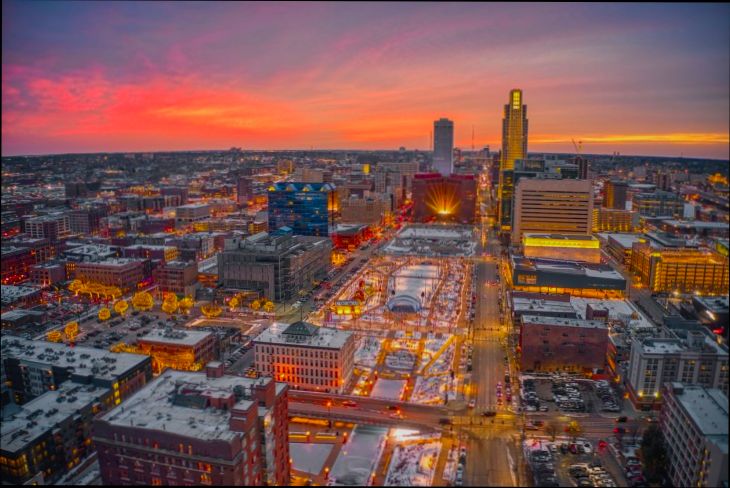
Pros and Cons of Living in Omaha, NE, is a topic that sparks lively debates among locals and newcomers alike. On the pro side, Omaha boasts a surprisingly low cost of living—the average home price is around $300,000, making it an affordable option compared to the national average of $400,000. Plus, with a thriving food scene anchored by acclaimed spots like the Omaha’s Old Market and top-notch restaurants like The Grey Plume, you’ll never run out of tasty treats to explore. Also, let’s not forget about the incredible sense of community found here; with friendly faces and neighborhood gatherings, it’s hard not to feel at home.
However, Omaha isn’t all sunshine and good eats. The winters can be brutal, with average temperatures dipping into the low twenties and plenty of snow to shovel. And while the job market is decent, it can feel a bit limited—particularly in specialized fields. You might find yourself yearning for more hustle and bustle if you’re coming from a larger city. Plus, public transportation isn’t the best, so if you don’t own a car, you might feel a bit stranded. So, while Omaha has its perks and charm, there are certainly a few bumps in the road to consider.
Cost of Living and Affordability
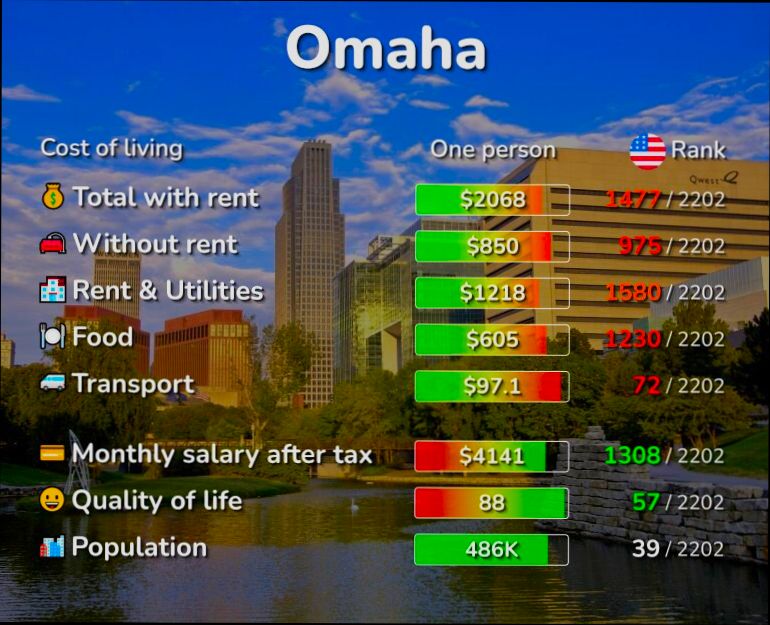
When considering a move to Omaha, NE, understanding the cost of living and affordability is crucial. The overall affordability in Omaha makes it an attractive option for families, young professionals, and retirees alike. Let’s delve deeper into what you can anticipate regarding your monthly expenses.
Housing costs are a significant factor in the cost of living. Research from the U.S. Bureau of Labor Statistics indicates that housing typically consumes a large portion of your budget. Ideally, you should aim to spend less than 30% of your income on housing to maintain a sustainable lifestyle.
Key Cost Factors in Omaha
- Housing Costs: The median home price in Omaha is approximately $300,000, while average rent for a two-bedroom apartment hovers around $1,000 per month. This pricing is lower than many larger cities, making homeownership a realistic goal for many.
- Transportation: Transportation often comes in as the second-largest expense, with an average monthly transportation cost of around $900. This includes costs associated with public transport and vehicle maintenance.
- Food Costs: Grocery prices can vary significantly, but on average, you can expect to spend around $300-$400 per month for a single individual, depending on dietary preferences.
| Expense Category | Average Monthly Cost |
|---|---|
| Housing | $1,000 |
| Transportation | $900 |
| Food | $300 - $400 |
| Healthcare | $350 |
| Entertainment | $150 |
Real-World Examples
Let’s say you’re relocating as a single professional. With a roughly average salary of $50,000 per year in Omaha, following the 50/30/20 rule, a monthly budget might look like this:
- Necessities (50%): $2,083
- Housing: $1,000
- Transportation: $900
- Food: $300
This budget shows you’ve already consumed your necessities budget without other essential costs like healthcare, which averages $350 monthly. If you have a family, these numbers will vary but generally remain favorable relative to other cities.
Practical Implications for Your Budget
When planning your move, consider these tips for staying within budget:
- Research neighborhoods that align with your income levels, as housing prices can vary between different areas in Omaha.
- Factor in additional costs like utilities and internet when calculating your housing budget.
- Utilize public transportation where possible to save on transportation expenses.
Actionable Advice
To live comfortably in Omaha, aim for a total housing and transportation budget of no more than 30-40% of your gross income. For families, assess public schooling options that may keep education costs low, as GreatSchools ratings can provide insights into local school quality without a hefty tuition. By planning your finances wisely, you can enjoy the balance of life Omaha offers without the financial strain.
Cultural Attractions and Entertainment Options
Living in Omaha, NE, comes with a wealth of cultural attractions and entertainment options that can enrich your lifestyle. Whether you’re an art lover, music enthusiast, or history buff, Omaha has something appealing for everyone.
Vibrant Arts Scene
Omaha boasts a vibrant arts scene, featuring numerous galleries, theaters, and concert venues. The Omaha Community Playhouse, one of the largest community theaters in the country, showcases a range of productions each year. Did you know that nearly 200,000 people attend performances here annually? This community commitment to the arts makes Omaha a dynamic hub for cultural exploration.
Museums and Historical Sites
Omaha is home to a variety of museums that cater to diverse interests:
- The Omaha Children’s Museum offers interactive exhibits, attracting over 160,000 visitors yearly.
- The Nebraska Museum of History focuses on local culture and history, with exhibitions drawn from the state’s past.
These locations not only provide entertainment but also educational opportunities that engage visitors of all ages.
Festivals and Events
Throughout the year, Omaha hosts numerous festivals that celebrate its rich culture:
- The Omaha Summer Arts Festival features over 130 artists, showcasing their work each June.
- The Omaha Film Festival draws film aficionados, screening around 100 films yearly, highlighting both local and international filmmakers.
These events create a lively atmosphere while fostering community connections.
Entertainment Options
Omaha’s entertainment options extend beyond traditional cultural offerings. The city has a thriving nightlife with various bars, clubs, and live music venues:
- The Waiting Room Lounge is renowned for hosting local and national acts, with a capacity of around 500 people.
- Concerts at the CHI Health Center regularly feature big-name artists, attracting thousands and creating unforgettable experiences.
Comparative Overview of Cultural Venues
| Venue | Type | Annual Attendance |
|---|---|---|
| Omaha Community Playhouse | Theater | 200,000 |
| Omaha Children’s Museum | Interactive Museum | 160,000 |
| Omaha Summer Arts Festival | Arts Festival | 130,000 |
| Waiting Room Lounge | Live Music Venue | Varies |
| Nebraska Museum of History | History Museum | Varies |
Real-World Impact
For instance, the Omaha Community Playhouse not only enriches the local culture but also contributes significantly to the economy by generating jobs and attracting tourism. The popularity of the Omaha Summer Arts Festival highlights the community’s appreciation for the arts and the importance of cultural events in fostering local relationships.
Practical Options for Exploring Culture
- Attend local gallery openings to connect with artists and the community.
- Participate in workshops or classes offered at museums and art centers to deepen your appreciation for different art forms.
- Engage with local theater productions to support the growing arts scene while enjoying quality performances.
When exploring cultural attractions and entertainment options in Omaha, you’ll find plenty of avenues to immerse yourself in the community’s vibrant tapestry of art, history, and entertainment, opening doors to new experiences and friendships. Keep an eye on local event calendars to ensure you’re in the loop about upcoming festivals and performances that pique your interest!
Climate and Weather Patterns Overview
When considering a move to Omaha, NE, understanding the climate and weather patterns is essential. This city experiences a continental climate, which brings distinct seasons, from hot summers to cold winters. Let’s dive into the specific climate features and how they can impact daily life in Omaha.
Key Climate Features
Omaha’s climate is influenced by a mix of factors, including geographic location and seasonal variations. Here are some key aspects to consider:
- Temperature: Omaha experiences hot summers with average high temperatures reaching around 87°F (31°C) in July. Winters can be quite cold, with January averages dipping to about 24°F (-4°C).
- Precipitation: The city gets around 30 inches (762 mm) of annual precipitation, with May typically being the wettest month. This rainfall supports varied landscapes and agriculture.
- Snowfall: On average, Omaha receives about 29 inches (74 cm) of snowfall each winter, which can impact travel and outdoor activities.
- Wind Patterns: The region can experience strong winds, particularly during thunderstorms, which are common in spring and summer.
- Storm Frequency: Omaha is susceptible to severe thunderstorms and tornadoes, particularly from April to June when conditions are most favorable for such events.
Climate Comparison Table
| Climate Feature | Omaha, NE |
|---|---|
| Average Annual Temperature | 50°F (10°C) |
| Average Annual Precipitation | 30 inches (762 mm) |
| Average High in Summer (July) | 87°F (31°C) |
| Average Low in Winter (January) | 24°F (-4°C) |
| Average Snowfall | 29 inches (74 cm) |
Real-World Examples
In 2012, Omaha faced challenges when extreme drought conditions affected the region, leading to significant agricultural losses. The economic impact mirrored national trends, where drought caused $40.5 billion in damage nationwide. Similarly, in 2022, a severe drought hit Nebraska, affecting water levels and farming, showcasing how climate change can stress local resources.
On a related note, the city has also experienced severe thunderstorms that bring heavy rainfall and winds. For instance, in 2021, Omaha faced significant storm damage, prompting discussions around infrastructure resilience.
Practical Implications
Living in Omaha means adapting to significant seasonal changes. Here are a few actionable considerations:
- Winter Preparation: Homeowners should invest in adequate home insulation and heating systems for the cold months.
- Flood Awareness: Being informed about flood zones and having an emergency plan can help you navigate intense rain events.
- Gardening: Understanding the growing seasons will enable you to optimize your gardening efforts, taking advantage of the warmer months for planting.
- Outdoor Activities: Be prepared for snow removal and maintenance in winter and make the most of vibrant summer days by planning outdoor activities early.
Specific Facts
- Average Temperature Range: In summer, expect temperatures to hover between 70°F and 90°F (21°C - 32°C), while winter often brings temperatures below freezing.
- Wildlife: The variation in climate allows for diverse wildlife; understanding local flora and fauna can enhance your outdoor experiences.
- Seasonal Events: Participate in local weather-related events, such as storm preparedness workshops, which can provide community insight and resources for dealing with Omaha’s weather patterns.

Public Transportation and Accessibility Insights
When considering a move to Omaha, NE, understanding the public transportation landscape and accessibility options is vital, especially if you’re reliant on these services for daily commuting. While Omaha has made strides in developing certain transit routes, challenges still exist for many residents.
Omaha’s public transportation system is primarily provided by the Omaha Metro, which operates bus services across the city. However, the services can be limited in both scope and frequency. Here are some key insights:
- Transit Score: Omaha has a transit score of just 24, indicating a “minimal transit” level, meaning that public transportation options are limited and may not be reliable for everyday commutes.
- Accessibility for Disabled Persons: Although Omaha Metro provides services for people with disabilities, the availability can be sporadic, making it difficult for some individuals to access necessary services or employment opportunities.
- Average Bus Fare: A one-way bus fare is $1.25. For frequent users, unlimited ride passes are available, with a monthly pass priced at $50, which can benefit those who commute regularly.
| Public Transportation Aspect | Details |
|---|---|
| Bus Service Frequency | Limited service hours on many routes, especially during evenings and weekends. |
| Accessibility Options | Paratransit services available but may have scheduling constraints. |
| Average Public Transit Commute Time | Approximately 45 minutes to over an hour, depending on the route. |
| Percentage of Commuters Using Public Transit | About 1.5% of Omaha’s workforce rely on public transportation for commuting. |
In real-world examples, many residents express dissatisfaction with the bus service frequency and overall accessibility. For instance, a resident living in west Omaha might have to wait over 30 minutes for a bus during off-peak hours, making it challenging for them to reach jobs that require reliable and timely commutes.
Additionally, the city’s bike-friendly atmosphere offers some alternatives for local commuting. With a bike score of 42, Omaha is increasingly accommodating to cyclists, with dedicated bike lanes in various neighborhoods. This is a plus for individuals looking for healthier transportation methods or those who wish to avoid crowded buses.
If you’re contemplating a move, consider these practical implications:
- Plan Your Commute: Utilize maps and transit apps to effectively navigate the limited bus services and identify the best routes to your destinations.
- Consider Alternatives: In areas with less bus service, consider cycling or carpooling with others in your community to increase your mobility.
- Know Your Rights: Familiarize yourself with accessibility services if you require them, and engage with community organizations that advocate for improved transit options.
Omaha presents a unique combination of challenges and opportunities in public transportation and accessibility. Understanding these facets helps in making informed decisions about living in this city.
Educational Opportunities and School Quality
When considering a move to Omaha, NE, evaluating the educational opportunities and school quality is vital for families and individuals interested in long-term living. The area has a diverse educational landscape, ranging from public schools to private institutions, and community colleges to universities.
School District Performance Ratings
Omaha is served by multiple school districts, with the Omaha Public Schools (OPS) being the largest. It’s essential to understand the performance ratings of these districts, as they can greatly influence educational outcomes.
- Omaha Public Schools: As of the latest state assessment, OPS has a graduation rate of approximately 79%.
- Millard Public Schools, another prominent district, boasts a higher graduation rate of around 93%.
- Westside Community Schools also ranks favorably with a graduation rate close to 92%.
These figures indicate varying levels of educational success, which could affect your choice of neighborhood.
School Quality Indicators
Quality indicators provide insights into the effectiveness of educational institutions in Omaha. Let’s break down some key aspects:
- Teacher-Student Ratio: A lower ratio often correlates with better student support and learning experiences. Omaha’s average teacher-student ratio is about 1:14.
- Academic Performance: Students in Omaha consistently score near the national average on standardized tests, but some districts, like Millard and Westside, frequently exceed these benchmarks, making them standout options.
- Advanced Placement (AP) Programs: The availability of AP courses can be a testament to the academic rigor offered. OPS offers over 30 AP courses, serving students eager to earn college credit while still in high school.
Comparative School Quality Table
| School District | Graduation Rate | Avg. Teacher-Student Ratio | AP Courses Offered |
|---|---|---|---|
| Omaha Public Schools | 79% | 1:14 | 30+ |
| Millard Public Schools | 93% | 1:15 | 25+ |
| Westside Community Schools | 92% | 1:13 | 20+ |
Real-World Examples of Successful Schools
Several schools in Omaha exemplify the quality of education available:
- Millard West High School: This school has received accolades for its academic programs and extracurricular activities, leading to its high graduation rate.
- Westside High School: Known for its robust college readiness programs, Westside has numerous students qualifying for scholarships and competitive college admissions.
- Creighton University: As a significant higher education institution in Omaha, Creighton presents numerous degree programs and has a strong emphasis on community service, greatly enriching the educational landscape.
Practical Implications for Families
For families planning to relocate, analyzing school quality can influence not only your living arrangements but also your children’s future. Consider the following actionable steps:
- Research School Ratings: Visit websites like GreatSchools.org to compare ratings, reviews, and statistics of schools in different districts.
- Visit Schools: Take the time to visit potential schools to gauge the environment, resources, and extracurricular offerings firsthand.
- Engage with the Community: Attend school events or connect with local parent groups to understand the community’s involvement and support for schools.
Actionable Advice
If you’re considering a move to Omaha, prioritize schools that align with your educational goals for your children. Investigate schools with strong academic programs and community involvement, as these will provide more than just basic education, fostering overall development and readiness for the future.
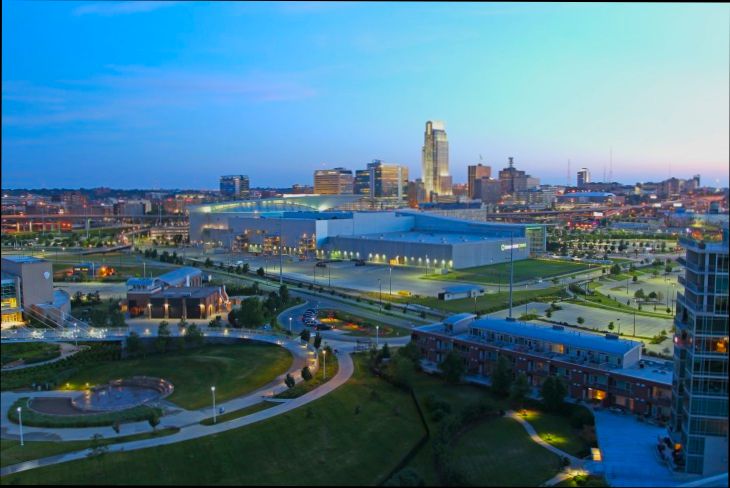
Economic Growth Trends and Employment Rates
Omaha, NE is experiencing notable economic growth trends that directly impact employment rates and job opportunities. This section dives deep into the financial landscape of Omaha, highlighting its recent performance, sectors driving job growth, and what you can expect if you consider living in this vibrant city.
Key Economic Indicators
- The unemployment rate in Omaha stands at approximately 2.4%, which is lower than the national average. This signifies a robust job market where job seekers can find opportunities more readily.
- Job growth over the past year has seen an increase of about 3.1%, indicating a steady rise in employment availability across various sectors.
- The city’s GDP growth rate has been estimated at around 2.5% annually, reflecting a healthy, expanding economy that supports new businesses and expansions of existing ones.
Employment Breakdown by Sector
To grasp the nuances of Omaha’s economy, it’s essential to look at employment by sector:
| Sector | Employment Percentage | Notable Contributors |
|---|---|---|
| Health Care | 14% | Nebraska Medicine, CHI Health |
| Education | 9% | University of Nebraska Medical Center |
| Transportation | 8% | Union Pacific, Werner Enterprises |
| Retail | 10% | Westroads Mall, Village Point |
| Manufacturing | 7% | Omaha Steaks, Cargill |
Real-World Examples
Omaha’s economy has seen diversified growth, particularly in technology and healthcare. For instance, Kiewit Corporation, a major construction firm headquartered in Omaha, has been expanding its headquarters, generating new jobs in engineering and project management. This has invited a slew of talent from outside the region, enhancing local employment rates.
Moreover, the strong performance of Omaha’s health sector, particularly during the pandemic, has led to investments in medical facilities. Nebraska Medicine notably expanded its operations to accommodate a growing need for healthcare services, which simultaneously raised the demand for healthcare workers.
Practical Implications for Residents
If you’re considering a move to Omaha, the economic landscape suggests a favorable environment for securing employment. The low unemployment rate means more opportunities are available and can lead to a variety of career options across different sectors.
Moreover, the growth in sectors like healthcare and technology indicates that those with skills in these areas may find significant employment advantages. Individuals looking to enter the workforce or switch careers should consider seeking training or certifications in these booming sectors.
Actionable Insights
- Networking plays a crucial role in thriving within Omaha’s job market. Attend local business events or join professional organizations to connect with potential employers.
- Explore job openings on platforms geared toward Omaha businesses; local companies often post listings that may not appear on larger job boards.
- Consider navigating the healthcare sector, as it continues to expand and requires a diverse range of professionals—from administrative roles to specialized medical positions.
By understanding the economic growth trends and employment rates in Omaha, you can better prepare for a successful transition to living and working in this dynamic city.

Safety and Community Wellness Assessments
When considering a move to Omaha, NE, safety and community wellness assessments are crucial components that can significantly influence your living experience. The well-being of a community directly correlates with its safety measures, health resources, and overall quality of life. In this section, we will dive into the detailed aspects of safety and wellness that Omaha has to offer.
Crime Rates in Omaha
Omaha’s safety landscape is defined by its crime statistics, offering insights into both violent and property crimes. According to recent reports:
- Violent Crime Rate: Omaha has a violent crime rate of approximately 6.5 per 1,000 residents.
- Property Crime Rate: The property crime rate stands at about 20 per 1,000 residents.
- While these figures may seem concerning, they reflect ongoing community initiatives aimed at reducing crime through better policing and community engagement.
Community Health Resources
Omaha provides access to several health resources, greatly influencing community wellness assessments. Consider the following:
- Access to Healthcare: The city is home to over 20 hospitals and healthcare facilities, ensuring that residents have ample access to medical care.
- Wellness Programs: Various organizations offer wellness programs focusing on preventive care and mental health, promoting a healthier community.
Comparison of Safety and Health Metrics
To provide a clearer perspective on Omaha’s safety and community wellness, here’s a comparative table highlighting key metrics related to safety and health in the city:
| Metric | Omaha | National Average |
|---|---|---|
| Violent Crime Rate (per 1,000) | 6.5 | 4.0 |
| Property Crime Rate (per 1,000) | 20 | 24.5 |
| Hospital Access (facilities) | 20 | 15 (approx.) |
| Preventive Health Programs | Numerous | Varies by region |
Real-World Examples
- Neighborhood Watch Programs: Many neighborhoods in Omaha actively participate in community watch programs to reduce crime and build trust among residents. For instance, the South Omaha Neighborhood Association has seen a decrease in petty crimes due to increased community vigilance and rapport with local law enforcement.
- Wellness Initiatives: The City of Omaha launched a community wellness initiative called “Healthy Omaha,” aimed at improving city residents’ physical and mental health through workshops, health screenings, and fitness events.
Practical Implications for Residents
- As a resident or potential newcomer, you might consider getting involved with local safety initiatives, like the neighborhood watch programs, as they foster a sense of community and enhance personal safety.
- You should also explore available wellness programs that focus on preventive measures, particularly if you prioritize health and fitness in your daily routine.
Actionable Advice
- Connect with Local Organizations: Engage with local health departments or community centers to learn more about available wellness resources and safety programs in your area.
- Stay Informed: Regularly check reporting from local authorities about crime trends and neighborhood safety to stay vigilant and informed.
By examining these aspects of safety and community wellness assessments, you can make well-informed decisions about moving to or living in Omaha, NE.