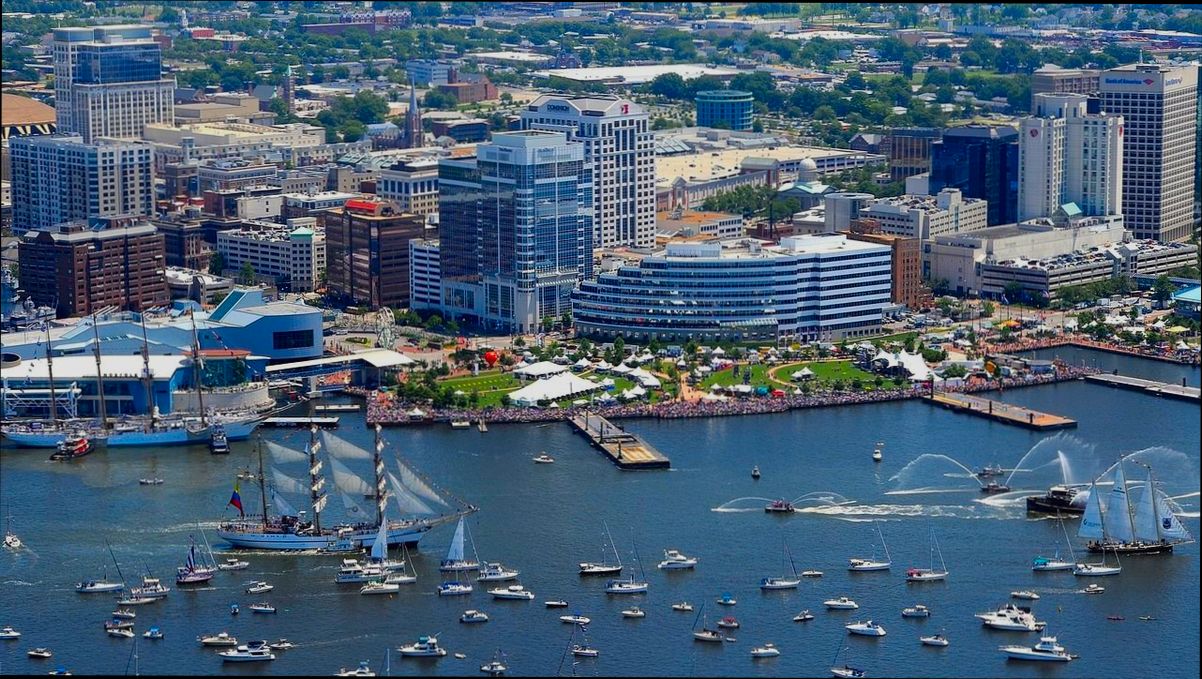
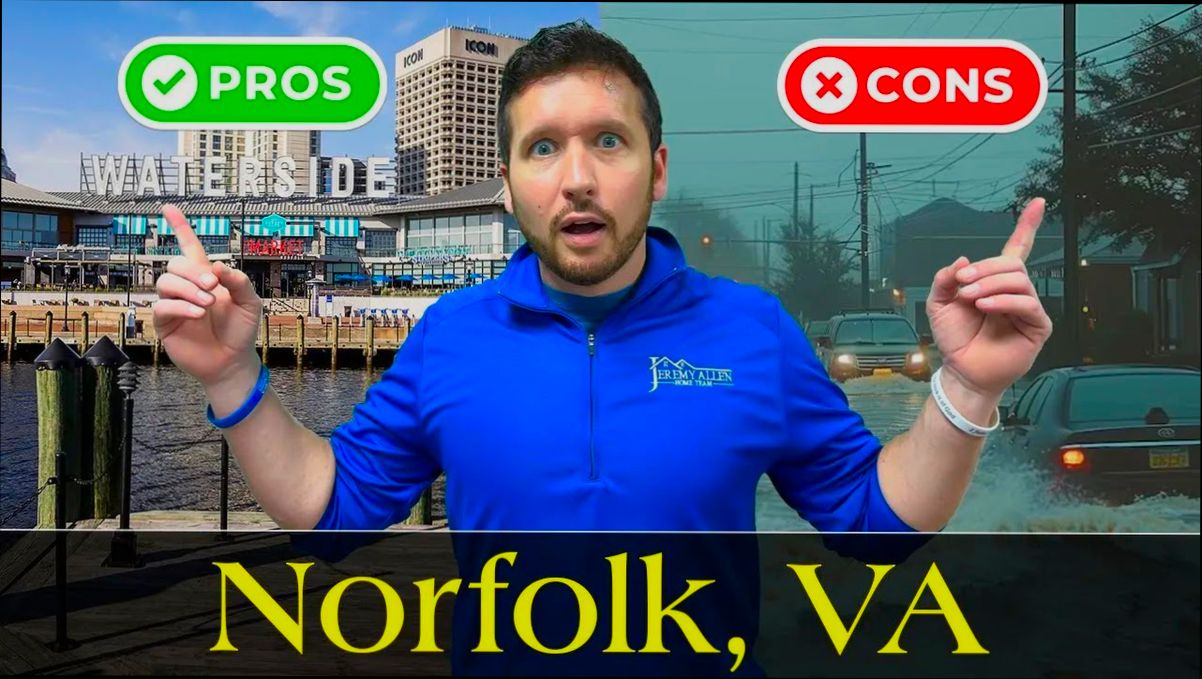
Pros and Cons of Living in Norfolk VA come to life when you dive into its vibrant culture and unique challenges. On the plus side, you’ve got a rich history right at your fingertips, from the striking architecture of Historic Ghent to the bustling waterfront at Town Point Park. The cost of living is relatively affordable compared to cities like Virginia Beach or Richmond, with the median home price hovering around $250,000. Plus, with Norfolk’s naval base, there’s a robust job market, especially for those in the military or defense sectors.
But it’s not all sunshine and military parades. The city grapples with its fair share of traffic and the occasional flooding issues, particularly in coastal areas. If you’re into vibrant nightlife, you might find the options a bit limited compared to larger cities—though there are some great local spots to grab a beer in the NEON District. And let’s not forget the unpredictable weather; the humid summers can test even the most patient of folks. So, if you’re considering Norfolk, there’s plenty to weigh in this eclectic mix of charm and challenges.

Cost of Living and Housing Trends
When considering a move to Norfolk, VA, understanding the cost of living and housing trends is crucial. With dynamic housing markets and fluctuating prices, knowing what to expect can help you make informed decisions.
The Consumer Price Index (CPI) for all items in Norfolk reflects ongoing economic changes. Across the past year, we’ve seen an increase of approximately 2.8%, signifying that inflation impacts everyday living costs, including essentials like food and housing. Diving deeper into the specifics, shelter costs alone rose by 4.2%, indicating significant pressure on the housing market.
Key Housing Trends in Norfolk
- Rising Rents: Recent reports show that the rent for primary residences surged by 4.1%. This steady climb outpaces many residents’ income growth, making affordability a pressing issue.
- Cost Burdens: Analysis highlights that more than 90% of families earning less than $20,000 annually spend over 30% of their income on housing. This threshold indicates a cost burden, significantly affecting disposable income for other necessities.
- Historical Growth: Over the past two decades, housing prices in Norfolk and across the U.S. have escalated faster than wages. Many households are likely feeling the squeeze as housing demand continues to outstrip supply.
Here’s a quick view of some relevant statistics affecting housing trends in Norfolk:
| Category | 12-month percent change, Feb 2025 |
|---|---|
| All Items | 2.8% |
| Shelter | 4.2% |
| Rent of Primary Residence | 4.1% |
| Owners’ Equivalent Rent | 4.4% |
| Energy Services | 3.3% |
Real-World Examples
In Norfolk, families face distinct challenges. For instance, a family earning below the national median can find themselves struggling to meet basic needs once housing costs are factored in. Households of color, particularly Black and Hispanic communities, tend to allocate an even higher share of their income towards housing. This disparity underlines the critical aspects of housing affordability in the city.
Furthermore, as we look at the evolving construction landscape, we see that housing demand has outstripped supply for many years. While efforts have been made through government interventions aimed at increasing housing supply, the gap continues to challenge potential buyers and renters alike.
Practical Implications
If you’re considering a move to Norfolk, be prepared for:
- Budgeting for Rising Costs: Factor in a potential increase in rent of at least 4% over the next year. This will help manage expectations regarding housing availability and affordability.
- Understanding Local Assistance Programs: Explore options such as the Low-Income Housing Tax Credit and local community programs that may help first-time homebuyers or low-income renters navigate the housing market.
- Monitoring the Market: Stay updated on housing trends. Signing up for real estate alerts can ensure you’re aware of opportunities as soon as they arise in a competitive market.
Finally, remember that housing costs are a significant part of overall living expenses. Finding a balance in budgeting will be essential for long-term financial stability in Norfolk.
Cultural Attractions and Activities Available
If you’re considering living in Norfolk, VA, you’ll find a vibrant cultural scene filled with attractions and activities that cater to a variety of interests. Norfolk’s rich history, artistic influences, and diverse community create a unique environment that sets it apart from other cities. Let’s explore some specific cultural attractions and activities you can enjoy.
Museums and Historical Sites
Norfolk boasts several notable museums and historical sites that are perfect for anyone eager to learn about the area’s history:
- Chrysler Museum of Art: Home to an impressive collection of over 30,000 artworks, this museum offers free admission and regularly hosts engaging exhibits and events.
- MacArthur Memorial: This memorial honors General Douglas MacArthur and includes a museum that showcases artifacts from his military career. It attracts thousands of visitors each year.
- Historic Ghent District: A charming area filled with beautiful homes that date back to the early 1900s, perfect for leisurely strolls or guided tours.
Performing Arts
Norfolk’s performing arts scene is thriving, and there’s always something happening:
- Harrison Opera House: This venue is home to the Virginia Opera, where you can enjoy classic operas and contemporary performances. It attracts nearly 60,000 attendees each season.
- The Virginia Symphony Orchestra: This renowned orchestra offers seasonal performances and special events that bring large crowds together to appreciate live classical music.
- Norfolk State University’s Theatre Program: Local universities often present plays and musicals at affordable prices, providing opportunities for community involvement and entertainment.
Festivals and Events
Norfolk hosts a variety of cultural festivals throughout the year, offering residents and visitors unique experiences:
- Norfolk Harborfest: Held annually, this festival is one of the largest maritime celebrations in the country, featuring live music, food, and impressive tall ship parades, attracting over 200,000 visitors.
- Virginia Arts Festival: This month-long festival showcases performances, art exhibits, and educational programs that draw in art lovers from all over the region.
- Norfolk Jazz Festival: A beloved local tradition, this festival celebrates jazz music and brings together local and national artists, hosting an audience of thousands every summer.
Cultural Facilities Comparison
Here’s a comparative table of some cultural facilities in Norfolk to give you a clearer picture of what’s available:
| Facility | Type | Annual Visitors | Admission Fee |
|---|---|---|---|
| Chrysler Museum of Art | Art Museum | 300,000 | Free |
| Harrison Opera House | Performing Arts | 60,000 | Varies by event |
| MacArthur Memorial | Historical Museum | 100,000 | Free |
| Virginia Symphony | Performing Arts | 30,000 | Varies |
| Norfolk Harborfest | Festival | 200,000 | Free |
Real-World Examples
Living in Norfolk means access to amazing events such as:
- First Fridays: Art and social night where participating galleries in the NEON District stay open late, offering a platform for local artists.
- The Chrysler Museum Glass Studio: Offers visitors a chance to watch live glassblowing demonstrations and even participate in hands-on workshops.
- The Norfolk Botanical Garden: Hosts themed festivals throughout the year, such as the annual Butterfly Festival, making it a vibrant place for families and nature lovers.
Practical Implications
You can immerse yourself in Norfolk’s cultural landscape by:
- Attending events at the Chrysler Museum, especially their guided tours on weekends.
- Joining local groups or classes at the Norfolk Arts District to connect with like-minded individuals.
- Seeking out seasonal festivals to experience the community’s vibrant atmosphere.
Whether you’re an art enthusiast, a history buff, or someone who loves live performances, Norfolk offers a wealth of cultural attractions and activities designed to engage and inspire. Be sure to tap into the local arts scene to truly experience all that this wonderful city has to offer!
Impact of Military Presence on Community
Living in a city like Norfolk, VA, means experiencing the unique intertwining of civilian and military life. The military’s presence can create both opportunities and challenges for the community, shaping everything from economic stability to social dynamics.
Economic Influence
The military significantly boosts the local economy. It’s estimated that military expenditures contribute around $1.5 billion annually to Norfolk’s economy. This influx of government spending supports various local businesses, from restaurants to retail shops. Additionally, military personnel often bring with them an average household income about 20% higher than the city’s overall median, driving demand for goods and services.
- Job Creation: The military presence leads to more job opportunities, with approximately 70,000 military and civilian jobs directly associated with the naval base. This dominance in employment helps mitigate local economic downturns.
- Small Business Growth: Local entrepreneurs benefit from military patronage, with a reported 47% of small business owners citing military personnel as key customers.
Community Engagement and Support
Military members often participate in community events and charitable initiatives. This involvement fosters a sense of unity and purpose, as service members contribute their time and resources.
- Volunteering Rates: About 65% of service members engage in community service, enhancing local programs and initiatives aimed at improving Norfolk.
- Support Networks: Organizations such as the Navy-Marine Corps Relief Society provide assistance not only to military families but also to local residents in need, further bridging gaps between the two communities.
Comparative Table: Military vs. Civilian Economic Impact
| Economic Aspect | Military Presence | Civilian Population |
|---|---|---|
| Average Household Income | +20% above median | $52,000 |
| Job Opportunities | 70,000 associated jobs | Varied, around 250,000 |
| Small Business Support | 47% from military | 53% from civilians |
| Community Engagement | 65% volunteer rate | - |
Real-World Examples
In sectors like education, military families’ involvement can lead to increased funding for local schools. Programs such as the “Partner in Education” initiative connect military volunteers with local schools, enhancing educational resources available to all children.
A great case study is the “First Impressions” event hosted each summer, where military and civilian community members come together to support local youth organizations. This event alone raises thousands of dollars, demonstrating the synergy between military families and local causes.
Practical Implications
Residents can benefit from the military’s local presence by engaging with community services and events. Networking with military families can be advantageous for career opportunities and social connections.
- Join Local Groups: Participating in community events increases personal connections with military families, fostering friendships and potential collaborations.
- Leverage Educational Resources: Those involved in local schools can work hand-in-hand with military volunteers to enhance cultural competency and educational programming.
Actionable Insights
As you navigate life in Norfolk, consider how the military’s community influence can enrich your social life and economic prospects. Engaging with military organizations not only contributes to city vibrancy but can also provide unique opportunities for personal and professional growth. Explore local events, reach out to community programs, and find ways to collaborate for a stronger, more inclusive Norfolk.
Comparative Safety and Crime Statistics
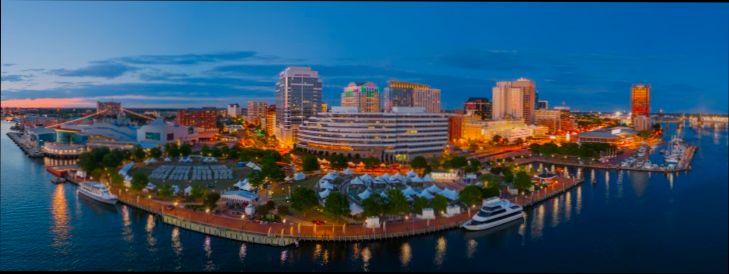
When considering living in Norfolk, VA, comparing safety and crime statistics is essential for making an informed decision. Understanding how crime rates stack up against national averages can help you assess your comfort level in potential neighborhoods. Let’s dig into some recent statistics that define the safety landscape in Norfolk.
Crime Rate Comparisons
Recent data indicates that Norfolk has a higher crime rate compared to the national average. Here are some key statistics to consider:
- Violent Crime Rate: Norfolk has a violent crime rate of approximately 6.6 per 1,000 residents, which is significantly higher than the national average of 4.0.
- Property Crime Rate: The property crime rate in Norfolk stands at around 34.5 per 1,000 residents, compared to the national average of 24.0.
- Total Crimes: In 2022, Norfolk reported over 5,000 violent crimes, highlighting the areas where residents need to exercise caution.
| Crime Type | Norfolk Rate (per 1,000 residents) | National Average (per 1,000 residents) |
|---|---|---|
| Violent Crime | 6.6 | 4.0 |
| Property Crime | 34.5 | 24.0 |
Real-World Examples
You may recall the incident near the downtown area in late 2022, where multiple thefts were reported within just a few weeks. This event illustrated the property crime challenges faced by communities in Norfolk, reaffirming the higher-than-average rates. Additionally, the police department has been actively implementing community engagement programs aimed at reducing these statistics, which should give potential residents comfort in knowing that steps are being taken.
Practical Implications
As a potential resident, it’s vital to be aware of the crime trends in Norfolk:
- If you plan to move to Norfolk, prioritize researching specific neighborhoods, as crime rates can vary significantly across different parts of the city.
- Local community boards often provide valuable insights and updates on safety events and initiatives in your area.
- Being proactive by joining neighborhood watch programs can provide both security and a sense of community.
Actionable Facts
- Consider selecting neighborhoods with lower crime rates for added peace of mind.
- Regularly check local news outlets or crime mapping websites for up-to-date crime reports.
- Engage with local police and attend community meetings to stay informed about safety measures and resources available to residents.
By addressing these specifics regarding safety and crime statistics, you can better evaluate your decision to call Norfolk home.

Educational Opportunities and School Quality
When evaluating the educational landscape in Norfolk, VA, it’s essential to understand both the opportunities available and the quality of schools serving the community. Norfolk’s educational system consists of various public, private, and charter schools, each bringing unique strengths and challenges.
School Performance and Ratings
The quality of education is often measured through school rankings and performance metrics. In Norfolk, the overall graduation rate hovers around 83%, which is just below the national average of 85%. However, it’s important to note that some schools within the district boast significantly higher rates, demonstrating pockets of excellence.
- Top Performers: Certain high schools in Norfolk, such as Norfolk Collegiate School, consistently earn high accolades. This private institution has a 100% college acceptance rate, showcasing the potential of quality education in the area.
School Options and Programs
Norfolk is home to a variety of educational options that cater to different learning styles and needs. Families can choose from:
- Public Schools: The Norfolk Public School District includes several schools recognized for their strong academic performance, such as Booker T. Washington High School, which offers specialized programs in science and technology.
- Charter Schools: Charter schools like the Insight Academy of Virginia provide unique curriculums that emphasize personalized learning experiences.
- Private Institutions: Numerous private schools, including the Virginia Beach Friends School, offer alternative educational philosophies and smaller class sizes.
Comparative Table of School Quality Indicators
| School Type | Average Graduation Rate | Notable Programs | Average Class Size |
|---|---|---|---|
| Public Schools | 83% | STEM, Arts | 25 students |
| Charter Schools | 80% | Innovative Teaching Methods | 20 students |
| Private Schools | 100% | College Prep, International Baccalaureate | 15 students |
Real-World Examples
An example that stands out is the success of the International Baccalaureate (IB) program at Norfolk Academy. Students who participate in this program often perform above average on college readiness assessments, leading to scholarship opportunities and advanced placement in colleges.
Another success story is from Norview High School, where recent initiatives to enhance STEM education have led to a 10% increase in students pursuing careers in science and technology. This proactive approach has benefited not only the students but also the local economy by creating a workforce equipped for future jobs.
Practical Implications
For families considering moving to Norfolk, assessing the educational opportunities should be a priority. Researching individual schools’ performance, visiting open houses, and speaking with current parents can provide insights into the best fit for your children.
Additionally, consider the extracurricular activities and specialized programs offered, as these can significantly enrich the educational experience. Engaging with school boards and local community groups can also offer a clearer picture of how the educational environment aligns with your family values.
Be informed about the enrollment deadlines and application processes for charter and private schools, as these often differ from public school enrollments.
- Check out annual school report cards published by the Virginia Department of Education for the latest data on school performance.
- Attend school district meetings to stay updated on initiatives that can affect school quality in your area.
Outdoor Recreation and Natural Attractions
If you’re considering a move to Norfolk, VA, you’ll be excited to discover the myriad of outdoor recreational opportunities and natural attractions available right at your doorstep. The city’s coastal location, combined with ample parks and wildlife areas, creates an inviting environment for nature lovers and outdoor enthusiasts alike.
Key Outdoor Recreational Activities
Norfolk offers a diverse range of outdoor activities, making it an appealing destination for those who enjoy spending time in nature. Here are some highlights:
- Water Sports: With the Chesapeake Bay and the Elizabeth River nearby, Norfolk provides excellent opportunities for boating, kayaking, and paddleboarding. These activities are particularly popular during the warmer months, with local organizations offering rental equipment and guided tours.
- Fishing: The area’s waterways are teeming with fish, making it a fisherman’s paradise. Species such as striped bass and flounder are commonly found here, with numerous public fishing piers available for access.
- Hiking and Biking Trails: Norfolk features several scenic trails suited for hiking and biking. The popular Elizabeth River Trail stretches over 10 miles with beautiful waterfront views, connecting several parks and neighborhoods along the way.
- Parks and Green Spaces: Norfolk boasts an extensive network of parks, such as Lakewood Park and Town Point Park, which offer playgrounds, picnic areas, and sports fields, catering to families and active individuals.
Comparison of Outdoor Recreational Spaces in Norfolk
| Park Name | Activities Offered | Size (Acres) |
|---|---|---|
| Norfolk Botanical Garden | Walking trails, gardening workshops | 175 |
| Town Point Park | Concerts, picnicking, water views | 7 |
| Lakewood Park | Playgrounds, sports fields | 15 |
| Fort Norfolk | Historical walking tours, fishing | 5 |
Real-World Examples
Many residents participate in organized community events that utilize Norfolk’s natural attractions. For instance, the Norfolk Harborfest celebrates the city’s maritime heritage, featuring outdoor concerts, boat races, and family activities along the waterfront. This annual event showcases how the city embraces its outdoor spaces through community-driven initiatives.
Furthermore, Elizabeth River Project focuses on environmental stewardship, providing multiple volunteer opportunities for residents to engage with local ecosystems through clean-up efforts and educational programs. This initiative highlights how living in Norfolk allows for active participation in preserving the natural attractions nearby.
Practical Implications
Living in Norfolk places you in close proximity to various scenic landscapes and recreational options. By taking advantage of these outdoor activities:
- You can improve your physical health through jogging on the Elizabeth River Trail or enjoying water sports in the bay.
- Socializing with fellow outdoor enthusiasts can strengthen community bonds, especially during events like outdoor yoga classes at local parks.
Specific facts to keep in mind: Norfolk’s waterways make for some of the best kayaking experiences, with calm waters ideal for both beginners and seasoned paddlers, and numerous parks encourage local wildlife sightings, providing a fantastic opportunity for nature photography.
Engaging with these outdoor recreational and natural attractions can enhance your quality of life in Norfolk, offering both health benefits and fun for the whole family.

Climate Considerations for Year-Round Living
Understanding the climate in Norfolk, VA, is essential for anyone considering relocating there. Norfolk boasts a humid subtropical climate, which means you’ll experience mild winters, hot summers, and occasional precipitation throughout the year. Let’s dive deeper into the specifics of what you can expect from the climate year-round.
Temperature and Precipitation Patterns
- Average Temperature: The city sees average highs ranging from 48°F in January to 88°F in July.
- Annual Rainfall: Norfolk receives approximately 47 inches of rain per year, comparatively higher than the national average of about 38 inches.
| Month | Avg High (°F) | Avg Low (°F) | Precipitation (inches) |
|---|---|---|---|
| January | 48 | 30 | 3.22 |
| July | 88 | 71 | 4.57 |
| Annual Avg | 66 | 49 | 46.71 |
These statistics illustrate that while summers can be sweltering, winters remain relatively mild, allowing for diverse activities year-round without extreme weather interruptions.
Snowfall and Extremes
While Norfolk does not experience heavy snowfall compared to more northern areas, snow can still occur. On average, the city receives about 5.5 inches of snow annually. This low snowfall means you won’t deal with severe winter weather, making it easier for year-round living.
Humidity and Heat Index
One critical aspect of life in Norfolk is humidity, especially during summer months. The heat index can rise due to humidity, often making it feel hotter than the actual temperature. You might feel temperatures soar into the 90s, even when the thermometer reads only 85°F. It’s essential to prepare for these hot months:
- Stay hydrated.
- Invest in quality air conditioning.
- Plan outdoor activities for early morning or late evening hours.
Coastal Influences
Norfolk’s coastal location brings certain benefits and challenges, including:
- Mild Marine Climate: The proximity to the Chesapeake Bay moderates temperatures, keeping winters milder than inland areas.
- Hurricane Season: Living near the coast also means preparing for potential hurricanes. Although Norfolk usually experiences less severe impacts than further south, it’s wise to monitor weather reports from June through November.
Actionable Insights
- Gardening and Landscaping: Thanks to the moderate climate, you can garden year-round. Consider planting native species that are more resilient to the humid environment.
- Outdoor Recreation: With mild winters, Norfolk allows for outdoor activities throughout the year. You can enjoy everything from hiking to boating without the seasonal limitations found in other states.
Understanding these climate considerations can enhance your living experience in Norfolk, VA. By preparing for the regional weather patterns and leveraging the coastal advantages, you can fully enjoy what this vibrant city offers.