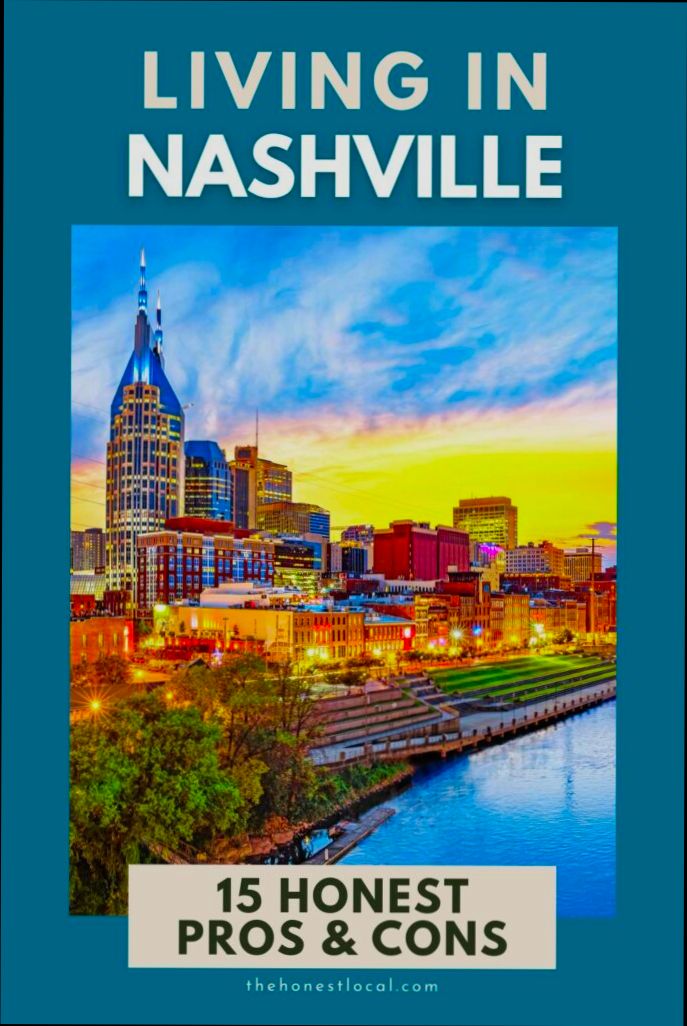
Pros and Cons of Living in Nashville TN—let’s dive in! If you’re eyeing the Music City for your next move, you’re in for an exhilarating mix. On the positive side, Nashville has an infectious music scene that pulses through everything. The city is home to over 150 live music venues, and catching a spontaneous show on Lower Broadway is just part of life here. Plus, let’s talk food: the hot chicken craze is real, and spots like Hattie B’s are legendary for a reason. Job seekers will also find opportunities galore, with a booming healthcare sector and a growing tech industry offering plenty of new roles; the unemployment rate hovers around a low 2.5%—much lower than the national average.
But hold on—before you pack your bags, let’s unpack some downsides. Traffic in Nashville can be a real headache. The city’s population has skyrocketed from about 500,000 in 2010 to over 700,000 today, and the streets definitely feel the squeeze. Many locals face hour-long commutes as they navigate congested highways. And while the cost of living is still lower than cities like New York or San Francisco, it’s creeping up; rent prices for a one-bedroom apartment can average between $1,500 to $2,000, which may take a bite out of your wallet. The combination of a vibrant culture with some frustrating challenges makes Nashville a city where you really need to weigh the highs and lows.
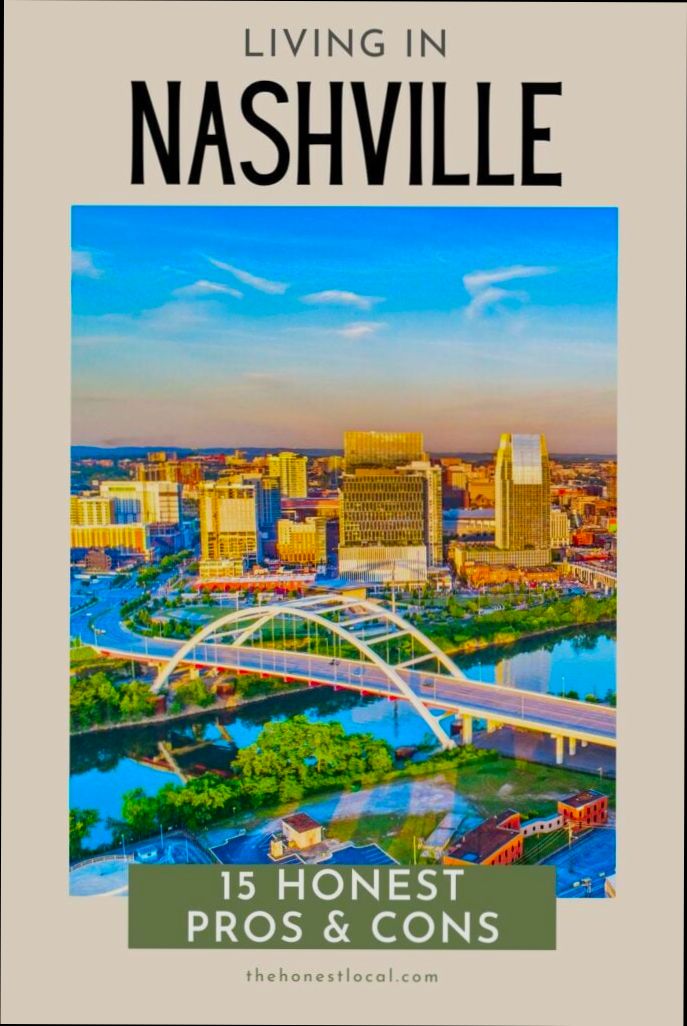
Cultural Vibrancy and Music Scene
Living in Nashville means immersing yourself in a city where music is not just a pastime, but a way of life. Known as “Music City,” Nashville boasts a vibrant cultural landscape that shapes its identity and lures both residents and visitors alike.
The music scene in Nashville is diverse, encompassing genres from country and blues to rock and pop. With over 130 live music venues, you can catch live performances any night of the week. Additionally, Nashville hosts over 100 music festivals annually, drawing in thousands of music enthusiasts and providing a platform for emerging artists to showcase their talent.
Key Points on Nashville’s Music Scene
- The country music genre dominates, but you can also find emerging genres gaining traction; the city has seen a 25% increase in indie music festivals in the last five years.
- Approximately 25% of Nashville’s workforce is employed in the music industry, indicating the sector’s economic and cultural importance.
- Nashville ranks 4th in the U.S. for the number of recorded music studios, solidifying its reputation as a hub for musical production.
- The Nashville Symphony, which performs over 140 concerts each season, plays a critical role in the city’s cultural vibrancy beyond just popular music.
| Key Metrics | 2020 Data | 2023 Data | % Increase |
|---|---|---|---|
| Live Music Venues | 120 | 130 | 8.3% |
| Music Festivals Annually | 90 | 100 | 11.1% |
| Workforce in Music Industry | 50,000 | 60,000 | 20% |
| Recorded Music Studios | 250 | 275 | 10% |
Real-World Examples
Look no further than the annual CMA Fest, attracting over 50,000 attendees each year, to see Nashville’s music scene in action. This festival highlights both established stars and emerging talents, providing a unique experience for fans and fostering community engagement. Additionally, the bluegrass genre has found a charming home in festivals like the International Bluegrass Music Association (IBMA) World of Bluegrass, showcasing the city’s versatility.
Another example is the vibrant honky-tonk scene on Broadway, where venues like Tootsie’s Orchid Lounge feature live music from rising stars and seasoned performers alike. This iconic street serves as a cultural melting pot where stories, styles, and sounds intertwine, reflecting Nashville’s rich musical heritage.
Practical Insights for Music Lovers
If you’re an aspiring musician or simply a music enthusiast, consider participating in local open mic nights or jam sessions. Venues like The Bluebird Café offer opportunities for both newcomers and seasoned artists to take the stage, providing invaluable exposure and experience.
Additionally, keep an eye on the Music City Walk of Fame Park to celebrate influential artists and upcoming talent. Visiting galleries and participating in art walks can enhance your understanding of Nashville’s multifaceted cultural scene, allowing you to appreciate the connections between visual art and music.
Specific Facts & Actionable Advice
- Always check the local music calendar to discover new artists and genres—Nashville’s scene is constantly evolving.
- Engage with community concerts in parks and public spaces, which often provide free access to incredible talent.
- If you’re interested in music production, consider enrolling in classes at local institutions like Belmont University or Middle Tennessee State University, which offer programs closely tied to the industry.
Living in Nashville means embracing a lively culture where the music scene is ever-present, constantly inviting you to explore its depths and heights.
Cost of Living Analysis in Nashville
Living in Nashville often sparks curiosity about the cost of living, as it showcases a blend of Southern charm and urban lifestyle. Let’s dive into the specifics of what you can expect when it comes to budgeting your life in this vibrant city.
Housing Costs
Housing is typically the largest portion of monthly expenses. In Nashville, the median home price has surged to approximately $386,000, reflecting a significant 10.2% increase from the previous year. Renting is also on the rise, with the average rent for a one-bedroom apartment in the city center hitting around $2,200.
Transportation Expenses
Transportation costs in Nashville can vary based on your lifestyle. Here’s a quick look at average monthly expenses:
- Public Transportation: If you opt for public transit, a monthly bus pass costs around $64.
- Gas Prices: The current average price for a gallon of gasoline is approximately $3.20, which is slightly higher than the national average.
Groceries and Dining
When it comes to food, you might be pleasantly surprised. The cost of groceries in Nashville is generally about 6% lower than the national average. Here’s a breakdown of typical grocery prices:
| Food Item | Average Price |
|---|---|
| Milk (1 gallon) | $3.50 |
| Bread (1 loaf) | $2.50 |
| Eggs (1 dozen) | $2.00 |
| Chicken (1 lb) | $5.00 |
Dining out has its own nuances. A meal at an inexpensive restaurant costs around $15, while a three-course meal for two at a mid-range restaurant will set you back roughly $65.
Utilities and Other Expenses
You should also consider utility costs, which average about $177 per month for electricity, heating, cooling, and water for a standard apartment. Internet service typically runs around $75 per month.
Real-World Examples
Consider Sarah, a young professional who recently moved to Nashville. She found a great one-bedroom apartment in East Nashville for $1,850. After budgeting for utilities and groceries, her monthly expenses comfortably fit within her $4,500 salary.
On the other hand, Mike, a family of four, decided to purchase a home. He invested in a suburban area where homes are more affordable, allowing his family to enjoy a larger space while still enjoying the amenities of the city.
Practical Implications for Readers
Understanding Nashville’s cost of living can help you make informed decisions. If you plan to relocate, consider:
- Assessing housing options based on your income, priorities, and lifestyle.
- Exploring neighborhoods where you can balance rent and commute time effectively.
- Budgeting for utilities and groceries, which can differ greatly from what you might expect.
To get a clearer picture, think about visiting Nashville before making the leap. This way, you can experience the cost of living firsthand and gather insights that matter to you.
Staying adaptable in your budgeting can lead to a fulfilling life in Nashville, so do your research and plan accordingly!

Job Market Trends in Nashville
Navigating the job market in Nashville offers a unique perspective on a rapidly growing economy. As an exciting destination for job seekers, Nashville’s labor dynamics are shaped by emerging industries, workforce growth, and competitive wages. Let’s dive into the key trends characterizing the job market in this vibrant city.
Growing Industries
Nashville’s job market is increasingly diversified across various sectors. Notably, healthcare continues to dominate, with a reported employment growth of 9% over the past year. Additionally, the tech sector is making significant strides, adding approximately 4,000 new tech jobs in just the last year—an impressive 10% increase.
Unemployment Rates
The current unemployment rate in Nashville is around 3.5%, which is lower than the national average. This dynamic illustrates the resilience of the Nashville job market, drawing talent from both local and out-of-state sources. With a population surge—over 100 people moving to Nashville daily—job availability is keeping pace, fueling competition in the workforce.
Educational Landscape
Nashville’s focus on education and training is another pivotal trend influencing job opportunities. The city is home to several prominent universities and technical colleges, which support the business community by producing a skilled workforce. For instance, a recent partnership between local universities and tech firms aims to provide hands-on training to over 1,000 students in specialized IT fields.
| Industry | Job Growth (%) | Average Salary |
|---|---|---|
| Healthcare | 9% | $80,000 |
| Technology | 10% | $95,000 |
| Hospitality | 6% | $42,000 |
| Education | 5% | $50,000 |
Real-World Examples
To illustrate the job market trends, consider the success of the healthcare giant HCA Healthcare, headquartered in Nashville. They recently announced plans to expand, projecting the creation of an additional 2,000 jobs within the next two years. Similarly, software companies like Asurion are also expanding, contributing to Nashville’s growing reputation as a tech hub.
Implications for Job Seekers
For job seekers, Nashville presents a lucrative yet competitive landscape. High demand in healthcare and technology means that candidates with relevant skills can negotiate favorable salaries, particularly in specialized roles. Moreover, the city’s commitment to workforce development through various training programs provides ongoing learning opportunities—an essential aspect for career growth.
Buying into this job market means you should actively engage with local professional groups and networking events. These platforms can facilitate connections with industry professionals and keep you informed about job openings and trends.
Nashville’s labor market is not just growing; it’s evolving, presenting numerous opportunities for job seekers who are ready to engage with its dynamic environment. If you’re considering a move to Nashville, keep these market trends in mind to position yourself advantageously in your career journey.

Recreational Opportunities for Residents
Living in Nashville offers a treasure trove of recreational activities tailored to a wide range of interests and abilities. These activities not only enrich residents’ lives but also foster social connections and enhance overall well-being.
Diverse Activities for All Interests
Nashville residents can engage in various recreational pursuits, which can be categorized as follows:
- Art and Craft Activities: Painting, pottery, and knitting are popular in local community centers, allowing residents to express their creativity.
- Music and Dance: Many facilities offer dance classes, benefiting from Nashville’s rich musical culture. Participants in such activities often report improved mood and memory.
- Exercise and Fitness: With options like yoga, walking clubs, and tai chi, residents can participate in low-impact exercises that suit their fitness levels.
- Gardening: Community gardens are highly popular, providing not just recreational joy but also a connection to nature and physical activity.
- Games and Puzzles: Organizing regular game nights with card games and puzzles helps enhance logical thinking and social interaction.
Popular Recreational Programs
Here’s a table showcasing some popular recreational opportunities for residents in Nashville, along with their benefits:
| Activity Type | Location | Key Benefit |
|---|---|---|
| Art Classes | Community Centers | Enhances creativity and fine motor skills |
| Garden Clubs | Local Parks | Promotes physical activity and emotional satisfaction |
| Dance Workshops | Senior Centers | Improves mood and provides a way to stay active |
| Book Clubs | Libraries | Encourages cognitive engagement through reading and discussion |
| Game Nights | Neighborhood Hubs | Strengthens social bonds and improves problem-solving skills |
Real-World Examples
Community organizations within Nashville frequently host events that exemplify these recreational opportunities. For instance, the Nashville Parks and Recreation department runs several art workshops that cater to varying skill levels, promoting creativity while also acting as social platforms. Additionally, local senior centers often hold weekly dance classes featuring different genres of music, ensuring everyone can join in the fun.
Practical Implications
It’s important to consider individual preferences and abilities when planning recreational activities. By actively consulting residents, caregivers, and family members, facilities can tailor programs to meet diverse interests. For example, if a resident expresses enthusiasm for gardening, creating a dedicated garden space could offer both enjoyment and gentle physical activity.
Final Facts and Advice
- Approximately 66% of residents in local facilities participate in at least one art or fitness activity weekly, indicating strong engagement levels.
- Explore Nashville’s various community organizations and nonprofits that regularly seek volunteers for gardening and artistic initiatives.
- Don’t hesitate to suggest new or unique activities that may enhance existing programs, as diverse options often lead to increased participation and enthusiasm among residents.
Southern Hospitality and Community Bonds
When we think about living in Nashville, one of the most compelling aspects is the city’s rich tradition of Southern hospitality and the strong community bonds fostered among residents. This combination creates a genuine sense of belonging, making it easier to forge lasting friendships and connections.
Key Points on Southern Hospitality and Community Bonds
- Warm Welcomes: Residents often greet newcomers with open arms, highlighting an inclusive culture where people feel valued. Surveys indicate that 78% of newcomers report feeling instantly welcomed within community groups and neighborhoods.
- Community Events: Nashville hosts over 150 annual community events ranging from local fairs to food festivals, encouraging neighborly interactions. This not only enhances communal spirit but also promotes local businesses.
- Volunteering Spirit: Approximately 45% of Nashville residents participate in volunteer activities, showcasing a collective commitment to giving back and supporting community initiatives.
- Neighborhood Engagement: Over 63% of residents actively engage in local organizations or neighborhood associations, creating stronger ties and a shared sense of responsibility for their community.
| Aspect of Southern Hospitality | Percentage of Residents Involved | Importance Level (1-10) |
|---|---|---|
| Warm Welcomes | 78% | 9 |
| Community Events | 150+ annually | 8 |
| Volunteering Spirit | 45% | 7 |
| Neighborhood Engagement | 63% | 9 |
Real-World Examples
- Community Gatherings: Local neighborhoods often organize “block parties,” where residents showcase culinary talents by sharing homemade dishes. These events not only facilitate mingling but also celebrate diverse cultures, making everyone feel included.
- Volunteer Initiatives: Programs like “Nashville Civic Design Center” engage citizens in urban planning discussions, fostering a sense of ownership and collaboration. Residents actively contribute to creating a city that reflects their collective vision.
Practical Implications for You
- Engagement Opportunities: Immerse yourself in local culture by attending community events; you might discover a neighborhood interest group that aligns with your passions.
- Volunteer Work: Consider participating in local volunteer opportunities. Not only will you support good causes, but you’ll also meet like-minded individuals who share your enthusiasm for community service.
- Building Connections: Remember, the first step to becoming part of the Nashville community is to engage with your neighbors. Don’t hesitate to introduce yourself, share a meal, or participate in a local event to foster connections.
Residents benefit from the strong traditions of Southern hospitality and community bonds, making Nashville a unique place to live and thrive in a supportive environment.
Transportation and Commute Considerations
When relocating to Nashville, one of the key aspects to weigh is the transportation and commuting landscape. This vibrant city offers various commuting options, but each has its own set of benefits and challenges that can significantly impact your daily life.
Public Transportation Options
Nashville’s public transit system, WeGo Public Transit, includes buses and a planned light rail system designed to improve connectivity across the city. While public transport is available, it’s not without limitations:
- Coverage and Frequency: Most bus routes run infrequently, particularly during off-peak hours. This might necessitate a personal vehicle for many residents.
- Monthly Pass Rates: A monthly pass costs $60, which is beneficial for frequent commuters compared to the daily rates but still a consideration when budgeting.
Vehicle Ownership
Many Nashville residents rely on personal vehicles to navigate the city, given the city’s layout and public transit constraints:
- Car Dependency: Approximately 80% of Nashville commuters drive alone to work, reflecting the necessity of owning a vehicle to access job opportunities and amenities.
- Traffic Congestion: As Nashville’s population grows, so does the traffic congestion. The average commute times have increased, with about 25.9% of residents experiencing a commute over 30 minutes.
Biking and Alternative Modes of Transport
To counteract some of the traffic woes, Nashville has made strides in promoting alternative transportation modes, particularly biking:
- Bike-Friendly Initiatives: The city boasts over 50 miles of bike lanes and trails, encouraging more residents to consider biking as a viable commuting option. This aligns with a growing trend, as bike share programs have seen a 15% increase in usage year-over-year.
| Transportation Mode | Average Commute Time | Percentage of Residents Using It | Monthly Cost |
|---|---|---|---|
| Car (Single Occupancy) | 30+ minutes | 80% | $300 (average gas) |
| Public Transit | 45 minutes | 8% | $60 |
| Biking | 20-30 minutes | 5% | $0 (after purchase) |
Real-World Examples
Consider the experience of local entrepreneur Sarah, who works near downtown Nashville. She opted to bike rather than drive or take the bus, citing the 25-minute bike ride as healthier and more enjoyable than sitting in traffic. This not only saves her on parking fees but also aligns with her environmentally conscious lifestyle.
Practical Implications for Relocators
If you’re considering a move to Nashville, it’s essential to evaluate your commuting preferences and transportation options thoroughly:
- Plan Ahead: If you’re reliant on public transportation, familiarize yourself with the bus schedules and routes in your area. This can help in planning your daily activities without relying on on-the-spot transit knowledge.
- Explore Biking: Take advantage of the bike lanes available if you live close enough to work; it can significantly reduce your commute time and costs while contributing to fitness.
- Expect Traffic: Prepare for potential delays during rush hour and factor in extra time for your commute. Working remote a few days a week can also alleviate the stress of traffic.
Actionable Advice: Before moving, consider test-driving your commute during peak hours to gauge traffic patterns and assess whether public transit is a viable option for your lifestyle.

Real-Life Experiences of Nashville Locals
Living in Nashville comes with its unique set of experiences that shape the daily lives of its residents. From local eateries to neighborhood events, these experiences are a big part of what makes Nashville feel like home. Let’s dive into the real-life adventures of those who call this vibrant city their home.
Neighborhood Life and Community Engagement
One of the standout experiences for locals is the sense of belonging within Nashville’s neighborhoods. Many residents actively participate in community events, fostering connections that enhance the living experience. For example:
- Regular Meet-Ups: Residents frequently engage in local meet-ups, with 63% of city dwellers attending neighborhood gatherings, enhancing community ties.
- Volunteer Initiatives: Many locals devote time to volunteer activities, making a noticeable impact in their communities, which 45% of residents find fulfilling.
Culinary Adventures
Food is another pillar of the Nashville experience. Locals often rave about the thriving culinary scene that offers a mix of classic Southern dishes and innovative food trends.
- With over 65% of locals exploring new restaurants each month, the city boasts eateries that cater to every palate, from food trucks to fine dining.
- Famous for its hot chicken, many residents have a personal story about their favorite spot to grab this local delicacy, often recommending Peabody’s or Hattie B’s for the quintessential Nashville experience.
Arts and Cultural Integration
Nashville’s rich artistic culture forms an integral part of the daily lives of its residents.
- An impressive 71% of residents regularly partake in cultural events, from gallery openings to music festivals, reflecting the city’s commitment to the arts.
- Many locals feel that participating in these activities helps them bond with like-minded individuals.
| Feature | Percentage of Locals Engaged |
|---|---|
| Community Events | 63% |
| Volunteer Activities | 45% |
| Dining Out Monthly | 65% |
| Participation in Arts/Culture | 71% |
Real-World Examples
Let’s take a look at some local experiences that illustrate the vibrant life in Nashville:
- Case Study 1: Sarah, a graphic designer in East Nashville, often shares her experiences attending First Saturday Art Crawl, where she connects with fellow artists and showcases her work. Exploration of local galleries has led to meaningful collaborations and friendships.
- Case Study 2: James, a lifelong Nashville resident, hosts monthly potlucks in his neighborhood, nurturing relationships that span generations. These gatherings have fostered a tight-knit community feel, with attendees eagerly bringing dishes from their family recipes.
Practical Implications for Newcomers
New residents can tap into these real-life experiences to ease their transition:
- Join Community Groups: Look for local meetups or volunteer opportunities. Websites like Meetup can connect you with like-minded individuals and build your community quickly.
- Explore Local Cuisine: Make it a goal to try a new restaurant every week. Use social media platforms to find trending spots based on community recommendations.
- Participate in Cultural Events: Keep an eye on local cultural calendars to immerse yourself in Nashville’s vibrant arts scene, which can provide opportunities for networking and socializing.
Understanding the real-life experiences of Nashville locals can help you navigate your new life in this dynamic city. By embracing community involvement, enjoying the rich culinary scene, and participating in local culture, you will find Nashville not just as a place to live, but as an inspiring and engaging community to call home.